If you garden in the East North Central region, you already know the routine: bitter winters, surprise late frosts, humid heat, and summers that can swing from soggy to dry. The good news is that many shrubs for East North Central handle these mood changes beautifully—while giving you flowers, structure, wildlife value, and fall color. Below are 13 proven performers for USDA Zones 4–6, with practical tips so you can choose what fits your yard’s light, soil, and the style you want.
Table of Contents
Shrubs for East North Central: 13 Hardy, Beautiful Picks
1) Panicle Hydrangea (Hydrangea paniculata)
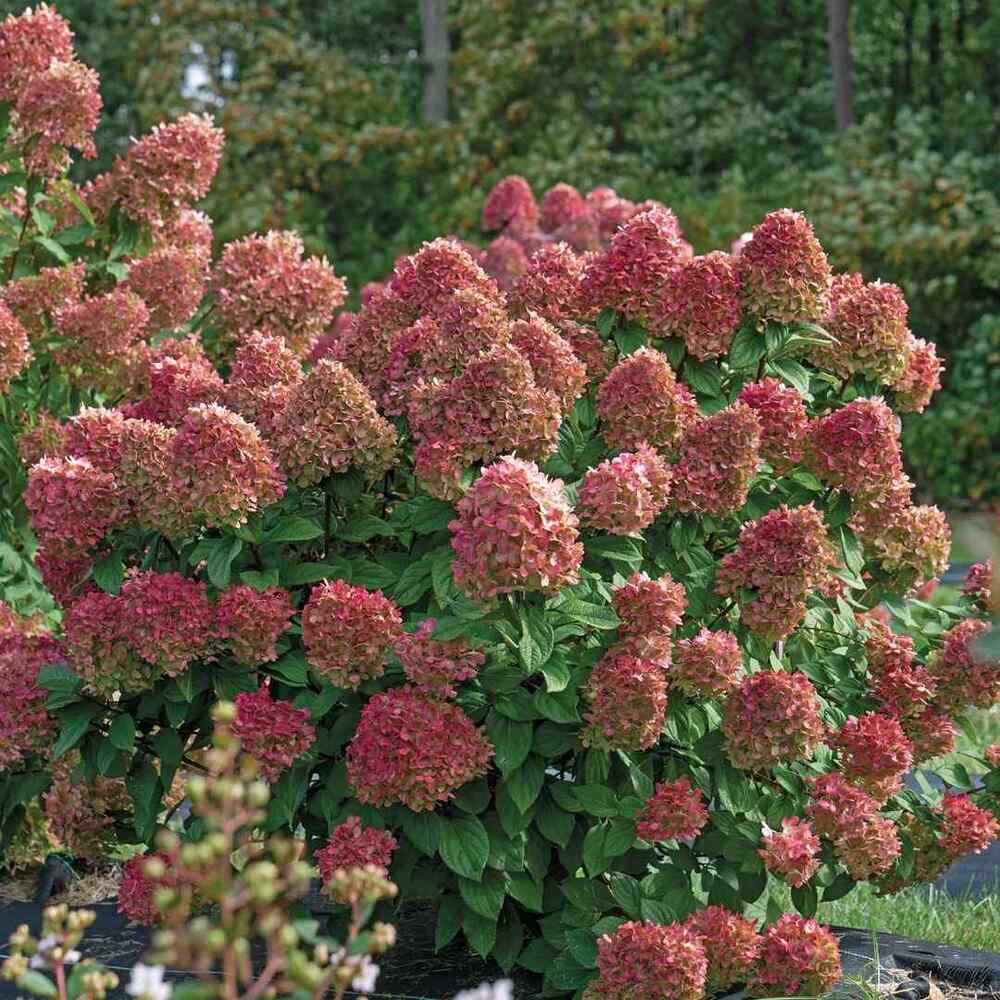
If you want a “wow” shrub that still behaves in Zone 4 winters, this is it. Panicle hydrangea thrives in sun to part shade and tolerates typical Midwest soils. Blooms start creamy white and often blush pink as they age. It flowers on new wood, so winter dieback is rarely a deal-breaker.
Style tip: Place it near patios for a soft, cottage feel.
Care note: Prune in late winter/early spring for shape and size. Cultivar idea: ‘Fire Light’.
2) Red Twig Dogwood (Cornus sericea)
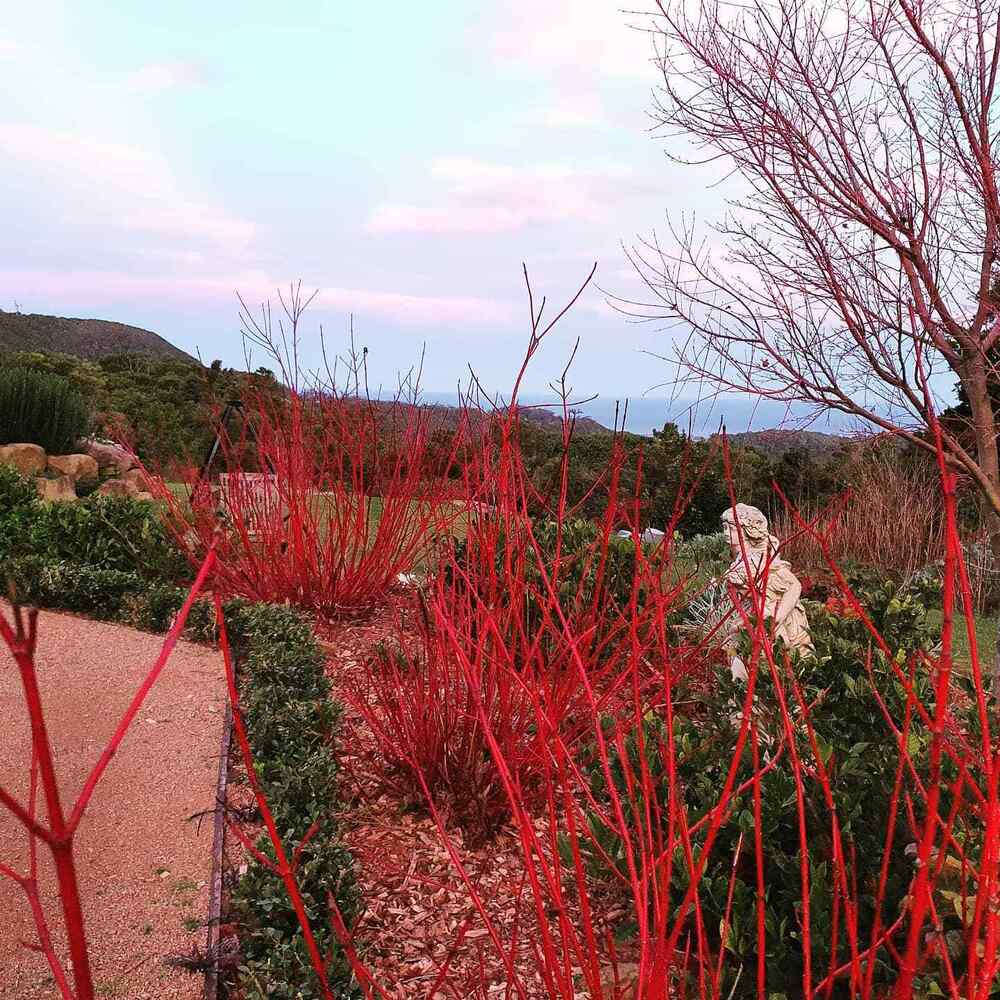
Red twig dogwood earns its keep in winter when everything else goes quiet. Its scarlet stems glow against snow, and it also brings spring flowers and summer berries. It’s a star in wet soils and rain-garden edges, which makes it one of the most practical shrubs for East North Central landscapes.
Style tip: Mass 3–5 plants for a bold winter “brushstroke.”
Care note: For strongest stem color, remove 1/3 of older stems each spring.
3) Common Ninebark (Physocarpus opulifolius)
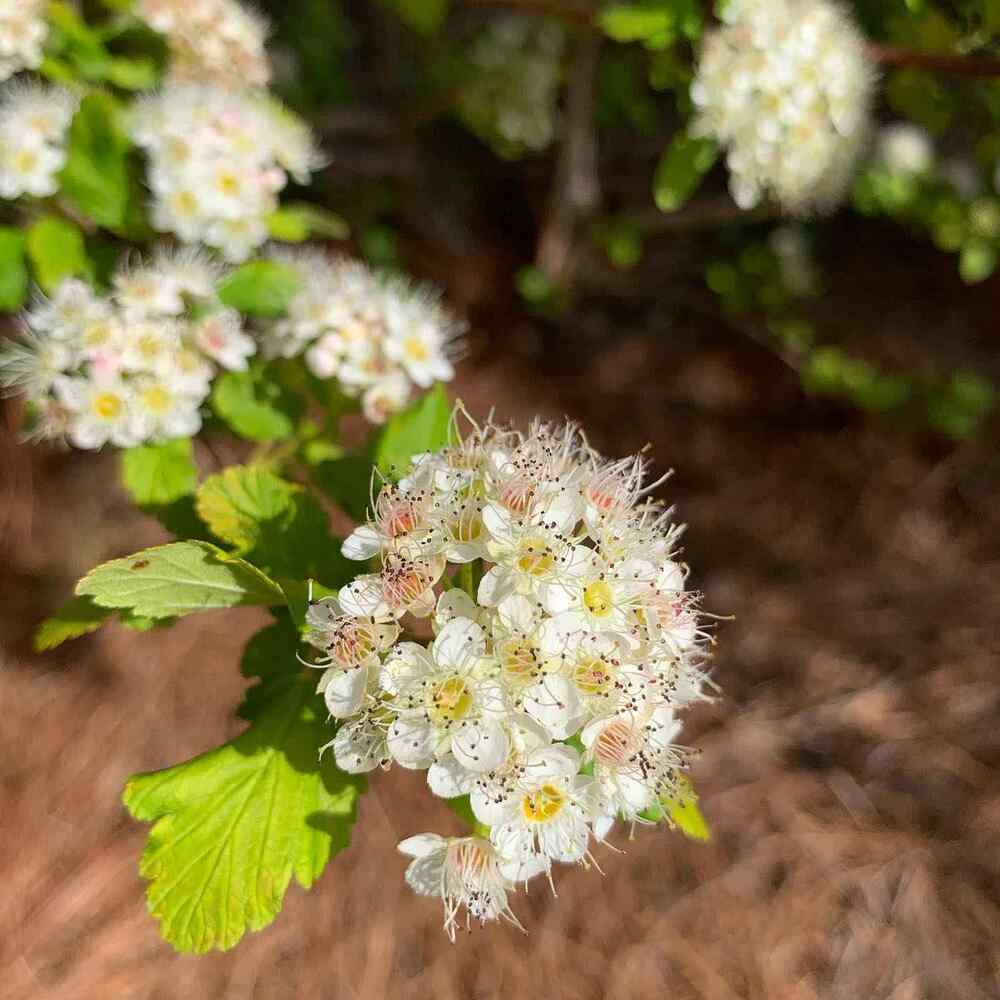
Ninebark is a native workhorse with exfoliating bark, spring flower clusters, and foliage that can be green, gold, or deep purple depending on variety. It shrugs off cold, wind, and uneven moisture once established.
Style tip: Use purple-leaf types (like ‘Diabolo’) as a contrast behind lighter perennials.
Care note: Thin out old branches after flowering to keep it airy and vigorous.
4) Lilac (Syringa spp.)
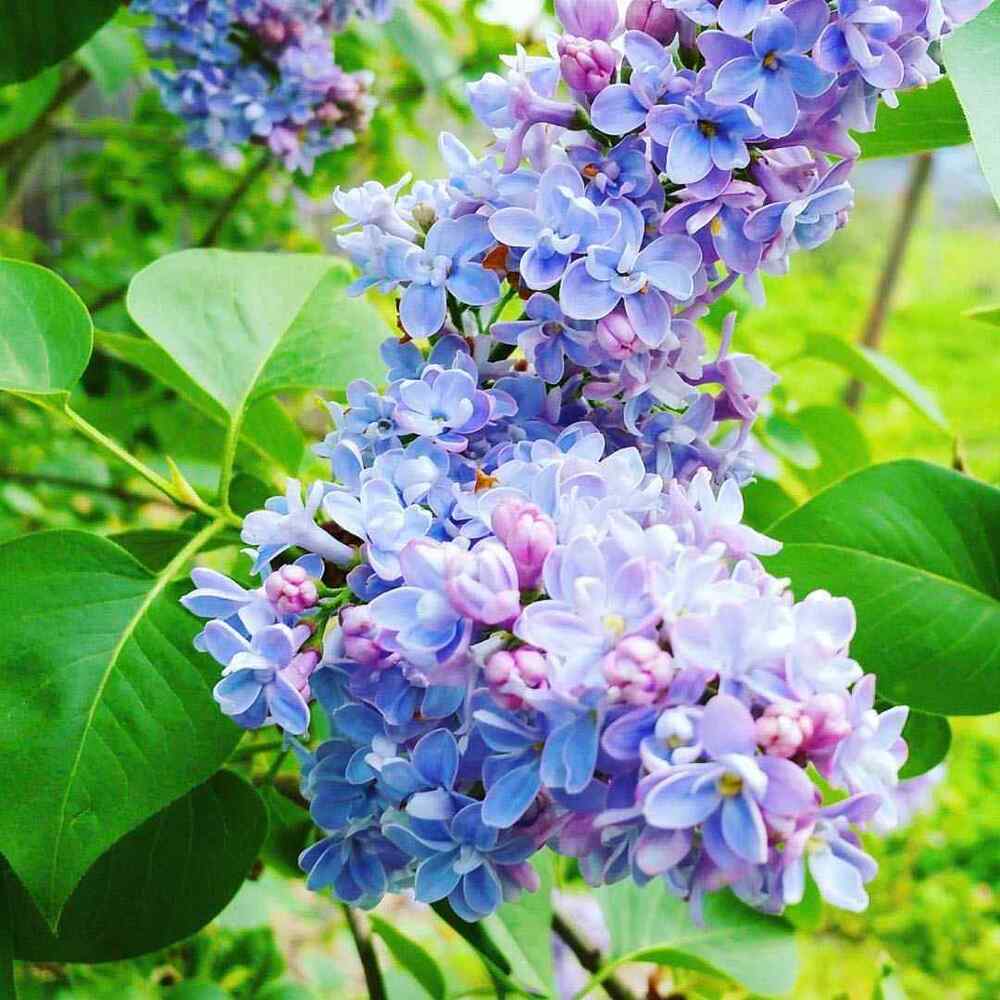
Lilacs are a classic in Zones 4–6 for a reason: fragrance, nostalgia, and toughness. They prefer sun and decent drainage, and they can live for decades. If you want longer bloom, modern rebloomers (like Bloomerang®) can give a second flush later in the season.
Style tip: Plant where breezes carry scent toward doors or windows.
Care note: Prune right after flowering—next year’s buds form soon after.
5) Viburnum (e.g., Arrowwood Viburnum)
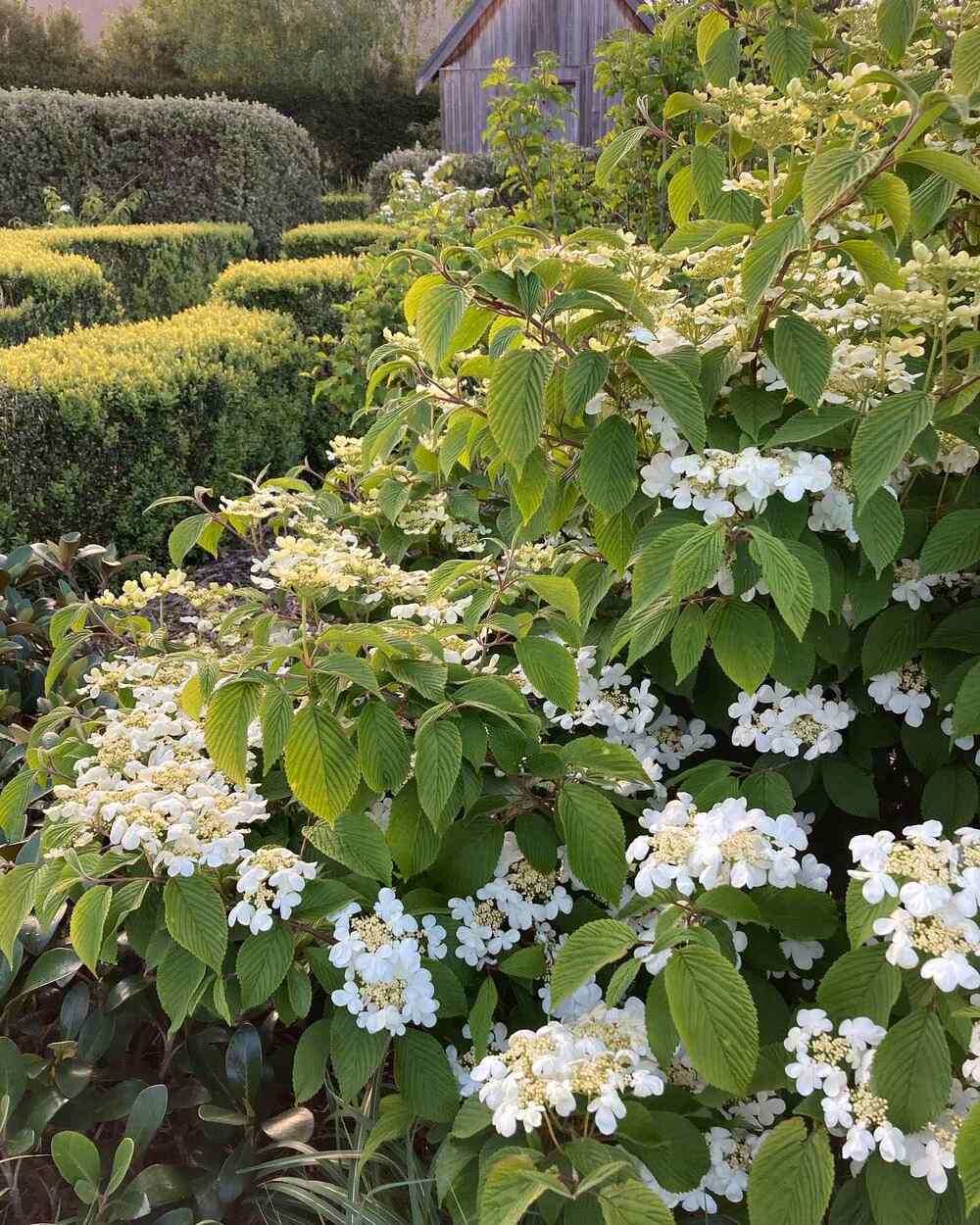
Viburnums deliver “four-season reliability”: spring flowers, summer texture, berries for birds, and strong fall color. Arrowwood viburnum is especially dependable in East North Central conditions and handles a range of soils.
Style tip: Use as a natural privacy screen that still feels soft and layered.
Care note: Many viburnums fruit better with a compatible pollinator nearby—plant two if space allows.
6) American Hazelnut (Corylus americana)
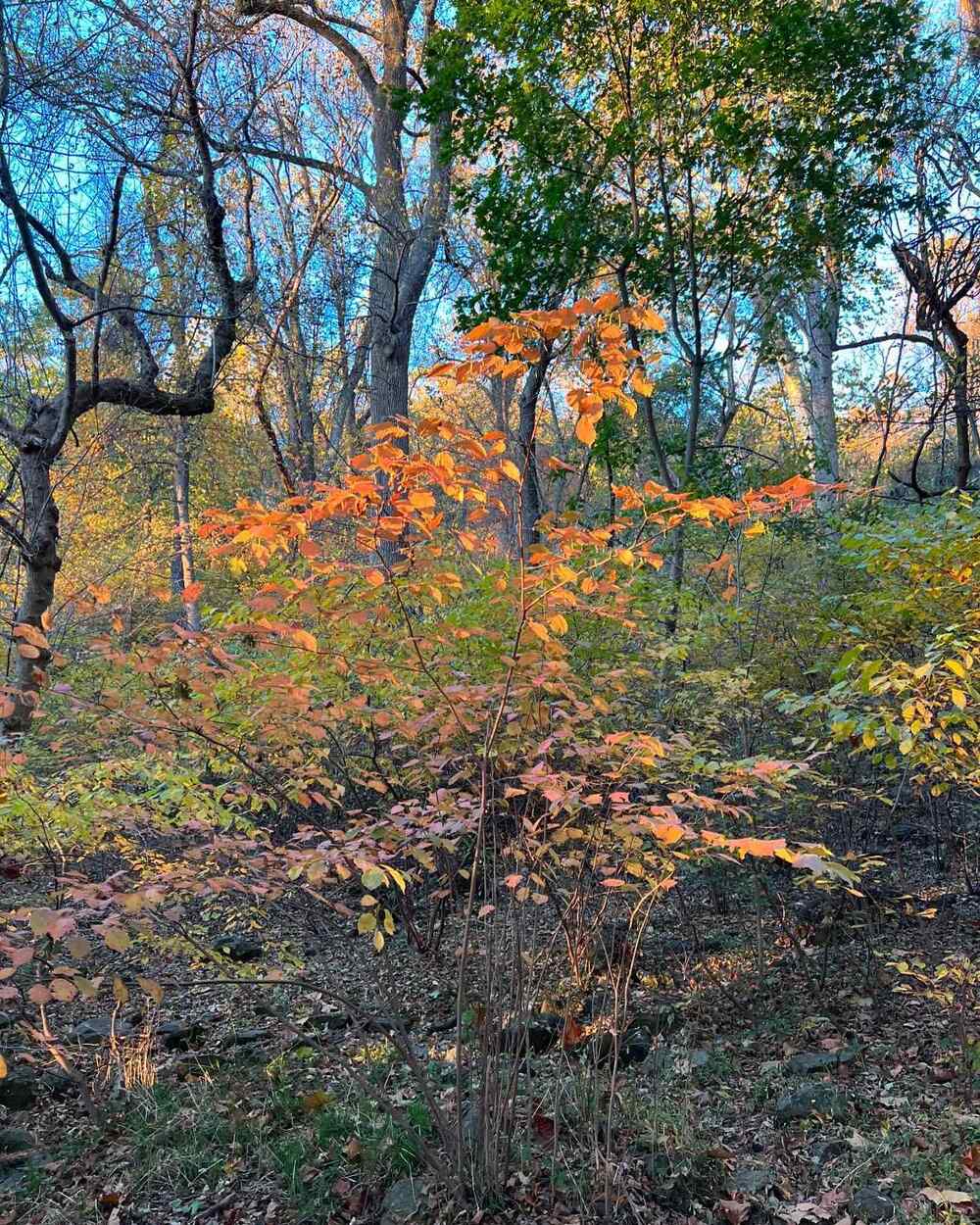
This native shrub offers edible nuts (often before squirrels claim them) and glowing yellow-orange fall foliage. It’s hardy, adaptable, and valuable for wildlife. If you want a yard that feels “alive,” hazelnut quietly supports birds and beneficial insects.
Style tip: Let it form a loose thicket at the back of the garden for a natural, woodland edge.
Care note: Expect suckering; prune selectively if you want a tidier outline.
7) American Witch Hazel (Hamamelis virginiana)
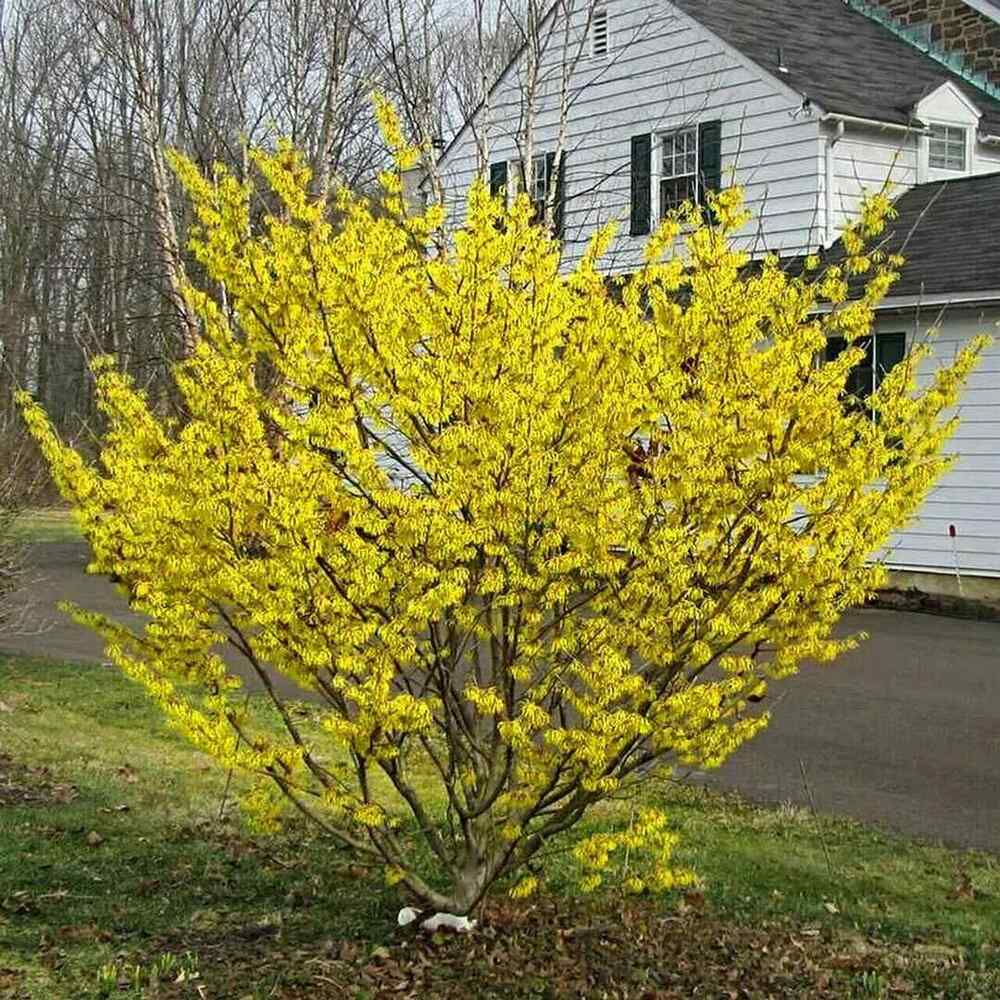
Witch hazel brings one of the most unusual bloom times: late fall. Its ribbon-like yellow flowers can appear when other plants are done, which feels like a small miracle after the first chilly nights. It’s also a native with ecological value.
Style tip: Place near a walkway so you notice it during autumn routines.
Care note: Best in part shade with even moisture; avoid harsh, dry sites.
8) Northern Bush Honeysuckle (Diervilla lonicera)
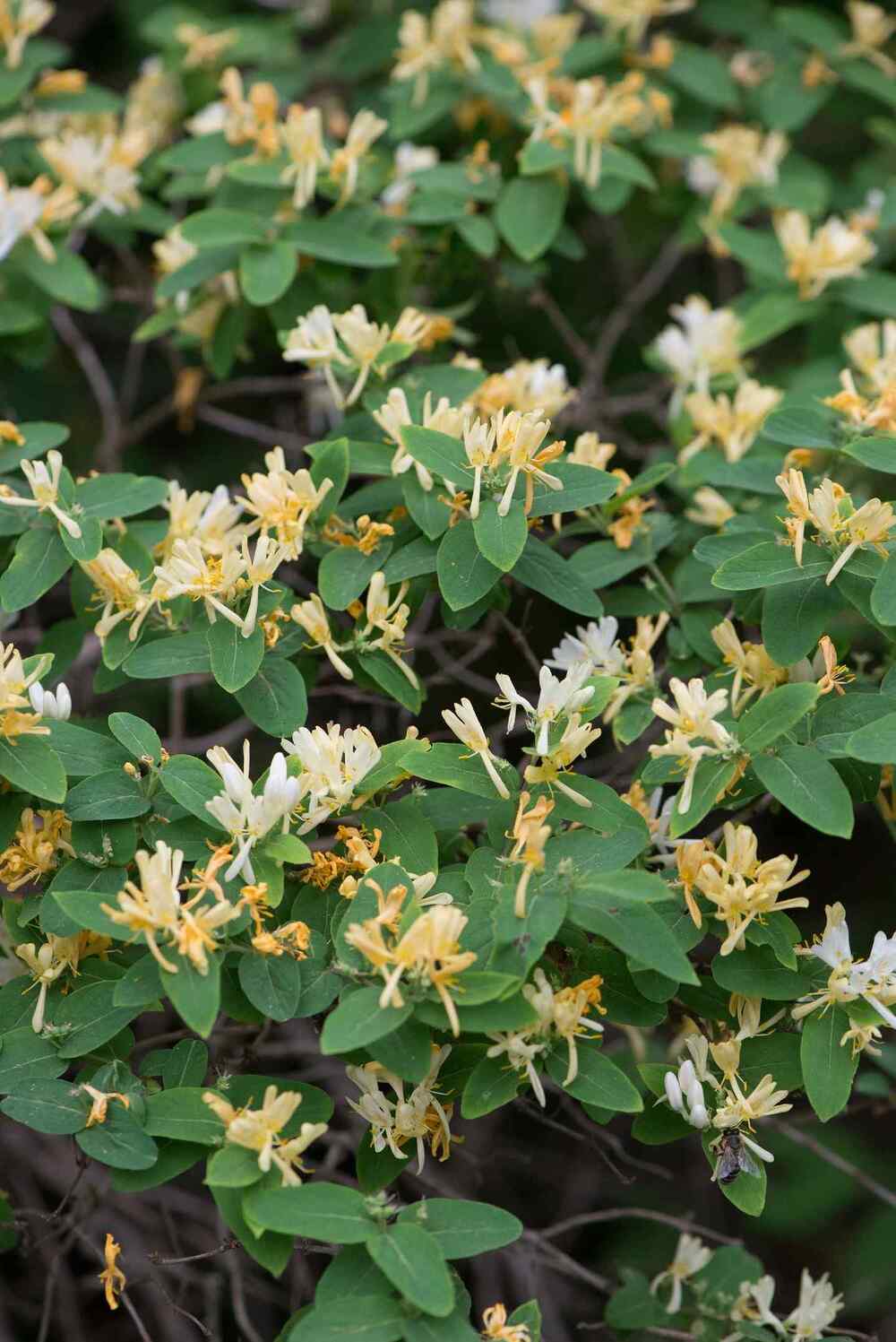
Don’t confuse this with invasive honeysuckles—Diervilla is a native, well-behaved shrub. It tolerates shade, handles dry spells once established, and often shows pleasing fall color. It’s a smart choice if you have difficult light under trees.
Style tip: Use it as a low, relaxed foundation shrub where boxwood would struggle.
Care note: Shear lightly after flowering if you prefer a crisp shape.
9) Forsythia (Forsythia spp.)
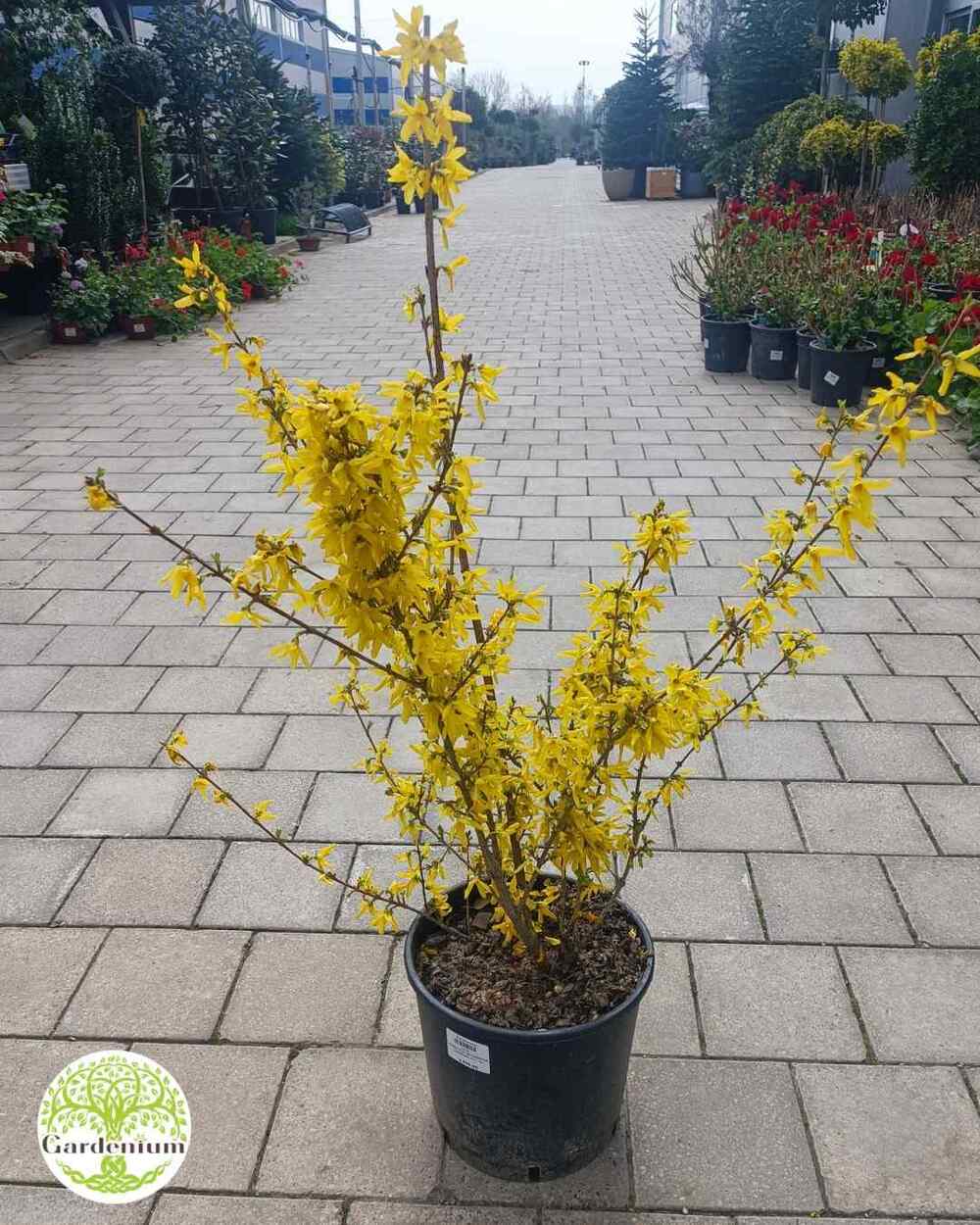
Forsythia is pure early-spring joy: bright yellow blooms that signal winter is finally loosening its grip. It’s hardy and fast-growing, making it useful when you want color quickly or need a tough shrub for a rough spot.
Style tip: Pair with early bulbs beneath for a layered spring scene.
Care note: For best flowering, prune right after bloom; older stems can be removed at the base.
10) Weigela (Weigela florida)
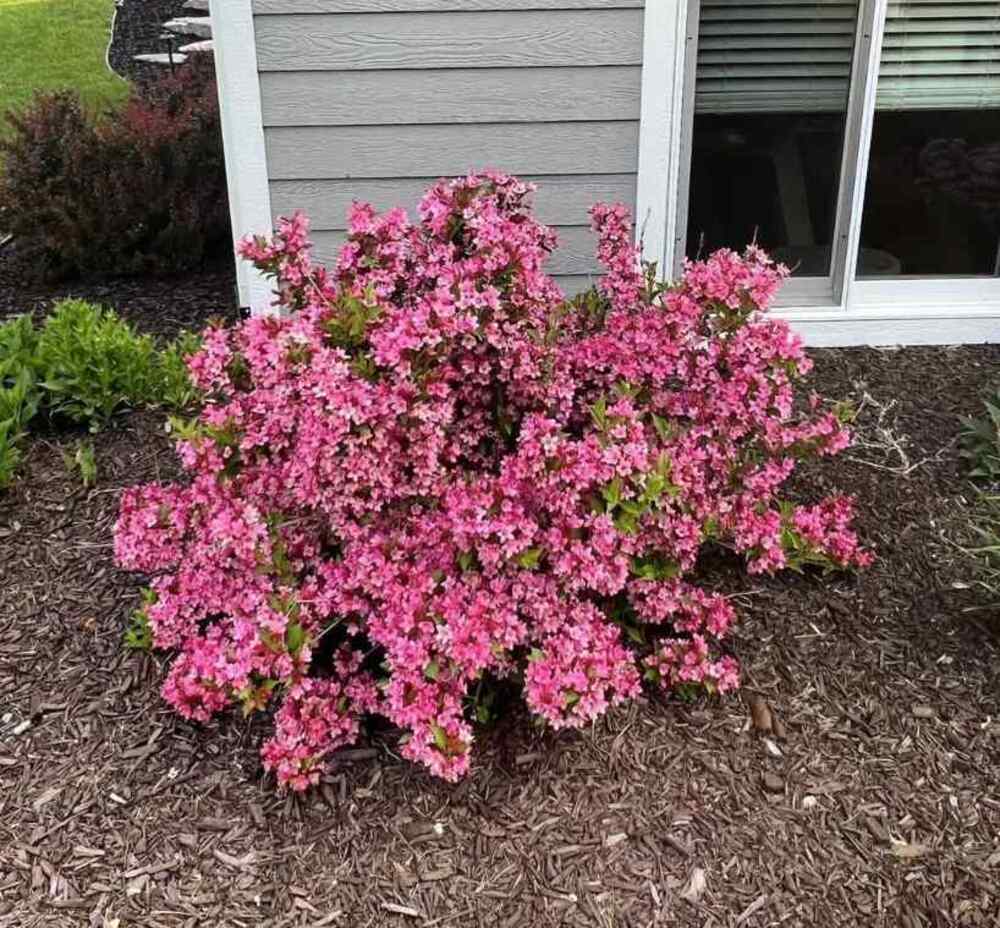
Weigela brings tubular pink/red flowers that hummingbirds love, plus many cultivars offer dramatic foliage—deep burgundy, chartreuse, or variegated leaves. It performs well in sun and tolerates typical East North Central summers.
Style tip: Use dark-leaf varieties to make bright flowers and silver plants pop.
Care note: Deadhead for tidiness; rejuvenate by removing older stems every few years.
11) Alpine Currant (Ribes alpinum)
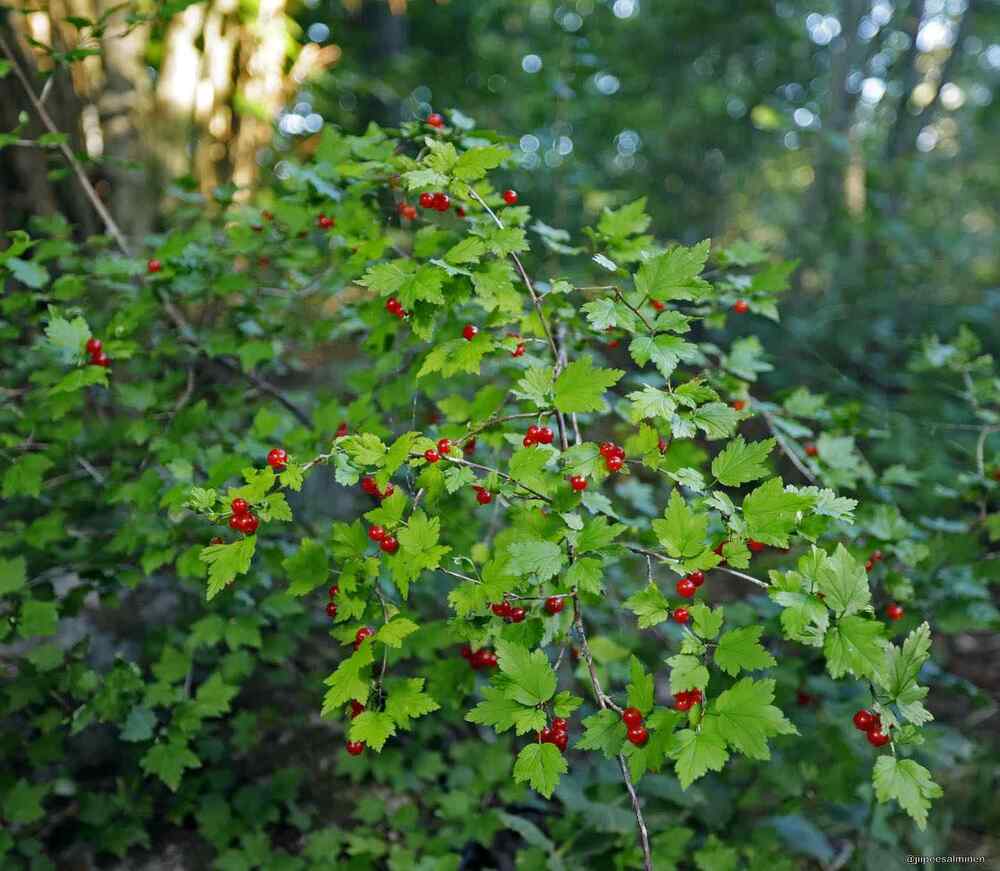
Alpine currant is an underrated hedge shrub: extremely hardy, shade-tolerant, and willing to be pruned into tidy lines. It’s a strong option if you want structure without fuss—especially for property borders or along driveways.
Style tip: Clip into a clean hedge for a “tailored” look that still feels friendly.
Care note: Prune in late winter or after spring growth flush to maintain shape.
12) Kalm St. John’s Wort (Hypericum kalmianum)
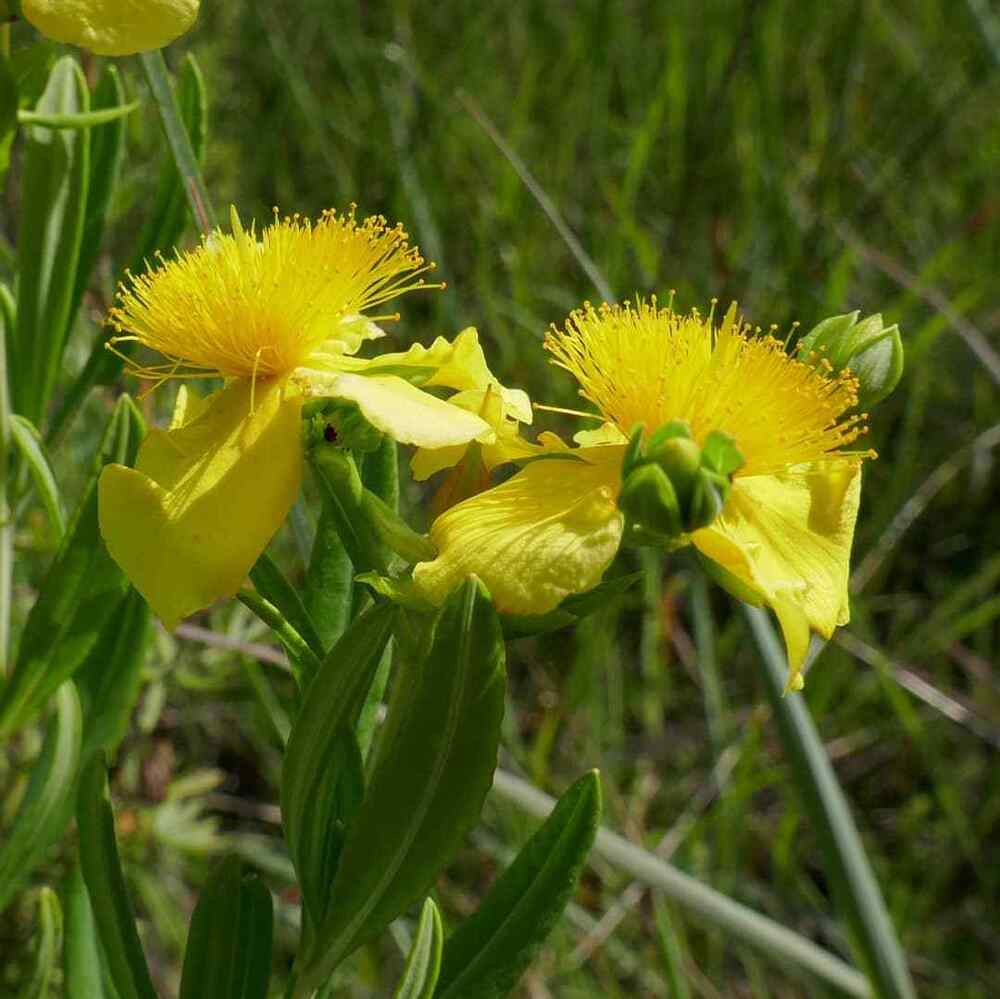
This compact native shrub offers cheerful golden-yellow summer flowers and can be semi-evergreen in milder parts of the region. It’s a great scale for small gardens and foundation plantings where you want brightness without bulk.
Style tip: Pair with blue or purple perennials for a calm, designer-like palette.
Care note: Full sun gives best flowering; light pruning keeps it dense and rounded.
13) Sumac (Rhus spp.)
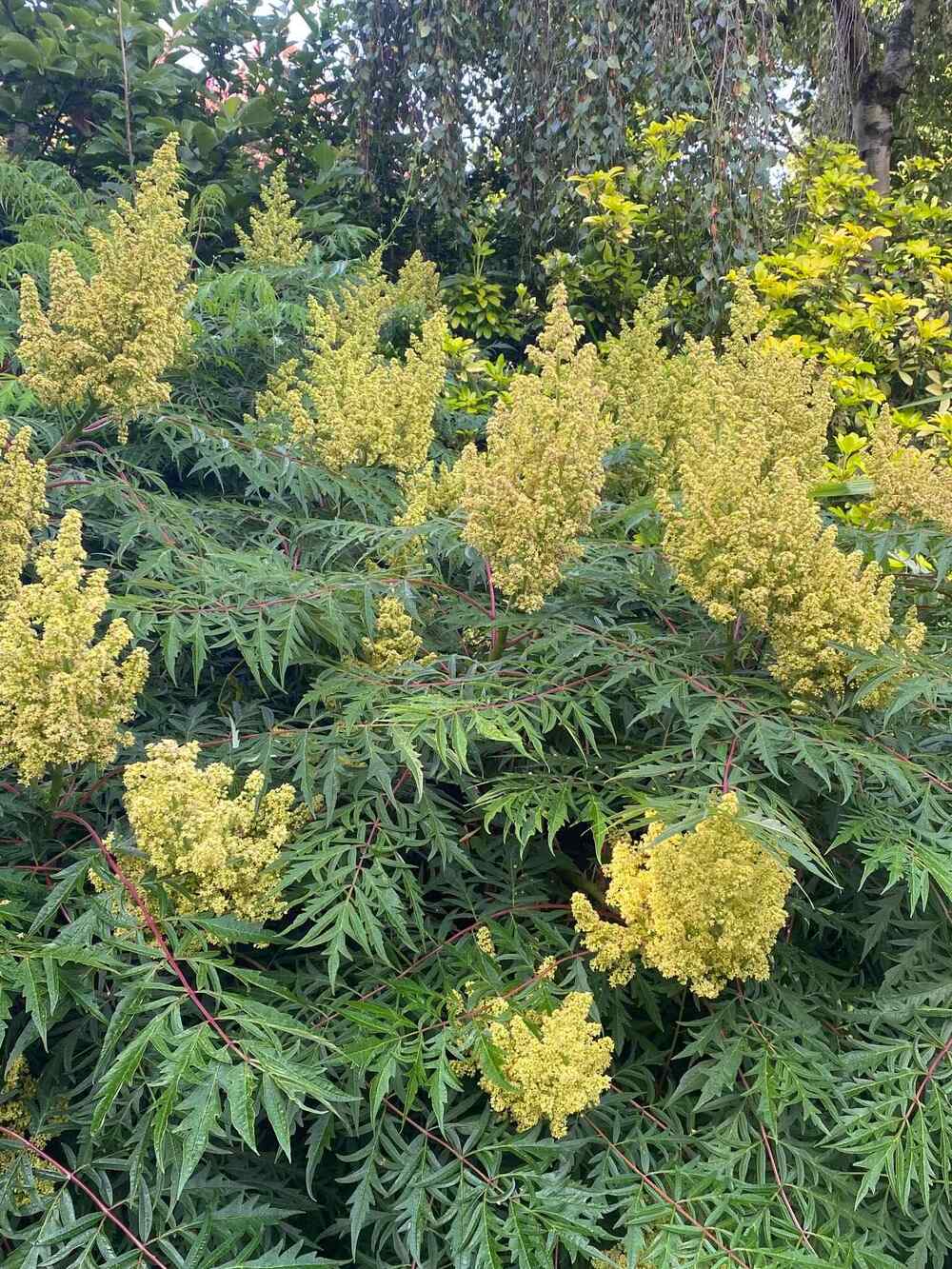
For dramatic fall color—fiery reds and oranges—sumac is hard to beat. Many types also have striking cone-shaped seed heads that add winter interest. Some sumacs spread, so they’re best where you can give them room or use them for slope stabilization.
Style tip: Let sumac own a corner as a bold seasonal focal point.
Care note: Choose species/cultivars thoughtfully; manage suckers if you need boundaries.
Quick Choosing Guide (so it feels personal)
-
Wet soils / rain gardens: Red twig dogwood, viburnum
-
Shade or part shade: Diervilla, alpine currant, witch hazel
-
Big flowers for high impact: Panicle hydrangea, lilac, weigela
-
Native + wildlife value: Ninebark, American hazelnut, witch hazel, Diervilla, sumac
-
Clean, clipped structure: Alpine currant (and some viburnums)
If you want shrubs for East North Central that feel cohesive, repeat two or three shrubs in different spots. Repetition makes a yard feel intentional, not crowded.
FAQ
What are the easiest shrubs for East North Central beginners?
Panicle hydrangea, ninebark, and Diervilla are low-stress choices because they’re hardy, forgiving, and resilient in Zones 4–6.
Which shrubs handle wet soil best?
Red twig dogwood is a standout for moisture. Many viburnums also tolerate heavier soils, making them practical shrubs for East North Central yards with poor drainage.
How do I keep flowering shrubs blooming well each year?
Give them the right light, then prune at the right time. Lilac and forsythia are best pruned right after flowering, while panicle hydrangea can be pruned in late winter because it blooms on new wood.
Can I mix natives and ornamentals without the yard feeling messy?
Yes—use ornamentals as “feature” plants (hydrangea, lilac) and natives as your repeating backbone (ninebark, viburnum, Diervilla). That blend keeps the design polished while supporting local wildlife.