West Virginia gardens do best with plants that handle humid summers, cold winters, and soils that can swing from rocky slopes to heavy clay. The right shrubs for West Virginia bring structure, privacy, and four-season color without constant fuss—plus they feed birds and pollinators. Below are ten proven choices (mostly native or well-adapted) with clear care notes so you can plant with confidence and get that “settled-in” Appalachian feel fast.
Table of Contents
Shrubs for West Virginia: 10 Reliable Choices for Beauty and Wildlife
1) Smooth Hydrangea (Hydrangea arborescens)
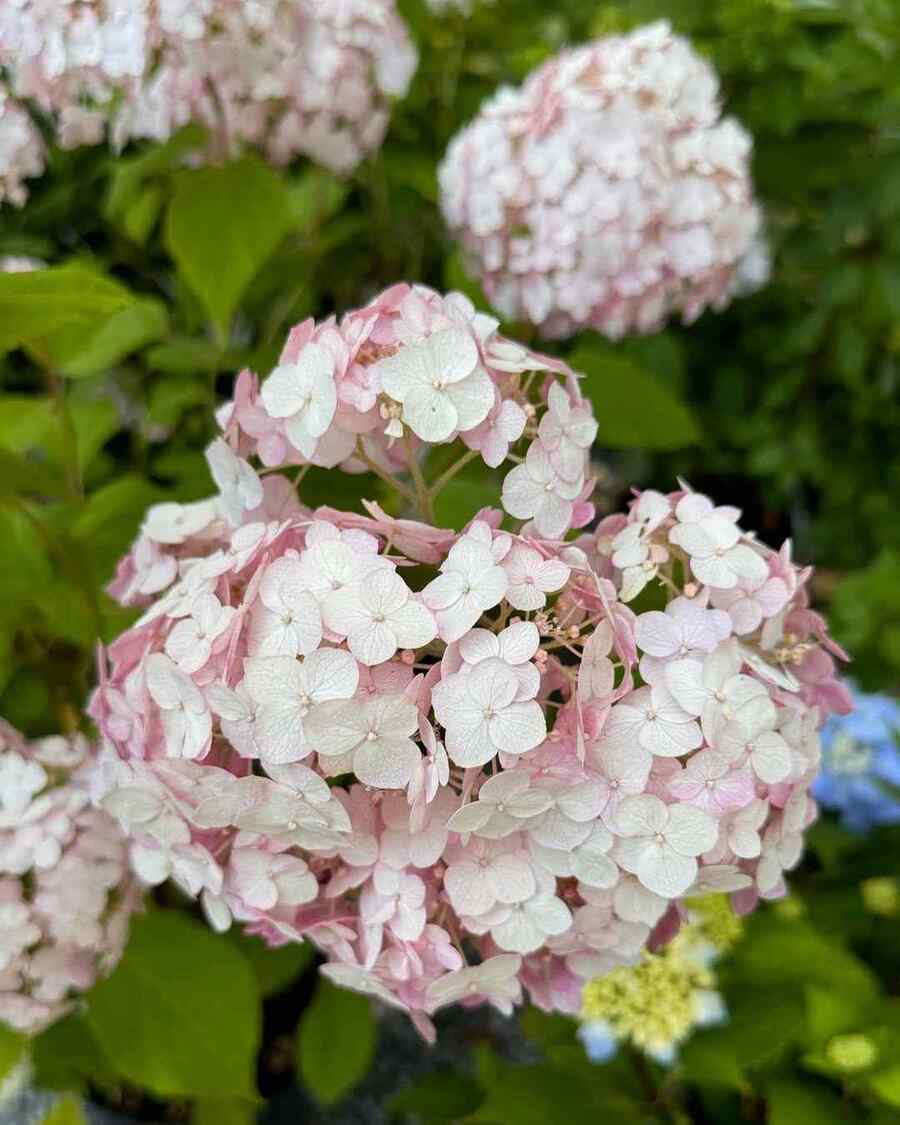
A shade-friendly native with big, cloudlike white blooms in summer. It’s forgiving in clay and woodland edges, and it rebounds well after pruning. Care: Part shade to sun; consistently moist soil the first season. Tip: Cut stems back in late winter to encourage sturdy new growth and larger flower heads. Best use: Foundation plantings, under tall trees, or a soft border near porches.
2) Virginia Sweetspire (Itea virginica)
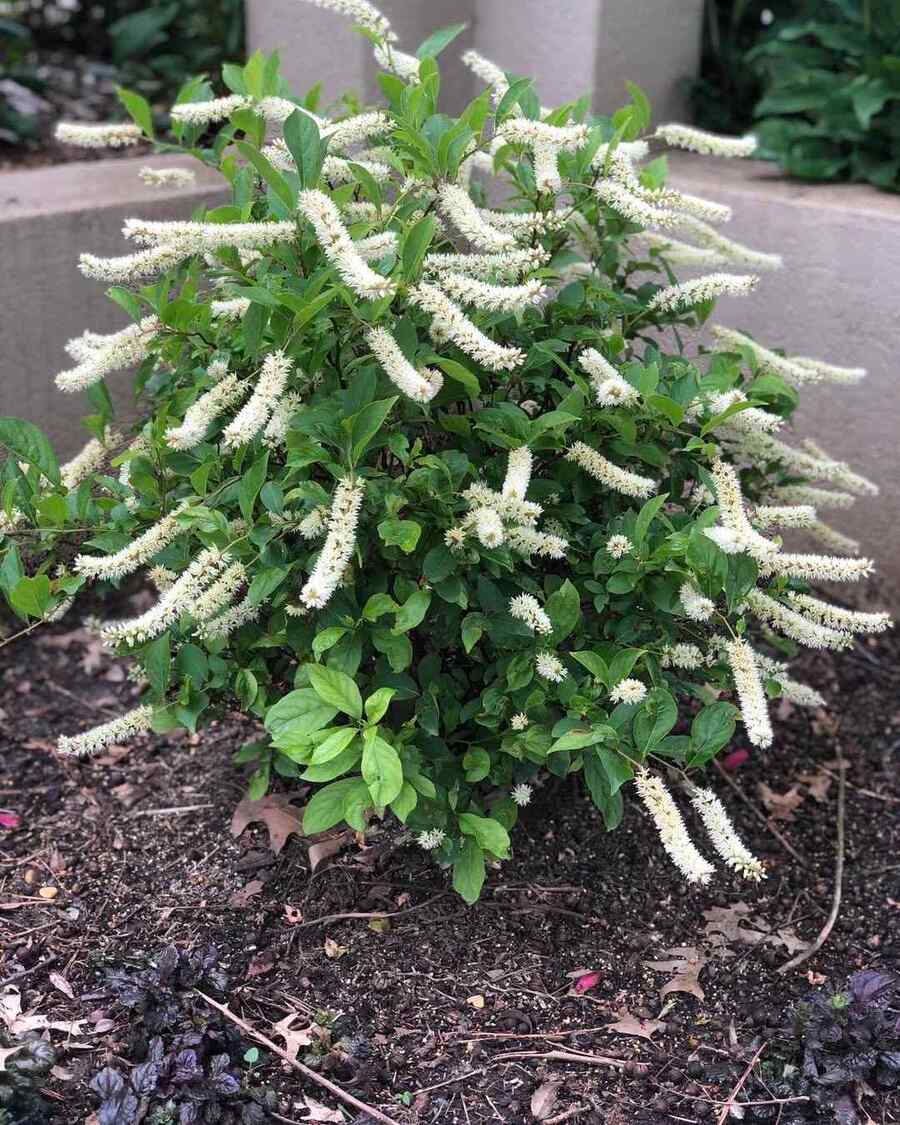
This shrub earns its keep from spring to fall: fragrant white flower spikes in early summer and rich maroon-red foliage in autumn. It tolerates shade and wetter ground, making it a problem-solver for tricky spots. Care: Part shade to sun; average to moist soil. Tip: Mass 3–5 plants for a natural, streamside-style drift. Best use: Rain gardens, low areas, and woodland borders.
3) Red Chokeberry (Aronia arbutifolia)
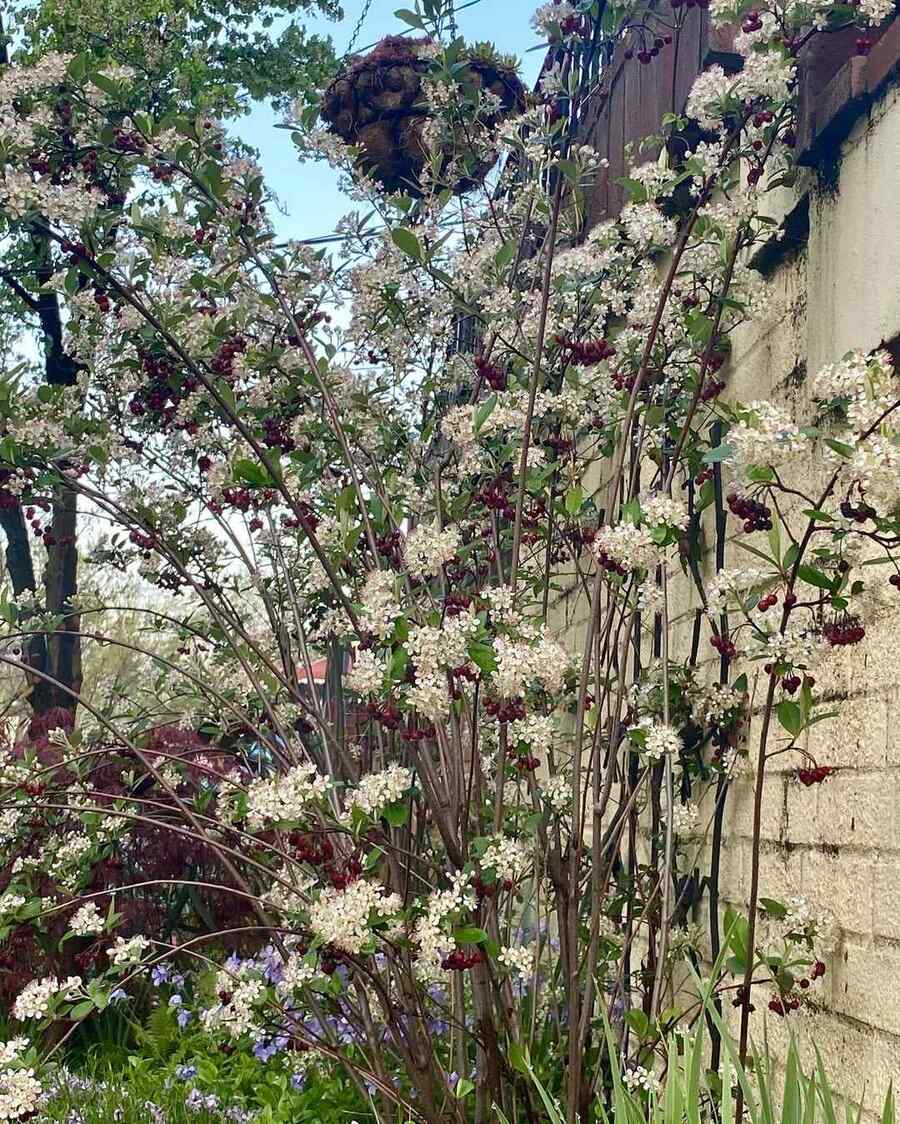
If you want vivid fall berries and dependable color, red chokeberry is hard to beat. White spring flowers lead to glossy red fruit that hangs into autumn, feeding birds as temperatures drop. Care: Sun to part shade; adapts to clay and damp soils. Tip: Give it room—its upright form and suckering habit make it ideal in naturalized beds. Best use: Wildlife hedges and mixed borders for multi-season interest.
4) American Witch Hazel (Hamamelis virginiana)
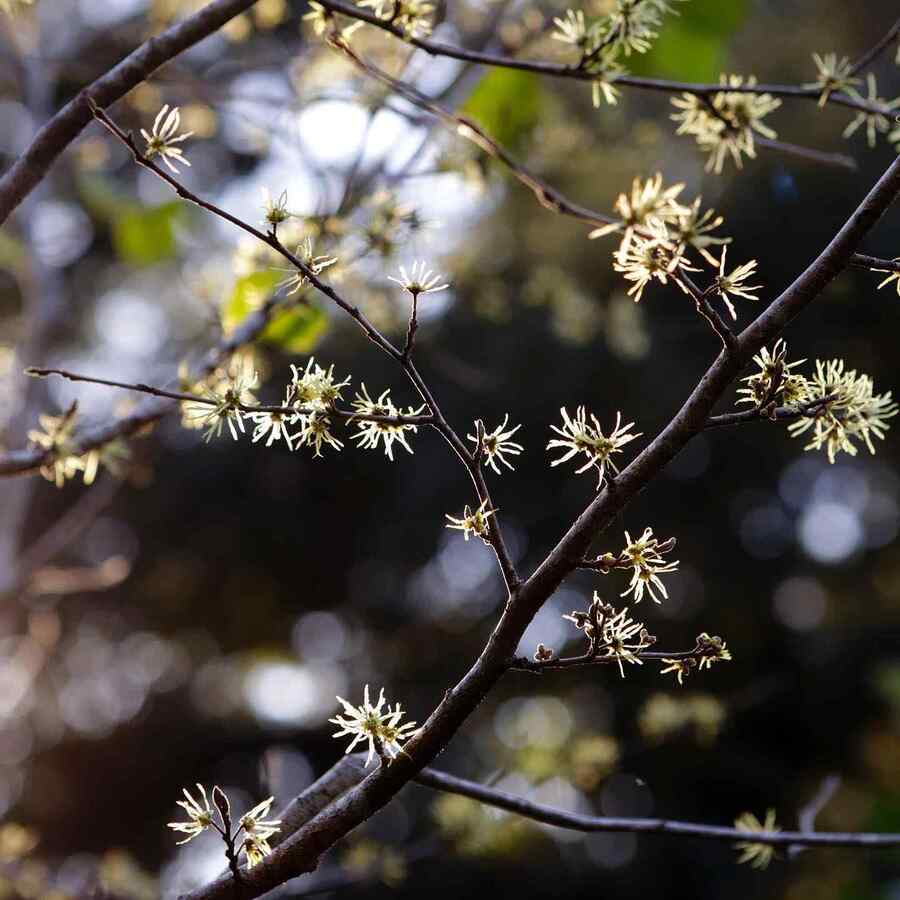
Witch hazel blooms when most gardens are done for the year, with yellow, ribbon-like flowers in late fall. In West Virginia, that timing feels magical against turning leaves and early frosts. Care: Part shade; well-drained, humus-rich soil is ideal. Tip: Place it along a walkway so you’ll notice the late-season flowers and subtle fragrance. Best use: Woodland gardens and focal points near paths.
5) Blackhaw Viburnum (Viburnum prunifolium)
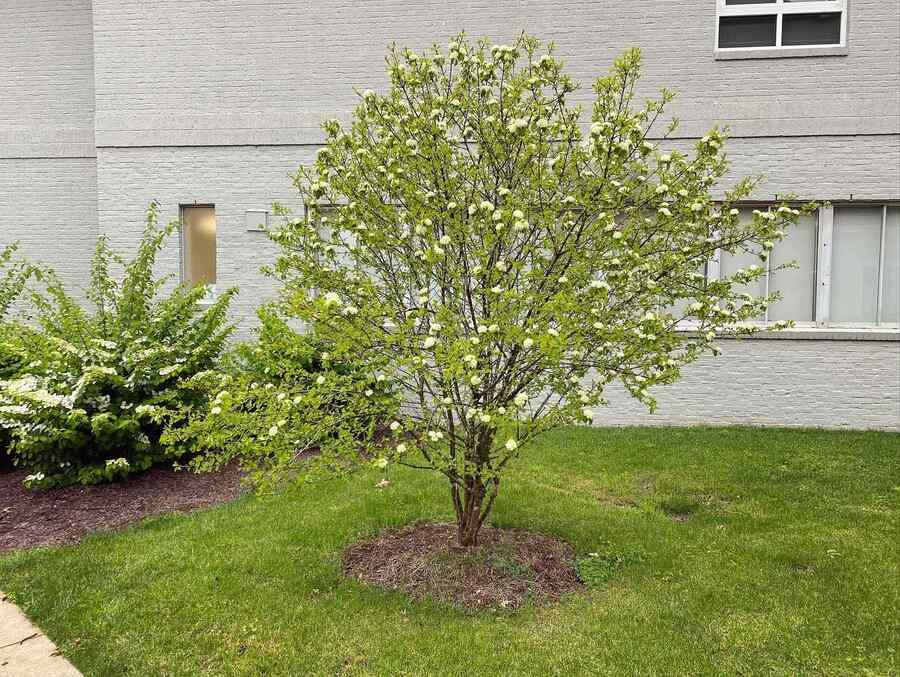
A tough native that can grow as a large shrub or small tree. It offers white spring flowers, dark fruit, and strong fall color—plus it tolerates many WV conditions once established. Care: Sun to part shade; average soil. Tip: Prune lightly after flowering if you need shaping; heavy pruning can reduce next year’s bloom. Best use: Property edges, hedgerows, and screening.
6) Mountain Laurel (Kalmia latifolia)
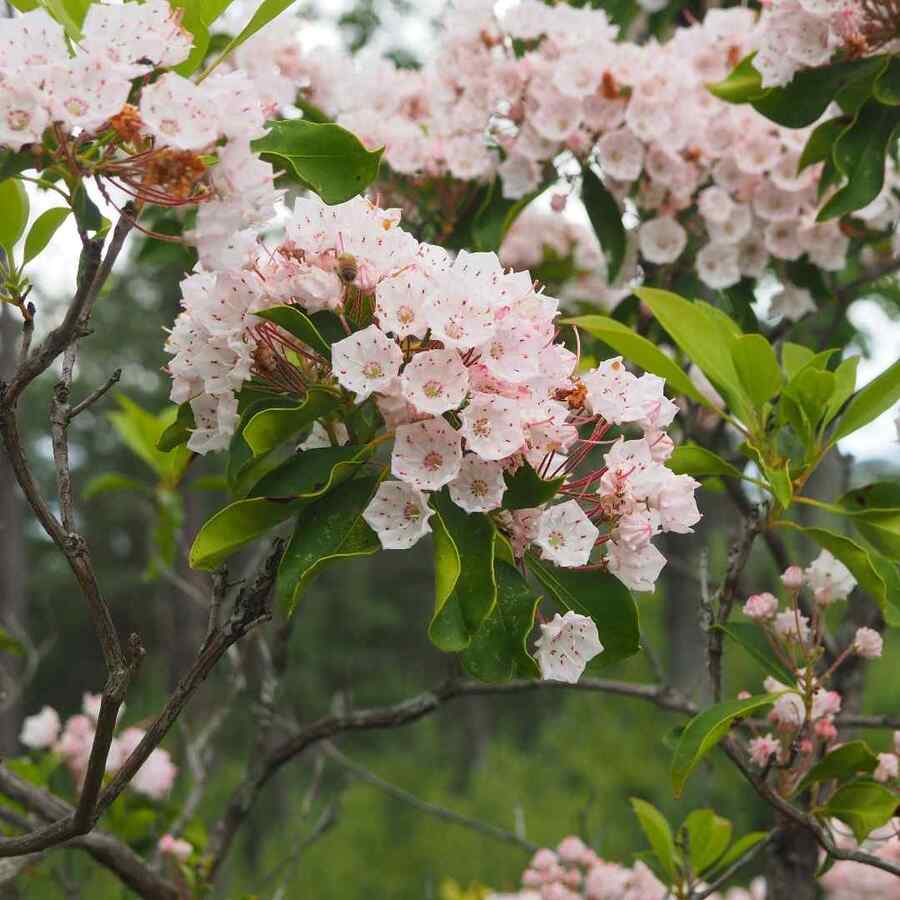
West Virginia’s state flower is also a showy evergreen shrub with glossy leaves and late-spring blooms in pinks and whites. It loves the same conditions as many WV forests. Care: Part shade; acidic, well-drained soil. Tip: Mimic nature—mulch with pine needles or shredded leaves, and avoid alkaline amendments. Best use: Shady foundation beds, woodland slopes, and evergreen structure.
7) Ninebark (Physocarpus opulifolius)
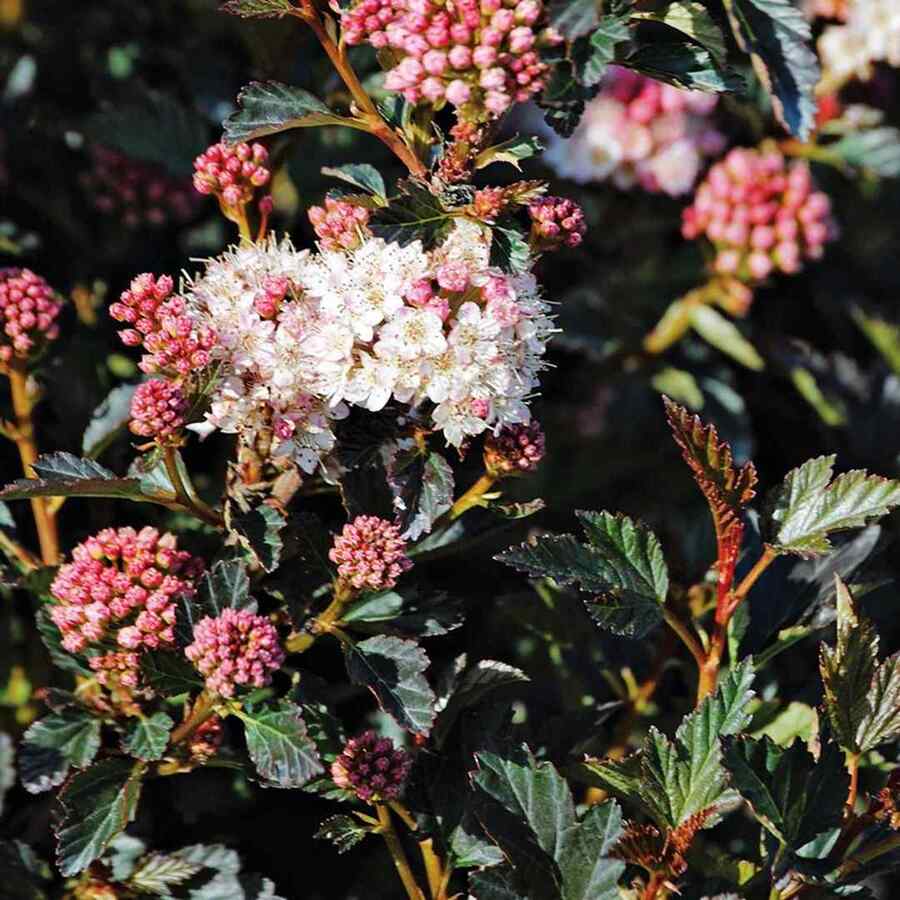
Ninebark is a workhorse with exfoliating bark, clusters of small flowers, and strong resilience. It handles slopes and can help stabilize soil, which is valuable on WV’s hillsides. Care: Sun to part shade; adaptable soil. Tip: For the best form, remove a few of the oldest stems at ground level every couple of years. Best use: Erosion control, tough screens, and mixed shrub borders.
8) Spicebush (Lindera benzoin)
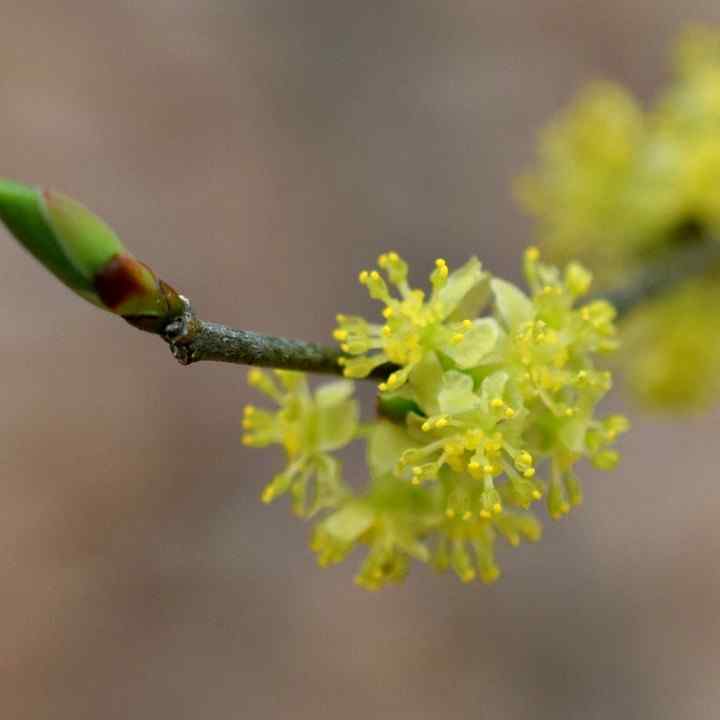
Spicebush lights up early spring with soft yellow blooms before many plants wake up. The foliage is fragrant when crushed, and it’s especially suited to wet, shady spaces where other shrubs sulk. Care: Part shade to shade; moist soil. Tip: Plant near an entry path—brushing past leaves after rain releases a warm, spicy scent. Best use: Stream edges, shaded backyards, and habitat gardens.
9) American Holly (Ilex opaca)
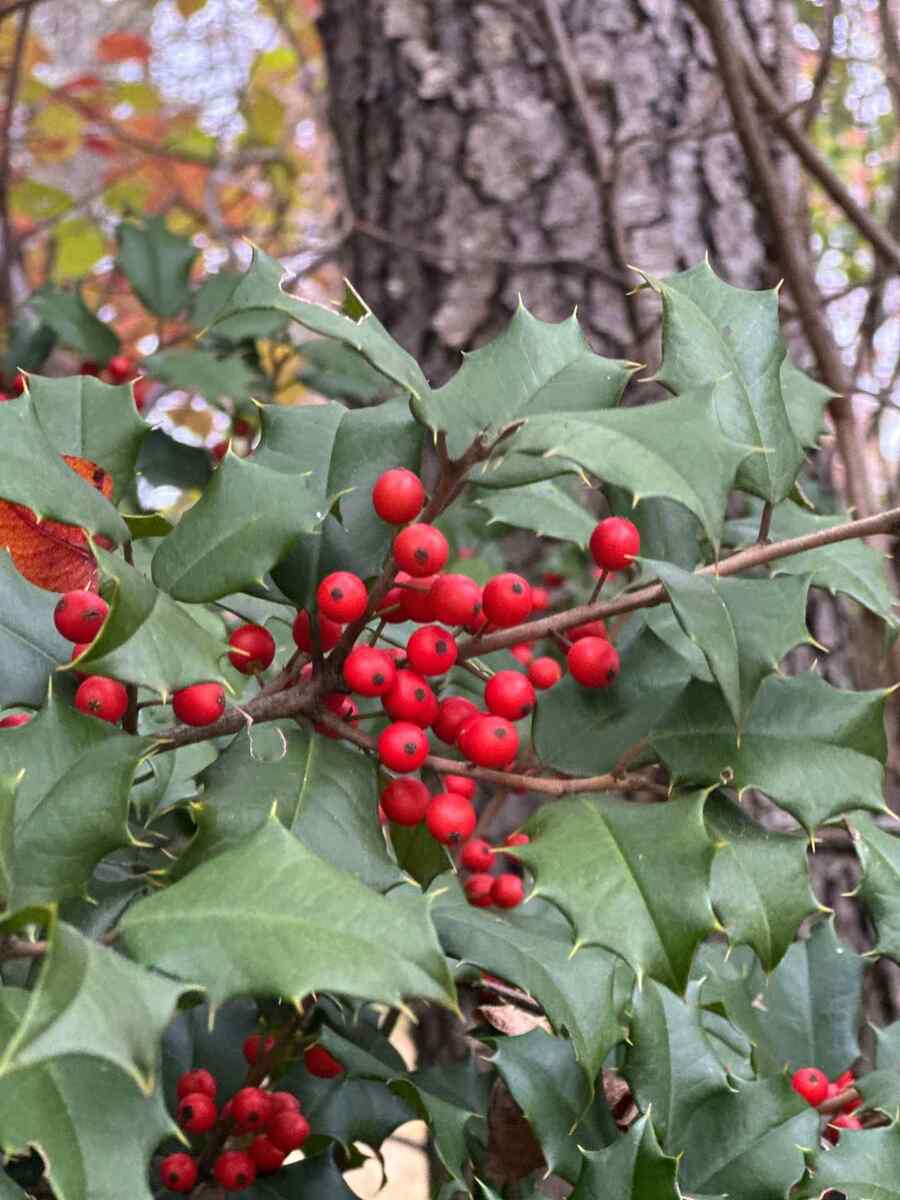
A classic evergreen for winter structure, privacy, and bright berries (on female plants with a male nearby). It’s long-lived, dependable, and looks right at home in WV landscapes. Care: Sun to part shade; well-drained soil. Tip: For berries, plan for pollination: one male can serve several females within the same area. Best use: Privacy screens, entry accents, and winter interest.
10) Common Juniper (Juniperus communis)
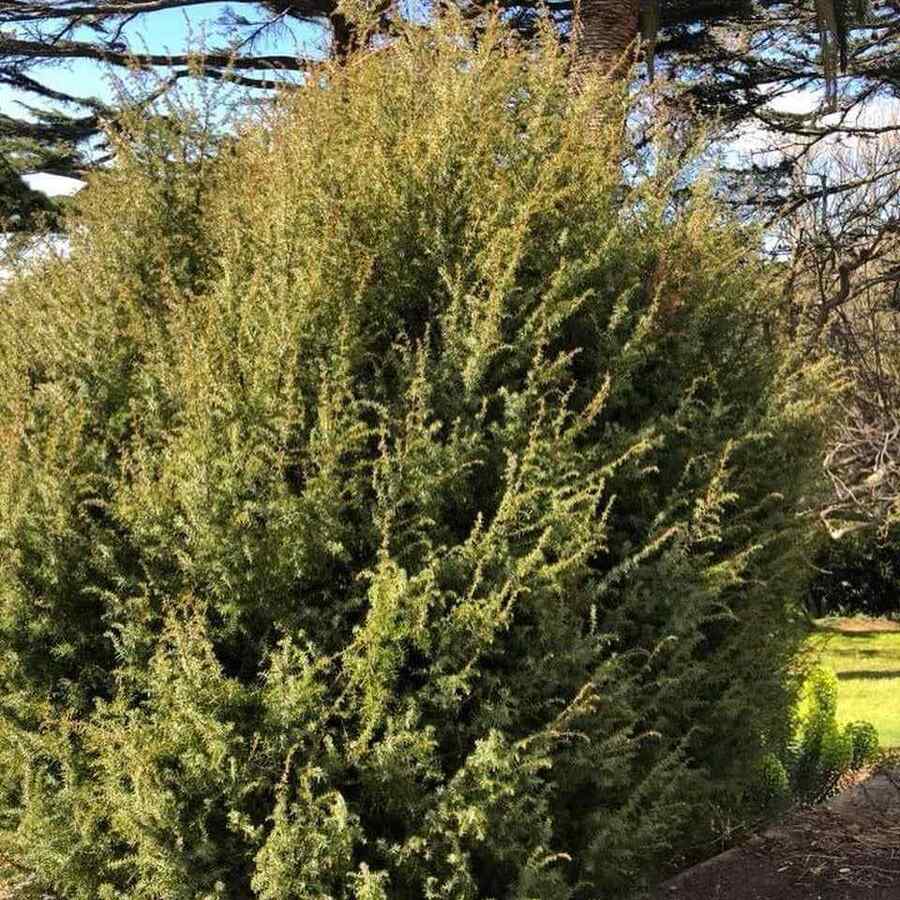
When you need a shrub that laughs at dry, rocky, or wind-exposed sites, common juniper is a strong choice. Its evergreen needles provide year-round texture and excellent cold tolerance. Care: Full sun; well-drained soil. Tip: Don’t “pamper” it with rich, wet soil—juniper prefers lean conditions and airflow. Best use: Rock gardens, slopes, and low-maintenance evergreens.
Quick Planting Guide for West Virginia Yards
-
Match the site first: shady and moist (spicebush, sweetspire), sunny and dry (juniper, ninebark), acidic woodland soil (mountain laurel).
-
Plant for four seasons: combine flowers (hydrangea), berries (chokeberry/holly), bark (ninebark), and evergreen structure (holly/juniper).
-
Make it feel personal: repeat one shrub type in groups, then add one “signature” specimen near the front walk for a welcoming focal point.
With these shrubs for West Virginia, you get a landscape that feels familiar, fits local conditions, and rewards you month after month.
FAQ
1) When is the best time to plant shrubs in West Virginia?
Early fall (September–October) and spring (April–May) are ideal, when temperatures are mild and roots can establish before extremes.
2) Which shrubs handle West Virginia clay soil well?
Smooth hydrangea, Virginia sweetspire, red chokeberry, and ninebark tolerate clay well, especially with leaf mulch and steady watering the first season.
3) What shrubs are best for shade in West Virginia?
Smooth hydrangea, Virginia sweetspire, spicebush, mountain laurel (in acidic soil), and witch hazel all perform well in part shade.
4) How do I get berries on American holly?
Plant at least one male holly to pollinate female plants, and place them within the same general yard area so pollinators can do their job.