Nevada yards ask a lot from plants: dry air, intense sun, alkaline soils, and big temperature swings—especially between Northern and Southern Nevada. The right shrubs for Nevada give you structure, privacy, and color without constant irrigation. Below are 10 proven choices—mostly drought-tough natives plus one tidy evergreen for formal lines—so you can build a landscape that feels clean, intentional, and unmistakably desert-appropriate.
Table of Contents
Shrubs for Nevada: How to Choose the Right One First
Start with your microclimate. Las Vegas–area heat rewards true desert shrubs; Reno and higher elevations need cold-hardy picks that can handle snow and wind. Note your sun exposure (8+ hours is common), soil drainage, and whether irrigation is drip, occasional, or none. For a cohesive look, repeat two or three shrubs in groups, then add one “signature” plant near an entry or patio. In Nevada, the most attractive shrub beds usually combine silver-gray foliage, evergreen structure, and seasonal bloom.
1) Four-Wing Saltbush (Atriplex canescens)
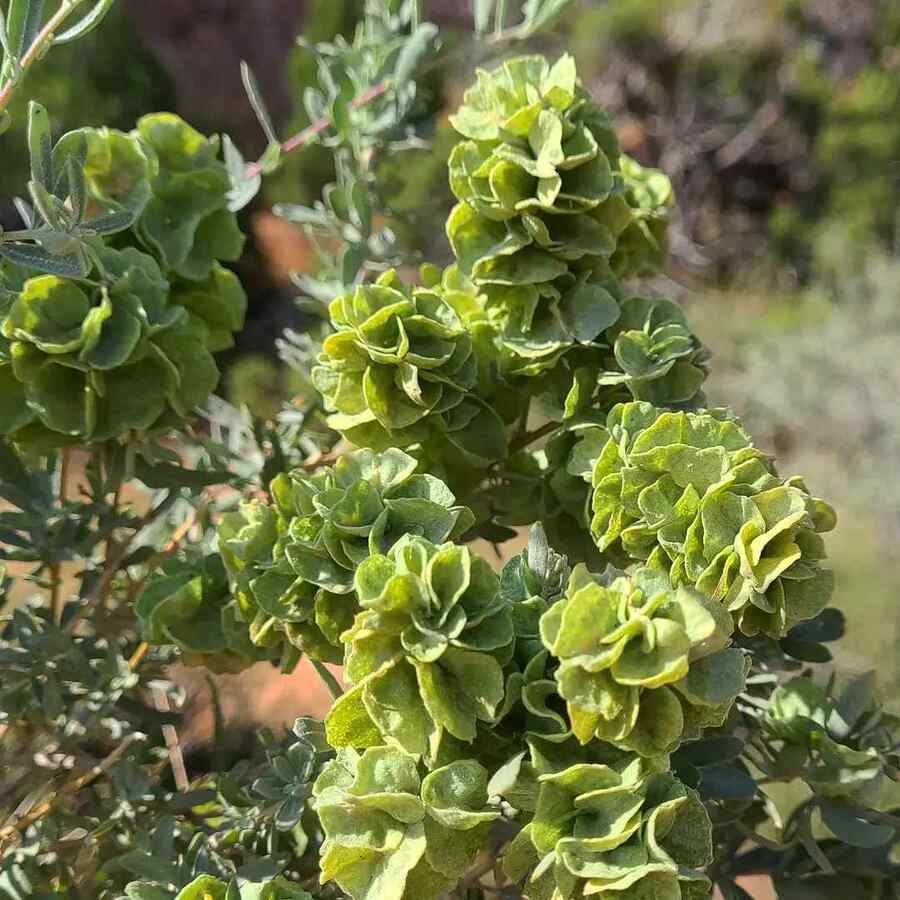
Four-Wing Saltbush is a Nevada workhorse: evergreen to semi-evergreen, drought tolerant, and happy in poor, salty, or alkaline soils. Its soft gray-green leaves and airy texture look sharp next to boulders and gravel mulch. It also offers excellent wildlife value, especially in naturalized spaces.
Care notes: Full sun. Minimal supplemental water once established. Prune lightly to shape in late winter; avoid heavy shearing so it keeps its natural, cloud-like form.
2) Creosote Bush (Larrea tridentata)
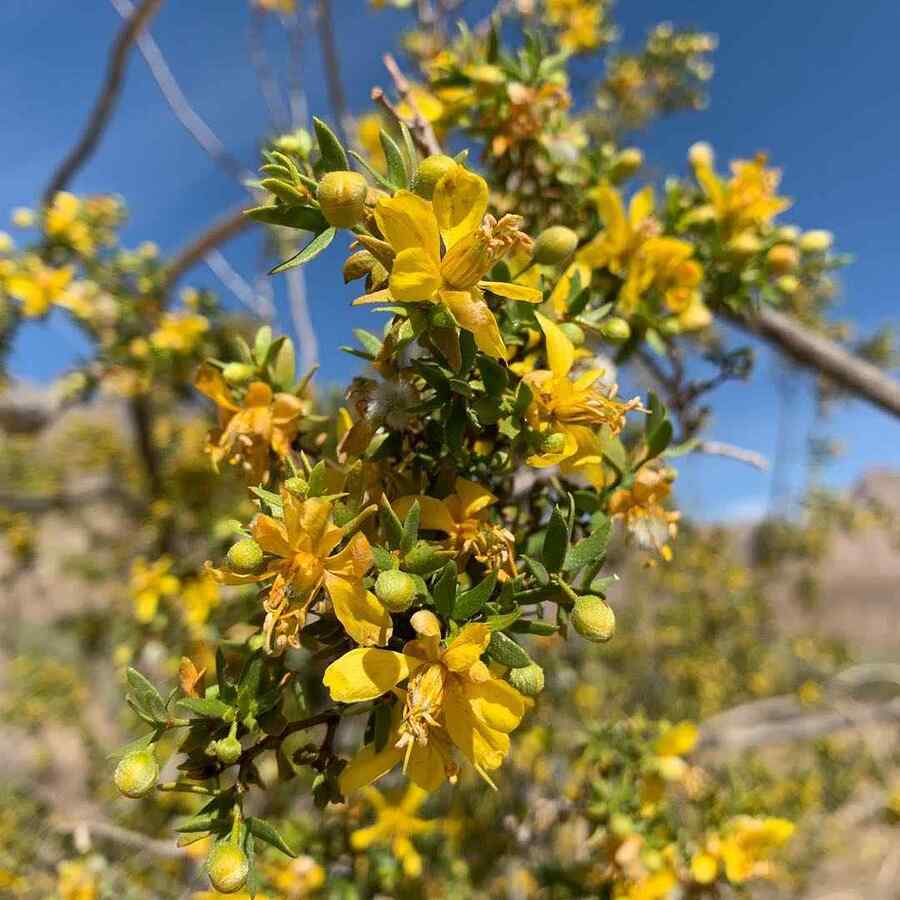
Creosote Bush is iconic Mojave style—compact, resin-scented foliage and cheerful yellow flowers after warmth and rain. It’s made for hot, dry sites where many plants struggle. Use it where you want a “clean desert” aesthetic: spaced plants, open gravel, and strong shadows.
Care notes: Full sun, excellent drainage. Water only to establish, then back off. Keep mulch away from the crown. Best for Southern Nevada or the warmest microclimates.
3) Desert Peach (Prunus andersonii)
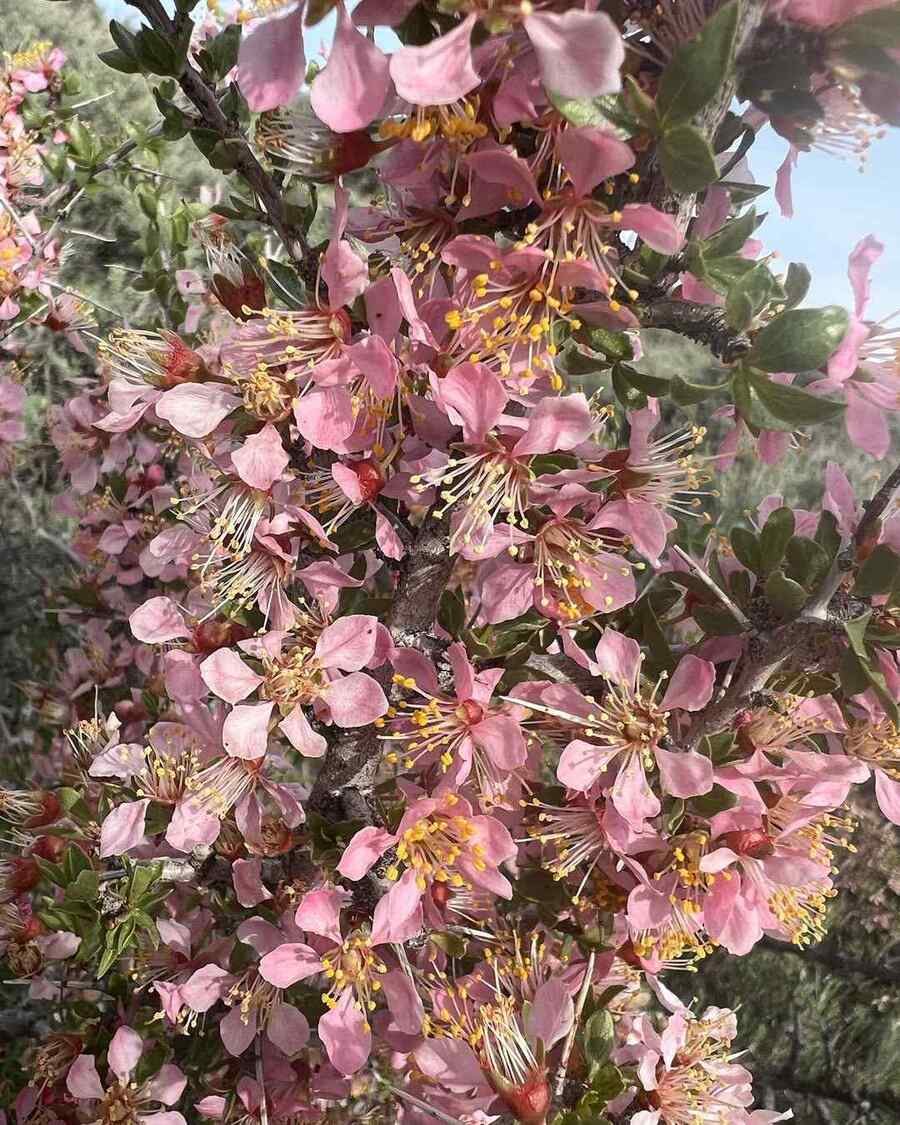
Desert Peach brings a spring show that feels almost too pretty for such a tough plant: bright pink blooms and a rounded, dense habit. In a front yard, it reads as “intentional” rather than wild—especially when paired with stone edging and a simple groundcover.
Care notes: Full sun, well-drained soil. Water deeply but infrequently the first season; afterward, occasional deep watering is plenty. Prune after bloom to maintain a neat dome shape.
4) Shrubby Cinquefoil (Dasiphora fruticosa)
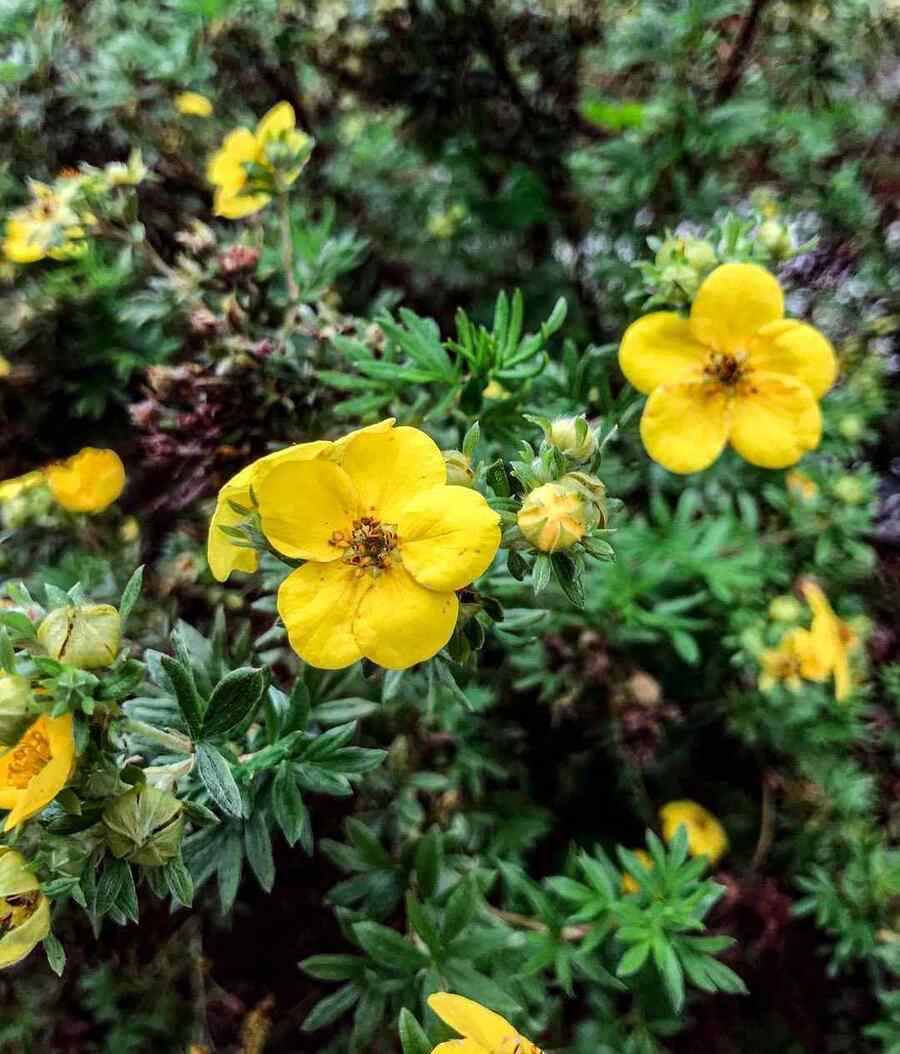
If you garden in Northern Nevada or higher elevations, Shrubby Cinquefoil is a reliable, long-blooming choice with yellow or white flowers and a tidy habit. It looks especially good in a more “mountain modern” palette—think decomposed granite, upright evergreens, and crisp lines.
Care notes: Full sun to light shade. More cold-hardy than many desert shrubs. Moderate water during establishment; after that, it’s fairly thrifty. Light pruning in spring encourages fuller growth.
5) Golden Currant (Ribes aureum)
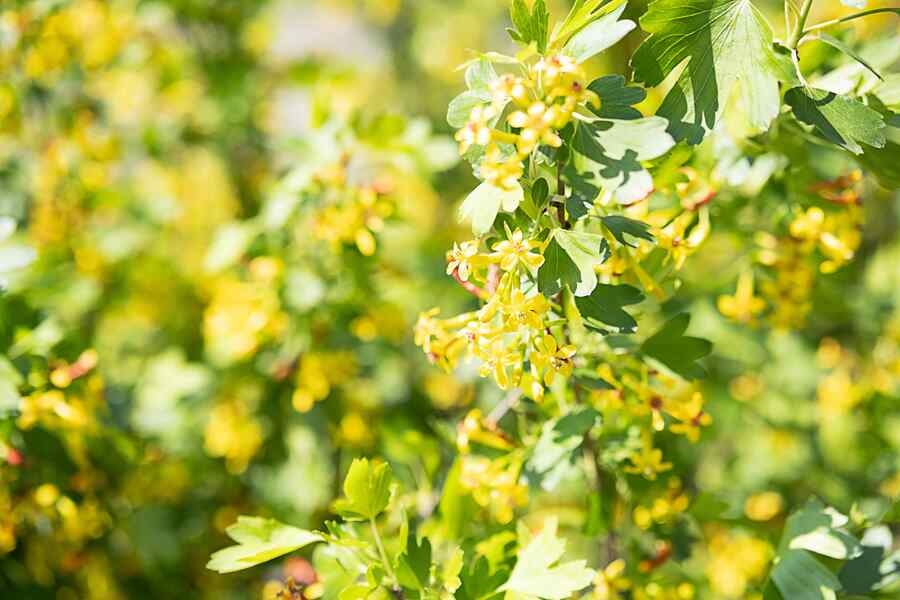
Golden Currant earns its place with fragrant yellow flowers and edible berries that birds appreciate. It gives you a softer, cottage-like feel without being thirsty—great near a seating area where you’ll notice the scent.
Care notes: Sun to part shade. Handles dry conditions once established, but looks best with occasional deep watering. Prune after fruiting to keep airflow and shape. Consider placing it where it gets a bit of afternoon protection in hotter zones.
6) Woods’ Rose (Rosa woodsii)
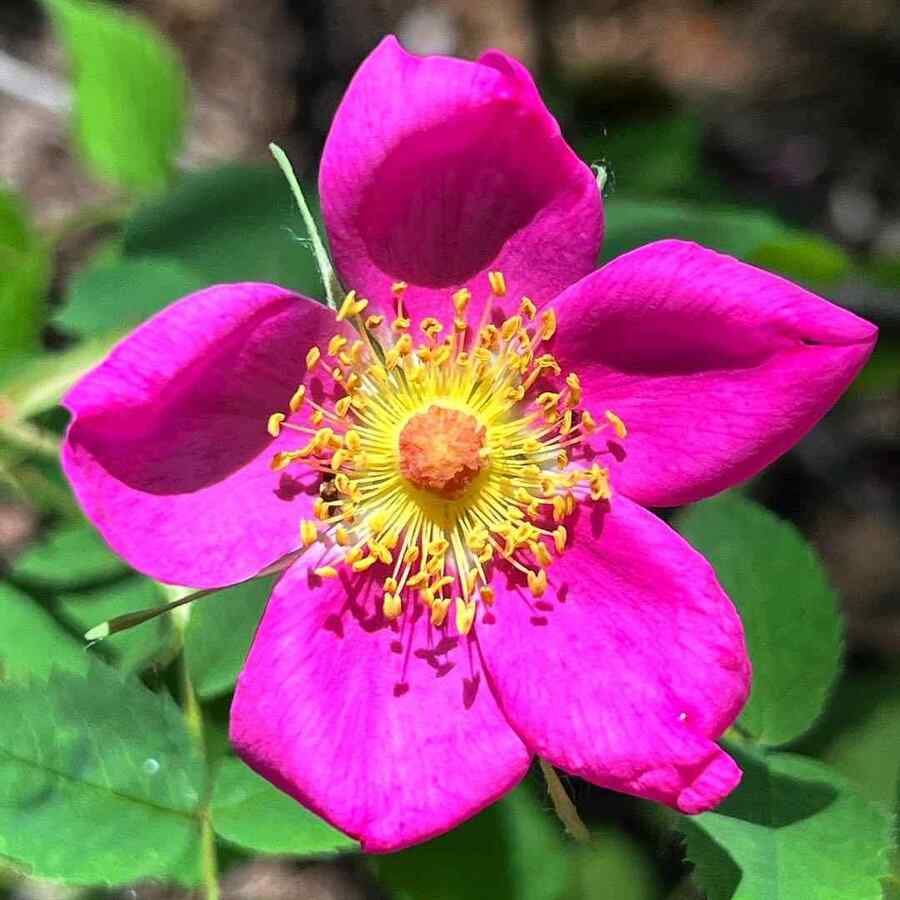
For a tough native rose that still looks charming, Woods’ Rose delivers pink blooms and red hips that persist and feed wildlife. It’s perfect along fences or property edges where you want a living boundary that feels welcoming, not harsh.
Care notes: Full sun to part shade. Adaptable soils. Water to establish; afterward it can handle lean conditions, though occasional deep watering improves flowering. Prune in late winter to remove old canes and keep it open and healthy.
7) Pointleaf Manzanita (Arctostaphylos pungens)
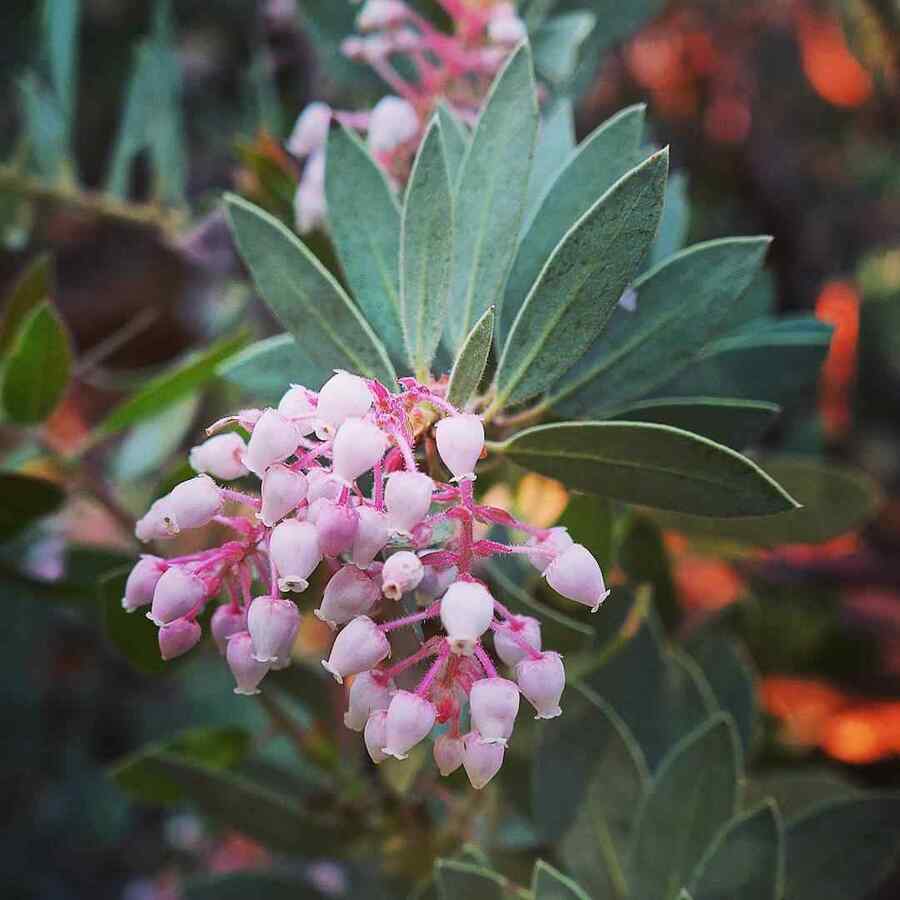
Pointleaf Manzanita is pure desert elegance: evergreen leaves, small white flowers, berries for birds, and that standout reddish-brown bark. Use it as a focal shrub near an entry, a boulder grouping, or beside a path where the bark color reads like warm furniture wood.
Care notes: Full sun to part shade depending on heat. Needs sharp drainage; avoid overwatering. Keep it on a separate drip zone from thirstier plants. Prune minimally—shape gently after flowering.
8) Paper Bag Bush (Salazaria mexicana)
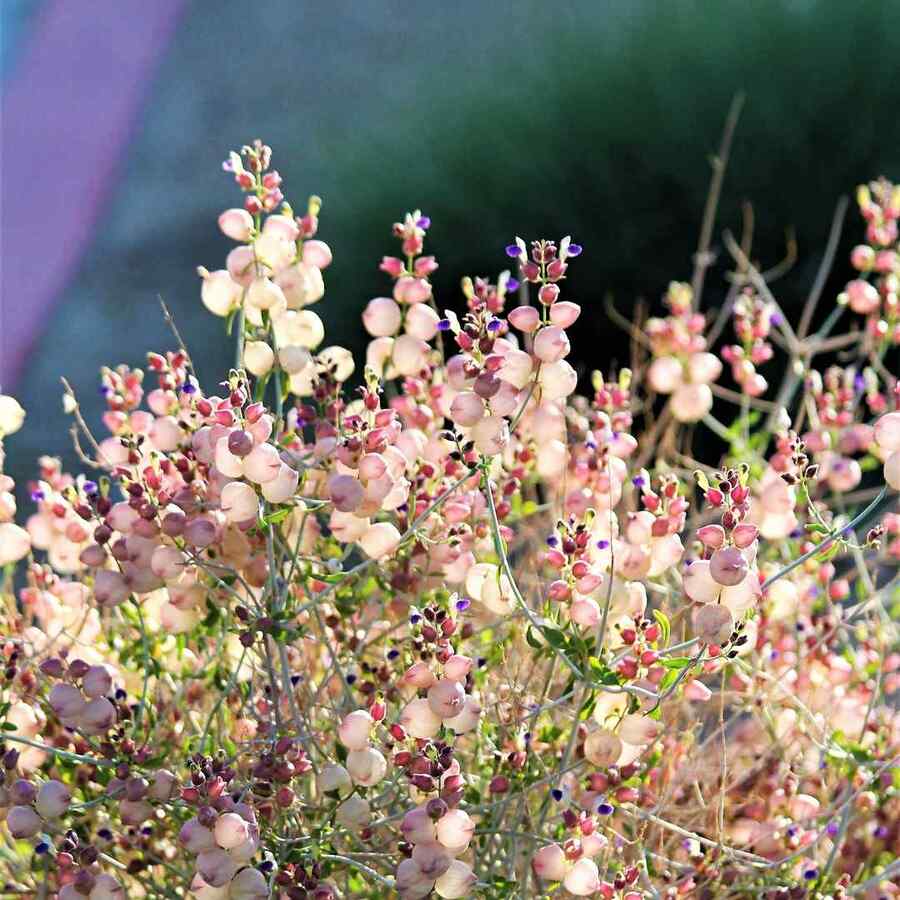
Paper Bag Bush is a conversation starter with papery purple-and-white seed pods that resemble tiny bags. It stays smaller, so it fits well in tight beds or as a foreground accent in a desert composition.
Care notes: Full sun and very well-drained soil. Low water once established. Give it space from sprinklers—too much moisture can shorten its lifespan. Let the pods remain for texture; trim lightly in late winter for a tidy outline.
9) Stansbury’s Cliffrose (Purshia stansburiana)
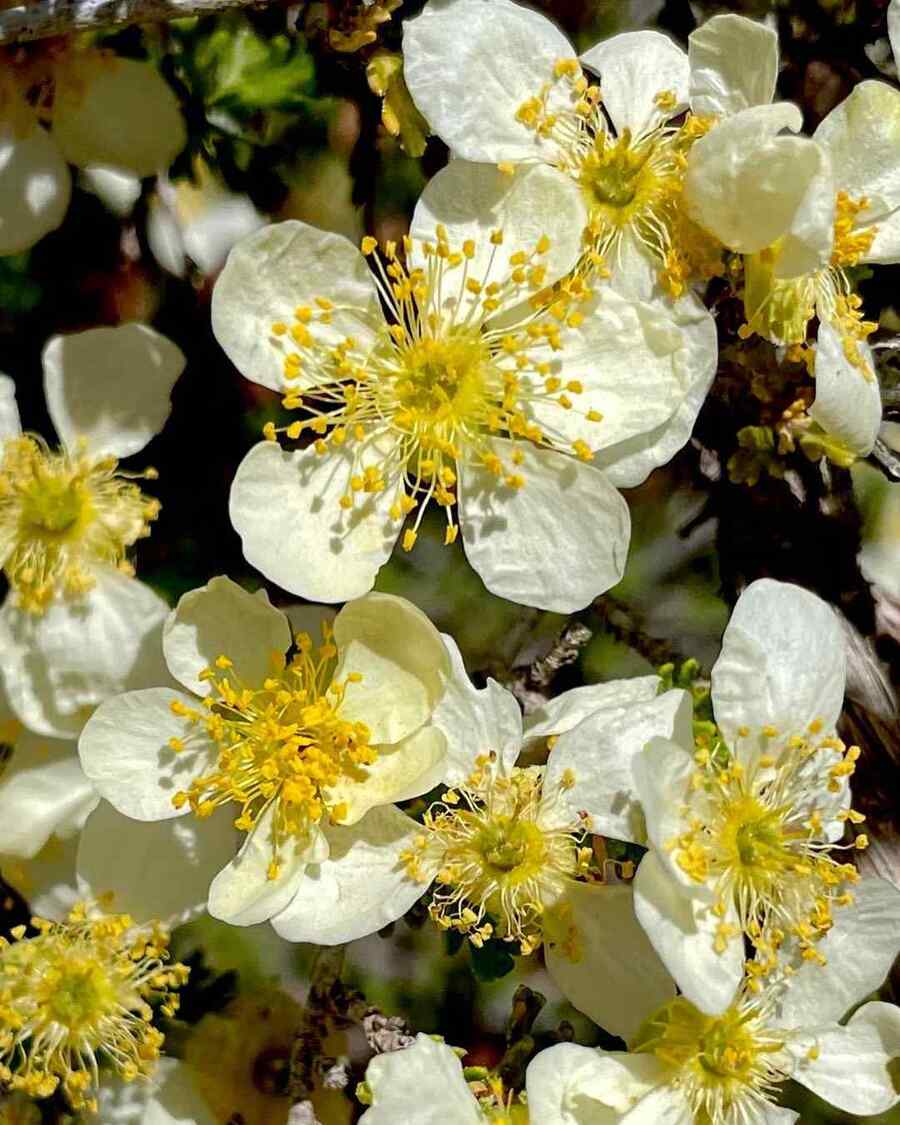
Cliffrose is a native woody shrub with fragrant cream-colored flowers and a rugged character that suits Nevada’s rocky sites. It’s excellent for slopes and naturalized borders where you want stability and habitat without high water use.
Care notes: Full sun. Drought tolerant and hardy. Avoid rich soil and heavy fertilizing. Prune sparingly; focus on removing dead wood and keeping a balanced shape so it looks sculptural, not overworked.
10) Korean Boxwood (Buxus microphylla koreana)
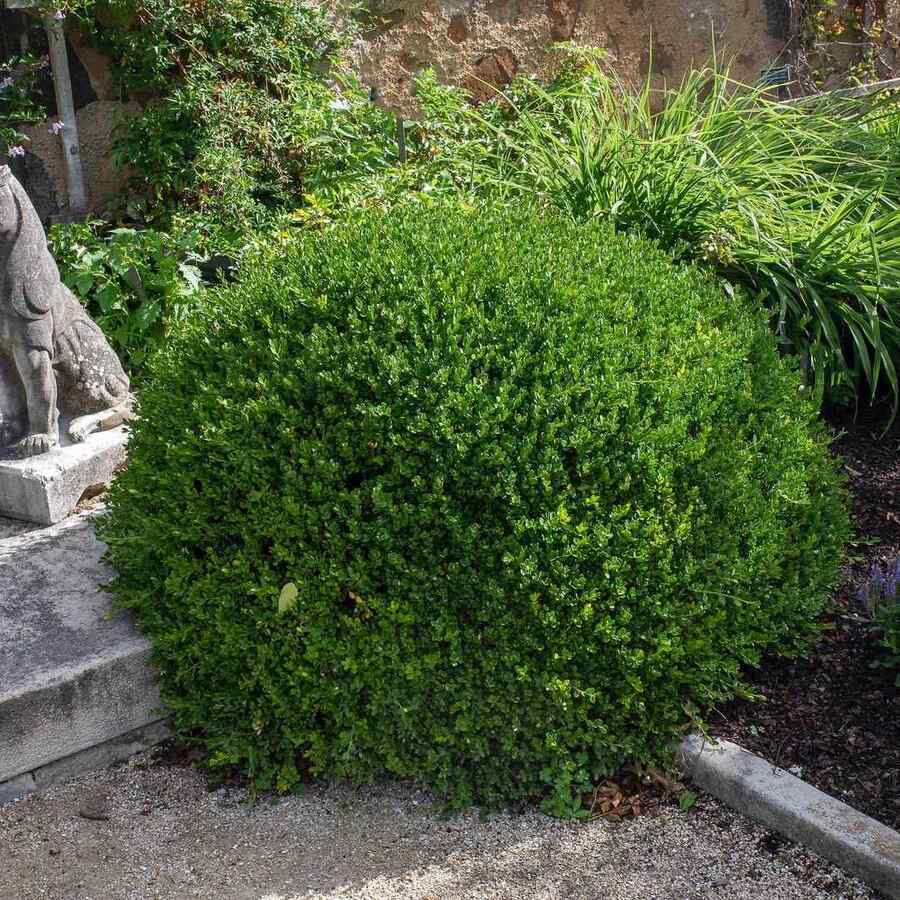
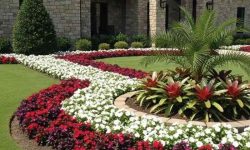
When you want a formal touch—clean edges, low hedges, or a structured foundation line—Korean Boxwood offers a compact evergreen option. In Nevada, it works best where it’s protected from brutal reflected heat, so it keeps its rich color and dense habit.
Care notes: Morning sun and afternoon shade is ideal in hotter areas; full sun can work in cooler zones with adequate water. Use drip irrigation and mulch to moderate soil temperature. Clip lightly for crisp shapes.
A Simple Layout That Looks “Designed,” Not Random
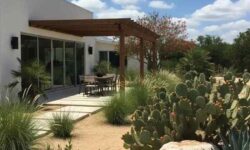
For a cohesive Nevada shrub plan, build in layers: taller structure (Cliffrose, Saltbush) in the back, mid-height color and bloom (Desert Peach, Golden Currant, Cinquefoil) in the middle, and small accents (Paper Bag Bush, Manzanita) near paths and seating. Keep spacing generous—Nevada landscapes look best with breathing room, gravel mulch, and a few strong boulders. Put thirstier plants (Boxwood, Currant) on their own drip line, and your yard will stay sharp, calm, and low-maintenance through the long dry season.