Minnesota gardening rewards plants that can take real cold, handle freeze–thaw swings, and still offer color when the landscape feels quiet. The best shrubs for Minnesota aren’t just “tough”—they’re also dependable performers: strong bloomers, tidy growers, wildlife-friendly, and attractive in more than one season. Below are ten proven choices (many native or widely adapted) with practical, yard-ready guidance so you can plant with confidence and get results that fit your home’s style.
Table of Contents
Shrubs for Minnesota: Panicle Hydrangea (Hydrangea paniculata)
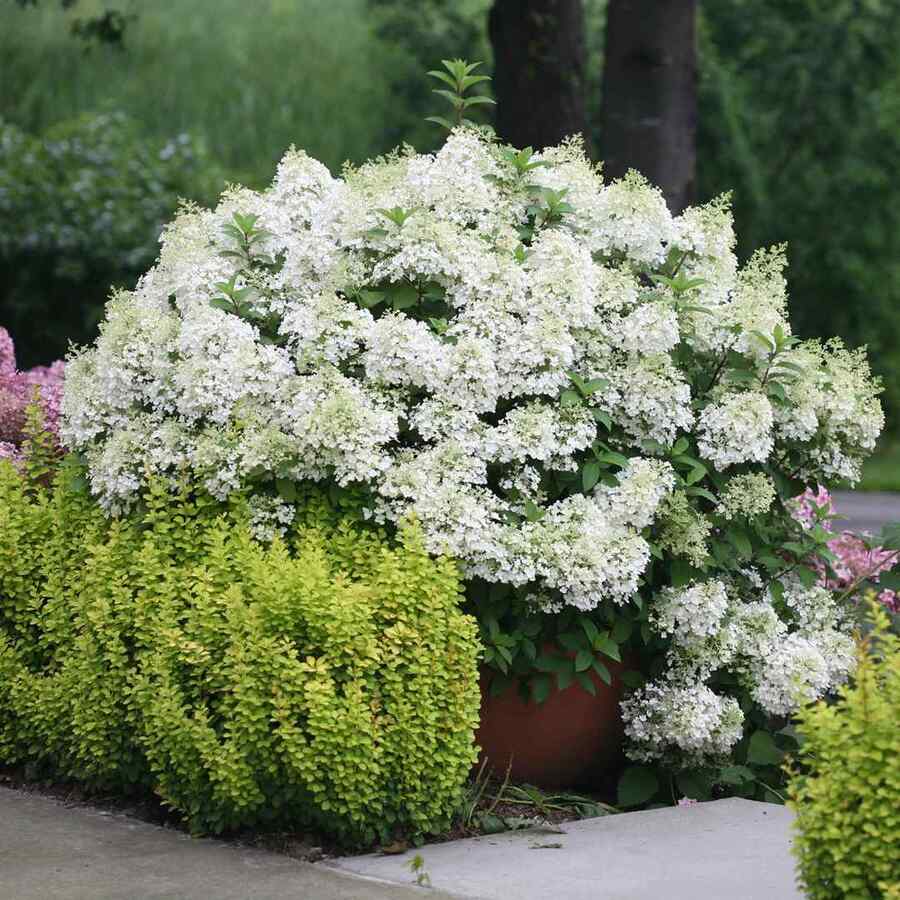
If you want a shrub that reads “classic garden luxury” but doesn’t flinch at a Minnesota winter, panicle hydrangea earns its spot. It produces large cone-shaped flower clusters in mid-to-late summer, usually opening creamy white and gradually blushing pink as nights cool. The bloom show lasts for weeks, and the dried flower heads can be left standing for winter texture—especially appealing against snow.
How to use it (design + personalization): Place one as a focal point near an entry walk or patio where you’ll see blooms every day. For a softer, cottage feel, plant 3 in a gentle curve and underplant with hosta or catmint. For a clean, modern look, repeat the same cultivar in a straight line with dark mulch and simple edging.
Growing notes you can trust: Give it full sun to part shade (more sun = sturdier stems and better flowering). Most varieties prefer even moisture and a soil that drains well. Panicle hydrangea blooms on new wood, which is Minnesota-friendly: you can prune in late winter/early spring without sacrificing flowers. If you want larger blooms, prune harder; if you want more flowers overall, prune lightly and let it bulk up.
Extra tip: Choose compact cultivars for tight spaces and big cultivars for a dramatic statement—either way, it’s one of the most reliable “wow” shrubs you can plant.
Ninebark (Physocarpus opulifolius)
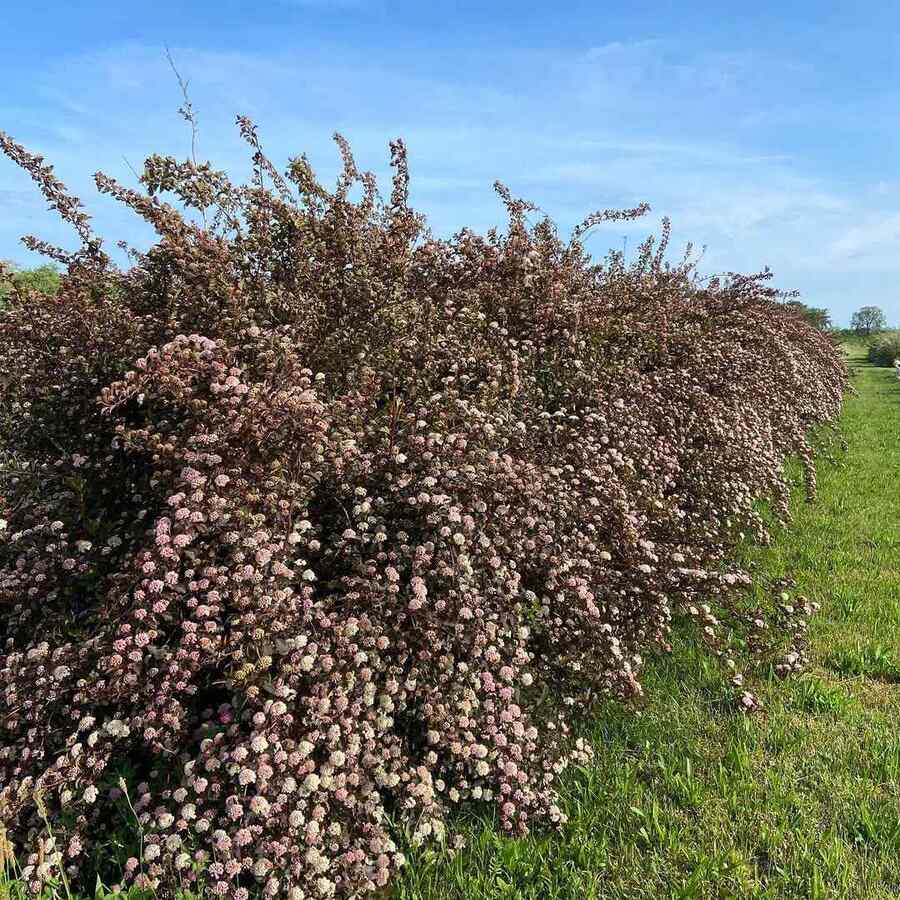
Ninebark is a Minnesota workhorse that still looks intentionally designed. As a native shrub, it’s naturally suited to regional conditions and comes in cultivars with foliage ranging from deep burgundy to chartreuse-gold. In late spring, it carries clusters of small white or pinkish flowers, followed by attractive seed capsules. The exfoliating bark adds winter character—especially when backlit by low sun.
How to use it (design + personalization): For a bold, contemporary yard, use a dark-leaf ninebark as a “living backdrop” behind perennials like coneflower or Russian sage. If you prefer bright, cheerful landscaping, pick a golden variety and pair it with purple salvia or blue catmint for crisp contrast. It also works beautifully as a privacy screen when planted in a staggered row.
Growing notes: Ninebark tolerates a wide range of soils and is generally happiest in full sun to part shade. It’s drought-tolerant once established, which helps during hot summers and in areas where watering is inconsistent. Prune after flowering if you want to preserve next season’s bloom, or do rejuvenation pruning (removing older stems at the base) to keep it youthful and dense.
Extra tip: If your goal is low maintenance, avoid shearing it into a box—let it keep a natural form and it will look healthier and more graceful.
Arctic Fire® Red-Osier Dogwood (Cornus sericea)
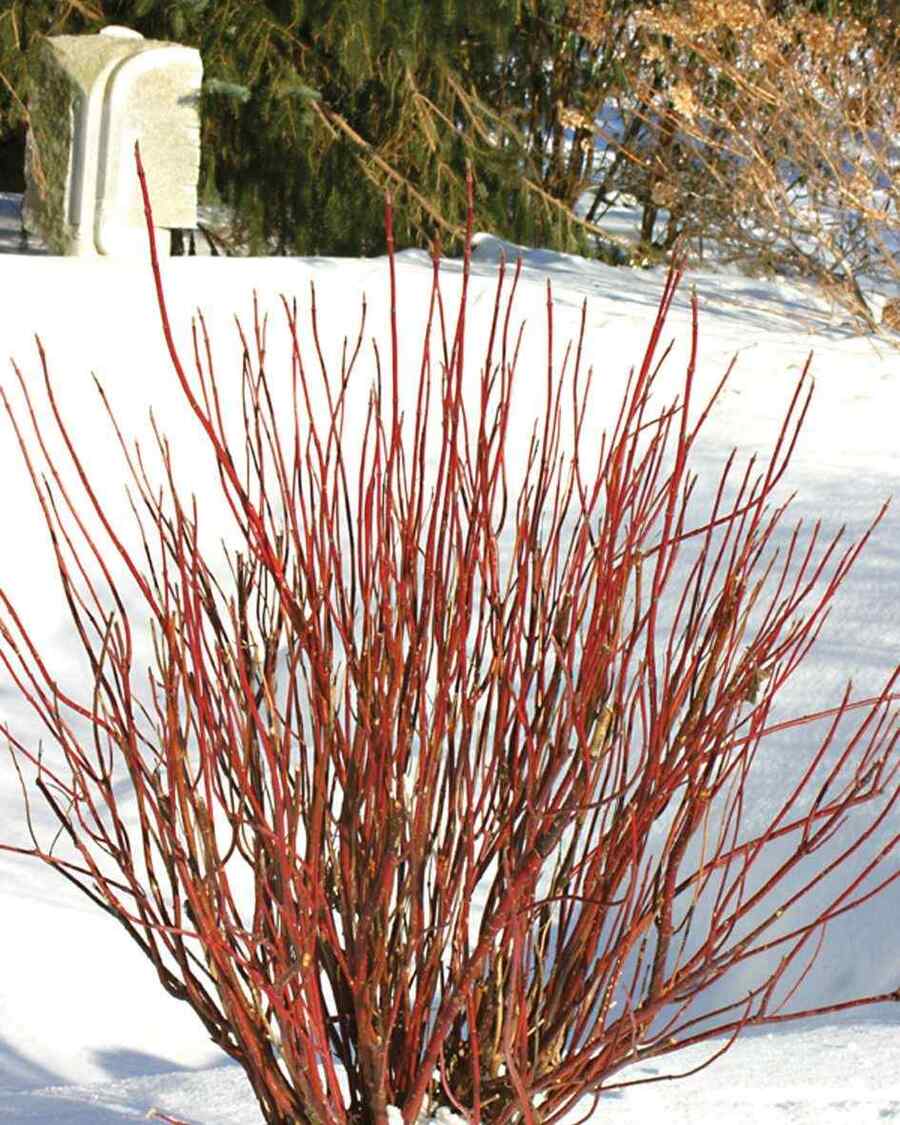
When winter feels long, red-osier dogwood becomes the shrub that makes the yard look “styled” even in January. Arctic Fire® is a compact selection that produces vivid red stems that glow against snow. In warmer seasons, it offers green foliage, small white flowers, and berries that birds appreciate. It’s one of the best choices if you want a landscape that doesn’t go visually flat after leaf drop.
How to use it (design + personalization): Plant it where you can see it from indoors—near a kitchen window or along the driveway. If you love a natural look, tuck it near a rain garden or low spot where soil stays a bit moist. If you prefer a more formal layout, use it as a repeated accent along a property line, then add ornamental grasses nearby to echo the winter texture.
Growing notes: Red-osier dogwood thrives in full sun to part shade and prefers moist soil, though it can adapt. The brightest stem color comes from new growth, so plan to prune: every spring, remove a portion of the oldest stems at ground level, or cut the whole plant back periodically to encourage fresh, intensely colored shoots.
Extra tip: Give it room. Crowding reduces air flow and can dull the visual impact of those signature red stems.
Lilac (Syringa vulgaris)
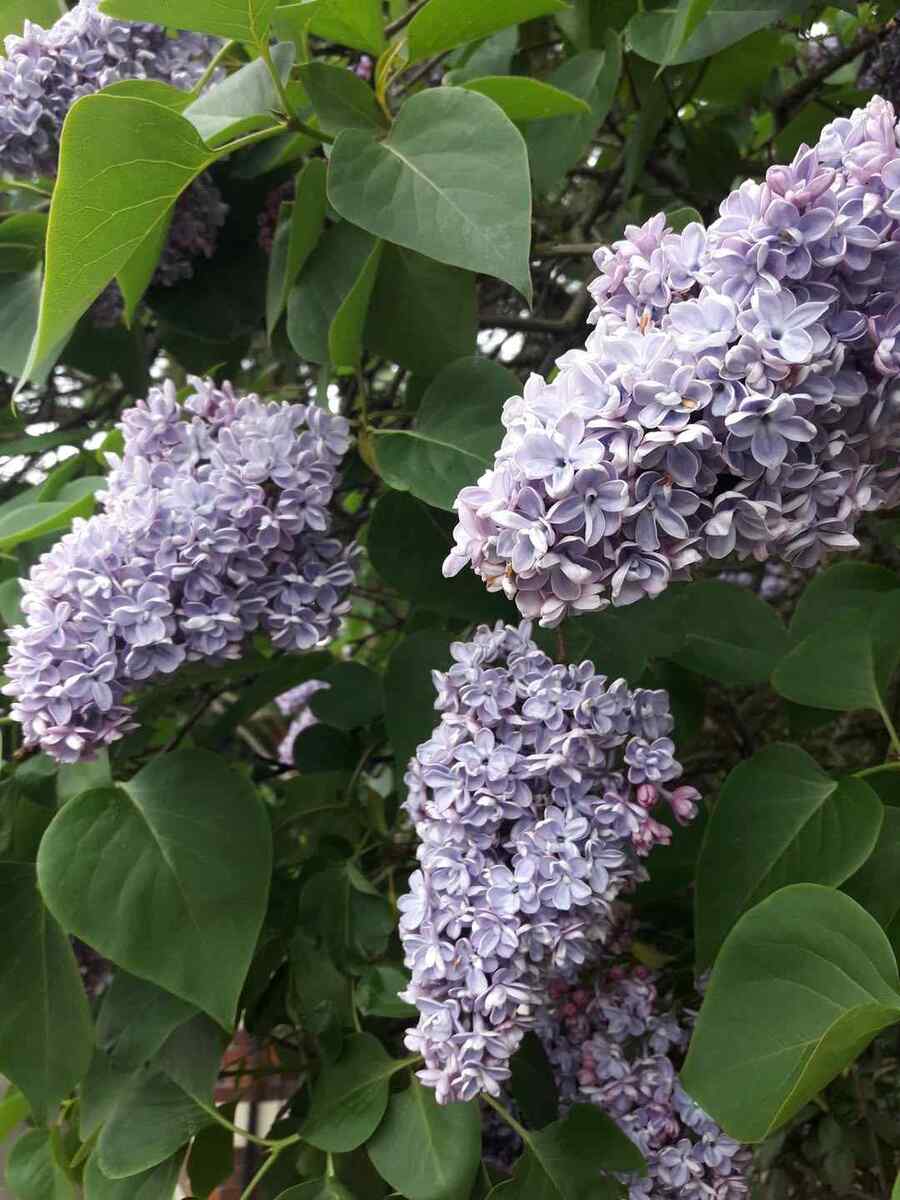
Lilac is the Minnesota classic for a reason: it’s fragrant, hardy, and tied to the emotional memory of spring. When it blooms, the scent carries across the yard and makes the whole space feel welcoming. Older homes often have legacy lilacs that have survived decades of winters—proof of their toughness.
How to use it (design + personalization): If you want that “front-yard nostalgia” feel, plant lilac near a porch or fence where fragrance can drift toward seating areas. For a tidy, curated look, choose a named cultivar with a defined shape and consistent bloom color. Lilacs also make excellent boundary shrubs—dense enough to suggest privacy without feeling heavy.
Growing notes: Lilacs want full sun for best flowering and prefer soil that isn’t waterlogged. After flowering, remove spent blooms if you like a neater look, and prune right after bloom (not late summer or fall) so you don’t remove next year’s flower buds. Over time, rejuvenation pruning—removing old trunks—keeps lilacs blooming strongly.
Extra tip: Good airflow helps reduce powdery mildew. Space them generously, and avoid overhead watering late in the day.
Viburnum (Nannyberry or Arrowwood)
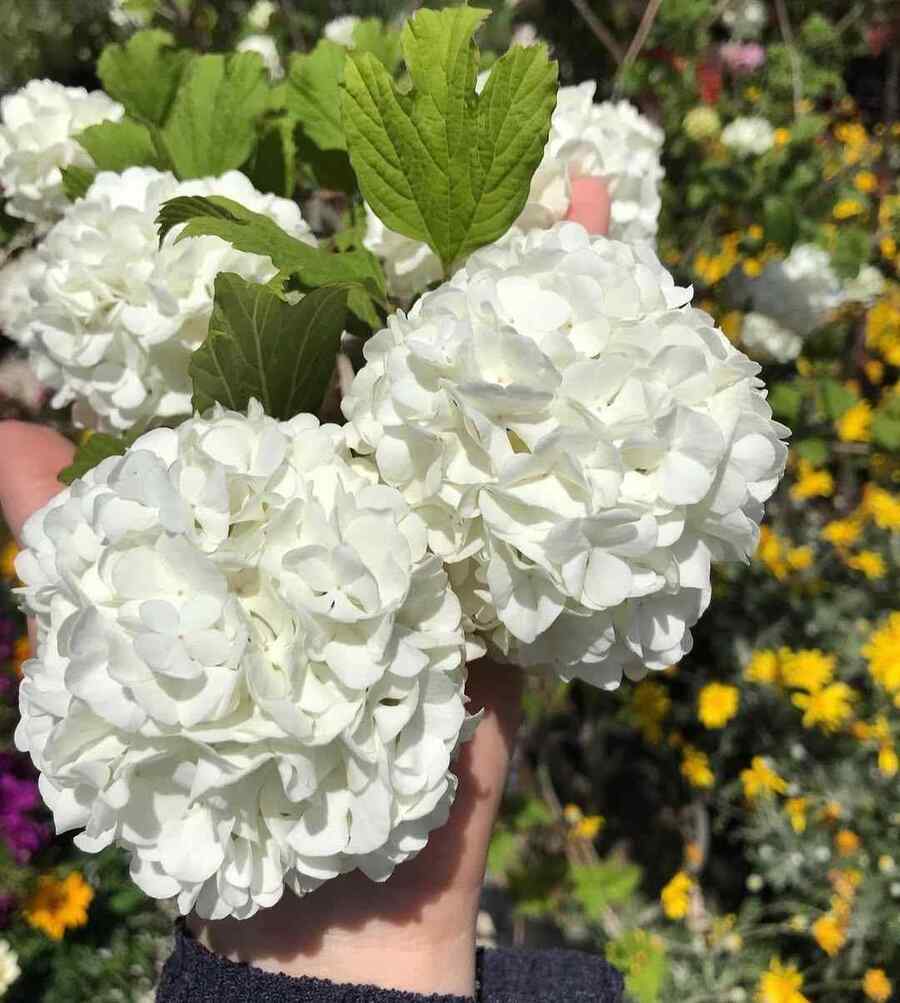
Viburnums are privacy-friendly shrubs that still earn their keep as ornamental plants. Many offer spring flower clusters, attractive summer foliage, berries for birds, and strong fall color. Nannyberry (Viburnum lentago) and arrowwood viburnum (Viburnum dentatum) are excellent Minnesota-appropriate options, especially if you like landscapes that support wildlife without looking messy.
How to use it (design + personalization): For a calm, structured yard, plant viburnum as a screen along the back fence and underplant with simple groundcovers. For a more naturalistic, layered look, mix viburnum with serviceberry and dogwood so you get flowers, fruit, and winter stems in one composition.
Growing notes: Most viburnums prefer full sun to part shade and do best in soil that holds some moisture but drains. Many produce more berries with cross-pollination, so planting two compatible varieties can boost fruiting. Prune after flowering if needed, and avoid heavy shearing—viburnums look best when allowed to keep their natural branching.
Extra tip: If birds are part of your backyard joy, viburnum berries are a reliable seasonal food source.
Serviceberry (Amelanchier)
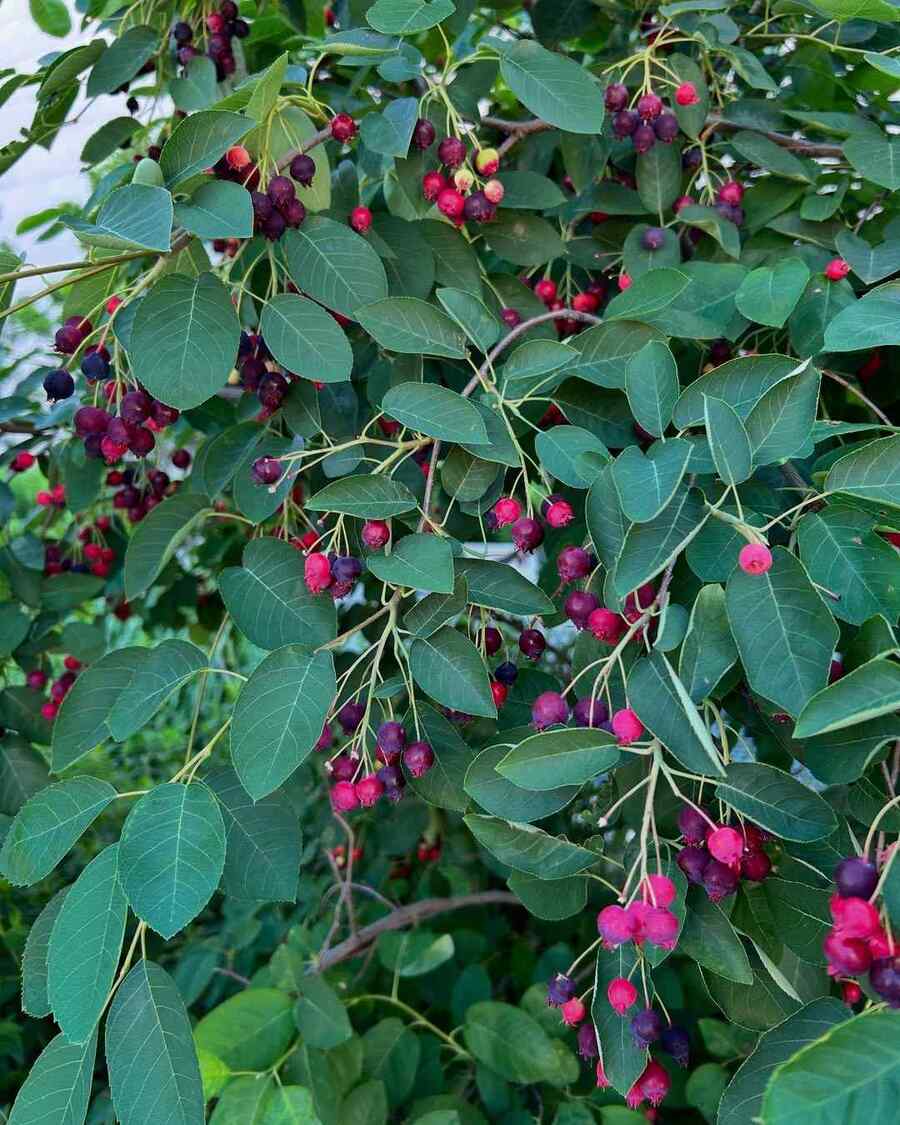
Serviceberry is the “four-season” shrub that behaves like a small ornamental tree, depending on how you prune it. In early spring, it blooms with airy white flowers. In early summer, it offers edible berries that taste like mild blueberries (and birds adore them). Fall brings standout color, and winter reveals an elegant branching structure.
How to use it (design + personalization): If you want a landscape that feels refined, train serviceberry as a multi-stem specimen near the lawn edge. If you prefer a wilder native-garden vibe, let it grow more naturally and pair it with ferns, asters, and native grasses. It’s also a smart choice near patios—shade without heaviness.
Growing notes: Serviceberry performs well in full sun to part shade and likes moderately moist, well-drained soil. It’s generally hardy and resilient. Light pruning after flowering can shape it, but avoid over-pruning if you want berries. Netting may be necessary if you intend to harvest fruit before birds do.
Extra tip: Choose placement thoughtfully—fall color is a showpiece, so give it a backdrop where it can be seen.
Weigela (Weigela florida)
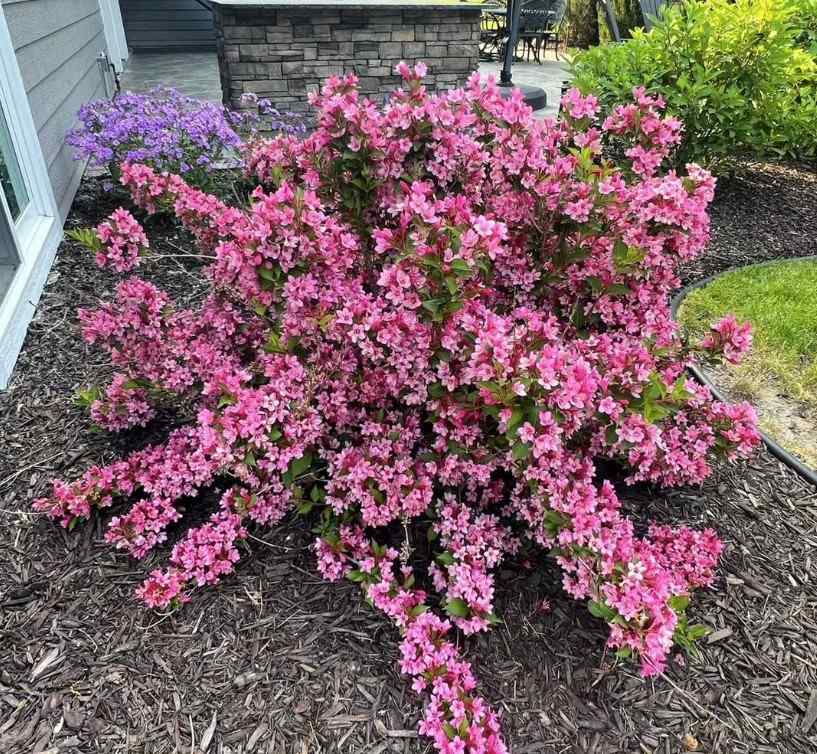
Weigela brings high color payoff with comparatively simple care. It produces trumpet-shaped flowers—often pink or red—during late spring to early summer, and many cultivars add foliage interest (gold, variegated, or deep burgundy leaves). If you like a yard that looks “designed” with strong color blocks, weigela is a smart pick.
How to use it (design + personalization): For a cheerful, family-friendly landscape, plant weigela near play areas or along a walkway where the flowers feel festive. For a more dramatic, high-contrast scheme, pair dark foliage varieties with silver-leaf perennials or pale stone mulch. It also works well in foundation beds when you choose a compact cultivar.
Growing notes: Give it full sun for best bloom and foliage color. Weigela generally prefers well-drained soil and benefits from consistent watering during establishment. Prune right after flowering to shape and encourage rebloom on some varieties; remove a few older stems at the base to keep it vigorous.
Extra tip: If your yard gets hot reflected sun near sidewalks or driveways, weigela can handle it—just support it with water during dry spells.
Bush Honeysuckle (Diervilla lonicera)
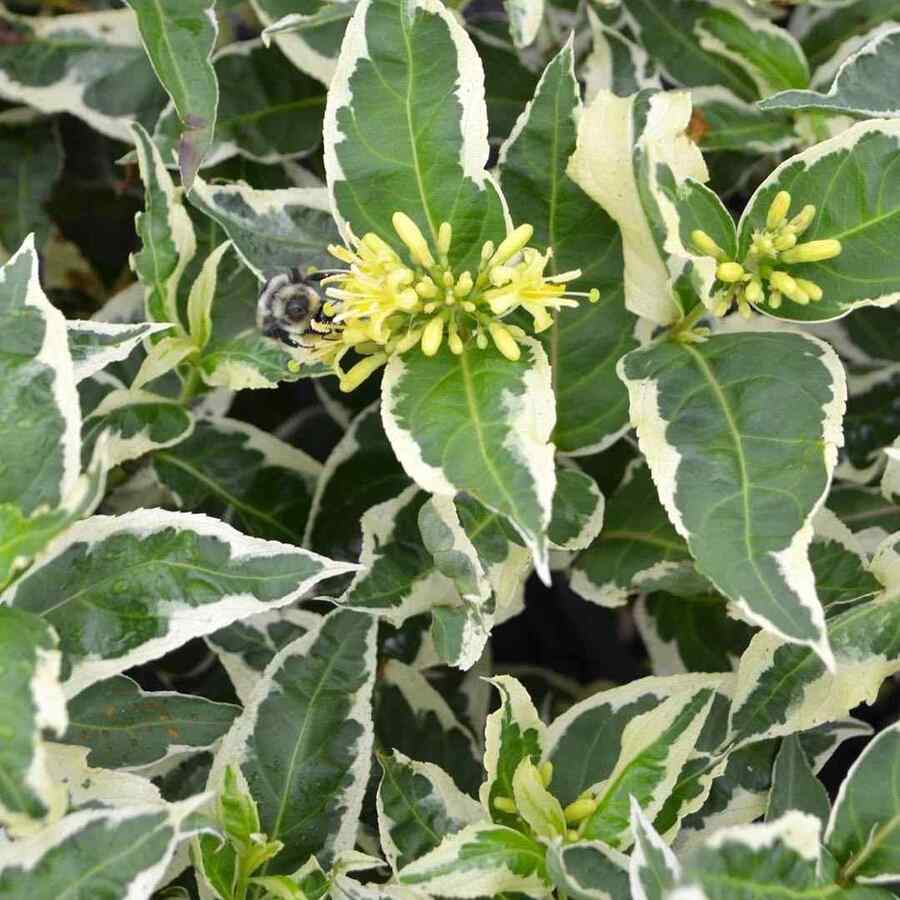
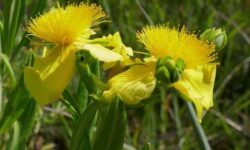
Diervilla (often called bush honeysuckle, but not the invasive shrub honeysuckles) is a native, shade-tolerant powerhouse that earns trust in difficult spots. It’s especially useful on slopes, under light tree canopy, or in yards where you want a low, spreading shrub that stays tidy. Yellow flowers appear in summer, and many selections develop good fall color.
How to use it (design + personalization): If you have a tricky bank that erodes, diervilla is a practical, attractive solution—plant it in a mass and let it knit soil together. If your style is minimalist, use it as a repeating ground-layer shrub beneath taller accents like serviceberry or viburnum for a clean, layered look.
Growing notes: Diervilla tolerates part shade better than many shrubs, but it also handles sun. It’s adaptable to different soils and generally low-maintenance. Prune in early spring to refresh growth, or cut it back if you want a tighter, more uniform patch.
Extra tip: This is a great “set it and forget it” shrub for Minnesota yards that need durability more than fuss.
Forsythia
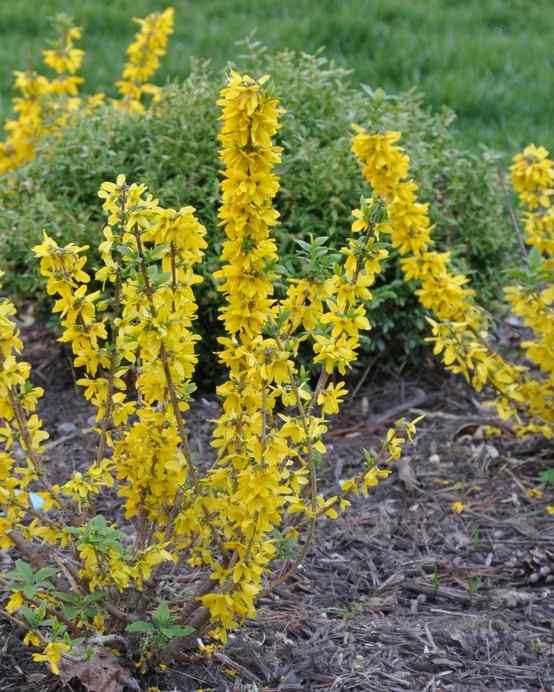
Forsythia is the early-spring mood-lifter: bright yellow flowers appear before leaves, often when the rest of the yard still looks sleepy. In Minnesota, it’s best treated as a shrub for sheltered spots or used with realistic expectations—when winter is harsh, top growth can suffer, but many plants still bloom on surviving wood.
How to use it (design + personalization): If you want that “first burst of spring” near your front door, plant forsythia in a protected area—near a south-facing wall or with wind buffering. For a softer landscape style, allow it to arch naturally and underplant with early bulbs like crocus and snowdrops for a layered spring scene.
Growing notes: Forsythia prefers full sun and well-drained soil. Prune right after flowering because it blooms on old wood; late pruning removes next year’s buds. Removing a few old stems at the base keeps it blooming and prevents a tangled look.
Extra tip: If you have an exposed site, consider using it in a slightly more protected microclimate for more consistent flowering.
American Hazelnut (Corylus americana)
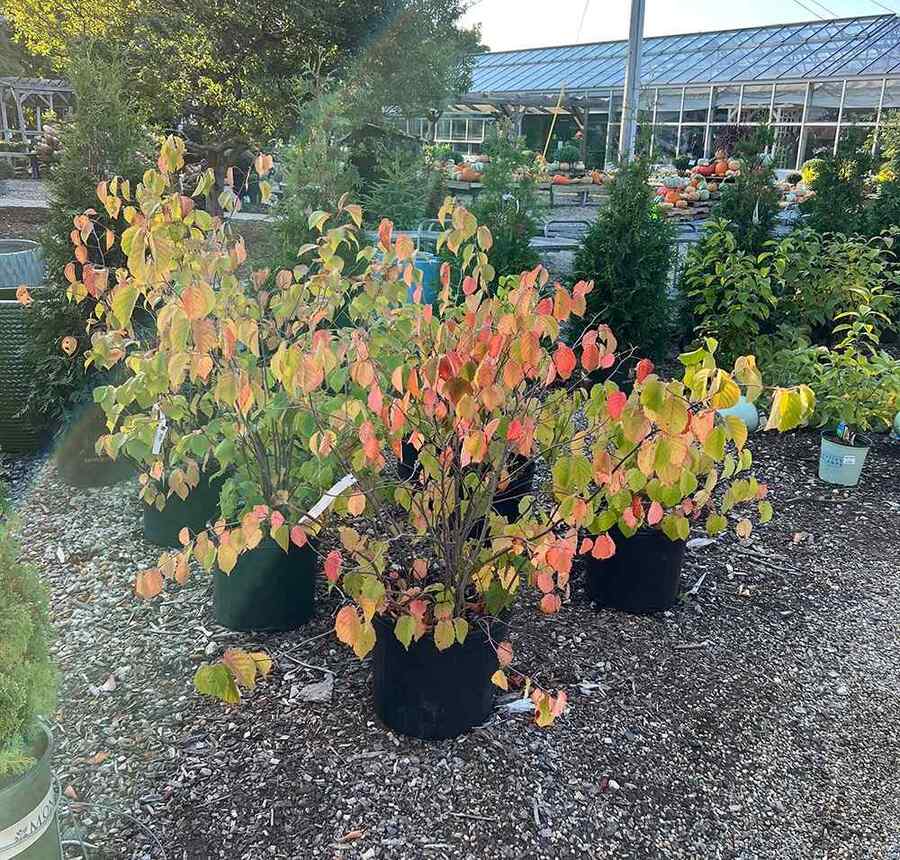
American hazelnut is a fast-growing native shrub that adds both function and charm. It forms a dense thicket over time, produces edible nuts (often best with more than one plant for pollination), and offers strong wildlife value. It can be a privacy builder, a habitat plant, or a productive addition to a larger yard.
How to use it (design + personalization): If you want a “working landscape” aesthetic—beautiful but useful—plant hazelnut along a property edge and let it create a living screen. For a more intentional look, group it in a dedicated corner with mulch and a simple path, turning it into a small backyard food feature.
Growing notes: Hazelnut thrives in full sun to part shade and adapts to many soils. Once established, it’s relatively drought-tolerant. It can sucker and spread, which is a benefit for screening but something to plan for in small yards. Prune selectively to keep access easy if you want to harvest nuts.
Extra tip: Expect competition from squirrels and birds; if you want nuts for yourself, harvest promptly as they ripen.
FAQ: Shrubs for Minnesota
1) What are the easiest low-maintenance shrubs for Minnesota?
Ninebark, diervilla, and many viburnums are dependable choices because they tolerate a range of soils and weather while still providing multi-season interest.
2) Which shrubs give the best winter interest in Minnesota?
Arctic Fire® red-osier dogwood is a top winter standout for its red stems. Ninebark adds exfoliating bark, and serviceberry provides elegant branching structure.
3) How do I choose shrubs if my yard has part shade?
Diervilla and serviceberry handle part shade well. Viburnum can also work in part shade, though flowering and berries are often stronger with more sun.
4) When is the best time to plant shrubs in Minnesota?
Spring and early fall are ideal. Planting then helps roots establish before summer heat or deep winter, and consistent watering during the first season is key.