A good privacy hedge is part security blanket, part backdrop. It softens the hard lines of fences, hushes street noise, and makes a patio feel like a room. If you want results fast, pick shrubs that put on serious height and density early, then match them to your climate and soil so they don’t sulk after year one.
Below are 10 fast-growing shrubs for privacy, with the practical stuff gardeners actually need: USDA Growing Zones, light, soil, flowers, and maintenance habits. Mix and match for a hedge that feels natural, not like a green brick.
Table of Contents
1) Green Giant Arborvitae (Thuja ‘Green Giant’)
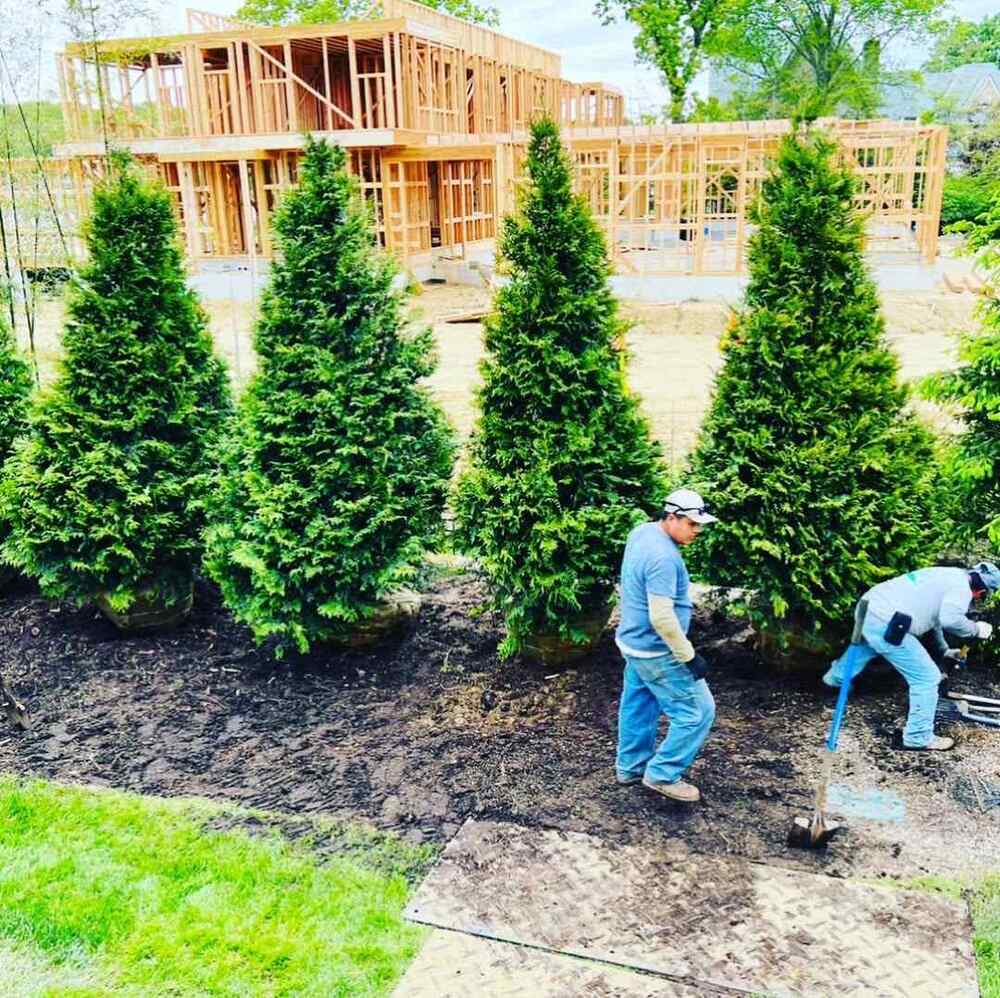
If you want the “instant wall” vibe, Green Giant is famous for it. It’s hardy in USDA Zones 5–8 and handles many soils as long as drainage is decent.
Light: full sun to part shade.
Soil: moist, fertile, well-drained is ideal.
Tip: Space wider than you think; it matures big.
2) Leyland Cypress (Cupressus × leylandii / Cupressocyparis leylandii)
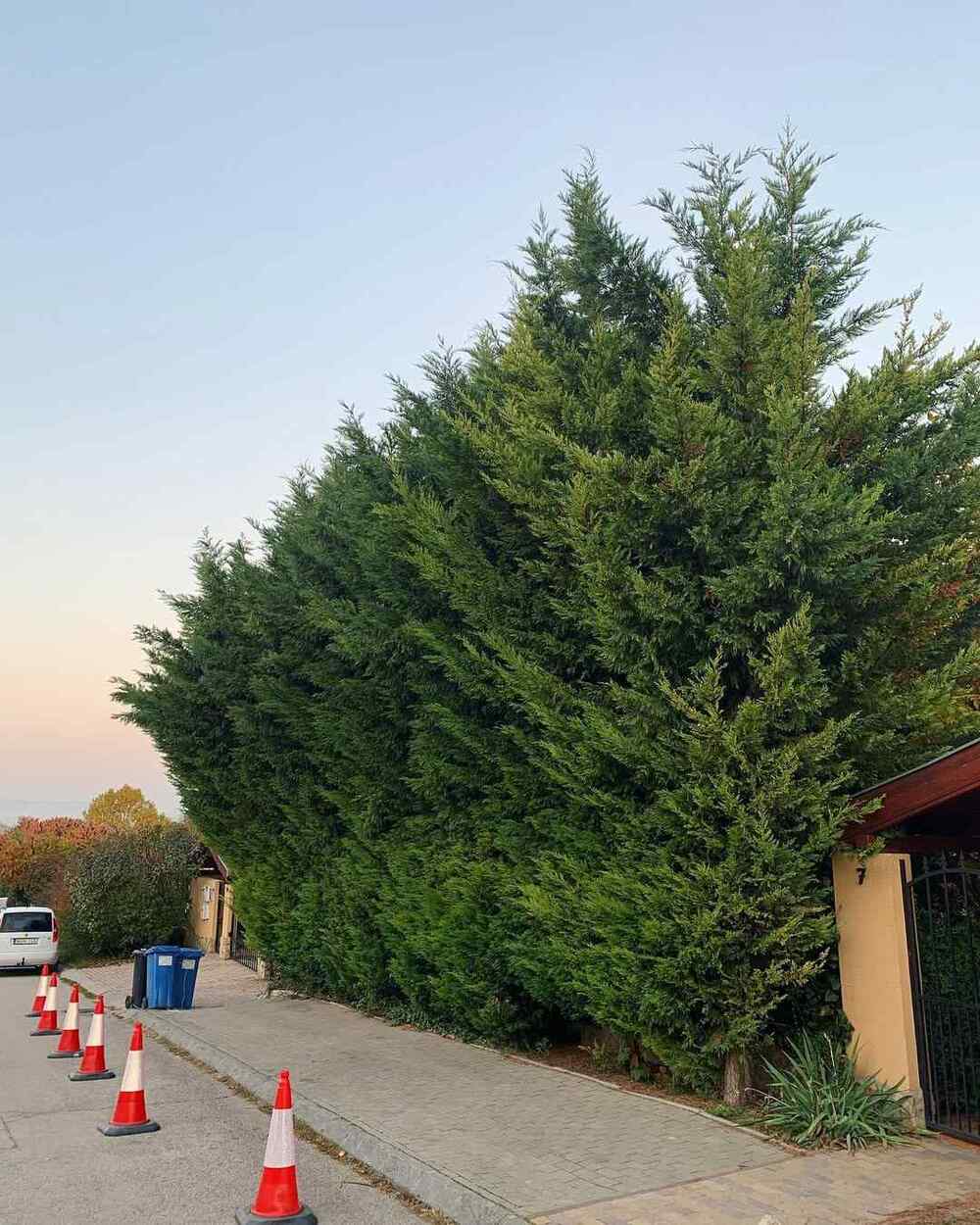
Leyland cypress earns its reputation as a quick, tall screen. It thrives in full sun and prefers well-drained soil, though it tolerates a range of textures.
Many sources place it around USDA Zones 6–10.
Maintenance note: Give it room and commit to pruning, or it can outgrow the “hedge” plan fast.
3) Cherry Laurel (Prunus laurocerasus)
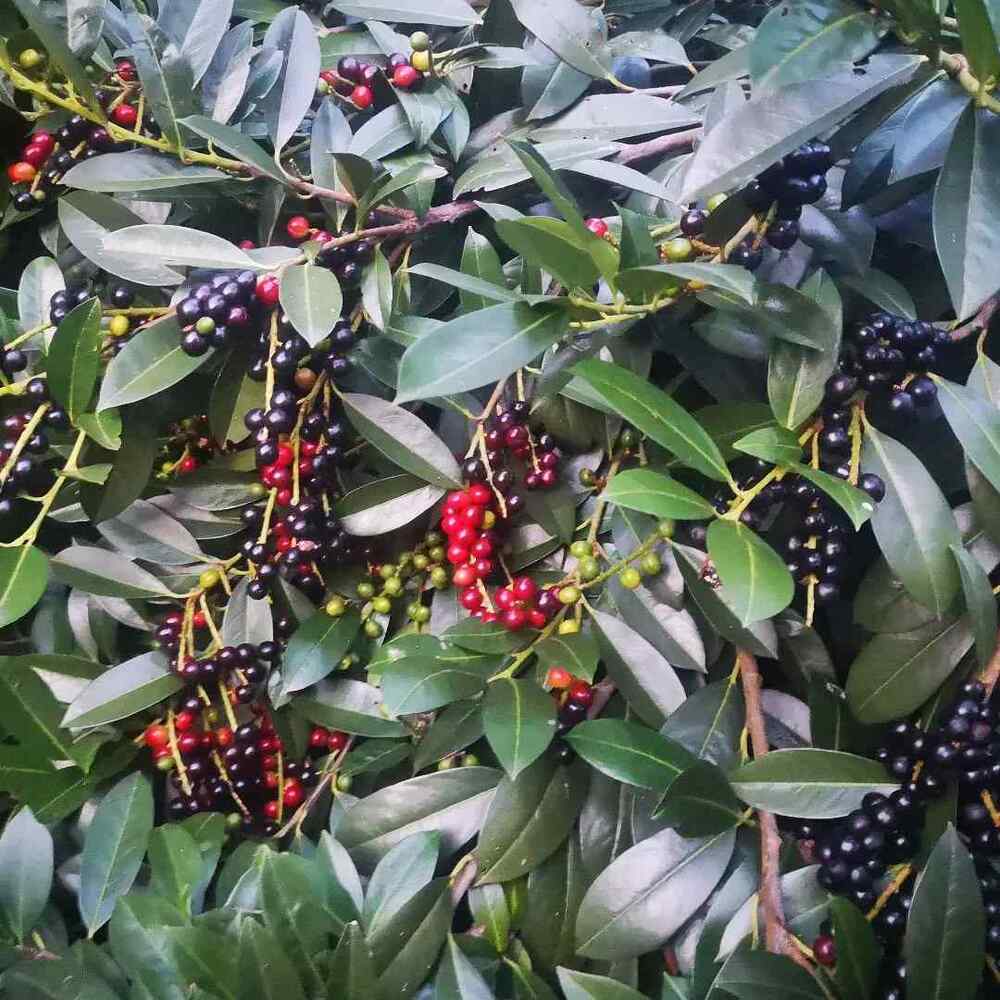
Cherry laurel is my go-to suggestion for people who want big, glossy leaves and a thick barrier that still feels lush. It’s commonly listed USDA Zones 6–9.
Light: sun to shade—often happier with more shade in hotter parts of its range.
Flowers: spring white blooms can pull in pollinators.
Soil: drainage matters.
4) Privet (Ligustrum spp.)
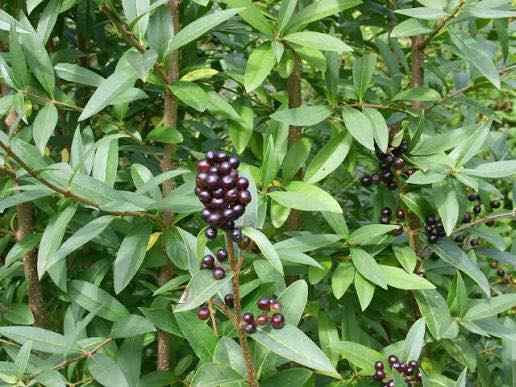
Privet is the classic “trim it into anything” hedge. It grows fast and tolerates hard pruning.
Zones: depend on species/cultivar, but many do well in warmer zones (often 7–10).
Soil: average, well-drained is the sweet spot; avoid soggy sites.
Important: some privets are invasive in parts of the U.S., so check locally.
5) Clumping Bamboo (Fargesia and friends)
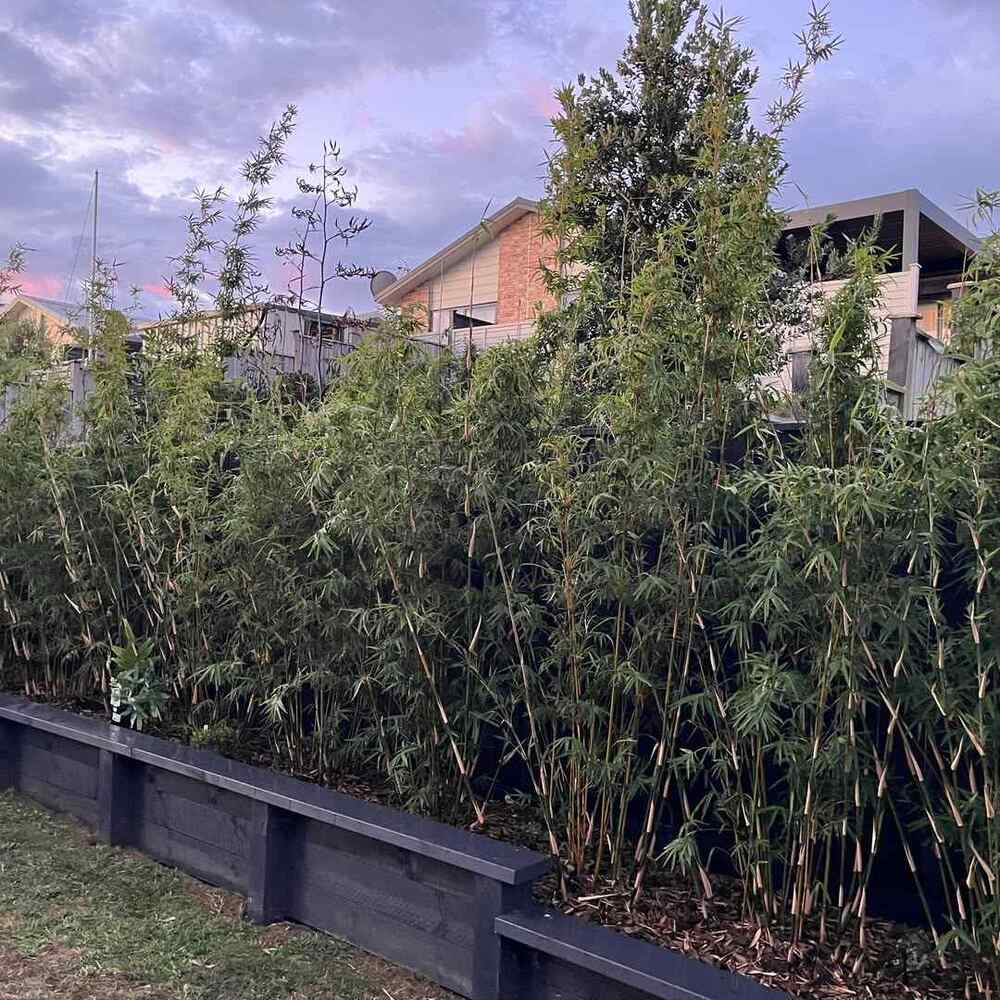
For a tall, rustling screen with a modern feel, clumping bamboo is hard to beat. Cold-hardy Fargesia types are often cited around USDA Zones 4–8, depending on species/cultivar.
Light: many prefer partial shade, especially afternoon shade.
Soil: fertile, moisture-retentive but well-drained.
Tip: Clumping types stay put far better than running bamboo.
6) Red Tip Photinia (Photinia × fraseri)
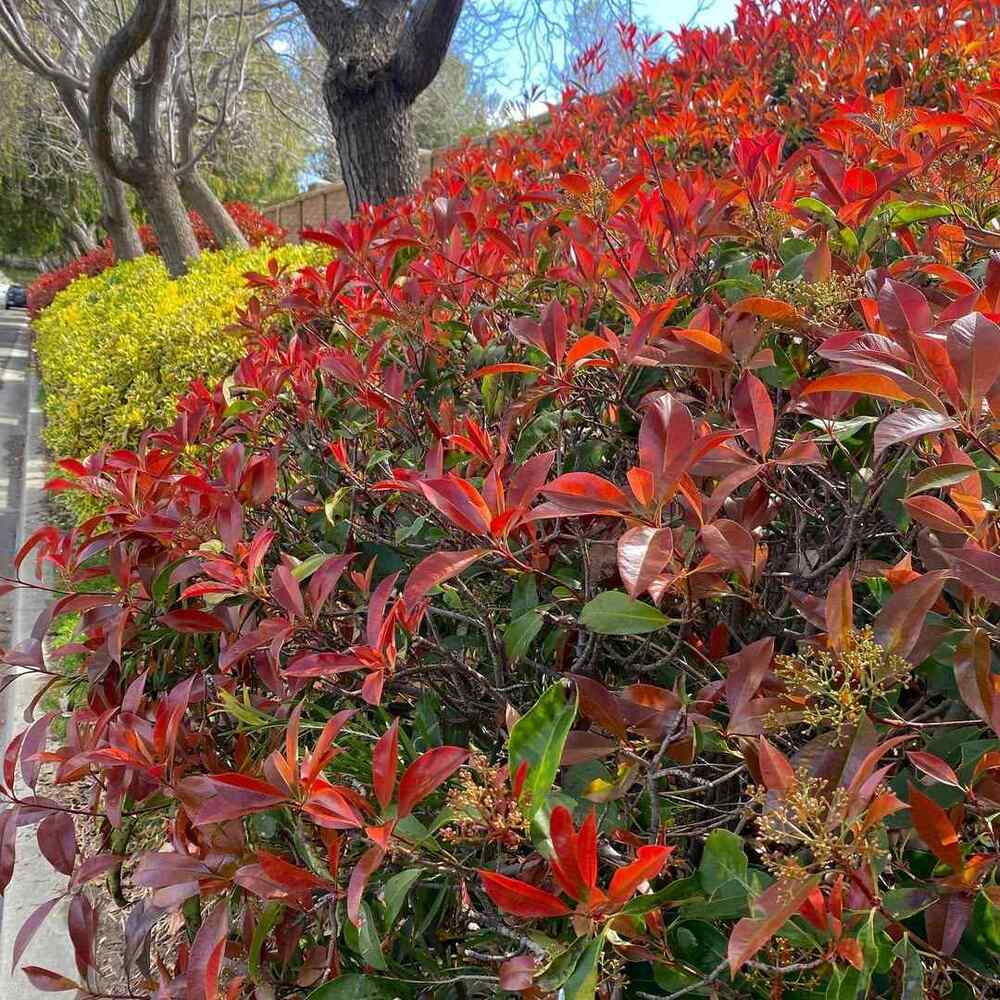
Photinia gives you that flashy red new growth, then settles into evergreen density. It’s typically USDA Zones 7–9 (some growers push Zone 6 with protection).
Flowers: white spring blooms can be showy and fragrant.
Soil: average, medium moisture, well-drained.
Real-life tip: give airflow—crowded hedges can invite leaf spot issues.
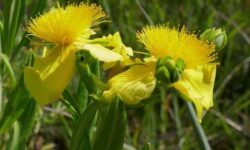
7) Forsythia (Forsythia × intermedia)
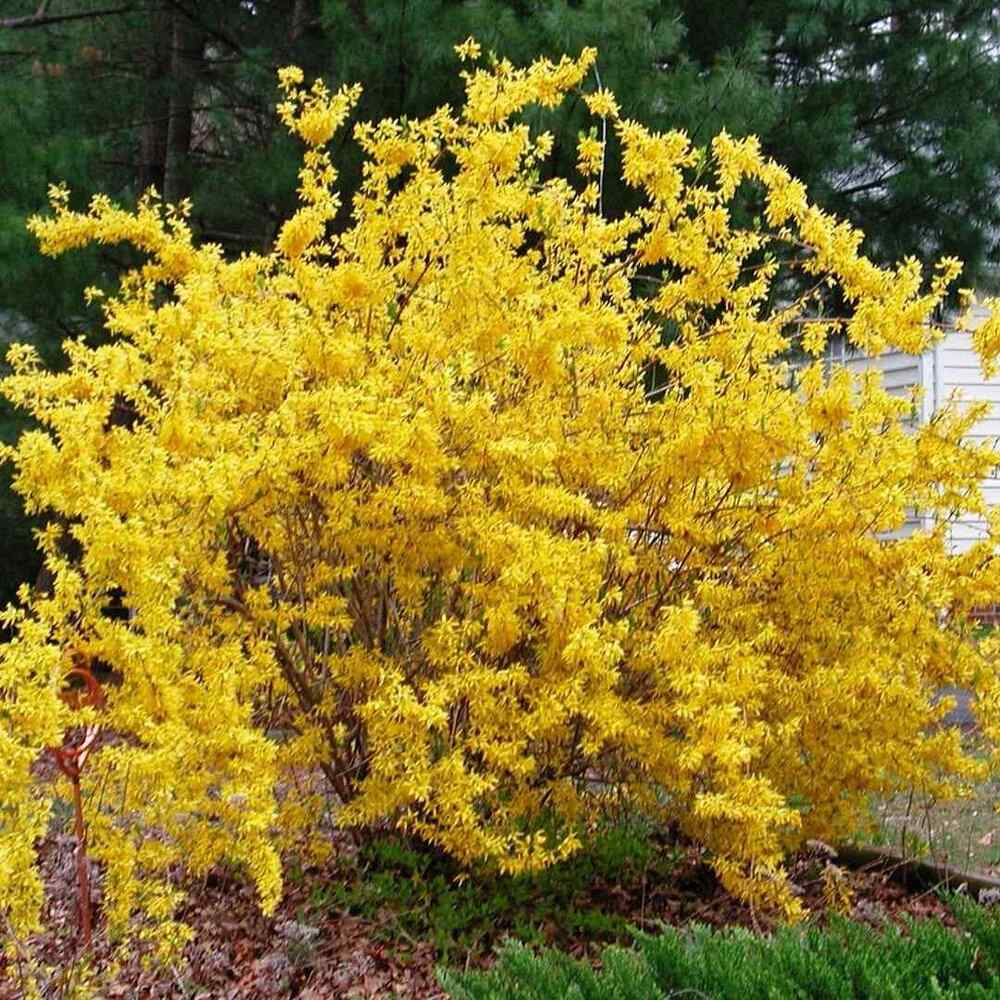
Forsythia is the “happy yellow fireworks” shrub that also makes a fast informal hedge. It’s generally USDA Zones 5–8.
Flowers: early spring color is a morale boost after winter.
Soil: loose, medium moisture, well-drained; tolerates clay and poorer soils.
Tip: prune right after flowering, or you’ll sacrifice next spring’s show.
8) Wax Myrtle (Morella cerifera)
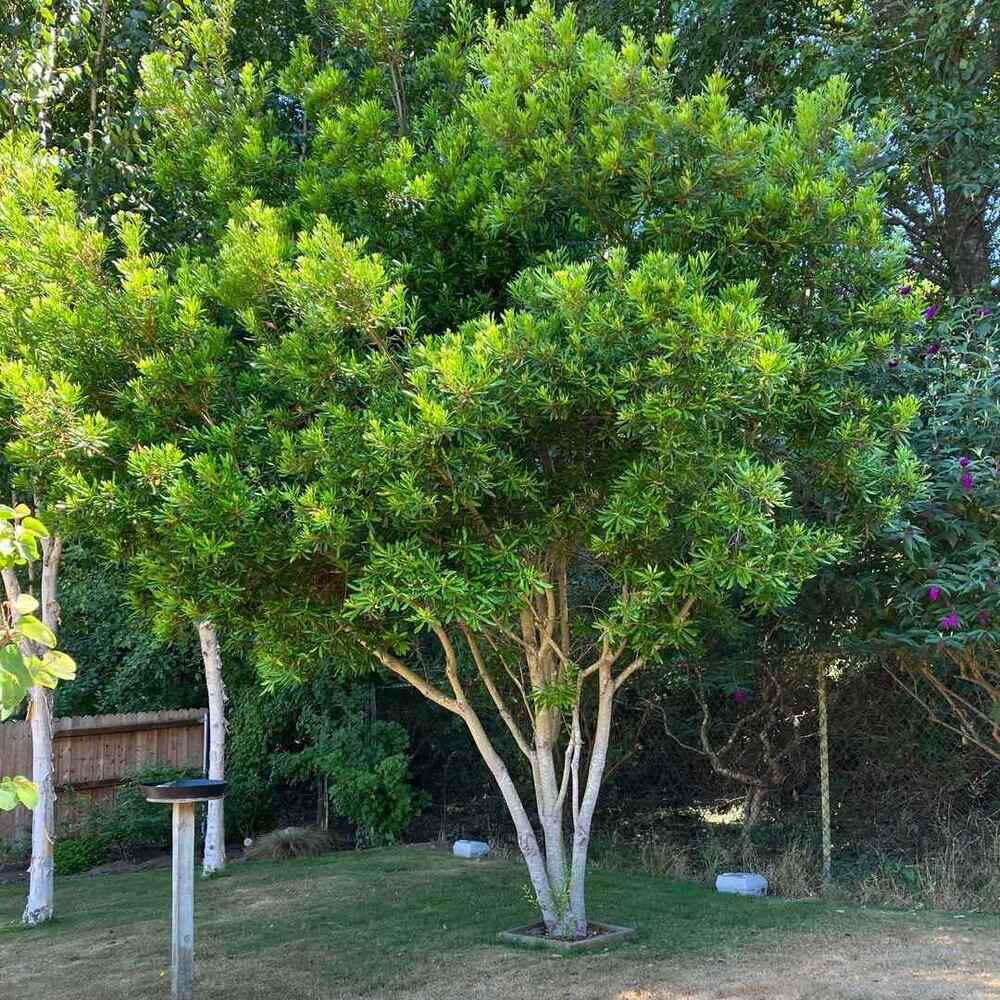
Wax myrtle is a warm-climate privacy workhorse with aromatic foliage and a slightly wild, coastal feel. It’s commonly listed USDA Zones 7–10.
Soil: surprisingly adaptable—handles medium to wet soils, and once established can cope with a wide range.
Bonus: tolerates wind and salt spray, great near coasts.
9) Rose of Sharon (Hibiscus syriacus)
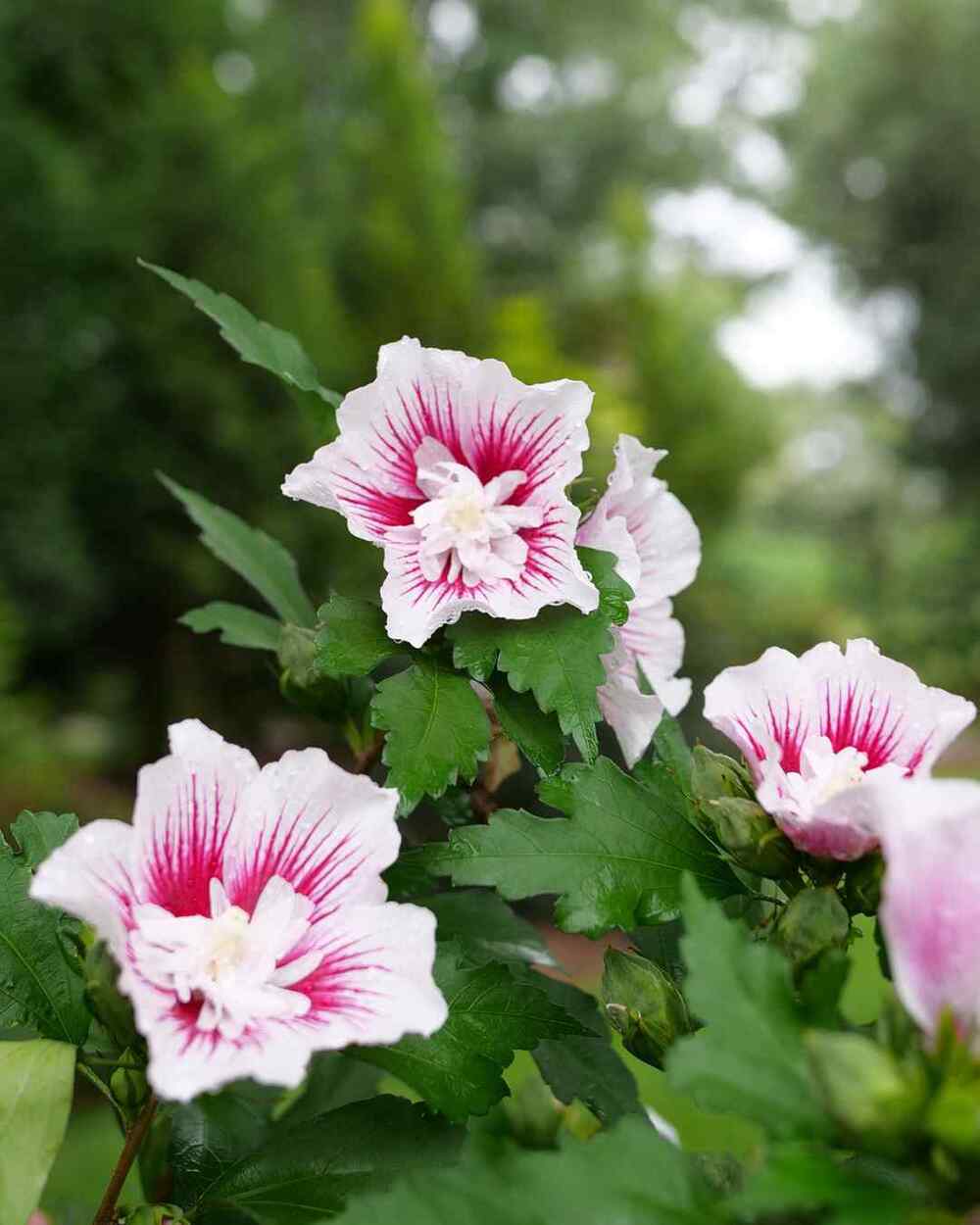
If you want privacy and flowers for months, Rose of Sharon is generous. It’s hardy in USDA Zones 5–9.
Flowers: big blooms arrive in summer and keep coming into fall; pollinators love it.
Soil: moist, well-drained is best, but it’s fairly tolerant and pH-adaptable.
Tip: spring pruning encourages blooms on new growth.
10) Emerald Green Arborvitae (Thuja occidentalis ‘Smaragd’)
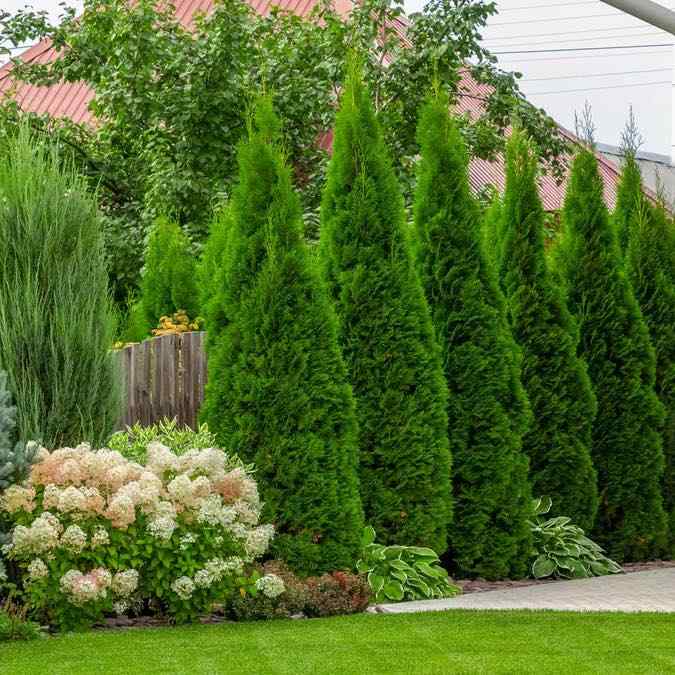
For tighter spaces, Emerald Green stays narrow and tidy while still giving real privacy. Missouri Botanical Garden lists it USDA Zones 2–7.
Light: full sun to part shade.
Soil: moist, well-drained loams are ideal; it dislikes drying out.
Aesthetic perk: naturally formal shape with minimal pruning.
Simple rules that make any privacy hedge succeed
Evergreen vs. deciduous: evergreens (arborvitae, laurel, photinia, wax myrtle, many bamboos) give year-round screening; deciduous options (forsythia, rose of sharon) give seasonal coverage but often bigger flower payoff.
Watering for speed: year one is everything. Deep watering helps roots chase moisture downward, and that’s what supports fast top growth later.
Spacing: plants jammed too tightly can thin out, get disease, or fight each other. A slightly looser hedge often becomes denser and healthier by year three.
Pruning mindset: shearing makes a “formal wall.” Selective pruning makes a softer, layered hedge. For flowering shrubs, prune right after bloom so you don’t cut off next season’s buds.