Winter can be a little rude to gardeners. Beds go quiet, borders flatten, and everything turns the same shade of “meh.” That’s why I keep a short list of shrubs that bloom when the rest of the yard is sleeping. They give color, scent, and structure from late fall through early spring—plus early nectar for pollinators that wake up on mild days.
A quick note before you plant: winter bloomers shine best when you can actually see them. I like placing fragrant shrubs near paths, gates, windows, or the front steps. Also, winter sun can be harsh on evergreen leaves in colder regions, so a spot with morning sun and afternoon shade often keeps plants happier.
Table of Contents
1) Witch Hazel (Hamamelis spp.)
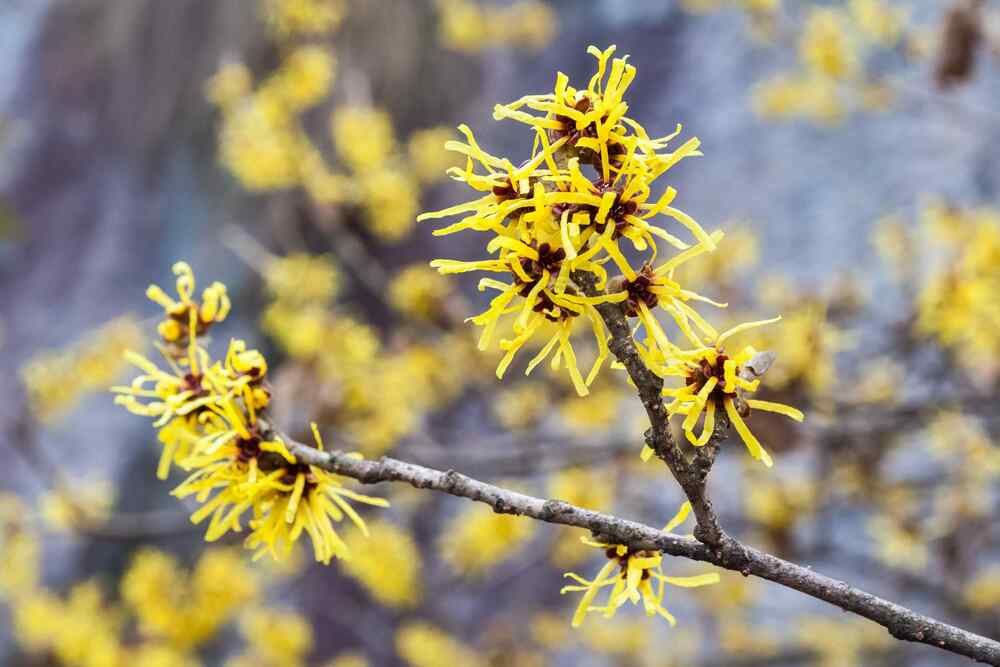
Witch hazel blooms like it’s throwing little fireworks on bare branches—thin, spidery petals in yellow, orange, or red. Many varieties bloom December through March, depending on your climate. It’s one of those plants that makes you stop mid-walk, especially when the air is icy.
USDA Zones: 3–8 (variety dependent)
Light: Full sun to part shade
Soil: Moist, well-drained, slightly acidic to neutral
Why you’ll love it: fragrance + strong winter color.
Tip: mulch the root zone to keep soil evenly moist; it dislikes drought stress.
2) Camellia (Camellia japonica & C. sasanqua)
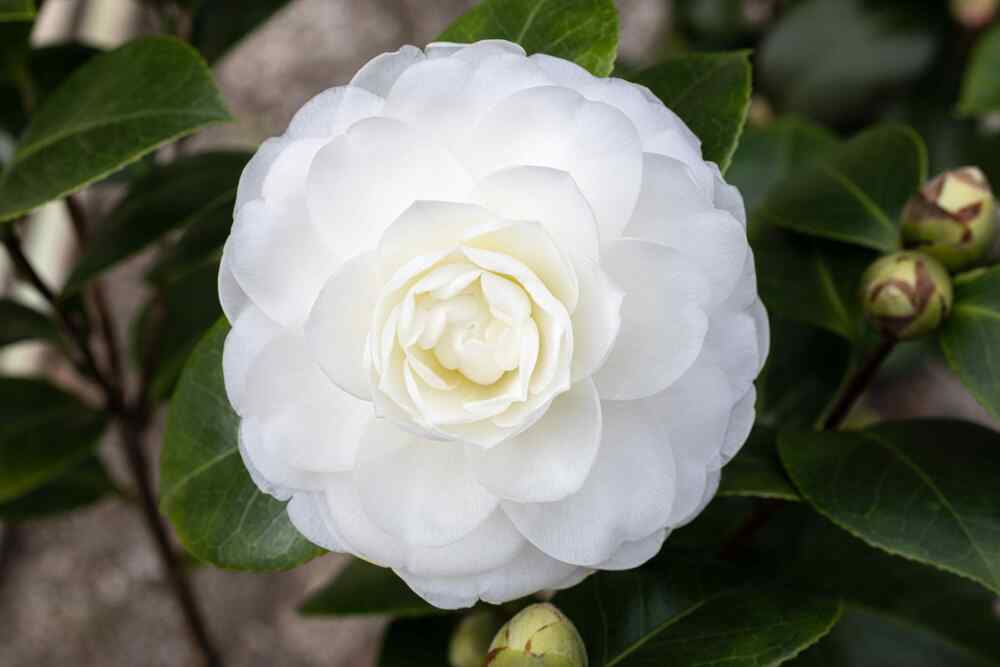
Camellias look polished even before they flower—glossy evergreen leaves and tidy form. Blooms come in white, pink, and red, sometimes ruffled like roses. Sasanqua tends to bloom earlier (late fall), while japonica often flowers deeper into winter or early spring.
USDA Zones: 7–10 (some varieties to 6 with protection)
Light: Part shade; morning sun is ideal
Soil: Acidic, rich, well-drained; hates soggy roots
Why you’ll love it: evergreen beauty + big blooms.
Tip: protect from harsh wind; cold, dry wind can brown buds and leaves.
3) Daphne odora
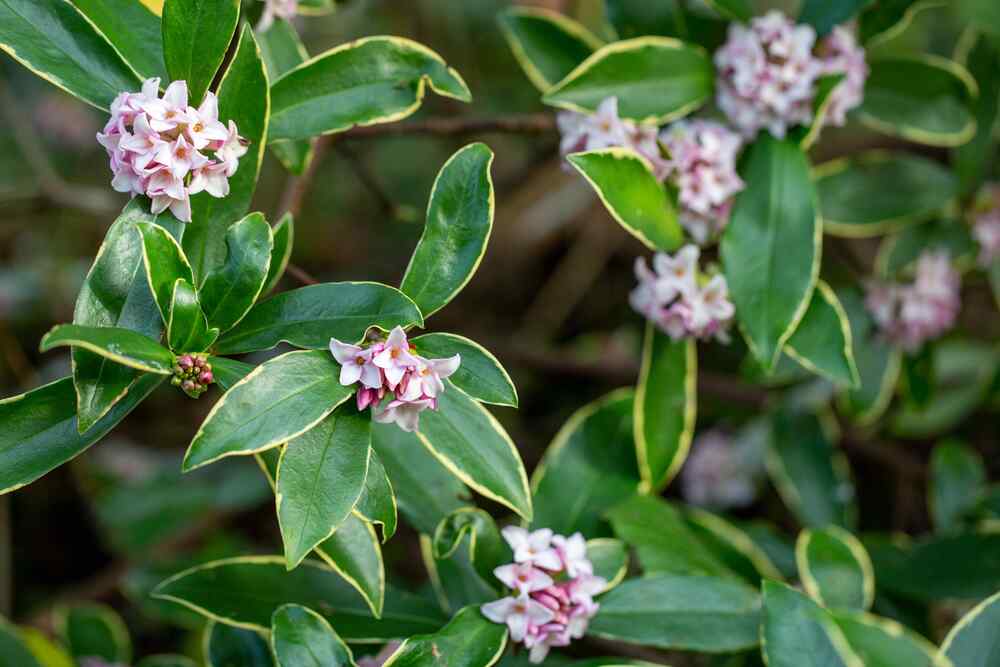
Daphne is the shrub I plant for scent first and everything else second. In late winter it produces clusters of small flowers with an intense perfume that carries surprisingly far. When it’s blooming, I suddenly “need” to walk outside more often.
USDA Zones: 7–9 (some forms to 6 in sheltered sites)
Light: Part shade to gentle sun
Soil: Well-drained, humus-rich; slightly acidic to neutral
Why you’ll love it: one of the best winter fragrances.
Tip: don’t move it once planted—Daphne resents transplanting. Excellent in a protected spot near a door.
4) Winter Jasmine (Jasminum nudiflorum)
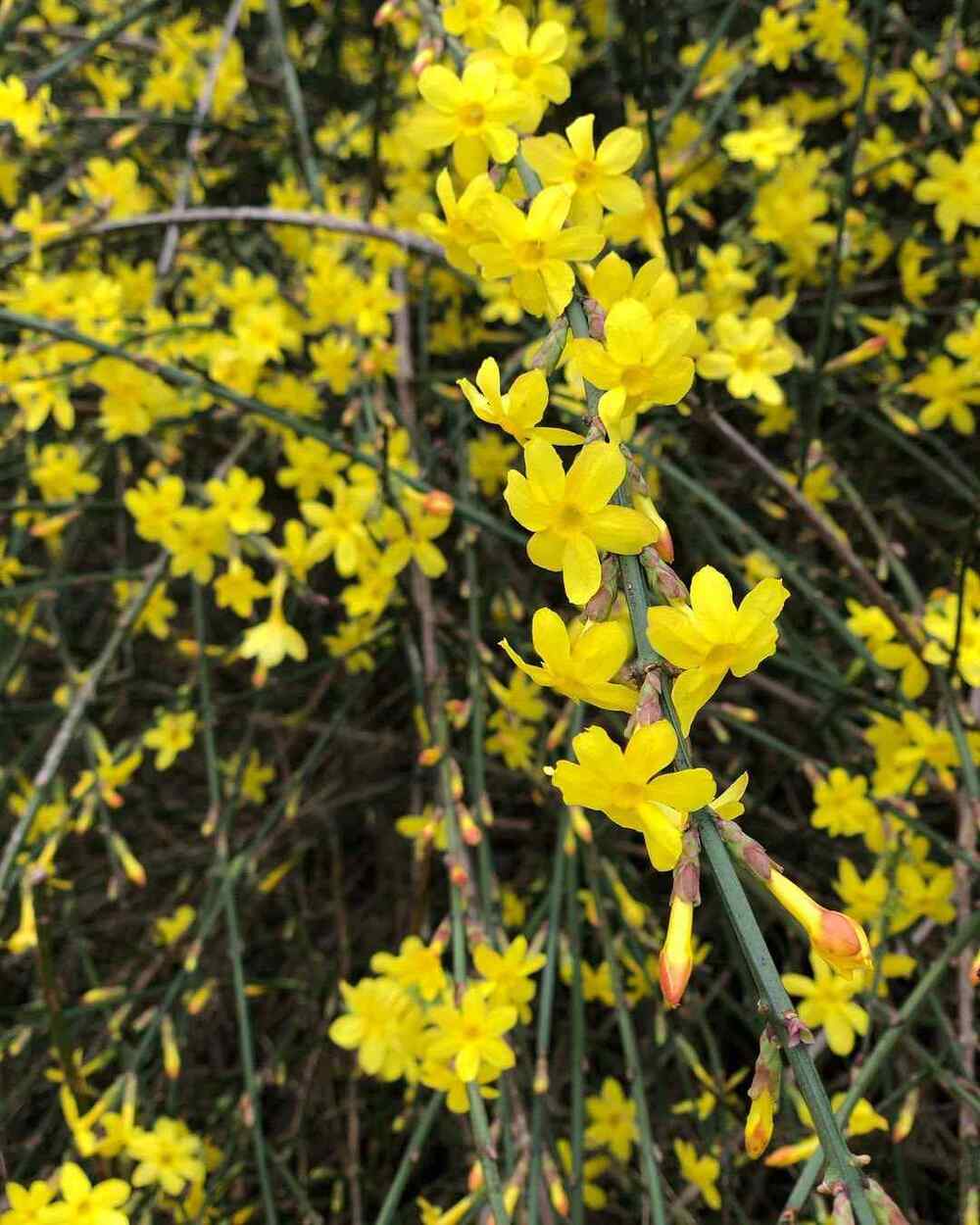
Winter jasmine is pure cheer: bright yellow flowers on green stems, blooming before leaves appear. It isn’t strongly fragrant, but it’s reliable and easygoing. I like it spilling over a low wall, where the arching stems can drape naturally.
USDA Zones: 6–10
Light: Full sun to part shade
Soil: Average, well-drained; tolerates poorer soils
Why you’ll love it: low-fuss color in the bleak season.
Tip: after flowering, lightly prune to shape. It can root where stems touch soil, which is handy for filling space.
5) Mahonia x media ‘Winter Sun’
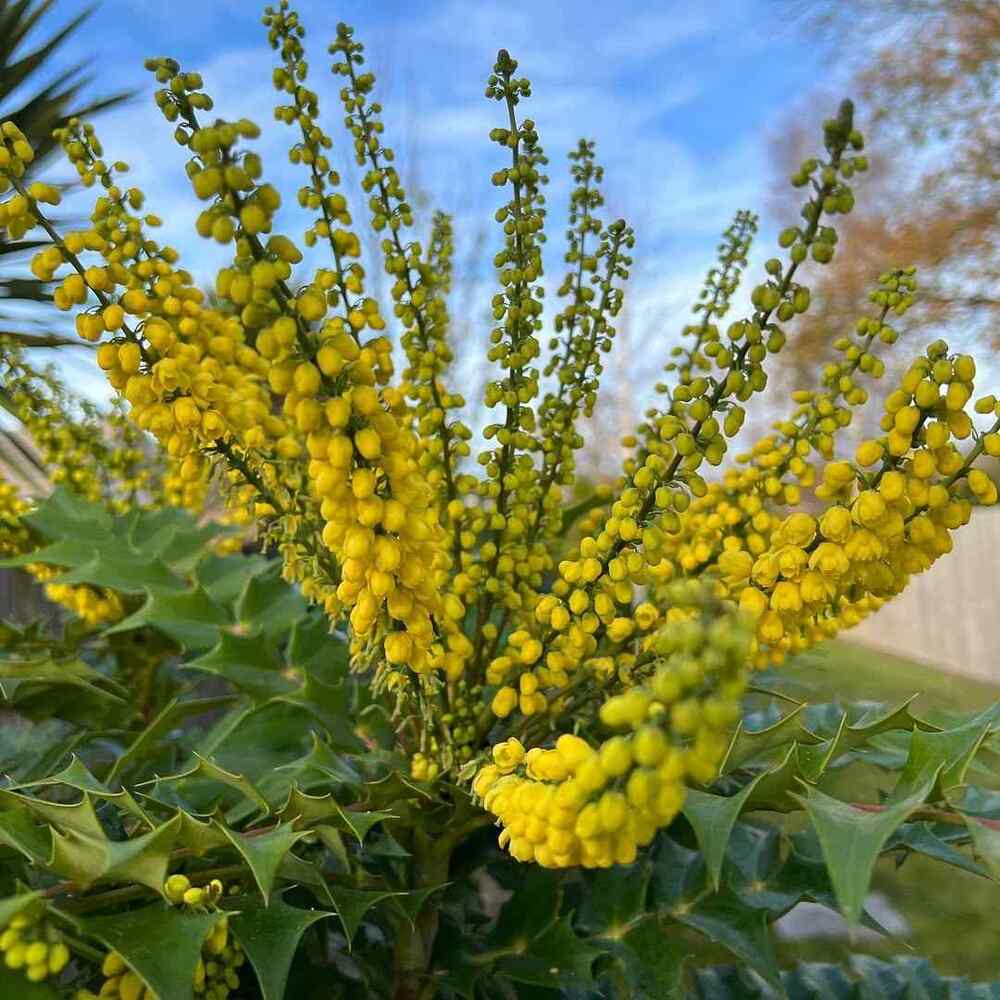
If you want drama, Mahonia delivers. It’s evergreen with spiky foliage and bold, upright spikes of fragrant yellow flowers. The scent is sweet, and the bloom spikes stand out against winter skies. Birds often show up later for the berries, which is a bonus.
USDA Zones: 6–9
Light: Part shade; tolerates shade well
Soil: Moist, well-drained; adaptable but prefers organic matter
Why you’ll love it: evergreen structure + fragrance + wildlife value.
Tip: site it where people won’t brush against the spiny leaves too often—trust me.
6) Viburnum x bodnantense ‘Dawn’
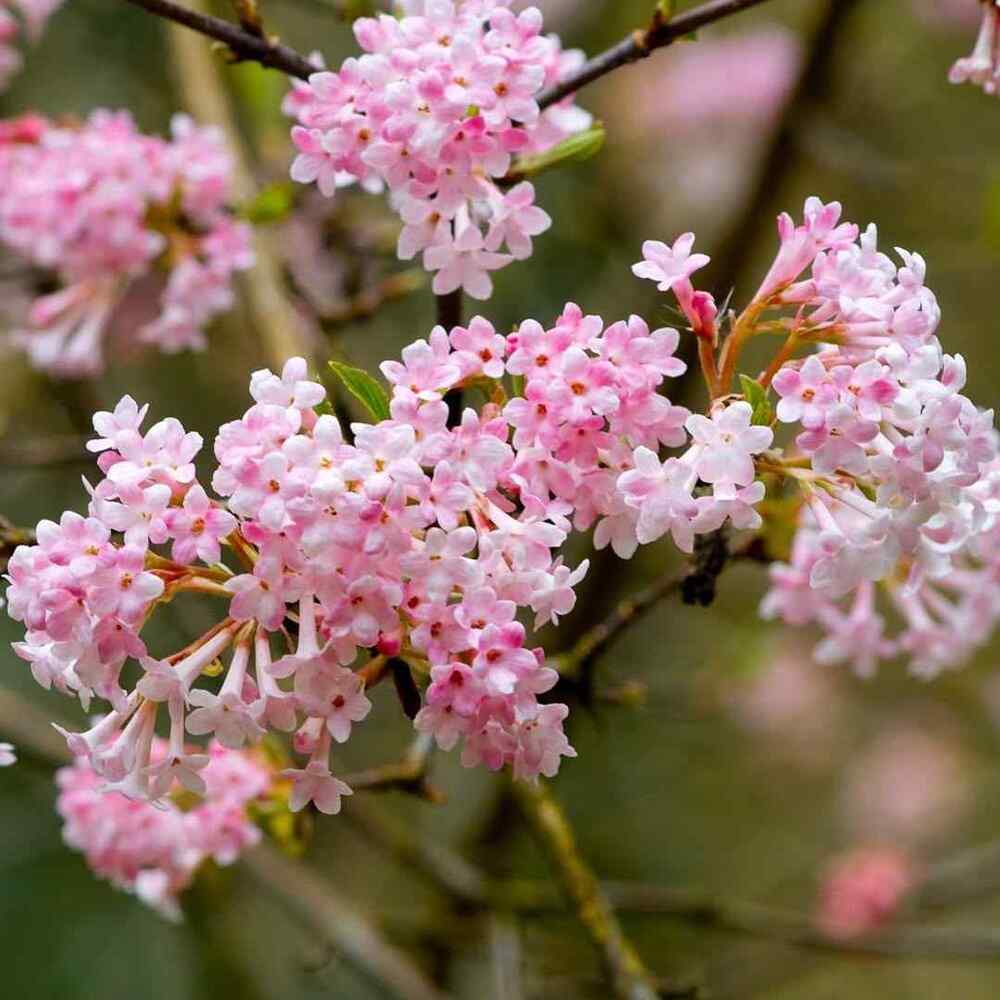
‘Dawn’ is one of the best shrubs for winter perfume. Pink buds open into pale pink flowers along bare stems from late fall through early spring, especially during mild spells. It’s not flashy in leaf, but in bloom it feels like a small miracle.
USDA Zones: 5–8
Light: Full sun to part shade
Soil: Moist, well-drained; tolerates clay if not waterlogged
Why you’ll love it: fragrance + a long bloom window.
Tip: plant it where winter sun can warm the flowers—scent is stronger on milder days.
7) Wintersweet (Chimonanthus praecox)
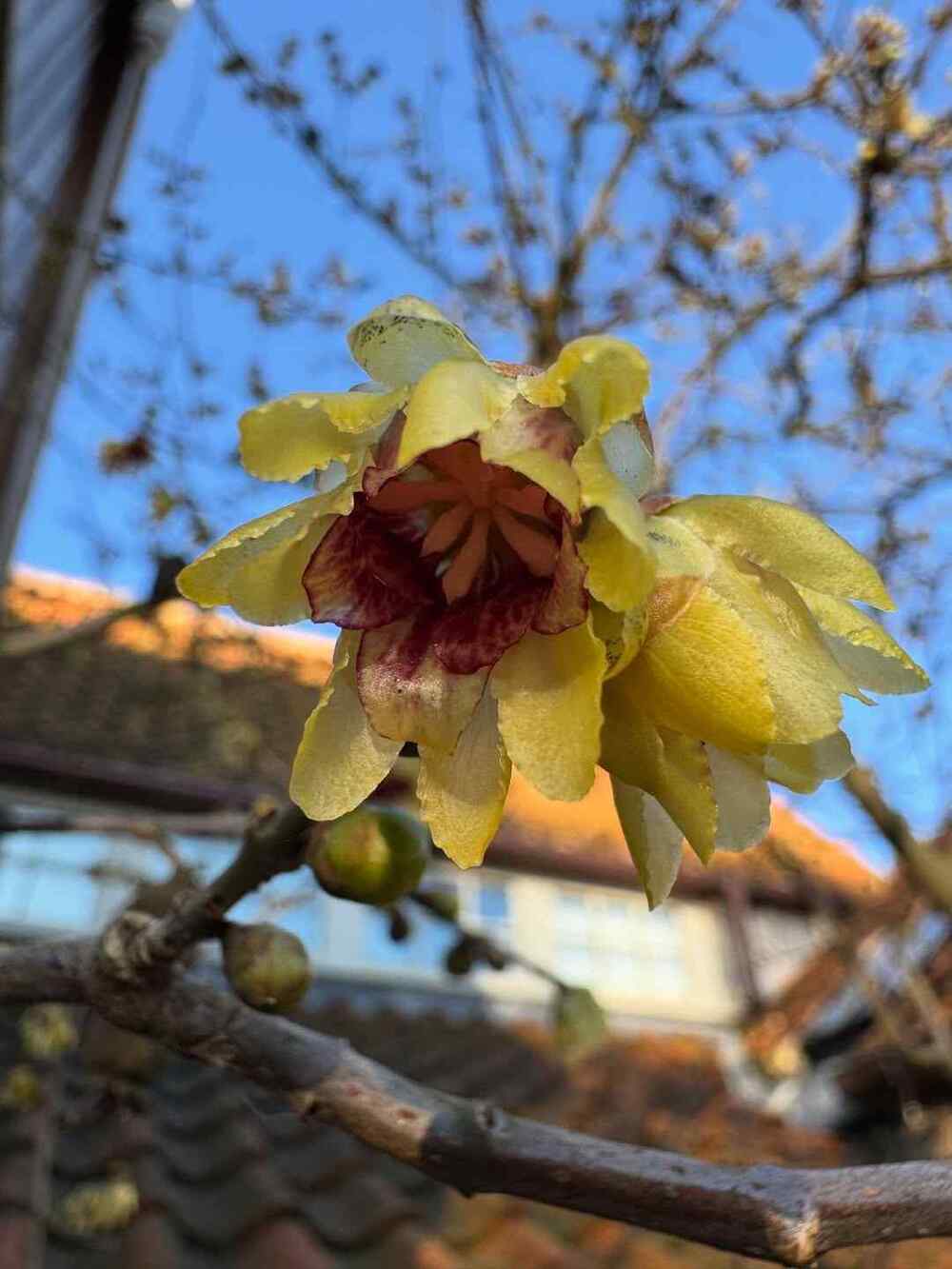
Wintersweet makes modest flowers that punch way above their weight in fragrance. The blooms are pale yellow, often with deeper centers, and the scent is rich—almost spicy. It typically flowers December to February and looks best where you can admire it up close.
USDA Zones: 7–9 (sometimes 6 in sheltered locations)
Light: Full sun to part shade
Soil: Well-drained, moderately fertile
Why you’ll love it: winter scent that feels luxurious.
Tip: give it time—young plants may take a few seasons to bloom heavily, but it’s worth the wait.
8) Sweet Box (Sarcococca confusa)
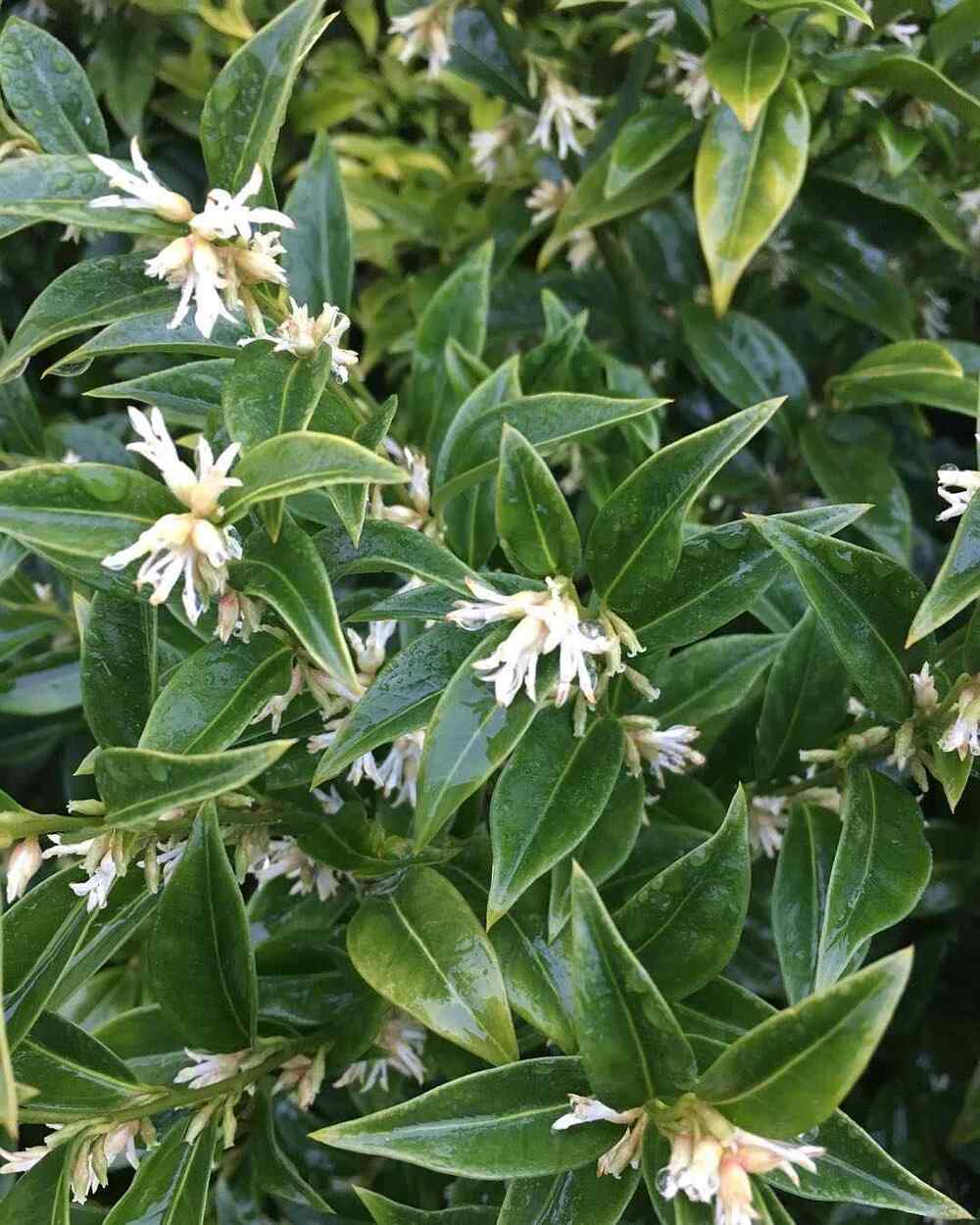
Sweet box is a quiet hero: small white flowers that don’t scream for attention, but the fragrance absolutely does. It also tolerates shade, which is rare for winter bloomers. After flowering, it can produce black berries that add a subtle decorative touch.
USDA Zones: 6–9
Light: Shade to part shade (handles sun with moisture)
Soil: Moist, well-drained, organic-rich
Why you’ll love it: shade-friendly fragrance + evergreen foliage.
Tip: tuck it along a shaded walkway or under windows—your nose will find it before your eyes do.
9) Pieris japonica (Lily-of-the-Valley Shrub)
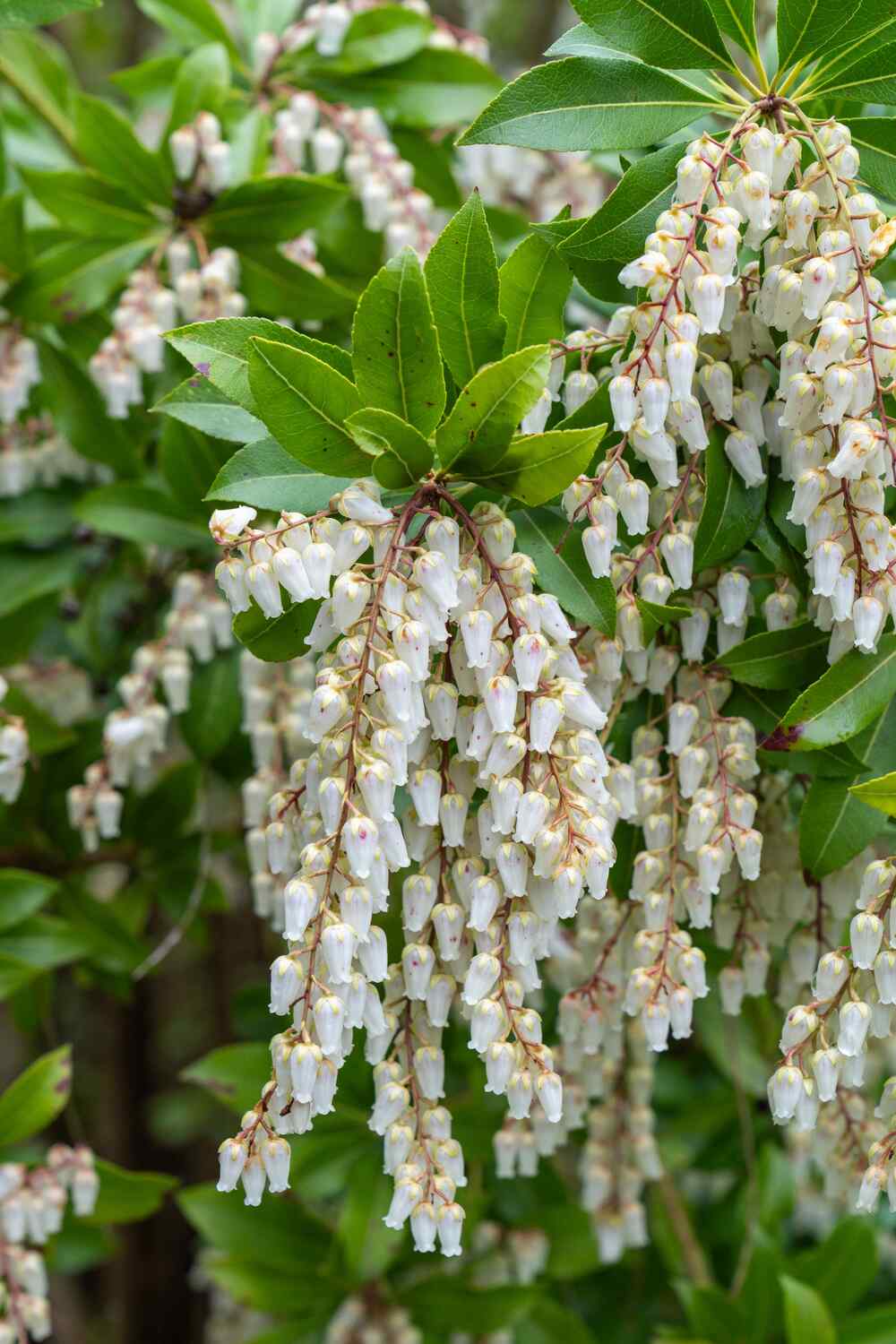
Pieris is evergreen and elegant, with cascading flower clusters that resemble lily-of-the-valley. Many varieties bloom in late winter to early spring, and the new foliage can emerge in gorgeous red or bronze tones. It’s a refined shrub that makes a garden feel “designed.”
USDA Zones: 5–8
Light: Part shade; morning sun preferred
Soil: Acidic, well-drained, rich in organic matter
Why you’ll love it: evergreen shine + graceful flowers + colorful new growth.
Tip: keep it out of heavy afternoon sun in warmer zones, and avoid alkaline soil (it can yellow and sulk).
10) Garrya elliptica (Silk Tassel Bush)
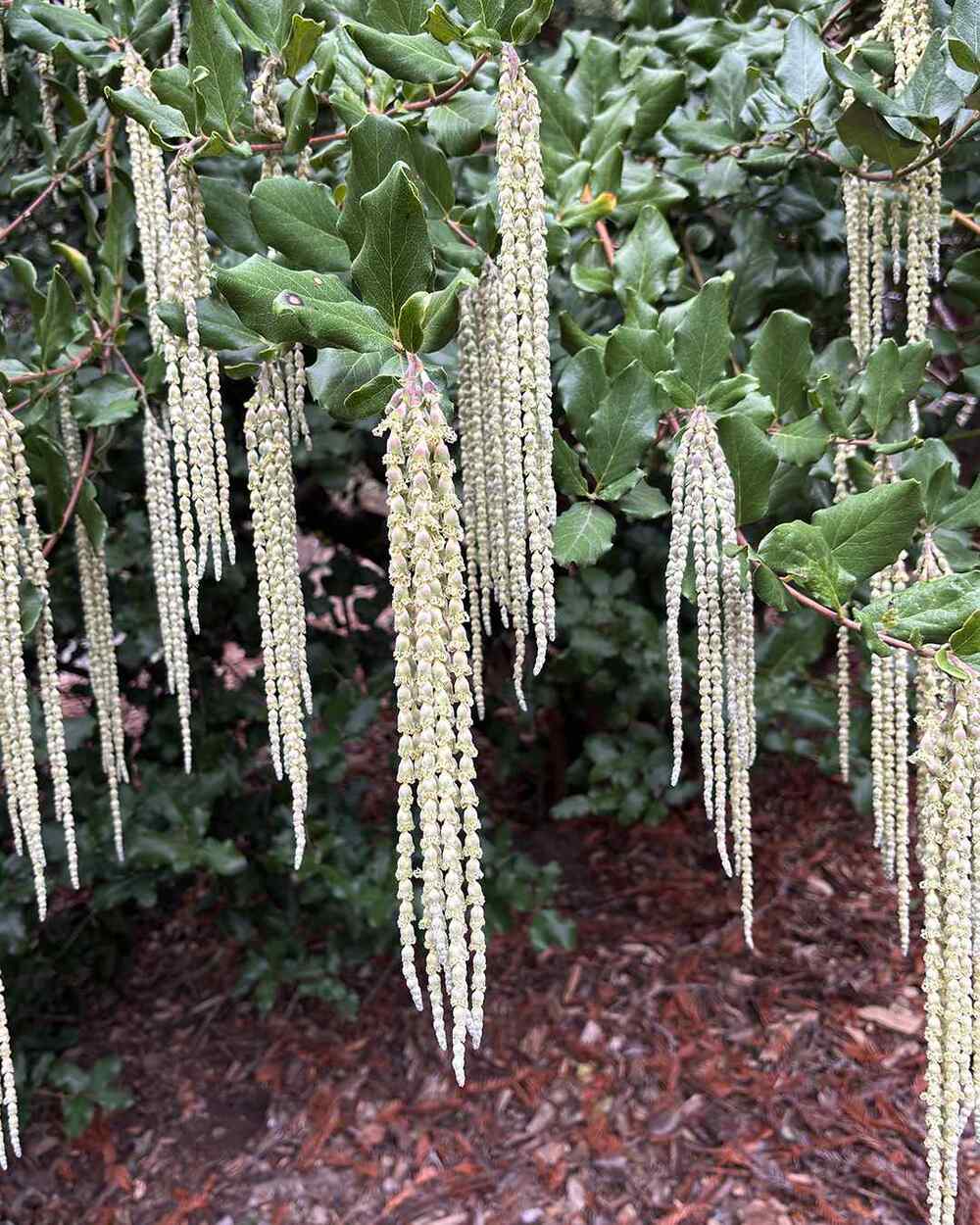
Garrya is all about texture. In mid-winter, it produces long, gray-green tassels that sway in the breeze. It’s not a “flower power” shrub in the usual sense, but it looks stunning against dark evergreens or a pale winter wall. It’s also a good pick for coastal and windy gardens.
USDA Zones: 8–10 (some tolerate 7 with protection)
Light: Full sun to part shade
Soil: Well-drained; drought-tolerant once established
Why you’ll love it: winter movement and structure when borders feel flat.
Tip: shelter from the coldest winds if you’re near its zone limit; tassels can get damaged in extreme cold snaps.
Simple Ways To Make Winter Bloomers Thrive
Winter flowering shrubs aren’t complicated, but they do appreciate smart placement. Drainage matters more in cold months, because wet roots plus cold soil is a recipe for decline. If your soil is heavy clay, consider raising the planting area or mixing in compost to improve structure.
I also keep pruning gentle. Many of these shrubs set buds well before winter, so heavy pruning at the wrong time can wipe out the season’s show. A safe rule: prune right after flowering, shaping lightly and removing dead or crossing branches.
Finally, don’t underestimate fragrance. A single Daphne, Viburnum ‘Dawn’, or Sweet Box planted near where you pass daily can change how winter feels. It turns a cold walk into something personal—like the garden is quietly reminding you spring is on its way.