If you want more hummingbird visits without ripping up your yard, containers are the sneaky shortcut. I’m talking about potted flowers to attract hummingbirds that you can tuck onto a balcony rail, line along a patio, or cluster by a sunny doorway. The best part is the “front-row seat” feeling—those little birds don’t just visit, they perform, darting and hovering like tiny living jewels. The trick is giving them what they already hunt for: bright color, tubular shapes, and steady nectar.
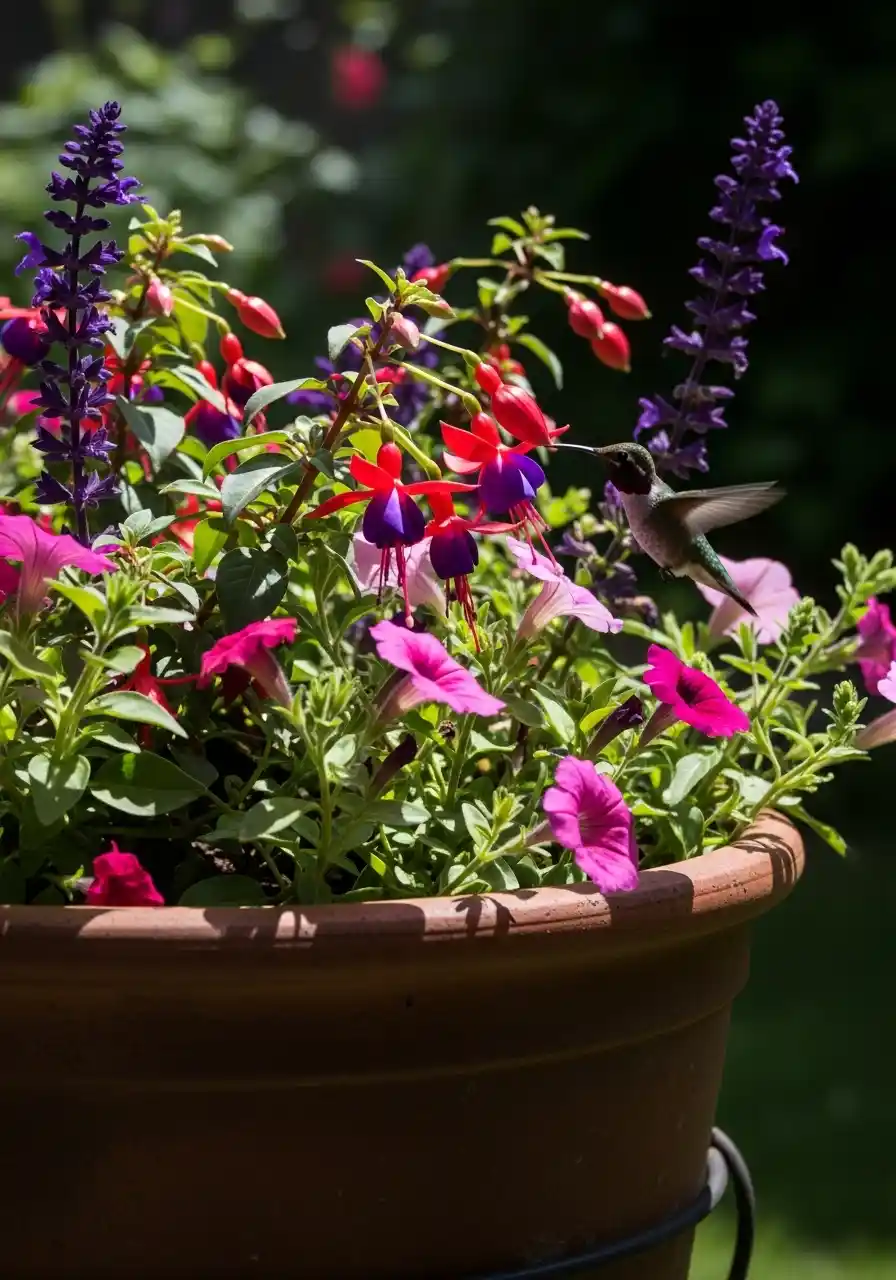
Table of Contents
Potted flowers to attract hummingbirds: what actually pulls them in
Hummingbirds cue in on bold color (red is famous for a reason) and flowers shaped like little nectar tubes. Their sense of smell isn’t great, so color and flower form do the advertising.
Also, they’re not casual snackers. They need frequent fuel and can visit huge numbers of blooms in a day—so your job is consistency: lots of flowers, lots of bloom time, easy access.
Why containers work so well (especially in small spaces)
Pots let you:
-
Move plants into better sun to boost blooming and nectar (more bloom = more nectar).
-
Build a mini “nectar buffet” by grouping multiple pots together.
-
Layer height with hanging baskets + tall pots + trailing edges, which hummingbirds seem to notice fast.
I’ll admit it: I used to think hummingbirds required some giant cottage-garden situation. Nope. A tight cluster of containers can feel like a five-star restaurant to them.
Quick setup rules before you buy plants
Keep these simple guidelines in mind and you’ll avoid the classic “pretty plant, zero visitors” disappointment:
Container basics that keep blooms coming
-
Pot size: bigger roots usually mean more flowers. For tall perennials, aim for 12–18 inch pots (or larger).
-
Drainage: nearly everything on this list hates soggy roots (cardinal flower is a notable exception).
-
Soil: use a quality potting mix (not straight garden soil), and refresh or top-dress with compost each season.
-
Watering: containers dry out fast. Consistent moisture helps bloom output, and frequent watering can support nectar production.
Color strategy (yes, red helps)
Red blooms are a magnetic signal, but you can absolutely mix in purple, blue, and orange. The goal is high contrast and bright color blocks—something a hummingbird can spot while zipping by.
Best container picks (with zones, sun, soil, bloom season, and “why they love it”)
Below are the plants I’d personally prioritize if the goal is maximum hummingbird traffic from pots and hanging baskets. Many of these also pull in butterflies, which makes the whole setup feel alive.
Salvia (annual varieties): the “always busy” nectar spikes
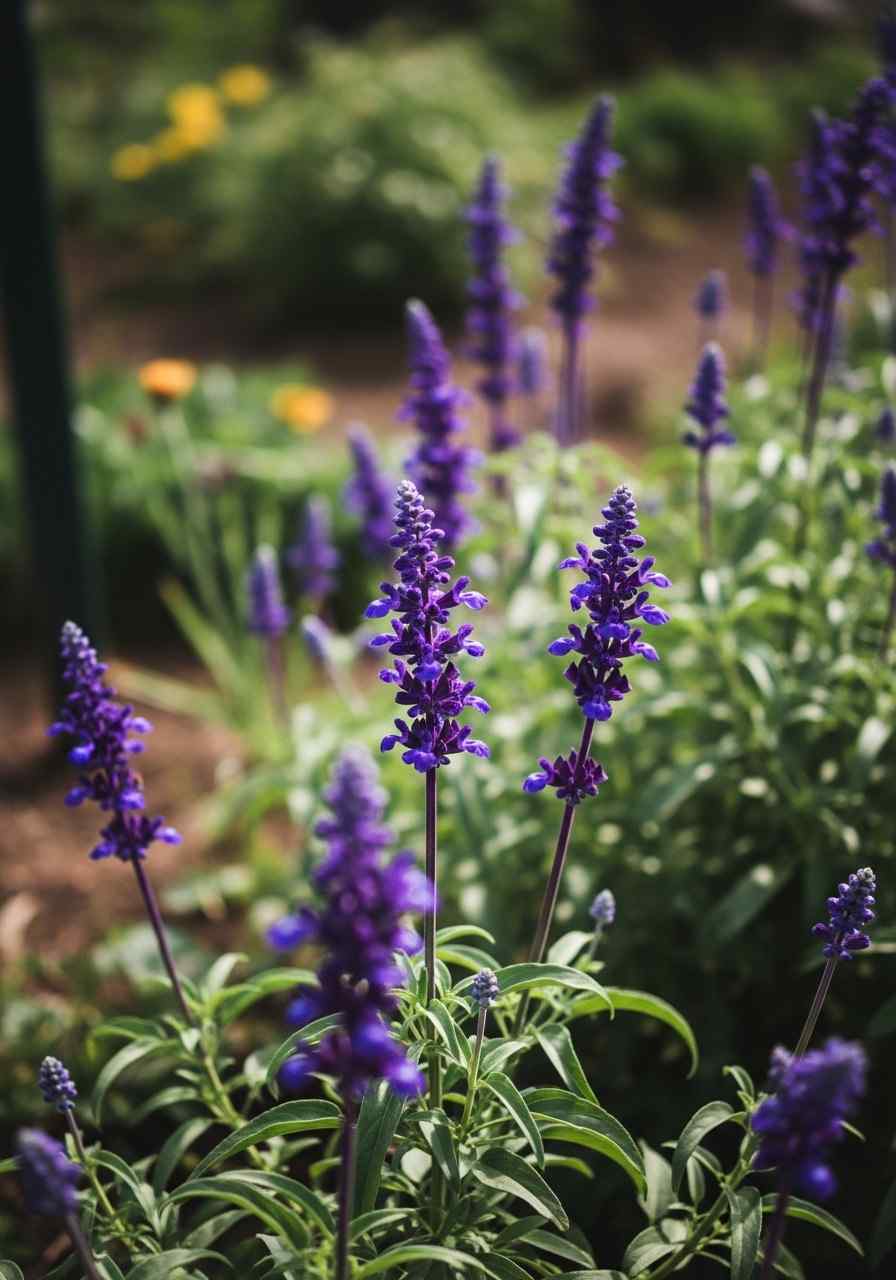
Why hummingbirds (and butterflies) like it: tall flower spikes with tubular blooms make repeated sipping easy, and salvias are known for strong nectar production.
-
USDA zones: often grown as an annual in most zones (perennial types vary by species)
-
Sun: full sun is best
-
Soil: well-draining potting mix; don’t keep it swampy
-
Blooming season: typically late spring through frost (variety dependent)
-
Container tip: deadhead lightly and keep it fed; salvias respond like they took it personally.
Petunia: trumpet blooms that work in pots and baskets
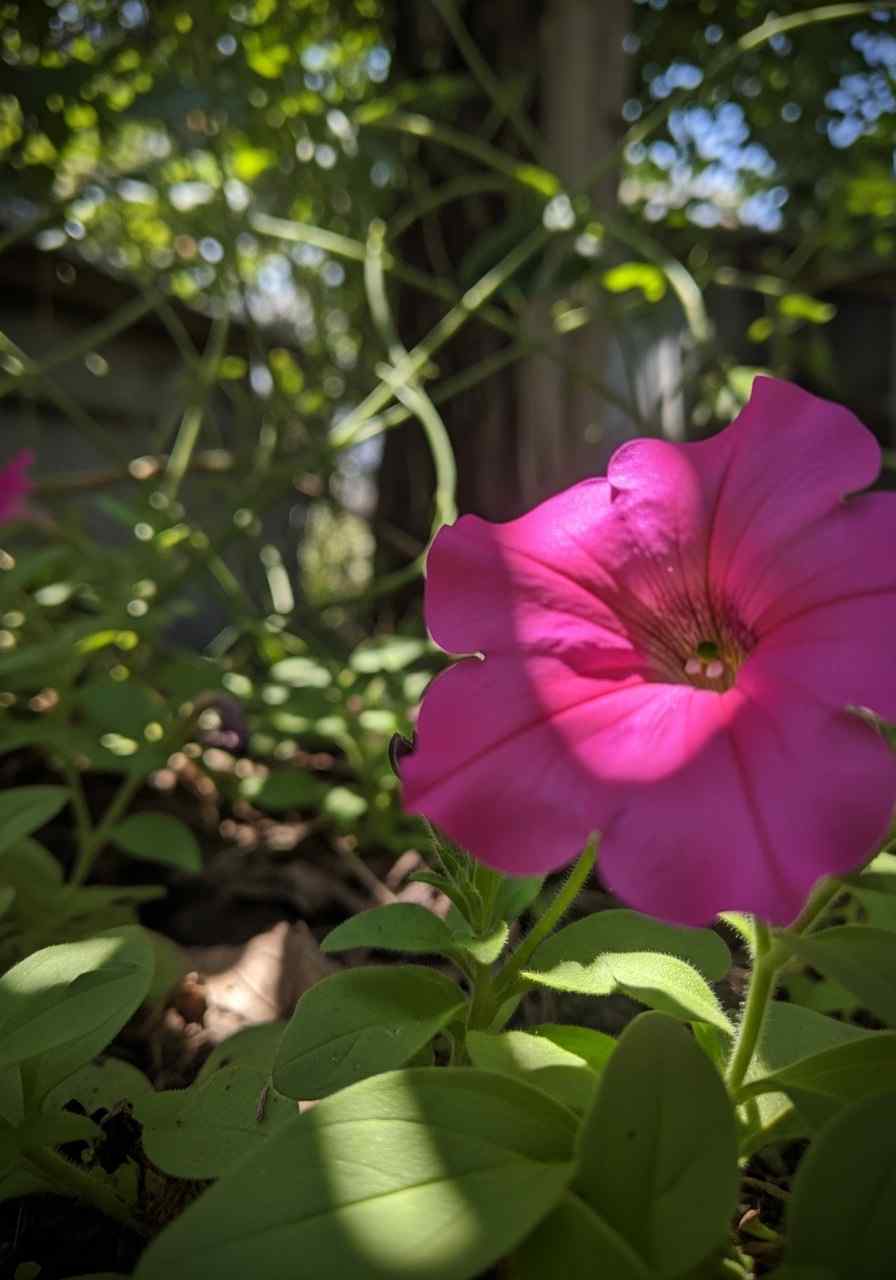
Why they like it: trumpet-shaped blooms are basically a hummingbird-friendly design. Birdsnews specifically calls out petunias as daily-visit plants.
-
USDA zones: usually grown as an annual (tender perennial in very warm climates)
-
Sun: full sun (shade = fewer flowers).
-
Soil: moderately fertile, well-draining; don’t let containers stay wet.
-
Blooming season: spring to frost with decent care
-
Container tip: if they get leggy, trim them back. It feels harsh… but it usually pays off.
Fuchsia: the shade-friendly hanging basket champion
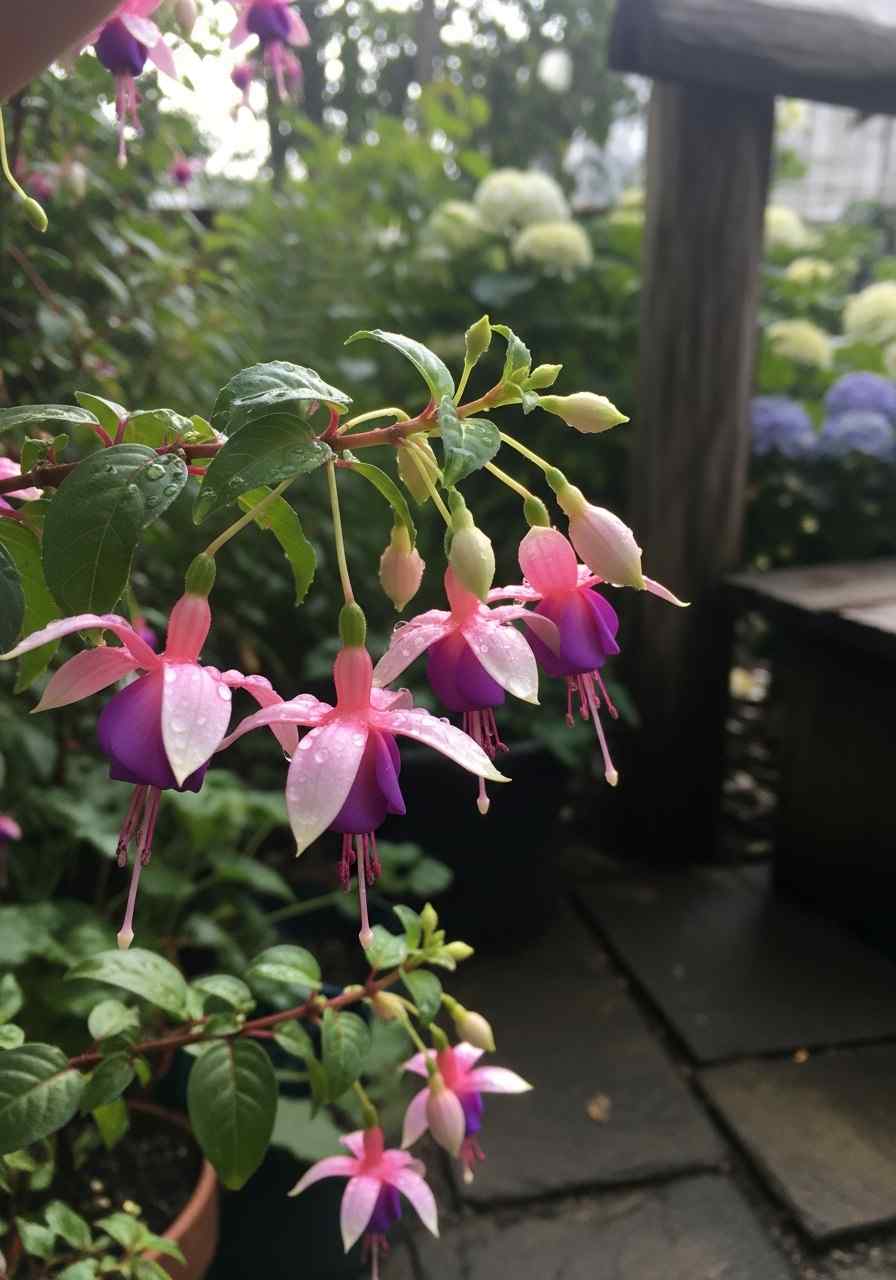
Why they like it: dangling tubular blooms are perfect for hovering, and fuchsia is famous for hanging baskets.
-
USDA zones: hardy fuchsia types can be perennial in zones 6–10 (many are grown as tender perennials/annuals).
-
Sun: partial shade to shade (especially afternoon shade in hot climates).
-
Soil: consistently moist but well-draining; don’t bake it dry
-
Blooming season: typically summer into fall
-
Container tip: hang it where you’ll actually see it—this is one of the most “up close” hummingbird plants.
Cuphea (firecracker/cigar plant): nonstop tiny nectar tubes
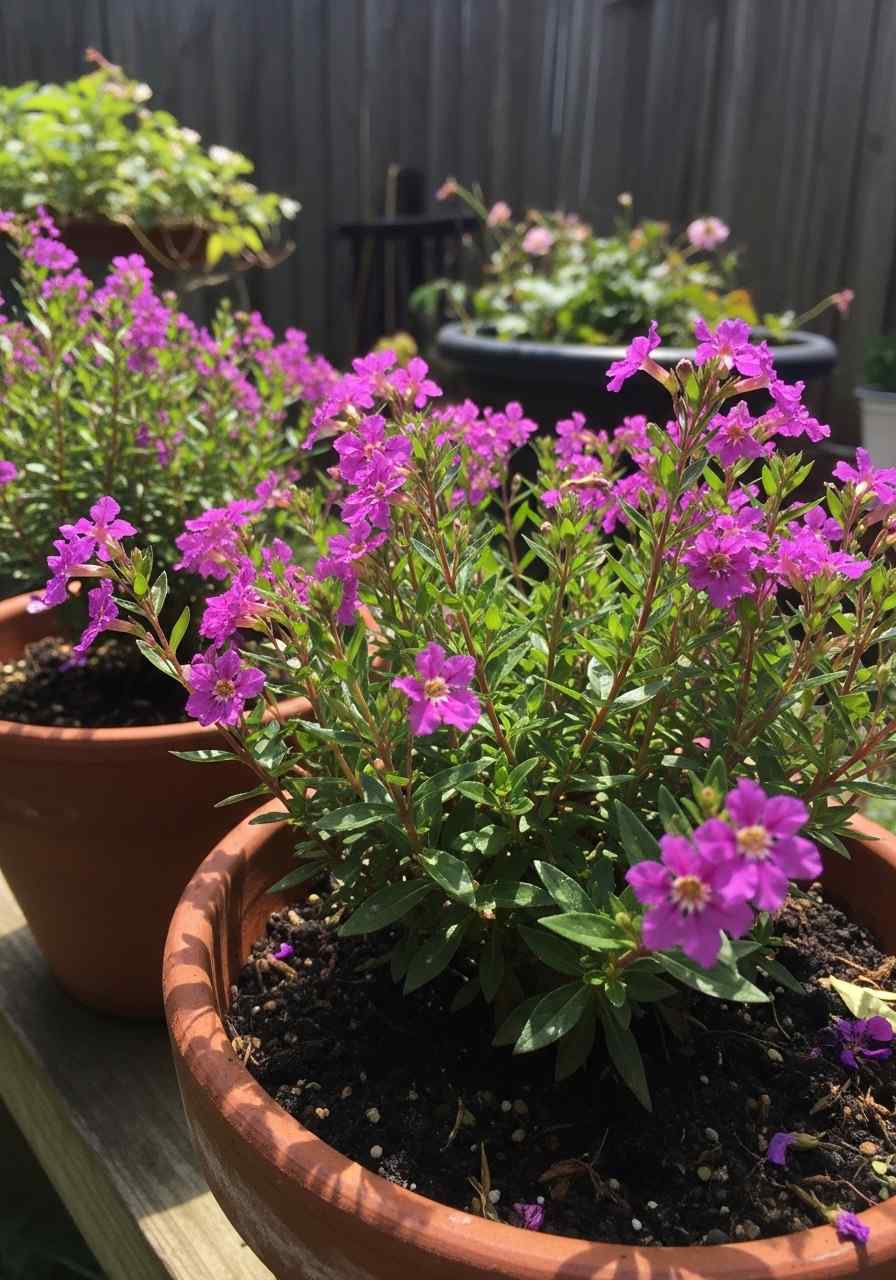
Why they like it: loads of small tubular blooms, almost cartoonishly suited for hummingbird beaks. Birdsnews highlights cuphea as a top annual hummingbird plant.
-
USDA zones: often grown as an annual; can be perennial in warm areas (varies by species)
-
Sun: full sun; can take light afternoon shade in extreme heat.
-
Soil: fertile, well-draining; containers help prevent “wet feet.”
-
Blooming season: summer through fall in many climates
-
Container tip: if you want something that just keeps going, cuphea is that friend.
Bee Balm (Monarda): a butterfly party with hummingbird VIPs
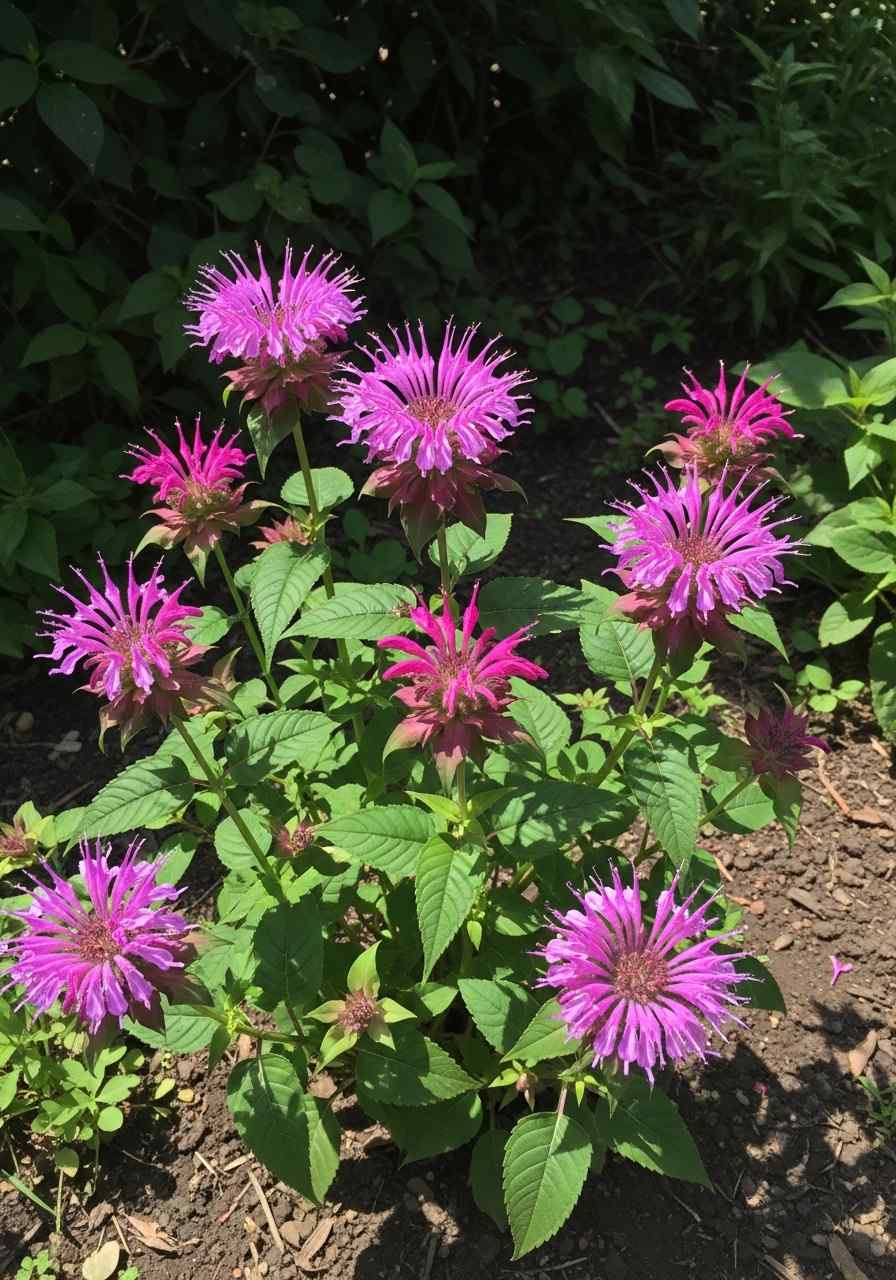
Why they like it: tubular blooms and strong pollinator appeal; Birdsnews calls it a strong hummingbird magnet, and it’s a classic butterfly draw too.
-
USDA zones: commonly 3–9 (variety dependent).
-
Sun: best bloom in full sun, but tolerates some shade (airflow helps).
-
Soil: moisture-retentive but not waterlogged; in pots, don’t let it dry to dust
-
Blooming season: often mid-summer (can extend with deadheading)
-
Container tip: pick compact varieties (Birdsnews mentions container-friendly types).
Agastache (hummingbird mint): long-blooming and sunny-balcony tough
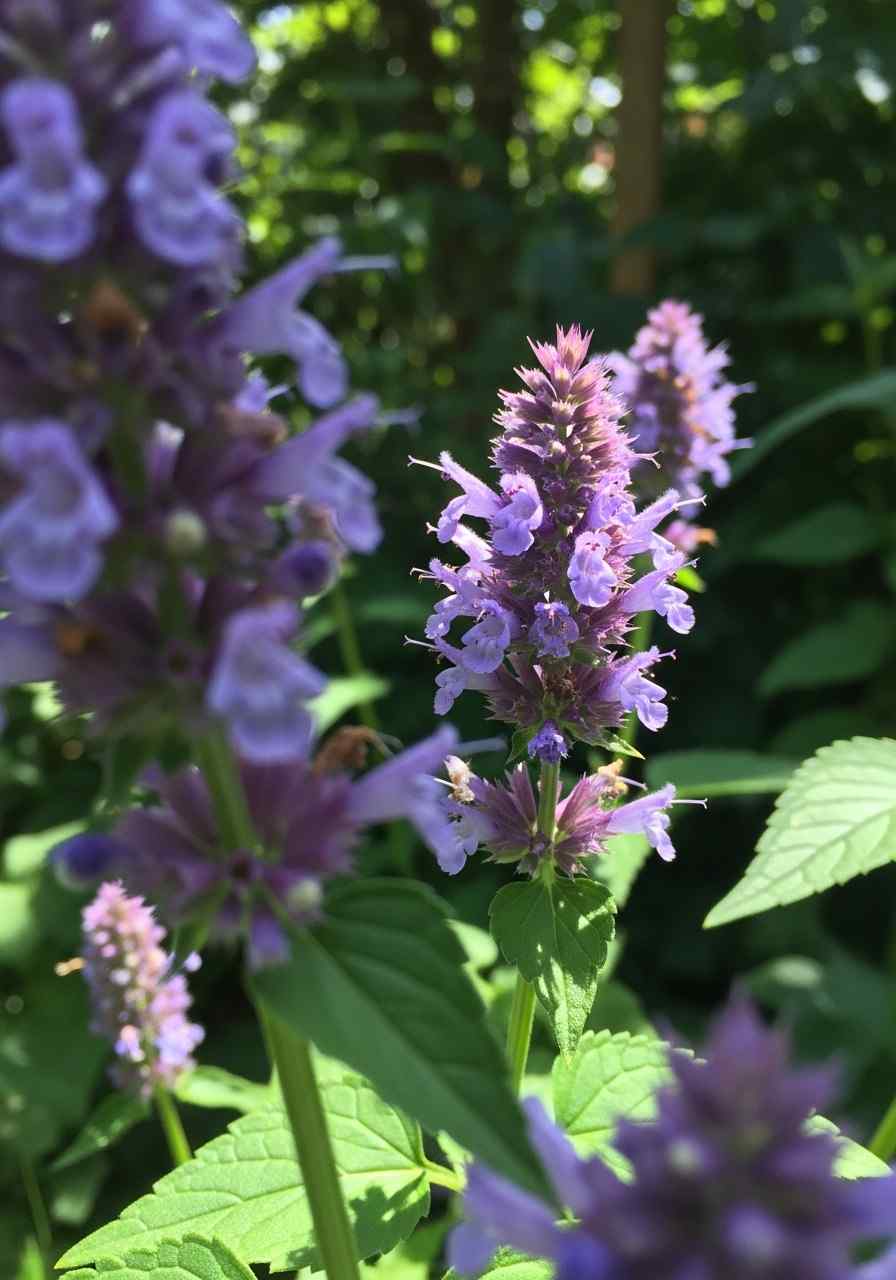
Why they like it: nectar-rich spikes, long bloom time, and it’s also excellent for butterflies (Wild Yards notes this directly).
-
USDA zones: varies by species/cultivar (many are hardy in a wide range)
-
Sun: full sun
-
Soil: well-drained is non-negotiable; containers are great if your garden soil stays wet.
-
Blooming season: most of summer (often long-blooming).
-
Container tip: if you overwater it, it sulks. Treat it more like a “lean soil” plant and it usually rewards you.
Penstemon: tall tubes that feel like a hummingbird runway
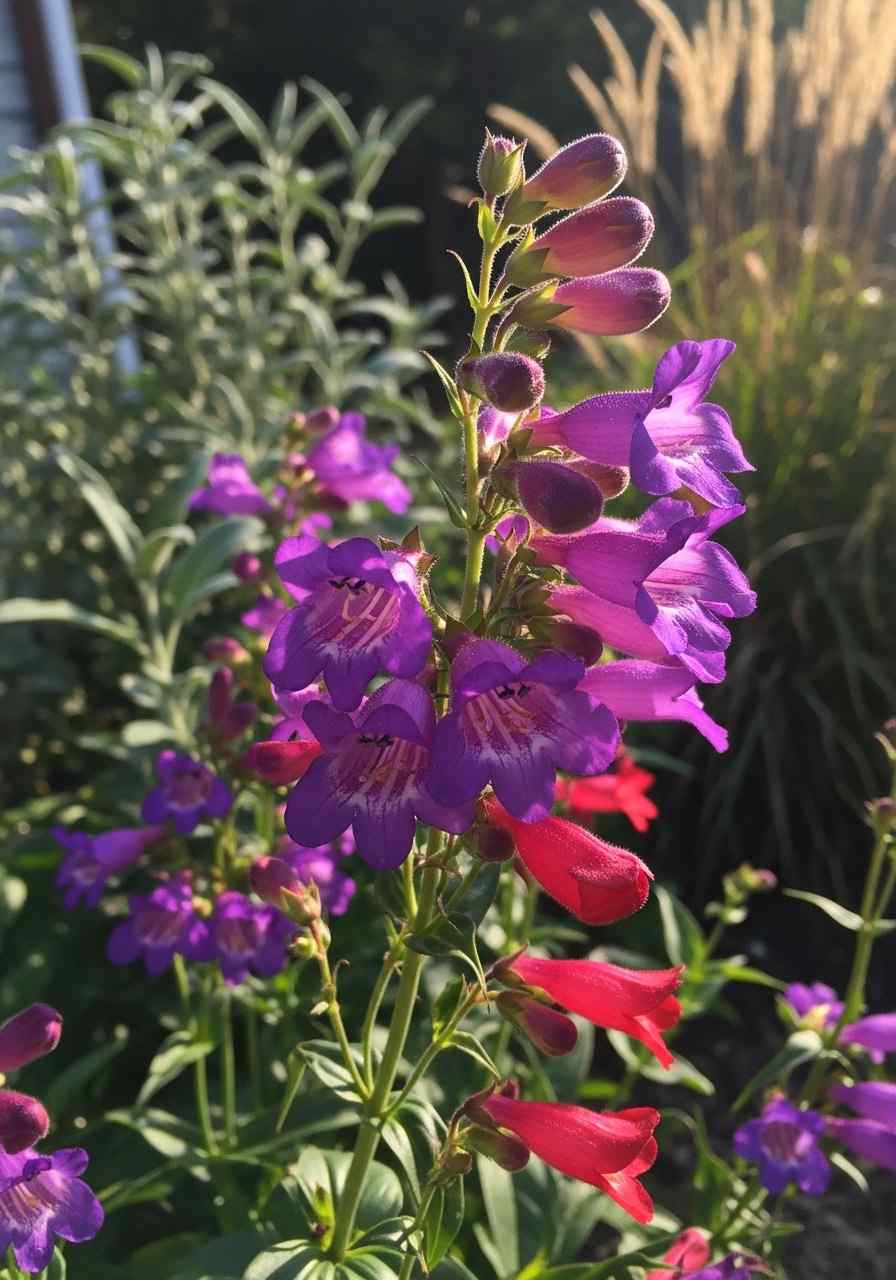
Why they like it: tubular flowers that attract hummingbirds and butterflies; Clemson notes the wildlife value clearly.
-
USDA zones: 3–8 for Penstemon digitalis (example species).
-
Sun: full sun to part shade
-
Soil: adaptable; prefers well-drained loams, tolerates more if drainage is okay.
-
Blooming season: May–July (about three months for P. digitalis).
-
Container tip: use a tall, stable pot so the flower spikes don’t topple in wind.
Lantana: heat-lover with bright clusters (great for butterflies too)
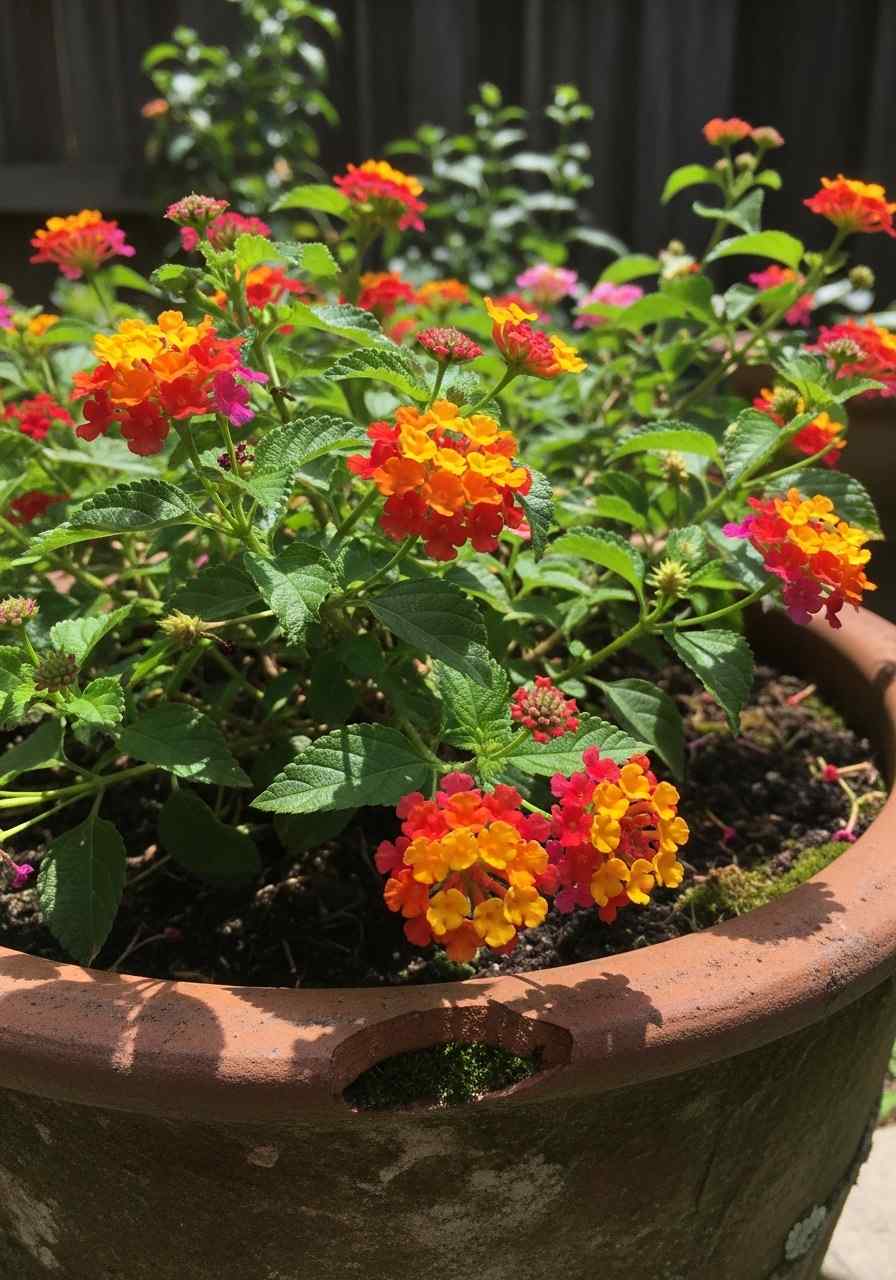
Why they like it: bright clustered blooms and a reputation for pollinator activity; Birdsnews includes lantana as a top container performer (annual in cold climates).
-
USDA zones: often perennial in warm zones (commonly cited around 7–11 depending on cultivar and local winter lows); grown as an annual elsewhere.
-
Sun: full sun (it wants heat).
-
Soil: well-draining potting mix
-
Blooming season: summer through fall in many climates
-
Container tip: lantana in a pot is a smart way to keep it contained in regions where it can spread aggressively.
Impatiens: the reliable shade bloomer (and yes, hummingbirds visit)
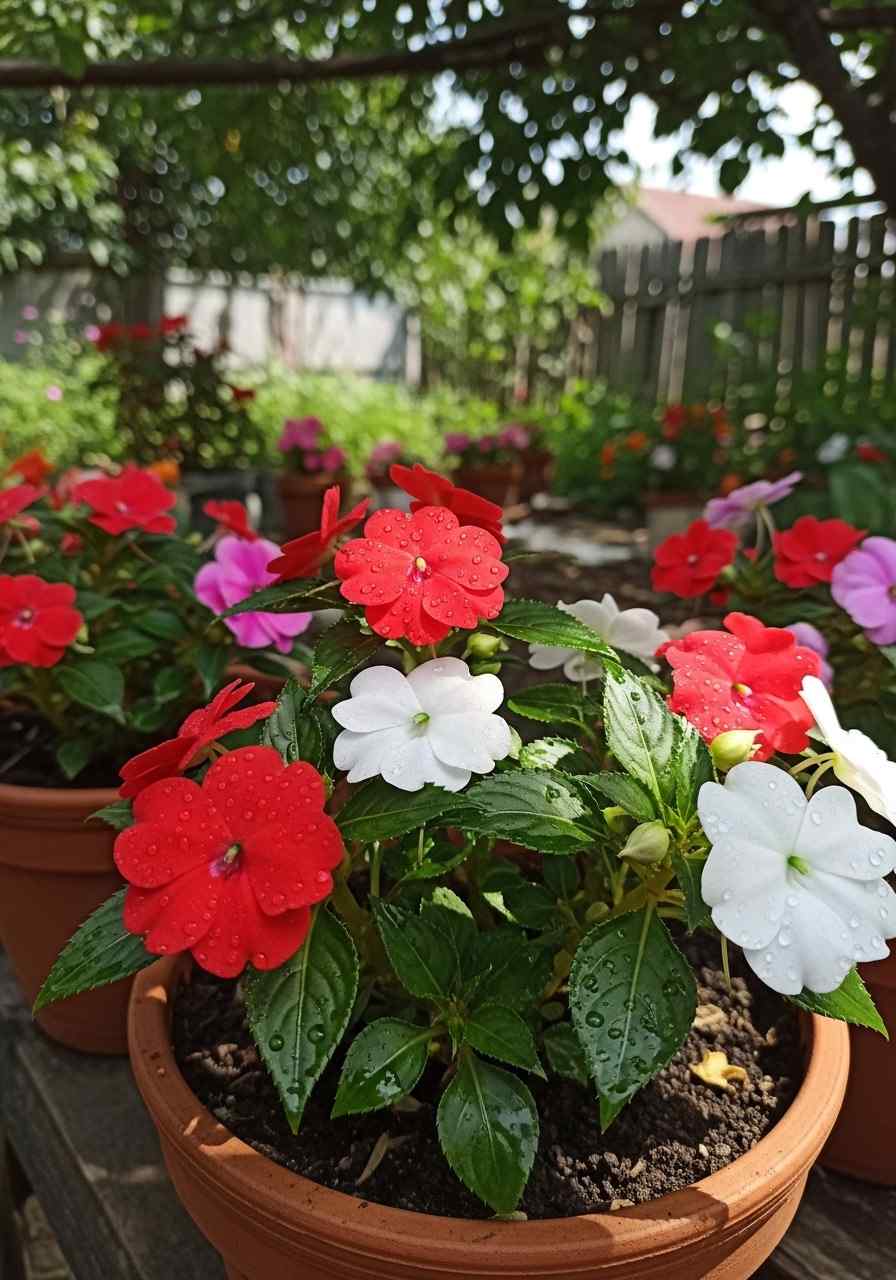
Why they like it: nectar-rich blooms, especially red and rose varieties; Birdsnews calls it a shade annual hummingbirds like.
-
USDA zones: grown as an annual in most places
-
Sun: shade to partial shade
-
Soil: evenly moist, rich potting mix
-
Blooming season: typically late spring to frost with steady moisture
-
Container tip: if you have a shady porch that feels “dead,” impatiens can make it feel welcoming again.
Columbine (Aquilegia): spring nectar that helps early visitors
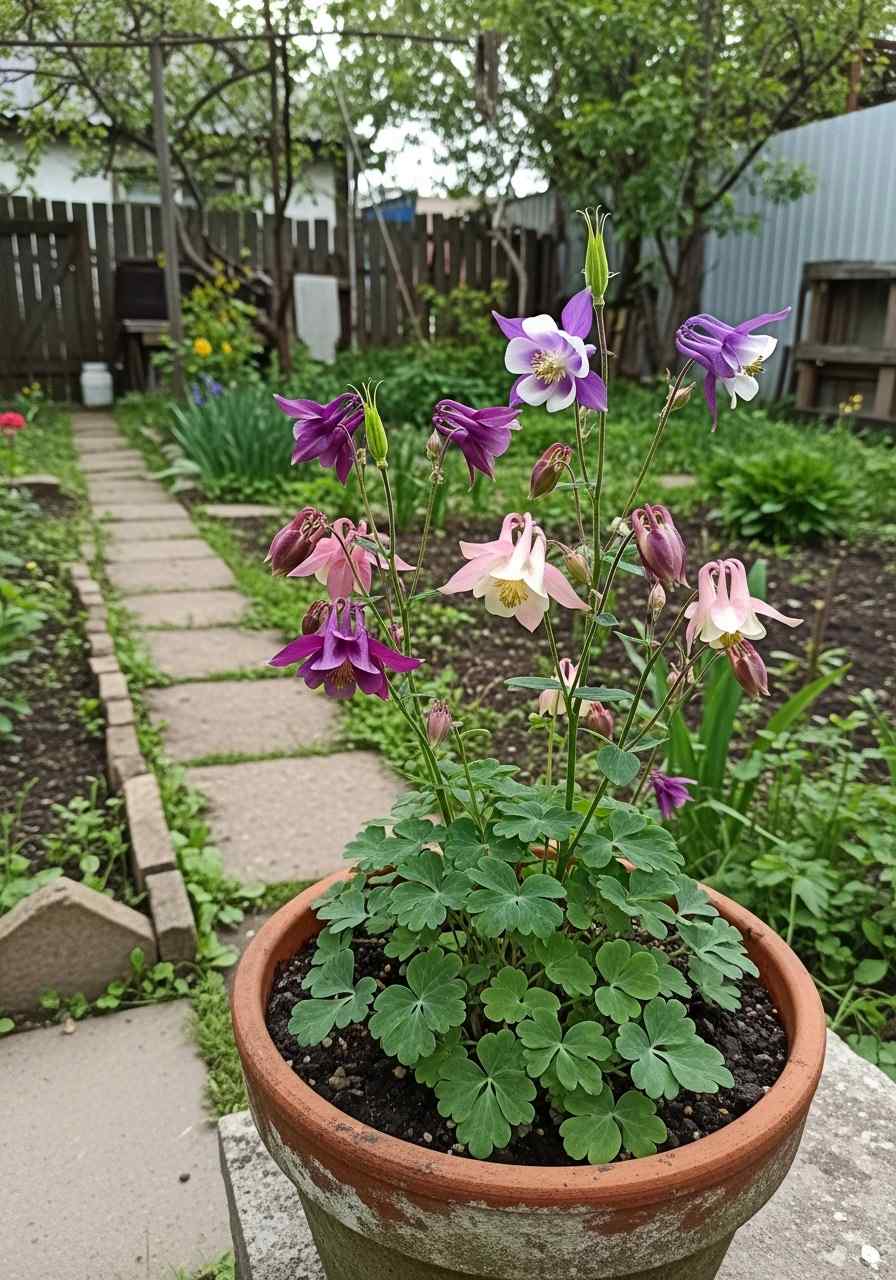
Why they like it: spring-blooming flowers are a helpful early nectar source, and Birdsnews notes it performs in partially shaded containers.
-
USDA zones: varies by species (many are hardy in cool to moderate zones)
-
Sun: partial shade is often ideal
-
Soil: well-draining, lightly fertile
-
Blooming season: spring
-
Container tip: let it self-seed if you like a “naturalized” vibe—columbine tends to do its own thing.
Coral Bells (Heuchera): foliage beauty with bonus hummingbird blooms
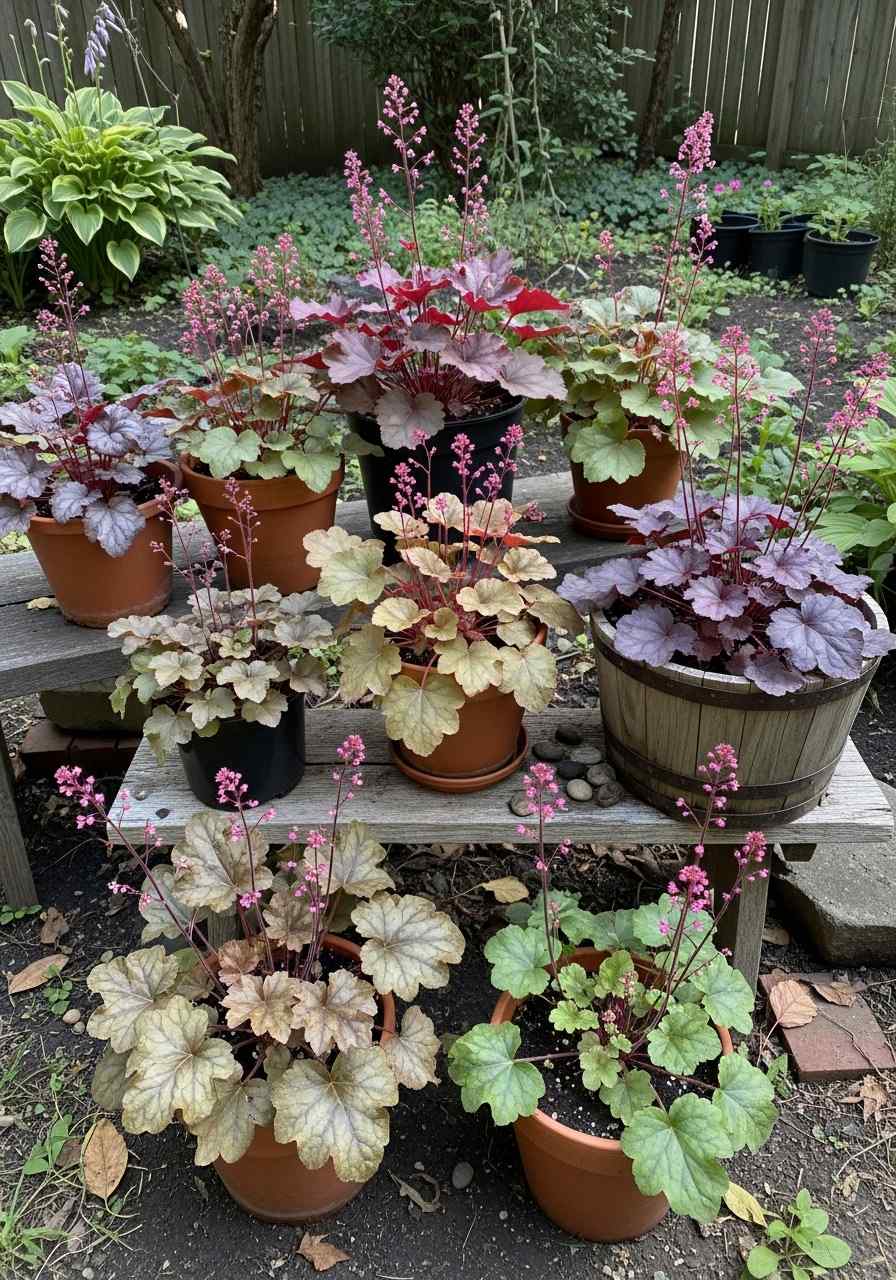
Why they like it: tiny nectar-rich flowers that hummingbirds will use (Birdsnews points this out), plus you get gorgeous leaves even when it’s not flowering.
-
USDA zones: varies widely by cultivar
-
Sun: shade to partial shade works well for many types
-
Soil: well-draining, not constantly soggy
-
Blooming season: often late spring into summer
-
Container tip: I like coral bells as the “quiet anchor” plant that makes the flashy bloomers look even brighter.
Cardinal Flower (Lobelia cardinalis): intense red spikes, moisture-lover
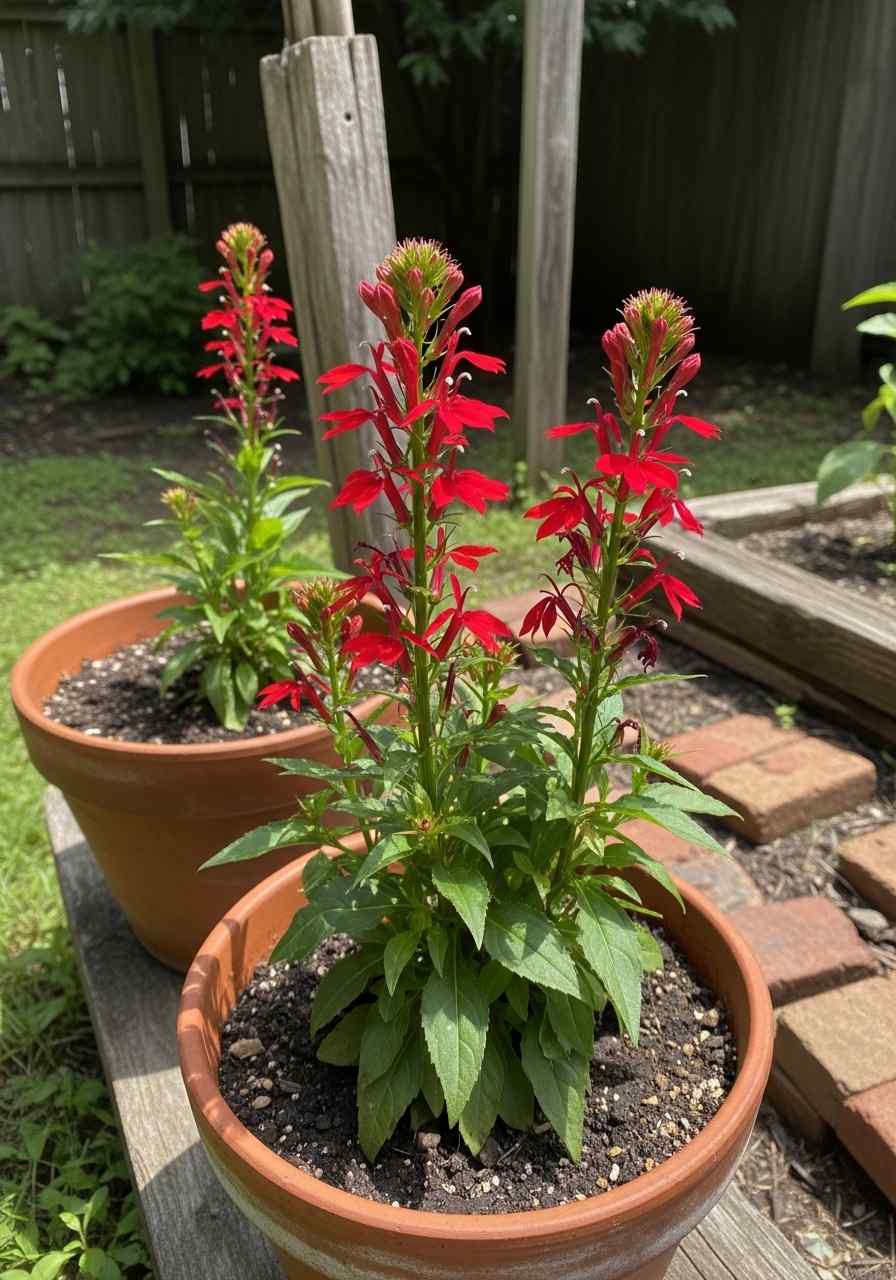
Why they like it: dramatic red tubular blooms that are easy to spot and feed from; Wild Yards recommends it for brightening shade too.
-
USDA zones: commonly cited around 3–9 (care guidance varies by source).
-
Sun: full sun to partial shade; afternoon shade helps in hot climates.
-
Soil: moist to wet, rich soil; it does not want to dry out.
-
Blooming season: midsummer into early fall
-
Container tip: this is one of the rare hummingbird favorites where I’ll say it plainly: water like you mean it.
How to arrange pots so hummingbirds notice fast
A single pot can work, but a cluster works better. Birdsnews even suggests grouping 5–7 pots to mimic a feeding station.
A simple “nectar buffet” layout
-
Center (tall): salvia or penstemon
-
Middle ring (medium): bee balm or agastache
-
Edges (trailing): petunia
-
Hanging above: fuchsia or petunia baskets
Height layering matters
Hummingbirds respond well to vertical options—hanging baskets, tabletop pots, and floor pots all at once.
Add one more attraction: water
A small mister or fountain bowl near the pots can increase visits, especially in hot weather.
Keeping blooms steady (the part that actually brings repeat visits)
Hummingbirds will absolutely “ghost” a setup that stops blooming.
Deadheading and trimming (yes, it helps)
Removing spent blooms often encourages more flowers (bee balm is a good example, and many annuals respond well too).
Sun management
More sun usually means more blooms and nectar—so if your petunias or salvias are sulking, shift them into stronger light.
Pair flowers with a feeder (optional, but effective)
Birdsnews suggests combining pots with a feeder using a simple 1 part sugar to 4 parts water recipe and skipping red dye.
Personally, I like the flowers to be the main attraction and the feeder as a backup—like keeping snacks in your bag just in case.
A final note on plant choice (this is where people win or lose)
If you want hummingbirds to show up reliably, choose plants that fit your location, and lean native when you can. Local-adapted plants tend to thrive, bloom better, and match what hummingbirds already recognize as food.
And yes—potted flowers to attract hummingbirds can be that simple. Pick nectar-rich tubes, give them decent sun (or shade where appropriate), keep your pots watered, and create a small cluster that feels like a buffet. Do that, and you’ll start noticing something funny: once hummingbirds learn your spot is “worth it,” they return with the confidence of regulars.