If you’ve ever stood in the garden and felt a tiny rush of joy when a hummingbird zips by (or when a butterfly drifts in like it owns the place), you already get the obsession. Planting flowers that attract hummingbirds and butterflies is one of the quickest ways to turn an “okay” yard into a living, fluttering little sanctuary. And yes—sometimes I plant a flower purely because I want that moment of magic with my morning coffee.
Below are the best picks (pulled from the two sources you shared), with practical growing notes—USDA zones, colors, plant type, sun, soil, bloom season, and the real reason these winged visitors can’t resist them.
Table of Contents
Flowers that attract hummingbirds and butterflies: the best bloom-by-bloom choices
Bee Balm (Monarda)
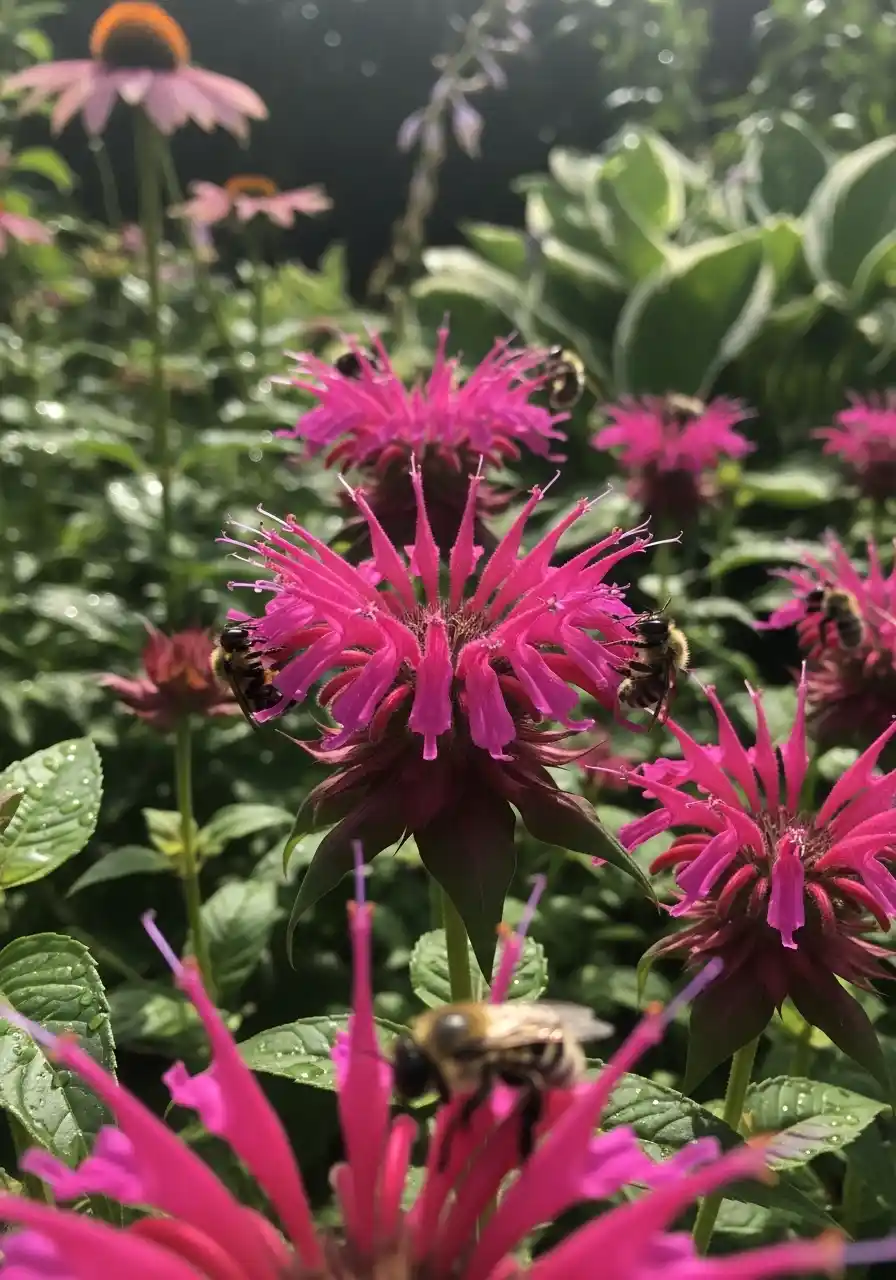
Why they love it: Tubular, nectar-rich blooms are basically a hummingbird straw bar, and butterflies hover around it for easy meals.
-
USDA zones: 3–9
-
Color varieties: red, pink, purple, white
-
Type: perennial
-
Sun: full sun; tolerates partial shade (especially in hotter areas)
-
Soil: well-drained; consistent moisture helps; deadheading boosts blooms
-
Blooming season: mid-summer into early fall (often July onward)
Personal note: If you want “maximum drama” in a pollinator bed, bee balm delivers.
Salvia
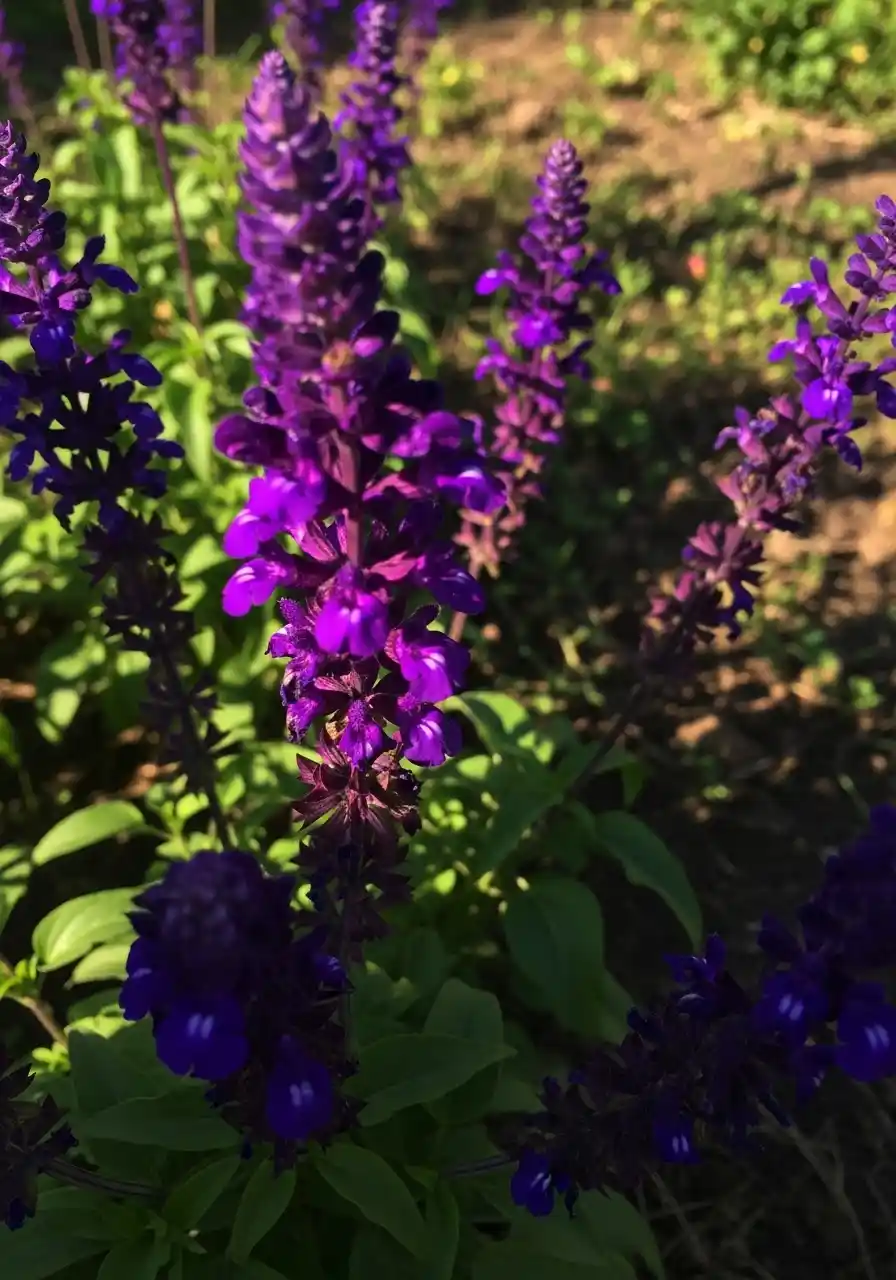
Why they love it: That tubular shape is made for hummingbirds, plus the nectar is reliable through the heat. Butterflies also stop in constantly.
-
USDA zones: 3–8
-
Color varieties: many colors; common reds, purples, blues
-
Type: usually perennial (some annual types exist)
-
Sun: strong light; generally full sun
-
Soil: rocky or well-draining soils; don’t let it sit soggy
-
Blooming season: long summer blooming in many gardens
Small trick: A quick trim can push a fresh flush of flowers (more blooms = more visitors).
Butterfly Bush (Buddleia)
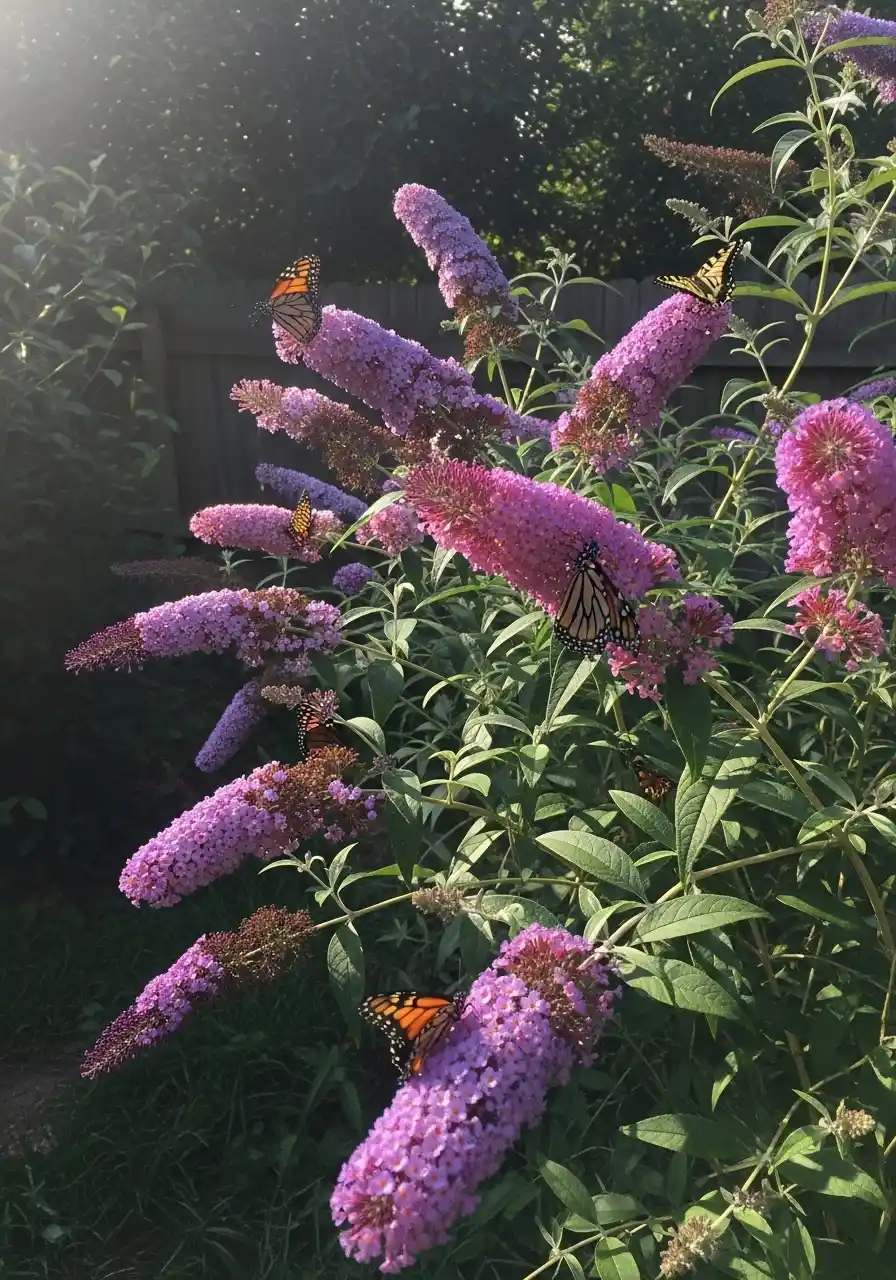
Why they love it: The nectar-rich, fragrant flower spikes are like a buffet line. Butterflies especially hang out for ages; hummingbirds swing by too.
-
USDA zones: 5–9
-
Color varieties: purple, blue, white (and more, depending on cultivar)
-
Type: perennial shrub
-
Sun: full sun
-
Soil: well-draining
-
Blooming season: summer
Keep it tidy: Pruning encourages more blooms and keeps it manageable.
Petunia
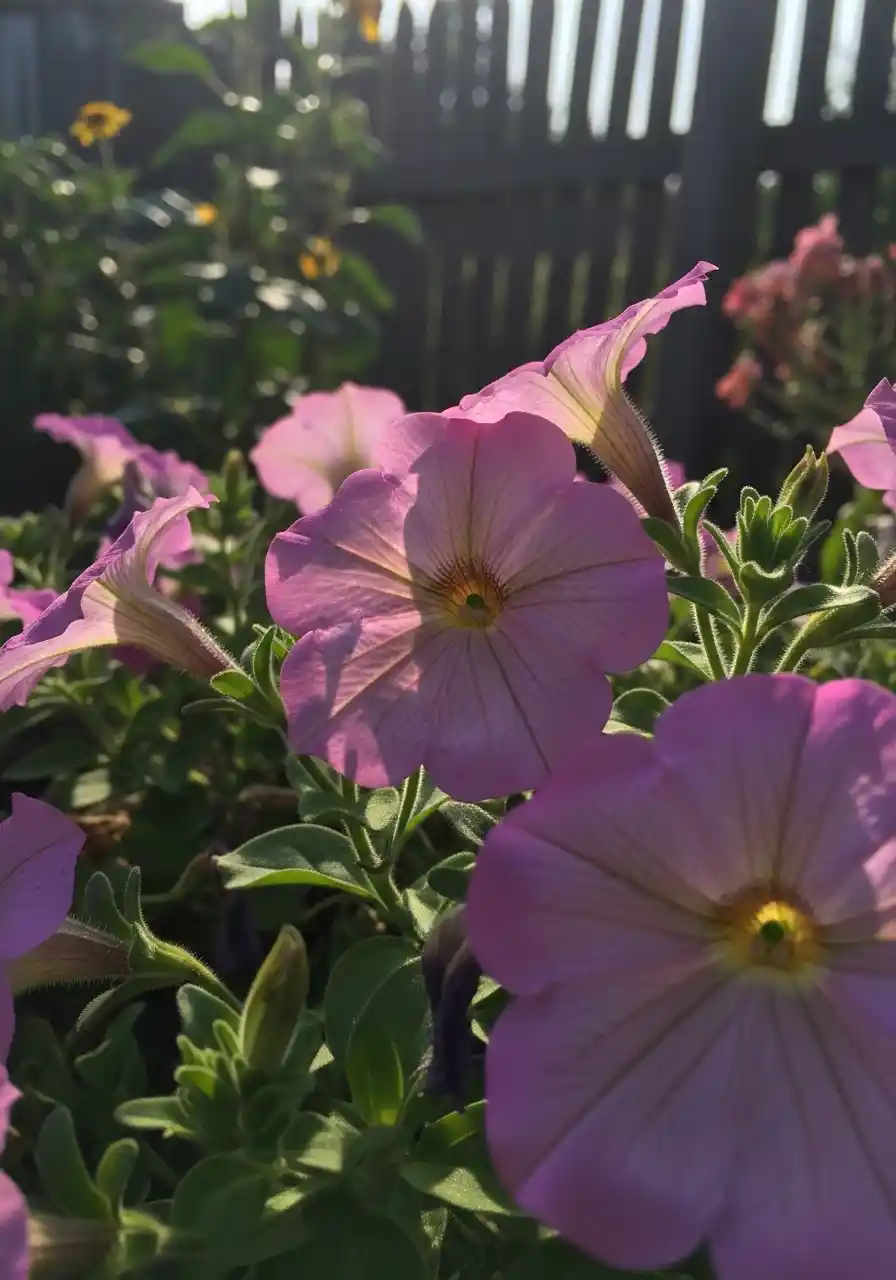
Why they love it: Trumpet-shaped blooms are a hummingbird favorite, and the nectar draws butterflies too—especially when you plant them in big, obvious clusters.
-
USDA zones: perennial in 9–11 (grown as annual elsewhere)
-
Color varieties: huge range (even very dark cultivars); common pink, purple, red, white
-
Type: annual (most climates)
-
Sun: at least 5–6 hours daily; full sun preferred
-
Soil: well-draining, moderately fertile
-
Blooming season: spring until frost with deadheading
Confession: I used to think petunias were “basic.” Then I saw how many pollinators they pull in, and… okay, I was wrong.
Zinnia
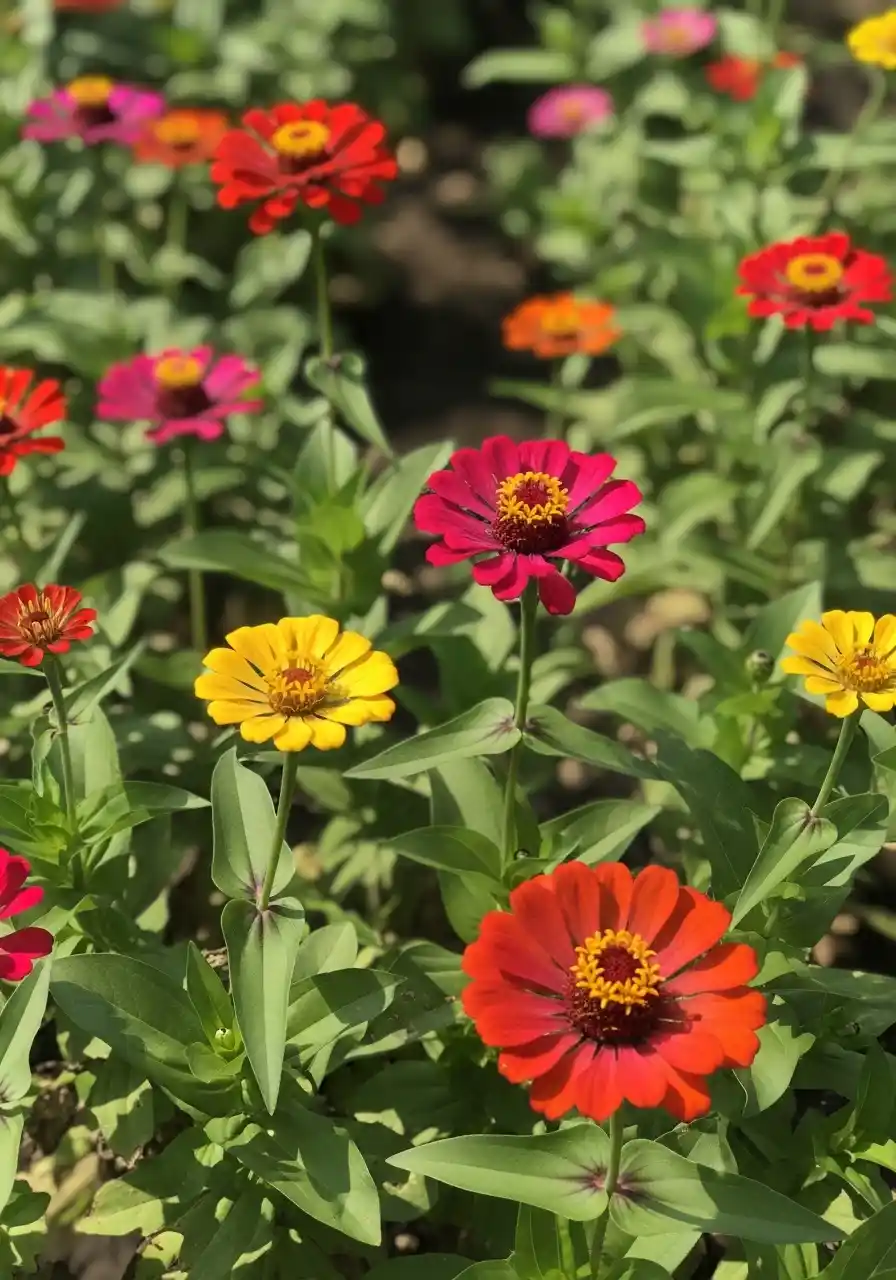
Why they love it: Bright, open faces make nectar accessible; long bloom time keeps the garden “fed” until frost.
-
USDA zones: annual in 3–10
-
Color varieties: red, pink, yellow, orange and more
-
Type: annual
-
Sun: full sun
-
Soil: fertile, well-draining, enriched with organic matter
-
Blooming season: mid-summer until frost
Tip: Plant in drifts (not single dots). Big patches get noticed faster by flying visitors.
Milkweed (Butterfly Weed / Asclepias)
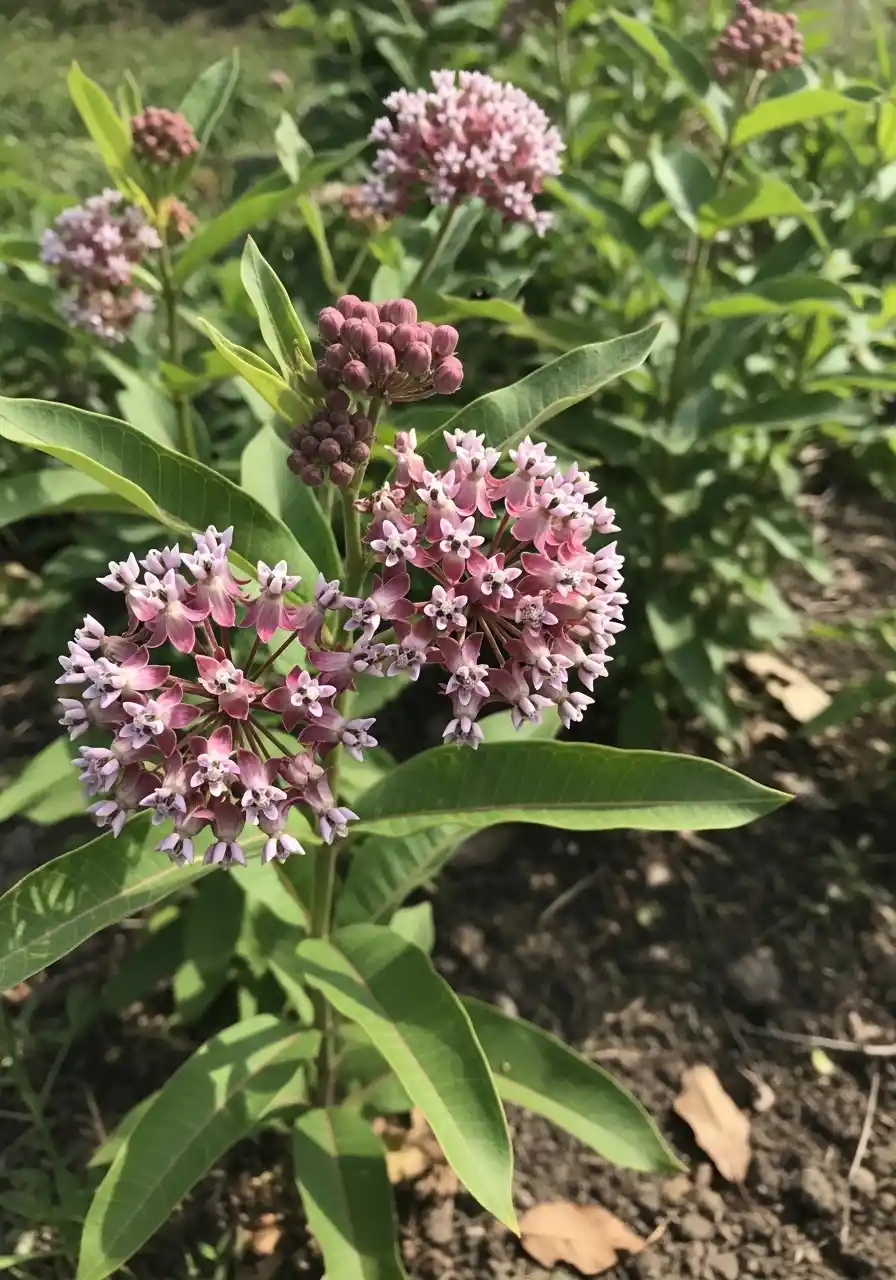
Why they love it: Monarchs depend on it—nectar for adults, and it’s a host plant for eggs/caterpillars. Hummingbirds also sip when it’s blooming.
-
USDA zones: 4–9
-
Color varieties: varies by species (often orange/pink tones in common garden forms)
-
Type: perennial
-
Sun: full sun
-
Soil: tolerant of different pH; manage spread if it’s vigorous
-
Blooming season: June–August
Real talk: Give it space. Milkweed can act a little bold in the garden if it’s happy.
Aster
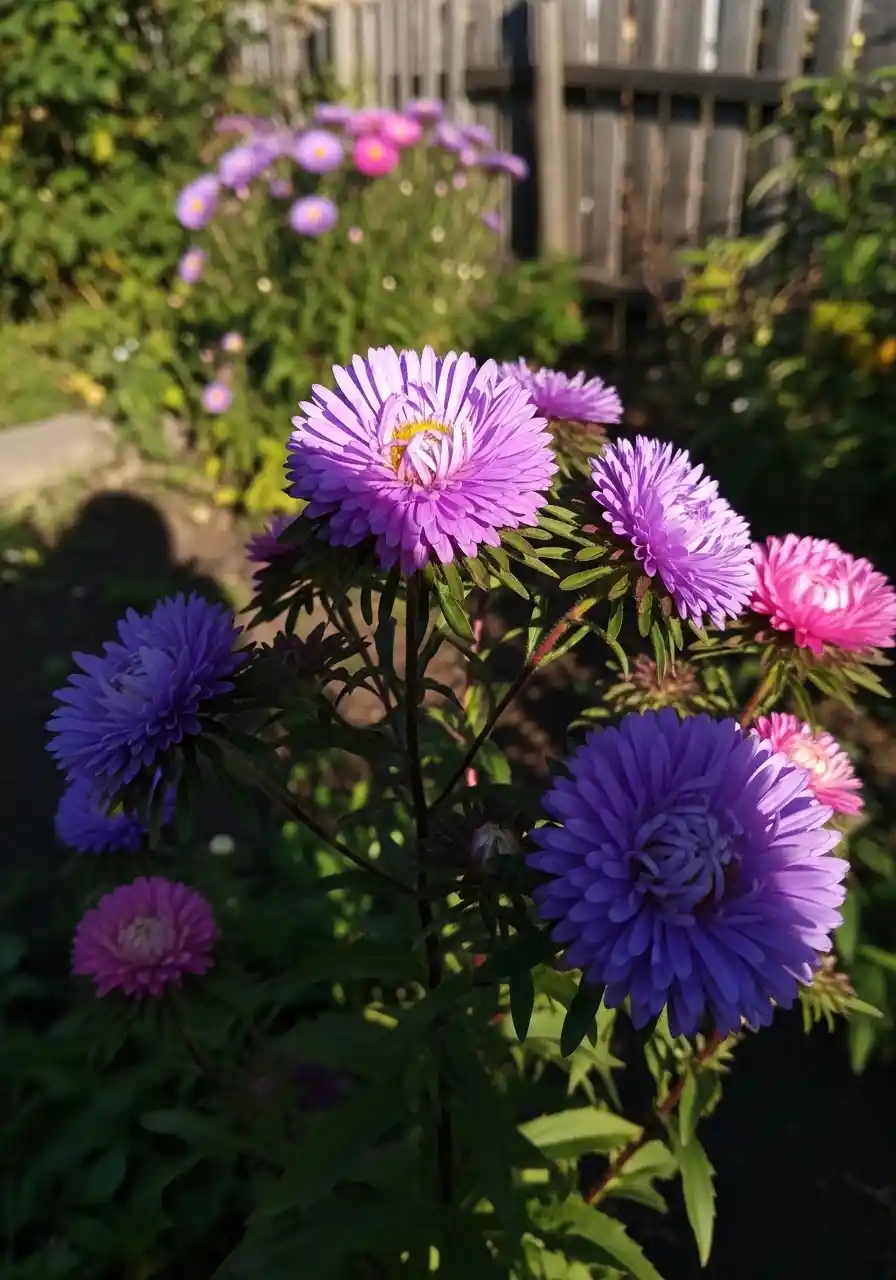
Why they love it: Late-season nectar is priceless when other flowers are fading. Butterflies and hummingbirds both appreciate that timing.
-
USDA zones: 3–8
-
Color varieties: white, pink, purple, blue
-
Type: perennial
-
Sun: full sun
-
Soil: well-draining
-
Blooming season: late summer into fall
Why it matters: Asters are the “closing act” that keeps your pollinator garden from going quiet too soon.
Phlox
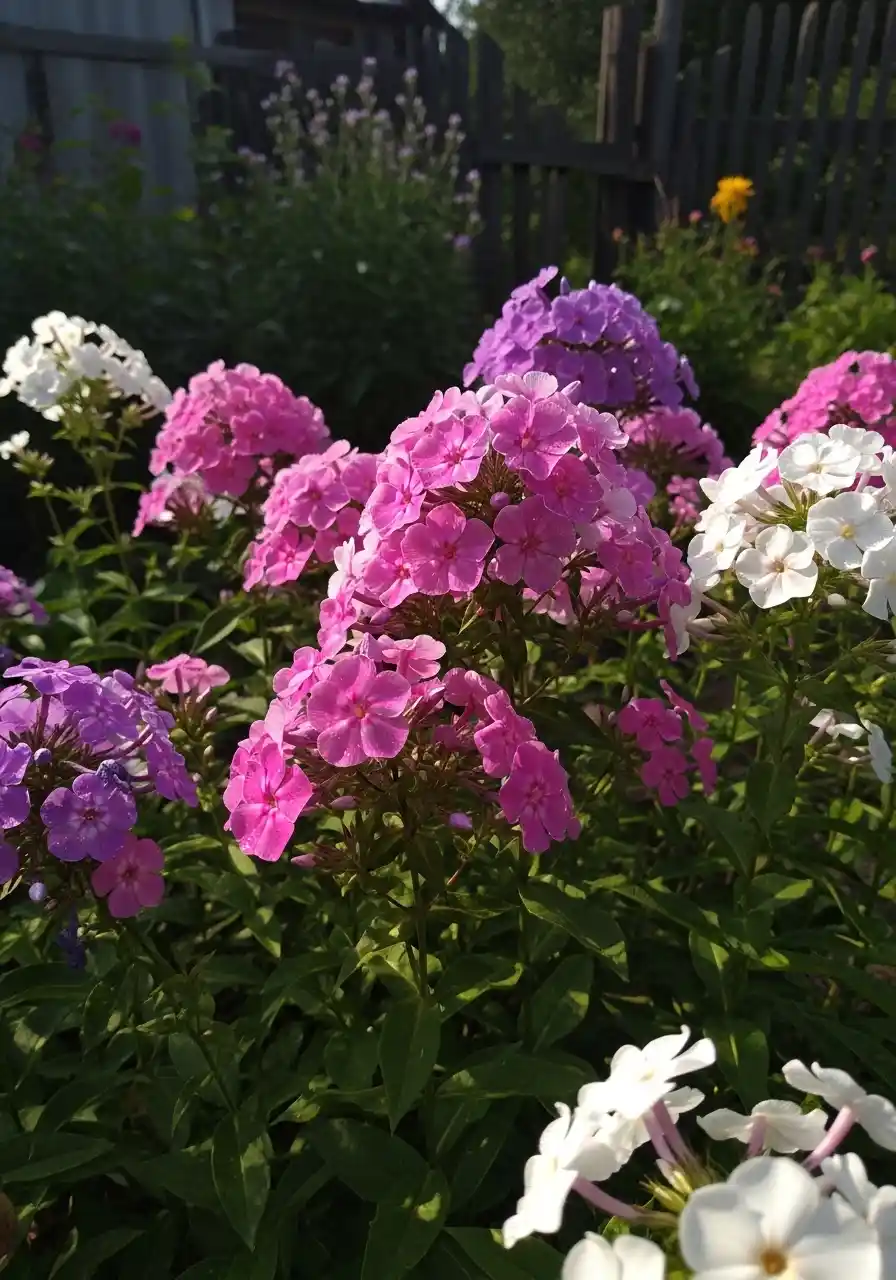
Why they love it: Big clusters of sweet, colorful blooms read like a neon sign to butterflies, and hummingbirds drop in for the nectar.
-
USDA zones: 4–8
-
Color varieties: white, pink, rose, purple, red, orange, bi-color
-
Type: perennial
-
Sun: commonly full sun to partial sun (varies by type)
-
Soil: well-draining, enriched with compost/organic matter
-
Blooming season: mid-summer into late summer (often August)
Hyssop
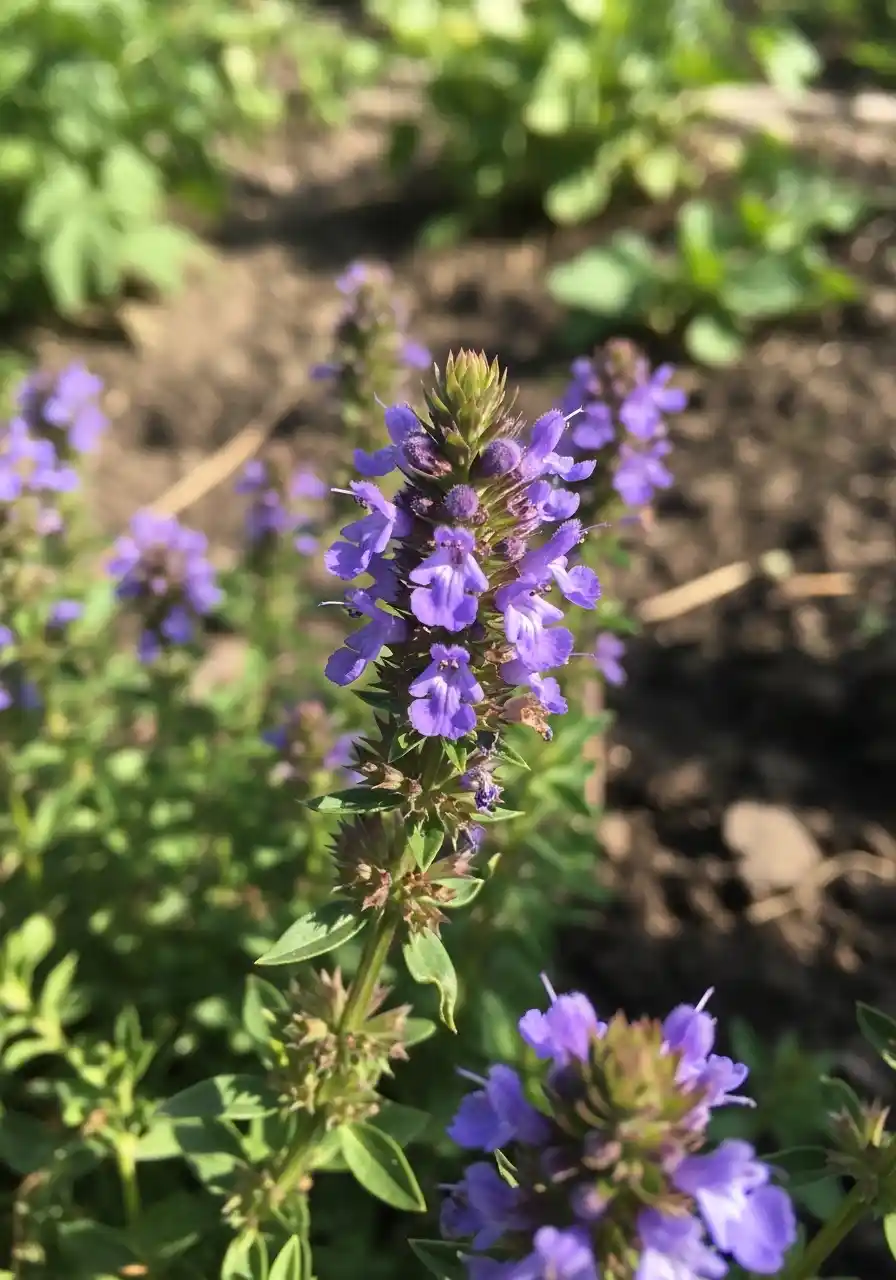
Why they love it: Tall, nectar-rich spikes make repeated feeding easy—like a convenient “pit stop.”
-
USDA zones: 4–9
-
Color varieties: white, pink, purple, blue
-
Type: herbaceous perennial
-
Sun: full sun
-
Soil: fertile, well-draining
-
Blooming season: summer
Bonus vibe: It’s one of those plants that makes the garden feel “alive” even when you’re not watching.
Honeysuckle
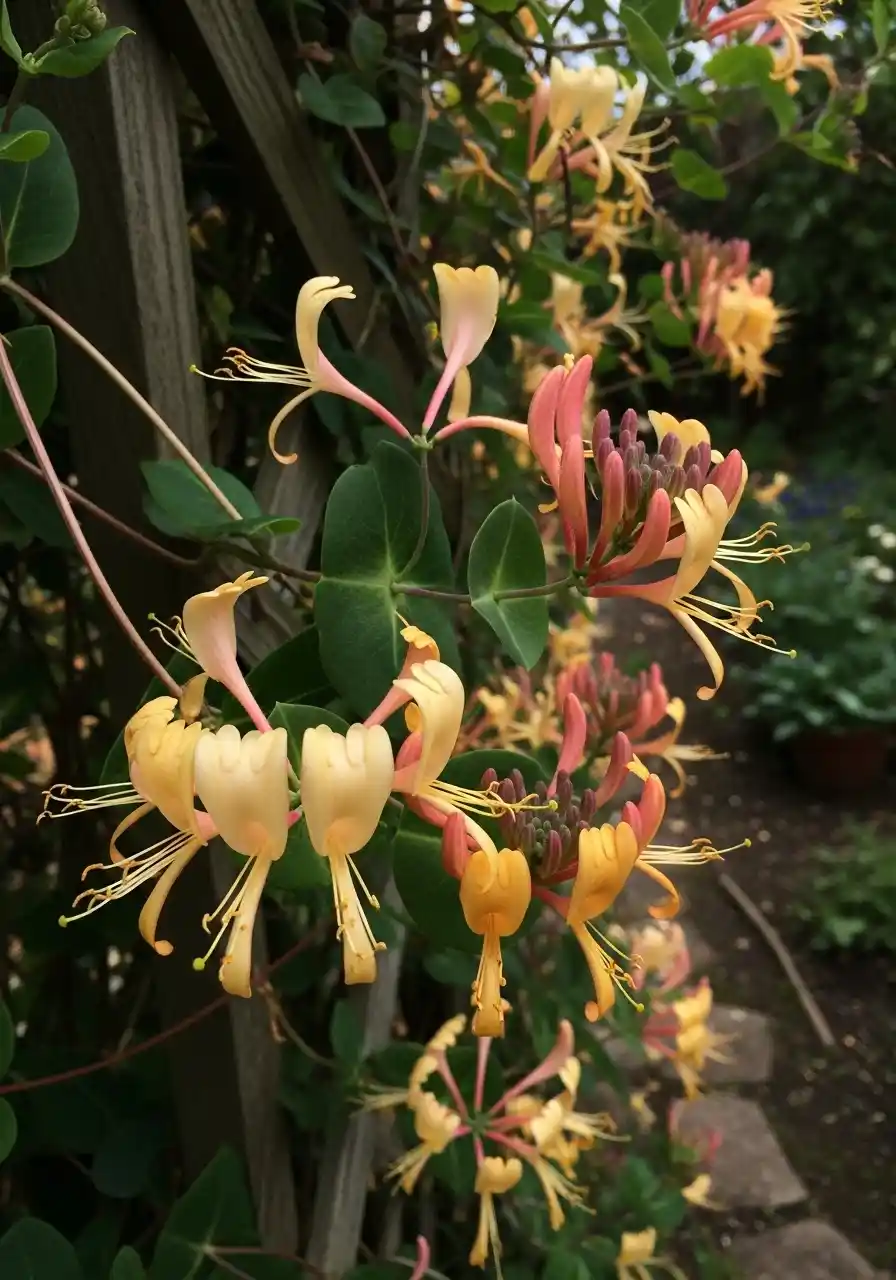
Why they love it: Sweet nectar + inviting flower shape = steady hummingbird traffic, plus butterflies join the party.
-
USDA zones: 5–9
-
Color varieties: noted dark pink and golden tones
-
Type: typically a vine (varies by species)
-
Sun: 6–8 hours of light daily
-
Soil: well-draining, rich in organic matter
-
Blooming season: seasonal (varies by species)
Garden design note: Train it over an arbor and you’ll feel like you built a little doorway into a fairytale.
How to keep flowers that attract hummingbirds and butterflies visiting all season
Stack bloom times on purpose
Use a “relay race” approach: spring bloomers (columbine), then summer workhorses (salvia, zinnia, bee balm), then late-season support (aster). That way, your flowers that attract hummingbirds and butterflies don’t vanish in mid-July when you want the show most.
Give them sun, but don’t punish them
Most top performers want full sun (6–8 hours)—especially salvia, zinnia, bee balm, butterfly bush.
If you have shade, don’t panic: fuchsia is happy in partial to full shade and still brings in visitors.
Soil and watering that actually works
A lot of these plants share one boring (but important) preference: well-drained soil.
If your soil is heavy clay, mixing in compost can make a shocking difference in bloom output—and bloom output is basically your “pollinator budget.”
Plant in clusters (this is the cheat code)
Butterflies and hummingbirds notice mass plantings faster than scattered singles. Petunias and zinnias especially benefit from being planted in visible blocks.
A simple 3-flower starter combo (for quick results)
If you want the easiest “I swear this works” mix of flowers that attract hummingbirds and butterflies, plant:
-
Salvia for hummingbird-friendly tubular blooms
-
Zinnia for nonstop summer color and easy nectar access
-
Aster to keep visitors fed late in the season
It’s not fancy. It’s not complicated. But it’s the kind of trio that makes you stop mid-step because something fluttered by—and suddenly your whole day feels softer.