If you’re designing a pollinator-friendly garden, white flowers that attract hummingbirds can be just as effective as red blooms—especially when the flowers are tubular, nectar-rich, and placed where hummingbirds naturally feed (often along sunny edges, near shrubs, and beside patios). White blooms also glow at dawn and dusk, helping hummingbirds locate nectar sources early and late in the day. The key is choosing plants that match your USDA growing zone, provide the right sun exposure, and bloom across multiple months so hummingbirds have a steady food supply.
Table of Contents
White flowers that attract hummingbirds: how to choose the right plants
Hummingbirds don’t choose flowers by color alone. They follow nectar rewards and flower structure. Many white varieties are hummingbird-friendly when they offer the following traits:
Tubular or flared blooms
Hummingbirds feed with long bills and tongues, so blooms with a tube, trumpet, or narrow throat are easier for them to work. While bees prefer wide landing pads, hummingbirds often hover and feed quickly.
High nectar production
A plant can look beautiful but still be a poor hummingbird source if nectar is limited. Prioritize varieties known for consistent nectar rather than occasional feeding.
Bloom timing and “season coverage”
To keep hummingbirds visiting, combine early, mid, and late bloomers. Aim for at least three “waves”: spring, summer, and late summer/fall (where your climate allows).
Placement that matches hummingbird behavior
Most hummingbirds prefer to feed in bright light (even if the plant tolerates shade). If you’re planting shade lovers, position them where they get bright morning light or dappled sun.
Best white perennials for hummingbirds (zones, sun, soil, blooming season)
Perennials are the backbone of a reliable hummingbird garden because they return each year and often produce heavier nectar loads once established.
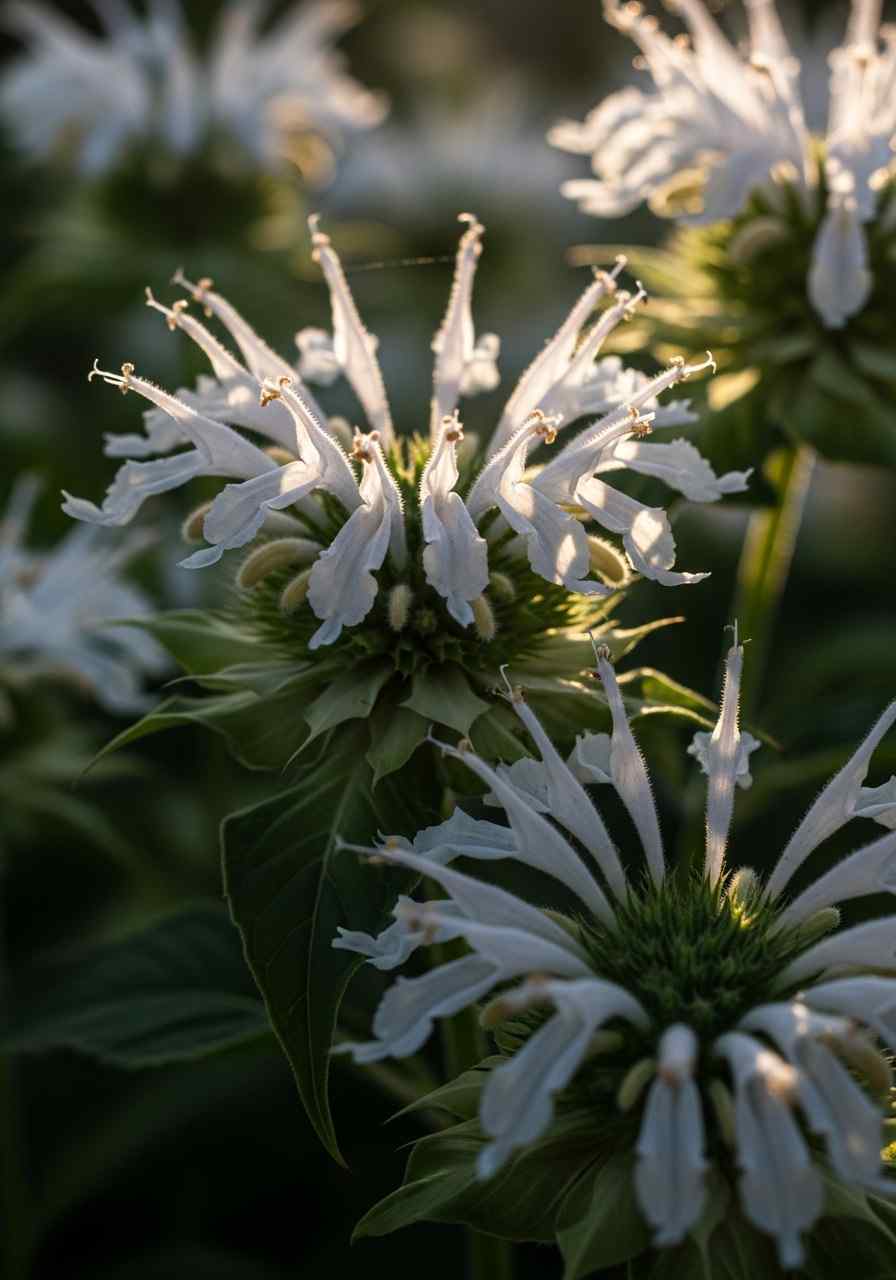
White Bee Balm (Monarda ‘Alba’)
-
USDA zones: 4–9 (varies by cultivar)
-
Sun exposure: Full sun to partial shade (best blooms in full sun)
-
Soil needs: Moist, well-drained soil; tolerates clay if not waterlogged
-
Blooming season: Mid-summer to early fall
Bee balm is a hummingbird magnet thanks to its tube-like florets packed into fluffy heads. White cultivars still provide strong nectar. To reduce powdery mildew, give it airflow, avoid overhead watering, and don’t crowd it.
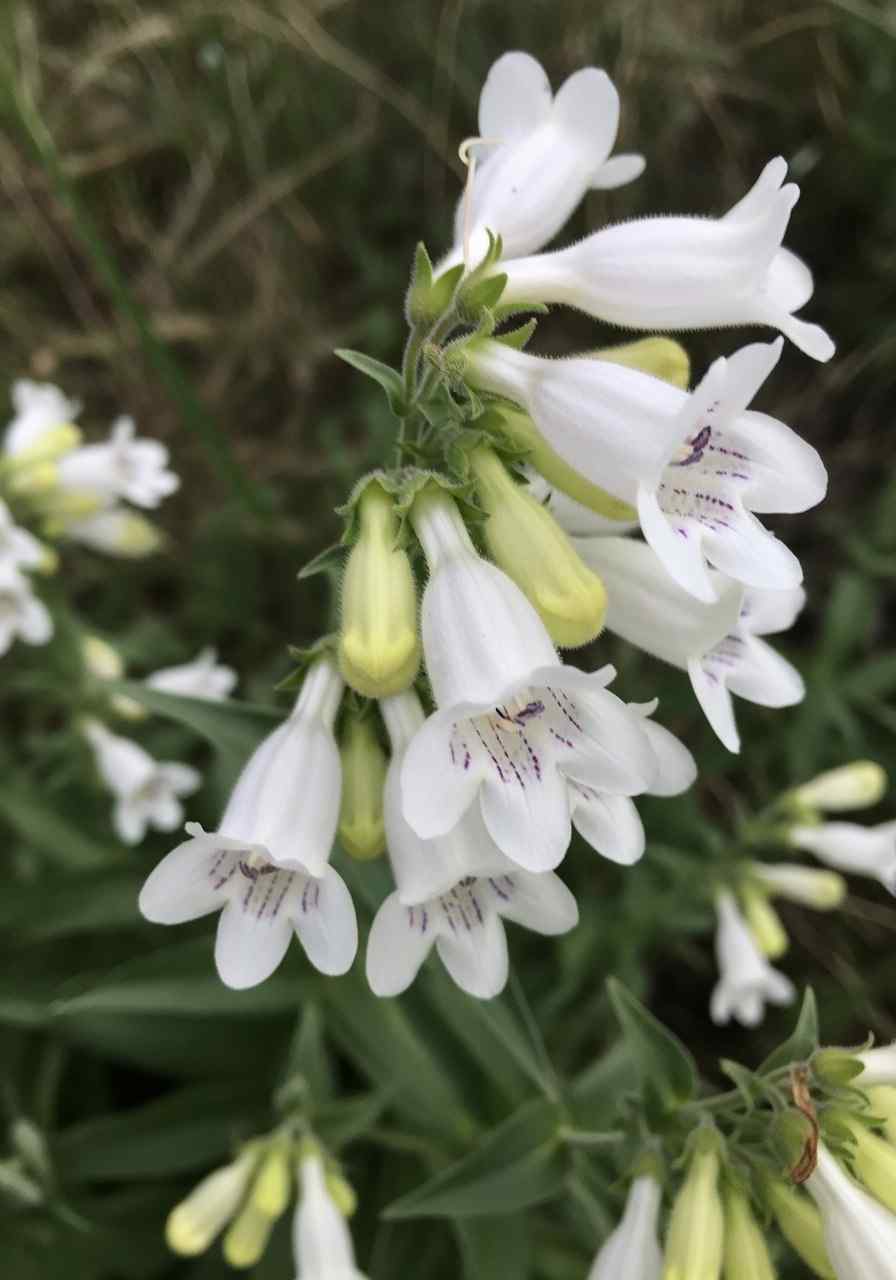
White Penstemon (Beardtongue)
-
USDA zones: Often 3–8 (species-dependent)
-
Sun exposure: Full sun (some tolerate light shade)
-
Soil needs: Well-drained, sandy or rocky soil; avoid heavy wet soils
-
Blooming season: Late spring through summer
Penstemon is “top-tier” because its blooms are naturally shaped for hummingbirds. In wetter climates, drainage is everything—plant on a slope, in raised beds, or amend with grit.
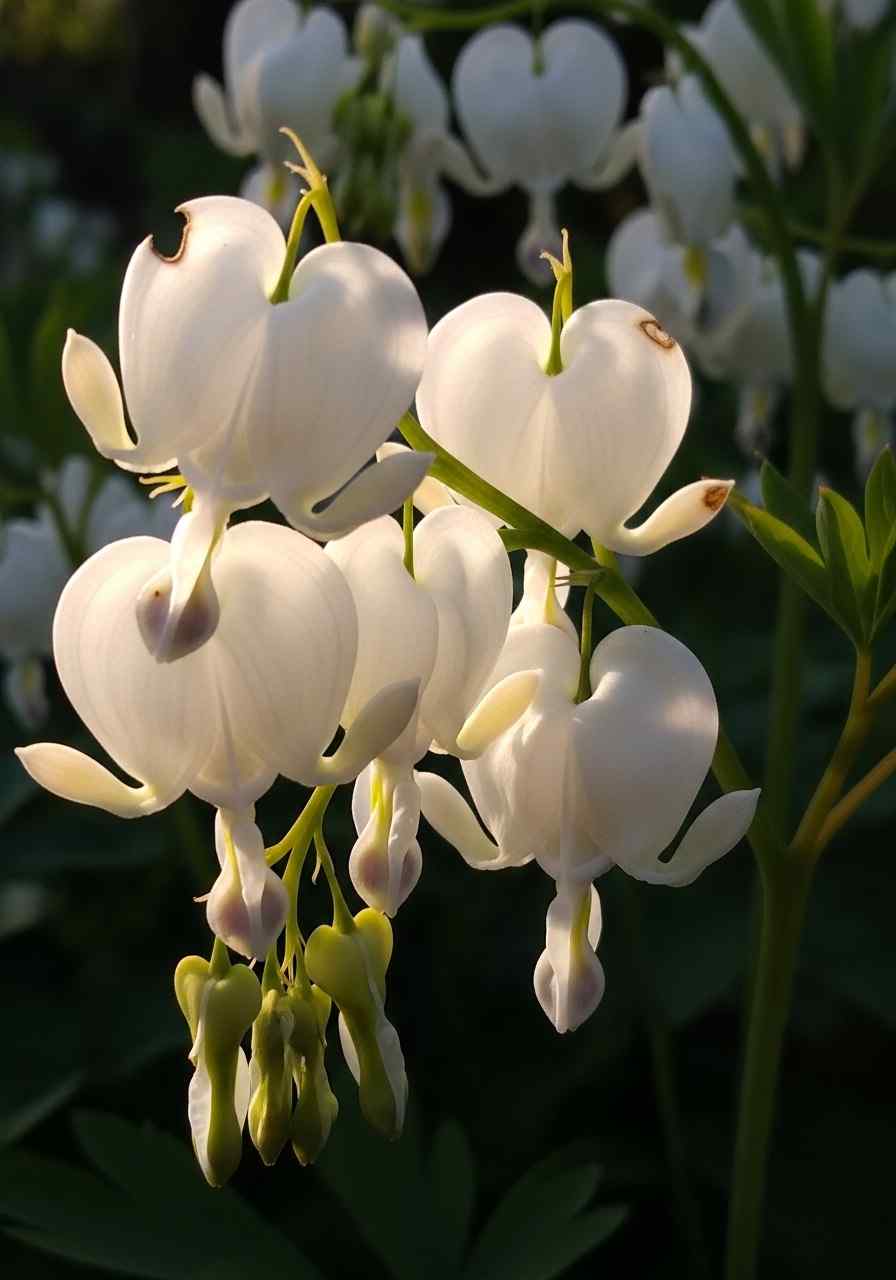
Bleeding Heart (Dicentra spectabilis ‘Alba’)
-
USDA zones: 3–9
-
Sun exposure: Partial shade to morning sun
-
Soil needs: Rich, evenly moist, well-drained soil
-
Blooming season: Spring to early summer
White bleeding heart provides early nectar when hummingbirds are active and other sources can be scarce. It often goes dormant in heat, so pair it with later bloomers to keep the space filled.
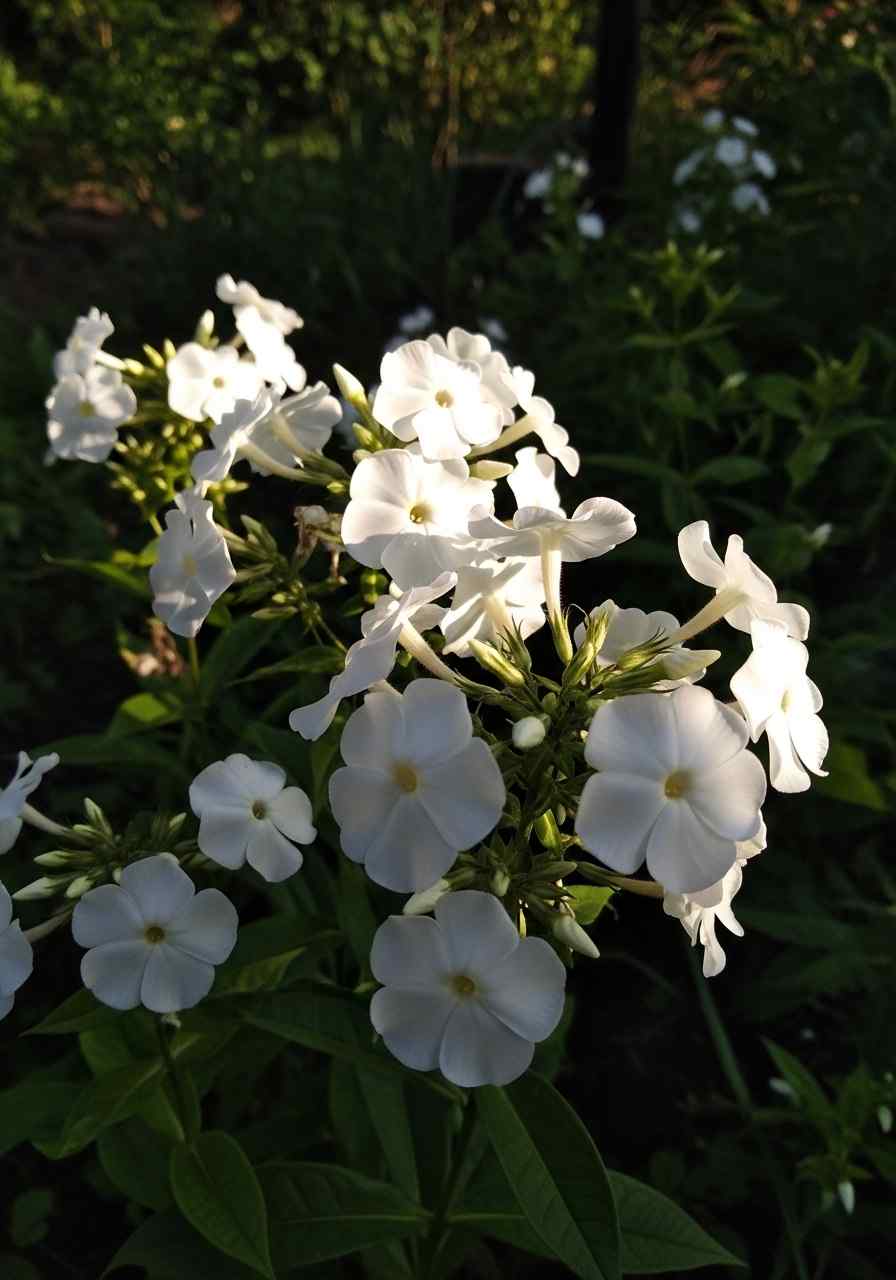
White Garden Phlox (Phlox paniculata ‘David’ and other whites)
-
USDA zones: 4–8
-
Sun exposure: Full sun (tolerates light shade)
-
Soil needs: Fertile, moist, well-drained soil
-
Blooming season: Mid-summer to early fall
Garden phlox offers tall, fragrant clusters that hummingbirds will visit repeatedly. Improve performance by watering at the base and thinning stems for airflow.
White Hosta (fragrant white-flowering types)
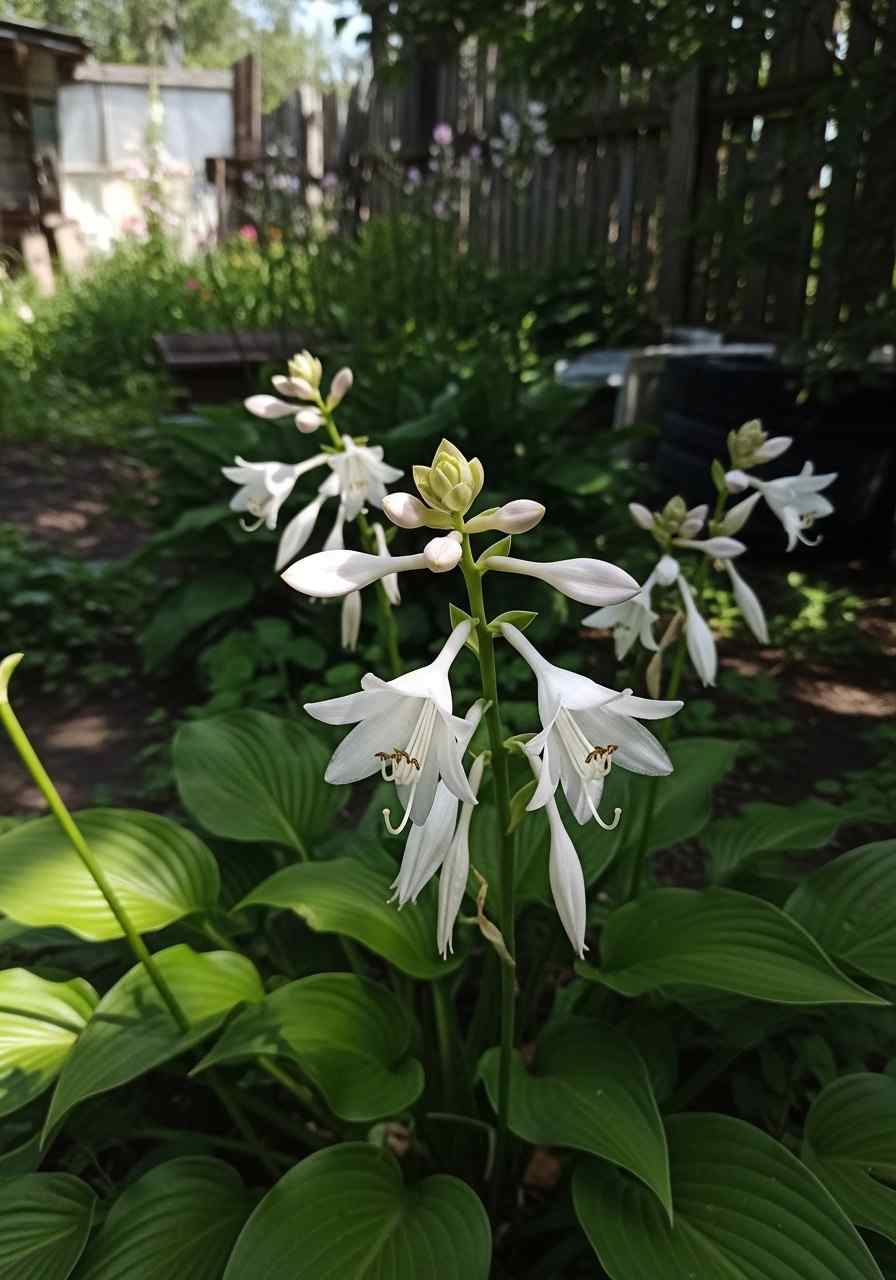
-
USDA zones: 3–9
-
Sun exposure: Shade to partial shade (some take morning sun)
-
Soil needs: Moist, organic-rich soil
-
Blooming season: Mid to late summer
Hosta flowers are often overlooked—yet many are bell-shaped and nectar-bearing. Choose fragrant types and keep soil evenly moist in summer for best flowering.
White annuals and bedding plants that bring hummingbirds fast
Annuals are perfect for quick results, containers, and filling bloom gaps. They can be especially useful if you’re waiting for perennials and shrubs to mature.
White Petunias
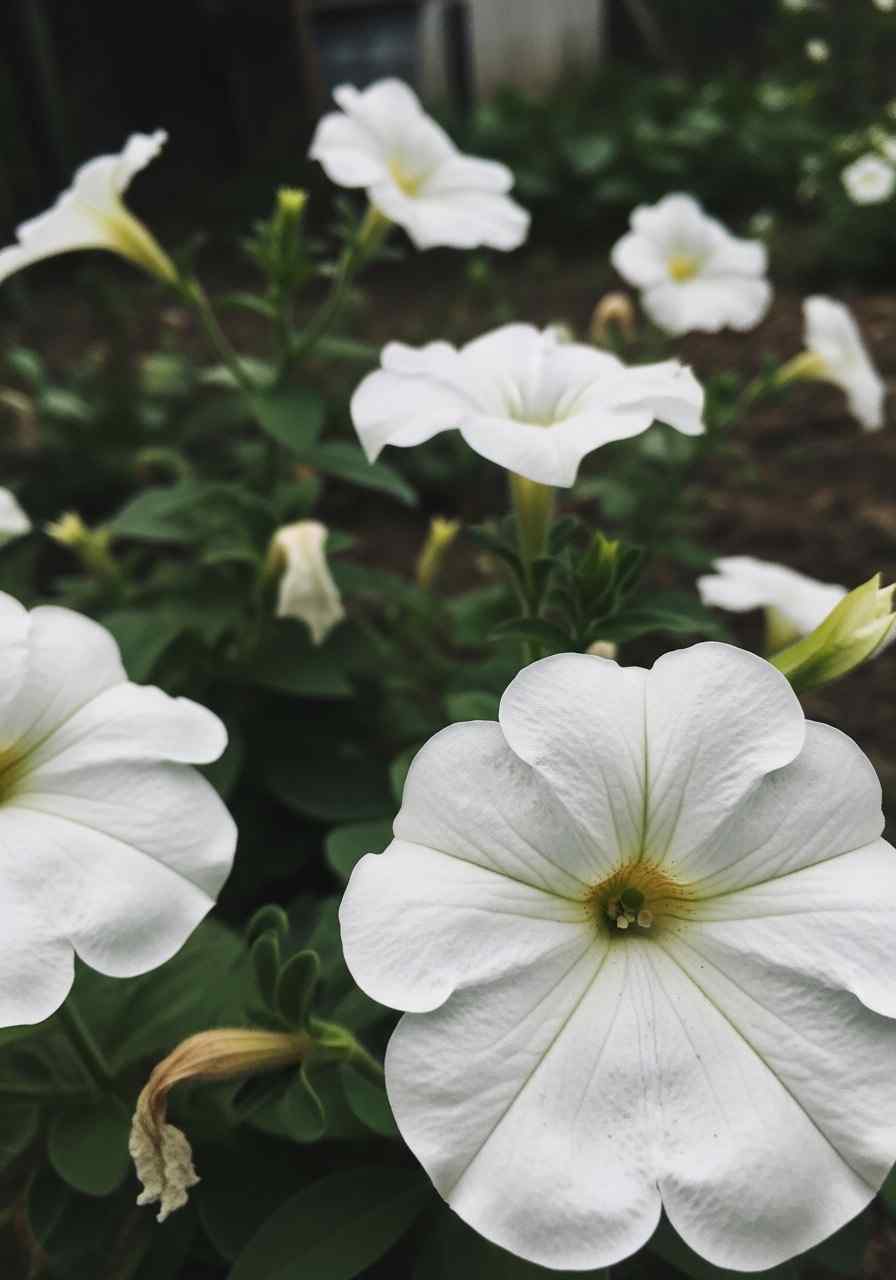
-
USDA zones: Grown as annuals in most zones
-
Sun exposure: Full sun (best flowering)
-
Soil needs: Fertile, well-drained potting mix or garden soil
-
Blooming season: Late spring to frost
Petunias have a natural funnel shape and can provide steady nectar. Deadheading helps, but many modern types are self-cleaning. For containers, consistent watering is key.
Calibrachoa (Million Bells), white varieties
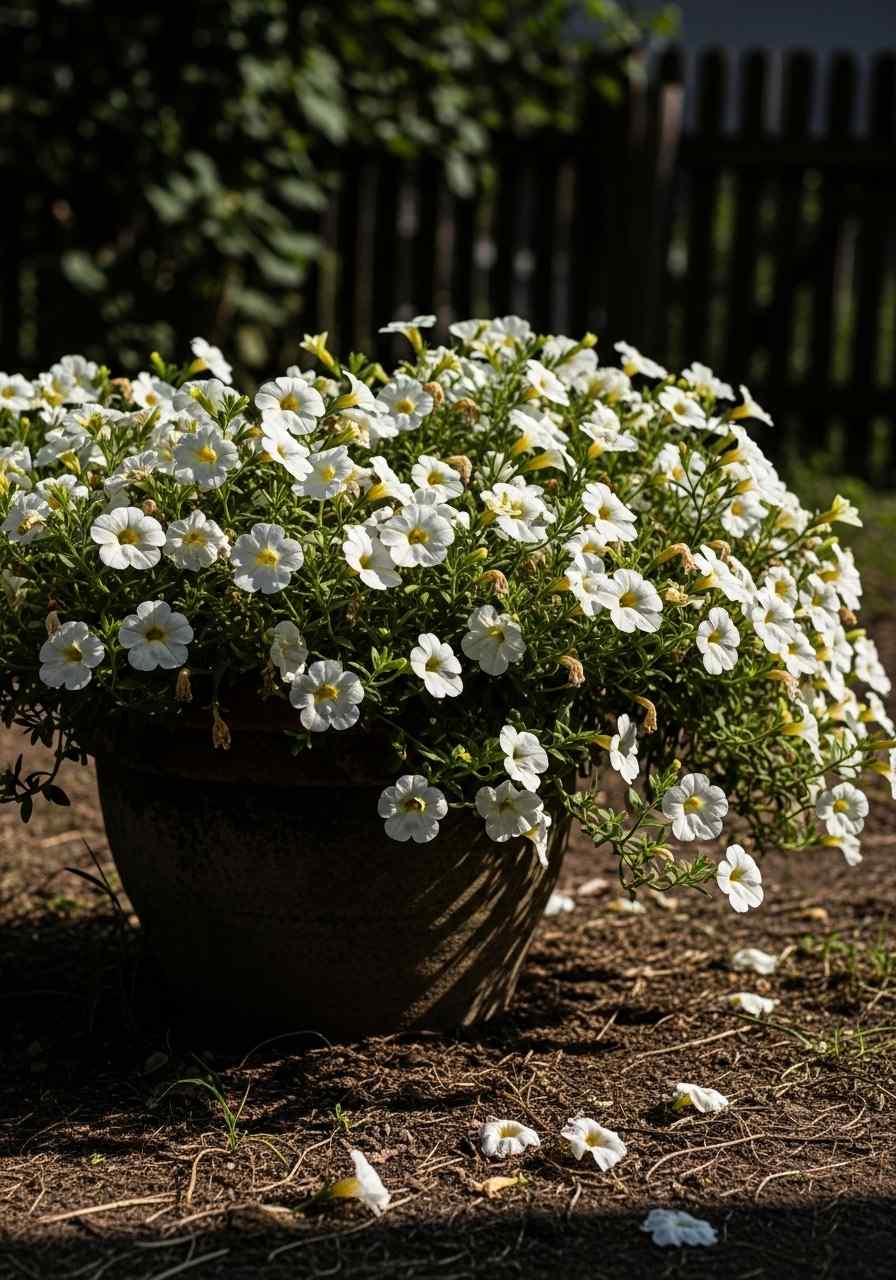
-
USDA zones: Annual in most climates
-
Sun exposure: Full sun to light shade
-
Soil needs: Well-drained mix; prefers slightly acidic containers
-
Blooming season: Late spring to frost
Calibrachoa produces massive numbers of small trumpet blooms. It’s excellent in hanging baskets where hummingbirds can hover and feed easily. Avoid soggy soil—root rot is the main failure point.
White Impatiens
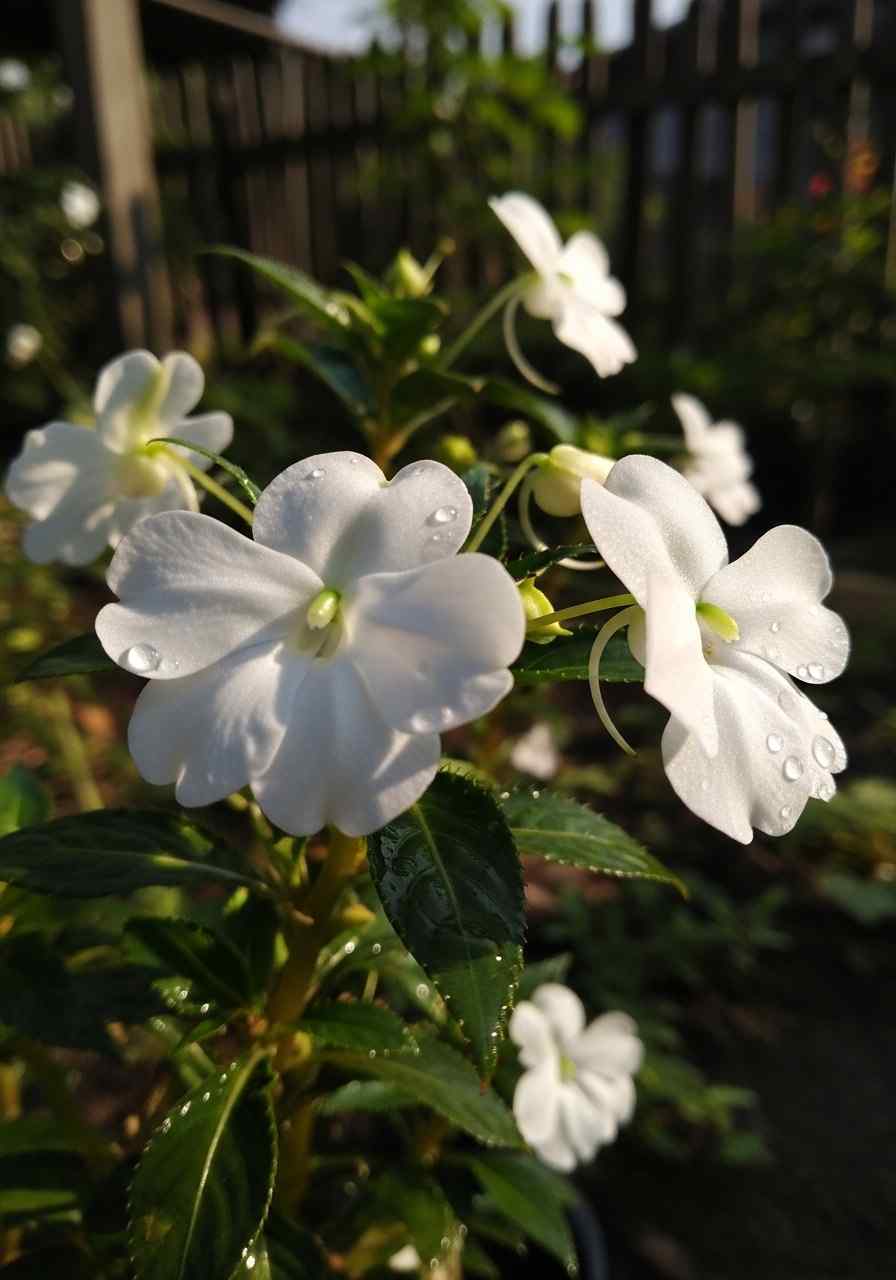
-
USDA zones: Annual in most climates
-
Sun exposure: Shade to partial shade (bright shade is ideal)
-
Soil needs: Moist, humus-rich, well-drained soil
-
Blooming season: Late spring to frost
When you need hummingbird-friendly flowers in shade, impatiens are reliable. Place them where they receive bright indirect light, and water consistently—dry spells reduce nectar and blooms.
Pentas (white varieties)
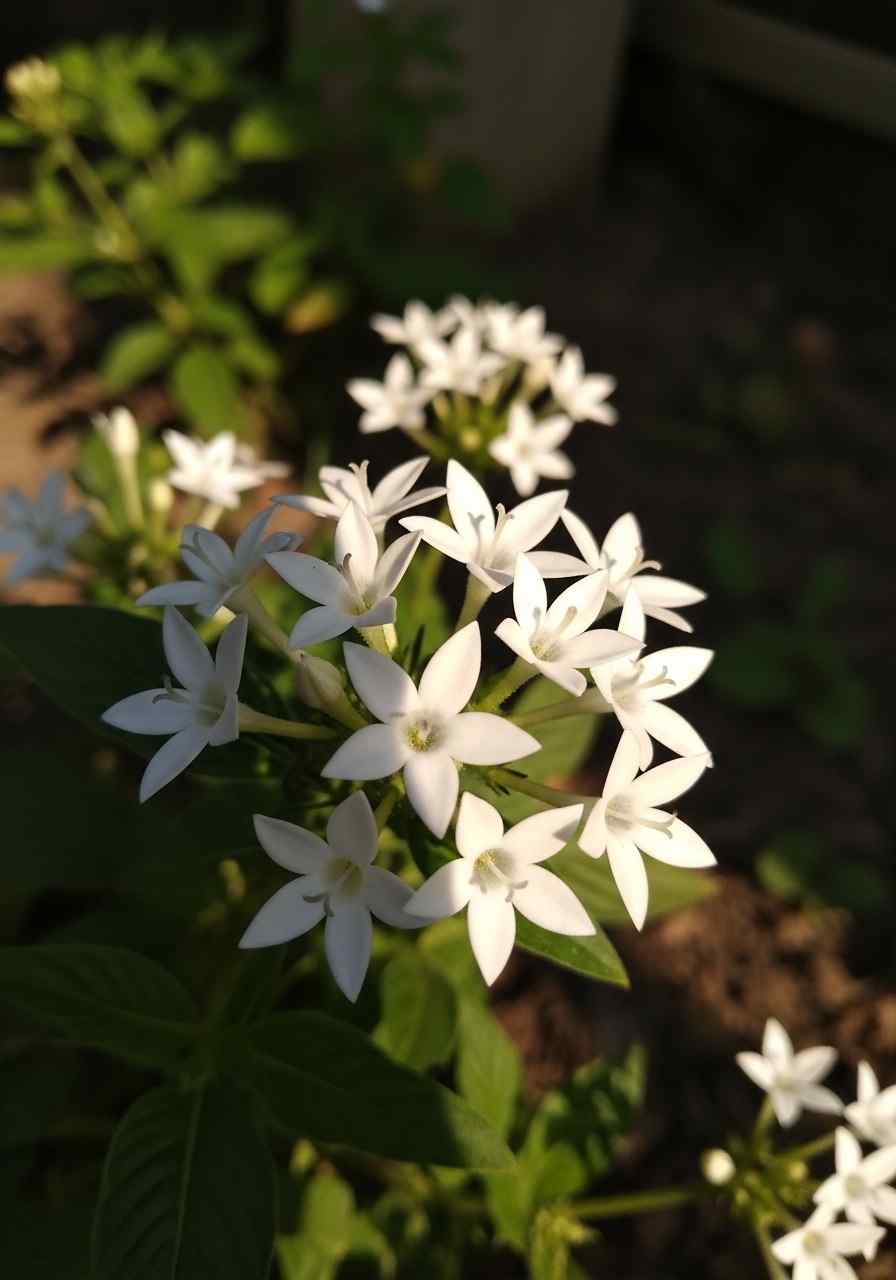
-
USDA zones: 10–11 perennial; annual elsewhere
-
Sun exposure: Full sun to partial sun
-
Soil needs: Well-drained soil; moderate fertility
-
Blooming season: Summer through fall
Pentas have starry clusters and can be a steady nectar station in containers. In warm climates, they can bloom for months and become a hummingbird staple.
White Cosmos
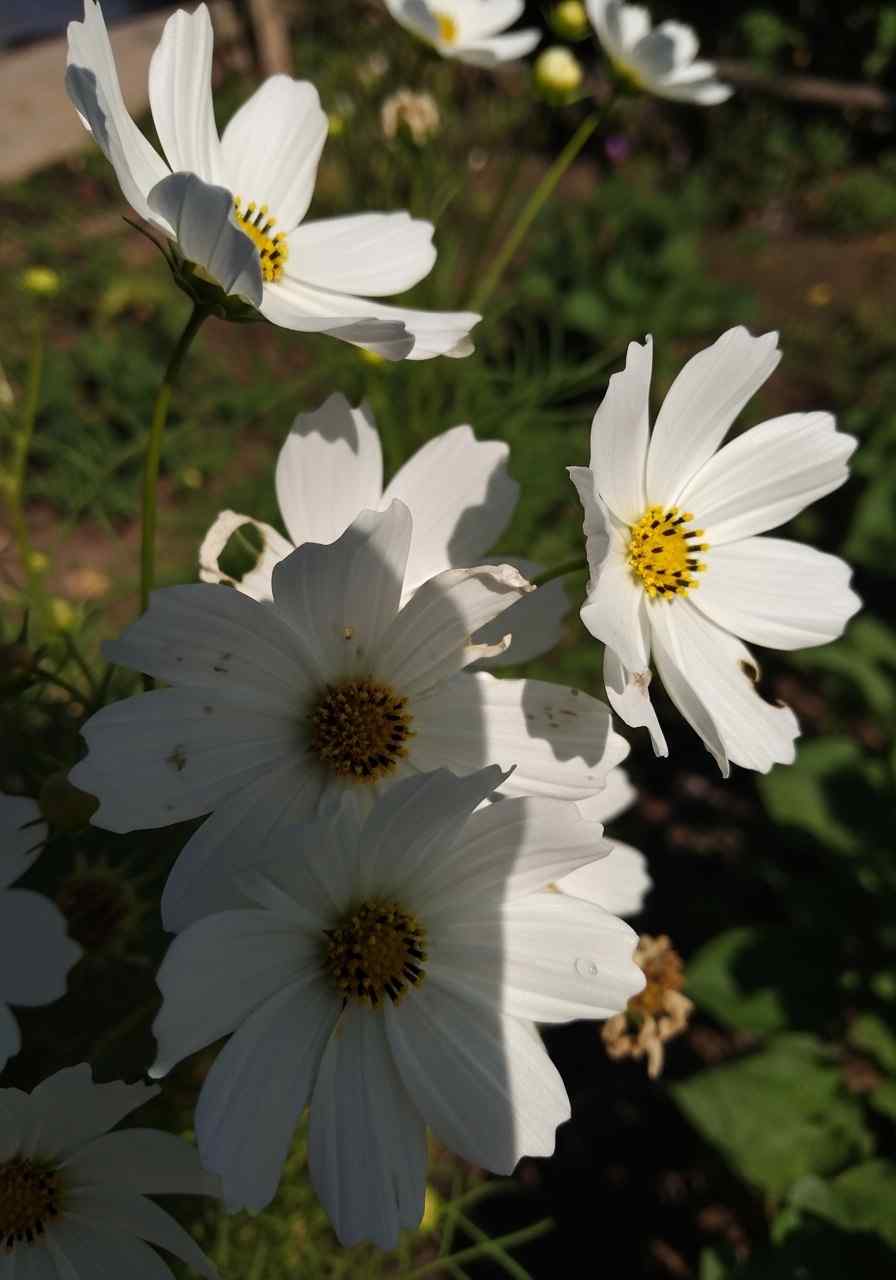
-
USDA zones: Annual in most zones
-
Sun exposure: Full sun
-
Soil needs: Average to poor soil; too much fertilizer reduces blooms
-
Blooming season: Mid-summer to frost
Cosmos are more open-faced than tubular, but hummingbirds still visit them—especially when planted in large drifts and mixed with more nectar-dense tubular flowers nearby.
White flowering shrubs and vines hummingbirds love
Shrubs and vines add vertical structure and can provide major nectar flows when in bloom—plus shelter and perching spots.
Summer Sweet (Clethra alnifolia)
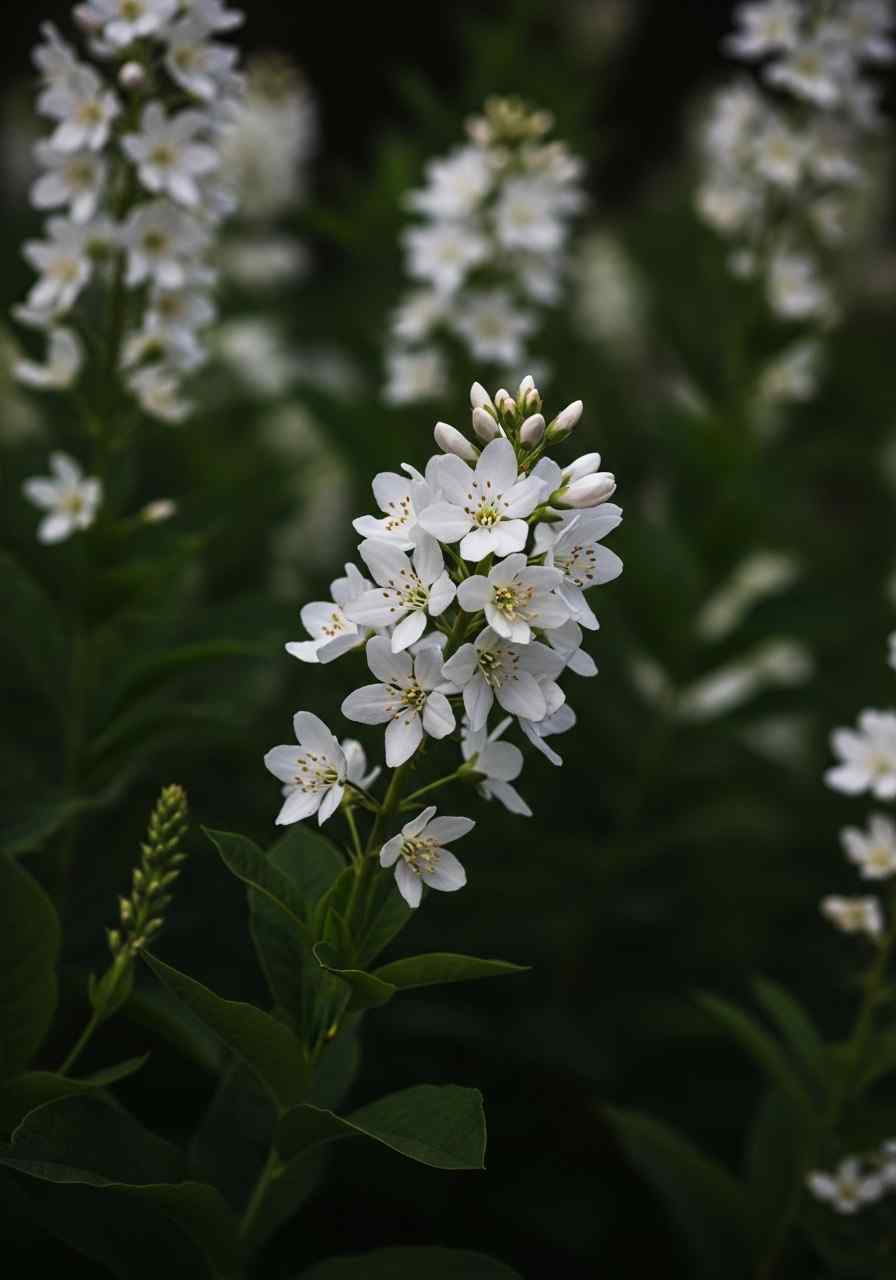
-
USDA zones: 3–9
-
Sun exposure: Full sun to partial shade
-
Soil needs: Moist to wet, acidic soil; tolerates heavier soils
-
Blooming season: Mid to late summer
Clethra is a standout for late-season fragrance and nectar. It’s especially valuable because it blooms when some early perennials are fading. If your soil is alkaline, mixing in organic matter and using acid-loving mulch can help.
White Azalea (especially native types)
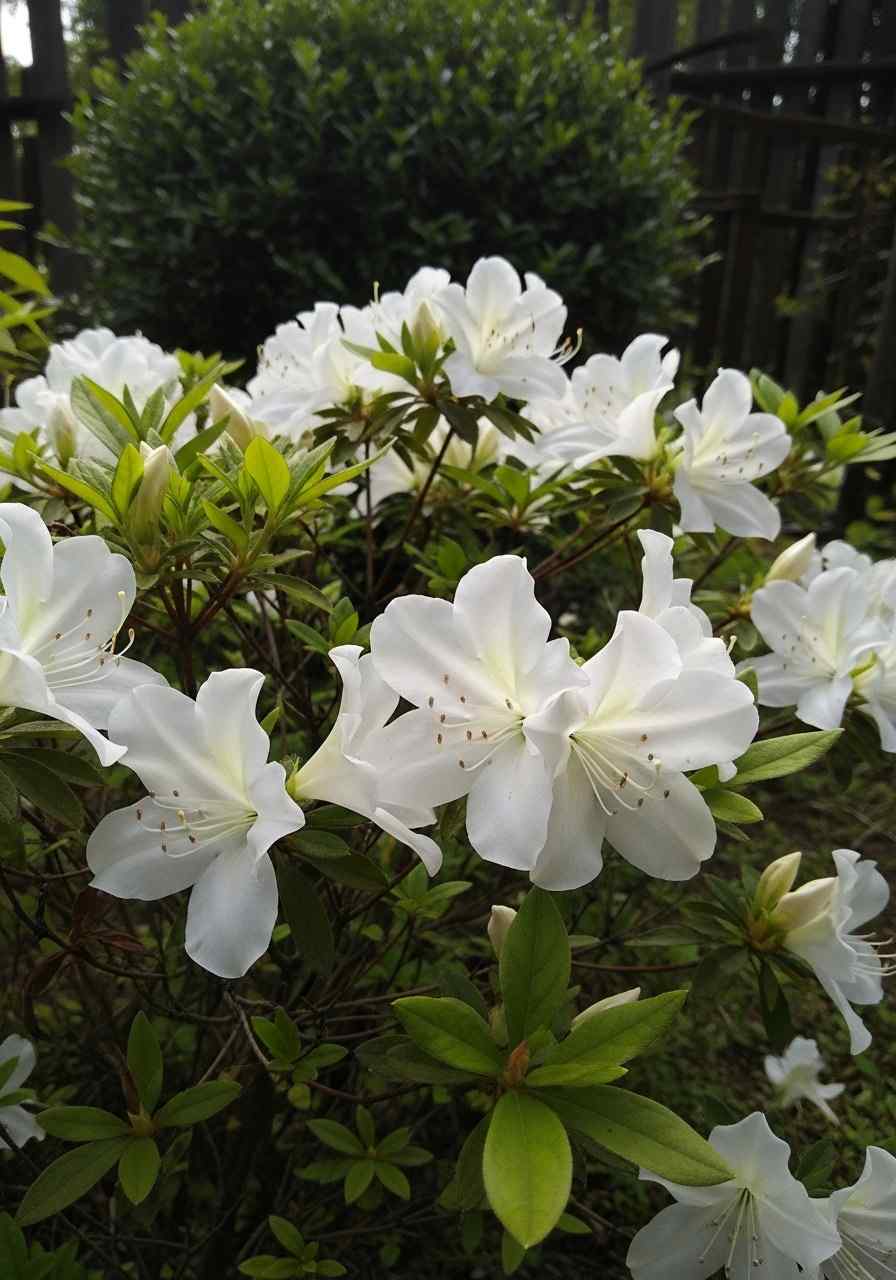
-
USDA zones: Varies widely (many 5–9; some colder/warmer)
-
Sun exposure: Part shade or filtered sun
-
Soil needs: Acidic, well-drained, organic-rich soil
-
Blooming season: Spring (some rebloomers later)
Azaleas can provide early nectar and create a “pollinator corridor” near woodland edges. Keep them mulched, avoid deep planting, and don’t let roots bake in dry heat.
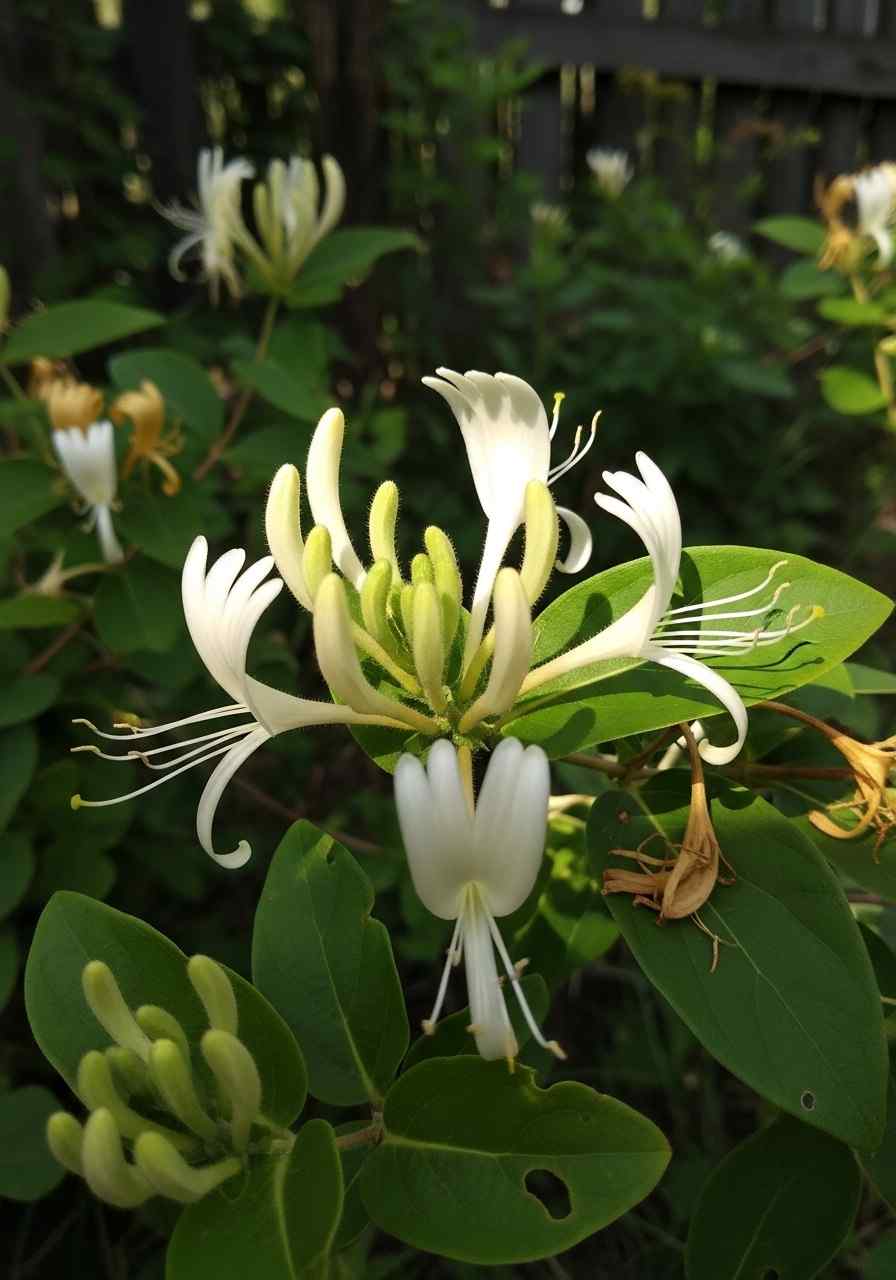
White Trumpet Honeysuckle (climbing vine)
-
USDA zones: Typically 4–9 (varies by species/cultivar)
-
Sun exposure: Full sun for best flowering; tolerates partial shade
-
Soil needs: Average, well-drained soil; moderate moisture
-
Blooming season: Late spring through summer (often repeating)
Trumpet honeysuckle is classic hummingbird architecture: long tubular trumpets and climbing growth that creates a living trellis. Choose non-invasive or well-behaved cultivars suited to your region, and give it sturdy support.
Planting design tips to attract hummingbirds all season
You’ll get more hummingbird visits by designing for visibility, continuous nectar, and easy feeding routes.
Plant in clusters, not singles
A single plant can be missed. A drift of 3–7 of the same plant creates a bold target and a more efficient feeding stop. This is especially important for smaller annuals like calibrachoa or petunias.
Layer heights to create a feeding “path”
Use a simple structure:
-
Back layer: Shrubs/vines (clethra, azalea, honeysuckle)
-
Middle layer: Tall perennials (garden phlox, bee balm)
-
Front layer: Annuals/low perennials (calibrachoa, petunias, impatiens)
Match sun exposure to nectar output
Even shade-tolerant plants usually bloom more in brighter conditions. If you can, place “shade” plants where they get morning sun and afternoon shade—often the best compromise for blooms and plant health.
Support soil needs instead of fighting them
-
Dry, sandy soil: Penstemon, cosmos (excellent drainage plants)
-
Moist soil: Bee balm, clethra, hosta, phlox
If your soil is heavy clay, raised beds and organic matter will dramatically improve bloom quality.
Common mistakes that reduce hummingbird visits
Small changes often make the difference between “pretty garden” and “hummingbird hotspot.”
Too much fertilizer
High nitrogen grows leaves at the expense of flowers. For many bloomers (especially cosmos), leaner soil produces more flowers and better nectar availability.
Inconsistent watering in containers
Container nectar plants need steady moisture. If they dry out repeatedly, blooms drop and nectar production declines. Use a high-quality potting mix and water deeply.
Bloom gaps
If everything flowers in June and nothing in August, hummingbirds move on. Make sure you have:
-
Spring: Bleeding heart, azalea
-
Summer: Penstemon, bee balm, petunias/calibrachoa, phlox
-
Late summer: Clethra, pentas, continued annual blooms
Not enough “edge habitat”
Hummingbirds love garden edges—near shrubs, fences, or small trees—because it provides shelter and perches. Even a small trellis vine can increase visits.
Quick checklist for a hummingbird-ready white flower garden
-
Choose at least 6–10 plants with overlapping bloom times
-
Combine tubular nectar flowers (penstemon, bee balm, honeysuckle) with supporting bloomers (phlox, calibrachoa)
-
Confirm USDA zone compatibility before buying perennials/shrubs
-
Match sun exposure to the plant’s needs (and maximize light where possible)
-
Improve soil drainage or moisture depending on the plant group
-
Plant in clusters and layer heights for an easy feeding route