A front porch feels more “finished” when it has shrubs in pots. They frame the door, soften hard lines, and keep your entryway attractive even when the garden is between seasons. I like shrubs for porch containers because they’re dependable: many are evergreen, several are fragrant, and most can be shaped to match your home’s style—modern, cottage, or classic.
Flowers are the bonus that makes people stop and smile. Shrubs with blooms give you color and texture without the constant replanting you’d do with annuals. Even better, flowers support pollinators, add scent near your front door, and make a porch feel welcoming in a way plain greenery can’t. Pair blooms with good foliage and you’ll have interest from spring through winter.
Before choosing plants, choose the pot with intention. Pick a container at least twice the width of the shrub’s root ball so it doesn’t dry out every afternoon. Bigger soil volume means steadier moisture and less stress for roots. Drainage holes are non-negotiable—if water can’t escape, roots suffocate, and rot shows up fast.
Winter is the part people forget. A shrub in a pot experiences colder temperatures than one in the ground, because roots are above soil insulation. A good rule is to choose shrubs rated about two USDA zones hardier than where you live. If you’re Zone 7, aim for shrubs hardy to Zone 5 for reliable survival, especially in smaller pots.
Use a quality potting mix, not garden soil. Garden soil compacts in containers and turns into a heavy brick after a few waterings. A premium potting mix stays airy, drains well, and still holds enough moisture to keep shrubs happy. If your mix feels too fluffy and dries quickly, blend in a bit of compost for water retention.
Watering is the real maintenance. Porch pots dry faster from wind and reflected heat off walls. In summer, I check moisture daily and water deeply when the top 1–2 inches feel dry. In cooler months, water less often but don’t let evergreens dry out completely—winter wind can dehydrate them even when it’s cold.
For styling, symmetry is the fastest way to make a porch feel expensive. Matching pots with matching shrubs on both sides of the door reads neat and intentional. If you want a softer vibe, keep the pots the same but vary the shrubs slightly—same height, different leaf texture—so it still feels organized.
Now, the fun part: 10 shrubs in pots for a front porch—with growth habits and practical care details so you can pick confidently.
Table of Contents
1) Boxwood (‘Green Mountain’ or ‘Green Velvet’ type)
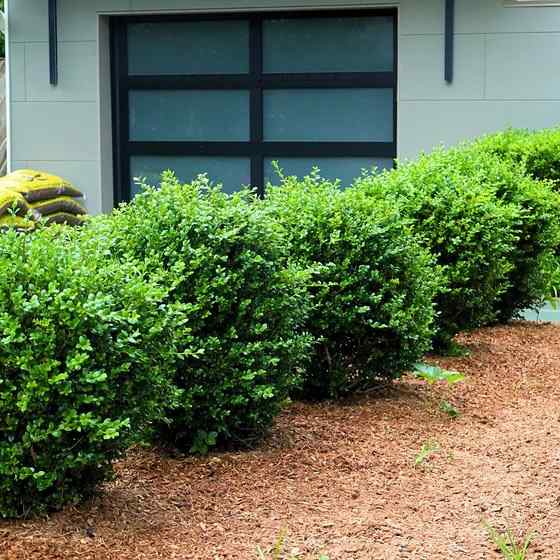
Boxwood is the classic porch shrub for a reason: tidy, evergreen, and slow-growing, so it holds its shape. Sun: full sun to part shade (best with morning sun). Zones: roughly 4–9 depending on variety. Soil: well-drained potting mix, evenly moist. Size: in pots, often 2–4 ft tall.
Boxwood loves pruning, so you can keep it as a crisp mound or a little cone. I usually trim lightly in late spring, then stop by mid-summer so new growth can harden before winter. Underplant with white petunias for a clean look, or trailing creeping Jenny for softer edges.
2) Japanese Pieris (Pieris japonica)
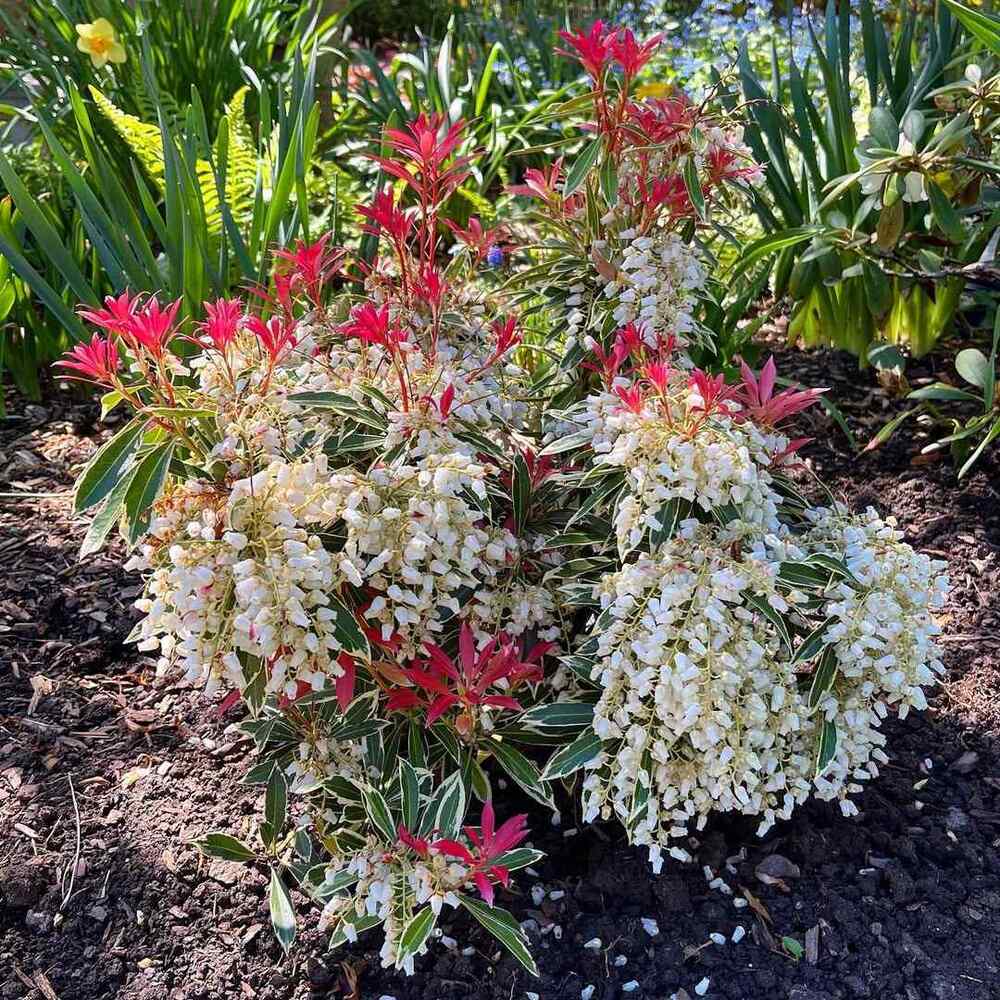
Pieris is a porch favorite when you want color without relying on flowers alone. The new growth can flush red or bronze, and spring brings bell-shaped blooms. Sun: part shade is ideal, especially afternoon shade. Zones: about 5–8. Soil: acidic, well-draining, consistently moist. Size: 3–6 ft, but choose compact types for pots.
This shrub feels polished all year, and the spring flowers add charm near the entry. If your water is very hard, use rainwater sometimes to keep the pot from creeping alkaline. Pair pieris with a blue trailing plant for contrast, like lobelia in warmer months.
3) Dwarf Juniper (‘Blue Star’ Juniper)
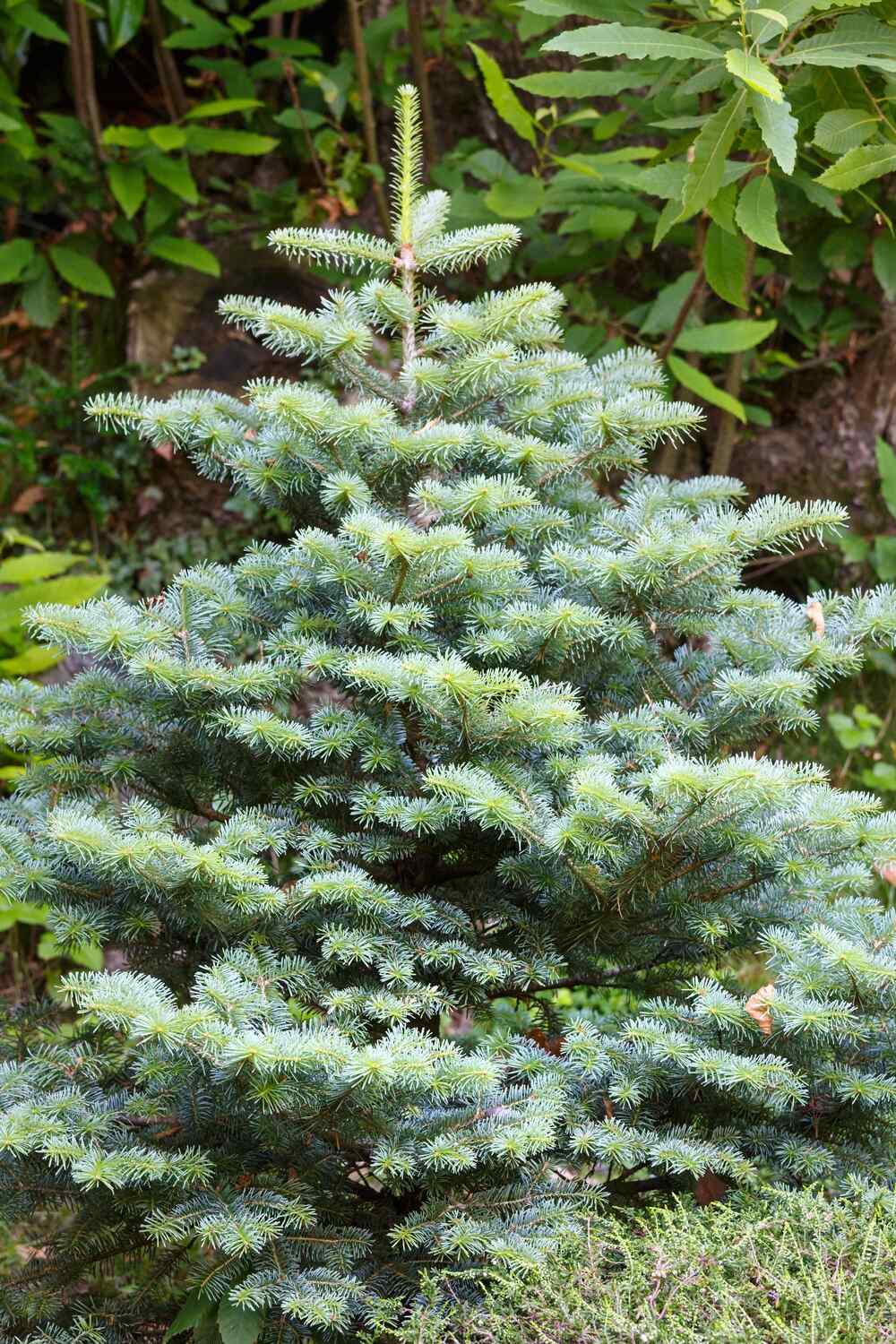
If you want color that never fades, ‘Blue Star’ juniper has that blue-silver tone that looks amazing in dark pots. Sun: full sun. Zones: about 4–8. Soil: very well-drained; it hates soggy roots. Size: roughly 2–3 ft wide, 1–2 ft tall, mounded.
Juniper is low-maintenance and drought-tolerant once established, but it still needs consistent watering in a container. Keep it away from downspouts where it could sit wet. I love it with a simple underplanting: a ring of white alyssum or silver dichondra.
4) Dwarf Korean Fir (compact varieties)
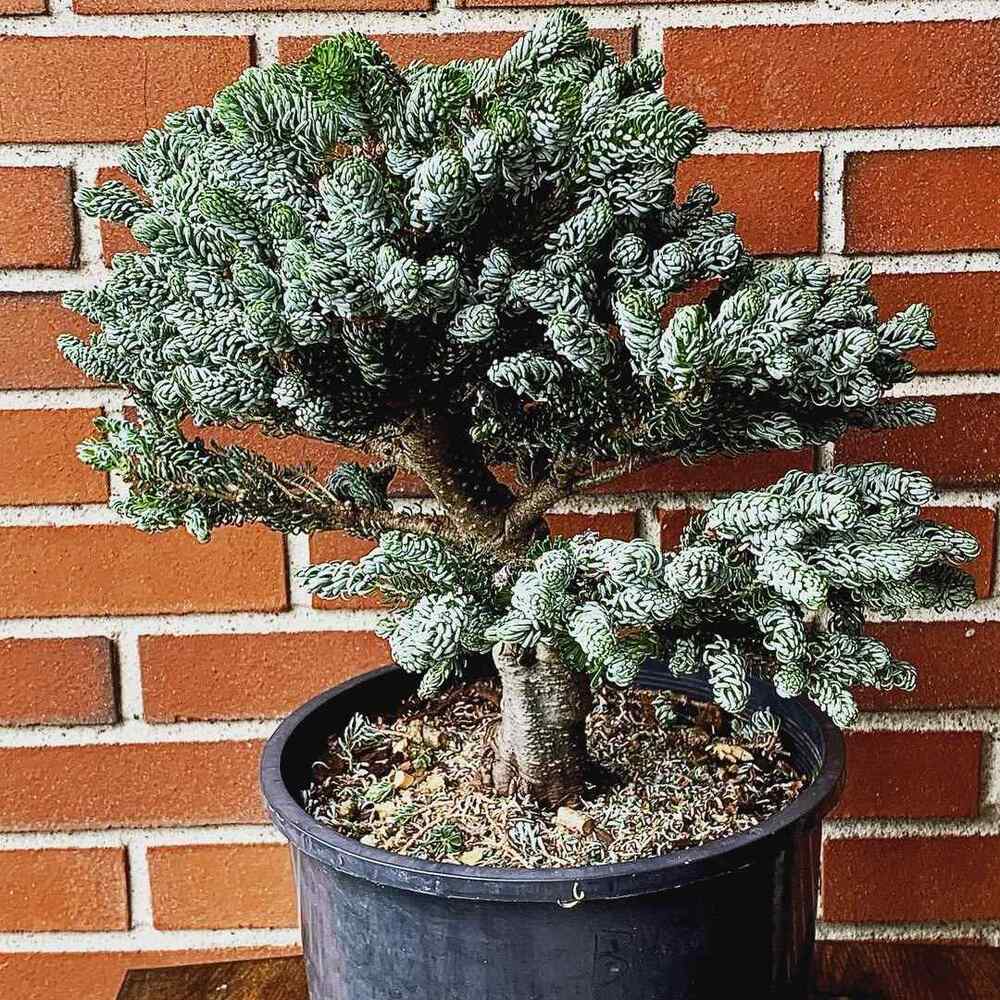
Korean fir gives a plush, rounded evergreen look that feels “miniature forest,” especially in winter. Sun: full sun to part sun (protect from harsh afternoon heat in warm zones). Zones: around 5–7. Soil: moist but well-drained. Size: varies; compact forms often 3–5 ft over time.
The needles are soft-looking, and some forms can show small cones as they mature, which adds a subtle decorative touch. Use a wide pot for stability because wind can tip tall evergreens. Add trailing ivy or creeping Jenny for a cozy, layered pot.
5) Dwarf Hydrangea (compact bigleaf or panicle types)
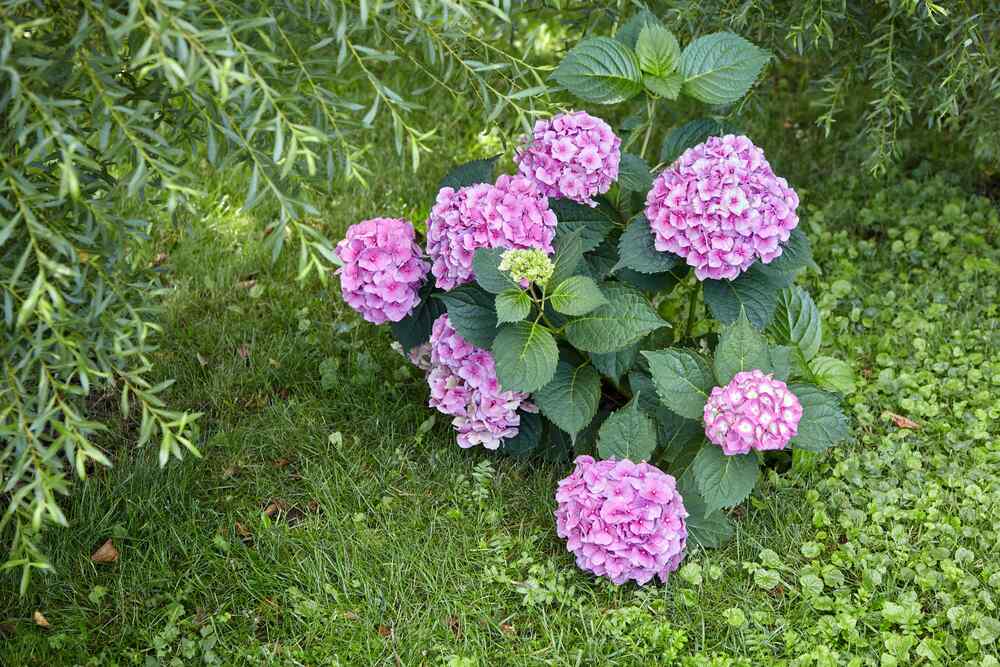
Hydrangeas are for people who want big, joyful summer flowers on the porch. Sun: morning sun + afternoon shade is safest. Zones: bigleaf often 5–9; panicle often 3–8 (check variety). Soil: rich potting mix, evenly moist. Size: many dwarf types stay 2–4 ft.
Flowers are the main event here—lush heads that make your entry feel like a celebration. In pots, hydrangeas are thirstier than you think, especially in bloom. Underplant with petunias for nonstop color, or use trailing sweet potato vine for drama.
6) Camellia (compact types)
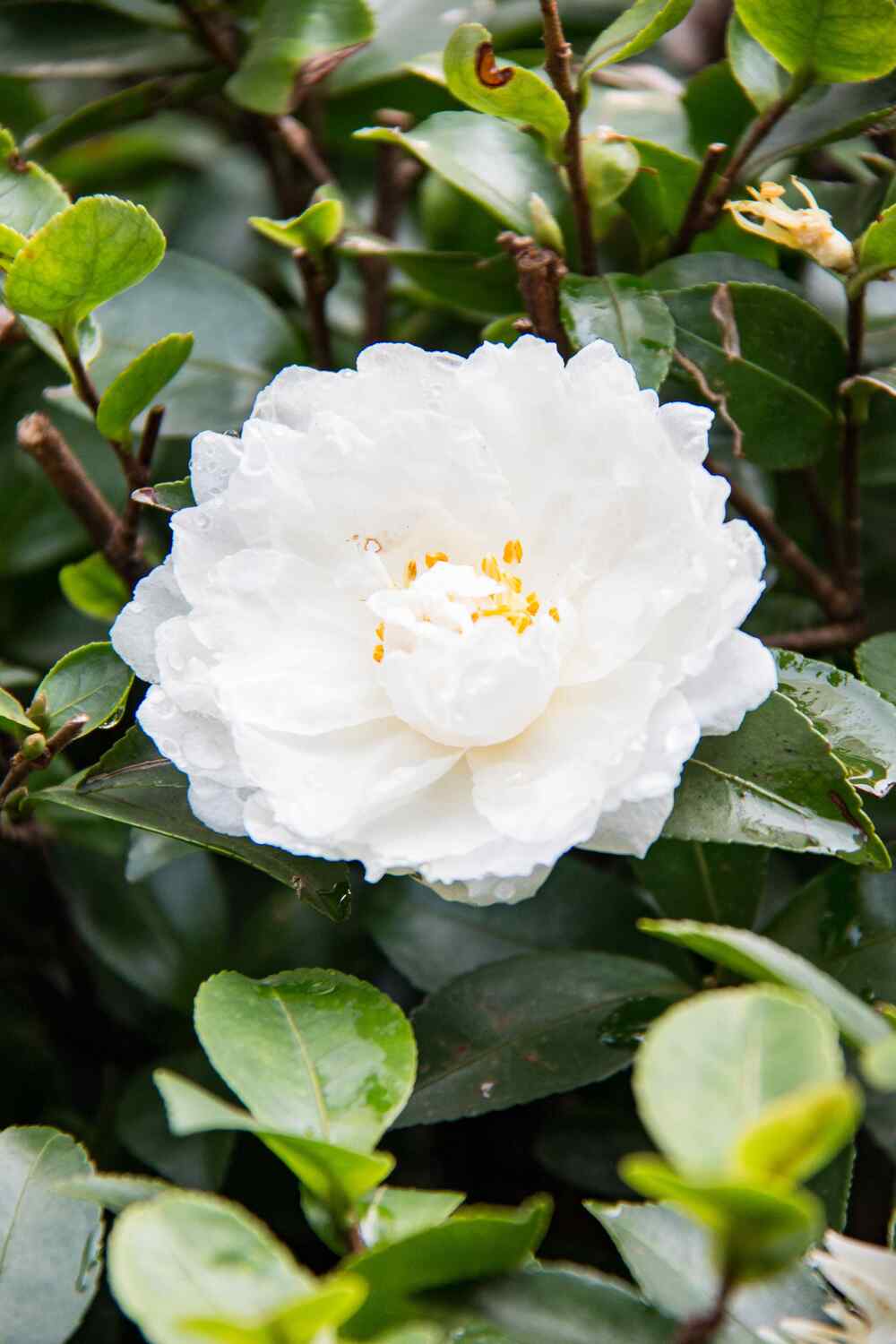
Camellias bring glossy evergreen leaves and stunning flowers when you’re desperate for winter or early spring color. Sun: part shade, bright shade is fine. Zones: often 7–9 (some hardier varieties exist). Soil: acidic, well-draining, moisture-retentive. Size: 3–6 ft, pick a smaller cultivar.
Camellia blooms feel luxurious, like a bouquet that grew itself. Protect buds from morning sun in cold snaps, because freeze-thaw cycles can brown them. I like a simple pot pairing here—no loud companions—maybe just a neat skirt of violas in cool seasons.
7) Hebe
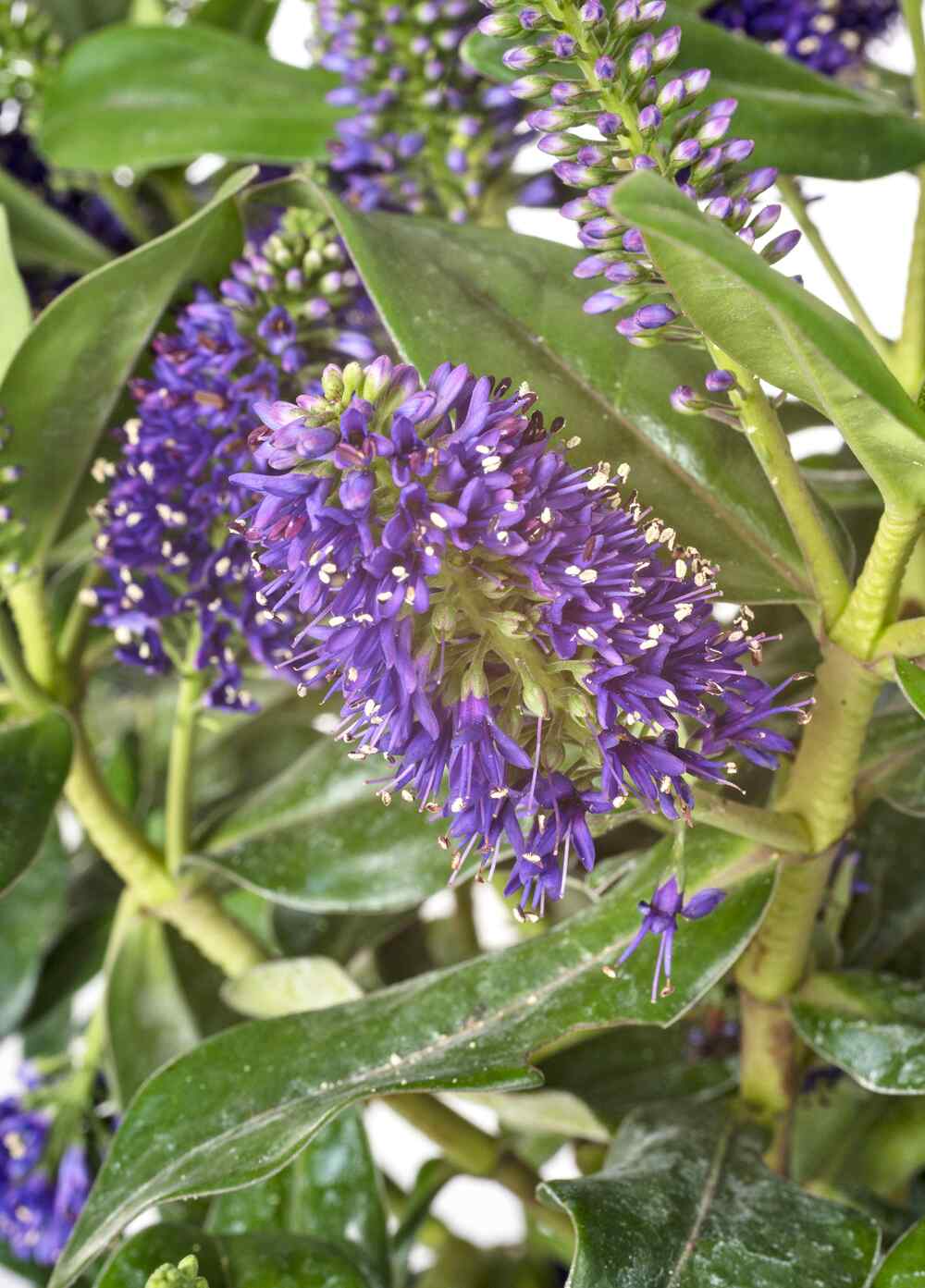
Hebe is one of those shrubs that quietly does its job: evergreen, neat, and often with little flowers that attract bees. Sun: full sun to part sun. Zones: commonly 7–10 (some hardier). Soil: sharply drained, moderate moisture. Size: 1–4 ft depending on variety.
Hebe works beautifully for modern porches because the foliage can be green, purple, or variegated, and the form stays compact. Don’t overwater—roots prefer to dry slightly between waterings. It’s lovely with trailing calibrachoa for a cheerful spill.
8) Skimmia japonica
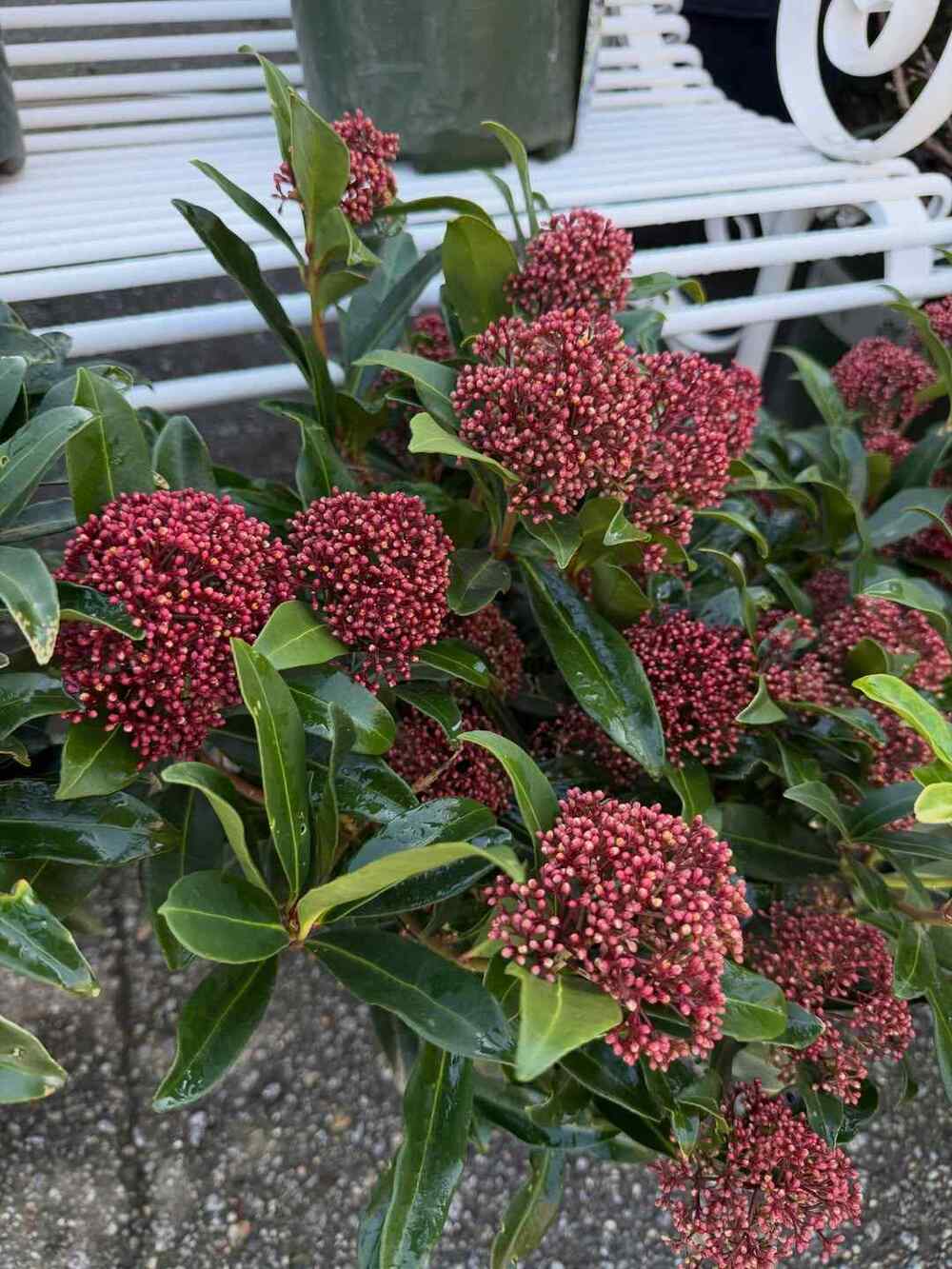
Skimmia is a reliable evergreen for shaded porches, with glossy leaves, spring flowers, and winter berries on many plants. Sun: shade to part shade. Zones: about 6–8. Soil: acidic, well-drained, evenly moist. Size: typically 2–4 ft.
This is one of my go-to shrubs for winter interest, because the berries can carry the pot when everything else is sleeping. If you want berries, check whether your plant needs a pollinator (some cultivars are male/female). Add ivy or ferns in the pot for a woodland feel.
9) Daphne × transatlantica (‘Eternal Fragrance’)
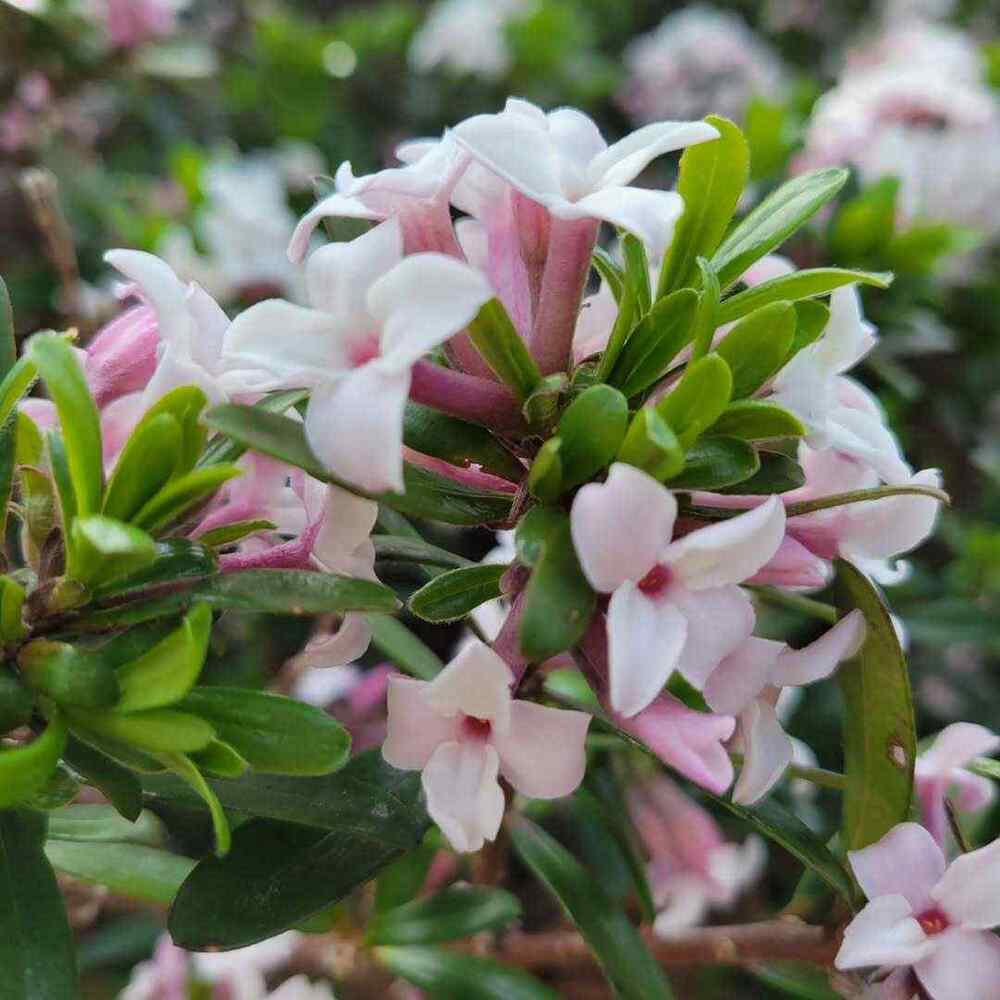
If you want your porch to smell amazing, daphne earns its spot. Sun: part sun, with afternoon shade in hot climates. Zones: around 5–8. Soil: very well-drained, not waterlogged. Size: about 2–3 ft tall and wide.
It can flower for months with pink-flushed white blooms, and the fragrance is the kind you notice from the sidewalk. Daphne dislikes root disturbance, so plant it once and avoid repotting unless necessary. Keep the pot stable and don’t let it sit wet.
10) Photinia (‘Red Robin’)
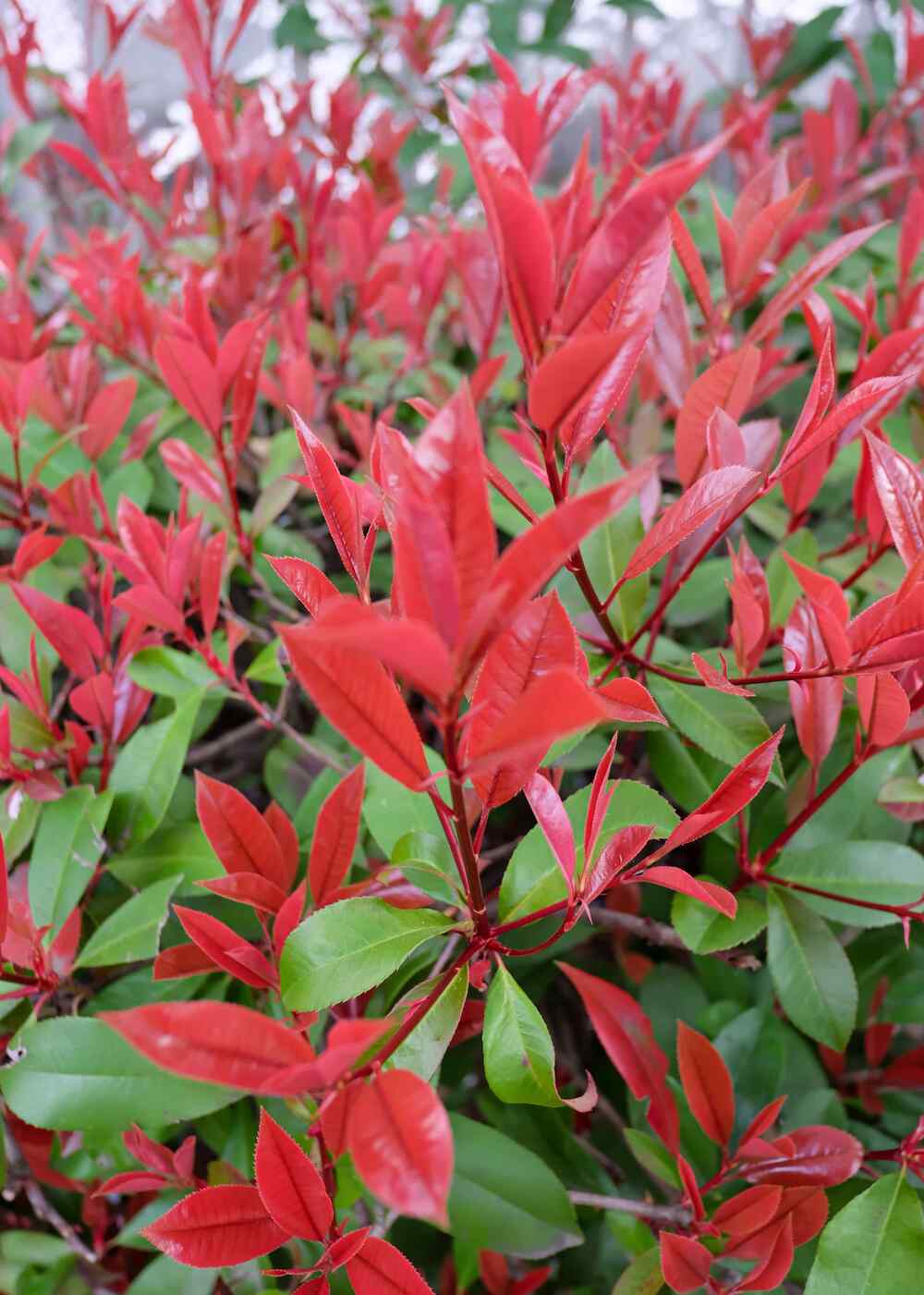
Photinia gives you bold red new growth that stands out like a built-in decoration. Sun: full sun to part sun. Zones: often 7–9. Soil: well-drained, moderately moist. Size: can be large (up to 10+ ft), so keep it pruned or select a smaller cultivar for pots.
The red-and-green contrast reads festive without doing anything extra. It responds well to trimming, which encourages more red new growth. Make sure airflow is decent, because cramped, damp conditions can invite leaf spot issues.
11) Japanese Maple (Dissectum types) — porch “shrub” with artistry
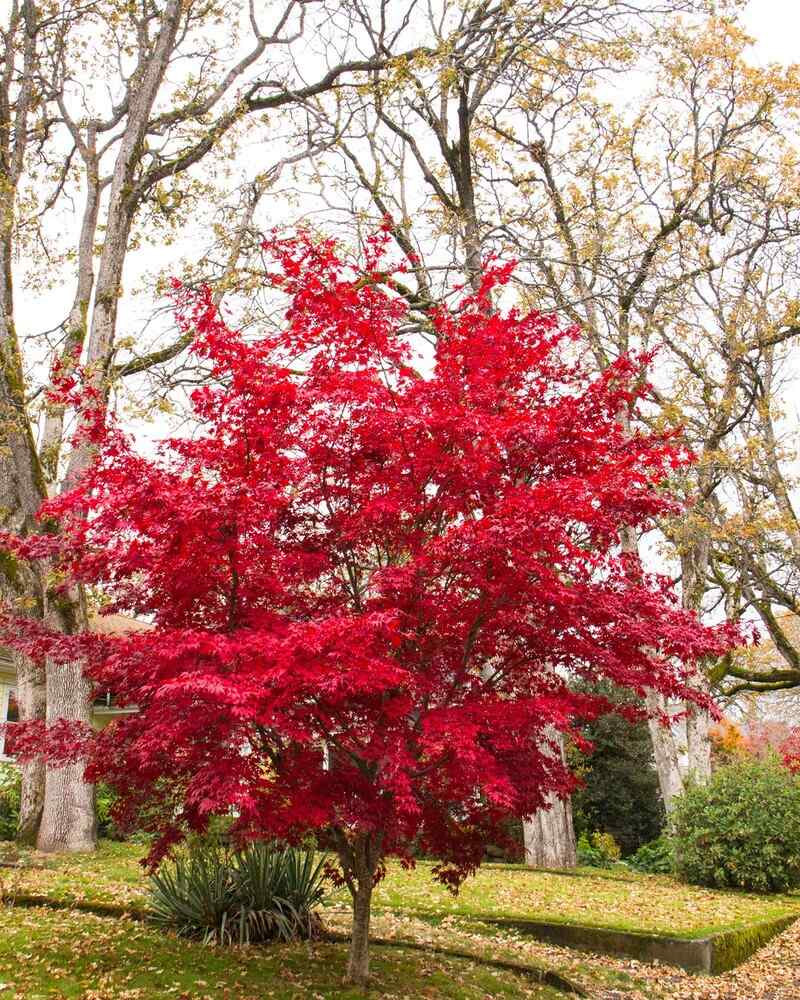
Japanese maples aren’t shrubs in the strictest sense, but dissectum types behave like graceful porch shrubs in pots. Sun: morning sun, afternoon shade; protect from hot wind. Zones: usually 5–8. Soil: well-drained, evenly moist. Size: often 4–8 ft over time.
The fine, lace-like leaves bring instant elegance. Red cultivars glow against light siding; green types soften brick beautifully. Keep the soil consistently moist but never soggy. I like underplanting with something delicate, like creeping Jenny or small seasonal flowers, so the maple stays the star.
Easy finishing touches for “full” pots
A shrub alone can look a little bare at soil level, especially in a tall container. Underplanting fixes that fast. For spill, use creeping Jenny, ivy, or dichondra. For color, petunias, calibrachoa, or violas work well depending on season. The trick is to keep companions shallow-rooted so they don’t compete too aggressively.