Wyoming yards ask a lot from plants: long winters, low humidity, intense sun, and frequent wind. The best shrubs for Wyoming (often Zones 3–5) are tough, drought-tolerant, and able to hold their shape without constant watering. If you want a landscape that feels clean and intentional—evergreen structure, seasonal color, and a little fragrance—these ten shrubs will carry the design from snow season to late summer blooms.
Table of Contents
Shrubs for Wyoming: 10 Reliable Picks for Wind, Drought, and Color
1) Nanking Cherry (Prunus tomentosa)
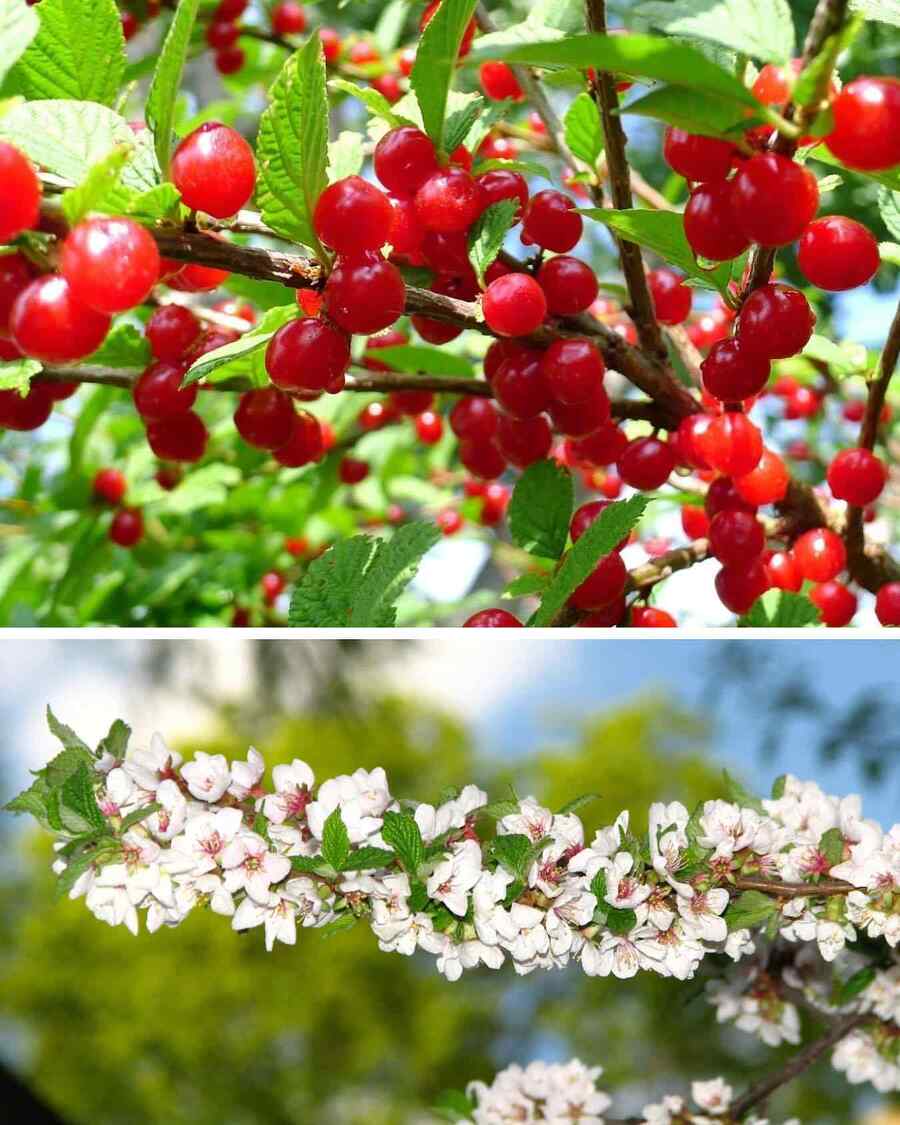
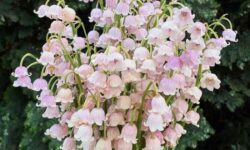
A hardy, early-spring bloomer that brings soft pink-white flowers when the season still feels hesitant. It also produces small edible fruit and handles Wyoming’s dry air better than many ornamentals. Care: Full sun; well-drained soil; moderate water to establish. Tip: Plant on the lee side of a fence or wall to protect flowers from wind. Best use: Edible landscape accent, informal hedge, sunny foundation edge.
2) Common Lilac (Syringa vulgaris)
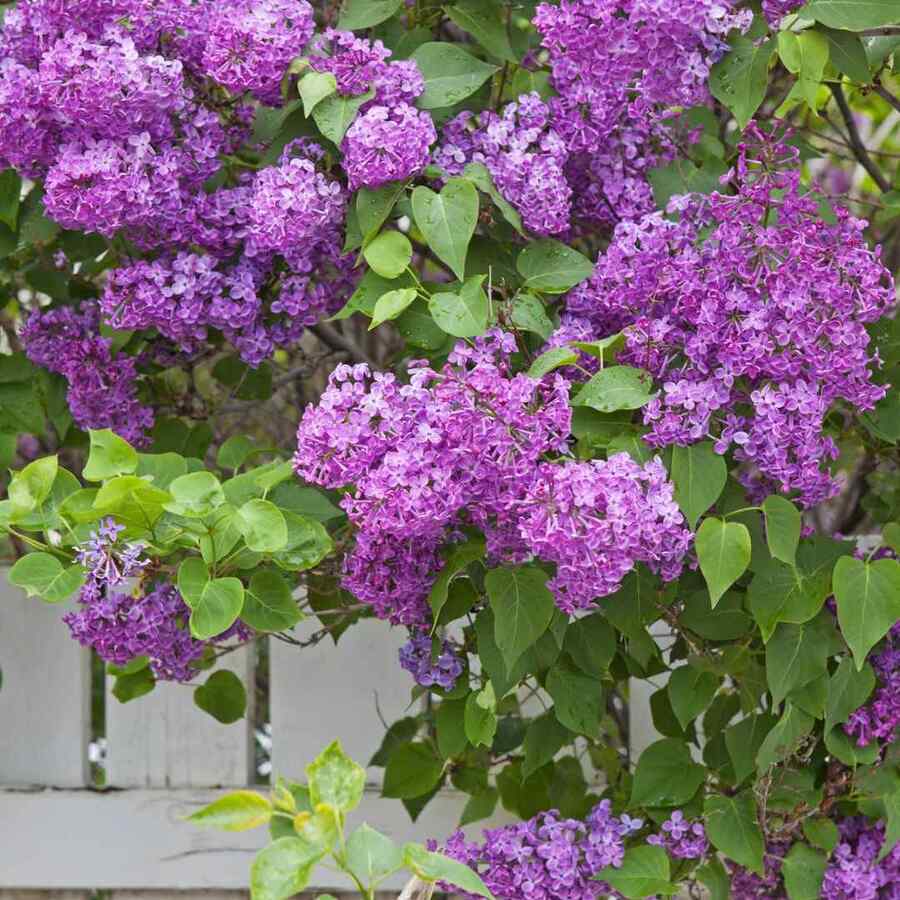
A classic for a reason: fragrance, reliable bloom, and cold tolerance. Many varieties reach 12–15 feet, giving you height and privacy without a formal “wall” feeling. Care: Full sun; well-drained soil; moderate water first year. Tip: Prune right after flowering so next year’s buds aren’t removed. Best use: Screening near patios, along property lines, or as a spring focal point near the front walk.
3) Three-leaf Sumac (Rhus trilobata)
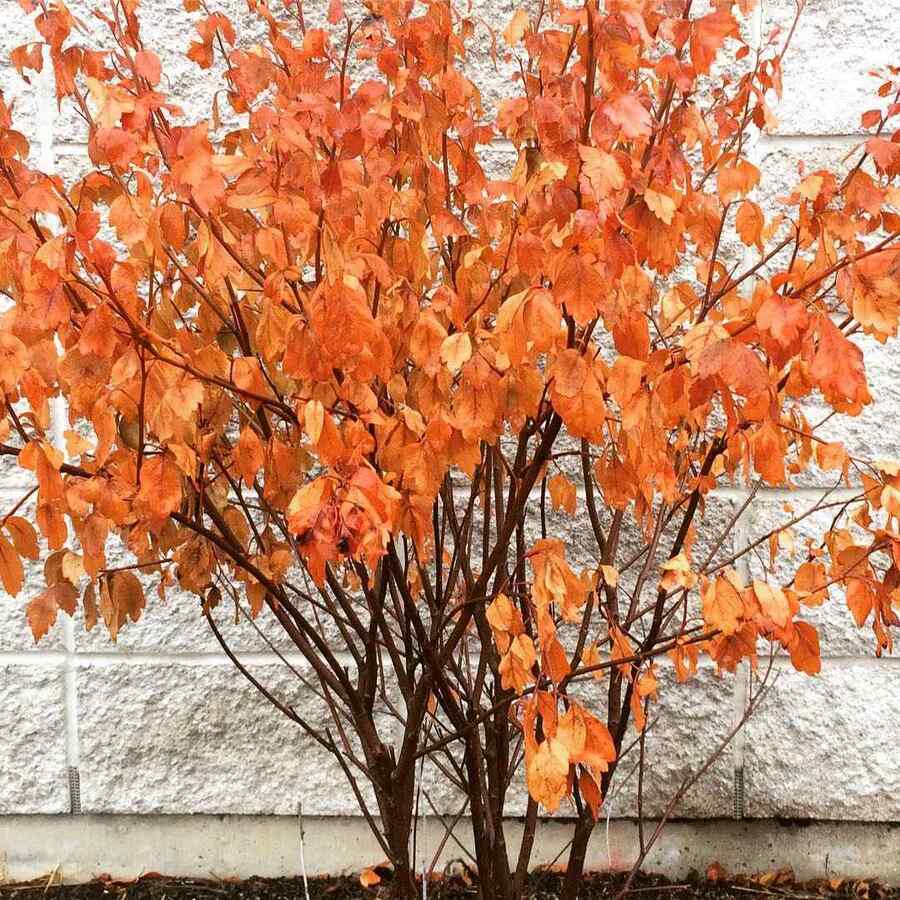
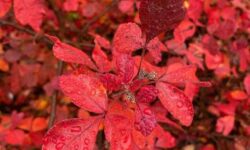
This native shrub is built for Wyoming—drought-tolerant, wind-tough, and full of fall color. Its dense branching makes it a great “soft barrier” that looks natural rather than stiff. Care: Full sun–part shade; lean, well-drained soils. Tip: Use it in repeating groups to create a calm, western-style rhythm across a slope. Best use: Erosion control, naturalized borders, low windbreak layers.
4) Rocky Mountain Juniper (Juniperus scopulorum)
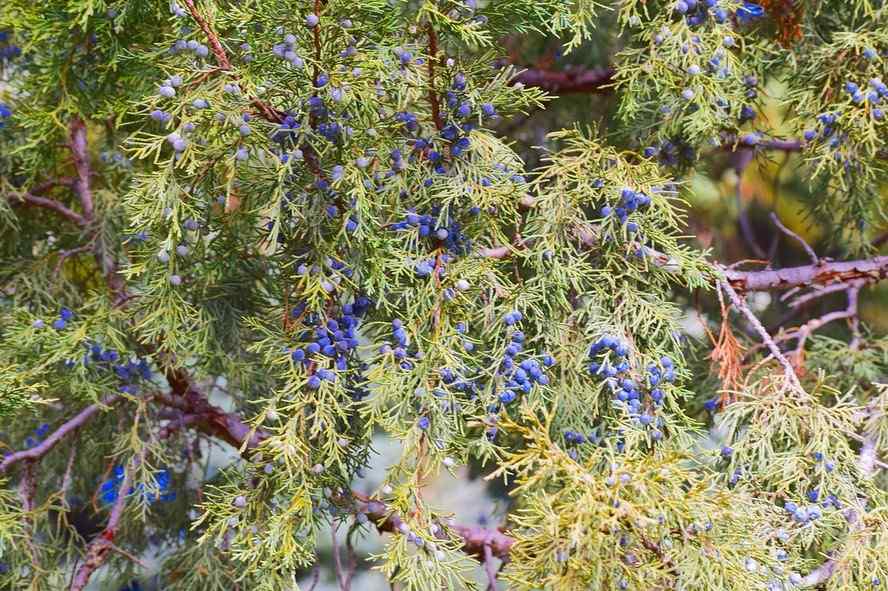
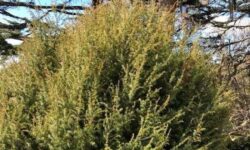
When winter is long, evergreens do the heavy lifting. Rocky Mountain juniper provides year-round structure, excellent cold tolerance, and real windbreak value. Care: Full sun; well-drained soil; low water once established. Tip: Give it spacing and airflow; avoid soggy sites. Best use: Privacy screens, shelterbelts, foundation structure, and “anchor” plants at corners.
5) Red Twig Dogwood (Cornus sericea)
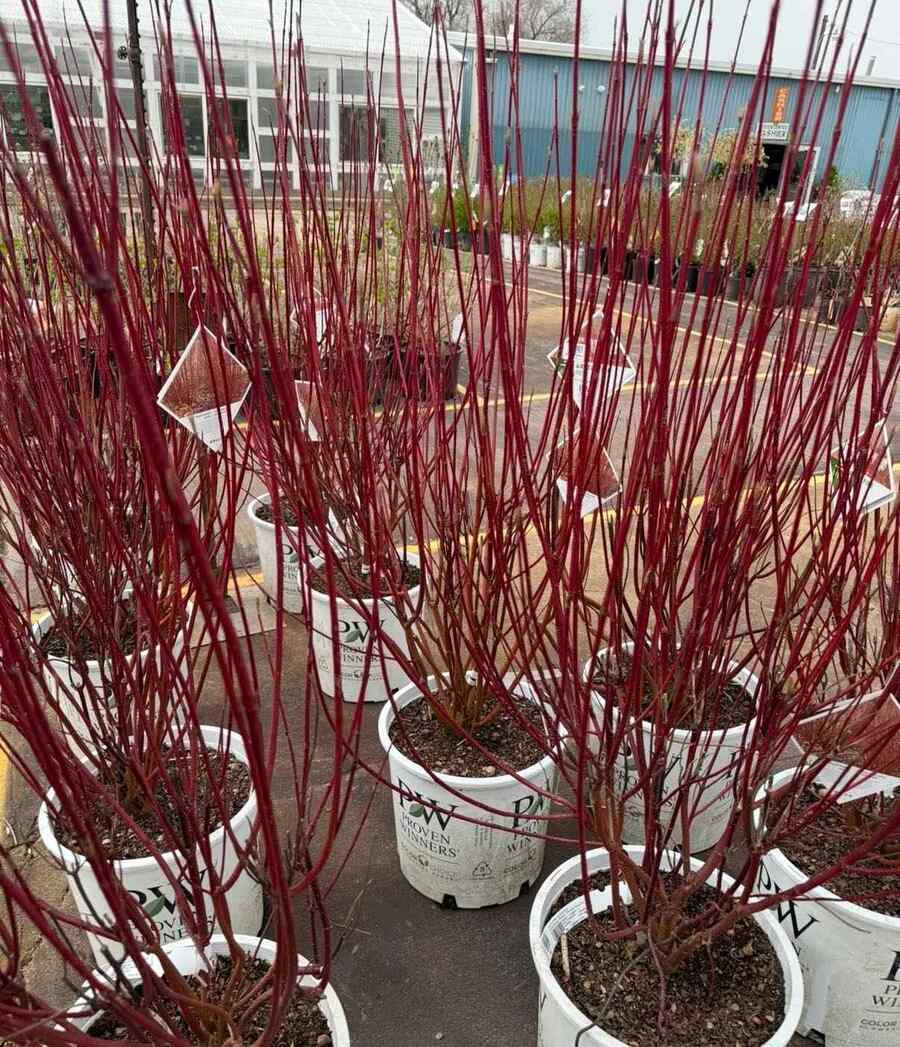
If you want winter color that doesn’t rely on flowers, this is it—bright red stems against snow and tan grasses. It’s one of the most satisfying shrubs for Wyoming for four-season impact. Care: Sun–part shade; average to moist soil (handles heavier soil better than many). Tip: Each spring, remove a few oldest stems at ground level to keep new growth vivid. Best use: Snow-season focal point, near downspouts, along swales.
6) Yellow Flowering Currant (Ribes odoratum)
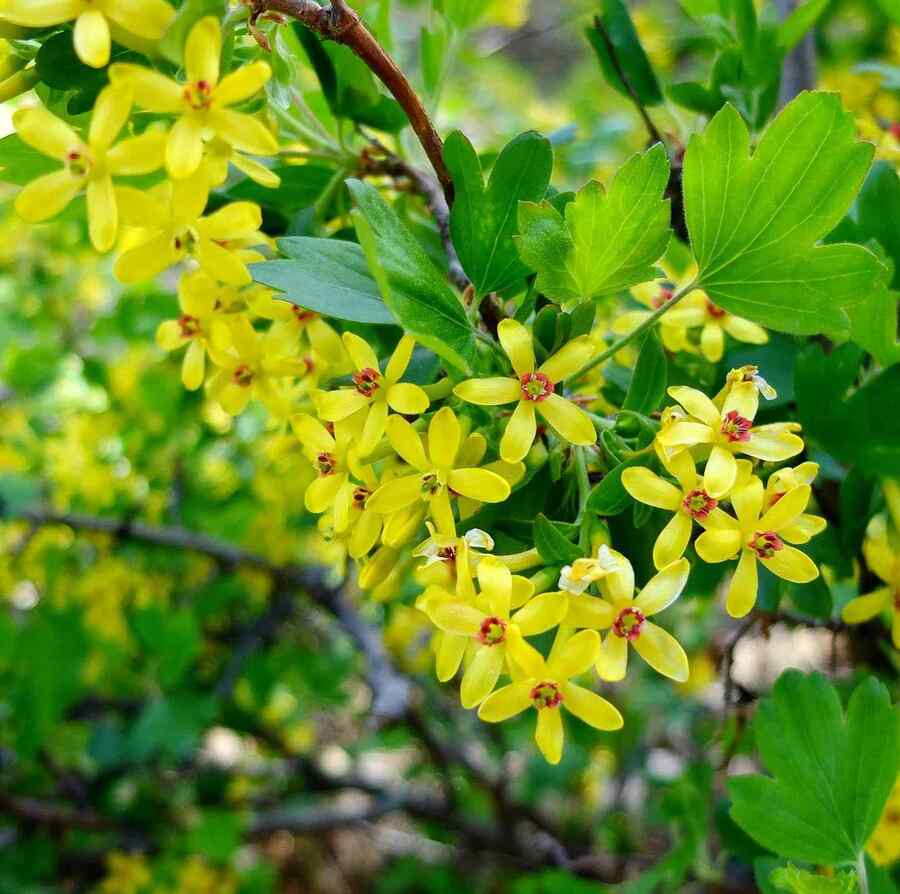
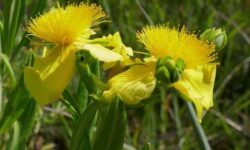
A hardy native with cheerful yellow blooms and a sweet fragrance in spring. It’s an easy way to add softness and scent to a dry-climate landscape without high demands. Care: Full sun–part shade; well-drained soil; moderate water to establish. Tip: Place it near a path or entry so the fragrance becomes part of your daily routine. Best use: Foundation beds, mixed shrub borders, pollinator support.
7) Canada Red Chokecherry (Prunus virginiana ‘Canada Red’)
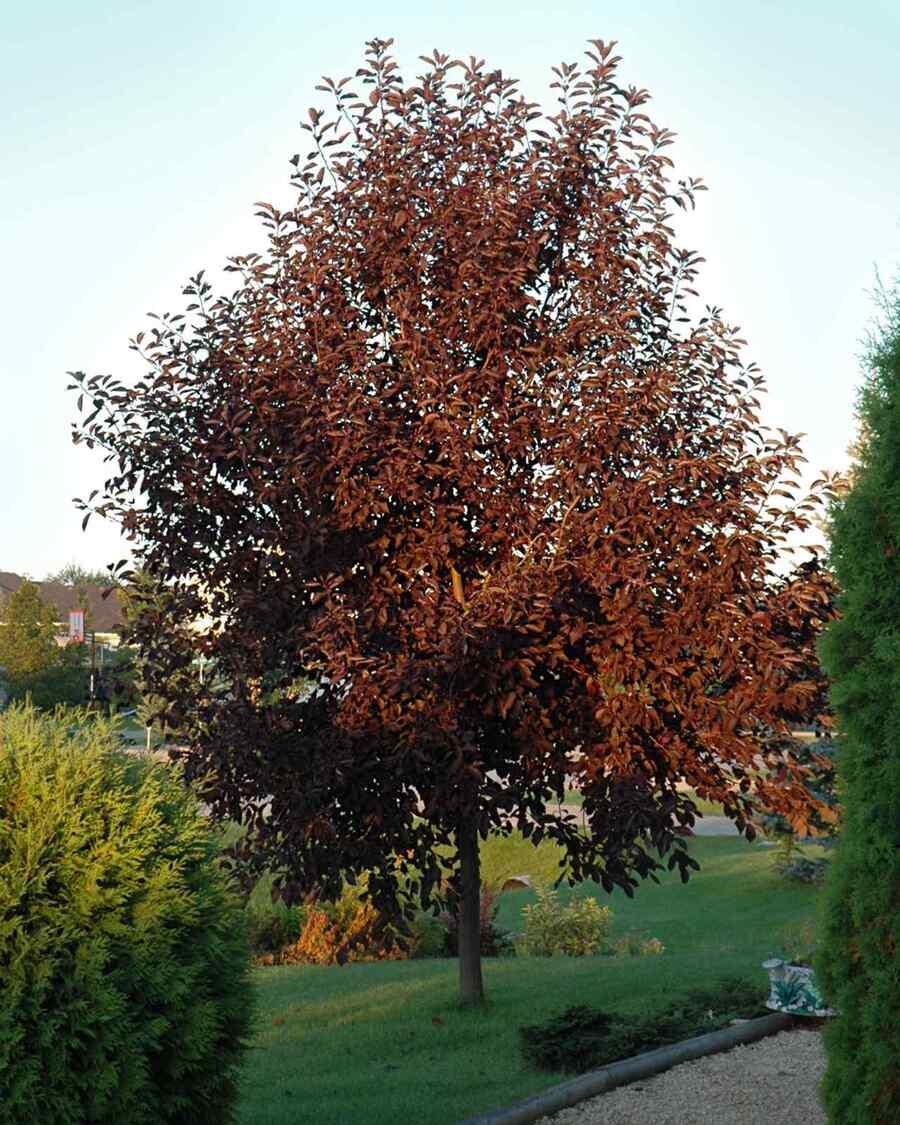
A native tree-shrub with standout foliage that shifts toward purple, plus clusters of berries that wildlife appreciates. It’s adaptable and tough, with a strong presence in the landscape. Care: Full sun–part shade; adaptable soil. Tip: Use it as a “color echo” behind silvery or tan plants (sage, grasses) for a high-contrast western palette. Best use: Privacy planting, wildlife edges, accent specimen.
8) Antelope Bitterbrush (Purshia tridentata)
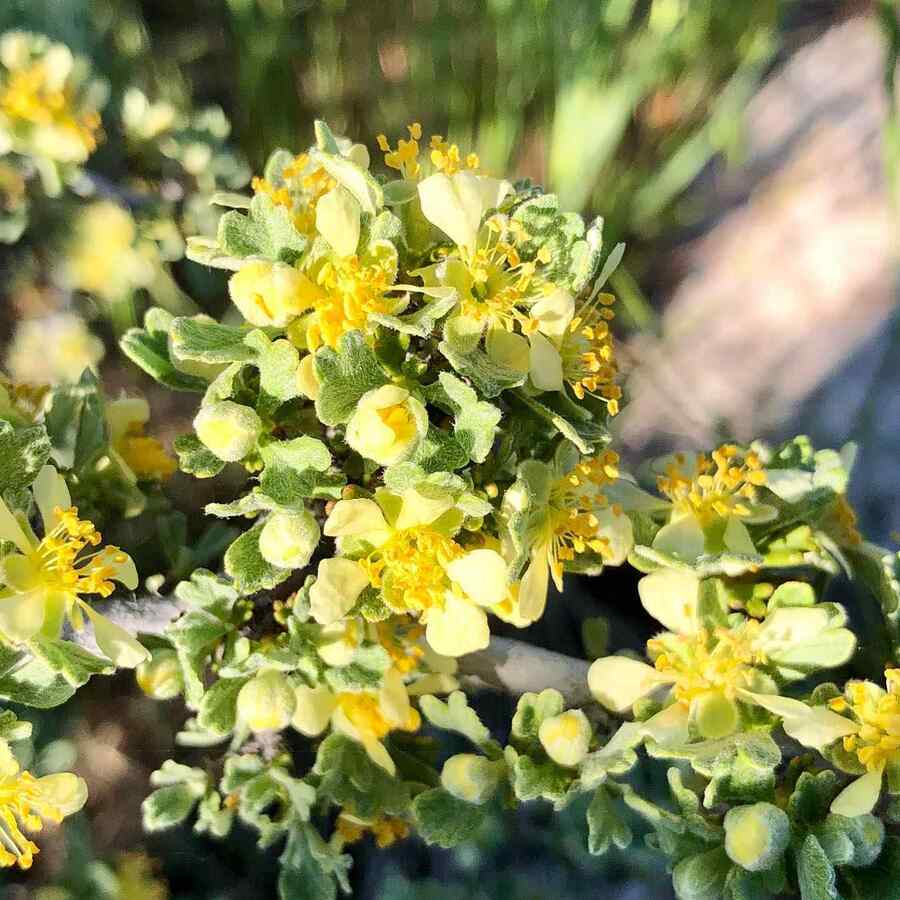
A drought specialist that feels authentically Wyoming. Bitterbrush thrives in poor, dry soils and supports local ecology, especially in more naturalized settings. Care: Full sun; very well-drained soil; minimal supplemental water once established. Tip: Keep it out of rich, irrigated beds—this plant prefers lean conditions. Best use: Xeriscapes, dry slopes, native plant gardens.
9) Rubber Rabbitbrush (Ericameria nauseosa)
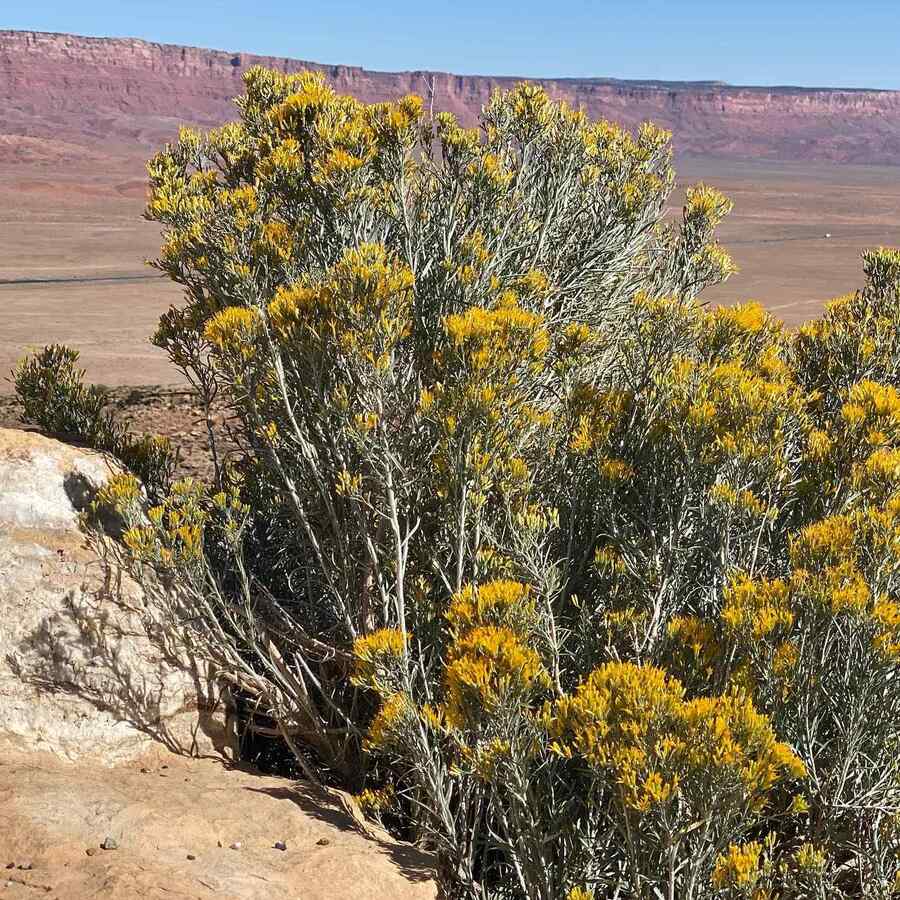
For late-season color when many shrubs are done, rabbitbrush shines with bright yellow blooms in late summer into fall. It’s rugged, drought-tolerant, and pairs beautifully with ornamental grasses. Care: Full sun; well-drained soil; low water. Tip: Shear lightly in early spring to keep it compact and prevent flopping. Best use: Pollinator plantings, xeriscapes, sunny borders.
10) Alpine Currant (Ribes alpinum)
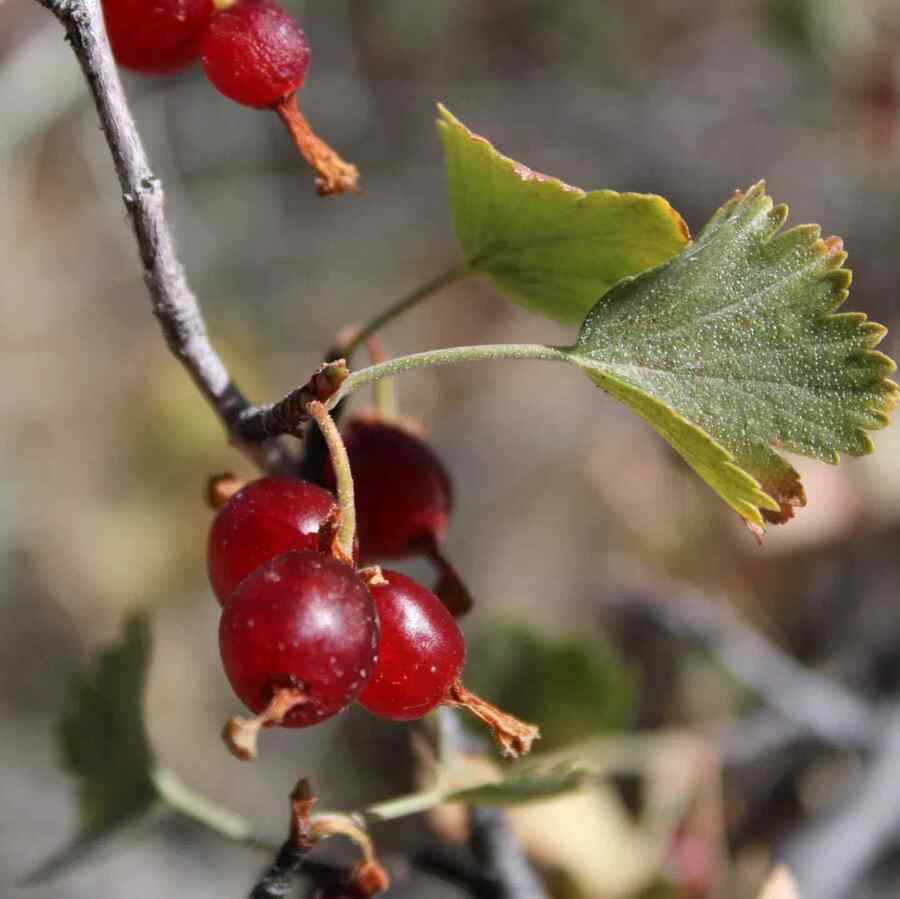
A tidy, very hardy shrub that works beautifully as a hedge in cold climates. It’s low-maintenance, handles pruning, and brings a clean, structured feel to windy sites. Care: Sun–part shade; adaptable soil; moderate water to establish. Tip: For a crisp hedge, shear lightly once in early summer; for a softer look, thin a few stems instead. Best use: Hedges, foundation lines, property borders.
Simple Wyoming Planting Plan That Feels Finished
-
Start with wind structure: use Rocky Mountain juniper as anchors, then layer alpine currant or sumac in front.
-
Add seasonal “moments”: lilac and yellow currant for spring fragrance; rabbitbrush for late-season color; red twig dogwood for winter glow.
-
Design for your routine: place fragrance near doors, bold winter stems near windows, and drought natives farther from irrigation.
These shrubs for Wyoming keep your landscape resilient, attractive, and practical in real Wyoming conditions.
FAQ
1) When is the best time to plant shrubs in Wyoming?
Late spring after hard freezes ease, or early fall while soil is still warm. Both windows help roots establish before extremes.
2) What shrubs work best as windbreaks in Wyoming?
Rocky Mountain juniper is a top choice for year-round protection. Lilac and chokecherry also work well as a deciduous screen.
3) Which shrubs are most drought-tolerant for Wyoming yards?
Antelope bitterbrush, rubber rabbitbrush, three-leaf sumac, and Rocky Mountain juniper handle dry, windy conditions exceptionally well once established.
4) How do I help new shrubs survive Wyoming wind and sun?
Water deeply (not frequently) during the first season, mulch to reduce evaporation, and use a temporary wind screen or plant near a fence for protection.