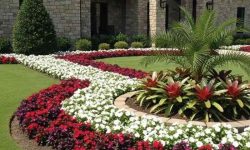
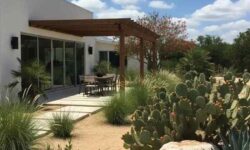
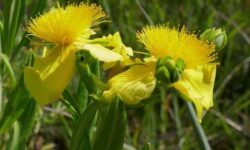
Washington gardens have a special kind of beauty—misty springs, bright summers, and long, damp winters that reward plants with strong roots and steady performance. If you want a landscape that stays attractive without constant fuss, choosing the right shrubs for Washington is one of the smartest moves you can make. The options below are proven performers for the Pacific Northwest, offering evergreen structure, spring flowers, berries for birds, and fall color—often with minimal maintenance once established.
Table of Contents
Shrubs for Washington: 10 Best Choices for PNW Yards
Each pick below includes what it does best and how to place it so your yard feels intentional—not random.
1) Rhododendron (Evergreen)
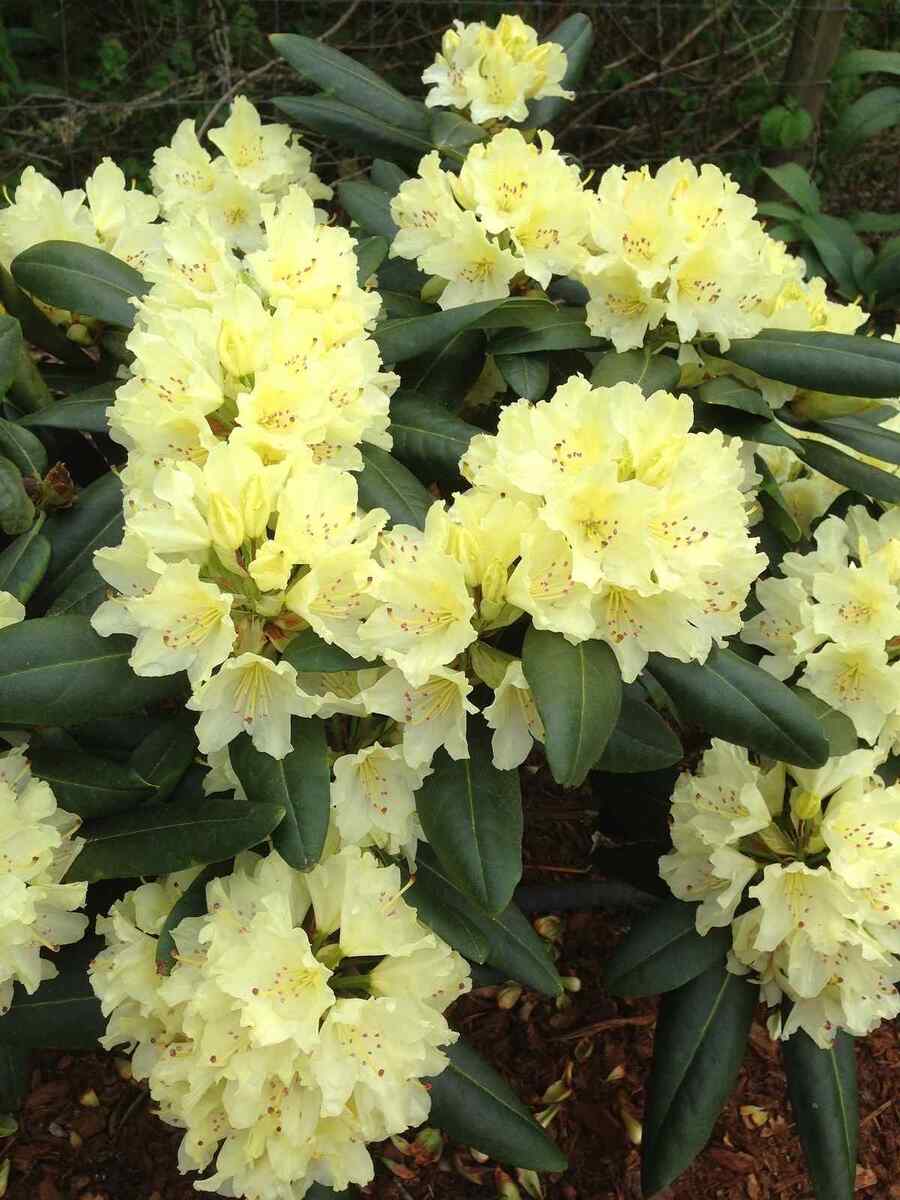
Rhododendrons are a signature shrub in Washington for a reason: glossy leaves all year and dramatic spring blooms in pink, purple, white, and red. They prefer acidic, well-drained soil and dappled shade, especially protection from hot afternoon sun.
Best use: foundation plantings, woodland borders, and “wow” corners near entry paths.
Care tip: mulch with pine bark and water deeply during dry spells; avoid planting too deep.
2) Salal (Gaultheria shallon) (Native/Evergreen)
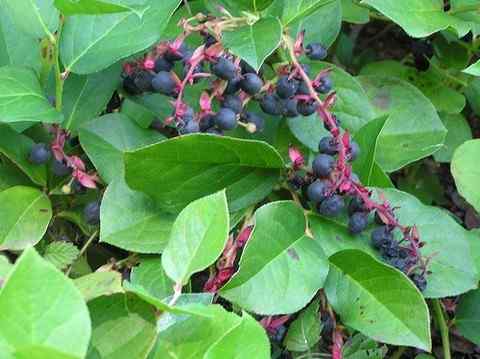
Salal is a tough native evergreen that handles shade, root competition, and coastal conditions better than many ornamentals. It produces small white-to-pink flowers and edible deep-purple berries that wildlife love.
Best use: under evergreens, along fences, and as a naturalistic ground-to-mid layer.
Care tip: let it form colonies; prune lightly after flowering to keep it tidy and dense.
3) Boxwood (Evergreen)
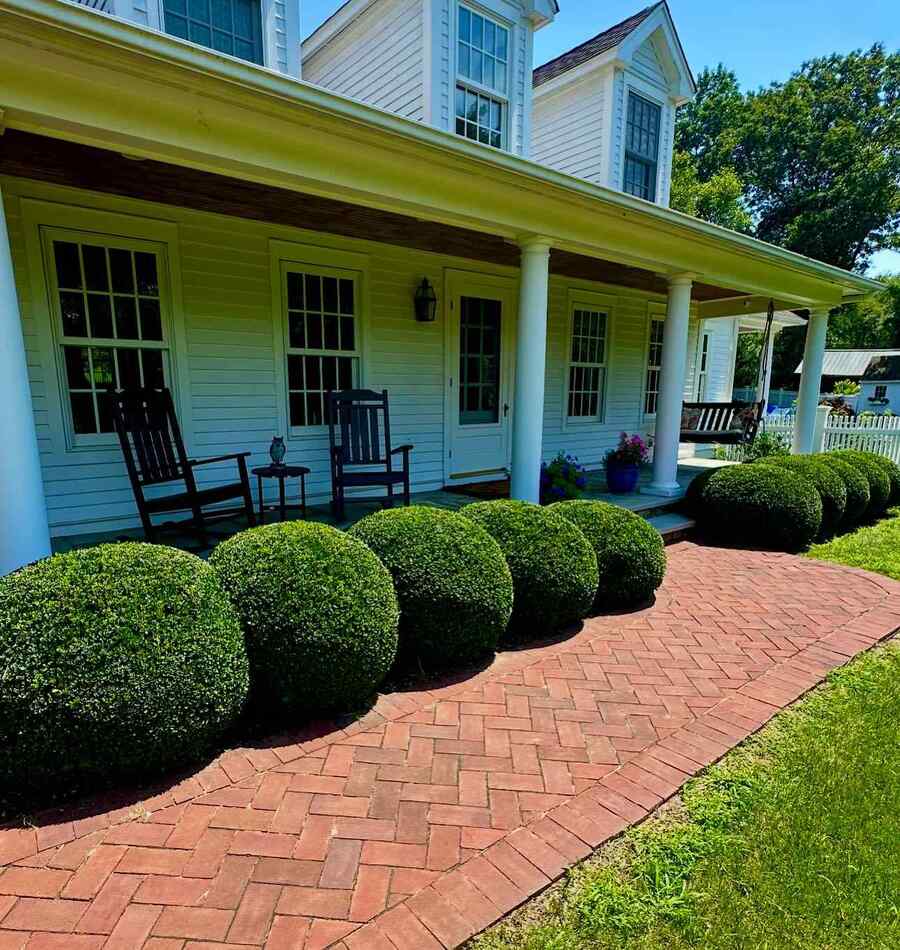
For clean lines and a classic garden feel, boxwood brings year-round structure. It’s one of the best shrubs for Washington if you like a formal look—think clipped spheres, low hedges, and edging that makes flower beds feel “finished.”
Best use: front walk borders, low privacy screens, and containers near patios.
Care tip: give it airflow and morning sun; water at the base to reduce leaf issues.
4) Juniper (Evergreen)
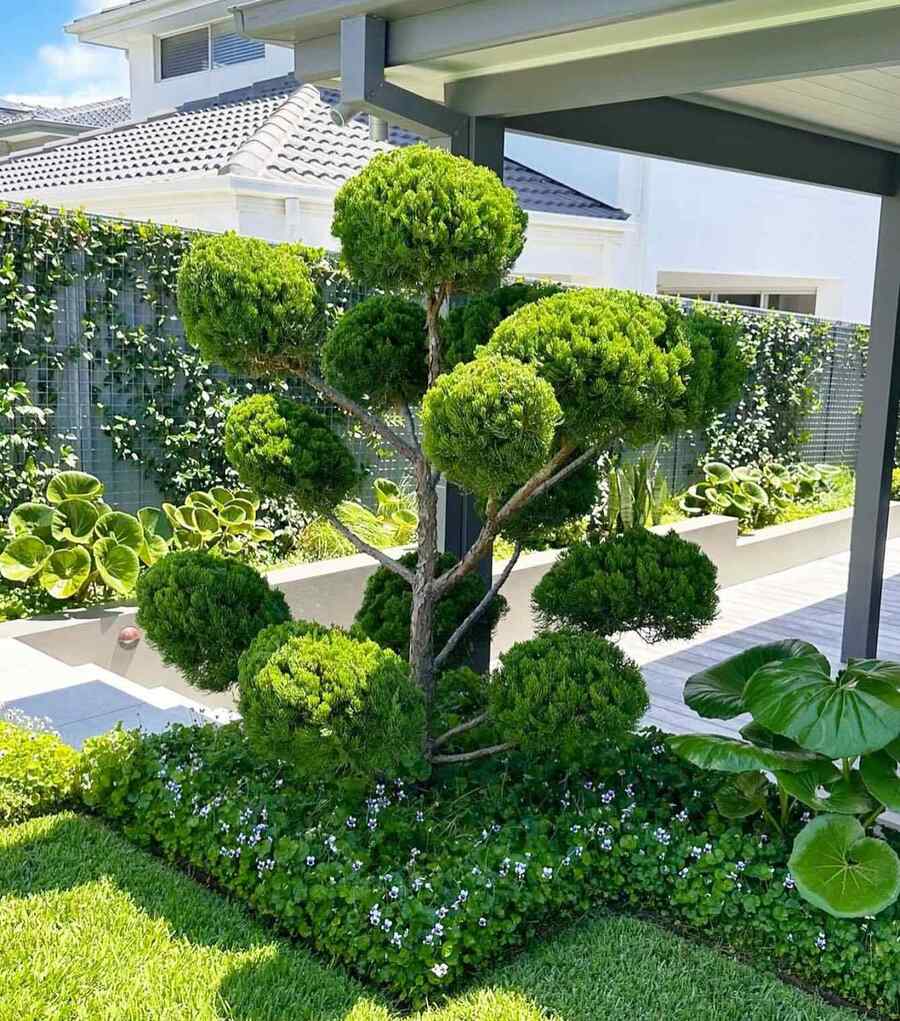
Junipers are durable, drought-tolerant shrubs that range from low groundcovers to upright forms. They’re excellent when you want evergreen color without babying the plant, and they handle poor soils once established.
Best use: sunny slopes, rock gardens, erosion control, and modern landscapes.
Care tip: plant in full sun and avoid soggy soil—drainage matters more than fertilizer.
5) Viburnum (Deciduous/Semi-evergreen)
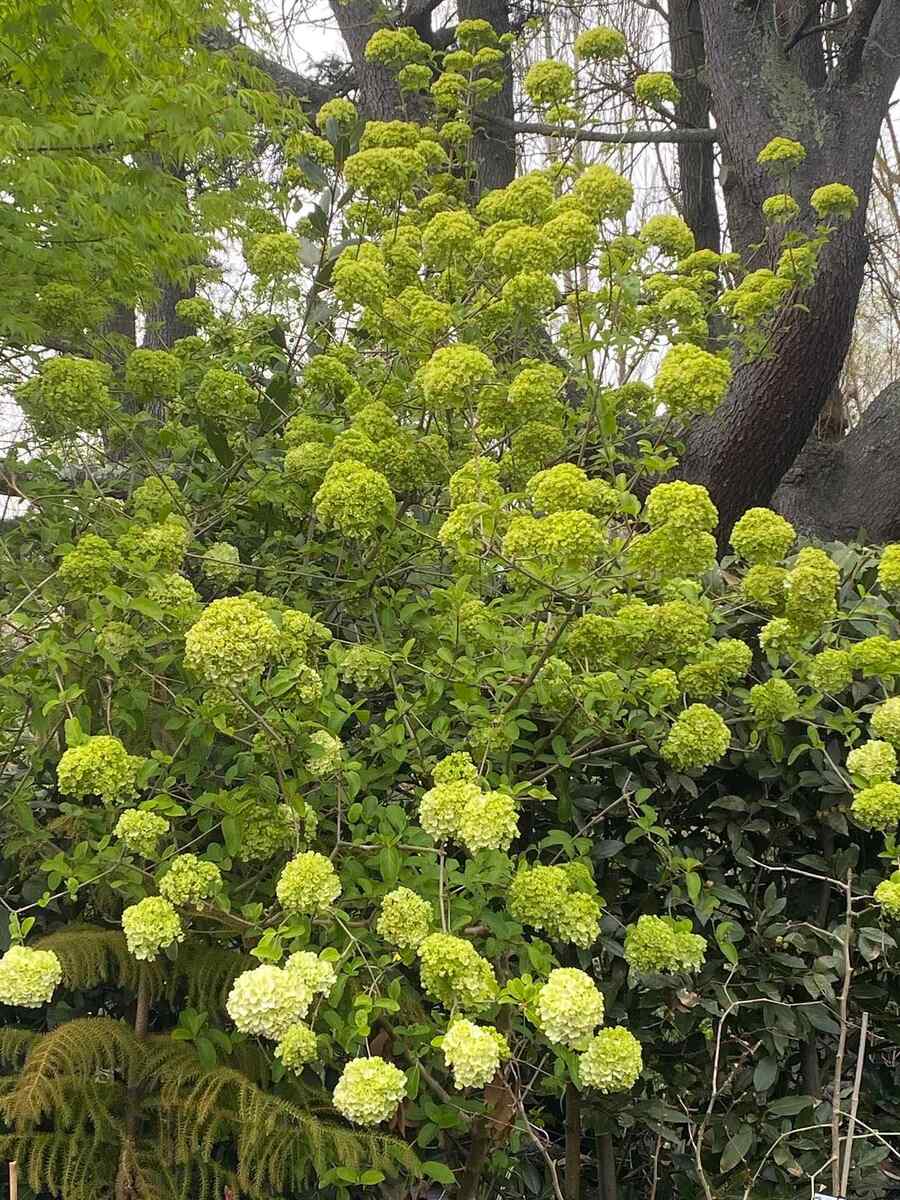
Viburnums bring fragrance, spring flowers, berries, and often excellent fall color—especially varieties like arrowwood viburnum. They’re flexible shrubs that can look polished or natural depending on pruning style.
Best use: mixed borders, informal hedges, and wildlife-friendly screens.
Care tip: prune right after flowering if needed; some types bloom on old wood.
6) Arborvitae / Thuja (Evergreen)
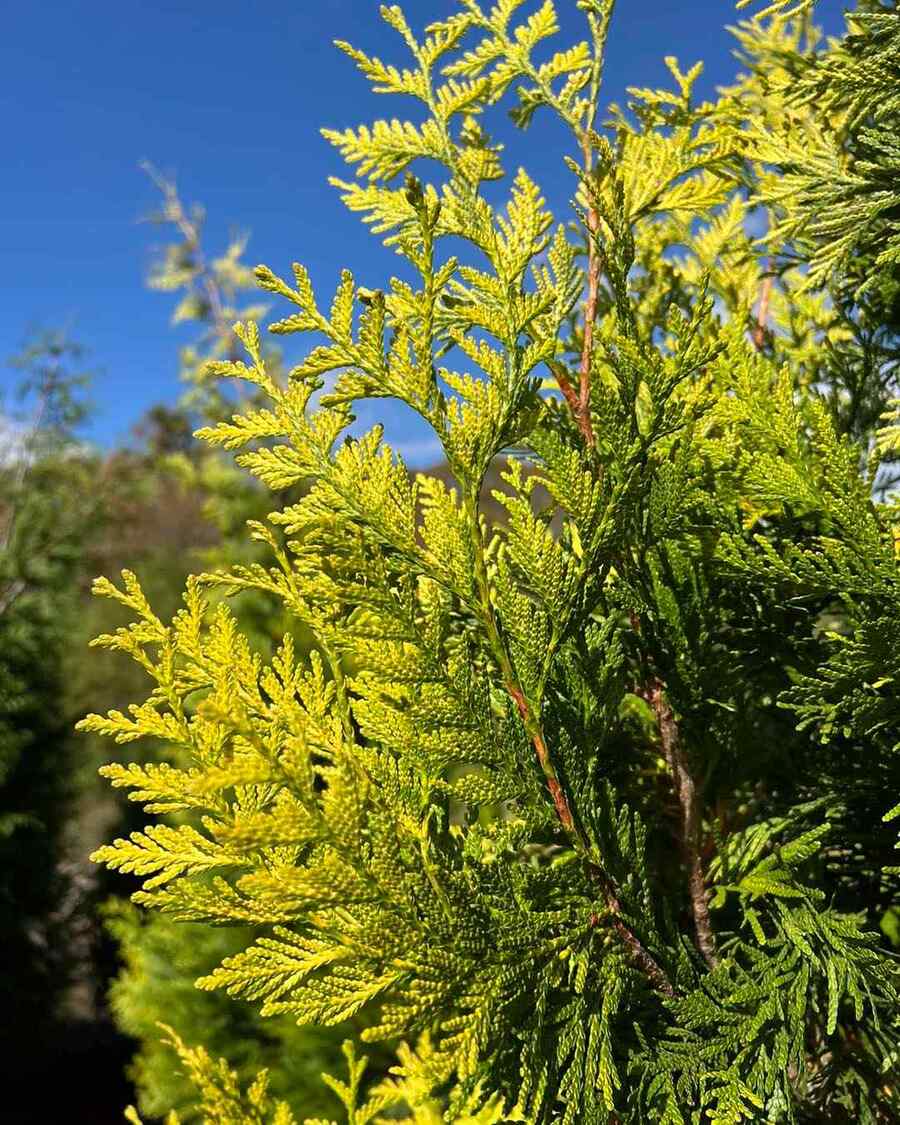
If privacy is the goal, arborvitae is a go-to in Washington. Narrow, upright varieties create fast green walls, soften property lines, and reduce street noise visually and psychologically.
Best use: privacy hedges, windbreaks, and backdrop planting behind perennials.
Care tip: water consistently for the first 1–2 summers; mulch to keep roots cool and moist.
7) Camellia (Evergreen)
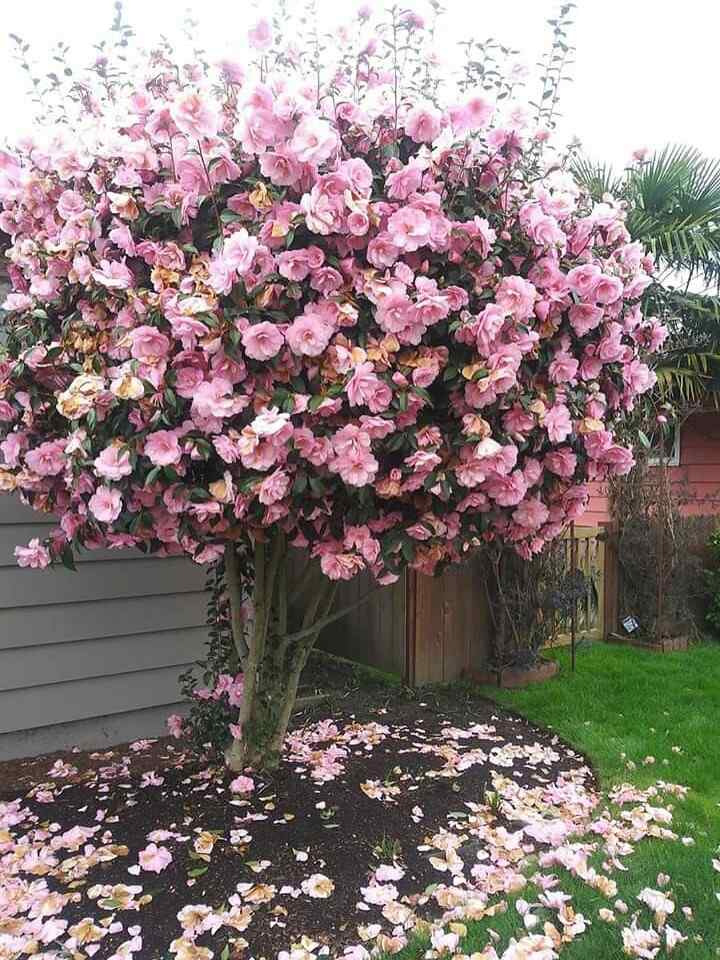
Camellias are the winter and early-spring mood-lifters: glossy leaves plus rose-like blooms when much of the garden rests. They thrive in part shade and appreciate protection from harsh wind and morning frost.
Best use: near entryways, patios, and windows where winter flowers can be enjoyed up close.
Care tip: keep soil evenly moist and acidic; avoid hot afternoon sun in exposed sites.
8) Golden Currant (Ribes aureum) (Native)
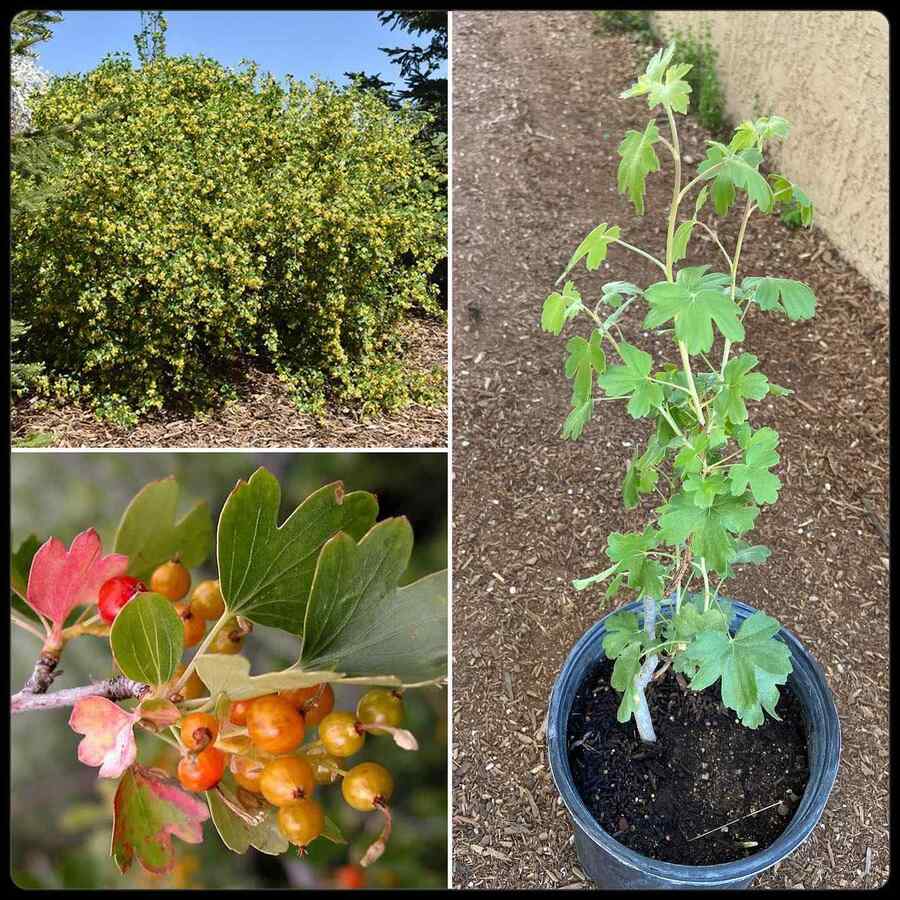
Golden currant offers cheerful fragrant yellow spring flowers that support early pollinators. As a native, it’s well-suited to local rhythms and can handle a range of conditions with reasonable care.
Best use: wildlife gardens, mixed borders, and sunny-to-part-shade areas.
Care tip: prune older stems to encourage new growth; give it room for a naturally graceful shape.
9) Red Chokeberry (Aronia arbutifolia) (Deciduous)
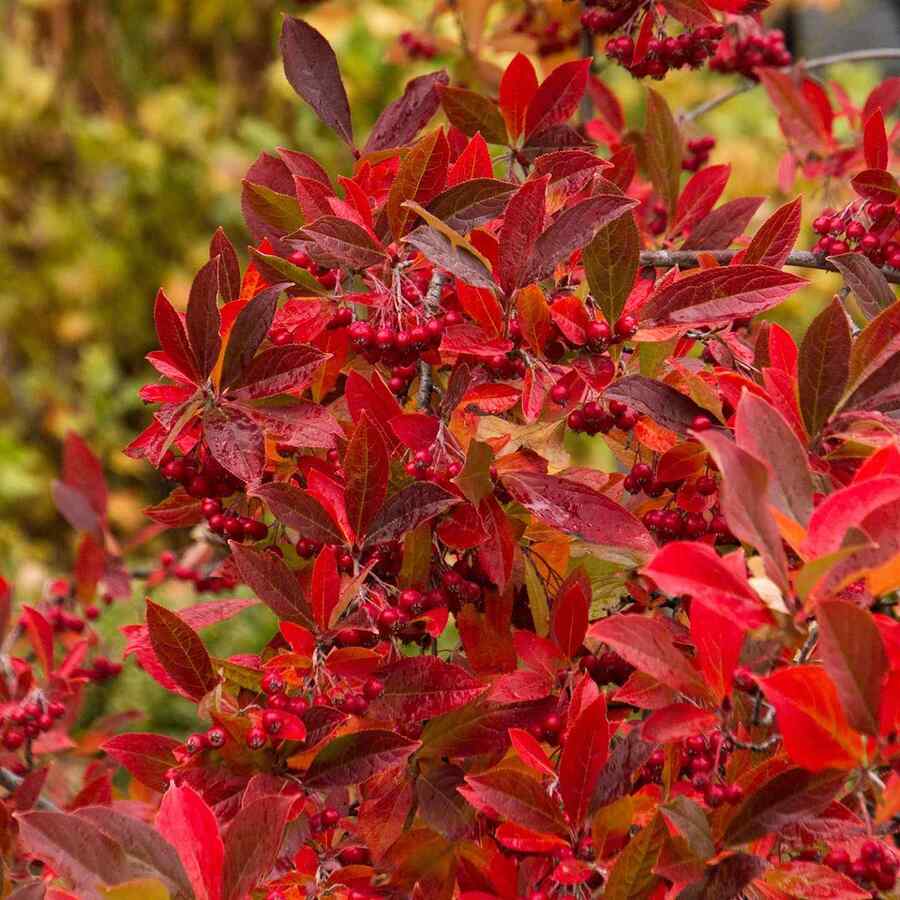
Red chokeberry delivers four-season value: white spring flowers, glossy summer foliage, vivid red fall color, and persistent red berries into winter. It’s one of the most decorative shrubs for Washington if you want color without constant replanting.
Best use: rain-garden edges, mixed shrub borders, and natural screens.
Care tip: it tolerates moisture better than many shrubs, but still appreciates decent drainage.
10) Pieris ‘Mountain Fire’ (Evergreen)
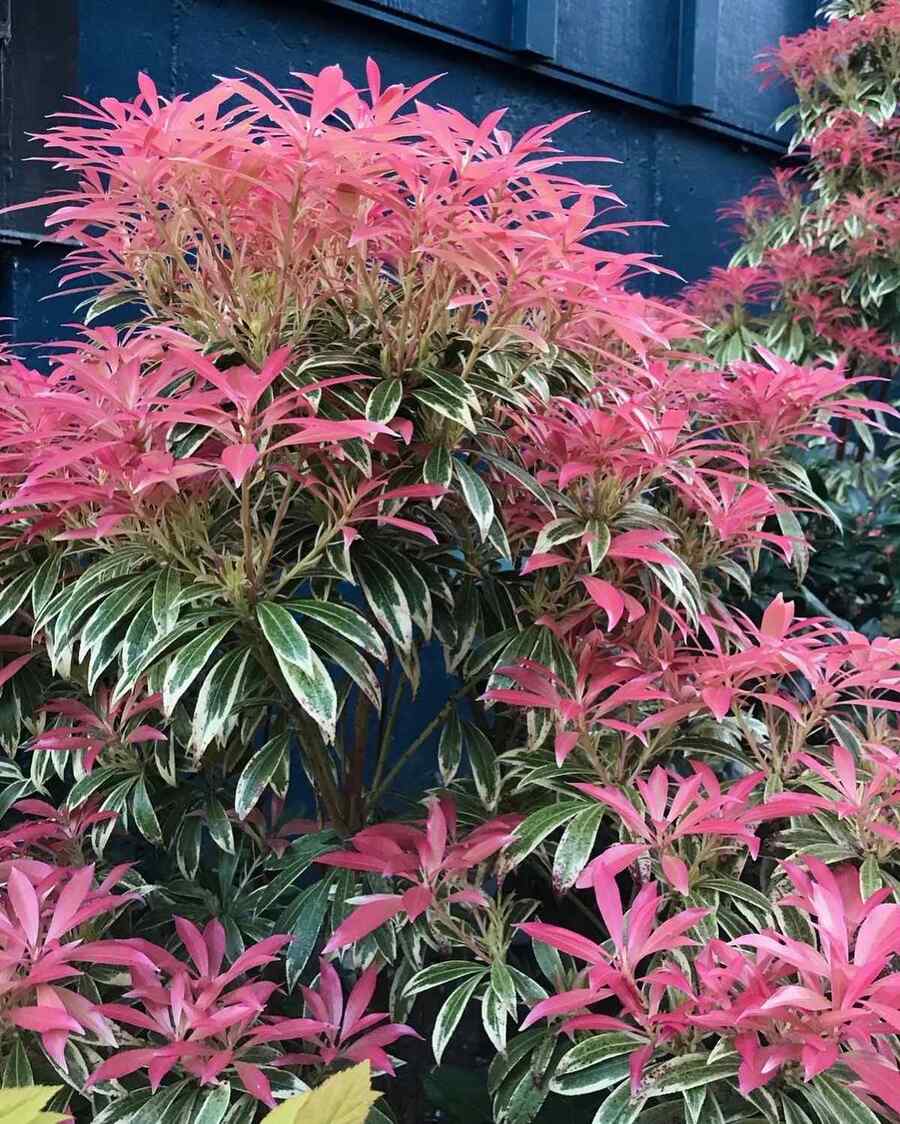
Pieris brings an elegant layered look: arching clusters of bell-shaped spring flowers and famous fiery red new growth that brightens shade gardens. Like rhododendrons, it prefers acidic soil.
Best use: alongside rhododendrons, in foundation beds, and in shade-focused designs.
Care tip: protect from drying winter winds; mulch and water during summer drought.
Simple Planting Guidance for Washington Yards
-
Match light first: shade-lovers (rhododendron, salal, pieris, camellia) vs. sun-lovers (juniper, golden currant, many viburnums).
-
Think in layers: tall screen (thuja) + mid structure (viburnum/aronia) + evergreen anchor (boxwood/pieris).
-
Water smart early: most shrubs settle in beautifully after 1–2 seasons of steady deep watering.
FAQ
1) What are the easiest low-maintenance shrubs for Washington?
Salal, juniper, and many viburnums are reliable once established, especially when planted in the right light and soil.
2) Which shrubs for Washington work best for privacy?
Arborvitae (thuja) is the classic choice for a dense screen. Viburnum can also form an attractive, informal privacy hedge.
3) Do rhododendrons and pieris need special soil?
Yes—both prefer acidic, well-drained soil. A pine-bark mulch and consistent moisture help them thrive.
4) Which shrubs provide winter interest?
Camellia flowers in winter/early spring, arborvitae and boxwood stay green, and red chokeberry holds berries into winter.