If you garden in Virginia, you already know the “real” challenge: hot, humid summers, occasional drought, surprise cold snaps, and that famous clay soil. The good news is that many shrubs for Virginia handle these conditions gracefully—especially native picks that evolved here.
Below are 10 dependable choices (a mix of natives and proven landscape staples) that give you flowers, berries, evergreen structure, and fall color without fussy care. I’ll point out where each shrub shines, plus simple placement tips so your yard feels intentional and welcoming.
Table of Contents
Shrubs for Virginia: Quick Picking Guide (Zones 6–8)
Before you buy, match the shrub to your site:
-
Sun: 6+ hours = full sun; 3–6 hours = part sun; under 3 = shade
-
Soil: Many shrubs for Virginia tolerate clay, but they still want drainage—raised beds or compost help.
-
Wildlife & deer: Berries feed birds; deer resistance varies.
Now, the best performers.
1) Virginia Sweetspire (Itea virginica)
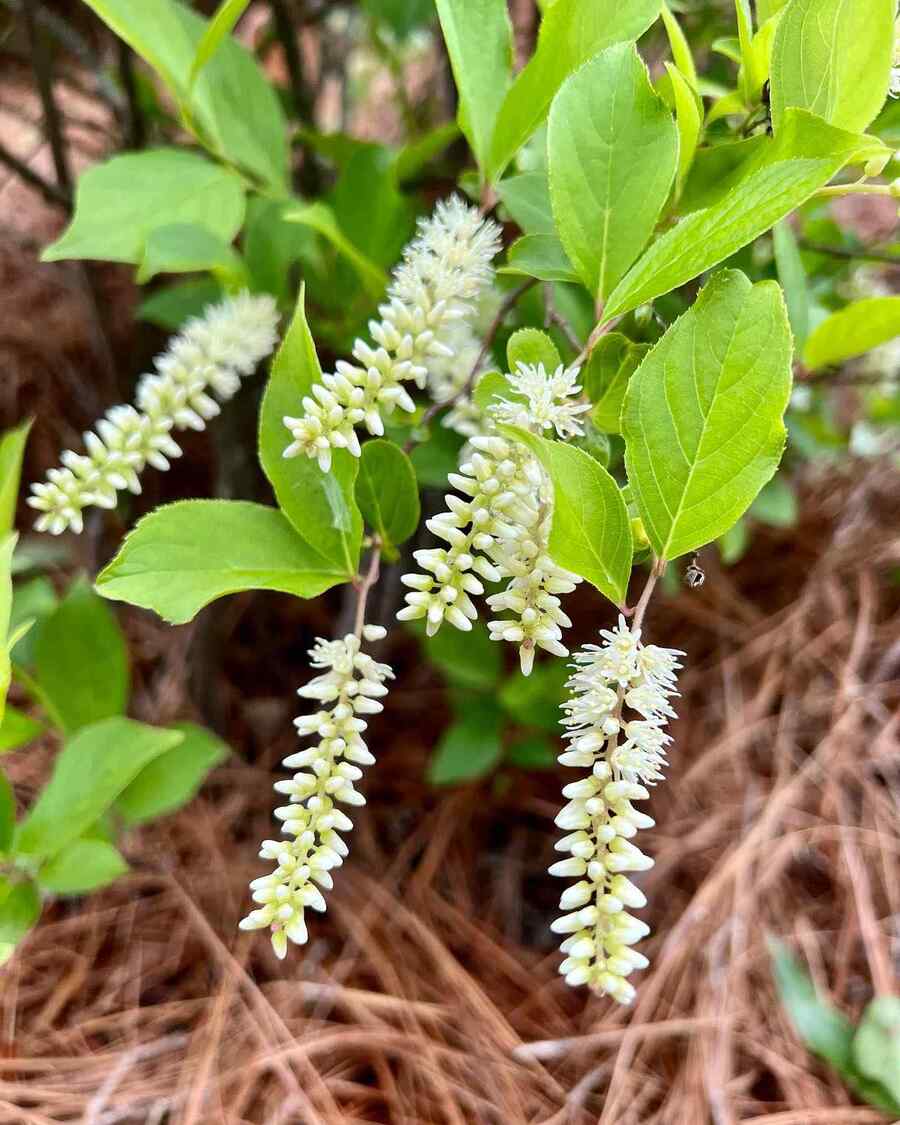
Why it works in Virginia: This native thrives in zones 6–8 and adapts to wet areas or average garden soil, including clay.
What you’ll love: Fragrant white flower spikes in early summer, then red-to-purple fall color that can be spectacular.
Where to plant: Along a drainage swale, pond edge, or a spot that stays a bit moist. Also lovely as a relaxed border in part sun.
Care tip: Mulch 2–3 inches to keep roots cool. Prune lightly right after bloom if you want a neater shape.
2) Oakleaf Hydrangea (Hydrangea quercifolia)
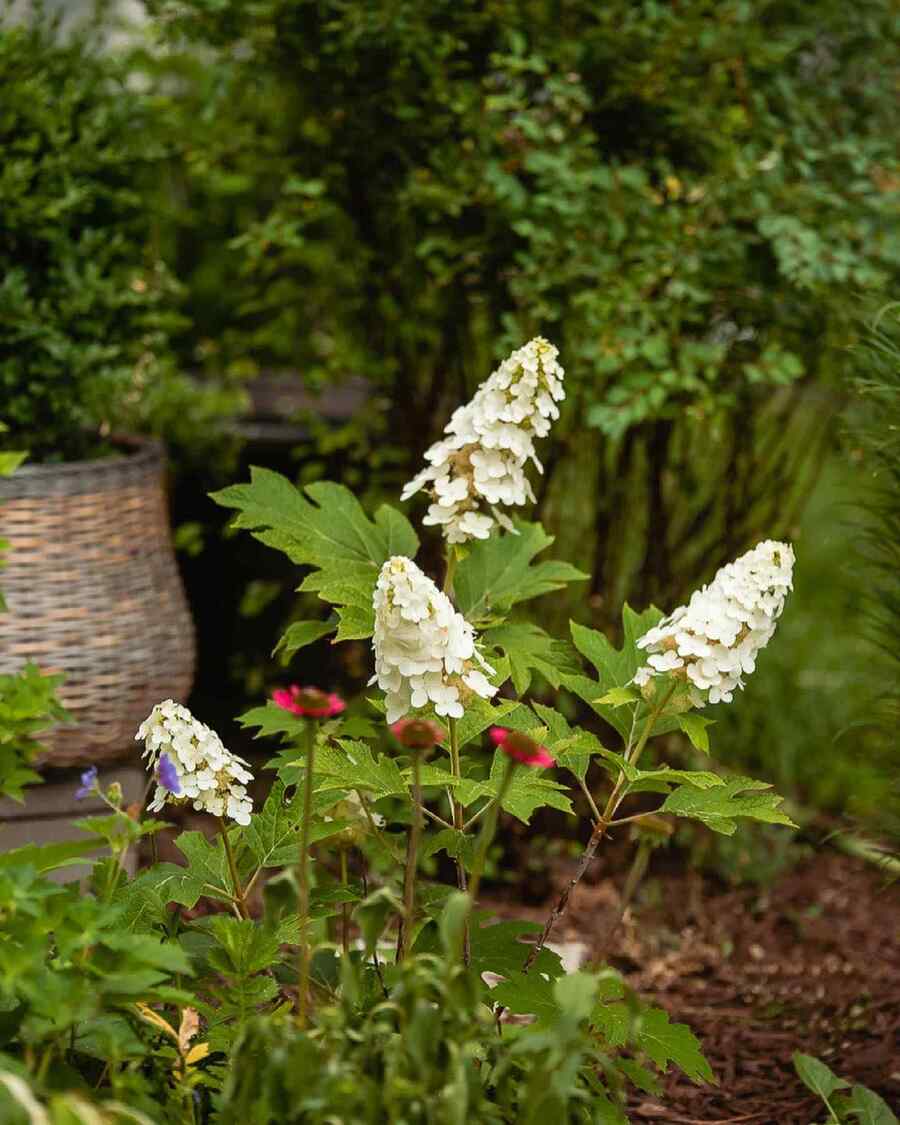
Why it works in Virginia: A shade-tolerant standout that handles clay better than many flowering shrubs.
What you’ll love: Big white summer blooms that age to pink, exfoliating bark for winter texture, and deep maroon fall foliage.
Where to plant: Part shade near a patio or front entry—its leaves and blooms read “classic Virginia garden.”
Care tip: Avoid heavy pruning; flowers form on old wood. If needed, prune right after flowering, not in late winter.
3) Winterberry Holly (Ilex verticillata)
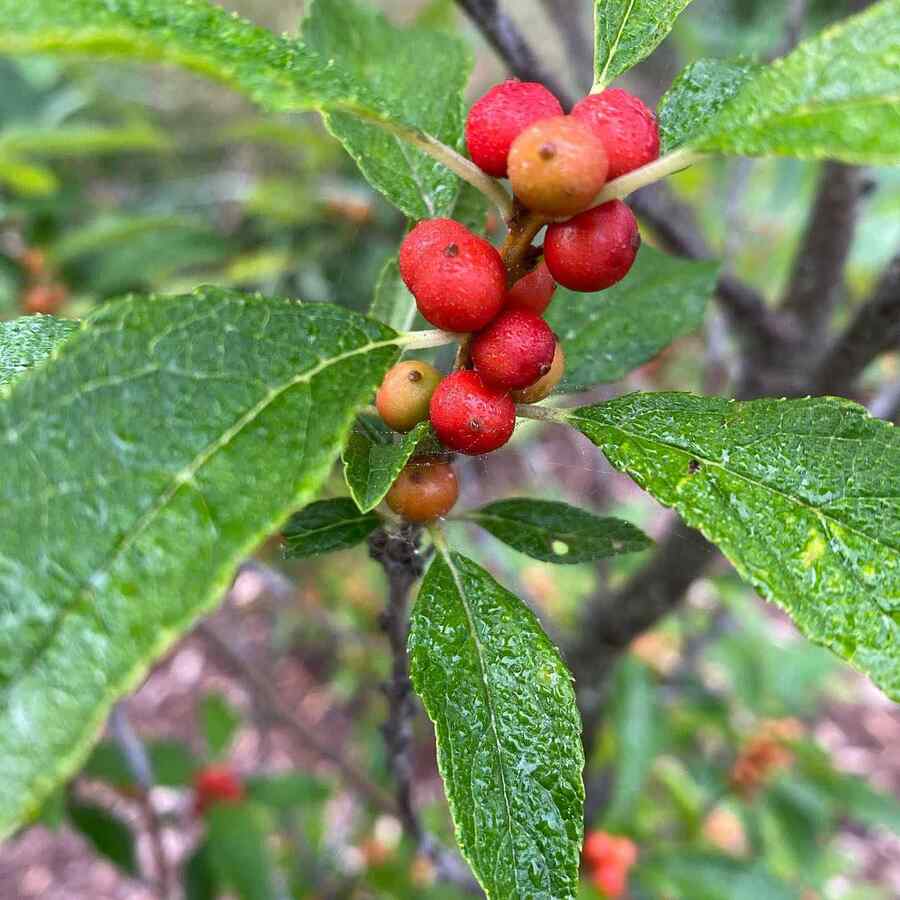
Why it works in Virginia: This native likes moisture and tolerates heavier soils, making it ideal for tricky spots.
What you’ll love: It drops leaves in fall, then bright red berries light up the winter landscape (birds approve, too).
Where to plant: In a rain garden, low spot, or along woodland edges with sun to part sun.
Care tip: You need a male pollinator nearby for berries—plan for one male for several females in the same general area.
4) American Beautyberry (Callicarpa americana)
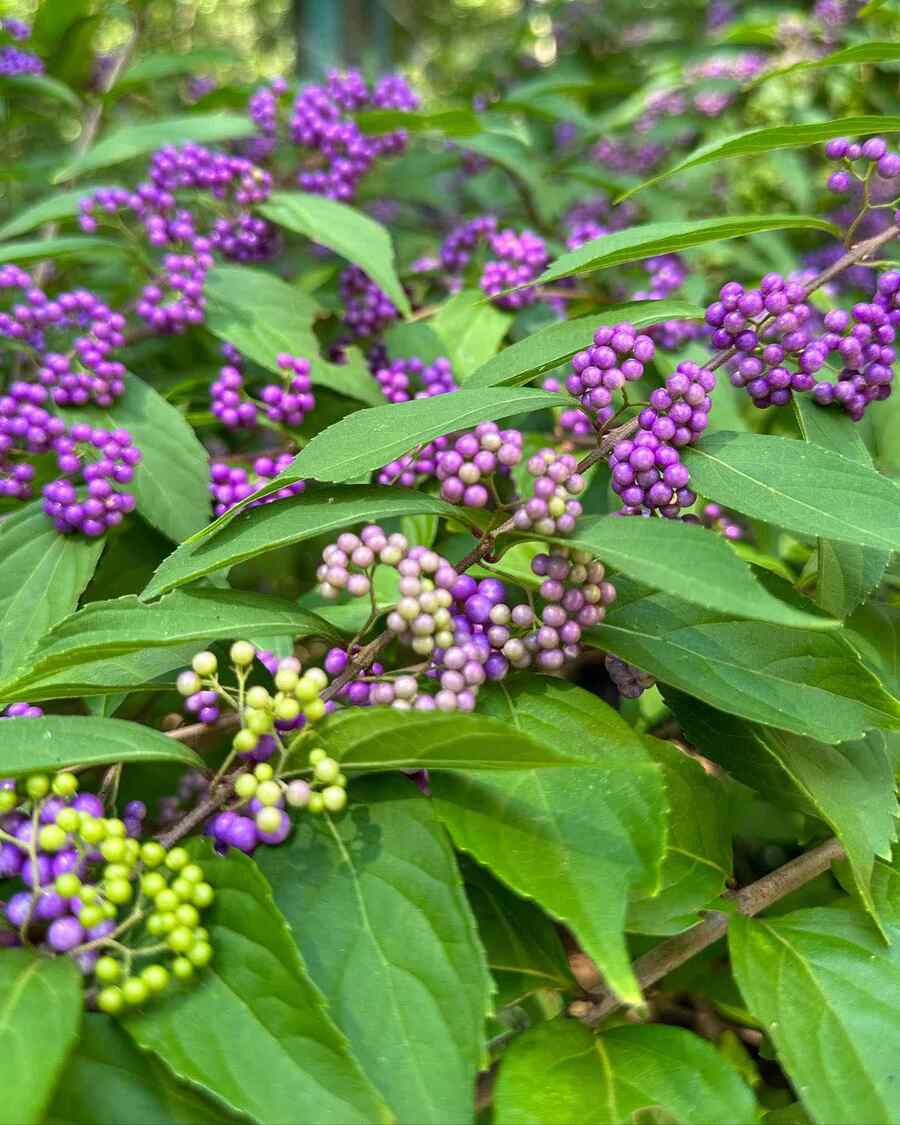
Why it works in Virginia: Heat and humidity don’t bother it, and it’s forgiving once established.
What you’ll love: Those unforgettable magenta-purple berries in late summer and fall that look like garden jewelry.
Where to plant: Full sun to part shade in a mixed border—pair it with ornamental grasses or golden foliage for contrast.
Care tip: It flowers on new wood, so you can cut it back in late winter for a tidier, fuller shrub.
5) Spicebush (Lindera benzoin)
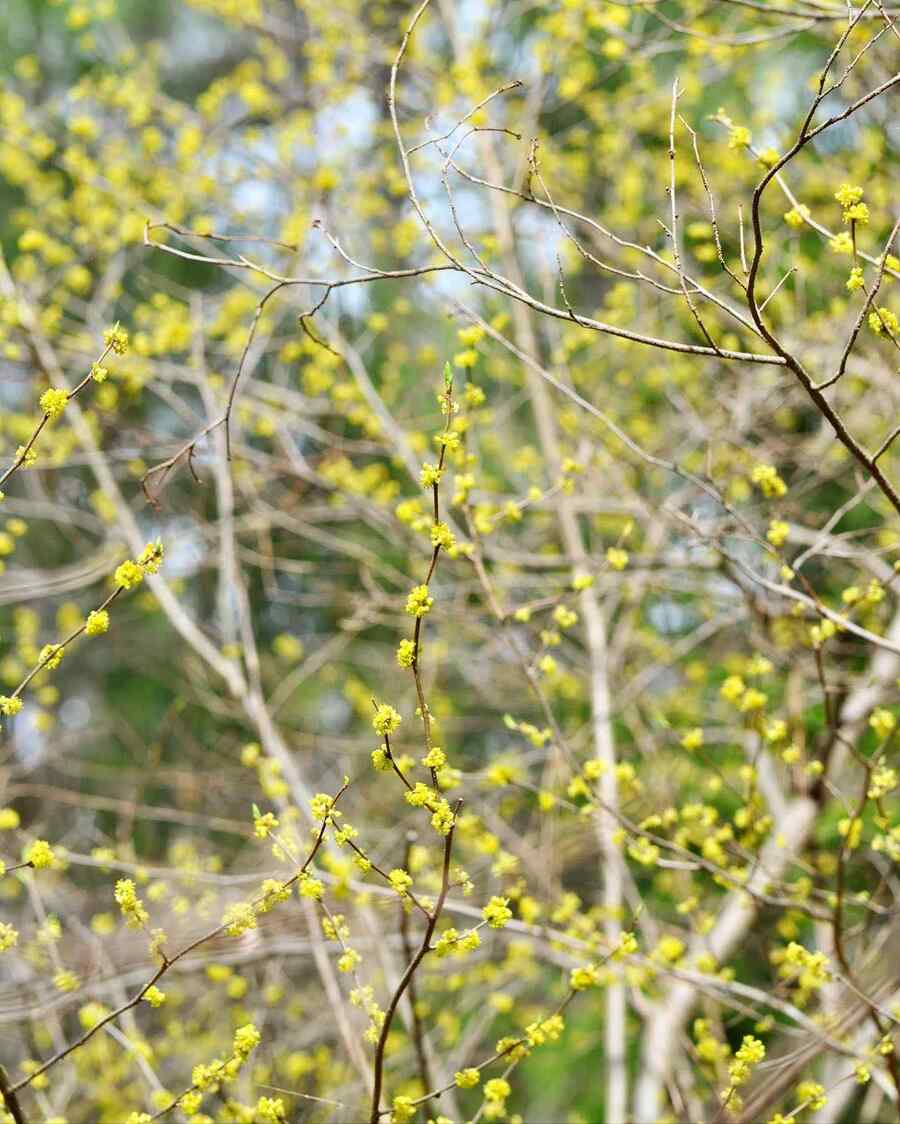
Why it works in Virginia: A native woodland shrub that’s happy in part shade and tolerates moist soils.
What you’ll love: Early spring yellow blooms, aromatic leaves, and red berries on female plants—plus it supports native wildlife.
Where to plant: Under tall trees at the back of the yard where you want a natural, layered look.
Care tip: Keep soil evenly moist the first year. After that, it’s fairly hands-off in a lightly shaded site.
6) Mountain Laurel (Kalmia latifolia)
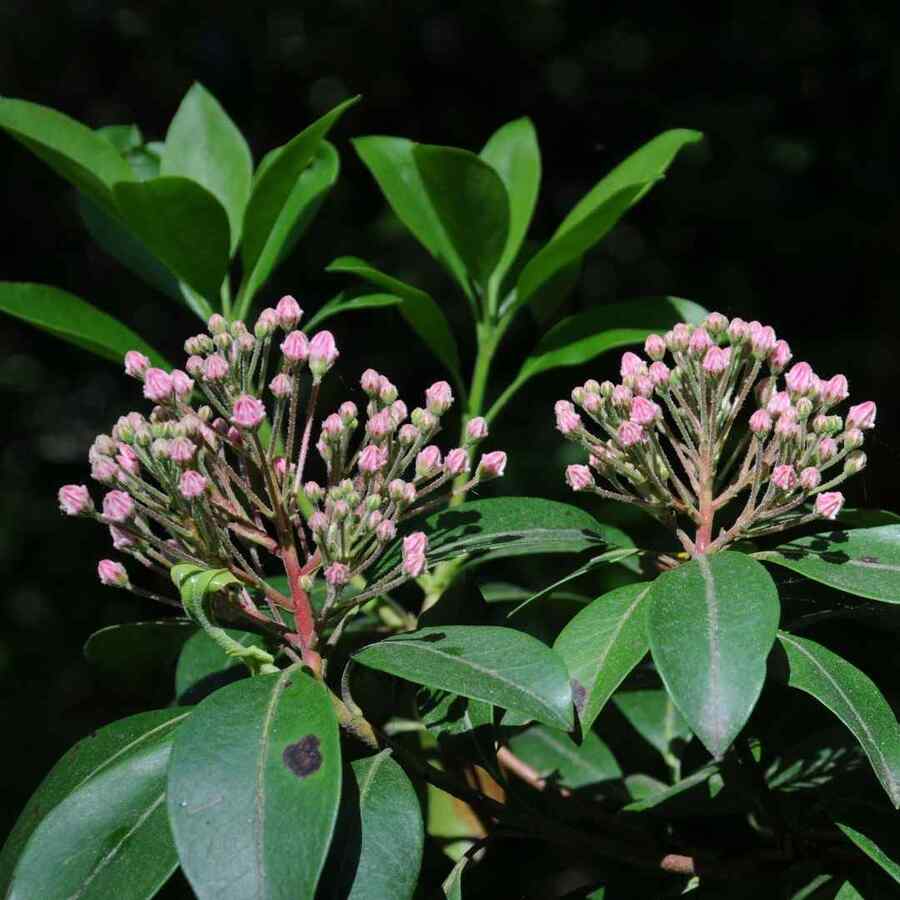
Why it works in Virginia: A beloved evergreen for part shade, especially in more natural or woodland-style landscapes.
What you’ll love: Intricate late-spring flowers that look hand-painted, plus year-round glossy foliage.
Where to plant: Part shade with well-drained, acidic soil—think under pines or along a wooded slope.
Care tip: Don’t “pamper” with heavy fertilizer. Improve soil with pine fines or leaf compost and keep mulch away from the trunk.
7) Glossy Abelia (Abelia × grandiflora)
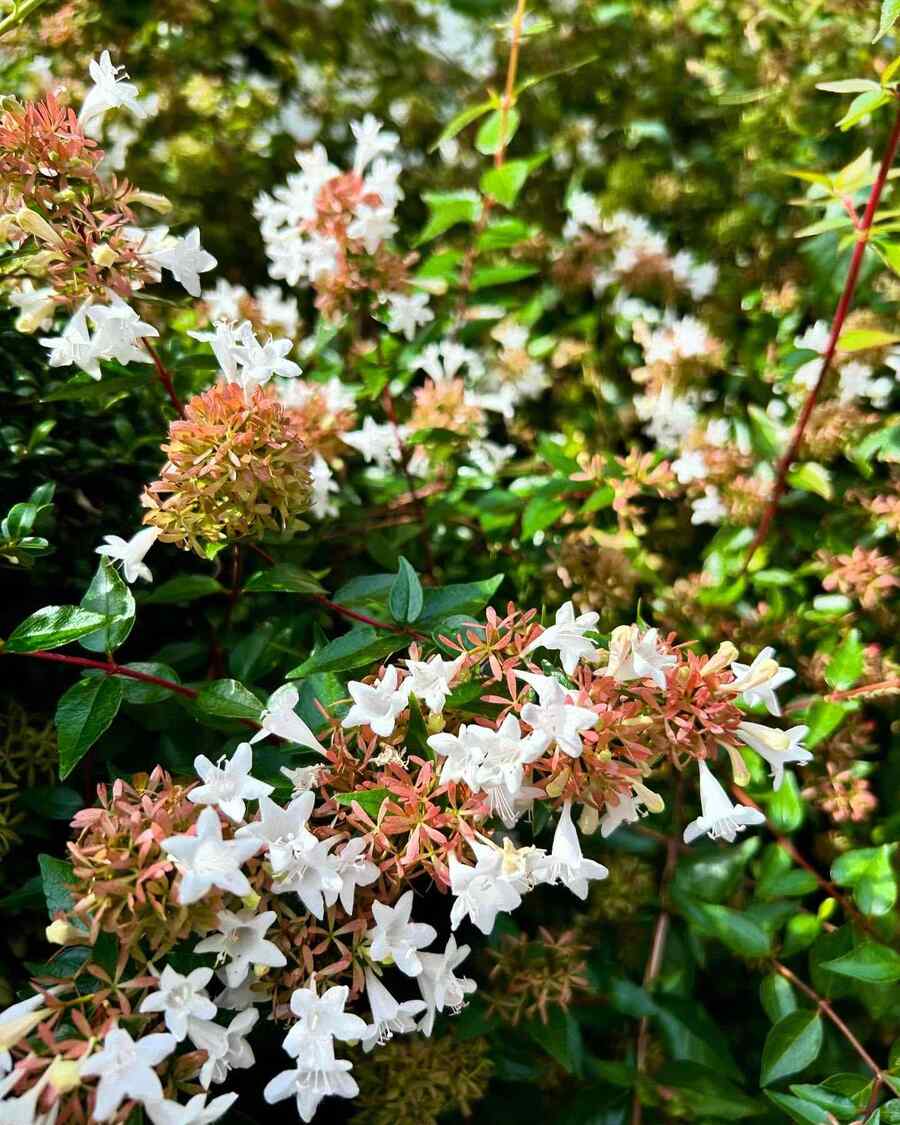
Why it works in Virginia: A tough, adaptable shrub that performs reliably in zones 6–8 and shrugs off heat.
What you’ll love: Long blooming season with pinkish-white flowers and a soft, airy shape that looks elegant without effort.
Where to plant: Full sun to part sun as a foundation shrub or along a walkway where its gentle arching habit softens hard lines.
Care tip: For the best form, prune selectively in late winter—remove a few older stems at the base rather than shearing.
8) Arrowwood Viburnum (Viburnum dentatum)
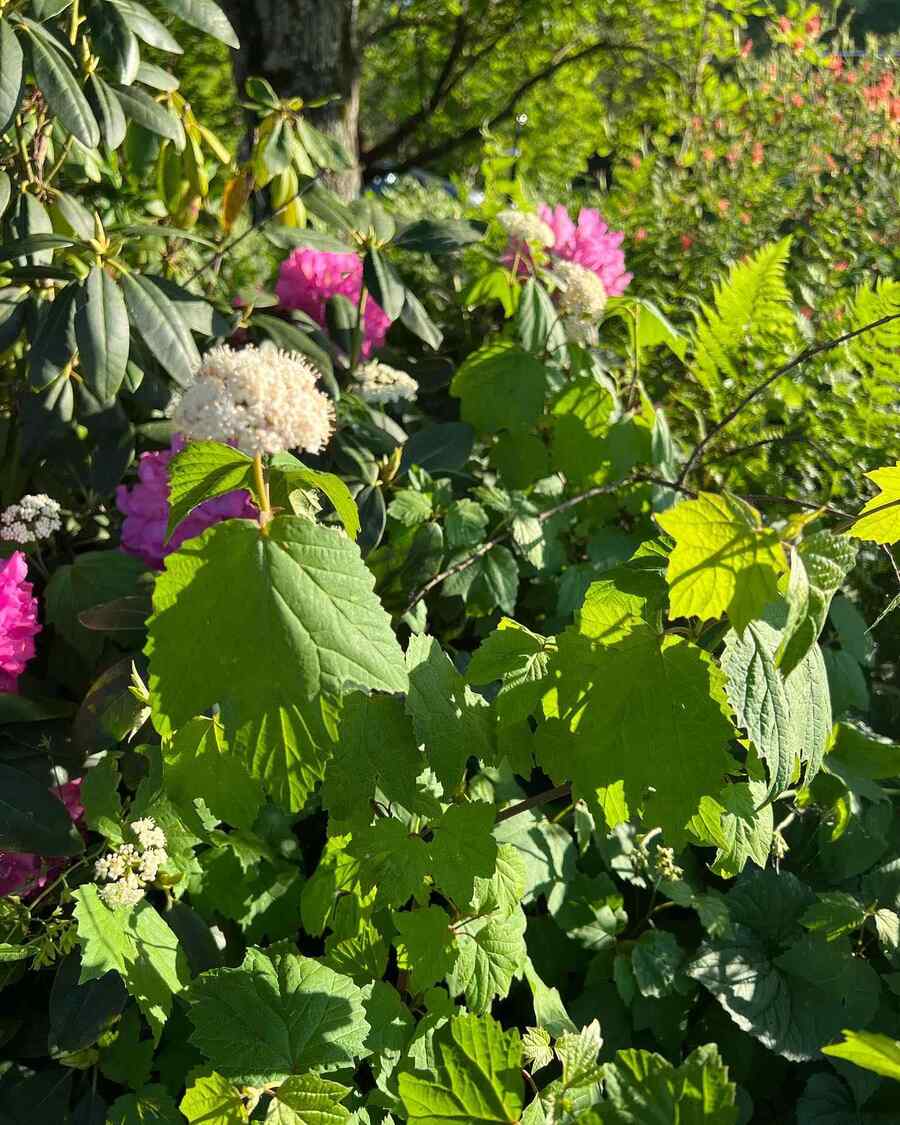
Why it works in Virginia: A native workhorse—fast growing, adaptable, and excellent for wildlife.
What you’ll love: White spring flower clusters, blue fruits for birds, and strong fall color.
Where to plant: As a privacy screen, mixed hedge, or background shrub in sun to part sun.
Care tip: Give it room (it can get wide). If you want a dense screen, plant in a staggered row and thin older stems every few years.
9) Boxwood (Buxus spp.)
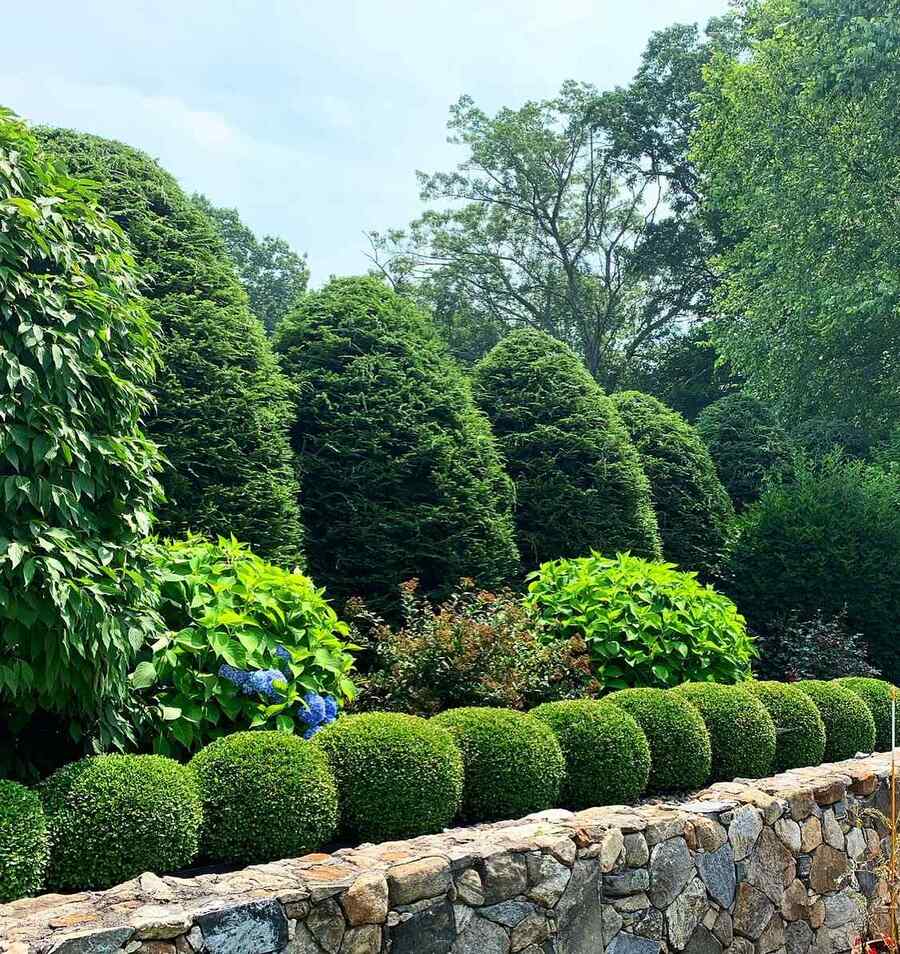
Why it works in Virginia: Boxwood is a landscape staple for structure—formal or casual—when sited correctly.
What you’ll love: Year-round green, clean lines, and the ability to shape into hedges, spheres, or low borders.
Where to plant: Morning sun with afternoon shade is often ideal in hotter areas; allow airflow to reduce disease pressure.
Care tip: Water deeply during dry spells and avoid heavy shearing. A light annual trim maintains shape without stressing the plant.
10) Fragrant Sumac (Rhus aromatica)
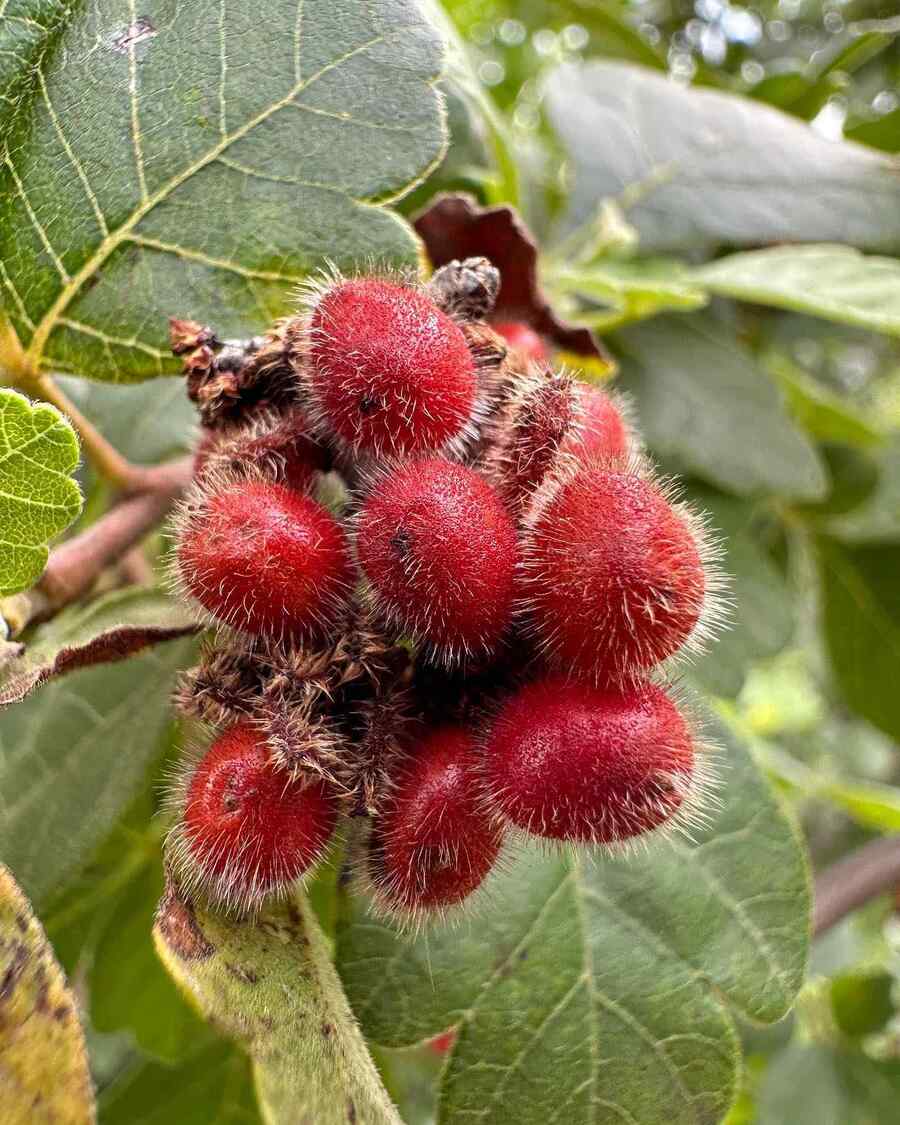
Why it works in Virginia: A native that handles sun, heat, and drought, and it’s excellent for slopes and erosion control.
What you’ll love: Dense, low-to-medium growth, subtle flowers, and yellow-to-red fall color. Leaves are fragrant when crushed.
Where to plant: Sunny banks, roadside edges, or anywhere you want tough coverage with a natural look.
Care tip: It spreads; use it where you’d welcome a thicket. For containment, edge-trim or remove wandering shoots annually.
Simple Design Recipes (So It Looks “Done,” Not Random)
-
Front entry polish: Boxwood + Oakleaf Hydrangea + a few perennials (salvia, hosta)
-
Bird-friendly border: Arrowwood Viburnum + Winterberry + Beautyberry
-
Woodland calm: Spicebush + Mountain Laurel + ferns
-
Slope solution: Fragrant Sumac in masses (it looks intentional when planted in groups)
Plant in odd-number clusters (3 or 5) for a natural, cohesive feel—an easy trick that makes shrubs for Virginia look professionally planned.
FAQ: Shrubs for Virginia
1) What shrubs do best in Virginia clay soil?
Oakleaf hydrangea, Virginia sweetspire, winterberry (in moist clay), and arrowwood viburnum are solid bets. Improve planting holes with compost and avoid burying the root flare.
2) Which shrubs for Virginia give winter interest?
Winterberry holly is the star for berries. Boxwood and mountain laurel hold evergreen structure, and oakleaf hydrangea adds attractive bark and dried flower heads.
3) Are there deer-resistant options?
Glossy abelia is often more deer-tolerant than many flowering shrubs, and fragrant sumac tends to be less appealing. In high-pressure areas, use repellents and plant densely with a mix.
4) What’s the best time to plant shrubs in Virginia?
Fall is excellent (cooler weather + warm soil = strong root growth). Early spring is also good—just stay on top of watering through the first summer.