Vermont gardens ask for plants that handle cold winters, short growing seasons, and changeable moisture. The right shrubs for Vermont give structure in every month—spring flowers, summer texture, fall color, and winter stems or berries—without constant fuss. Below are ten dependable, mostly native choices suited to Zones 3–5, with practical placement tips so your yard feels intentional, welcoming, and easy to care for.
Table of Contents
Shrubs for Vermont: 10 Reliable Choices (Zones 3–5)
1) Black Chokeberry (Aronia melanocarpa)
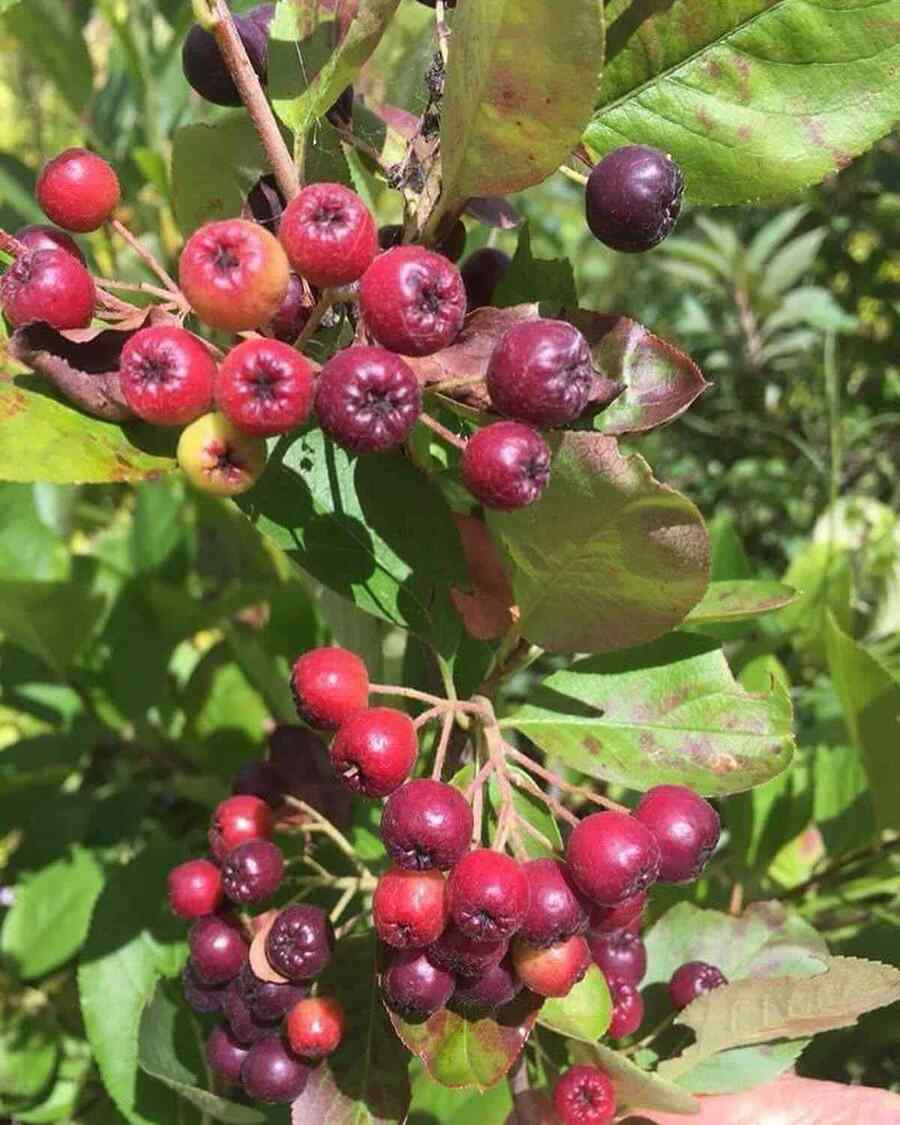
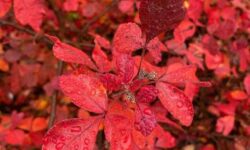
A tough, low-maintenance shrub that earns its keep in all seasons. White spring flowers lead to dark berries in summer, followed by intense red fall foliage.
Best placement: sunny borders, foundation beds, mixed hedgerows.
Care notes: adaptable to many soils; tolerates damp ground once established.
Design tip: plant 3–5 in a loose drift for a “designed” feel instead of a single dot.
2) Winterberry (Ilex verticillata)
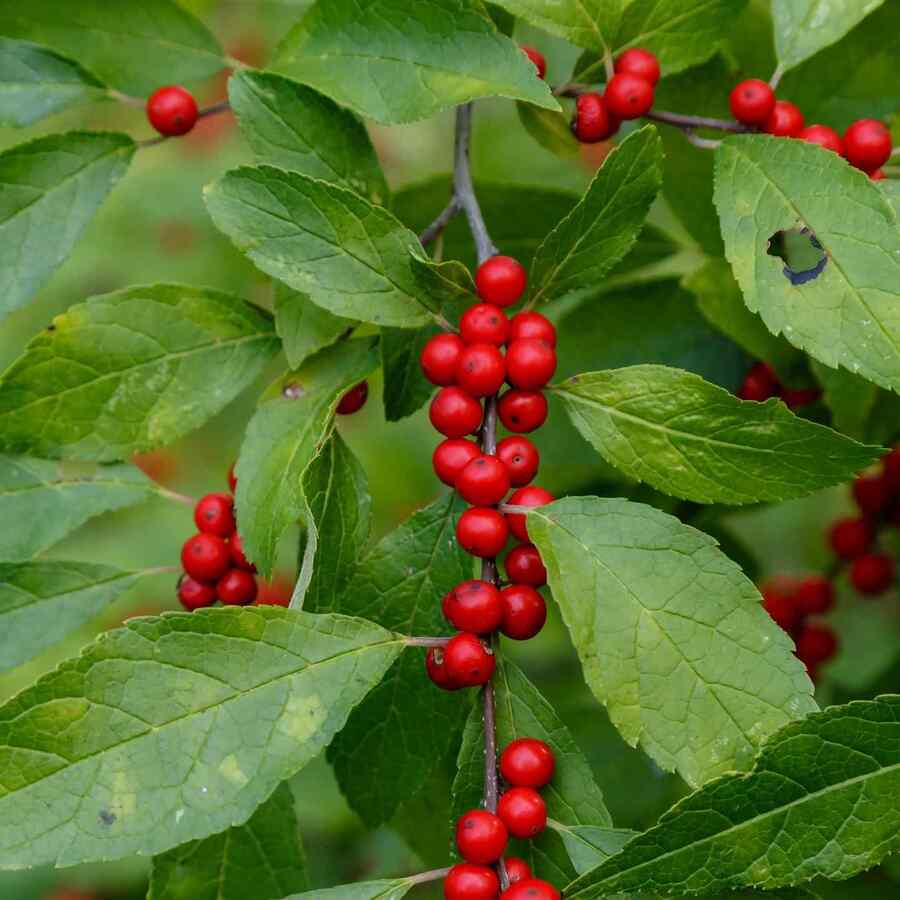
This deciduous holly is famous for bright red berries that persist into winter—instant curb appeal when everything else is sleeping. Birds appreciate it, too.
Best placement: wet areas, pond edges, rain gardens, low spots.
Care notes: needs both male and female plants for berries (one male can pollinate several females).
Design tip: pair with evergreens behind it so berries pop against a darker backdrop.
3) Red Twig Dogwood (Cornus sericea)
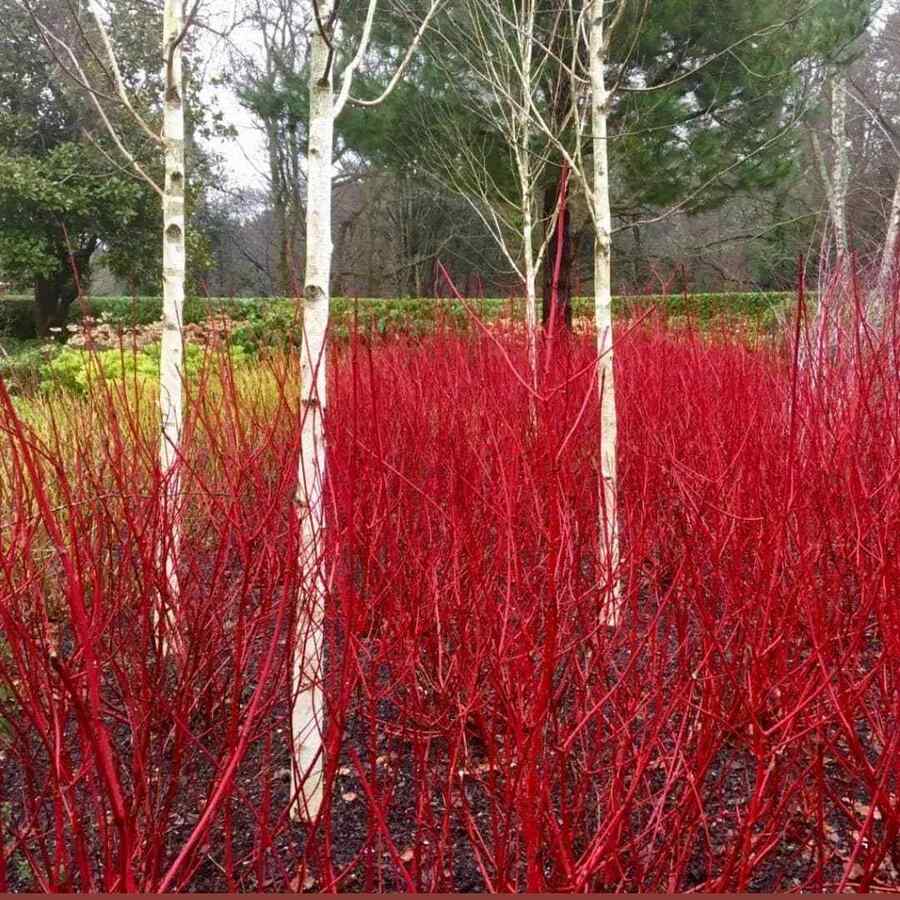
A Vermont winter classic: vivid red stems that glow against snow, plus spring flowers and wildlife-friendly fruit.
Best placement: property edges, windbreak-style plantings, wet soils.
Care notes: for the brightest color, prune out older stems every few years to encourage fresh growth.
Design tip: repeat it in two spots for visual rhythm, like matching “bookends” in the landscape.
4) Serviceberry / Juneberry (Amelanchier canadensis)
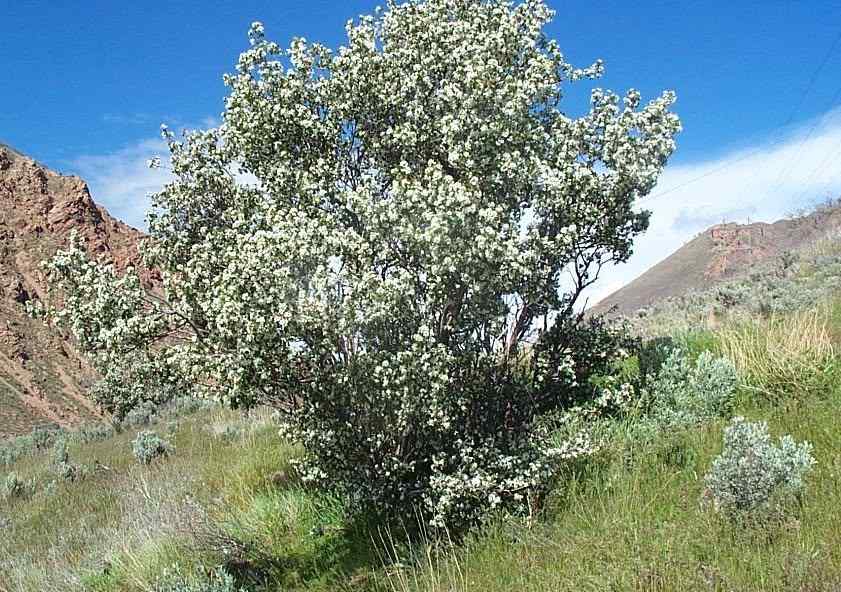
This shrub (often grown as a small multi-stem tree) offers early white blooms and edible berries that ripen around June. Fall color can be excellent.
Best placement: near patios, walkways, or kitchen windows—where you’ll notice bloom time.
Care notes: prefers well-drained soil; tolerates part shade.
Design tip: use as a focal point, then layer lower shrubs in front for depth.
5) Arrowwood Viburnum (Viburnum dentatum)
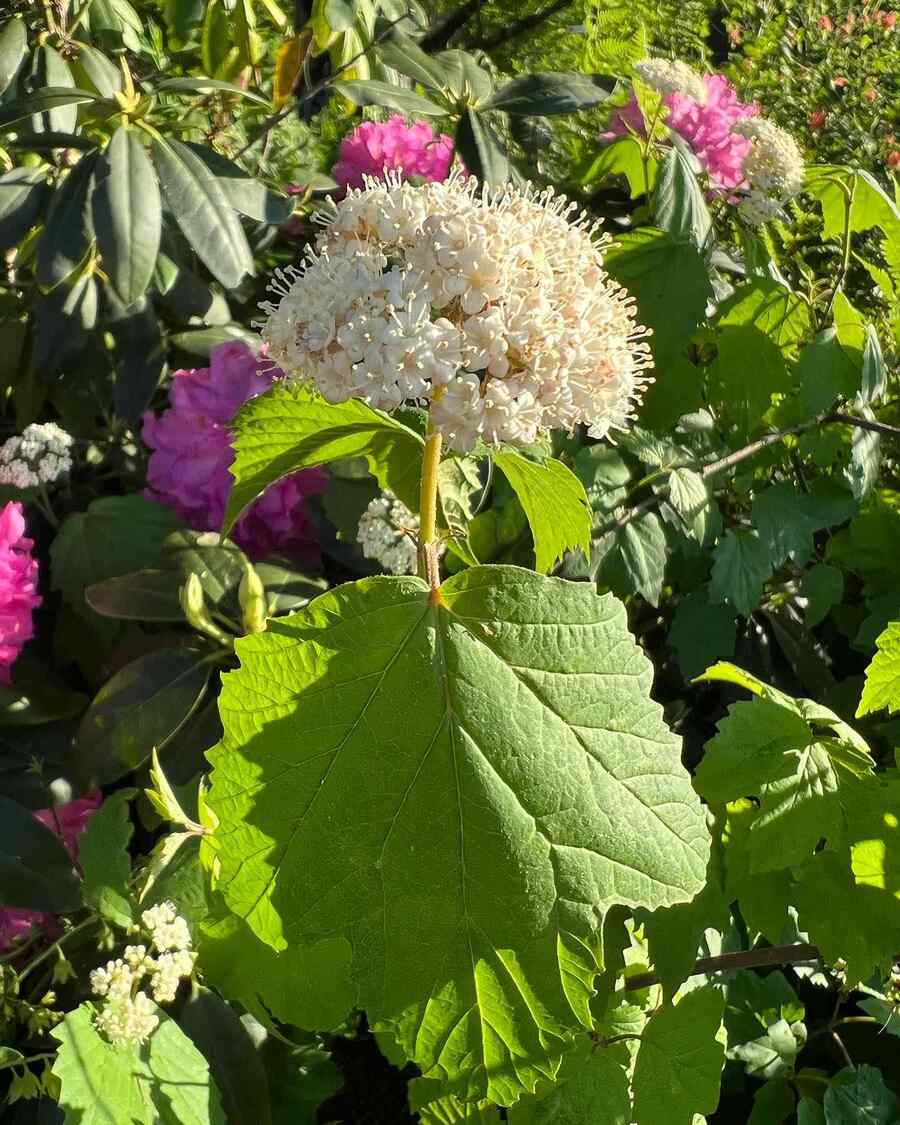
A versatile native with white flower clusters, blue-black berries, and strong fall color. It also makes a sturdy screening shrub.
Best placement: informal hedge, mixed wildlife border, sunny to part-shade beds.
Care notes: moderate moisture is ideal; handles New England conditions well.
Design tip: group in odd numbers (3 or 5) for a natural, cohesive hedge line.
6) Highbush Blueberry (Vaccinium corymbosum)
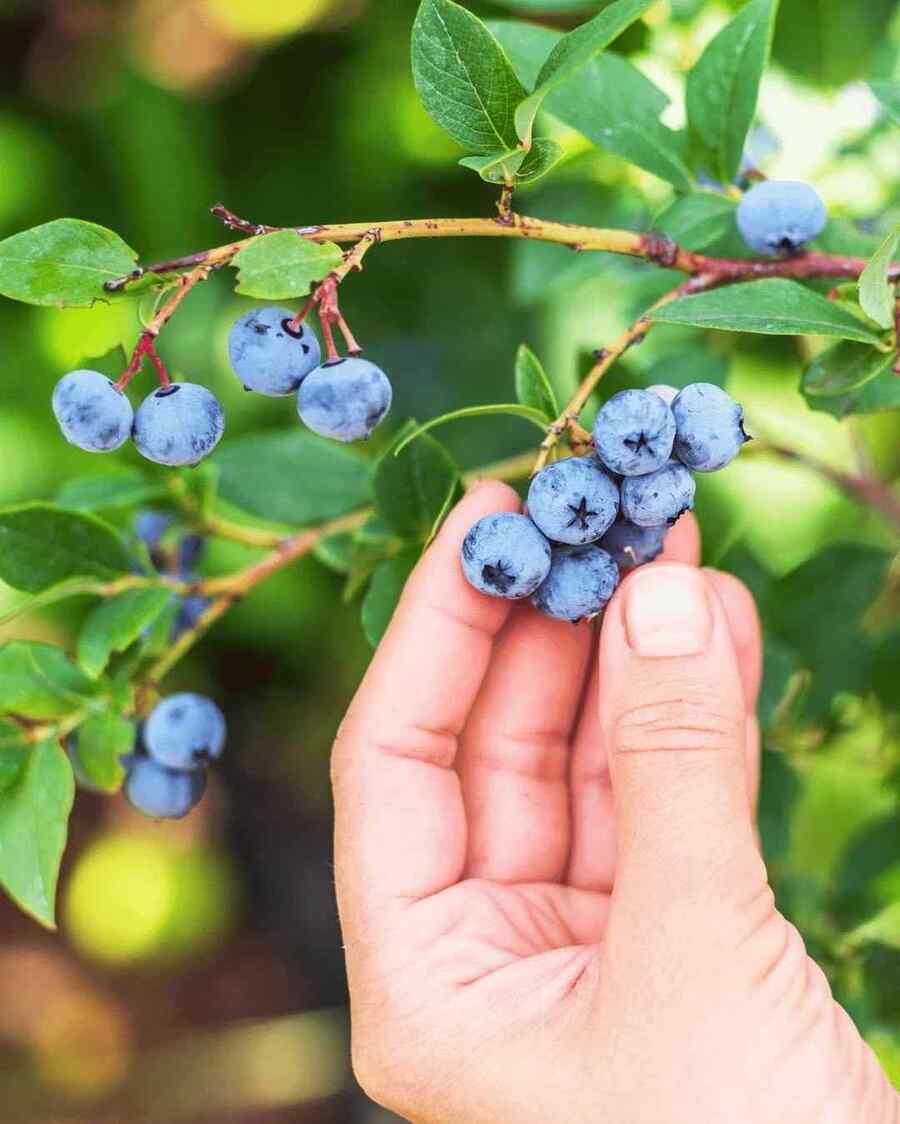
Yes, it’s beautiful and productive: white spring flowers, tasty berries, and brilliant red fall foliage. One of the most rewarding shrubs for Vermont if your soil fits.
Best placement: sunny edible landscape beds, along paths for easy picking.
Care notes: needs acidic soil; mulch with pine needles or shredded leaves.
Design tip: plant as a “soft hedge” to define space without feeling formal.
7) Buttonbush (Cephalanthus occidentalis)
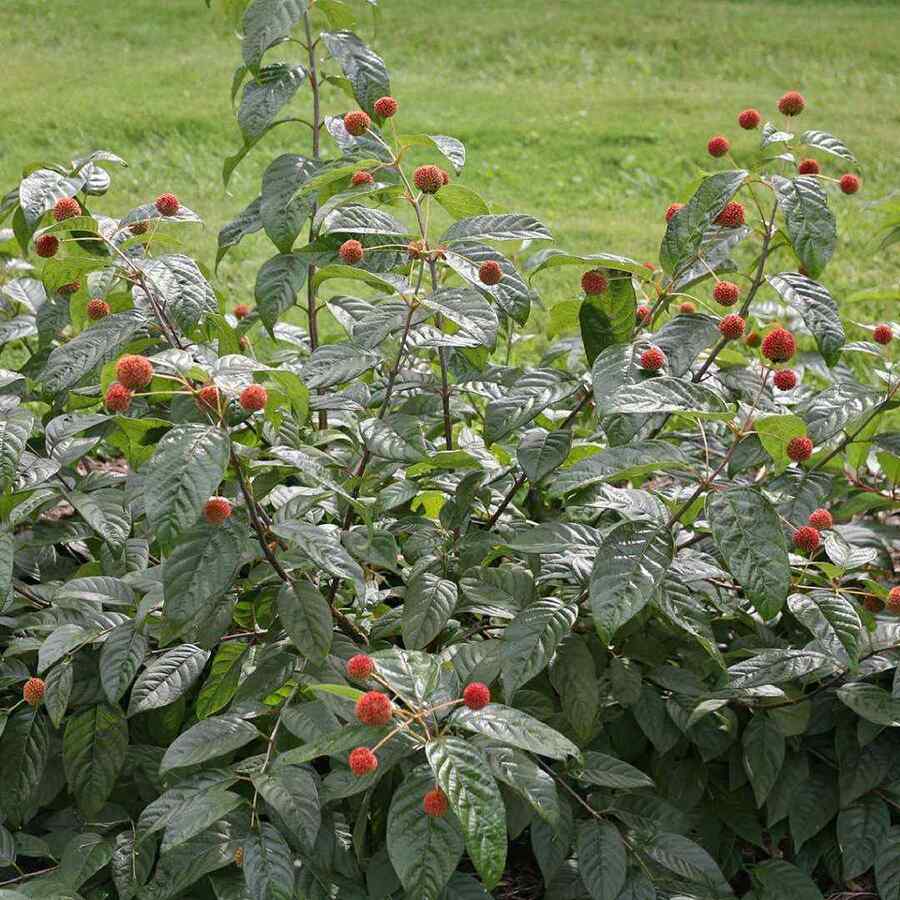
A standout in wet areas, with distinctive spherical white flowers that pull in pollinators. It has a sculptural, intentional vibe even in naturalistic gardens.
Best placement: rain gardens, pond margins, consistently moist ground.
Care notes: thrives with moisture; tolerates occasional flooding.
Design tip: place it where guests pass by—those blooms are a conversation starter.
8) Steeplebush (Spiraea tomentosa)
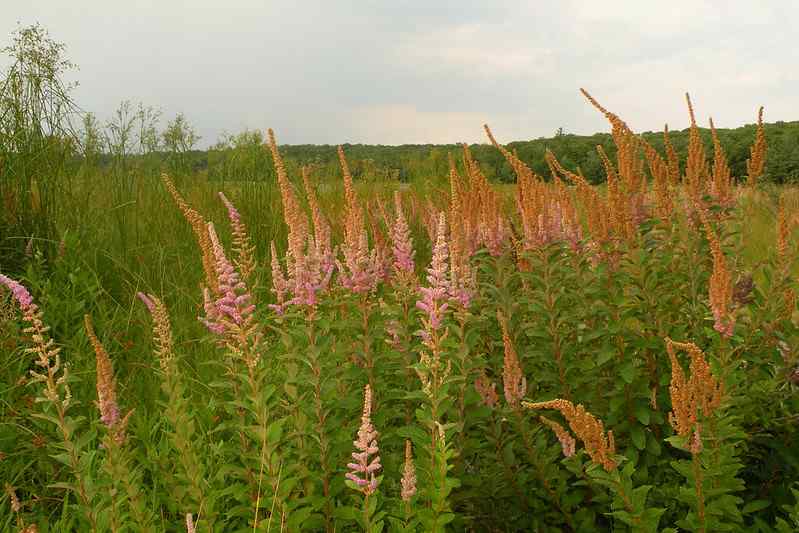
A native spirea with upright pink plumes and a tidy, vertical habit—great for adding height without heaviness.
Best placement: moist meadows, sunny borders, naturalized zones.
Care notes: prefers moist soils and sun; tough once established.
Design tip: blend with grasses for a Vermont “field edge” look that still feels curated.
9) American Cranberry Bush (Viburnum opulus var. americanum)
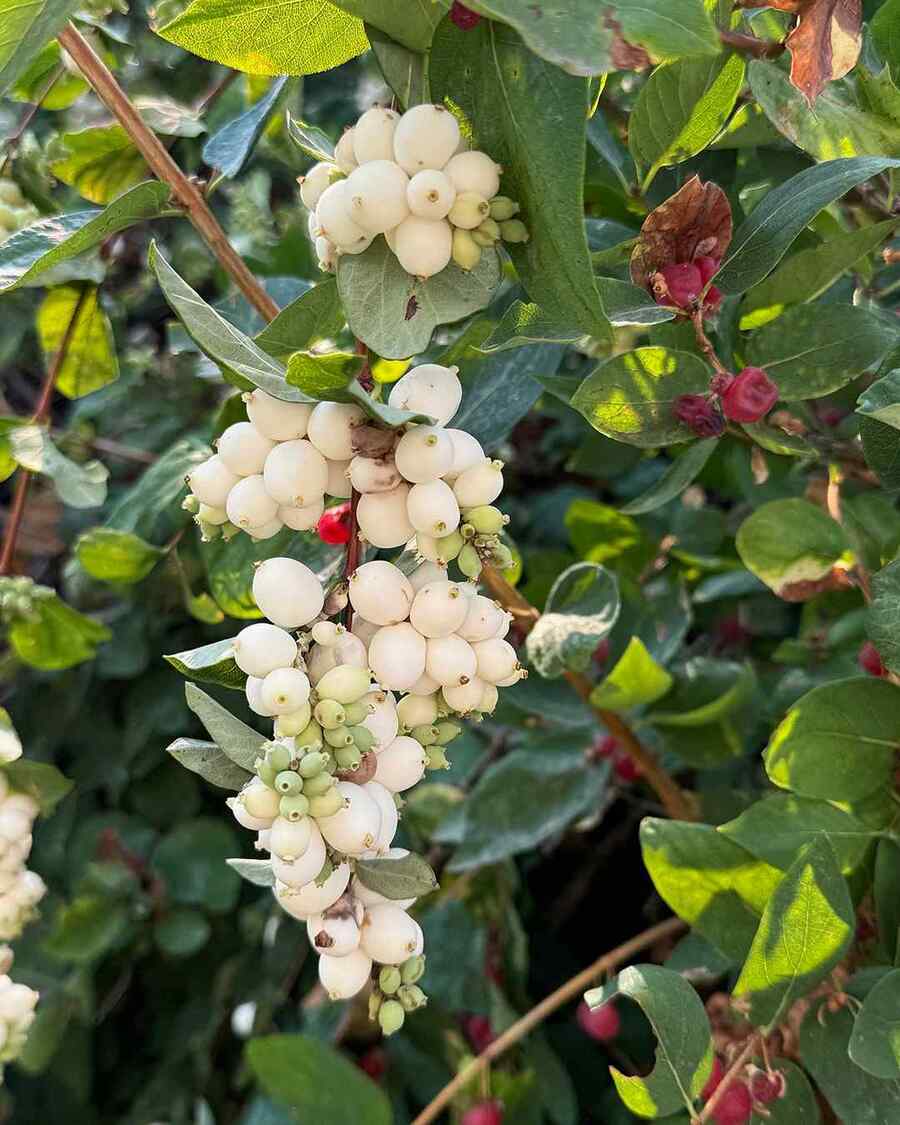
Showy white flowers in season and red berries that can hang into winter. It’s a strong wildlife shrub with a classic, old-fashioned presence.
Best placement: mixed hedgerows, backyard borders, wildlife corners.
Care notes: average to moist soil; sun to part shade.
Design tip: use as a seasonal “color anchor” near areas you see from indoors.
10) Maple-leaf Viburnum (Viburnum acerifolium)
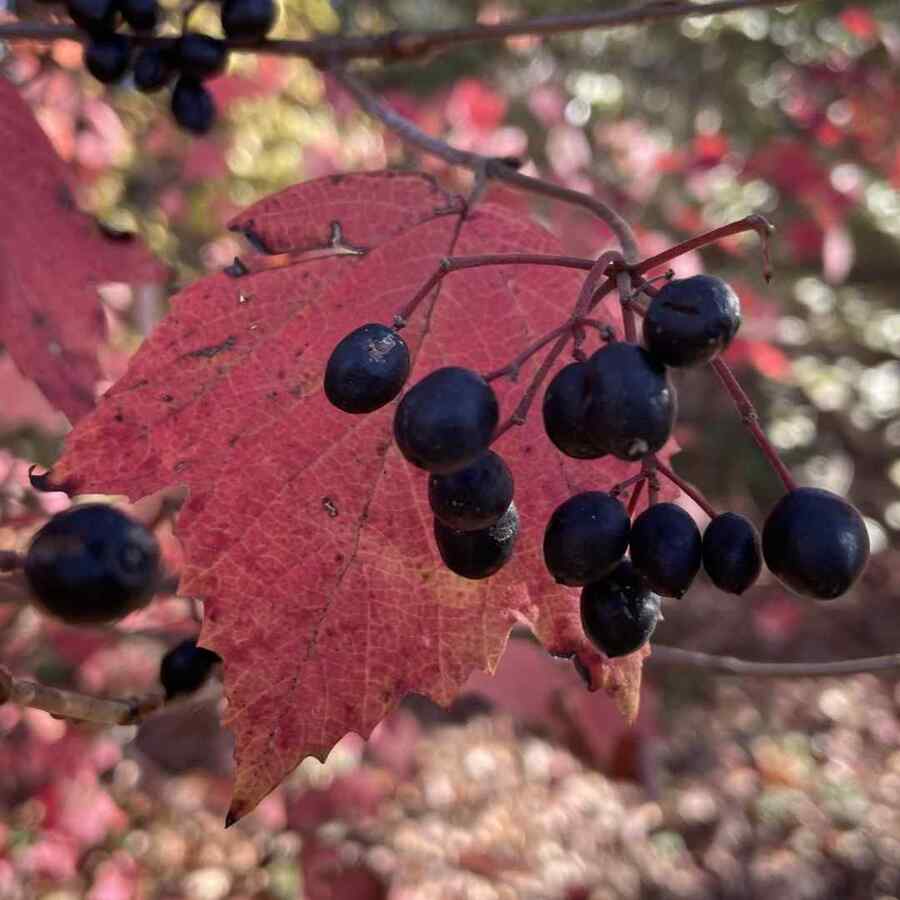
A smart choice for shade: handsome leaves, reliable form, and notably good fall color. Berries support birds and other wildlife.
Best placement: under tall trees, north-side beds, woodland edges.
Care notes: tolerates shade better than many shrubs; avoid very wet soil.
Design tip: pair with ferns and spring bulbs for an easy woodland layering effect.
Quick Planting Guidance for Vermont Yards
-
Match the moisture: wet spots love winterberry, red twig dogwood, buttonbush; drier sites suit chokeberry and many viburnums.
-
Layer for a designed feel: tall in back, medium in middle, low in front—repeat shapes and textures.
-
Plan for winter: choose at least one shrub for stems or berries so your yard still has “structure” in February.
-
Go native-heavy: native shrubs for Vermont usually feed more local wildlife and handle the climate with fewer inputs.
FAQ
What are the easiest shrubs for Vermont winters?
Black chokeberry, red twig dogwood, and arrowwood viburnum are consistently dependable in Zones 3–5 and handle typical Vermont freeze–thaw cycles well.
Which shrubs for Vermont work best in wet soil?
Choose winterberry, buttonbush, and red twig dogwood for low areas, rain gardens, or spots that stay damp.
Do I need more than one winterberry to get berries?
Usually, yes. You’ll want at least one male plant to pollinate female plants so they can produce berries.
What shrubs do well in shade in Vermont?
For shadier beds, maple-leaf viburnum and serviceberry (especially in part shade) are strong options that still provide seasonal interest.