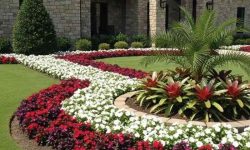
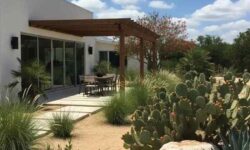
Tennessee gardens deal with hot, humid summers, surprise cold snaps, and plenty of clay. The good news: the right shrubs for Tennessee can handle those swings while adding color, fragrance, and year-round form. Below are ten dependable picks—mixing natives and proven landscape staples—plus clear placement and care notes so you can match each shrub to your yard and your style.
Table of Contents
Shrubs for Tennessee: How to Choose the Right Ones for Your Yard
Climate fit: West Tennessee runs warmer and wetter; East Tennessee can be cooler with more elevation. Choose shrubs that tolerate heat and occasional winter stress.
Soil reality: Clay holds water, then bakes hard. Favor plants that tolerate “wet feet” at times, and improve planting holes with compost.
Light check: Many flowering shrubs want morning sun and afternoon shade. Evergreens often prefer sun to part sun for dense growth.
Design goal: Decide what you want most—flowers, privacy, wildlife value, or structure—then repeat shrubs in groups of 3–5 for a cohesive, intentional feel.
1) Hydrangea (Hydrangea macrophylla / H. paniculata)
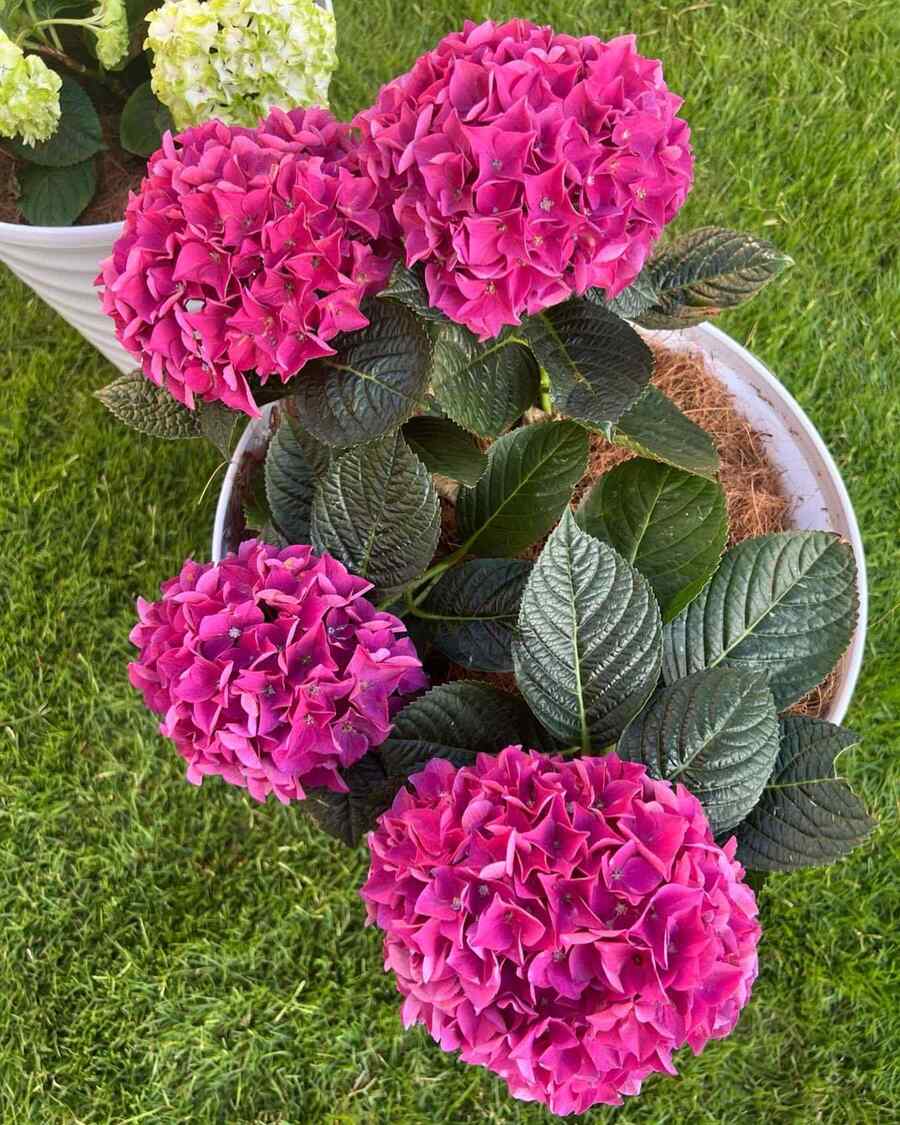
Hydrangeas bring big, luxurious summer blooms that feel instantly “finished,” even in young landscapes. In Tennessee, panicle hydrangeas are especially forgiving in heat and sun, while bigleaf hydrangeas shine in partial shade with richer color. Plant where you can enjoy them up close—near a patio edge or along a walkway—because the blooms are a main event.
Care notes: Morning sun + afternoon shade is ideal for bigleaf types. Keep evenly moist the first year, mulch 2–3 inches, and prune based on type (panicles typically tolerate more pruning).
2) Forsythia (Forsythia spp.)
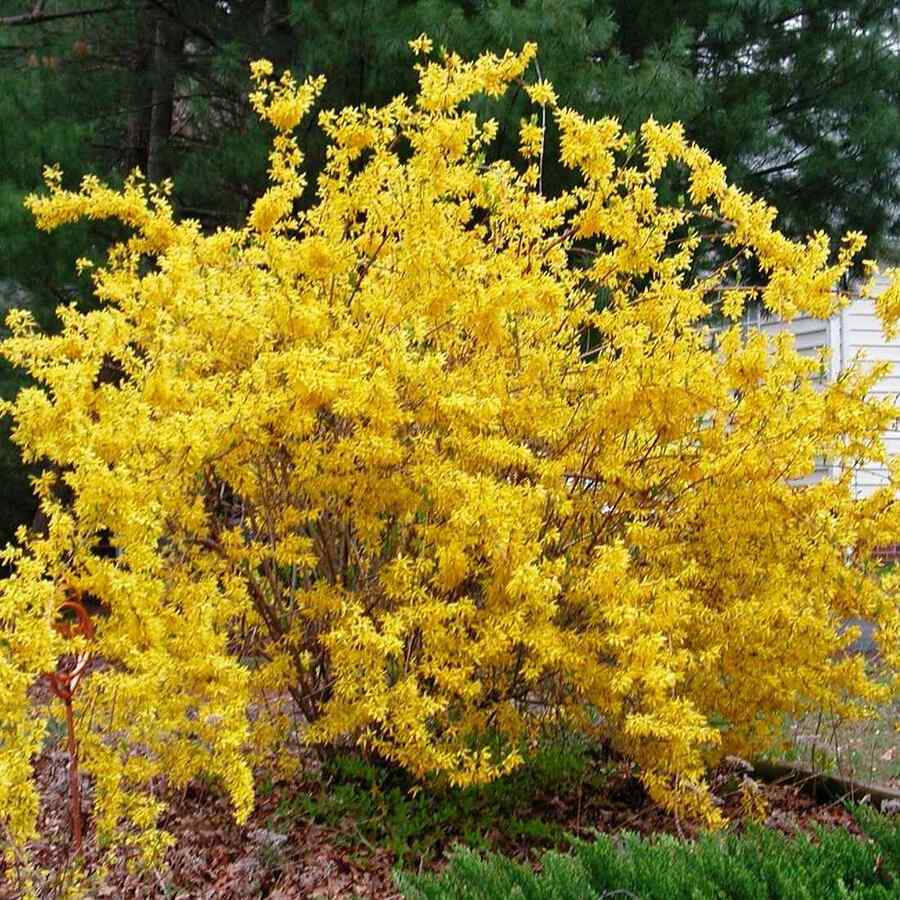
Forsythia is your spring “wake-up call”—those bright yellow blossoms arrive early and loudly. It’s also a practical choice for busy schedules because it grows fast and tolerates imperfect conditions. Use it as a sunny border anchor or a loose hedge where you want cheerful color before most perennials even think about blooming.
Care notes: Full sun gives the best flower show. Prune right after flowering so you don’t remove next year’s buds. Water during extended dry spells, especially in the first season.
3) Viburnum (Viburnum dentatum and other hardy viburnums)
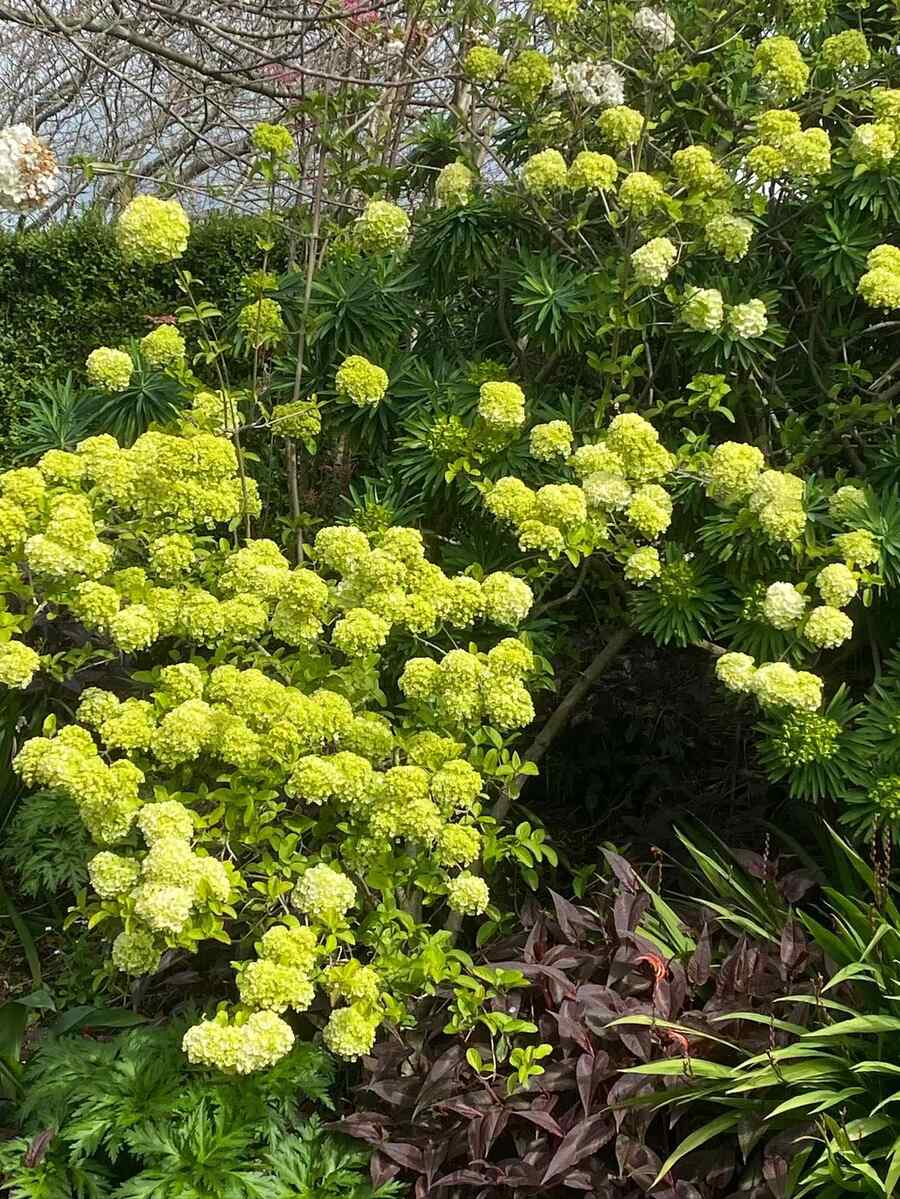
Viburnums are workhorses: spring flowers, berries for birds, and strong fall color—often all from one shrub. Many varieties handle Tennessee’s clay and humidity well. Plant viburnum as a screen, along property lines, or as a backdrop behind lower plantings. It reads classic and natural at the same time.
Care notes: Most prefer sun to part sun. If berries are a goal, some varieties need a compatible pollinator nearby. Provide consistent moisture while establishing.
4) Loropetalum (Loropetalum chinense, Jazz Hands series)
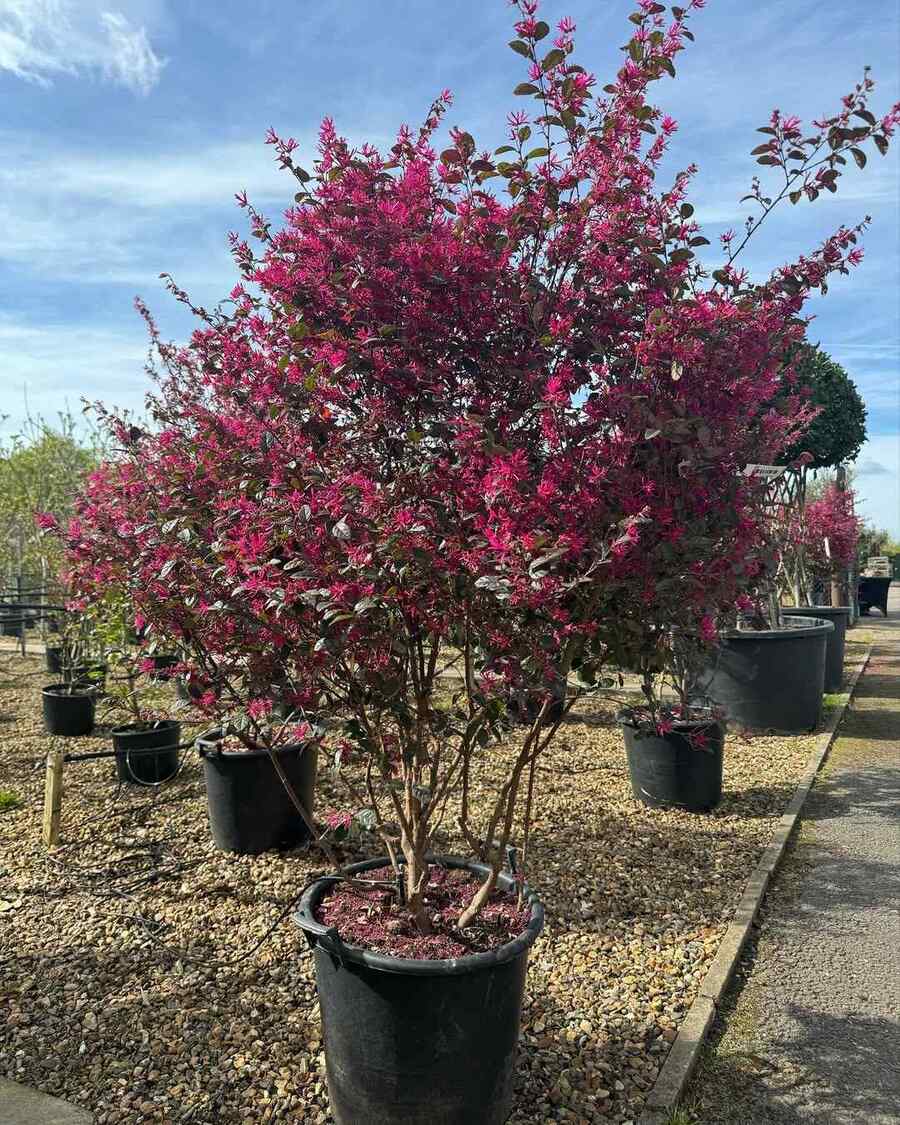
Loropetalum brings modern drama—deep purple foliage and bright pink flowers—without demanding constant attention. In Tennessee heat, the right cultivars hold their color well and stay evergreen in many areas, giving your garden a sleek, intentional look year-round. It’s gorgeous beside light stone, pale mulch, or soft grasses.
Care notes: Sun to part sun for best color. Give it space—avoid “boxy” shearing if you want that graceful, layered shape. Mulch helps buffer summer stress.
5) Native Spicebush (Lindera benzoin)
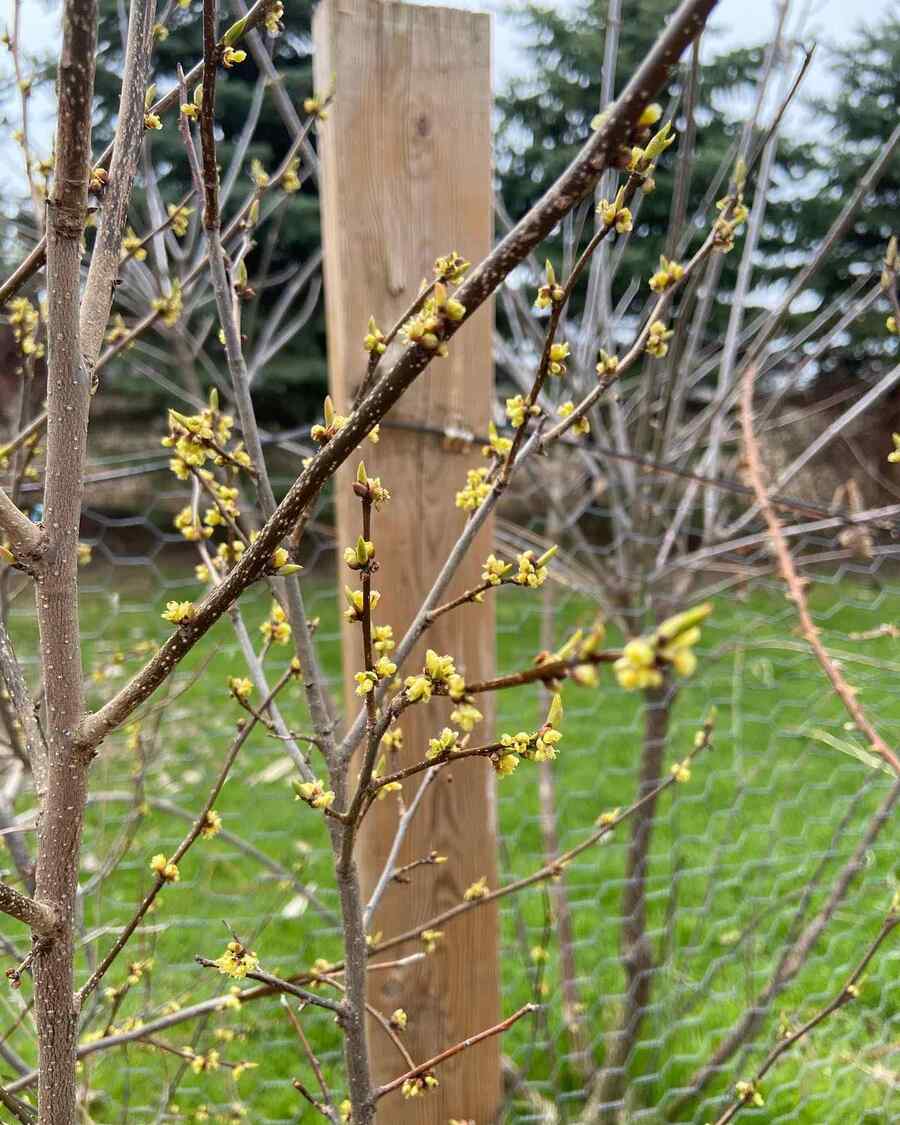
If you want shrubs for Tennessee that feel like they belong, spicebush is a standout. It’s native, wildlife-friendly, and quietly elegant: early yellow blooms, aromatic leaves, and golden fall color. Tuck it into part shade, especially near woodland edges or beneath taller trees where other shrubs struggle.
Care notes: Prefers moist, well-drained soil but adapts once established. Great in rain-garden-adjacent spots. Leaves have a pleasant spicy scent when crushed.
6) Rose of Sharon (Hibiscus syriacus)
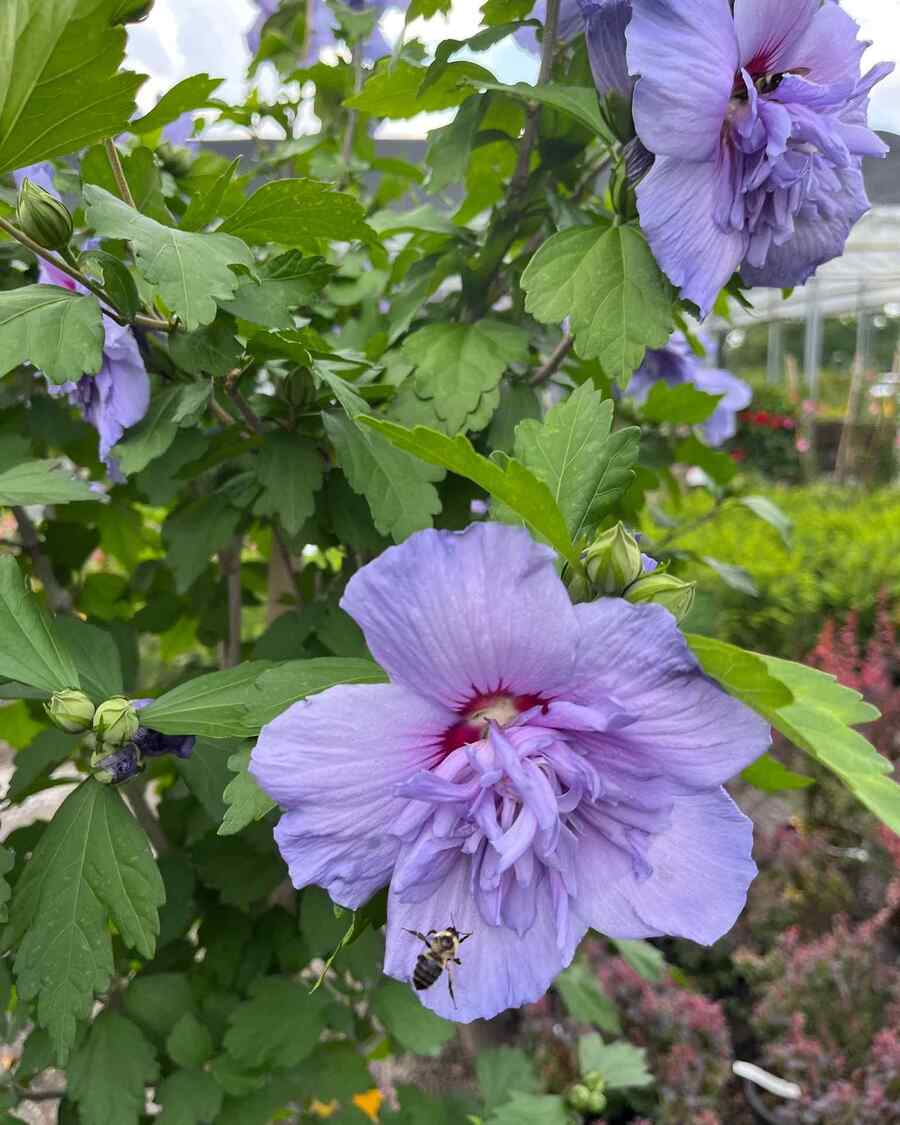
Rose of Sharon blooms when many shrubs pause—late summer into early fall—so it keeps your landscape lively during peak heat. The flowers feel tropical, yet the plant is hardy and dependable. Use it as a flowering privacy screen, or as a focal point where you want height without the heaviness of a tree.
Care notes: Full sun is best for blooms. It tolerates clay if drainage is reasonable. Some varieties self-seed; choose low-seed or sterile cultivars if you want a tidier garden.
7) Boxwood (Buxus spp.)
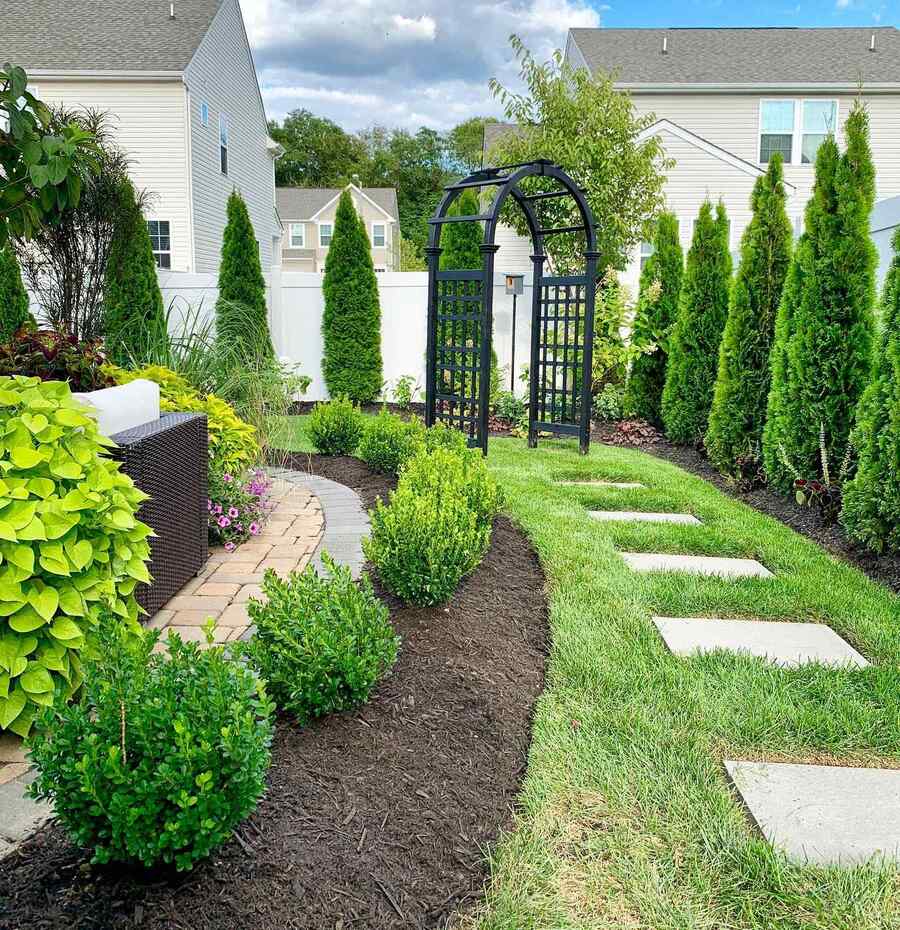
Boxwood is the “tailored blazer” of the garden: crisp, classic, and always appropriate. It gives structure in every season, anchors entryways, and makes borders feel intentional. In Tennessee landscapes, boxwood works beautifully with hydrangeas, roses, and ornamental grasses—soft plus structured is a reliable aesthetic.
Care notes: Sun to part shade. Ensure airflow to reduce disease issues; avoid constant wet foliage. Light shaping is fine, but don’t shear in extreme heat.
8) Inkberry Holly (Ilex glabra)
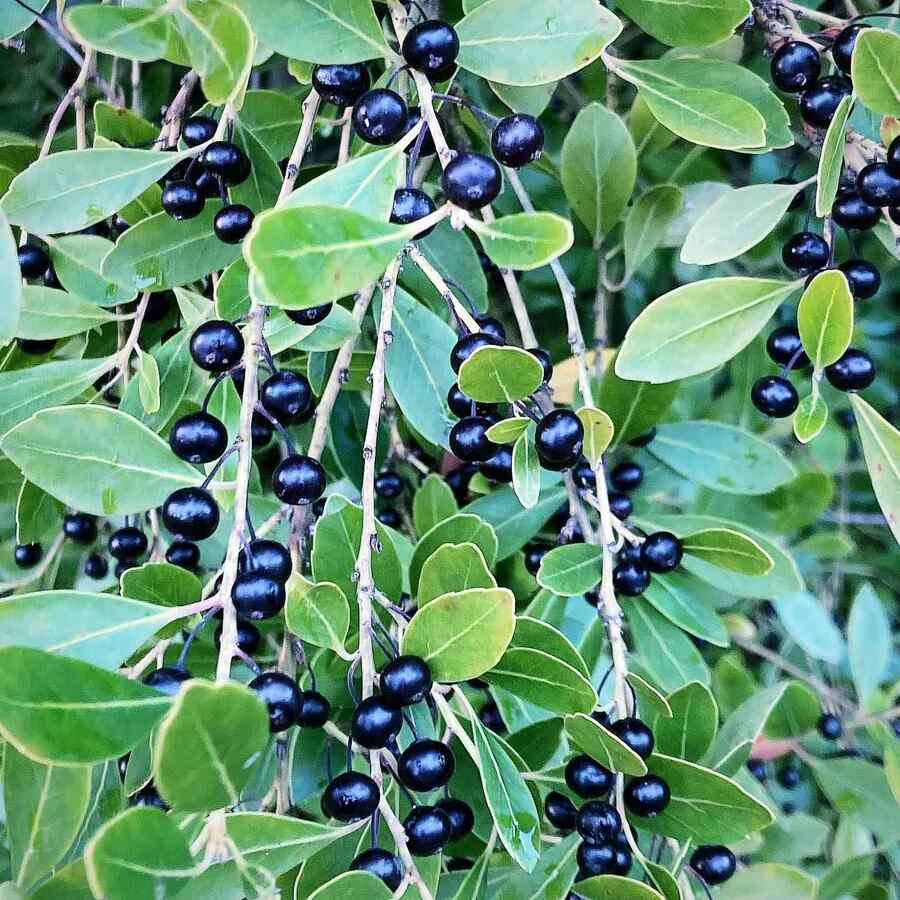
For clay-prone yards, inkberry holly is a smart evergreen that tolerates moisture and holds its shape without fuss. It’s native, subtle, and excellent for foundation plantings, mixed borders, and natural screens. If you like an understated, calm look—greens that make flowers pop—inkberry delivers.
Care notes: Sun to part shade. Some forms can get leggy in shade; choose compact cultivars for neater lines. Mulch and deep watering help during summer stretches.
9) Ninebark (Physocarpus opulifolius)
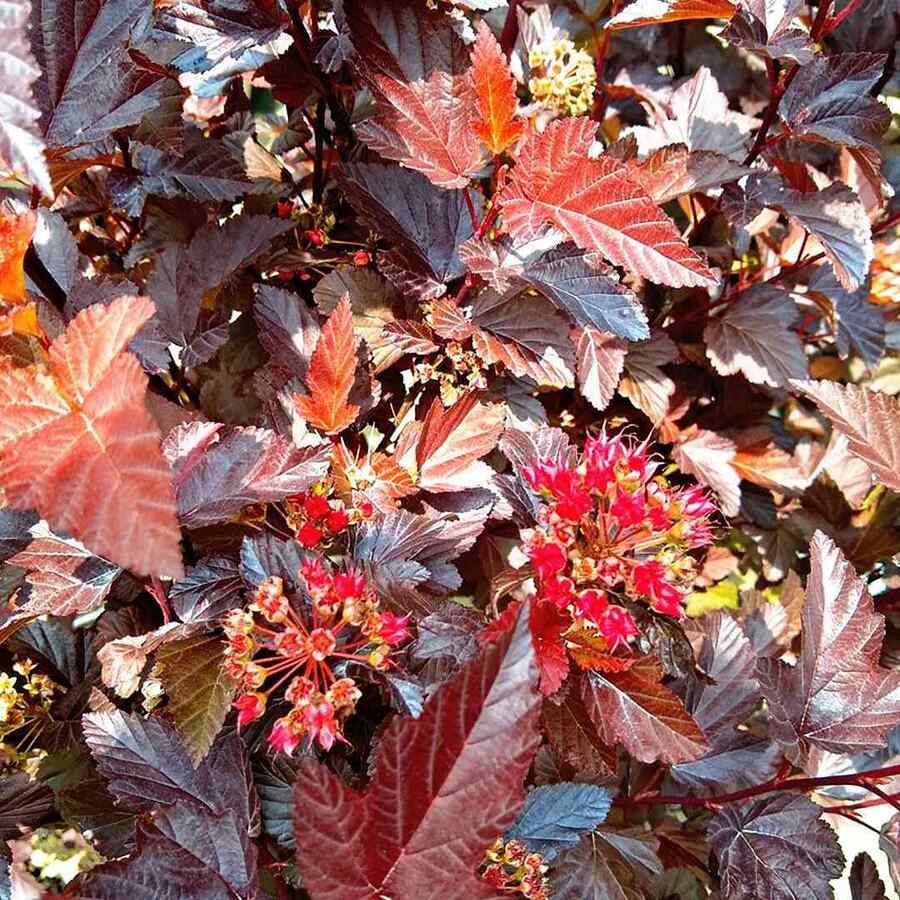
Ninebark adds texture and color even when it’s not flowering: peeling bark, layered branches, and foliage that ranges from green to deep burgundy depending on cultivar. It’s a native shrub that fits both naturalistic and modern plantings. Put it where afternoon light hits the leaves—color reads richer and more dimensional.
Care notes: Sun to part sun. Very tolerant once established, including less-than-perfect soil. Prune after bloom to shape; renewal pruning keeps it vigorous.
10) Fragrant Sumac (Rhus aromatica)
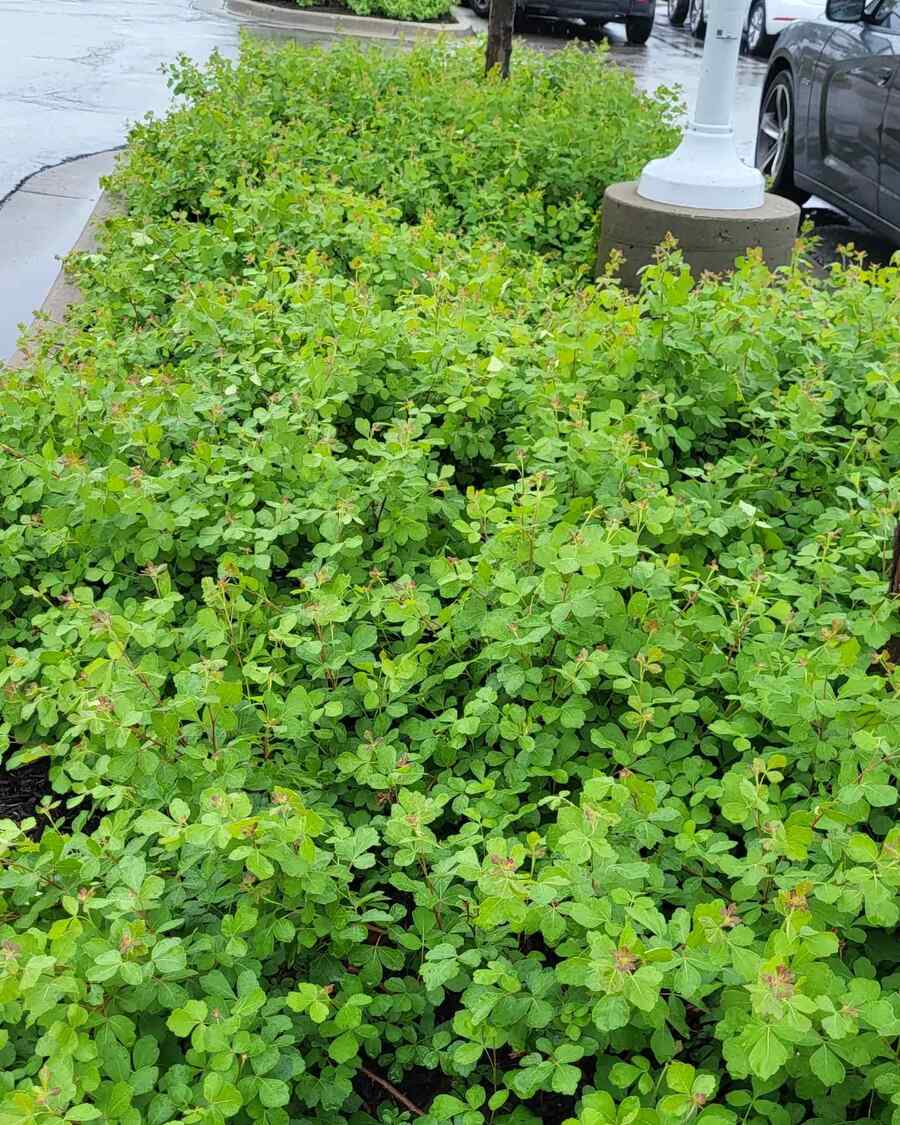
Fragrant sumac is a resilient native that handles poor, dry, or clay soils with confidence. It’s excellent on slopes, along driveways, or anywhere you need a tough ground-hugging shrub with strong fall color. The foliage can be aromatic, and the plant forms a pleasing, spreading mass that looks natural—never fussy.
Care notes: Full sun to part shade. Minimal watering after establishment. Great for erosion control and low-maintenance areas where you still want a polished result.
Quick Planting Tips for Tennessee Clay (Simple, Effective)
-
Dig wide, not deep: Make the hole 2–3x the width of the root ball, same depth.
-
Improve, don’t replace: Mix compost into native soil; avoid creating a “pot” effect.
-
Mulch properly: Keep mulch a few inches away from stems to prevent rot.
-
Water smart: Deep watering is better than frequent sprinkling—especially for new shrubs.
FAQ: Shrubs for Tennessee
1) What are the easiest low-maintenance shrubs for Tennessee?
Forsythia, ninebark, inkberry holly, and fragrant sumac are reliable choices that tolerate common Tennessee conditions, including clay and summer heat.
2) Which shrubs work best for privacy in Tennessee?
Viburnum, inkberry holly, rose of Sharon, and boxwood (in rows) can form attractive screens. Mix evergreens and flowering shrubs for a natural, layered barrier.
3) Which shrubs handle clay soil the best?
Inkberry holly, viburnum, ninebark, and fragrant sumac are especially tolerant. Good planting technique and mulch make a noticeable difference.