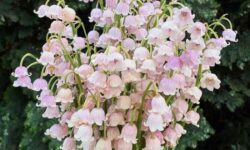
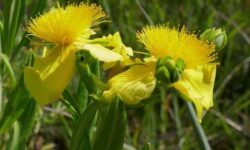
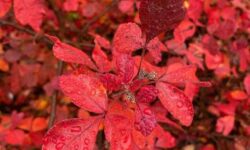
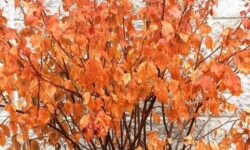
If you’re choosing shrubs for Pennsylvania, you’re dealing with real seasons: humid summers, freeze–thaw winters, and spring rains that can swing from gentle to relentless. The right shrubs make your yard feel intentional—like it “belongs” in your neighborhood—while also feeding birds, supporting pollinators, and holding soil on slopes. This guide gives you 10 dependable shrubs (native and well-adapted) with clear placement advice, so you can plant once and enjoy the payoff for years.
Table of Contents
Shrubs for Pennsylvania: How to Choose the Right 10 for Your Yard
Before you bring anything home from the nursery, match shrubs to sun, soil, and your preferred aesthetic.
-
Sun: full sun (6+ hours), part shade (3–6), shade (under 3)
-
Soil: acidic vs. neutral, and dry/average vs. consistently moist
-
Aesthetic goal:
-
Polished + structured (foundation lines, evergreen backbone)
-
Soft + natural (woodland edges, relaxed borders)
-
Seasonal drama (berries, fall color, winter bark)
-
If you want a yard that feels both welcoming and specific to Pennsylvania, your best plan is a mix: one evergreen anchor, one summer bloomer, one fall-color star, and at least one berry shrub for winter.
1) Oakleaf Hydrangea (Hydrangea quercifolia)
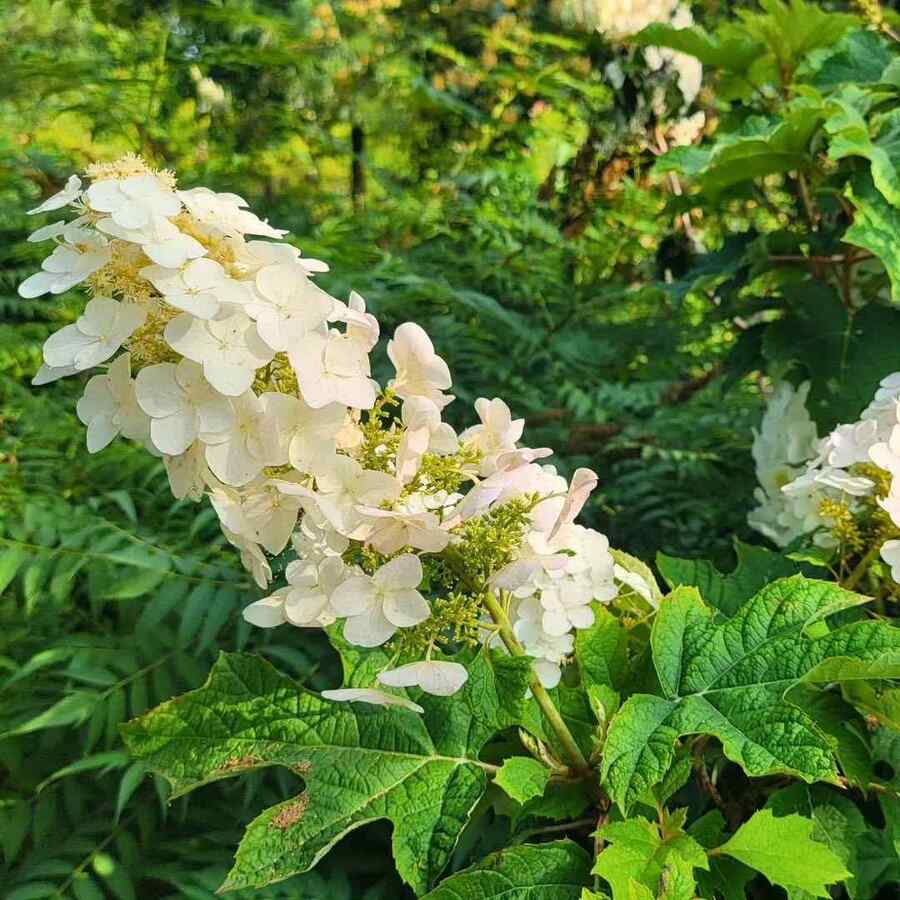
Best for: part shade to sun, ornamental impact, “designed” curb appeal
Oakleaf hydrangea earns its reputation in Pennsylvania landscapes: big white summer flower panicles, rich fall color, and exfoliating bark that keeps the plant interesting when the garden goes quiet.
Style it like this:
-
Place it where you see it daily—near an entry path or patio edge.
-
Pair with a dark evergreen behind it (inkberry or mountain laurel) for contrast.
Care notes: Give it room; crowding steals the graceful shape.
2) Winterberry (Ilex verticillata)
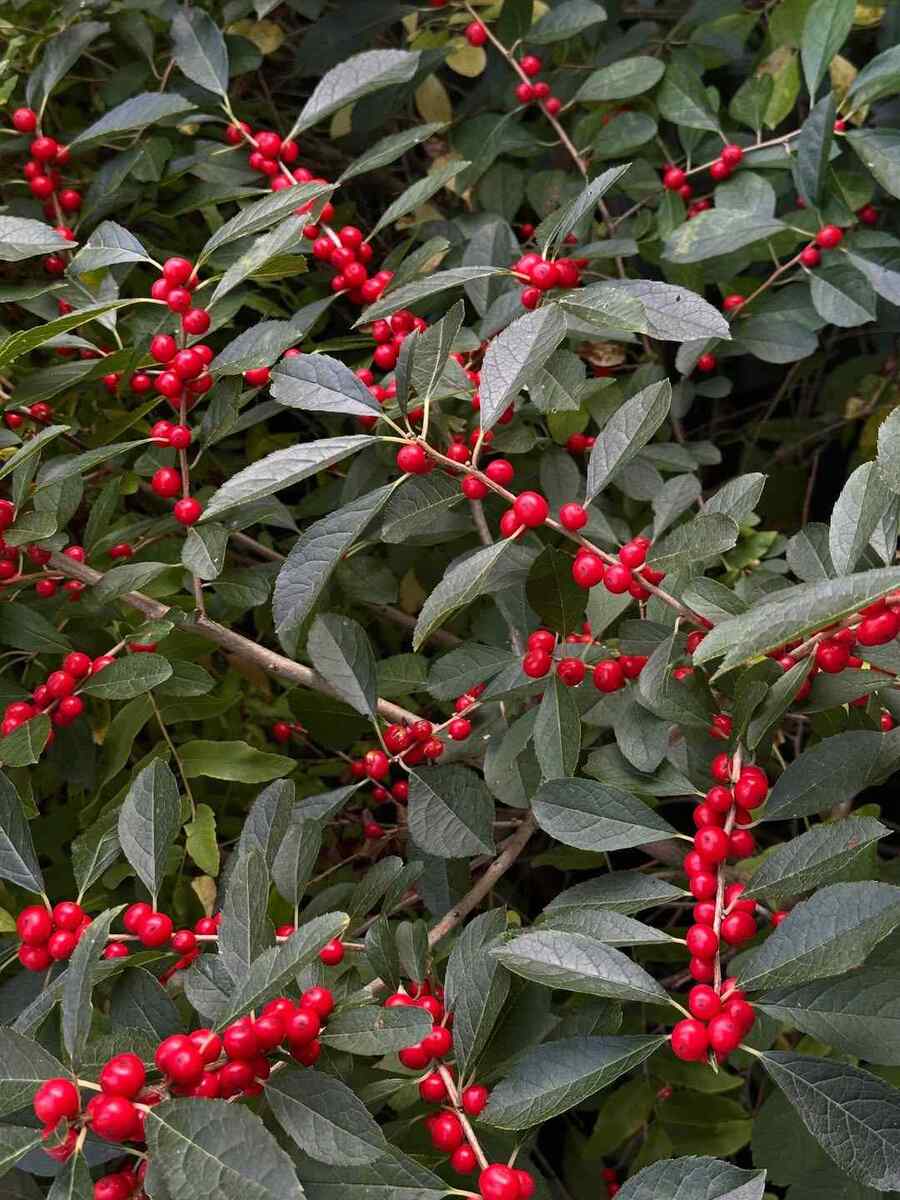
Best for: sun to part shade, moist soil, winter color and birds
Winterberry is winter’s showpiece: bright red berries that hold into the cold months and provide food for birds.
Important detail: You need a male plant nearby to pollinate berry-producing females. Many nurseries sell matched pairs or list compatible varieties.
Style it like this:
-
Plant 2–3 females together for a bold berry display.
-
Add ornamental grasses nearby for movement and a clean winter silhouette.
Care notes: Consistent moisture helps it thrive, but it’s adaptable once established.
3) Mountain Laurel (Kalmia latifolia)
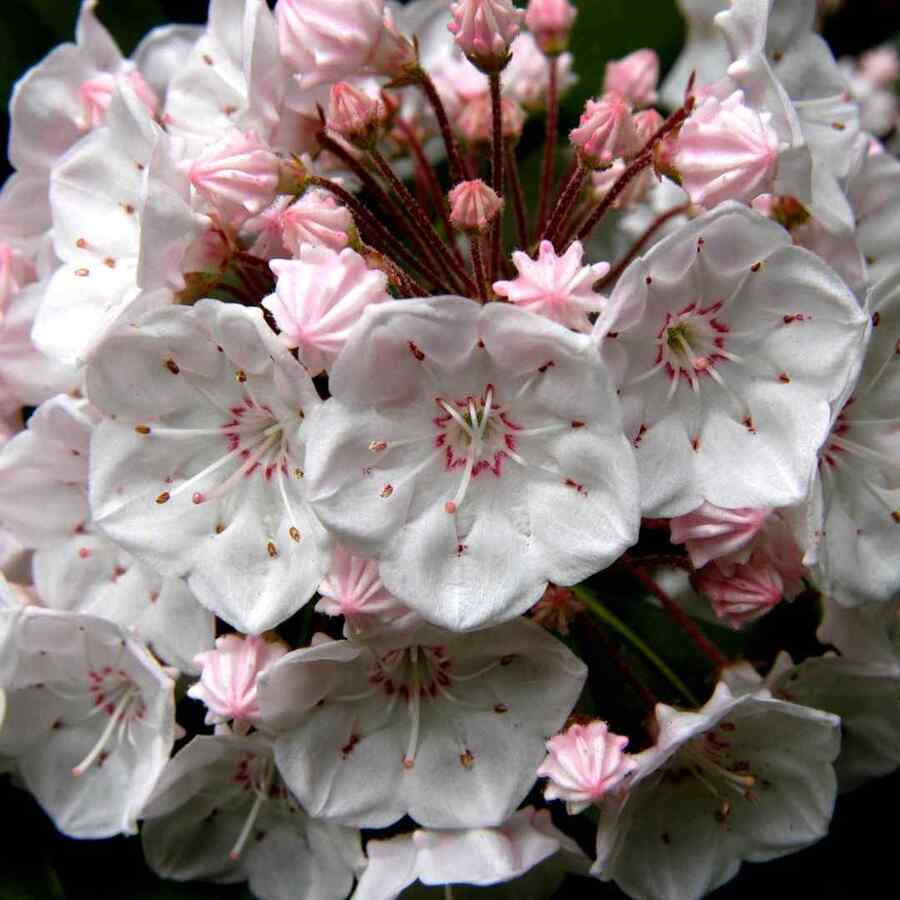
Best for: shade to part shade, acidic soil, evergreen structure
Pennsylvania’s state flower is also one of the most beautiful evergreen shrubs you can grow—especially in woodland-style gardens. Mountain laurel has glossy leaves and clusters of intricate blooms that look almost sculpted.
Style it like this:
-
Use it as an evergreen “anchor” beneath tall trees or on the north side of a home.
-
Combine with ferns and native groundcovers for a calm, natural understory.
Care notes: It prefers acidic, well-drained soil and dislikes heavy, wet clay. If your soil is dense, amend planting areas and avoid low spots.
4) Summersweet / Clethra (Clethra alnifolia)
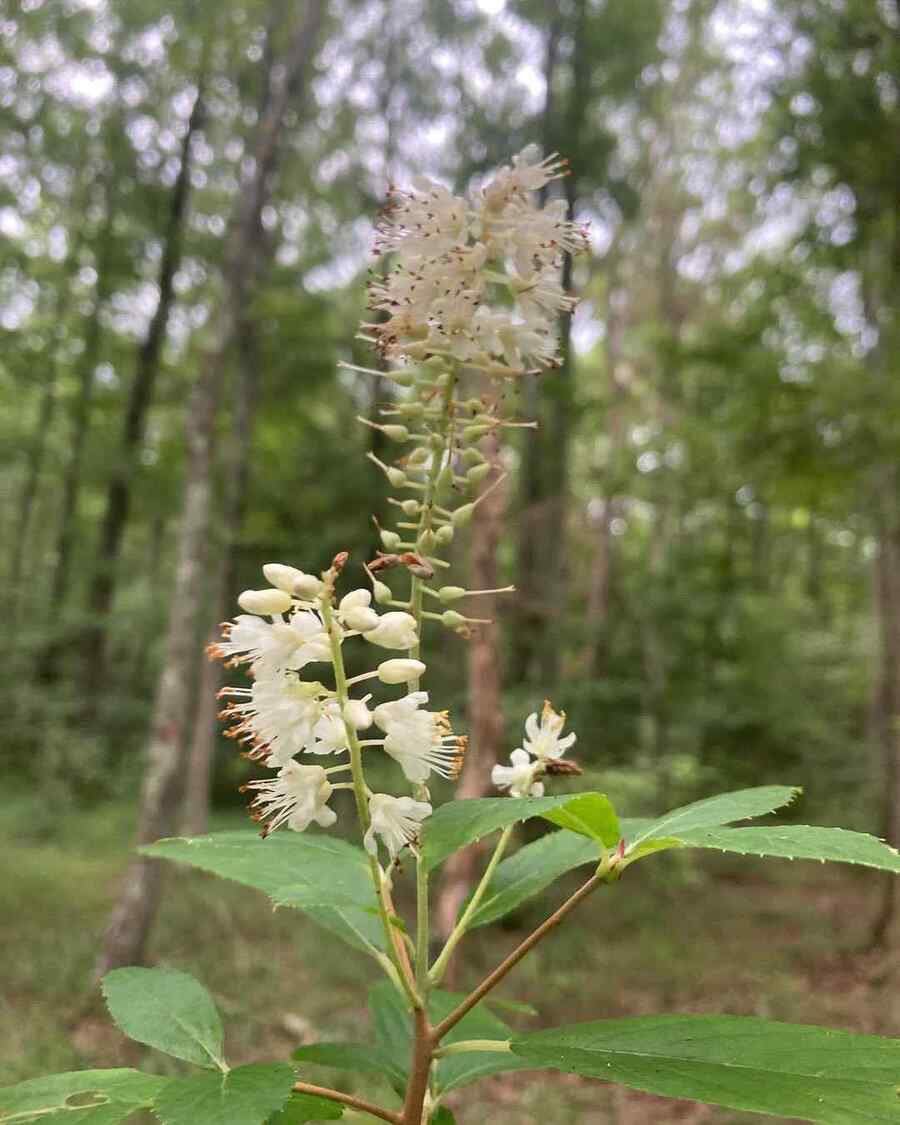
Best for: sun to shade, moist soil, fragrance + pollinators
Summersweet blooms when many shrubs take a break, with fragrant white or pink flower spikes in mid-to-late summer. In Pennsylvania’s warm July and August, it becomes a pollinator magnet.
Style it like this:
-
Plant near a seating area so the fragrance feels like part of the experience.
-
Works beautifully in a slightly wild border, especially with native grasses.
Care notes: Handles shade well; moisture improves flowering.
5) Spicebush (Lindera benzoin)
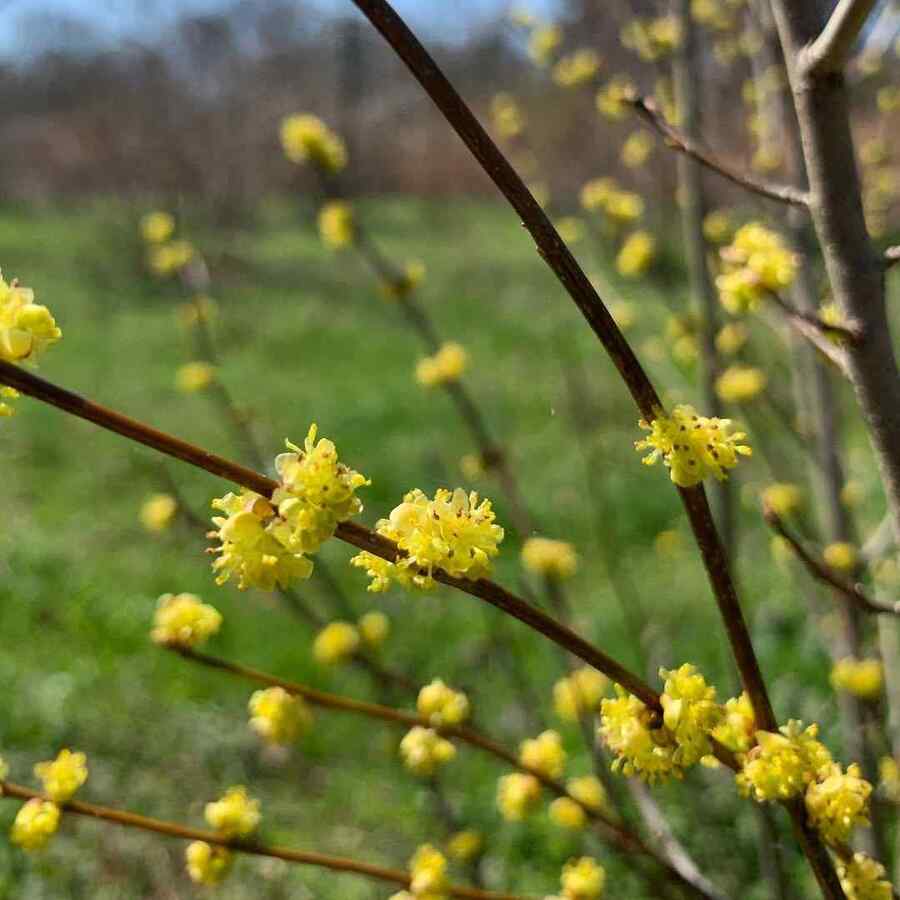
Best for: shade, woodland edges, early-season interest
Spicebush is a Pennsylvania-friendly native with fragrant foliage, yellow spring flowers, and red berries (on female plants). It’s especially valuable where shade makes other shrubs struggle.
Style it like this:
-
Tuck it along a woodland path or at the edge of a tree line.
-
Pair with mountain laurel for evergreen + deciduous layering.
Care notes: If you want berries, include both male and female plants.
6) Arrowwood Viburnum (Viburnum dentatum)
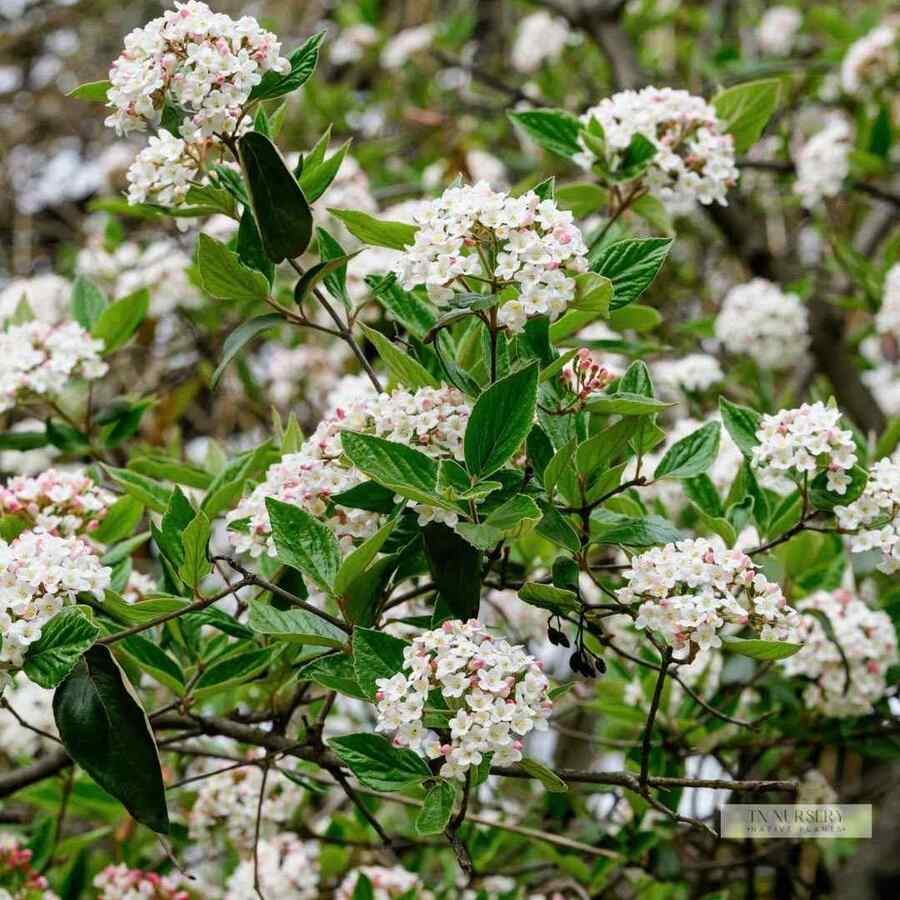
Best for: sun to part shade, hedging, wildlife value
Arrowwood viburnum is rugged and generous: white spring flowers, blue-black berries, and great wildlife support. It’s ideal when you want a screening shrub that doesn’t feel stiff.
Style it like this:
-
Use it as a loose hedge (a natural privacy line).
-
Mix with chokeberry and winterberry for a “berries through the seasons” border.
Care notes: Light shaping after flowering is optional; otherwise, it’s low-fuss.
7) Inkberry Holly (Ilex glabra)
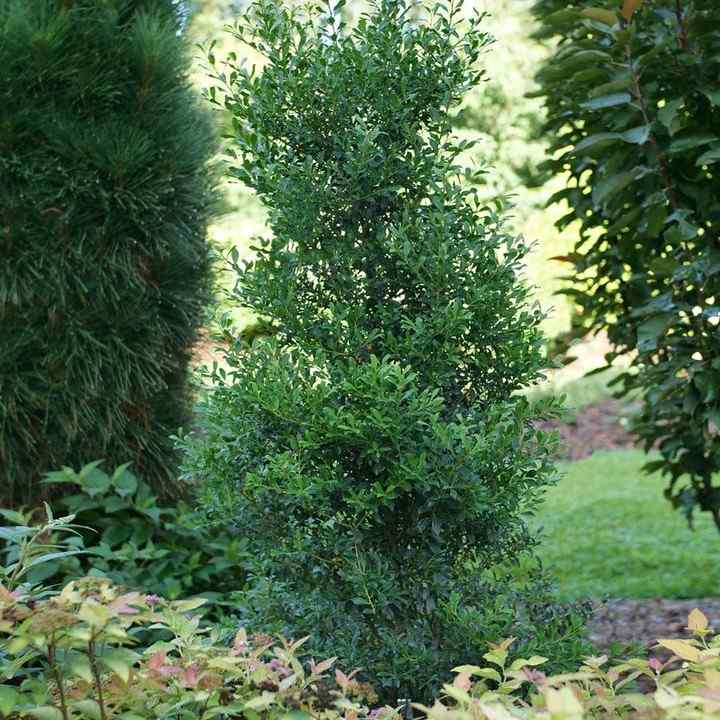
Best for: sun to part shade, evergreen structure, foundation beds
Inkberry is a native evergreen that gives you the tidy, year-round backbone many people want—without forcing your landscape into a formal look. Think of it as “structured, but not uptight.”
Style it like this:
-
Use along foundations for a clean line that stays green all year.
-
Pair with oakleaf hydrangea for a high-end, high-contrast combo.
Care notes: Choose a cultivar that matches your desired size and shape.
8) Witch Hazel (Hamamelis virginiana)
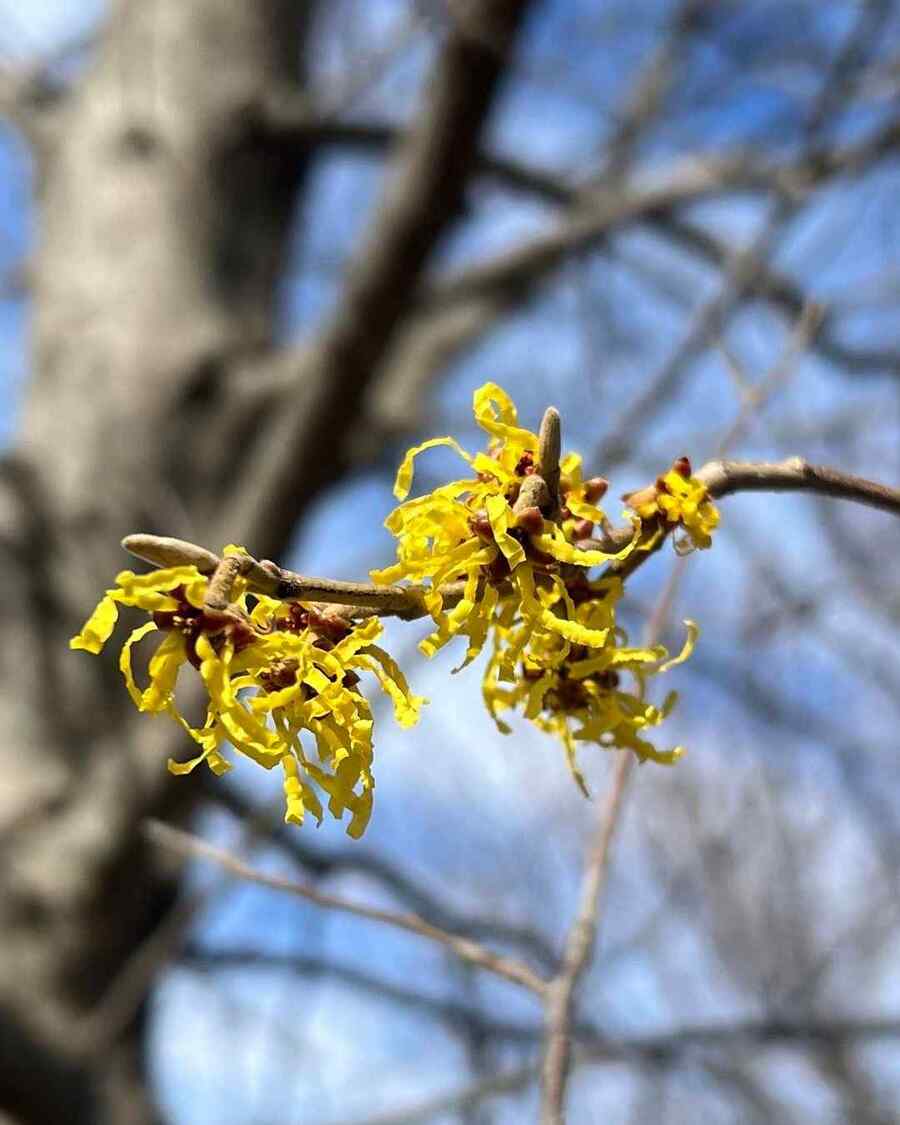
Best for: part shade, woodland borders, late-season blooms
Witch hazel is the shrub you appreciate most when the rest of the garden is fading. It produces unique yellow flowers in late fall (sometimes stretching into winter depending on conditions), often with a light fragrance.
Style it like this:
-
Place near a walkway you use in late fall—so you notice it when it’s working its magic.
-
Combine with evergreens behind it to make the blooms stand out.
Care notes: Minimal pruning; let it keep a natural form.
9) Red Chokeberry (Aronia arbutifolia)
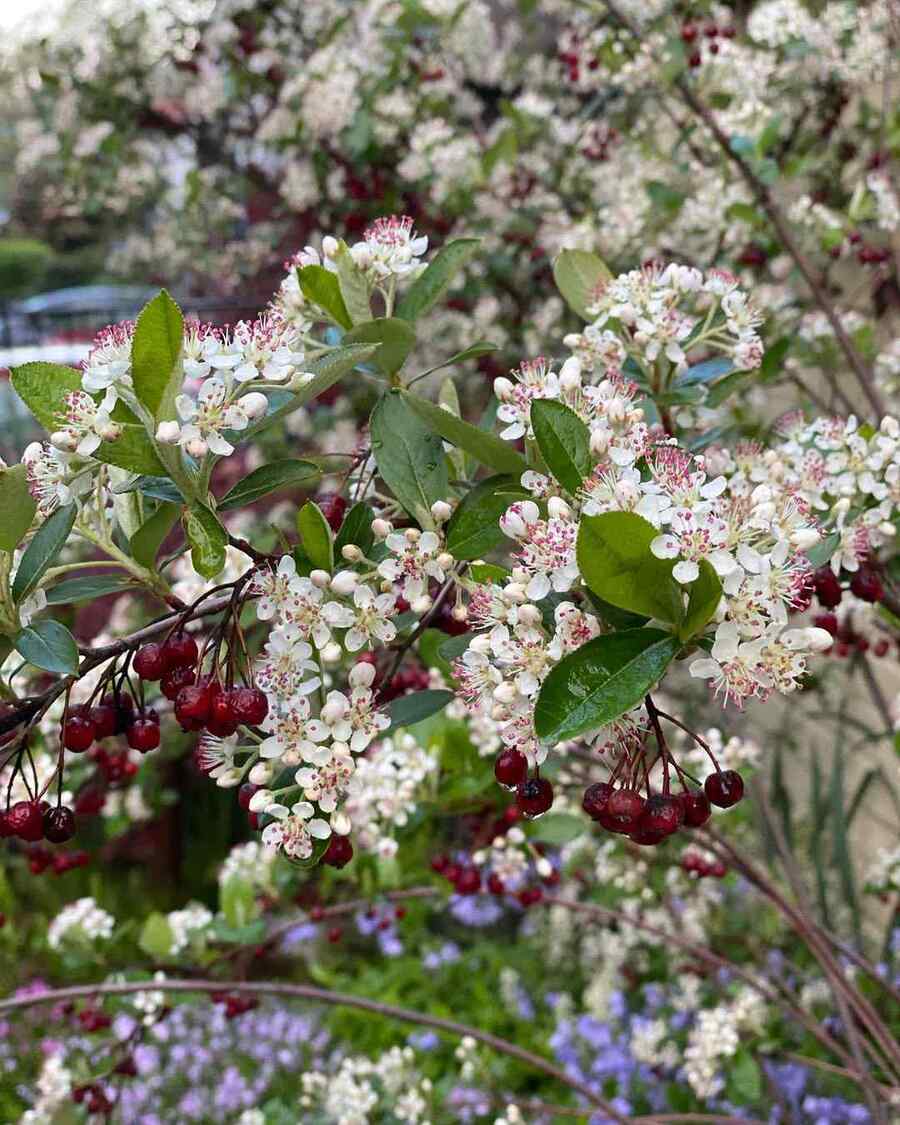
Best for: sun to part shade, erosion control, fall color + fruit
Red chokeberry is a workhorse that still looks beautiful: glossy foliage, brilliant red fall color, and persistent fruits that help wildlife. It’s also excellent for stabilizing slopes and edges.
Style it like this:
-
Use in masses on a slope for a “designed naturalism” look.
-
Pair with viburnum for a layered hedge that reads lush, not messy.
Care notes: Occasional thinning keeps it airy and improves overall shape.
10) Dwarf Fothergilla (Fothergilla gardenii)
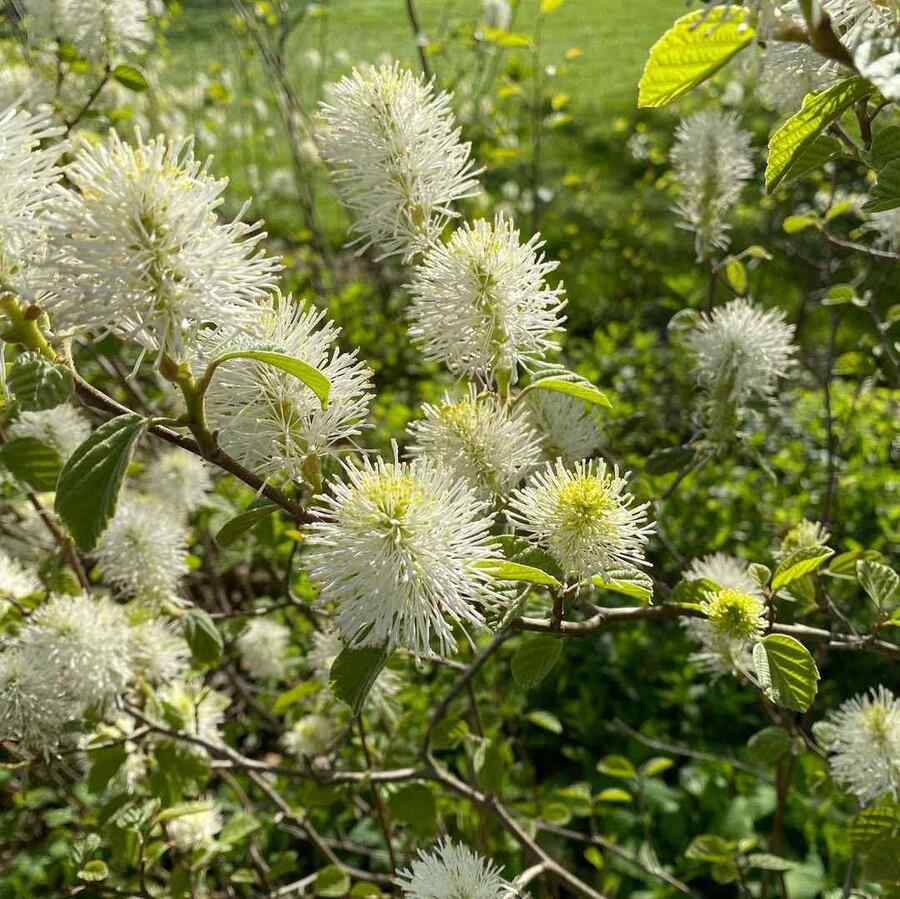
Best for: sun to part shade, smaller gardens, fragrance + fall fireworks
Dwarf fothergilla is the shrub you plant once and quietly brag about forever: fragrant white bottlebrush blooms in spring and multi-toned fall foliage that can include gold, orange, and red all at once.
Style it like this:
-
Use near the front of a bed where you can enjoy spring blooms up close.
-
Combine with inkberry or mountain laurel for evergreen contrast.
Care notes: Prefers slightly acidic soils; mulch helps stabilize moisture.
Three Pennsylvania Planting “Recipes” That Feel Personal
These mixes help your yard feel like your place—not a generic planting list.
1) Polished front yard (clean + structured):
-
Inkberry holly + oakleaf hydrangea + dwarf fothergilla
2) Backyard wildlife border (flowers + berries):
-
Summersweet + arrowwood viburnum + winterberry (with a male pollinator)
3) Woodland edge (shade-friendly, native feel):
-
Mountain laurel + spicebush + witch hazel
Practical Tips for Pennsylvania Success
-
Mulch 2–3 inches (keep it off the stems) to buffer freeze–thaw cycles.
-
Water deeply the first growing season, especially during summer heat.
-
Plant in groups of 3 for a composed look and better habitat value.
-
Match acid-lovers to the right spot (mountain laurel and fothergilla shine in acidic soil).
Bottom Line
A strong Pennsylvania shrub palette balances evergreen structure, seasonal flowers, fall color, and winter food for birds. If your yard has shade, embrace it—mountain laurel, spicebush, and witch hazel can make shaded areas feel intentional and beautiful.