Choosing shrubs for Oklahoma is a little different than shopping for shrubs in cooler, wetter states. You’re balancing summer heat, wind, clay-heavy soils, and periodic drought, plus the occasional winter swing that tests tender plants. The goal is simple: shrubs that stay attractive when July gets serious and still give you flowers, fragrance, or evergreen structure when the rest of the yard is resting. Below are 10 dependable choices that suit Oklahoma landscapes, with straightforward placement tips so your beds feel cohesive and intentionally styled.
Table of Contents
Shrubs for Oklahoma: 10 reliable choices for color and structure
1) Oakleaf Hydrangea (Hydrangea quercifolia)
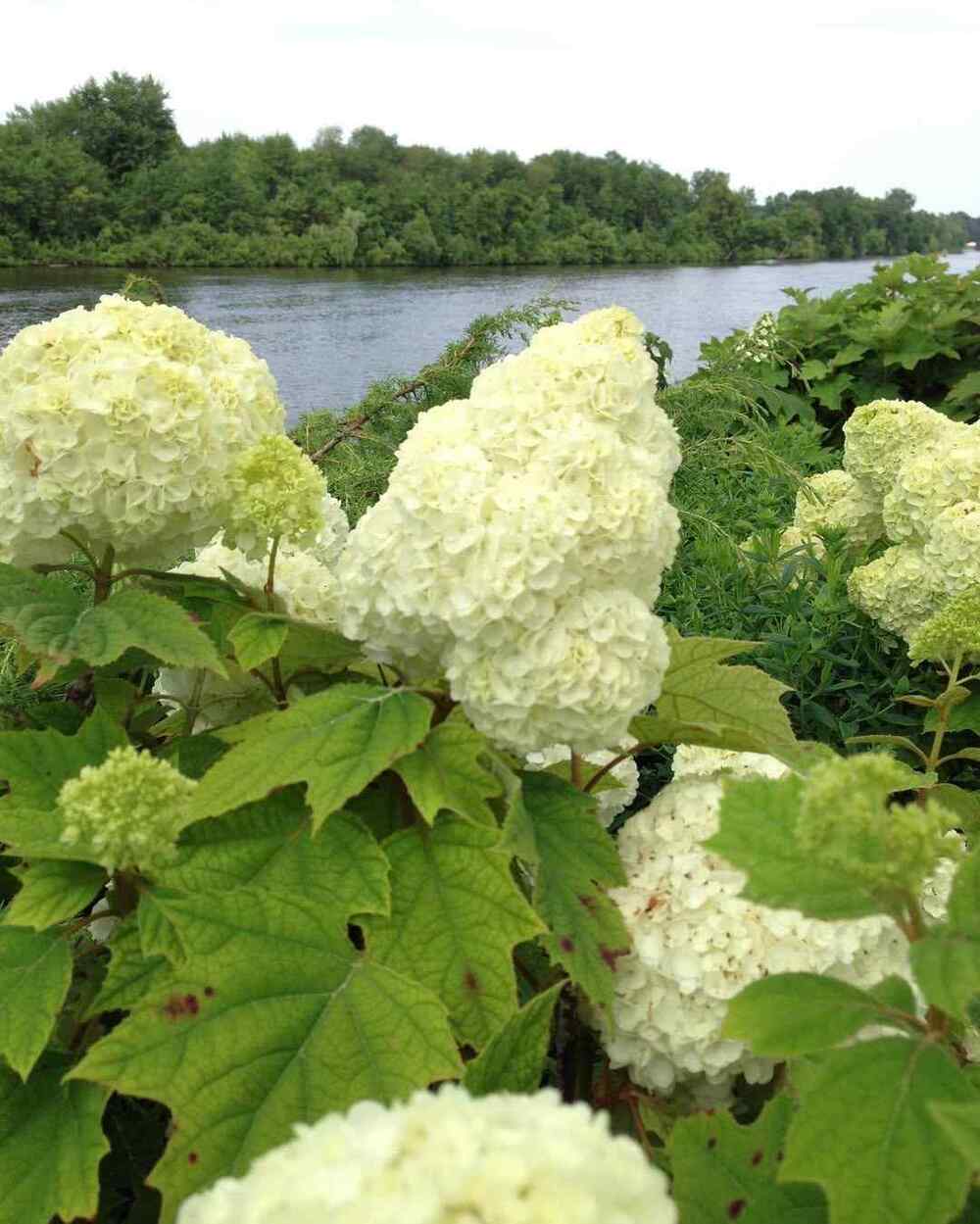
Oakleaf hydrangea brings a “designed garden” vibe fast: big white summer blooms, bold oak-shaped foliage, and rich fall color. In Oklahoma, it’s happiest with morning sun and afternoon shade, especially where summers run hot.
How to use it: Place near an entry walk or patio where the texture reads close-up. Add dark mulch and a simple edging line to keep the look crisp. Water deeply during establishment; once settled, it’s more forgiving than many hydrangeas.
2) Forsythia (Forsythia spp.)
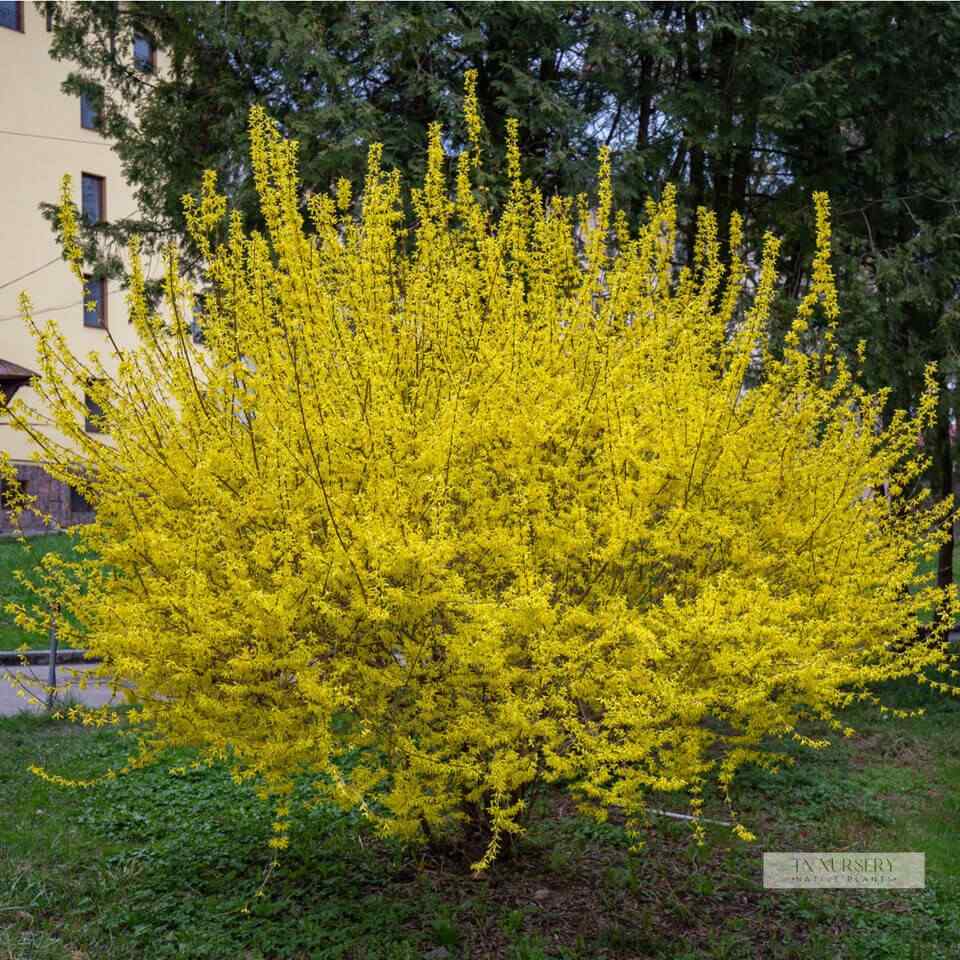
Forsythia delivers instant spring cheer with bright yellow blooms before most shrubs wake up. It’s tough, fast, and dependable—perfect when you want early color without fuss.
How to use it: Plant where you’ll see it from inside (kitchen window wins). Prune right after flowering so you don’t remove next year’s buds. Give it room; a slightly airy, fountain shape feels elegant and natural rather than over-sheared.
3) Knock Out® Roses (Rosa ‘Radrazz’ and related)
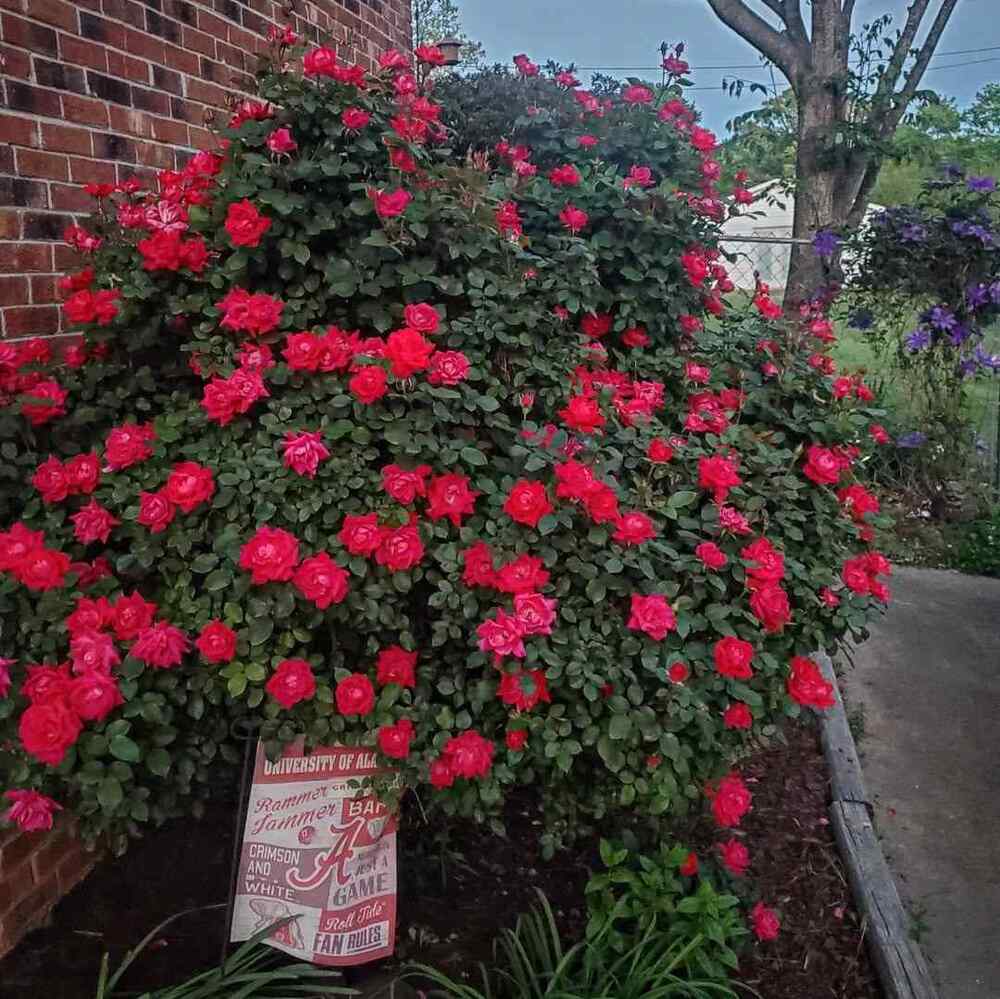
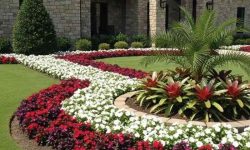
If you want steady color through heat, Knock Out® roses are a workhorse: long blooming, disease resistant, and generally unfazed by summer. They read classic in cottage beds, but they also fit modern designs if you keep the planting lines clean.
How to use it: Mass 3–7 plants for a strong visual block. Keep airflow by spacing properly, and deadhead lightly for tidiness. A drip line makes them look “effortless” even in dry stretches.
4) Junipers (Juniperus spp.)
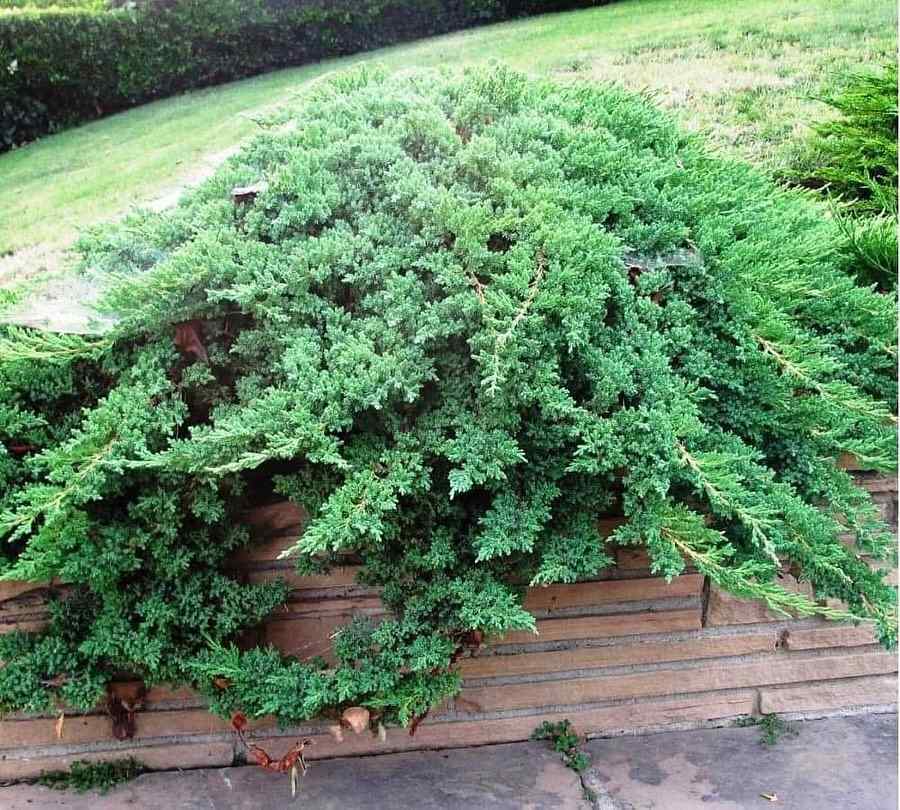
Junipers are the backbone shrubs for Oklahoma when you want drought tolerance, evergreen structure, and minimal maintenance. From low mounding types to upright screens, they handle sun, wind, and lean soils well.
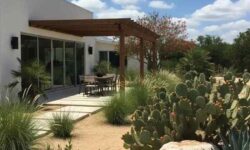
How to use it: Use low varieties to soften corners and replace thirsty annual color. Upright types make great privacy buffers. Pair junipers with ornamental grasses for a clean, prairie-modern look that stays sharp year-round.
5) Smokebush / “American Smoketree” (Cotinus coggygria)
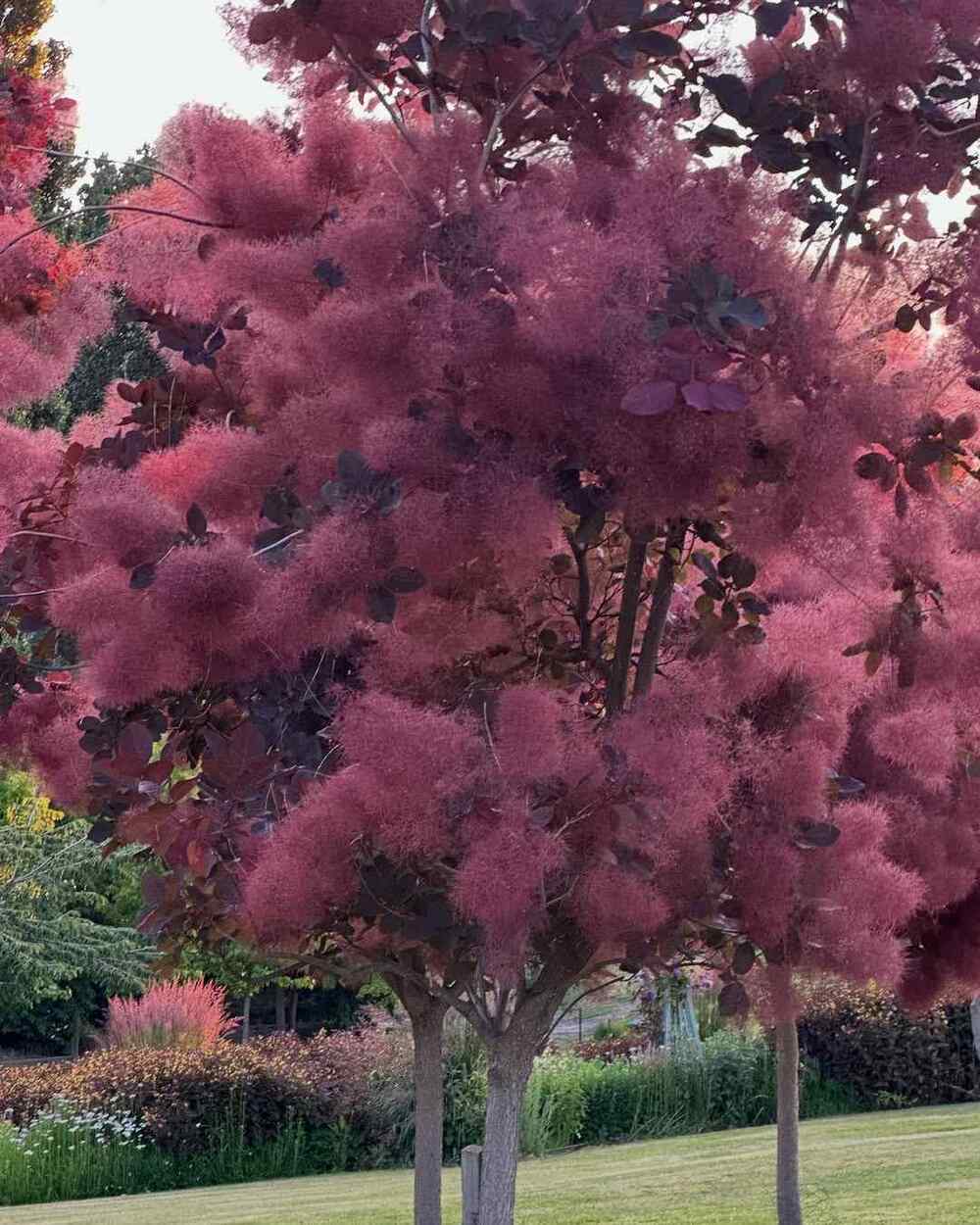
Smokebush earns attention with its hazy summer “smoke” plumes and dramatic foliage (often burgundy in many cultivars), followed by strong fall color. It’s a statement plant—use it like you would a piece of outdoor art.
How to use it: Give it a dedicated spot where it can be seen from a distance. In tight spaces, prune to a multi-stemmed form and keep the base simple—stone, mulch, or low groundcover—so the silhouette stays the star.
6) Nandina / Heavenly Bamboo (Nandina domestica)
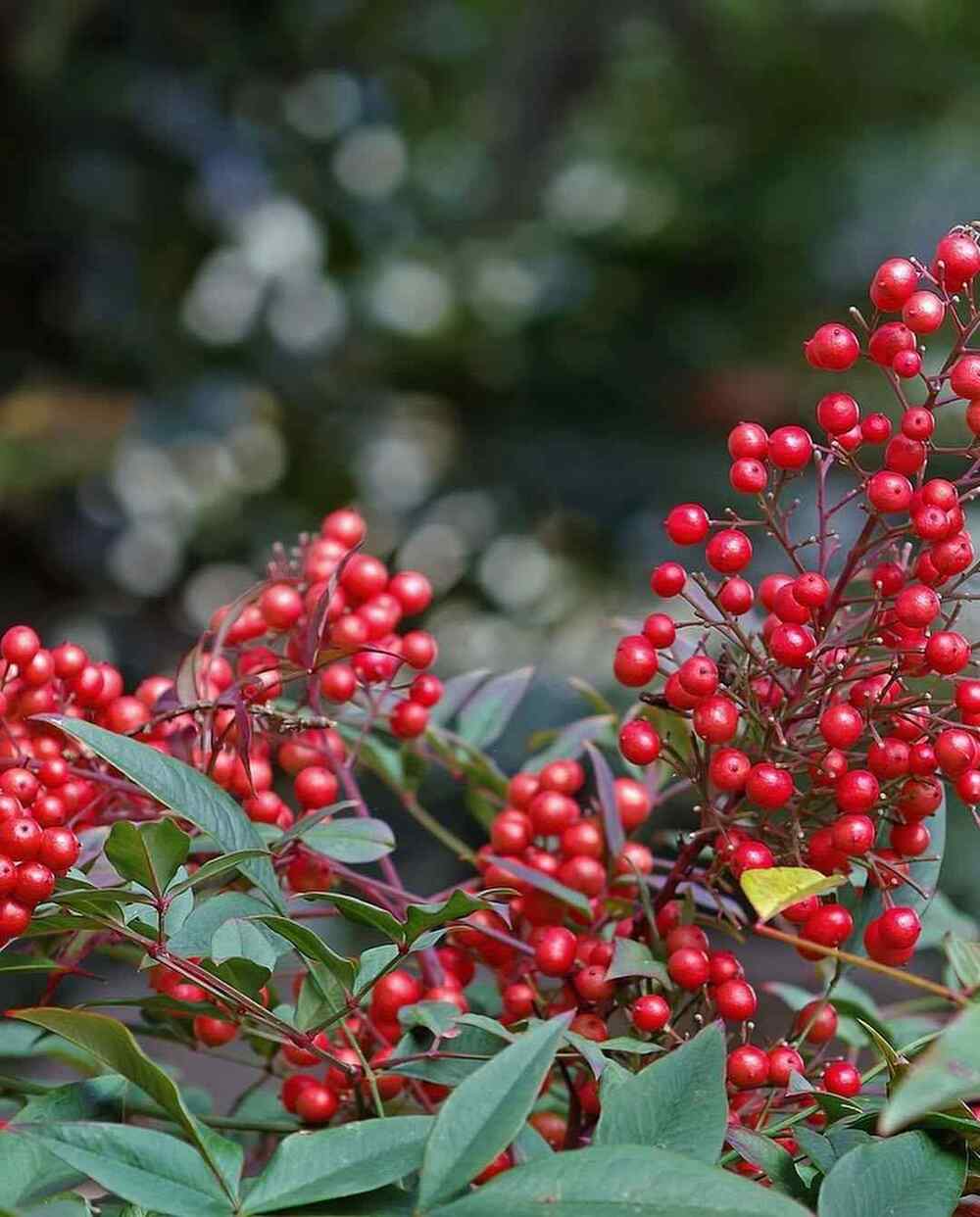
Nandina is a tough, adaptable evergreen with fine texture and seasonal color shifts—often with red tones and berries depending on variety. It tolerates heat and mixed sun exposures, making it common in Oklahoma foundations.
How to use it: Choose compact varieties for a polished look. Place in repeating groups along a foundation for rhythm. Note: In some regions, nandina can be invasive; check local guidance and opt for sterile or well-behaved cultivars when available.
7) Crapemyrtle (shrub form) (Lagerstroemia spp.)
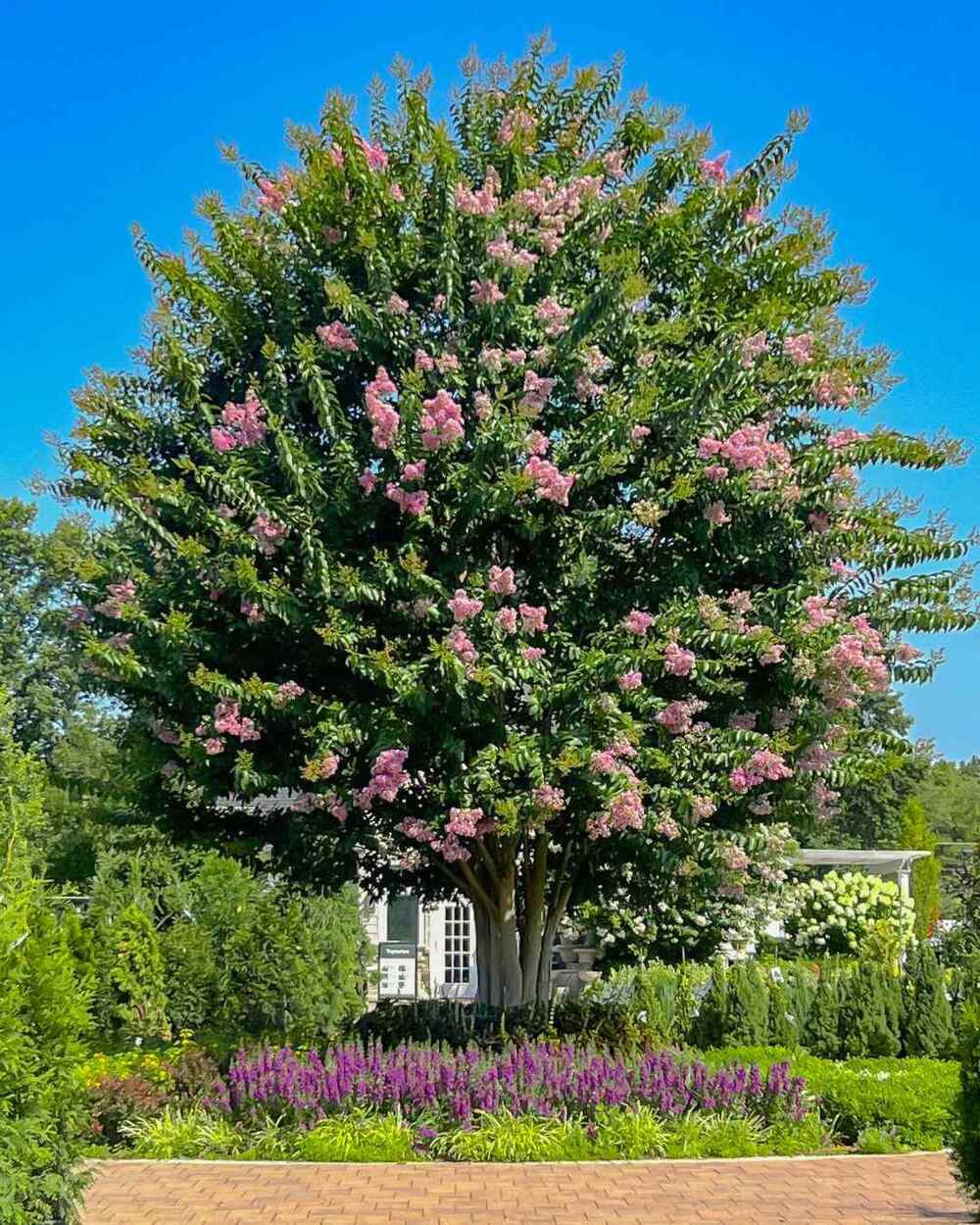
Crapemyrtle thrives in Oklahoma heat and rewards you with vivid summer flowers and attractive bark. In shrub form, it can anchor a bed without turning into a full tree, especially with careful cultivar selection.
How to use it: Plant in full sun for best blooming. Use it as a focal point in a front bed and echo its color with smaller perennials nearby. Skip harsh “topping” cuts; instead, thin selectively for a graceful structure.
8) Korean Spice Viburnum (Viburnum carlesii)
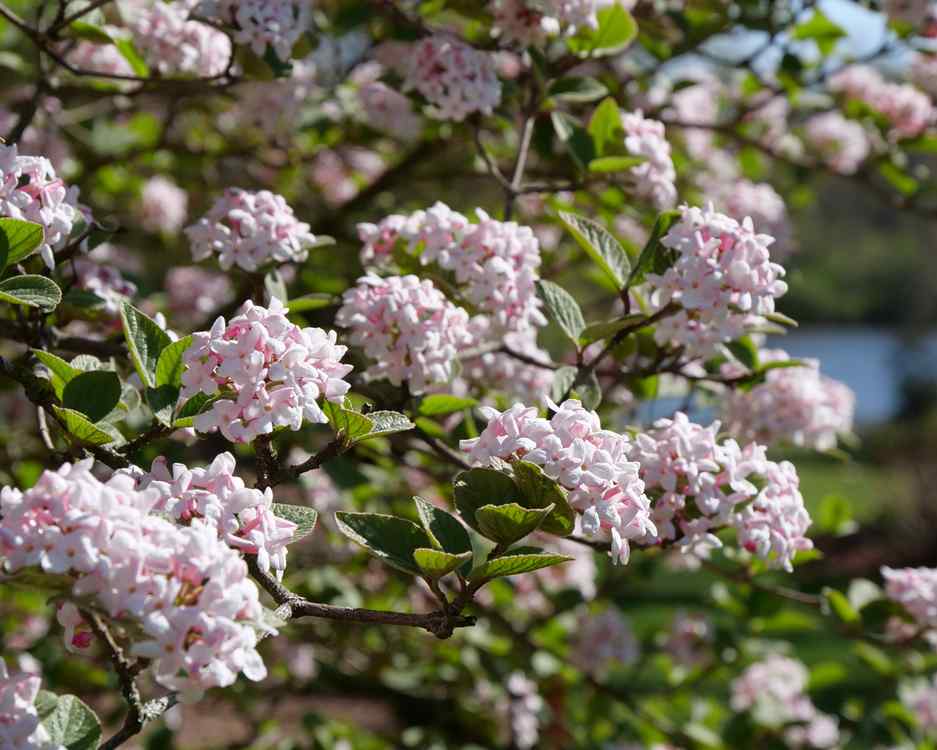
For fragrance lovers, this shrub is pure joy—its spring blooms can be intensely sweet-scented. It also brings a tidy shape that suits more formal landscapes.
How to use it: Put it near a door, gate, or patio—somewhere you’ll walk close enough to enjoy the scent. Give it consistent moisture during establishment. Light pruning after flowering keeps it neat while preserving bloom potential.
9) Fragrant Sumac (Rhus aromatica)
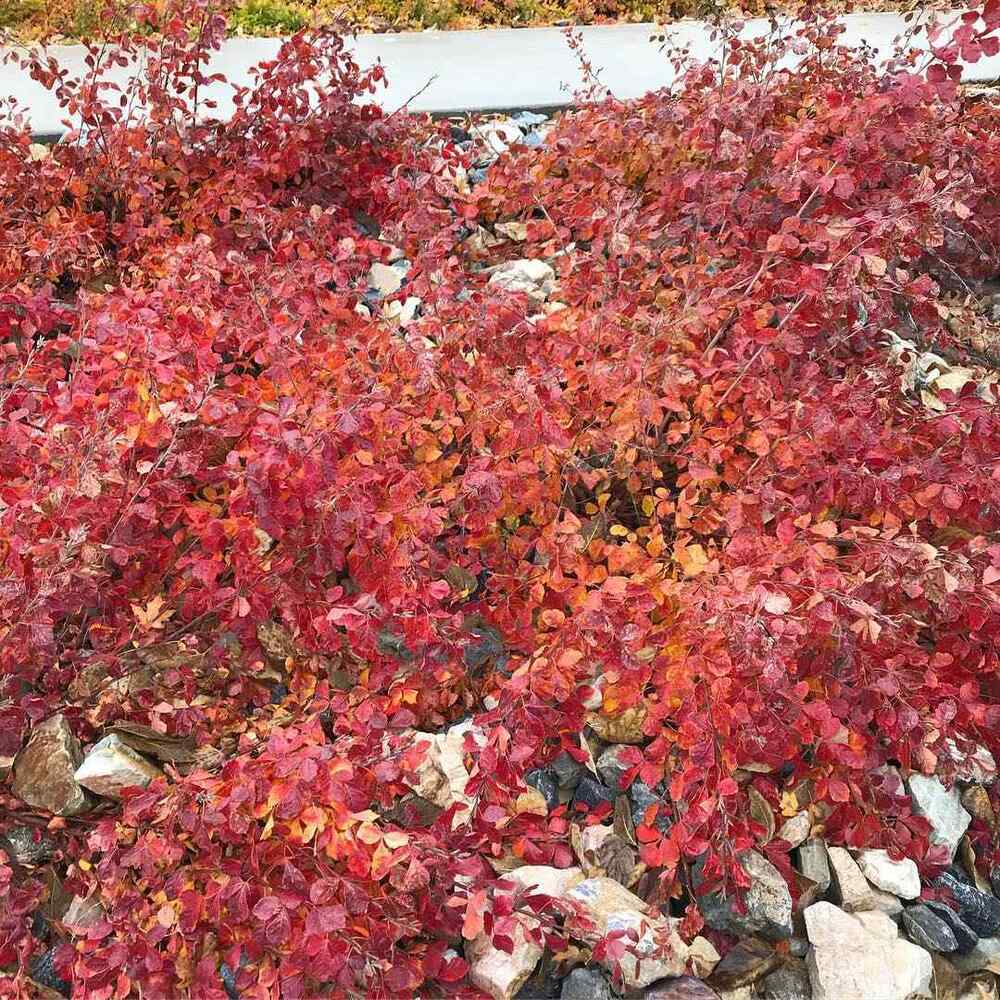
A durable native with excellent fall color and a naturally tough attitude, fragrant sumac handles sun, heat, and a range of soils. It’s great when you want a shrub that feels “Oklahoma-appropriate” and supports wildlife.
How to use it: Use it on slopes, along tough sunny edges, or anywhere erosion control matters. Let it form a low, wide mass for a naturalistic look. Pair with native grasses for an intentional, low-water planting scheme.
10) Double-Take™ Quince (Chaenomeles speciosa)
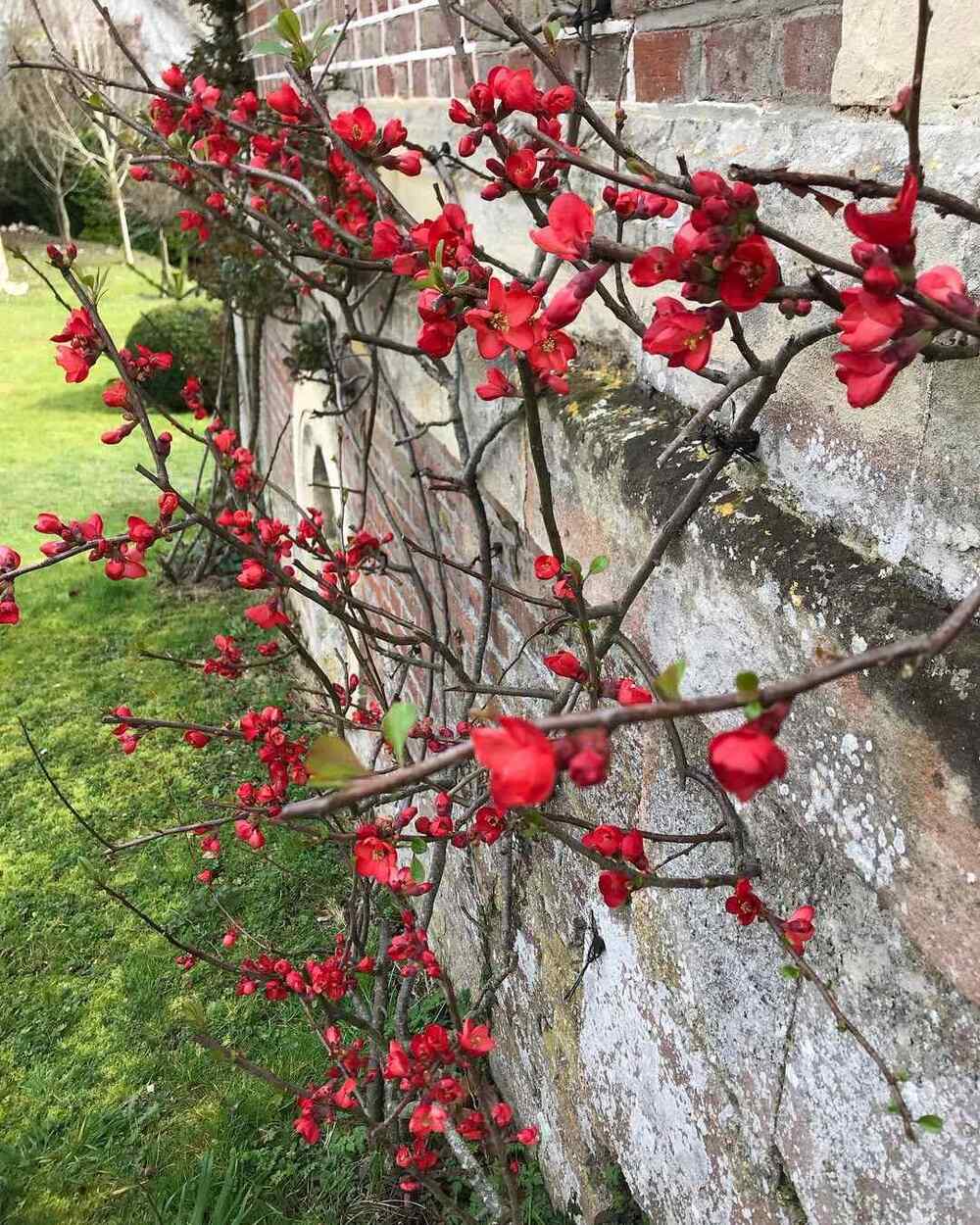
Quince is an early-spring showstopper with bold flowers in red, orange, or pink—and Double-Take™ selections are often promoted as thornless, making them easier to place near walkways.
How to use it: Plant it as a spring accent in mixed borders, then let summer perennials carry the color after blooms fade. A simple backdrop (fence, evergreens, or stone) makes the spring flowers pop like a designed focal moment.
Quick design map for Oklahoma beds
-
For heatproof color: Knock Out® roses + crapemyrtle + quince (season-long sequence).
-
For evergreen structure: junipers + compact nandina (repeat for a clean rhythm).
-
For fragrance: Korean spice viburnum + fragrant sumac (near paths and seating).
-
For a modern, drought-smart look: junipers + fragrant sumac + ornamental grasses, with mulch or gravel for a crisp finish.
When you choose shrubs for Oklahoma with structure in mind—evergreens for bones, bloomers for moments—your yard stays attractive even through the hardest weeks of summer.
FAQ: Shrubs for Oklahoma
1) What shrubs handle Oklahoma heat and drought best?
Junipers and fragrant sumac are among the most heat- and drought-tolerant choices. Once established, they handle sun, wind, and dry spells well.
2) Which shrubs for Oklahoma give the longest bloom season?
Knock Out® roses bloom repeatedly for months, and crapemyrtle carries strong summer color when many shrubs slow down.
3) Where should I plant oakleaf hydrangea in Oklahoma?
Morning sun with afternoon shade is ideal, especially in hotter parts of the state. Consistent moisture during establishment improves performance.
4) Are there any cautions with nandina in Oklahoma landscapes?
Nandina is tough and widely used, but it can be invasive in some areas. Check local recommendations and choose sterile or compact cultivars when possible.