If your garden has long freezes, sharp winds, and a growing season that feels short, you need plants that are dependable first and decorative second (luckily, you can have both). The best shrubs for North Dakota bring structure in winter, flowers in summer, and color in fall—without constant replacement after a rough year. Below are 10 hardy picks that suit North Dakota conditions, plus simple styling and care tips to help your yard feel intentional and welcoming.
Table of Contents
Shrubs for North Dakota: What to Prioritize for Success
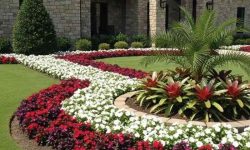
When choosing shrubs for North Dakota, think in three layers: wind protection, snow line, and sun exposure. Put your tallest shrubs on the north or west side to soften wind. Use medium shrubs to frame paths and windows, and keep compact shrubs near the front where snow piles won’t crush them.
For a clean, cohesive look, repeat shrubs in groups of 3 and choose one main color theme (white + green, or pink + burgundy). Most importantly, plant at the right depth, mulch 2–3 inches, and water deeply until freeze-up in the first year—this is where many North Dakota plantings succeed or fail.
1) Lilac (Syringa)
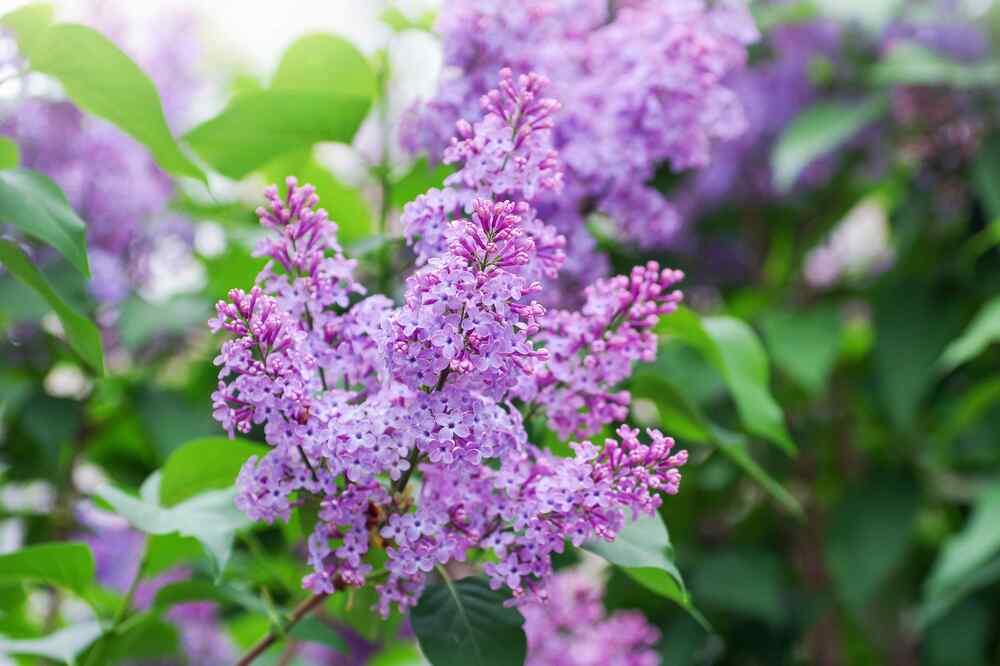
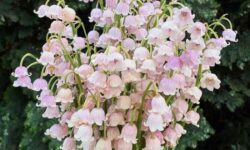
Lilacs are classic for a reason: they’re exceptionally hardy and deliver unforgettable spring fragrance. In North Dakota, lilac can anchor a border and still look fresh with minimal effort.
How to use it: Place lilacs near an entry path or patio so the scent greets you. For a “heritage” feel, use a single variety in a row; for a cottage feel, mix colors.
Care: Full sun for best blooms. Prune right after flowering, not in fall. Give it airflow to reduce mildew.
2) Panicle Hydrangea (Hydrangea paniculata)
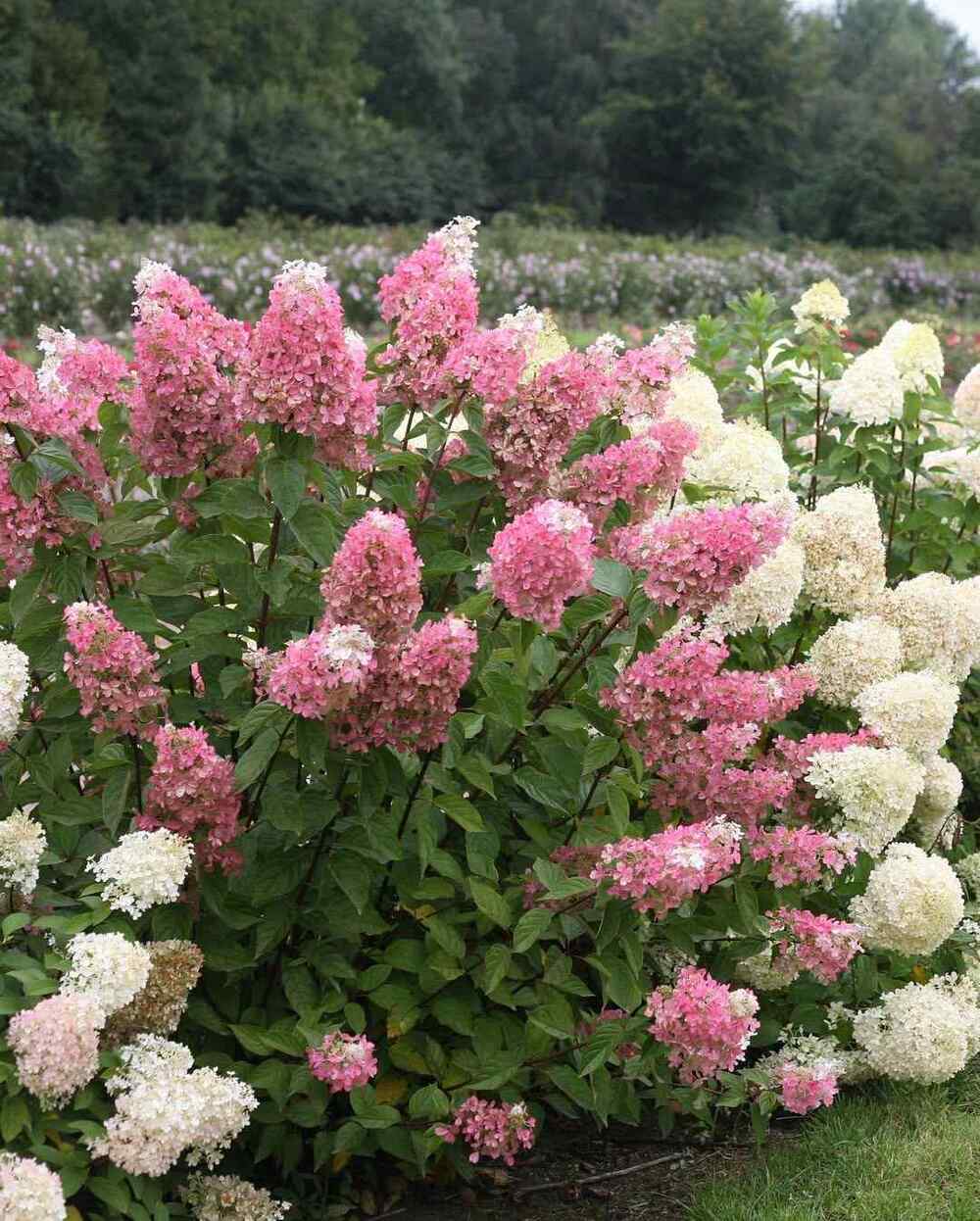
Panicle hydrangea is a cold-climate favorite because it blooms reliably and holds large flower clusters from summer into fall. Many cultivars shift color as they age, adding extra seasonal interest.
How to use it: Plant as a focal point near the front door or as a soft hedge along a driveway. It pairs beautifully with evergreens and dark mulch.
Care: Sun to part shade. Prune in late winter/early spring; it blooms on new wood.
3) Potentilla (Potentilla fruticosa)
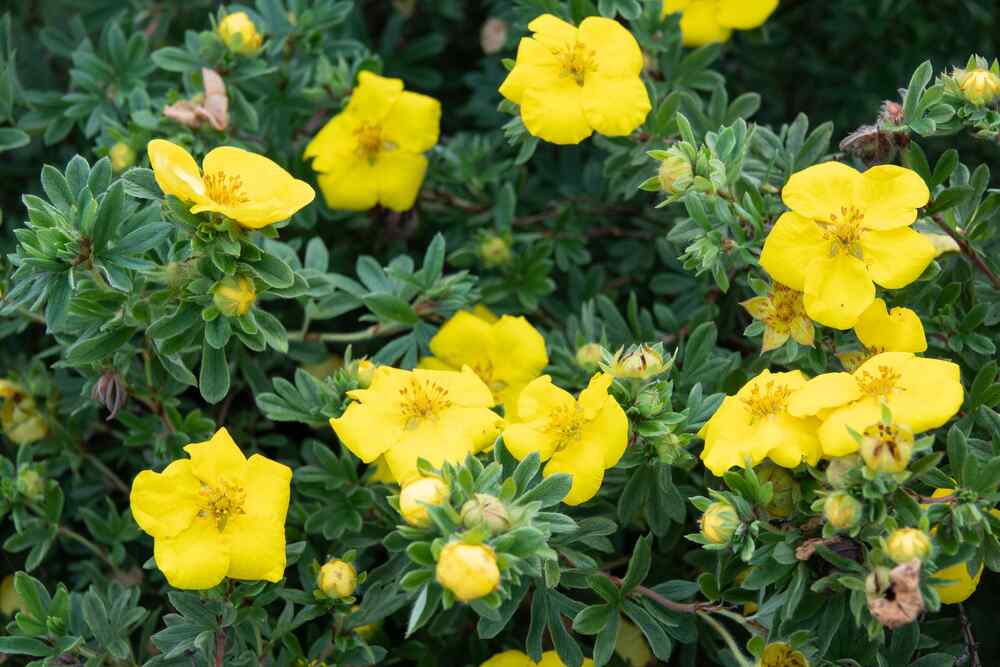
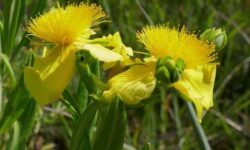
Potentilla is one of the easiest shrubs for North Dakota to live with: drought-tolerant, compact, and blooming for months. It’s perfect when you want steady color without fuss.
How to use it: Use it as a low border along walkways or in foundation beds where you need a tidy, reliable shape. Yellow is classic, but white and pink varieties add a softer look.
Care: Full sun is best. Light shearing in spring encourages a denser form.
4) Black Chokeberry (Aronia melanocarpa)
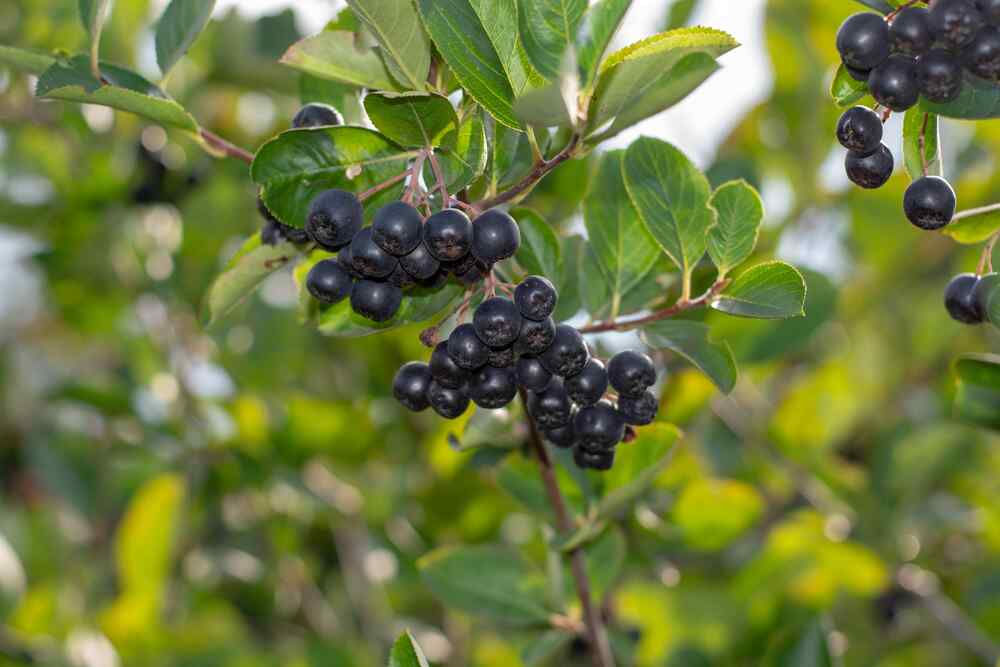
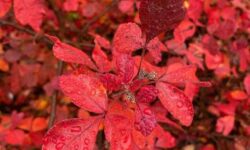
Aronia is a native, multi-season shrub with white spring flowers, dark berries, and strong red-purple fall color. It’s a practical pick that also looks designed—especially in mass plantings.
How to use it: Plant in a drift of 3–7 for a bold fall color band. It also works as a natural privacy layer behind shorter shrubs.
Care: Sun to part shade. Adaptable to many soils. Prune older stems occasionally to keep it vigorous.
5) Weigela (Weigela florida)
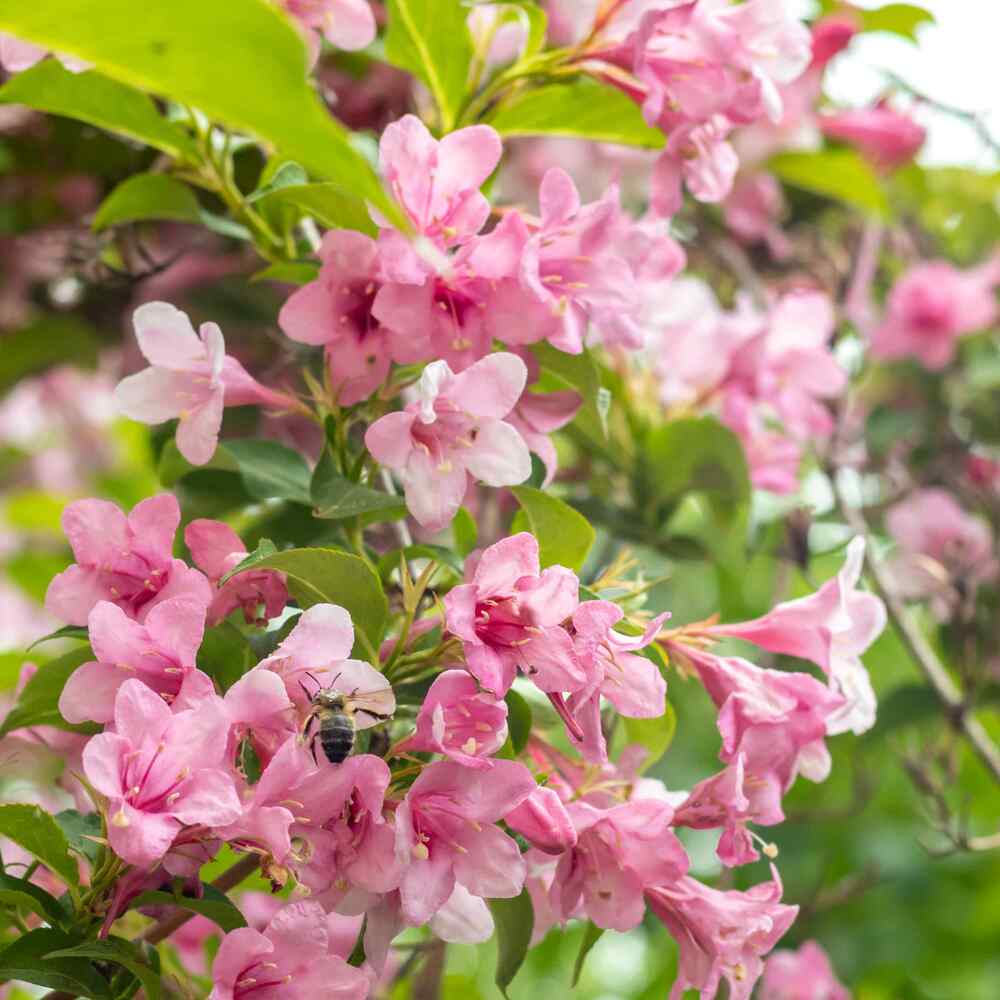
Weigela brings cheerful tubular flowers—often pink or red—that draw pollinators and brighten early summer. Many newer selections also have colored foliage that adds contrast even when not blooming.
How to use it: Place weigela where you’ll see it often—near a kitchen window or patio—because the bloom show is a mood-lifter. Pair pink blooms with deep green shrubs for a crisp look.
Care: Full sun for best flowering. Prune right after bloom if you need shaping.
6) Spirea (Spiraea)
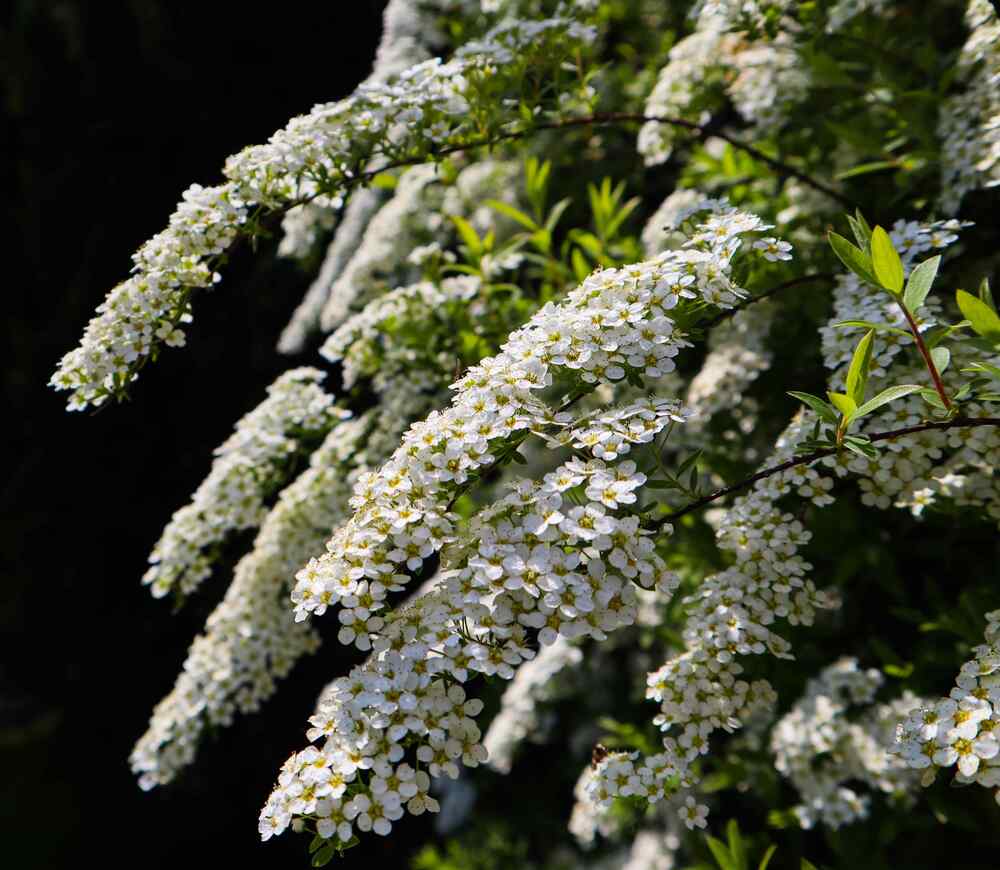
Spirea is durable, compact, and easy to fit into almost any yard. Modern cultivars can rebloom and offer colorful foliage that keeps beds lively from spring through fall.
How to use it: Use spirea as a “connector shrub” to tie together taller anchors (lilac, viburnum) and smaller edging plants. It looks best repeated in neat groups.
Care: Sun to part shade. A spring prune helps maintain a tidy, blooming shape.
7) Dogwood (Cornus)
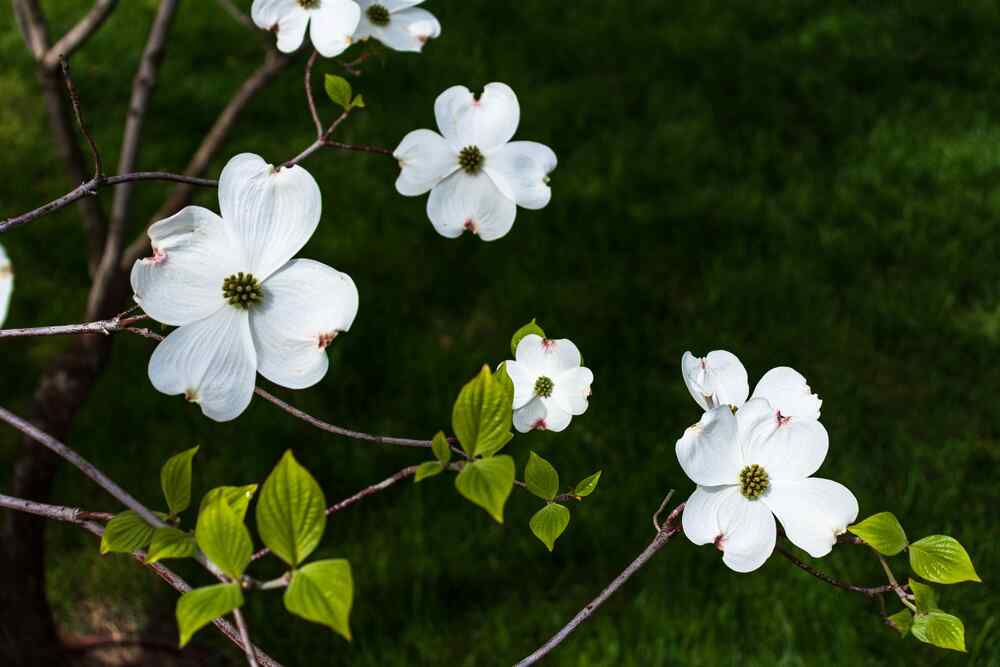
Shrub dogwoods are prized for winter stems—bright red or yellow—that stand out against snow and gray skies. They’re also adaptable and can handle a range of soils.
How to use it: Plant dogwood where winter color matters: near the street, along a path, or framed by evergreens. Grouping 3+ shrubs creates the strongest visual punch.
Care: For the brightest stems, remove a portion of old wood each spring (or coppice every few years). Avoid overly dry sites.
8) Viburnum (cold-hardy types)
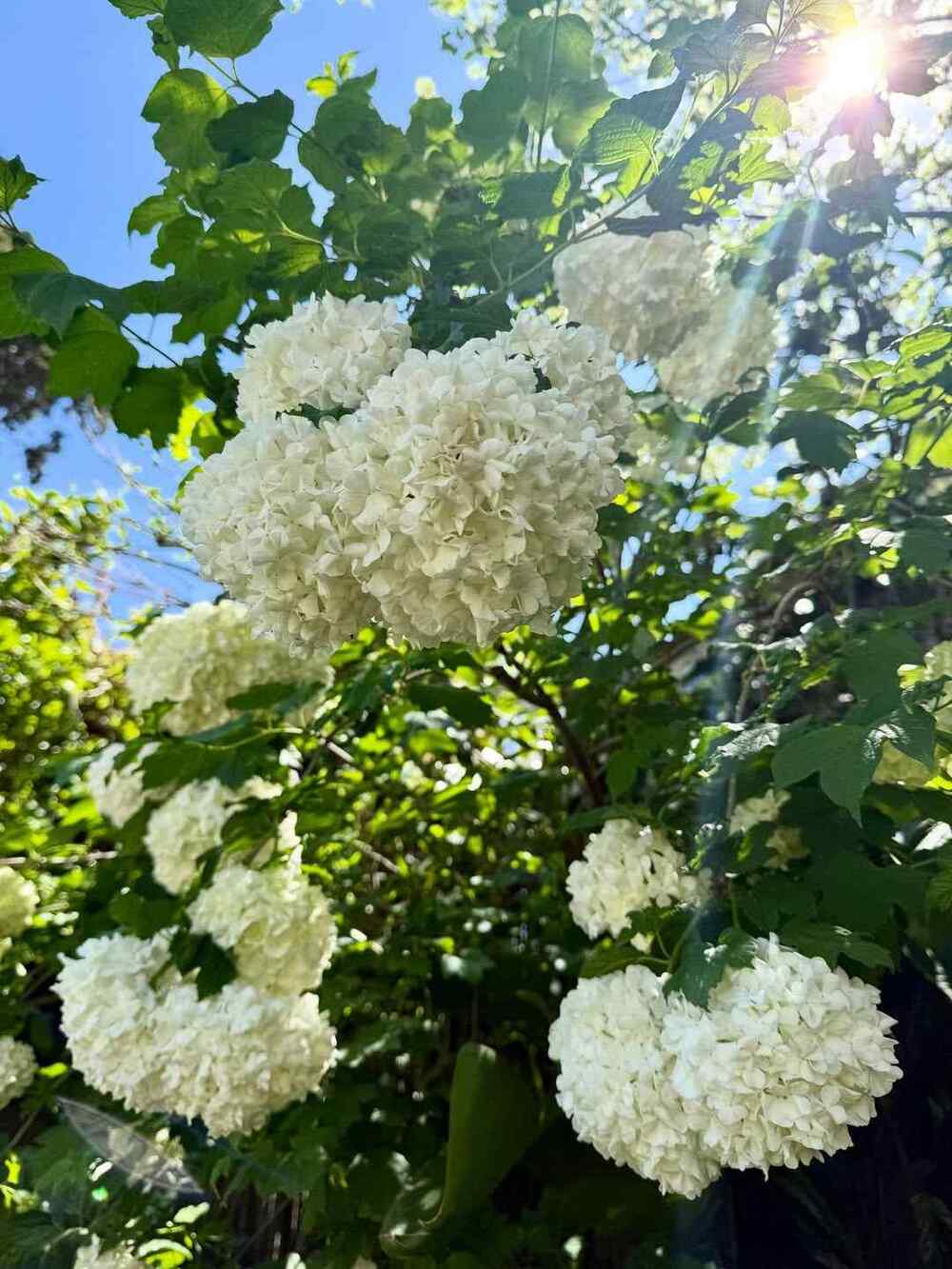
Viburnums offer spring flowers and berries that birds love, plus handsome foliage that fills space without feeling heavy. For shrubs for North Dakota, prioritize cold-hardy selections suited to your specific zone and exposure.
How to use it: Use viburnum as a mid-to-tall background layer to add privacy without building a wall. It’s excellent behind hydrangeas or spirea.
Care: Sun to part shade. Water well in year one; mulch to protect roots from temperature swings.
9) Elderberry (Sambucus)
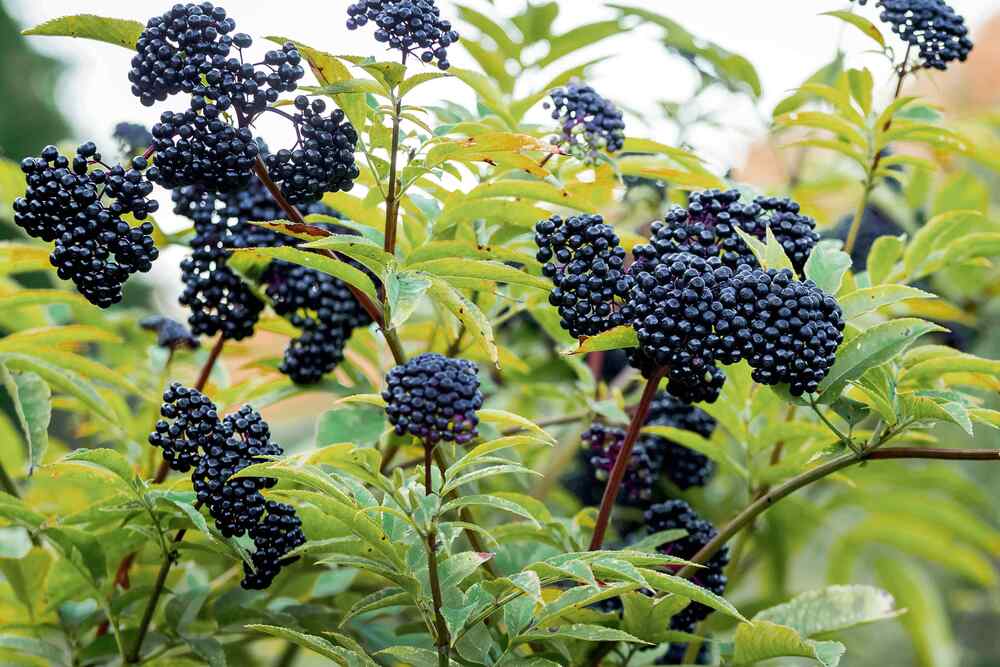
Elderberry is tough and fast-growing, with showy flower clusters and, in some varieties, dramatic dark foliage (like ‘Black Lace’) that elevates a basic foundation bed. It also supports wildlife value.
How to use it: Treat elderberry as a bold accent—one or two plants can carry an entire bed. Pair dark foliage with white hydrangeas for a high-contrast, modern look.
Care: Sun to part shade. Prune in early spring to manage size and encourage fresh growth.
10) Russian Almond (Prunus tenella)
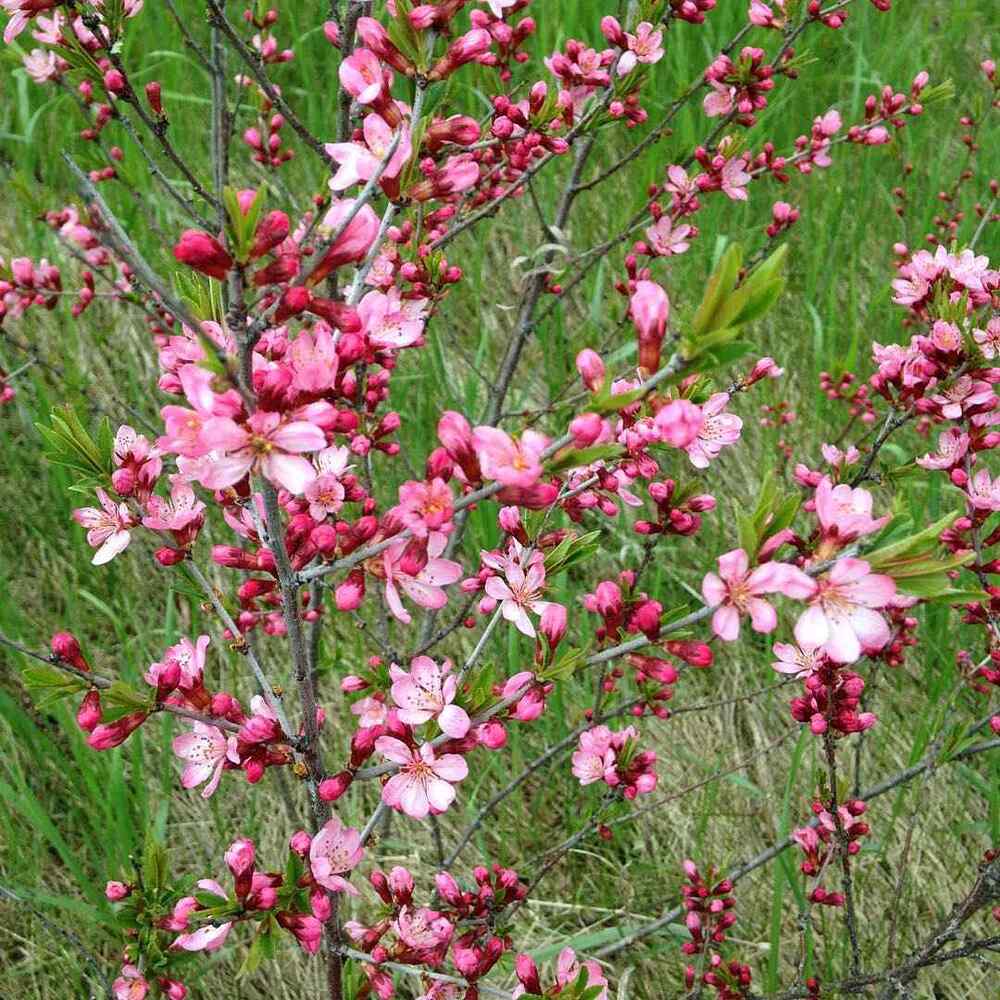
Russian almond is a hardy shrub known for bright pink spring flowers and a tough constitution that suits North Dakota winters. It’s a great way to get early-season color when you’re craving signs of spring.
How to use it: Plant it where you’ll spot it first—near the front walk or mailbox—so the early bloom feels like a seasonal milestone.
Care: Full sun for best flowering. Prune lightly after bloom; avoid heavy fall pruning.
FAQ
When is the best time to plant shrubs in North Dakota?
Late spring after the worst freezes or early fall while soil is still warm are both strong options. Avoid late fall planting when roots won’t establish.
How do I protect new shrubs for North Dakota from winter damage?
Water deeply until the ground freezes, mulch 2–3 inches, and use burlap on exposed sites to reduce wind burn—especially for the first 1–2 winters.
Which shrubs for North Dakota bloom the longest?
Potentilla is a standout for long bloom, and panicle hydrangea can flower from mid-summer into fall. Spirea can also rebloom depending on cultivar.
What shrubs give the best winter interest?
Dogwood stems are the most dramatic in snow, while aronia and viburnum add berries and strong fall-to-winter structure.