If your yard gets blazing sun, drying winds, and soil that skews alkaline, you’re not alone—New Mexico gardens demand plants that earn their keep. The good news: the right shrubs for New Mexico can give you color, privacy, fragrance, and wildlife value without constant watering or fuss. Below are 9 shrub picks that handle heat and low humidity, plus simple, specific placement and care tips so your landscape feels personal—not generic.
Table of Contents
Shrubs for New Mexico That Thrive in Heat, Wind, and Alkaline Soil
Before you plant, match shrubs to your microclimate: reflected heat near walls, cold pockets in low spots, and wind exposure on corners. For the cleanest results, repeat shrubs in groups of 3–5 and keep one “hero” shrub as a focal point near an entry or patio. Most of the choices below prefer full sun and deep, infrequent watering once established.
1) Desert Willow (Chilopsis linearis)
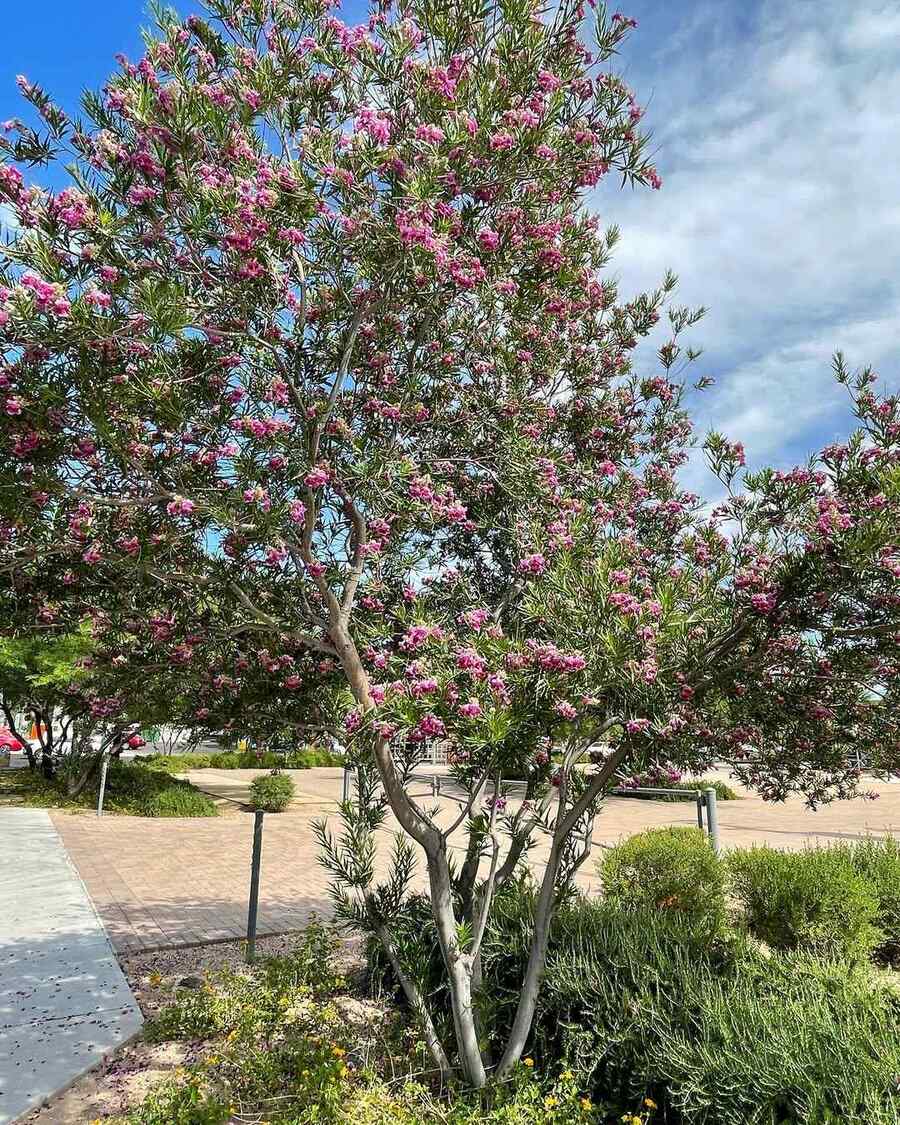
Desert Willow grows like a small tree or large shrub, with airy leaves and orchid-like flowers that read as elegant, not messy. It’s a strong choice for New Mexico heat and gives a soft, dappled canopy—great near patios where you want shade without darkness.
How to use it: Place it as a focal point in a gravel bed or xeric island. Give it room; prune lightly to shape rather than shear.
Care: Deep water weekly the first season, then taper. Full sun is best for blooms.
2) Autumn Sage (Salvia greggii)
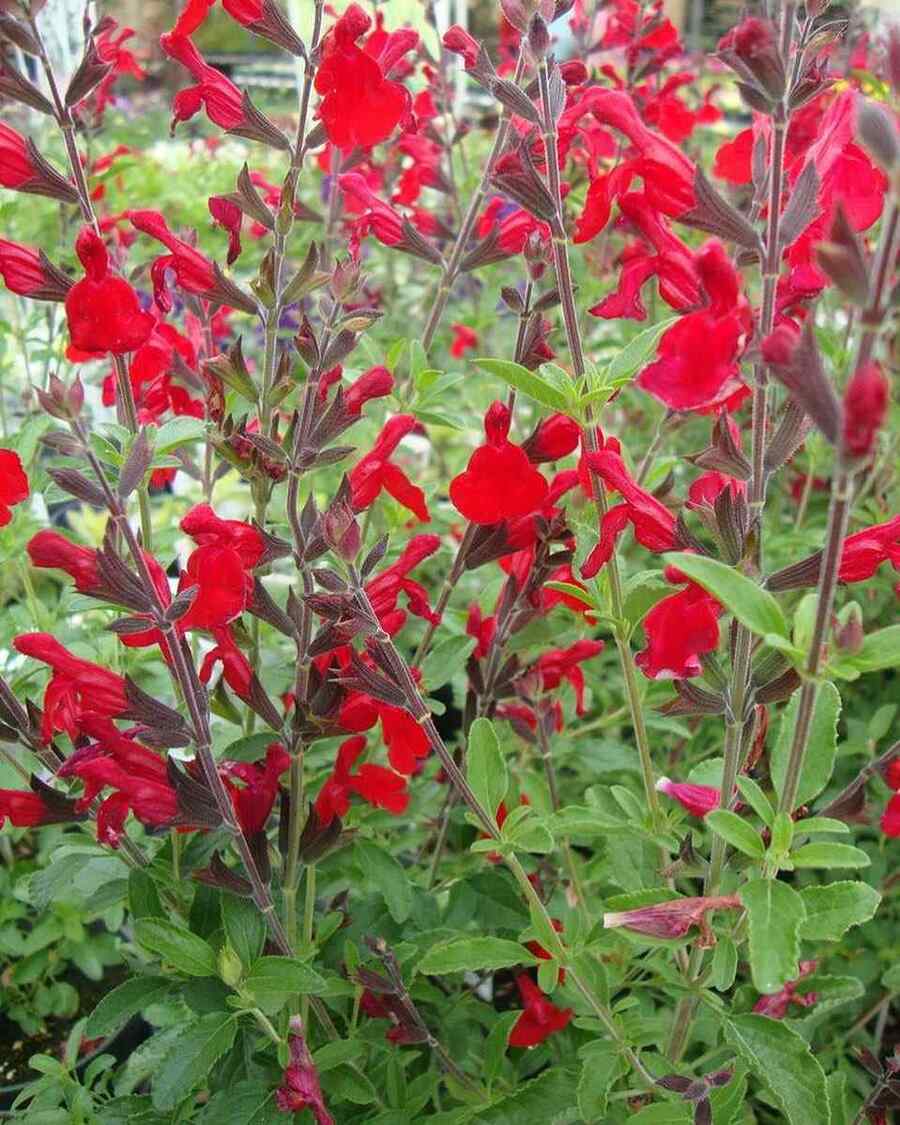
Autumn Sage is a compact, water-wise bloomer that can flower for long stretches, offering reds, pinks, corals, and whites. It’s the kind of shrub that makes a front walkway feel welcoming because it’s colorful and lively without being high maintenance.
How to use it: Plant along paths or near seating so you’re close to the flowers and visiting pollinators.
Care: Full sun to light shade. Trim back lightly after bloom cycles; avoid soggy soil.
3) Apache Plume (Fallugia paradoxa)
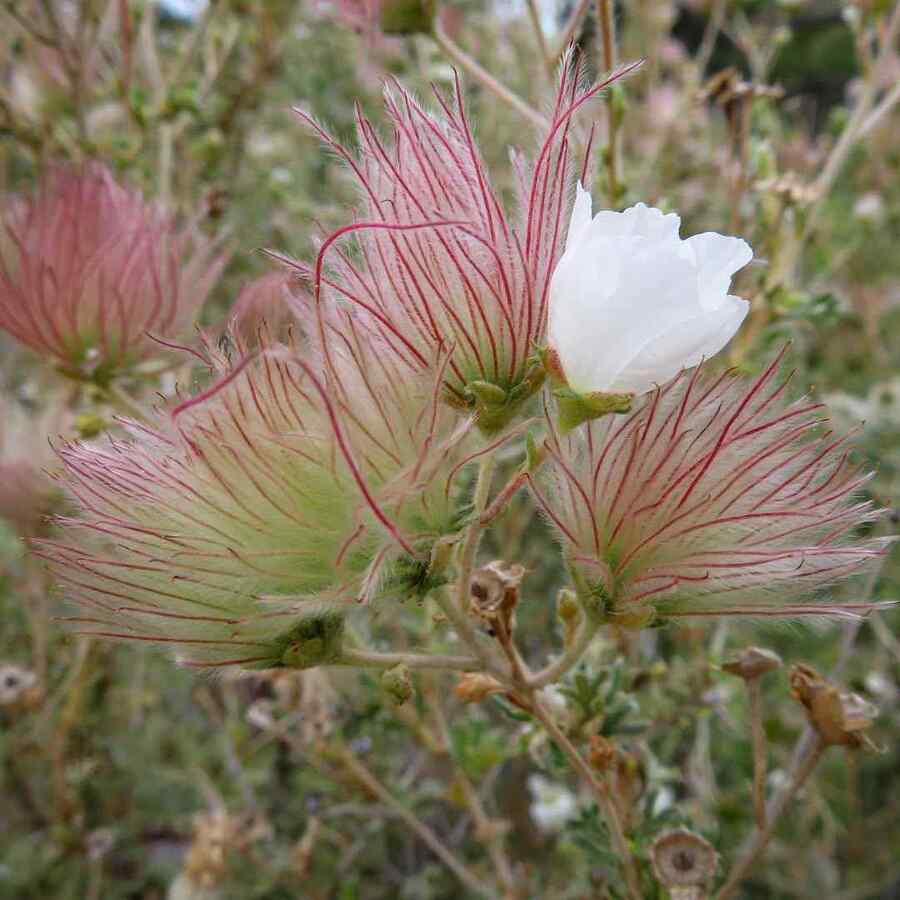
Apache Plume is a tough native with white blossoms and distinctive pinkish, feathery seed heads that add texture for months. It looks especially at home in rocky, naturalistic landscapes and handles lean soils like a champ.
How to use it: Perfect for slopes, rough edges, and “transition zones” between manicured areas and wild space.
Care: Minimal water once established. Give it sun and space; it can spread in a relaxed, natural form.
4) Russian Sage (Perovskia atriplicifolia)
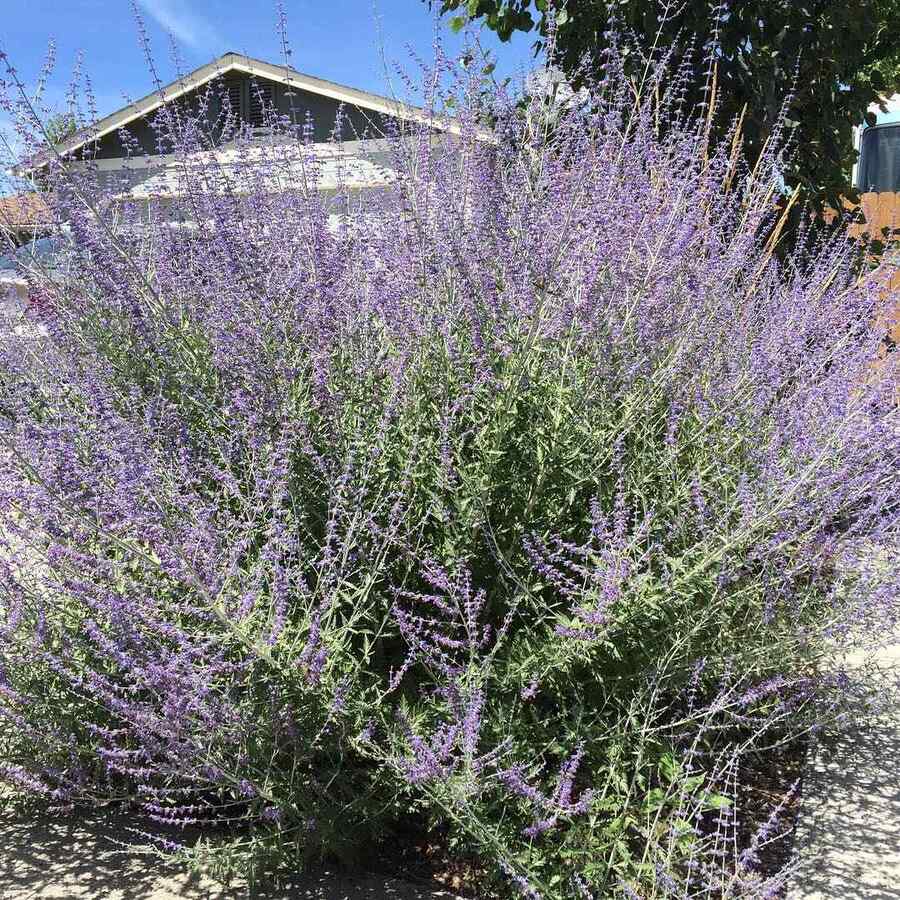
Russian Sage delivers silver foliage and lavender-blue flower spikes that shimmer in heat. Visually, it softens hard lines—block walls, gravel expanses, straight paths—so the yard feels calmer and more designed.
How to use it: Mass it in drifts for a modern xeriscape look, or pair with boulders for contrast.
Care: Full sun, excellent drainage. Cut back in late winter for fresh growth.
5) Creosote Bush (Larrea tridentata)
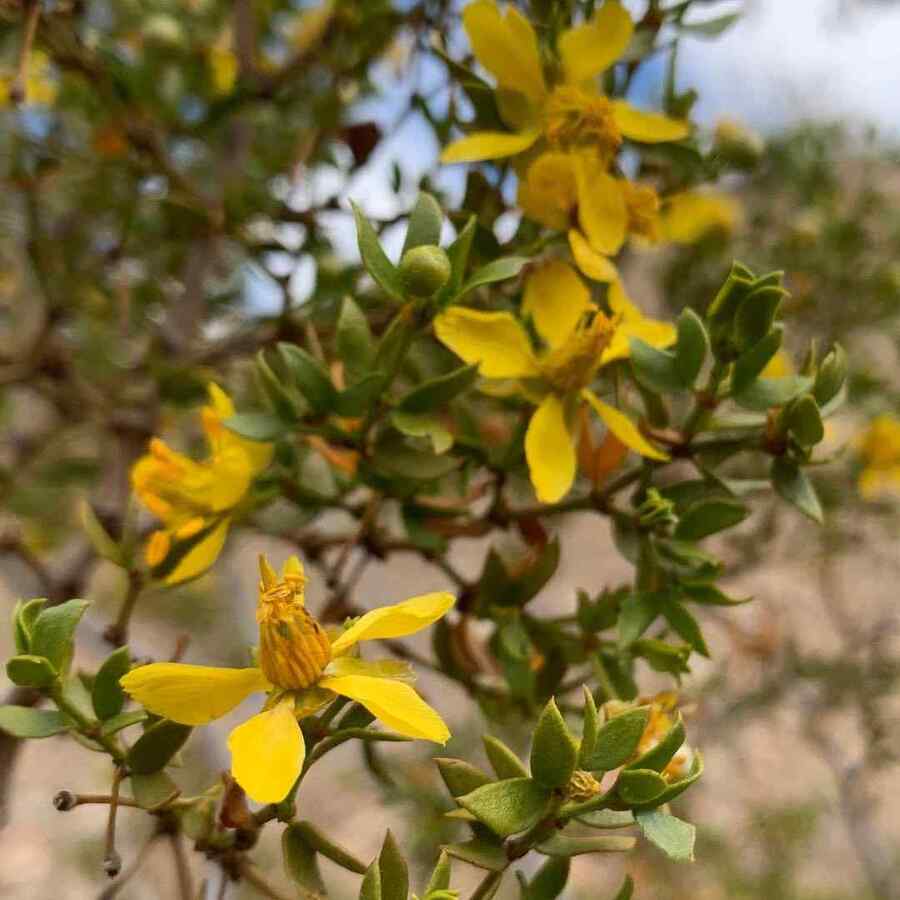
Creosote is iconic desert character: small yellow flowers, evergreen presence, and legendary drought tolerance. After rain, it can release that classic desert scent many New Mexicans recognize immediately—familiar, grounding, and place-specific.
How to use it: Best in a natural desert garden or as a low-water backbone plant in wide open areas.
Care: Full sun, very low water. Avoid rich soil and frequent irrigation—this shrub prefers “less.”
6) Rubber Rabbitbrush (Ericameria nauseosa)
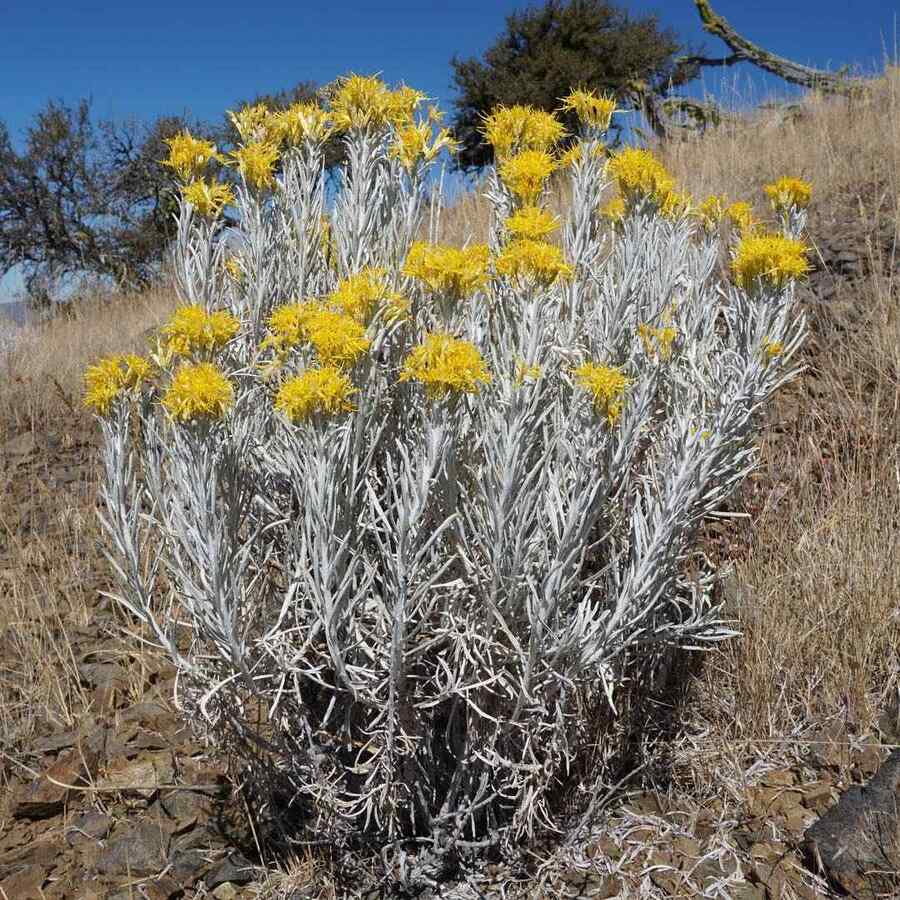
Rubber Rabbitbrush is a fast grower with bright yellow fall blooms, giving you late-season color when many landscapes fade. It’s also excellent for pollinators, adding movement and life when the rest of the yard feels quiet.
How to use it: Plant as a sunny background shrub or in a meadow-style xeric planting.
Care: Full sun, low water. If it gets leggy, prune lightly after flowering rather than shearing into a box.
7) Arizona Rosewood (Vauquelinia californica)
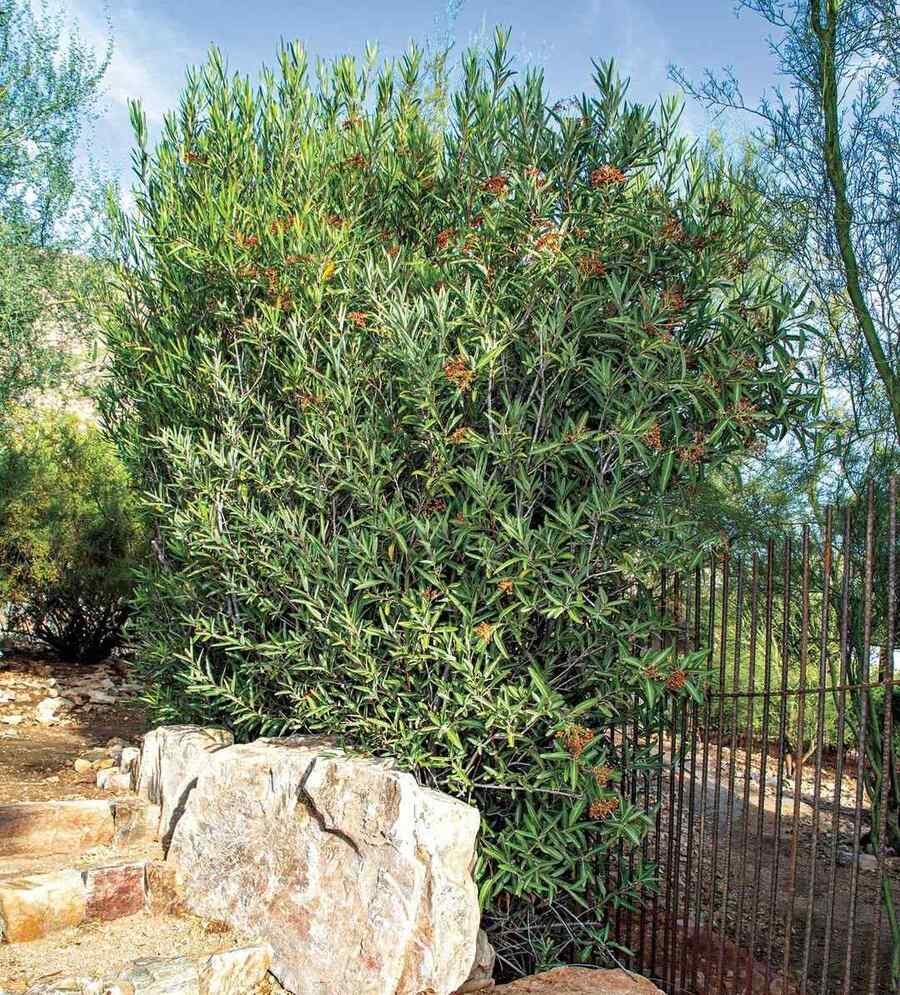
Arizona Rosewood is a hardy evergreen that can function as a refined privacy hedge—dense enough for screening but attractive enough to stand alone. It’s a strong solution if you want green structure year-round without thirsty maintenance.
How to use it: Line it along a fence for privacy, or use two as “living pillars” flanking a view.
Care: Full sun to part shade. Water deeply during establishment; once settled, it’s fairly water-wise.
8) Three-leaf Sumac (Rhus trilobata) and Other Drought-Tough Sumacs
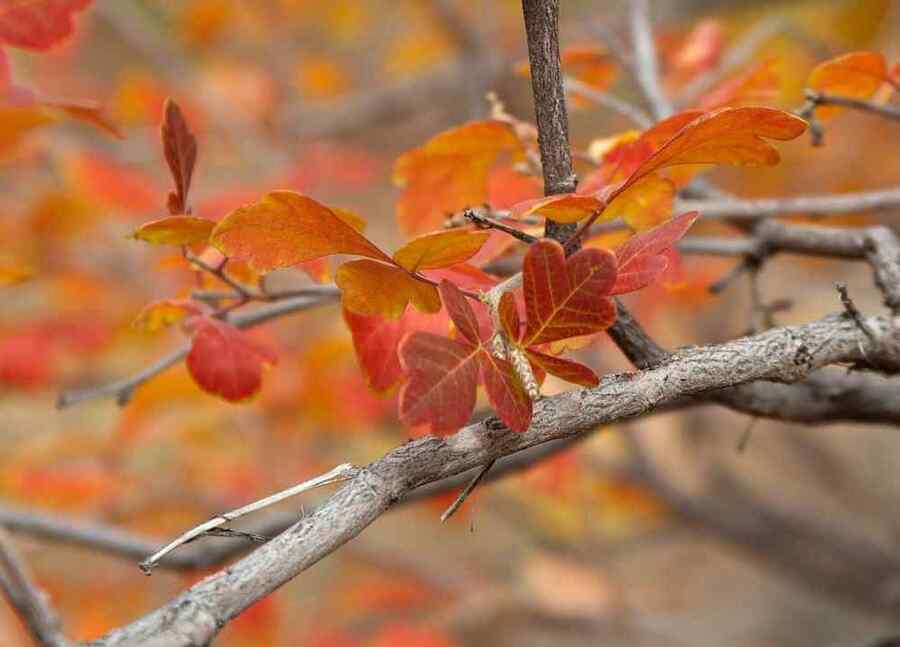
Sumac brings drama with red-orange fall color, plus a dense, mounding form that works well for informal hedging. It’s a great choice when you want seasonal change without planting something fragile.
How to use it: Plant as a low screen, on slopes for stabilization, or to frame a driveway edge.
Care: Full sun, low water. It can sucker—use that to your advantage in a naturalized area, or keep it contained with occasional thinning.
9) Juniper ‘Blue Star’ (Juniperus spp.)
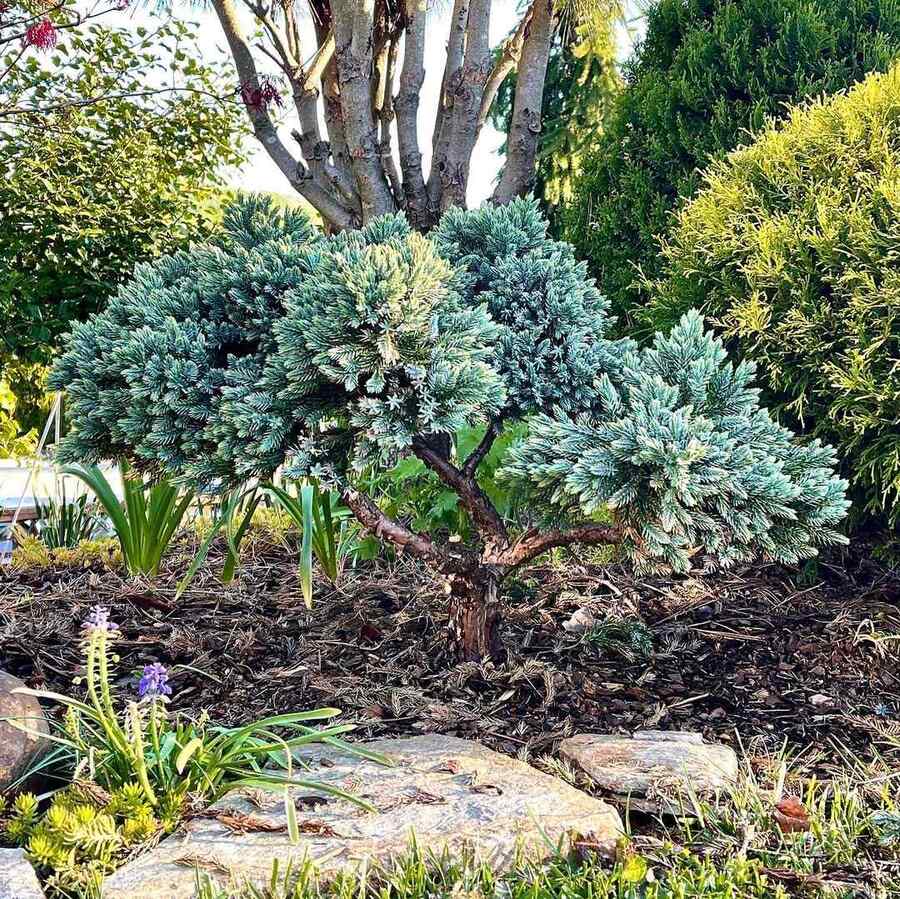
Junipers are among the most dependable evergreens for dry climates, and ‘Blue Star’ adds a compact, blue-toned texture that looks polished year-round. It’s especially useful when you want structure in winter and low effort in summer.
How to use it: Repeat it to create visual rhythm—near steps, boulders, or along a border.
Care: Full sun, very little water once established. Avoid overwatering, which can invite root issues.
A Smart “Pairing Strategy” to Make Any Shrub Planting Look Intentional
If you want your shrubs to feel designed (not scattered), follow this pairing rule:
One structural evergreen + one long-blooming color shrub + one textural native.
Try: Arizona Rosewood (structure) + Autumn Sage (color) + Apache Plume (texture).
Or: Juniper (structure) + Russian Sage (color/airiness) + Rabbitbrush (seasonal punch).
Care: Mulch with gravel or wood chips (choose one style), water deeply, and keep pruning natural—avoid tight shearing unless you’re doing formal hedges.
FAQ
What’s the best time to plant shrubs in New Mexico?
Fall is ideal in many areas because roots establish while temperatures are mild. Early spring also works—just be ready to water consistently through the first hot season.
How often should I water drought-tolerant shrubs after planting?
For most shrubs for New Mexico, plan on deep watering 1–2 times per week during the first growing season (adjust for rainfall and soil). After establishment, many can shift to every 10–21 days in summer.
What if my soil is very alkaline or rocky?
Choose native and desert-adapted shrubs (Apache Plume, Creosote, Rabbitbrush, Desert Willow) and focus on drainage. Skip heavy composting; instead, plant slightly high and use gravel mulch to reduce rot risk.
Which shrubs work best for privacy with low water?
Arizona Rosewood and many Junipers are strong low-water screening options. For a softer, informal screen, use Sumac in a staggered row and let it form a natural thicket.