Choosing shrubs for New Jersey means planning for variety: salty coastal air in some areas, heavier clay inland, humid summers, and winters that can swing from mild to sharply cold. The best shrubs handle that range while still giving you a yard that feels intentional—clean structure near the house, soft layers along the fence line, and enough berries and blooms to keep birds and pollinators active. Below are 10 reliable shrubs with clear placement guidance so your planting choices feel personal, not generic.
Table of Contents
Shrubs for New Jersey: How to Pick the Right Ones for Your Yard
Before you plant, match shrubs to sun, soil, and your preferred look.
-
Sun: full sun (6+ hours), part shade (3–6), shade (under 3)
-
Soil type: sandy/acidic (common in parts of NJ), loamy, or clay
-
Moisture: dry/average vs. consistently moist
-
Aesthetic goal:
-
Polished + structured (foundation plantings, formal lines)
-
Natural + layered (wildlife borders, woodland edges)
-
Winter interest (stems, berries, evergreen form)
-
If deer are part of your daily reality, keep your “front-of-bed” plants tougher and aromatic or evergreen, and reserve more tender favorites for protected zones closer to the house.
1) Oakleaf Hydrangea (Hydrangea quercifolia)
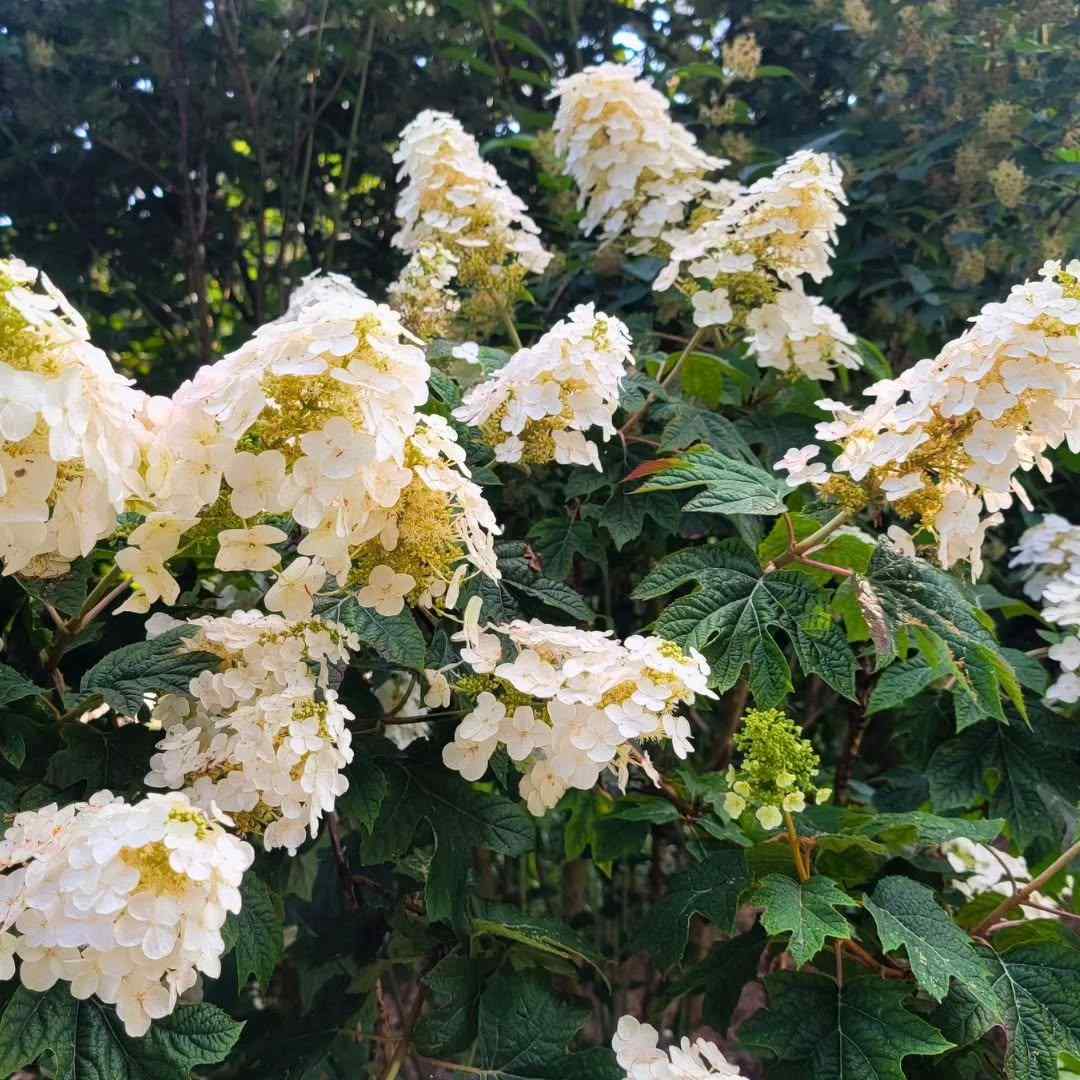
Best for: part shade to sun, high curb appeal, four-season texture
Oakleaf hydrangea pulls off the full performance: large white summer blooms, dramatic fall color, and exfoliating bark that looks refined in winter. It’s a strong choice when you want a bed to feel designed without feeling fussy.
How to style it:
-
Place near an entry walk or patio where blooms and bark get noticed.
-
Back it with evergreens (inkberry or boxwood) for contrast.
Care notes: Give it room; crowding ruins the layered shape.
2) Arrowwood Viburnum (Viburnum dentatum)
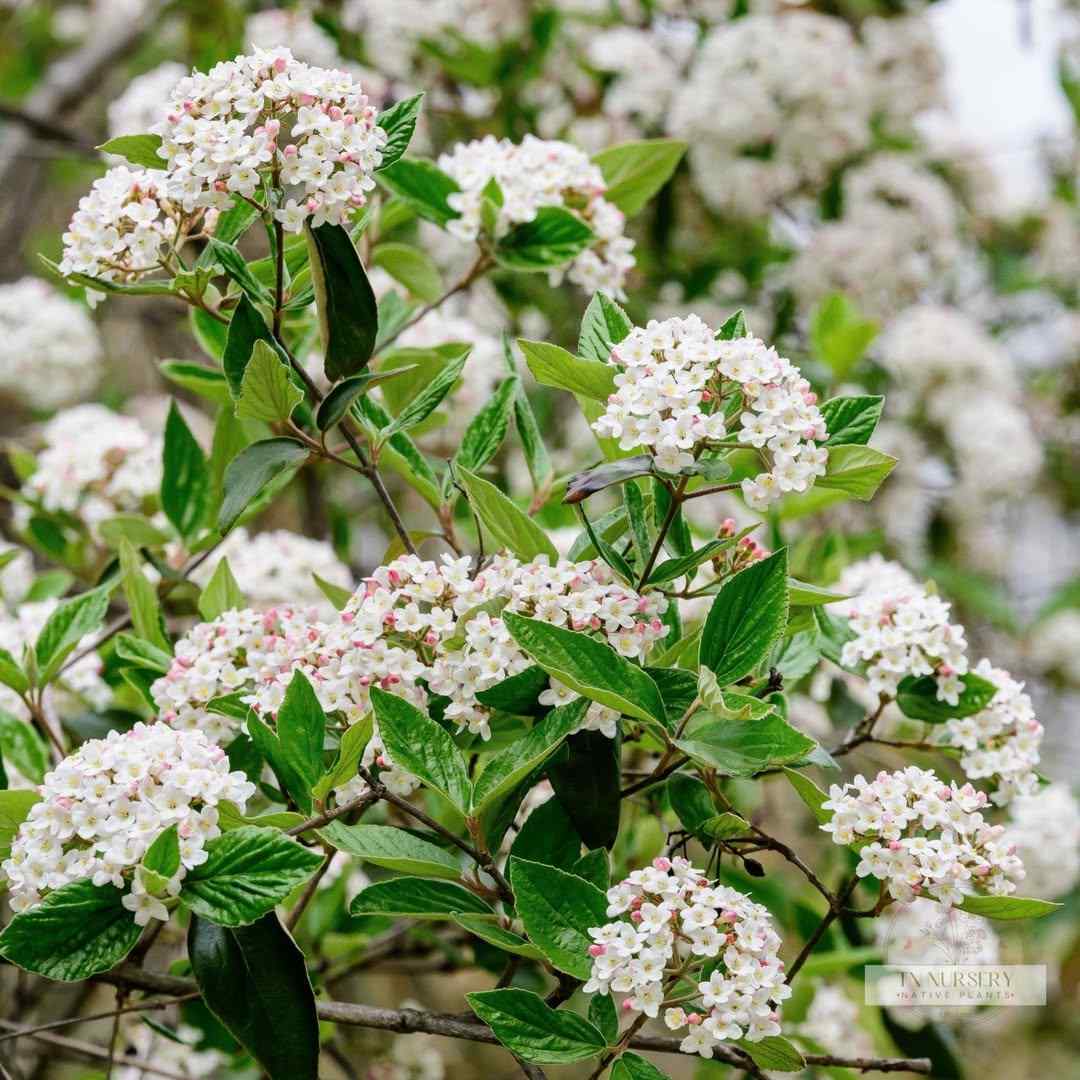
Best for: sun to part shade, hedging, wildlife value
Arrowwood viburnum is adaptable, fast-growing, and generous: white spring flowers followed by berries that attract birds. It’s ideal if you want privacy that still feels natural and alive.
How to style it:
-
Plant as a loose hedge along a property line.
-
Mix with chokeberry to extend seasonal color and fruit.
Care notes: Minimal pruning needed; shape lightly after flowering if desired.
3) Inkberry Holly (Ilex glabra)
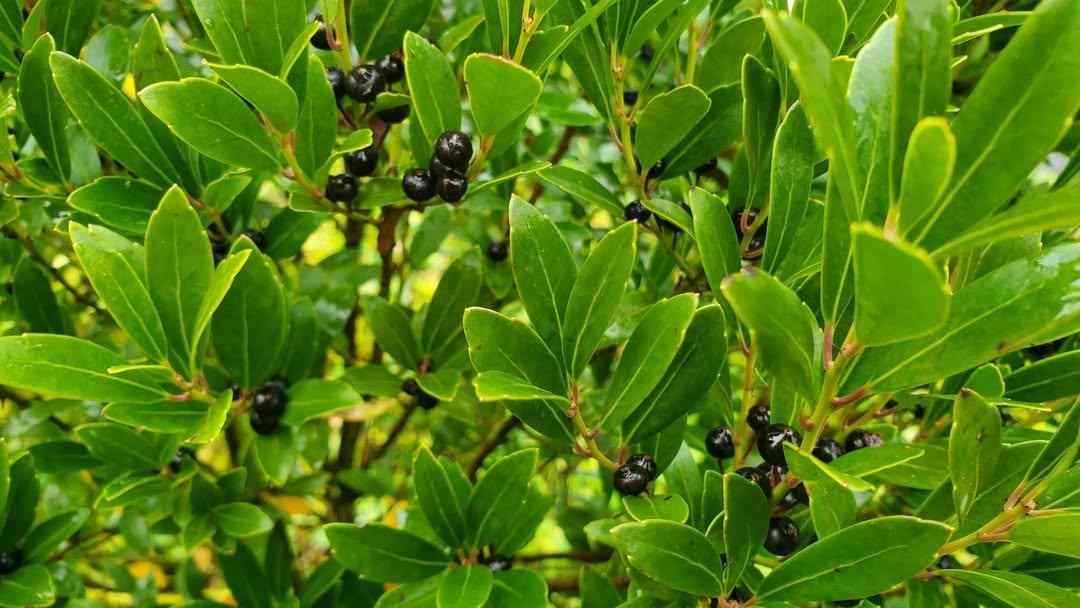
Best for: sun to part shade, moist soils, evergreen structure
Inkberry is a native evergreen often used as a boxwood alternative. It holds structure well, supports pollinators, and stays green through winter—perfect for a tidy foundation bed that still supports local ecology.
How to style it:
-
Use as the evergreen “bones” near the house.
-
Pair with oakleaf hydrangea for a crisp, high-contrast combination.
Care notes: Choose cultivars based on mature size; some are naturally compact.
4) Red Osier Dogwood (Cornus sericea)
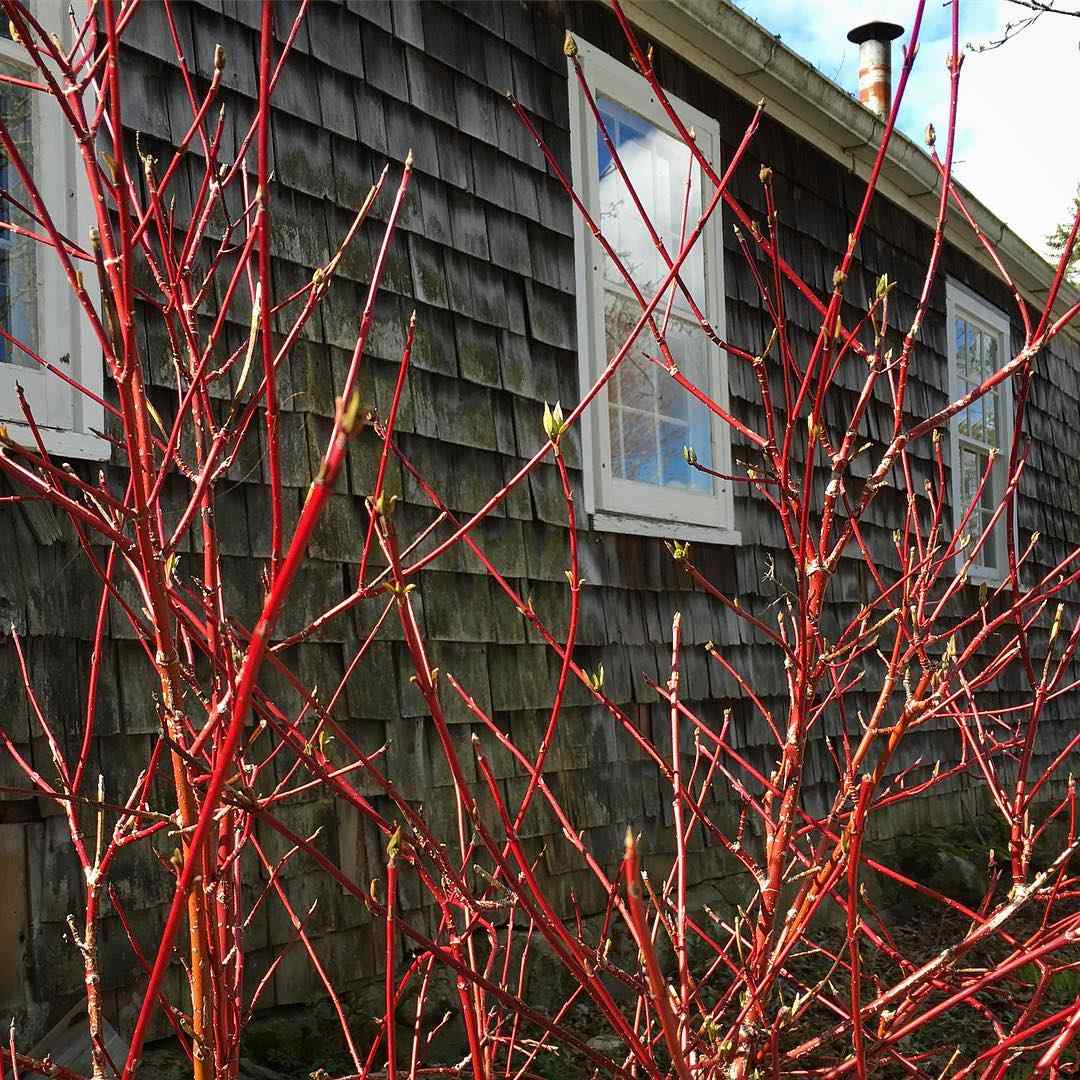
Best for: moist soils, rain-garden edges, winter color
If you want winter to feel intentional, red osier dogwood delivers. Its bright red stems glow against snow and gray skies, and it also supports wildlife in more natural plantings.
How to style it:
-
Use in a back border, along a drainage swale, or near a pond edge.
-
Plant in groups for a stronger winter stem effect.
Care notes: Stem color is best on younger growth; periodic renewal pruning helps.
5) Boxwood (Buxus)
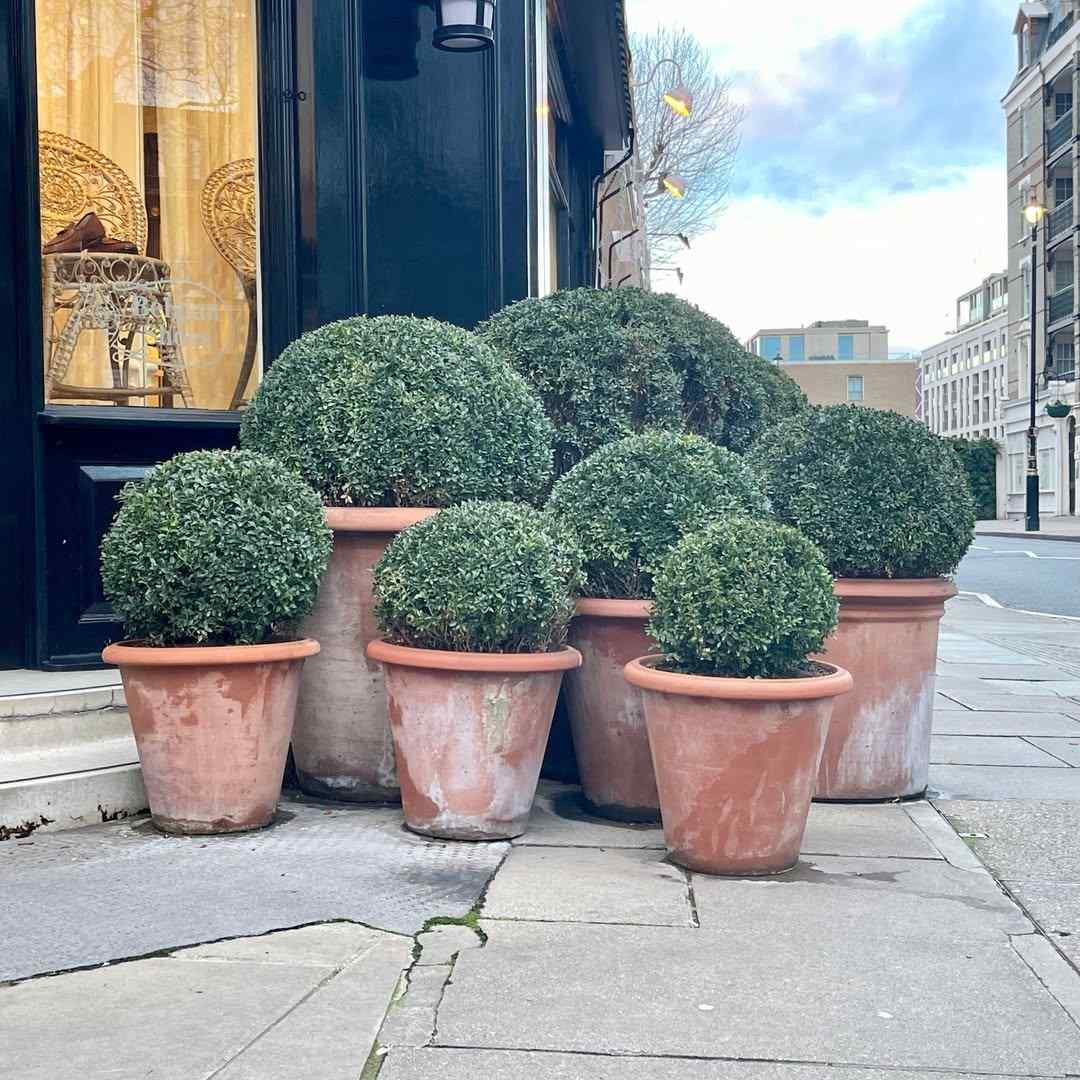
Best for: formal structure, foundation lines, containers
Boxwood remains a classic for a reason: it provides year-round structure and responds well to light shaping. In NJ, it’s often the plant that makes a landscape feel finished.
How to style it:
-
Use at corners of beds, along walks, or as low hedges for clean lines.
-
Combine with native flowering shrubs behind it to balance formality with softness.
Care notes: Monitor for common boxwood issues in your area; good airflow and avoiding overhead watering help.
6) New Jersey Tea (Ceanothus americanus)
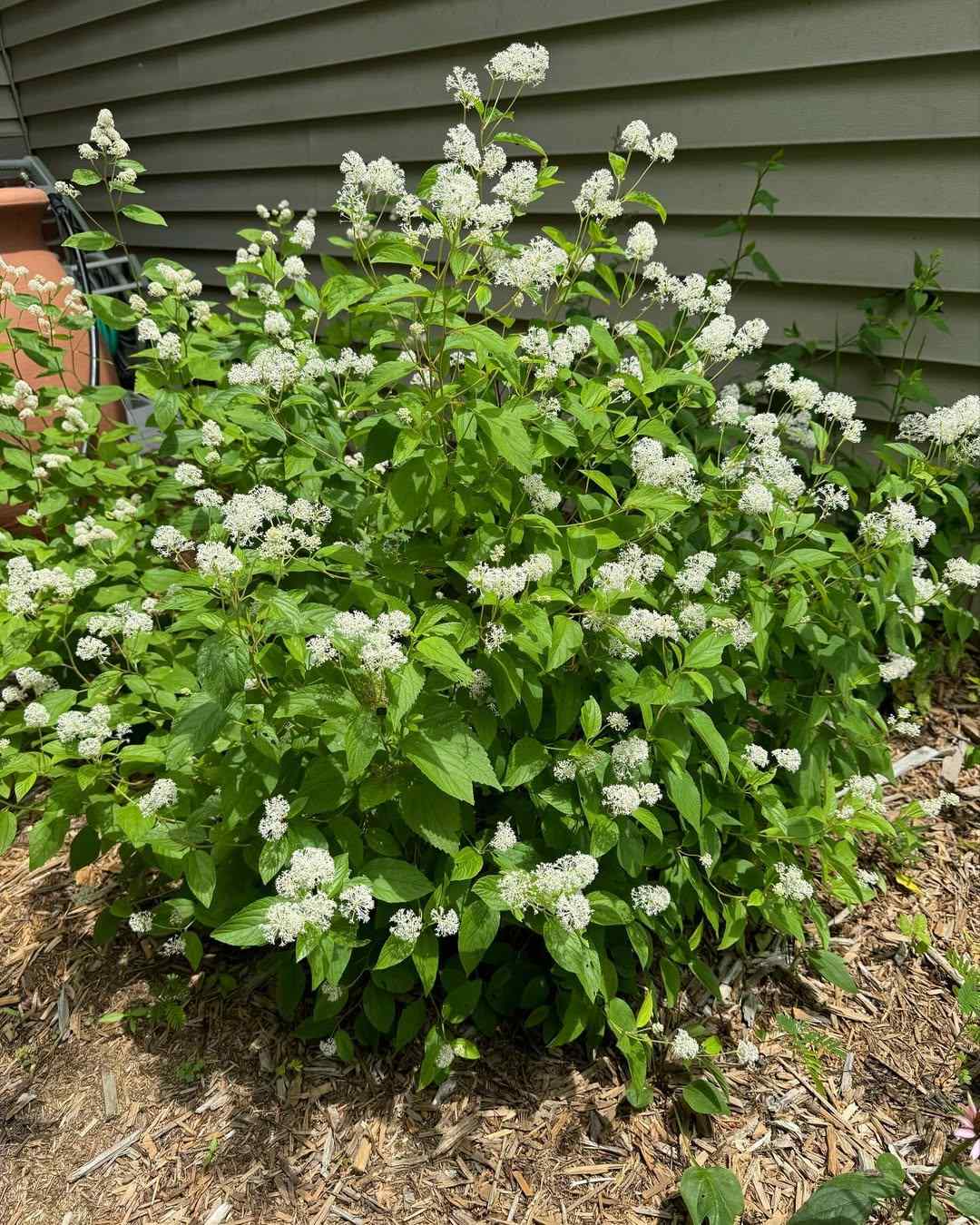
Best for: sunny, dry spots; native value; drought tolerance
This native shrub is tailor-made for tough sunny areas and lean soils. New Jersey tea has delicate white flowers and strong ecological benefits, including support for pollinators.
How to style it:
-
Use on a sunny slope or along a hot driveway edge where other shrubs struggle.
-
Pair with ornamental grasses for a clean, modern native look.
Care notes: Avoid soggy sites; it prefers well-drained soil.
7) Black Chokeberry (Aronia melanocarpa)
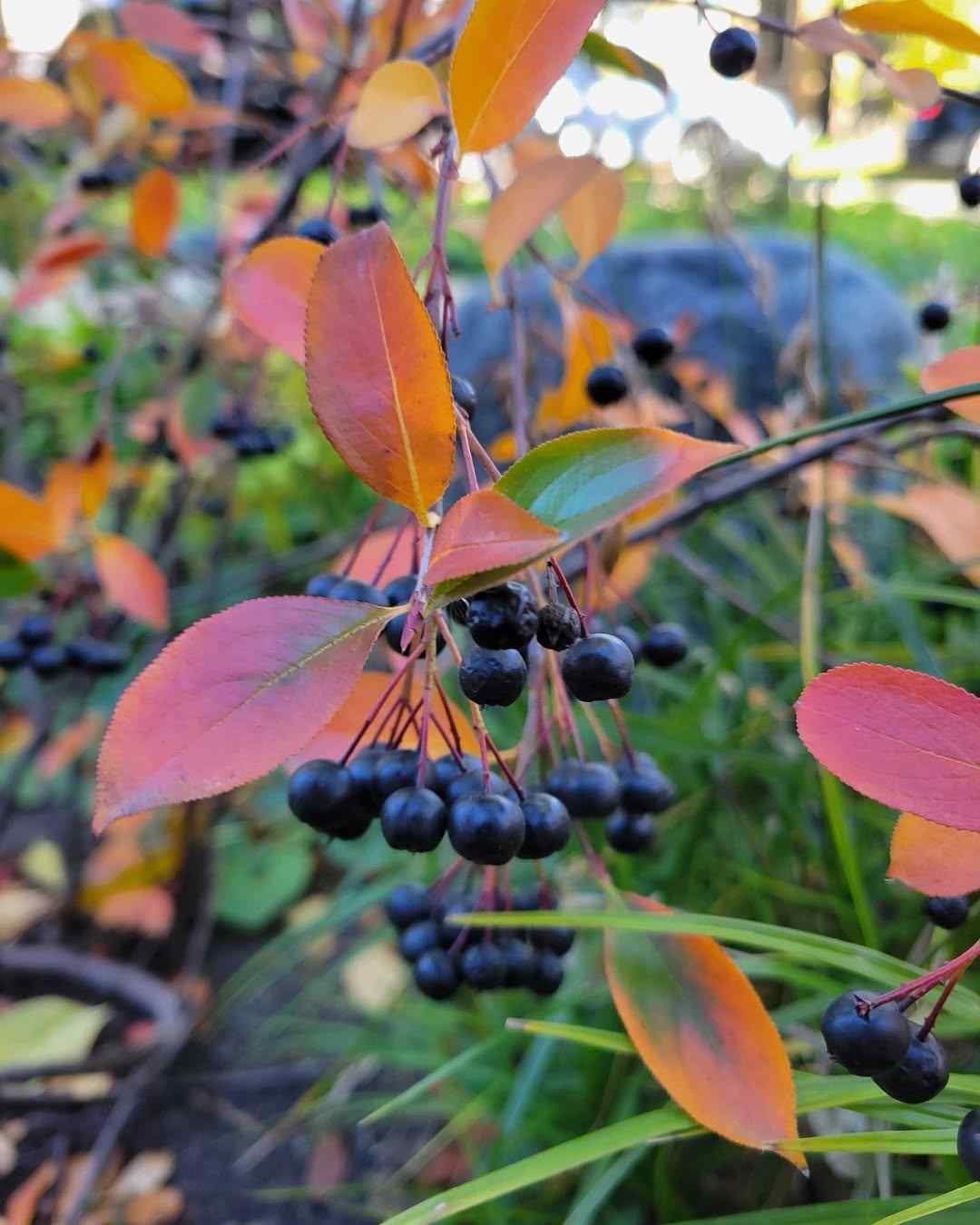
Best for: sun to part shade, adaptable soils, four-season color
Chokeberry is a resilient shrub that earns its keep: white spring flowers, dark berries, and brilliant red fall foliage. It’s excellent when you want a reliable shrub that still feels decorative.
How to style it:
-
Use as a mass planting for fall color blocks.
-
Pair with viburnum for a layered wildlife border.
Care notes: Occasional thinning keeps it airy and prevents overcrowding.
8) Northern Bush Honeysuckle (Diervilla lonicera)
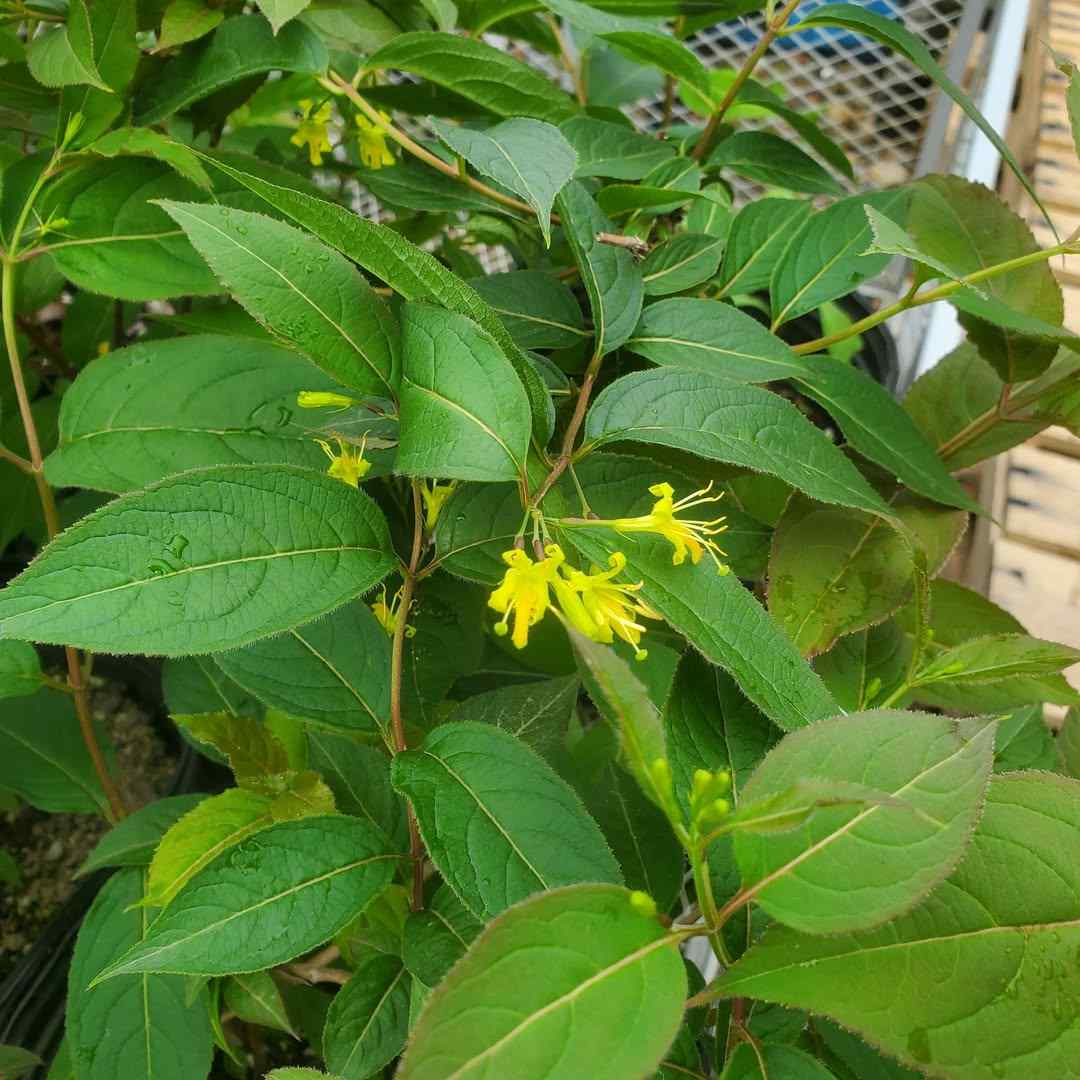
Best for: part shade to shade, erosion control, low maintenance
This hardy native shines where many shrubs underperform—especially in shade. It brings yellow blooms, handles tougher conditions, and is useful on slopes for erosion control.
How to style it:
-
Plant on a shaded slope or under high tree canopies.
-
Combine with ferns and woodland perennials for a relaxed understory.
Care notes: Very forgiving; a great “problem-area” fixer.
9) Sumac (Rhus species: staghorn or winged)
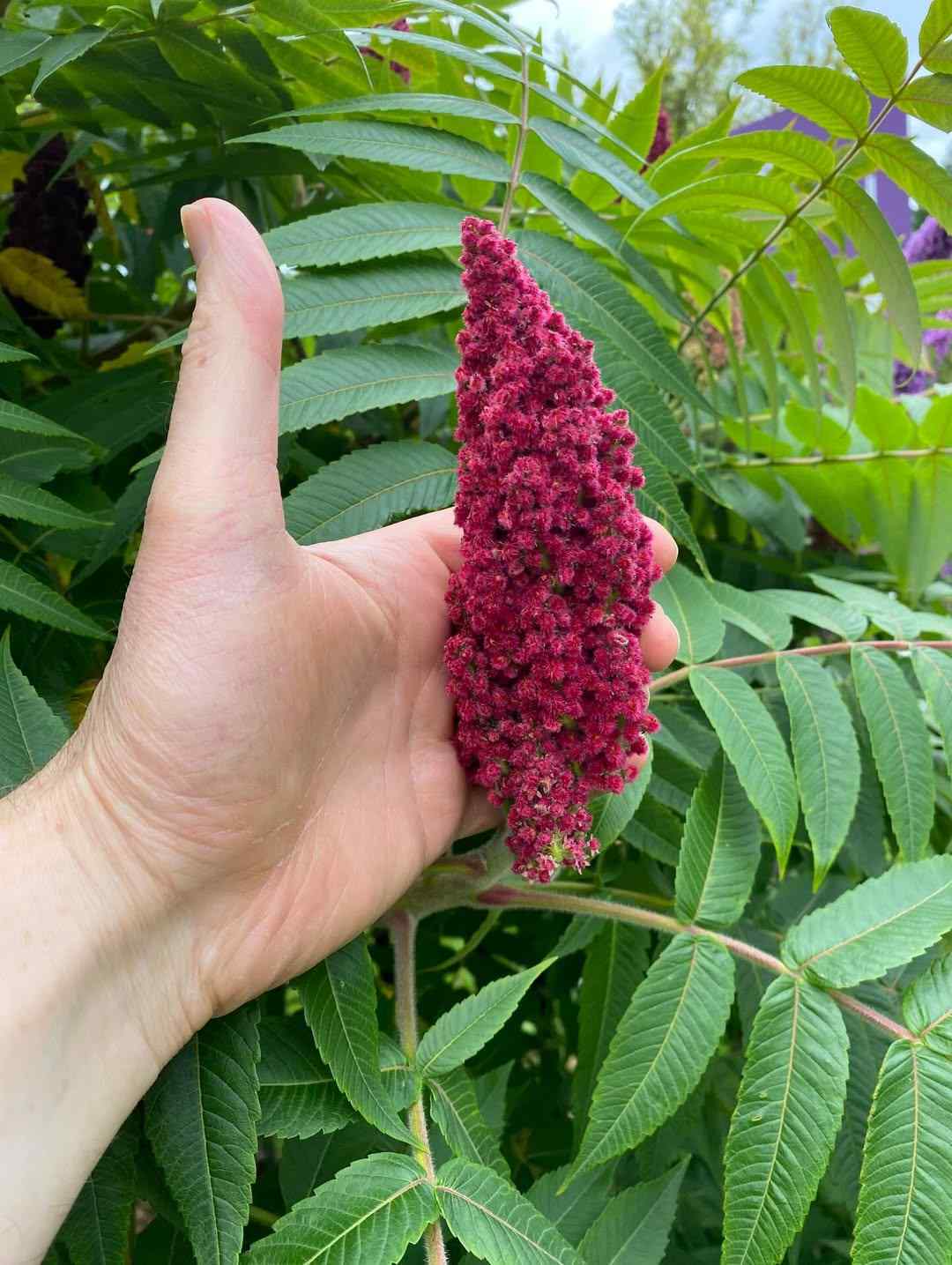
Best for: tough sites, dramatic texture, fall color
Sumac brings bold, architectural foliage and intense red fall color. It’s a strong choice for large spaces, slopes, and places where you want a naturalistic statement that feels confident, not delicate.
How to style it:
-
Use at the back of a property or on a hillside for a dramatic seasonal sweep.
-
Pair with chokeberry for layered fall color.
Care notes: Some types can spread; choose placement where you can allow a colony or manage edges.
10) Witch-hazel (Hamamelis virginiana)
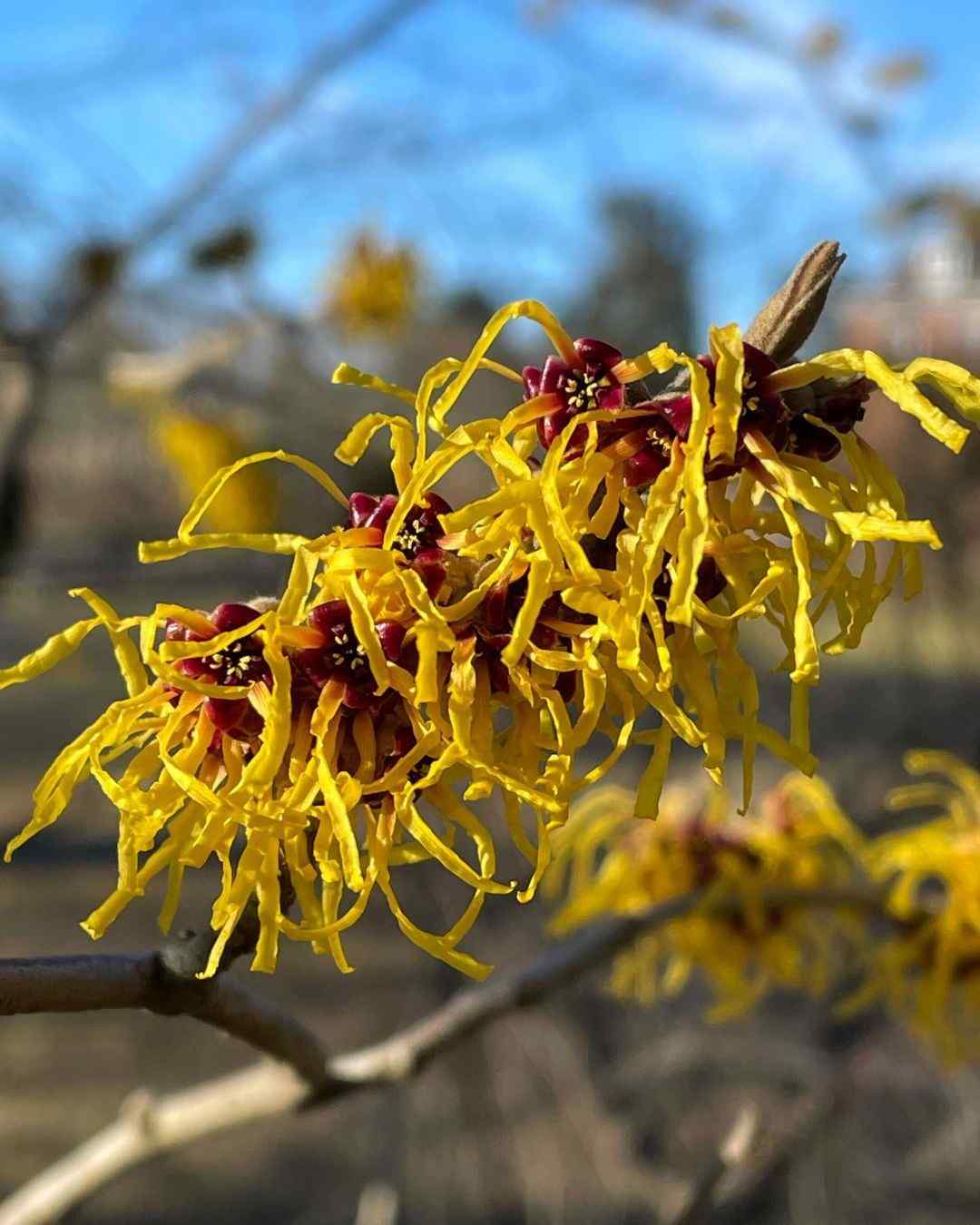
Best for: part shade, woodland borders, late-season blooms
Witch-hazel brings a rare gift: yellow, fragrant flowers when most plants are done for the season. It’s a native shrub that makes late fall feel purposeful.
How to style it:
-
Place near a path you use in autumn so you actually notice the blooms.
-
Back it with evergreens to highlight the flowers.
Care notes: Let it keep a natural form; prune only to remove dead or crossing wood.
Practical NJ Planting Plans That Feel Like “Your” Yard
1) Polished front yard (clean + evergreen):
-
Boxwood or inkberry + oakleaf hydrangea + black chokeberry
2) Wildlife border (berries + habitat):
-
Arrowwood viburnum + black chokeberry + red osier dogwood
3) Tough sunny slope (dry + low maintenance):
-
New Jersey tea + sumac + ornamental grasses
4) Shady side yard (easy + natural):
-
Diervilla + witch-hazel + inkberry (if soil is moist)
Key Considerations for New Jersey Gardens
-
Deer pressure: Inkberry, boxwood, and viburnum are commonly chosen in deer-prone areas, but no shrub is “deer-proof.” Design smart: protect new plantings and favor tougher shrubs on the outer edges.
-
Native value: Prioritizing natives like New Jersey tea, viburnum, inkberry, chokeberry, red osier dogwood, diervilla, and witch-hazel strengthens local food webs for pollinators and birds.
-
Soil and light: Many NJ gardens include sandy, acidic zones; others have heavier clay. Use moisture-loving shrubs (red osier dogwood, inkberry in many cases) for damp areas, and drought-tolerant natives (New Jersey tea, some sumacs) for dry sun.
Bottom Line
The best New Jersey shrub plantings mix evergreen structure, seasonal flowers, wildlife berries, and at least one feature that makes winter feel styled (red stems or a strong evergreen line). If you tell me your conditions—sun exposure and whether your soil is sandy/acidic or clay-heavy—I can recommend a tight 3–5 shrub combo with spacing that fits your preferred look: polished, natural, or a blend of both.