New Hampshire gardens have their own rhythm: snowy months that test branches, spring thaws that flood low spots, and bright fall days that make foliage glow. If you want plantings that feel at home here, shrubs for New Hampshire should be chosen for cold hardiness, soil fit (often acidic), and four-season interest. The ten picks below lean native or highly adaptable, so they’re reliable in USDA Zones 3–6, support wildlife, and still look intentional beside stone walls, porches, and woodland edges.
Table of Contents
Shrubs for New Hampshire: 10 reliable picks for Zones 3–6
1) Redtwig Dogwood (Cornus sericea)
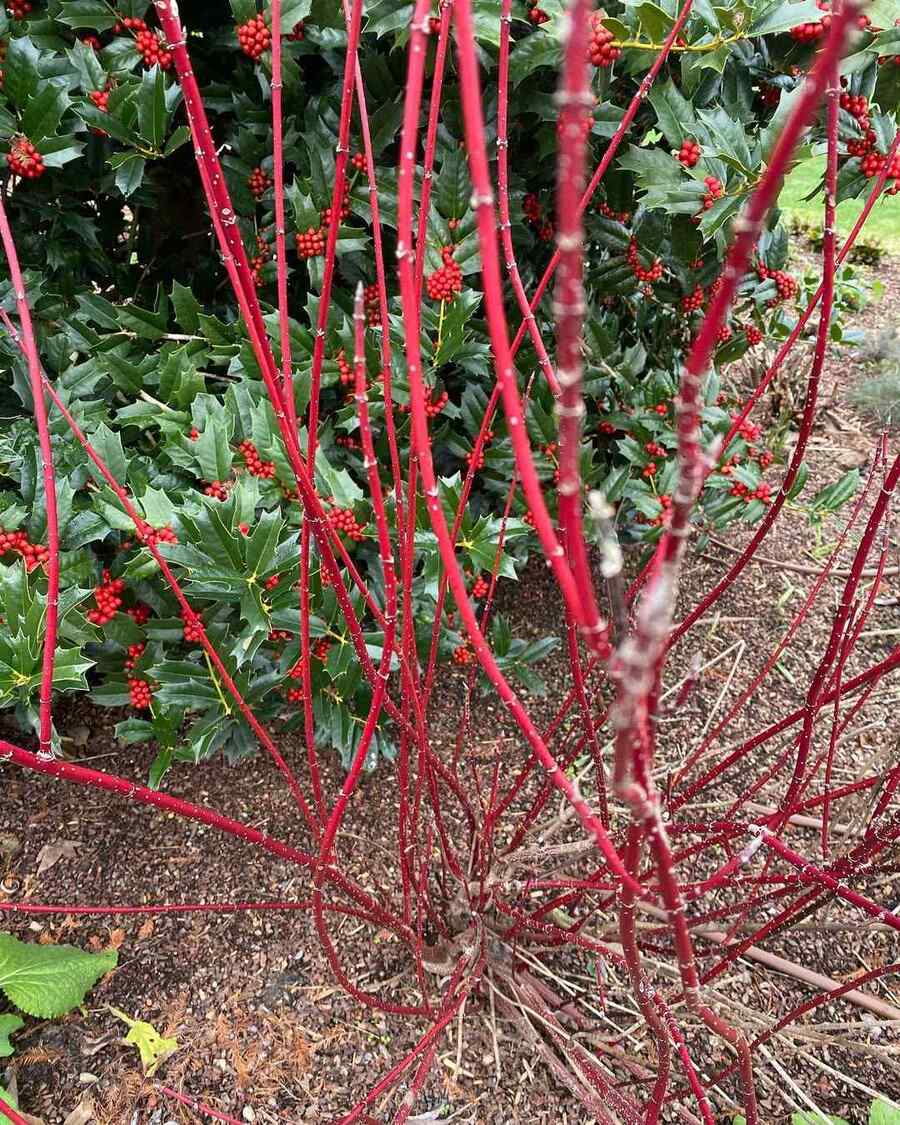
If you want winter color that reads like “designed,” Redtwig Dogwood is a classic. Those bright red stems pop against snow and evergreens, especially when planted in a drift. It’s also practical: this shrub handles wet ground and helps stabilize banks, making it a smart choice near downspouts, swales, or pond edges.
How to place it: give it sun for best red color; allow room to spread.
Care tip: every few years, cut older stems to the ground in late winter to keep the brightest new growth.
2) Winterberry Holly (Ilex verticillata)
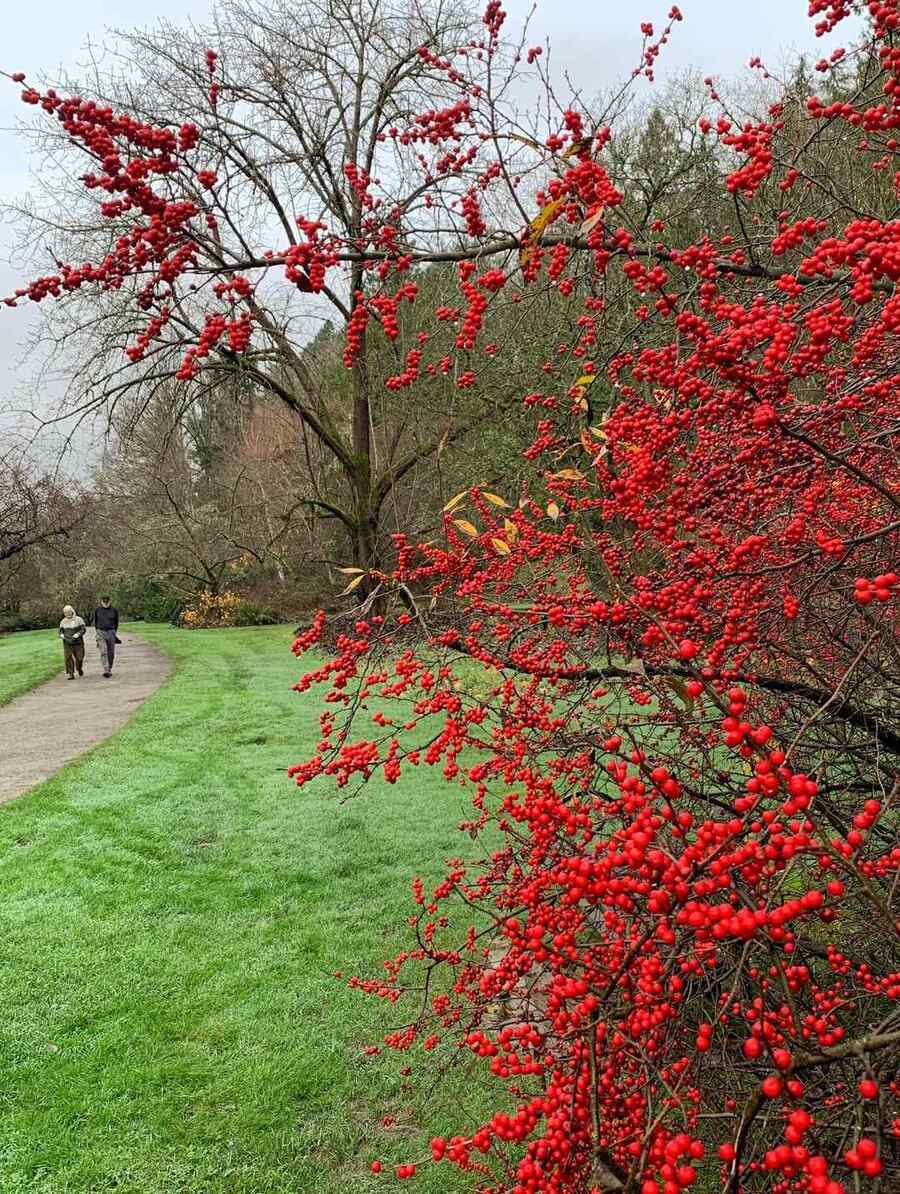
Winterberry is a New Hampshire favorite for one simple reason: berries that last into winter. The bright red fruit makes a gray December yard feel cheerful, and birds appreciate the food source. It’s deciduous, so the berries really show once leaves drop.
How to place it: use it where you’ll see it from a window—near an entry walk or outside the kitchen view.
Care tip: you need both a male and female plant nearby for berries; buy as a pair or confirm pollinator compatibility.
3) Serviceberry / Shadbush (Amelanchier spp.)
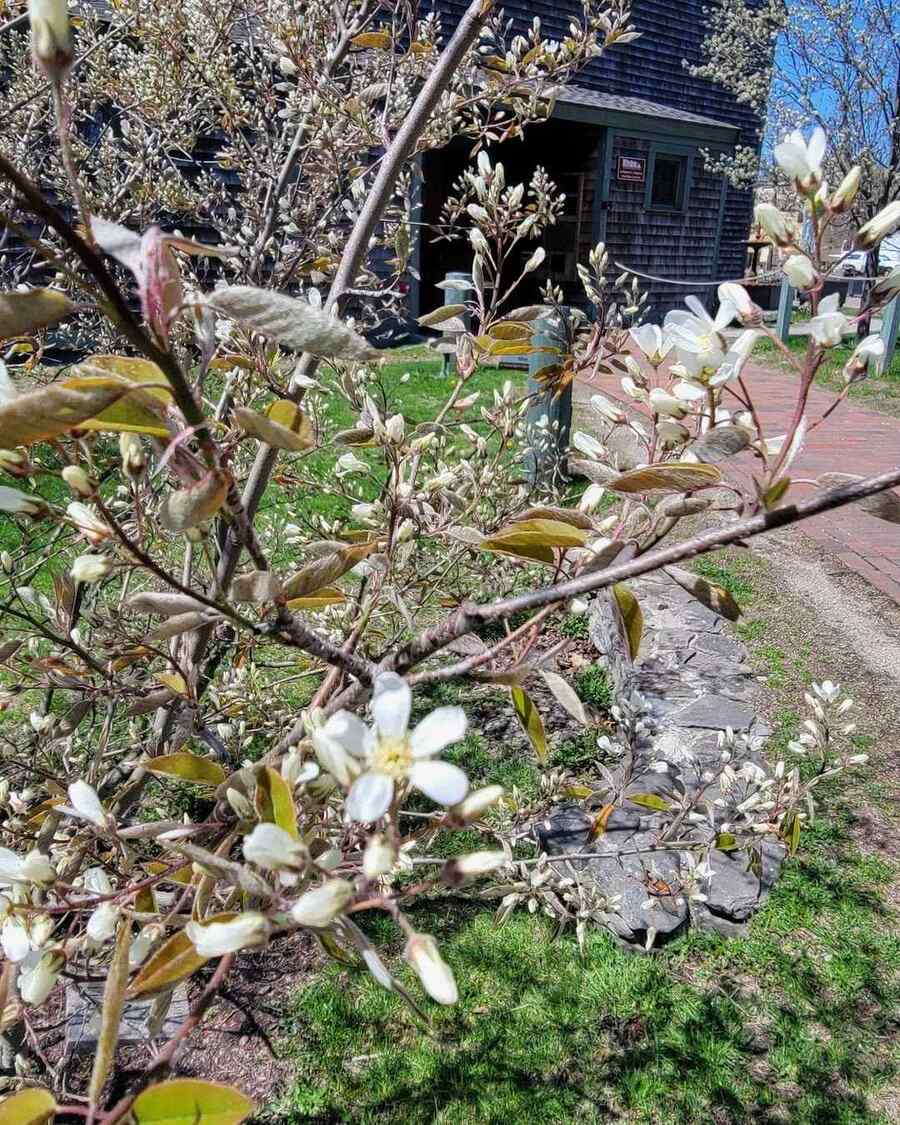
Serviceberry is the shrub you plant once and keep admiring. It offers white spring flowers, edible berries in early summer, and excellent fall color that looks right with maples and birches. It can grow as a large shrub or small multi-stem tree, so it suits both tight yards and woodland borders.
How to place it: tuck it near a patio for berry season and spring bloom.
Care tip: it tolerates many soils, but consistent moisture improves flowering and fruiting.
4) Buttonbush (Cephalanthus occidentalis)
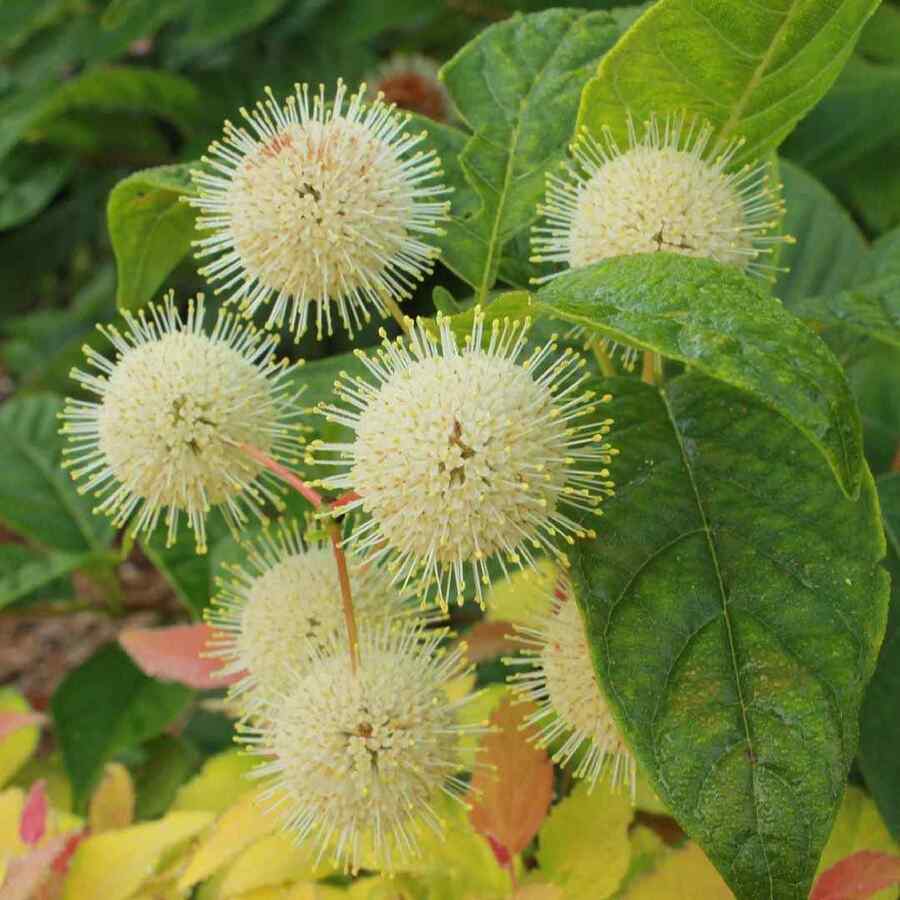
If your site stays damp, Buttonbush turns that “problem spot” into a feature. Its round, spiky white, fragrant flowers are a magnet for pollinators, and the plant thrives in wet soil or even shallow standing water. The seedheads add texture later in the season, too.
How to place it: along pond edges, rain gardens, or low areas that hold water after storms.
Care tip: full sun to part shade works; don’t baby it into dryness—this one likes its feet moist.
5) Arrowwood Viburnum (Viburnum dentatum)
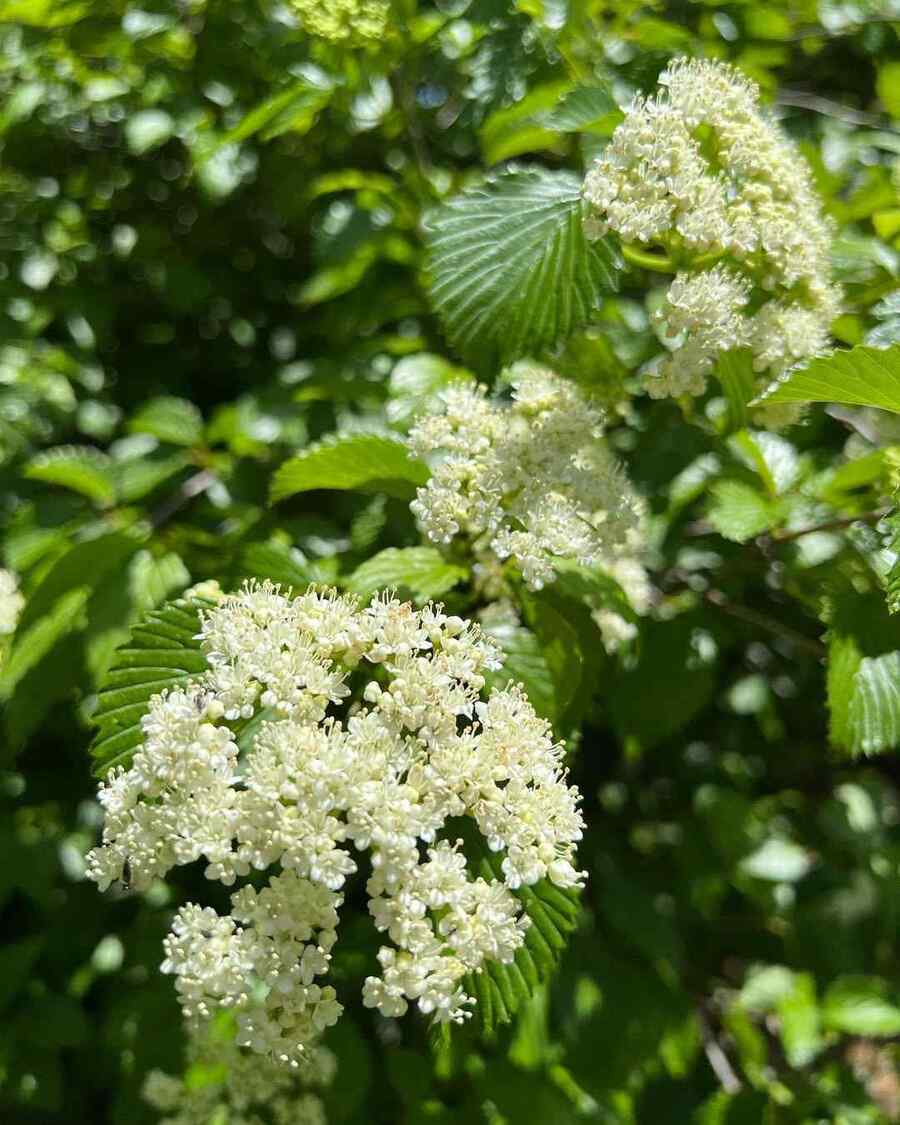
Arrowwood Viburnum is the dependable backbone shrub: strong structure, creamy-white spring bloom, and berries for birds that shift to blue-black. In fall, it can turn richly colored, especially in sunnier placements. It also makes an effective informal hedge that feels natural in New England landscapes.
How to place it: mass it along property lines or behind perennials as a soft screen.
Care tip: prune just after flowering if you want to shape it without sacrificing next year’s blooms.
6) Highbush Blueberry (Vaccinium corymbosum)
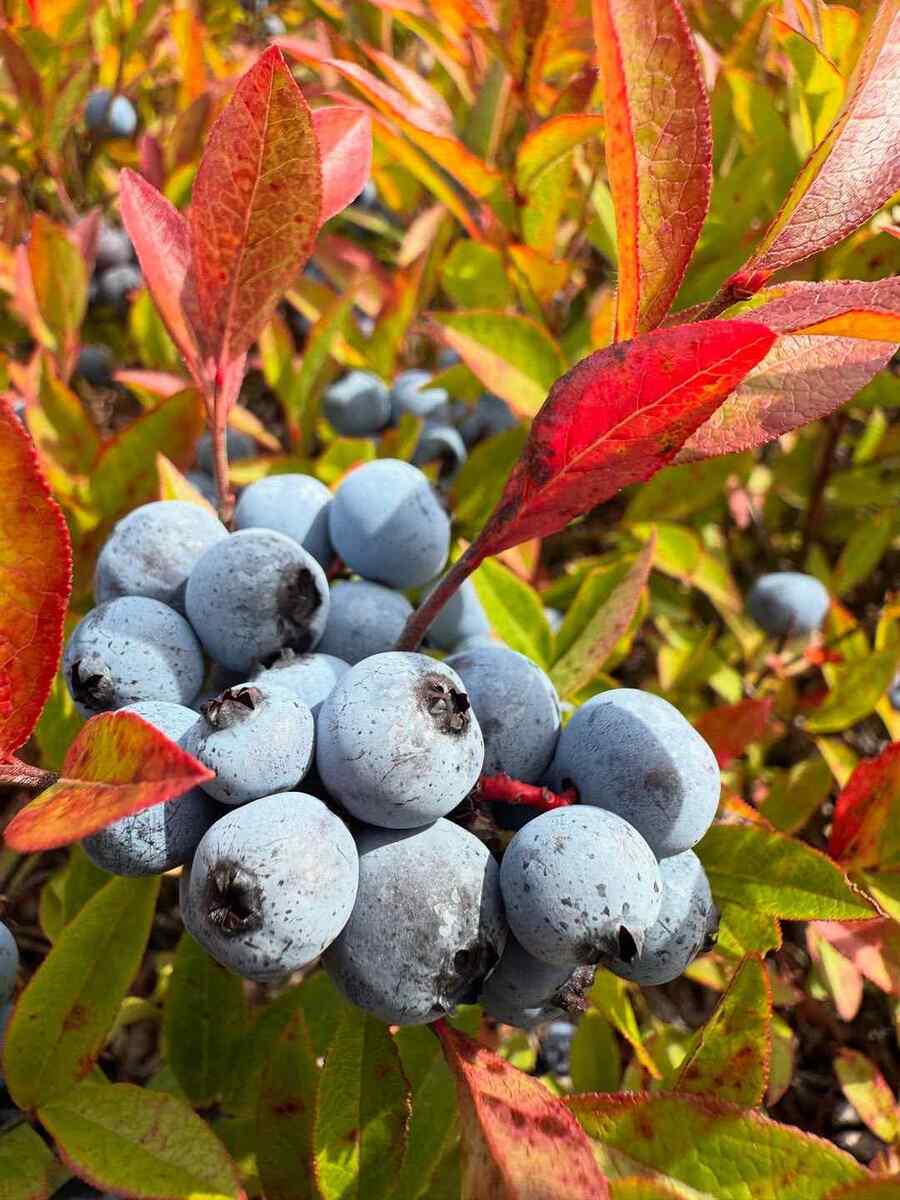
This is one of the most satisfying edible shrubs for New Hampshire because many yards already have the acidic soil blueberries love. You get spring flowers, summer fruit, and fiery red fall foliage—a full seasonal performance. Even if you only harvest casually, it still earns its place as an ornamental.
How to place it: in full sun near the garden path (you’ll pick more if it’s easy).
Care tip: plant at least two varieties for better yields; mulch with pine needles or shredded bark to maintain acidity.
7) Common Ninebark (Physocarpus opulifolius)
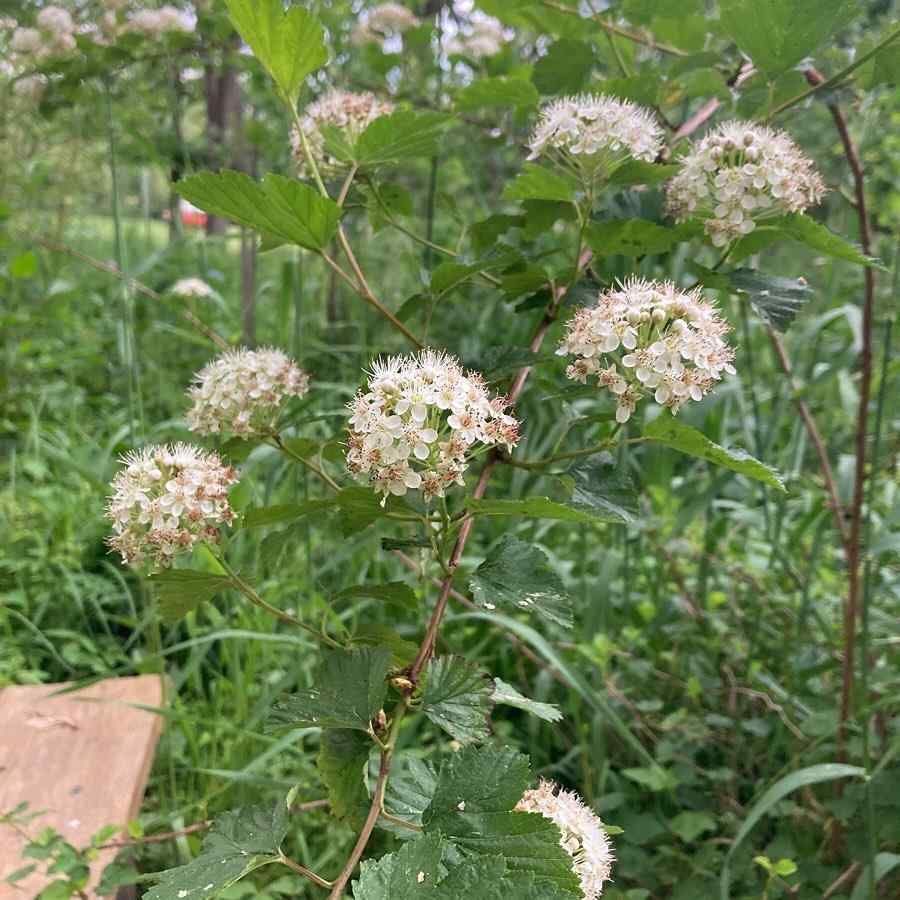
Ninebark is for gardeners who want a shrub that won’t sulk. It’s tough, fast-growing, and tolerant of less-than-perfect soil. The peeling bark adds winter texture, and the spring flowers (white to pink) soften its rugged look. Many cultivars offer darker foliage, but the species is already handsome and hardy.
How to place it: use it as a backdrop shrub or along sunny edges where drought can sneak in.
Care tip: rejuvenate by cutting a portion of older stems to the base every few years.
8) Northern Spicebush (Lindera benzoin)
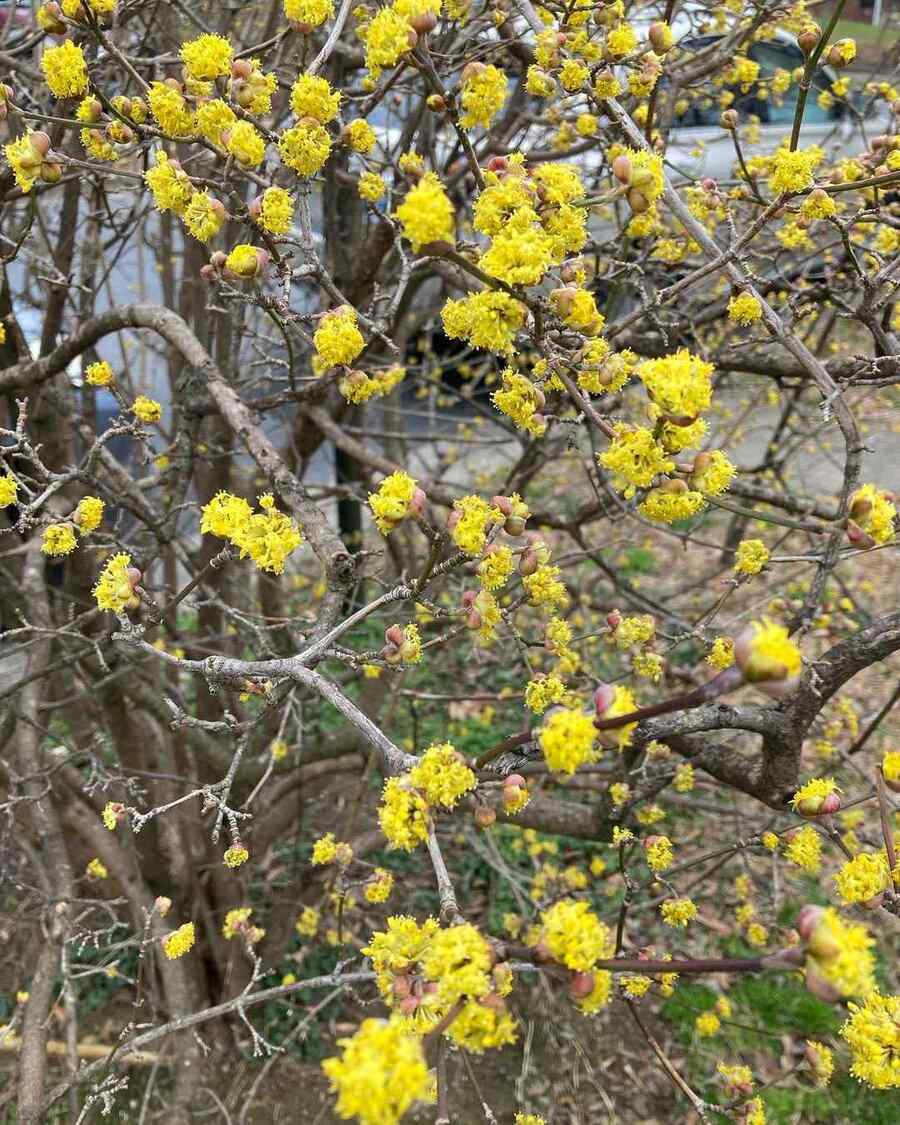
Spicebush brings a gentle woodland charm—perfect for New Hampshire’s naturalistic style. It has early yellow spring flowers, aromatic leaves, and bright red berries on female plants. It’s also a host plant for the Spicebush Swallowtail, adding real ecological value beyond looks.
How to place it: in part shade along woodland edges or under high tree canopy.
Care tip: like winterberry, berries require male/female plants; leaf fragrance is a bonus when brushing past along a path.
9) Inkberry Holly (Ilex glabra)
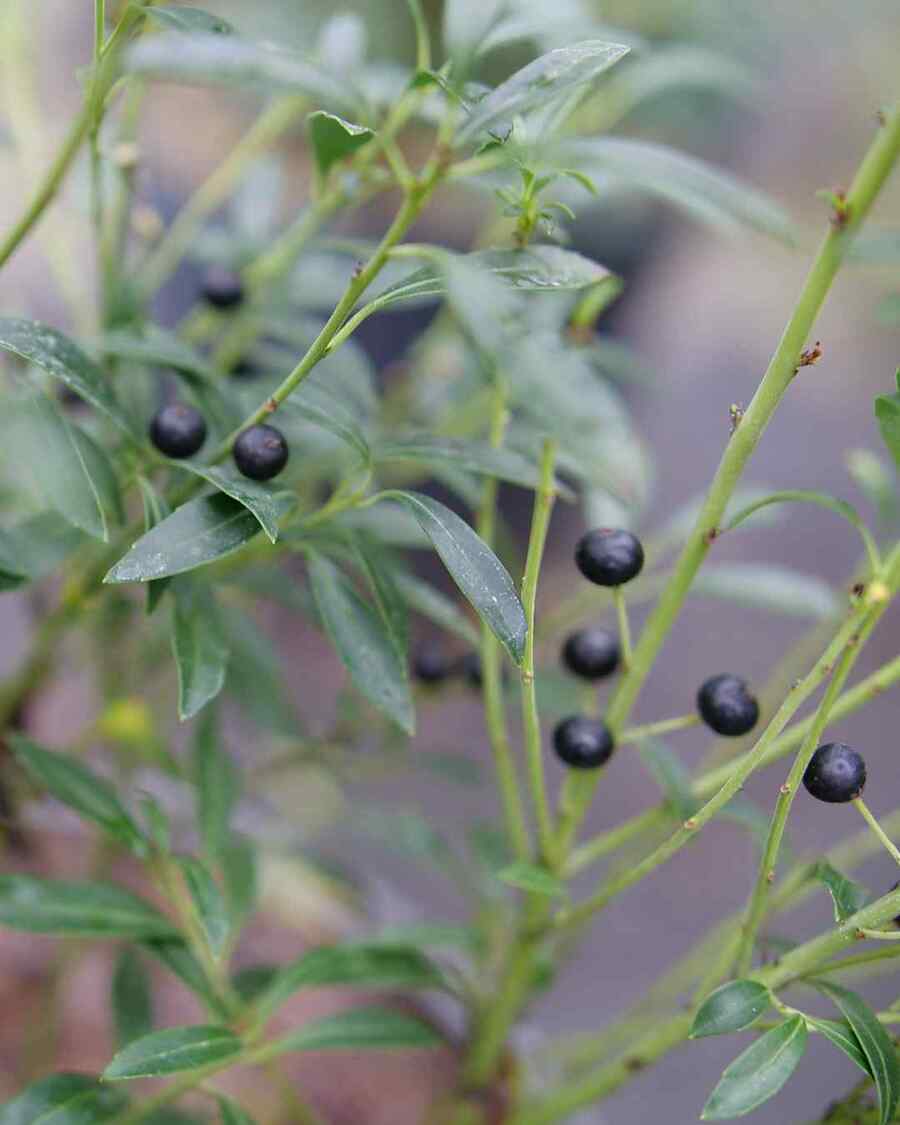
Inkberry is a native evergreen that works beautifully when you want structure but don’t want the fuss of boxwood in harsh winters. Its compact habit and dark foliage fit formal foundations and modern plantings, yet it also blends into natural designs.
How to place it: near entrances, along foundations, or in repeated clumps for a clean rhythm.
Care tip: choose a cultivar with a habit you like (some are more naturally dense). Provide moisture during establishment for best results.
10) Witch-hazel (Hamamelis virginiana)
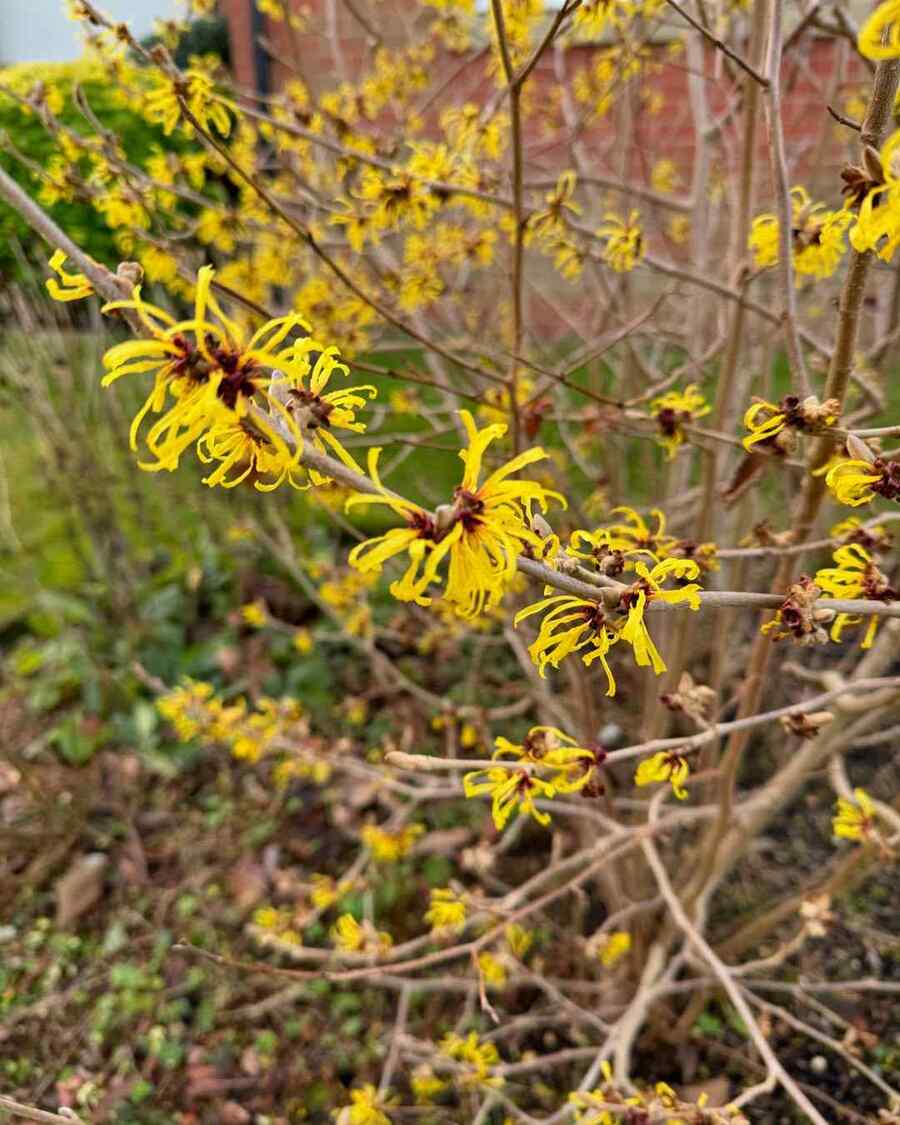
Witch-hazel is the shrub you plant for a surprising moment: fragrant yellow flowers in late fall, when most gardens are winding down. It’s native, large, and best treated as a specimen—something you give space to be itself. In New Hampshire, that off-season bloom feels quietly luxurious.
How to place it: near a walkway or window where you’ll notice November flowers.
Care tip: minimal pruning is best; let its natural shape create a relaxed, woodland elegance.