Nebraska gardens don’t get “easy mode.” You can have wind, clay, heat, late frosts, and sudden cold snaps—sometimes in the same season. The good news: the right shrubs for Nebraska give you structure, color, and privacy with far less fuss than picky plants. Below are 10 reliable shrubs—mostly tough natives plus a few proven ornamentals—chosen for four-season interest and the ability to handle Nebraska’s varied conditions.
Table of Contents
Shrubs for Nebraska: How to Choose the Right One First
Before you buy, match the shrub to your exact spot. Check sun (full sun vs. afternoon shade), soil (clay, sand, or “somewhere in between”), and moisture (irrigated bed vs. dry corner). In Nebraska, shrubs that earn their keep usually have at least one of these strengths: native adaptability, winter stem color, berries, fall foliage, or evergreen form. If you want a tidy look, plan for mature size—then place shrubs so they won’t need constant shearing to stay pretty.
1) Red Twig Dogwood (Cornus sericea)
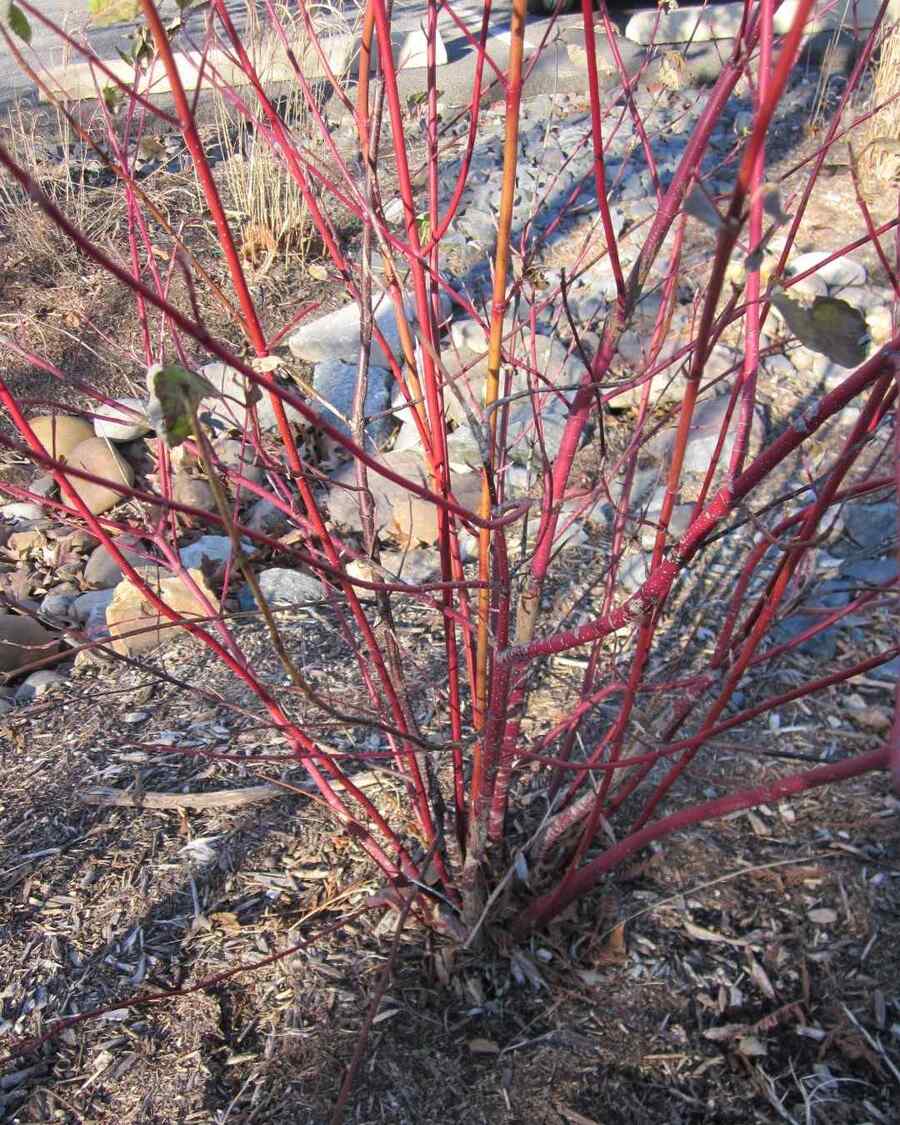
If you want winter drama without extra work, Red Twig Dogwood delivers. Its bright red stems glow against snow and tan prairie grass, and it’s a Nebraska-friendly native that tolerates difficult sites. Plant it where you’ll see it from a window—near an entry path or behind a patio.
Care notes: Full sun to part shade. Prefers moisture but adapts if established. For the best red color, prune out a third of the oldest stems in early spring to encourage fresh growth.
2) Fragrant Sumac (Rhus aromatica)
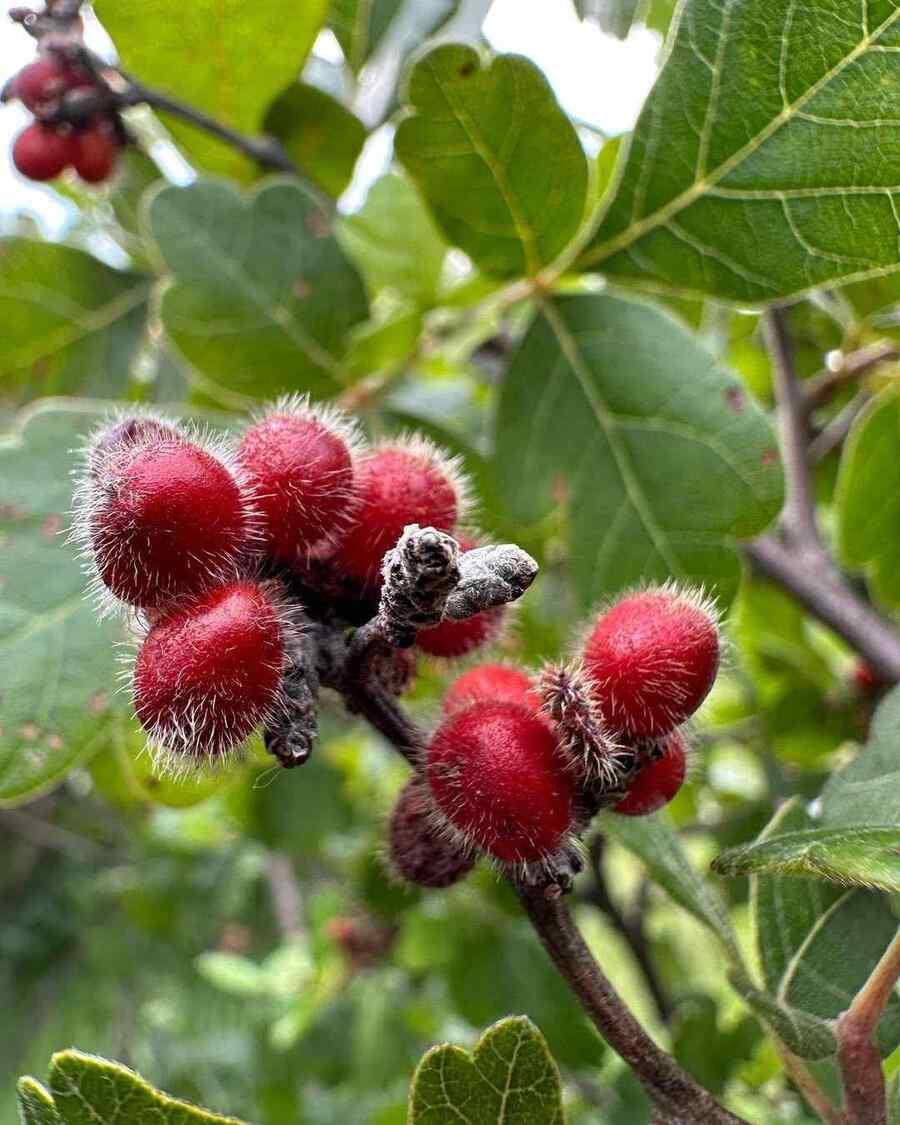
This shrub feels tailor-made for Nebraska’s “tough-love” climate. Fragrant Sumac has glossy foliage, a light citrus scent when brushed, and fiery orange-red fall color. It’s excellent on slopes or places where grass struggles, and it forms a dense, friendly barrier without thorns.
Care notes: Full sun to light shade. Drought-tolerant once established. Let it naturalize for a relaxed look, or lightly shape after flowering for a neater outline.
3) Western Sand Cherry (Prunus besseyi)
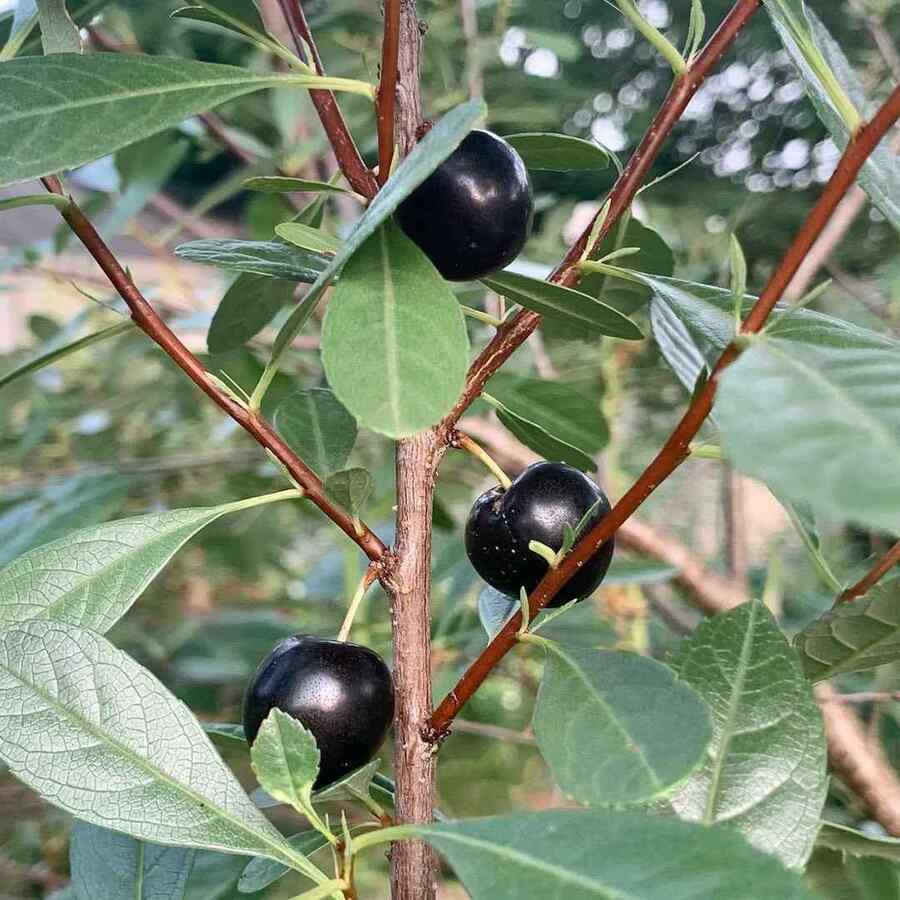
For a dry, sunny spot that needs beauty, Western Sand Cherry is a smart pick. In spring it offers fragrant white blooms, and later it can set dark edible cherries. Its compact form works nicely along sidewalks or in front of taller evergreens.
Care notes: Full sun is best. Thrives in sandy or well-drained soils and handles drought well. Prune lightly after bloom to keep it full and to showcase its naturally graceful shape.
4) Lead Plant (Amorpha canescens)
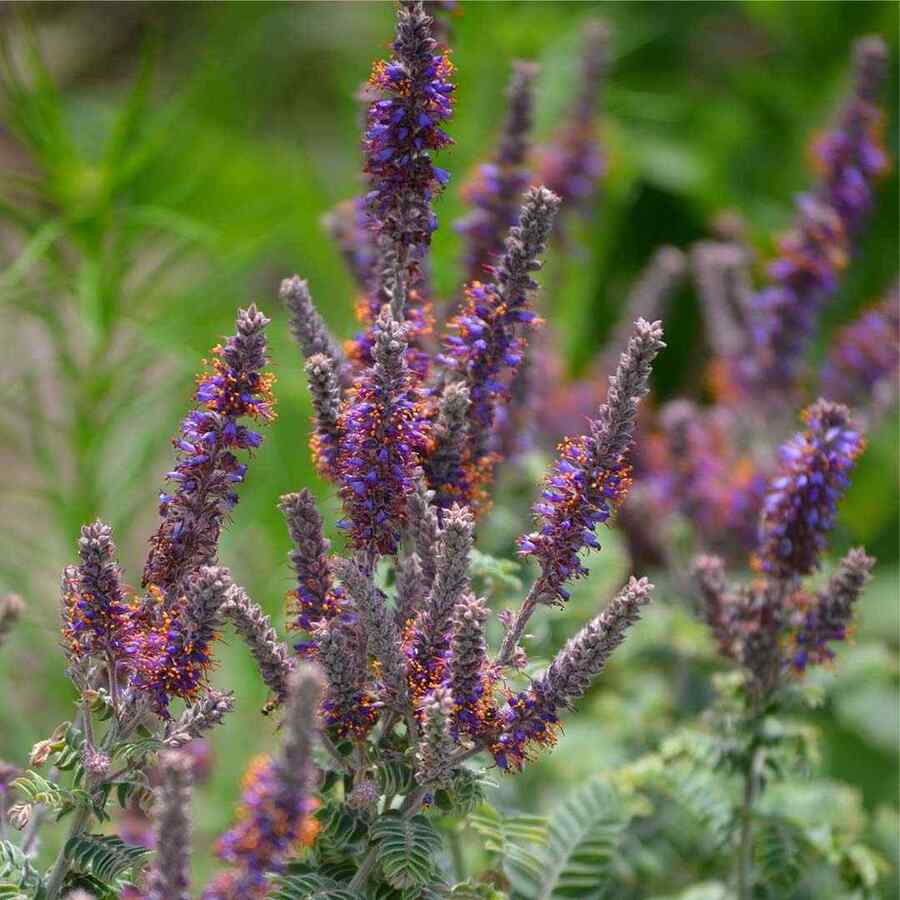
Lead Plant brings prairie elegance—silvery foliage and purple flower spikes—while quietly improving your soil. As a nitrogen fixer, it supports nearby plants and suits a naturalistic garden that still looks intentional.
Care notes: Full sun. Prefers well-drained soil and is extremely drought-tolerant once established. Avoid rich, constantly wet beds; this one shines in “lean” conditions with minimal pampering.
5) Common Snowberry (Symphoricarpos albus)
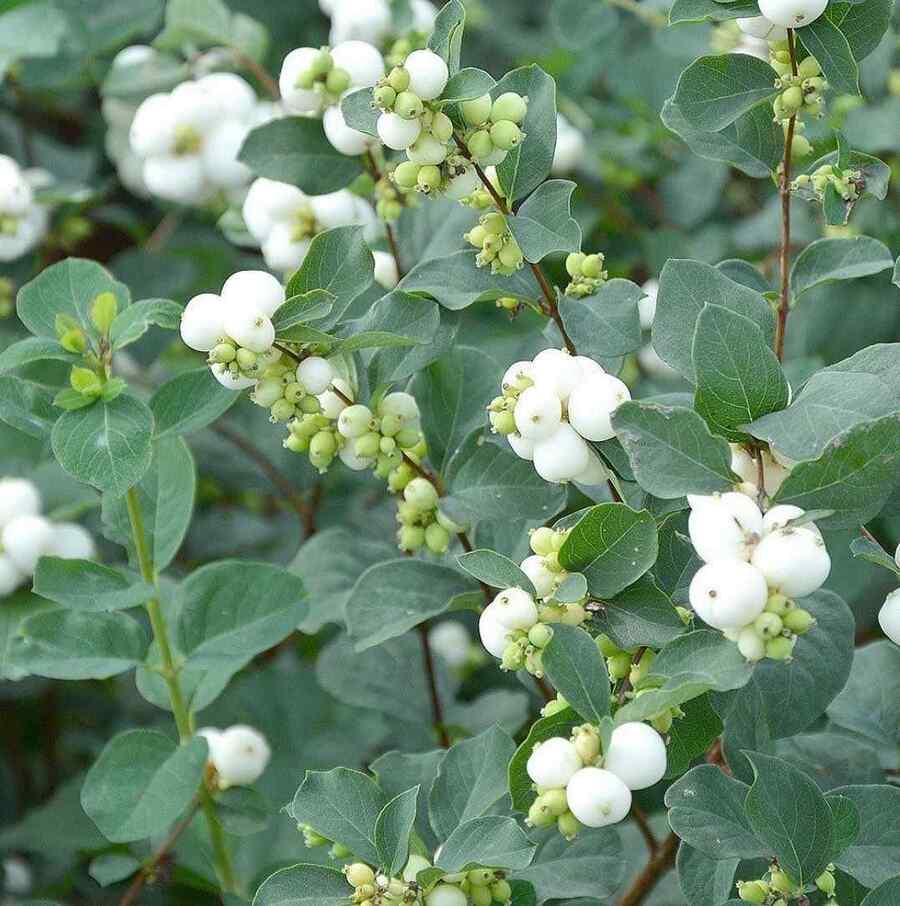
If you want a shrub that basically minds its own business, Common Snowberry is the low-maintenance friend. It’s known for white berries that hang on into fall and winter, adding soft contrast to darker evergreens and ornamental grasses.
Care notes: Sun to part shade. Adapts to many soils, including clay. It can spread; use it where a relaxed thicket is welcome (property edge, utility area) or root-prune if you prefer a tighter footprint.
6) Blackhaw Viburnum (Viburnum prunifolium)
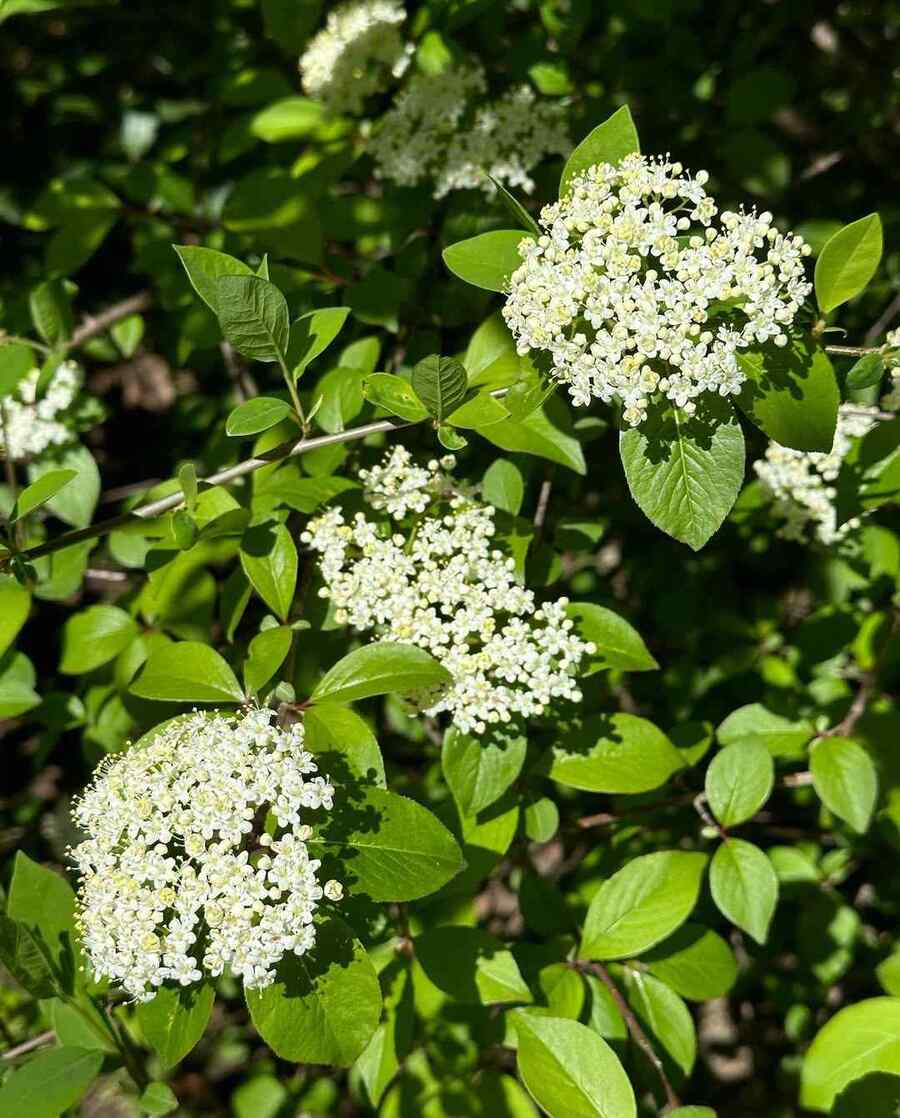
For a more “landscaped” look with native toughness, choose Blackhaw Viburnum. It has white spring flowers, handsome summer foliage, and rich red-to-purple fall color that reads polished without being fussy. Its upright habit helps anchor foundation plantings.
Care notes: Full sun to part shade. Average moisture. Give it space—this is a bigger shrub—and you’ll be rewarded with a graceful, architectural silhouette.
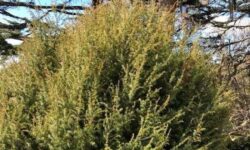
7) Gin Fizz® Juniper (Juniperus virginiana ‘Gin Fizz’)
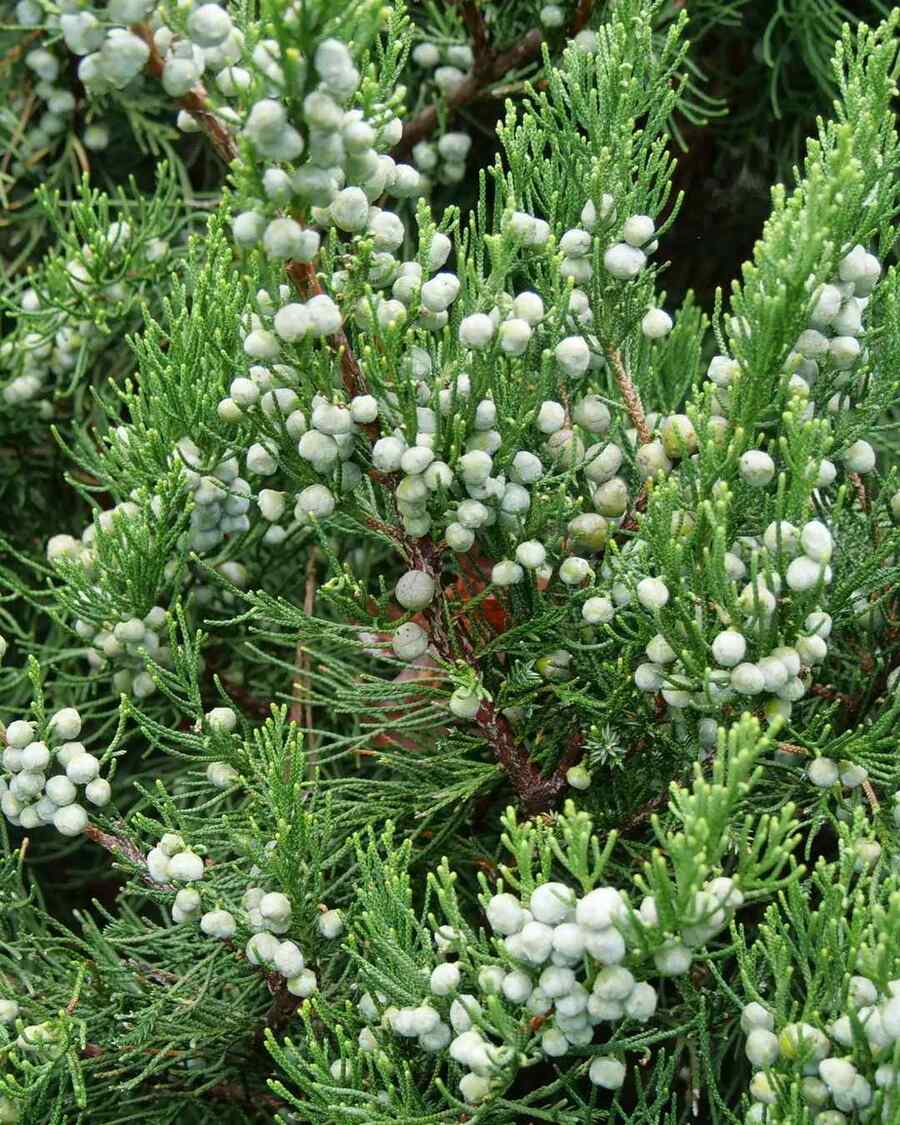
When you need year-round structure, an evergreen juniper is dependable, and Gin Fizz® stands out for its clean conical shape and aromatic foliage. It also produces blue-green berry-like cones, giving subtle color and texture even in winter.
Care notes: Full sun. Very drought-tolerant once established. Avoid poorly drained, constantly soggy soil. Use it as a vertical accent near entries, corners of a house, or as punctuation in a mixed border.
8) Smooth Hydrangea (Hydrangea arborescens)
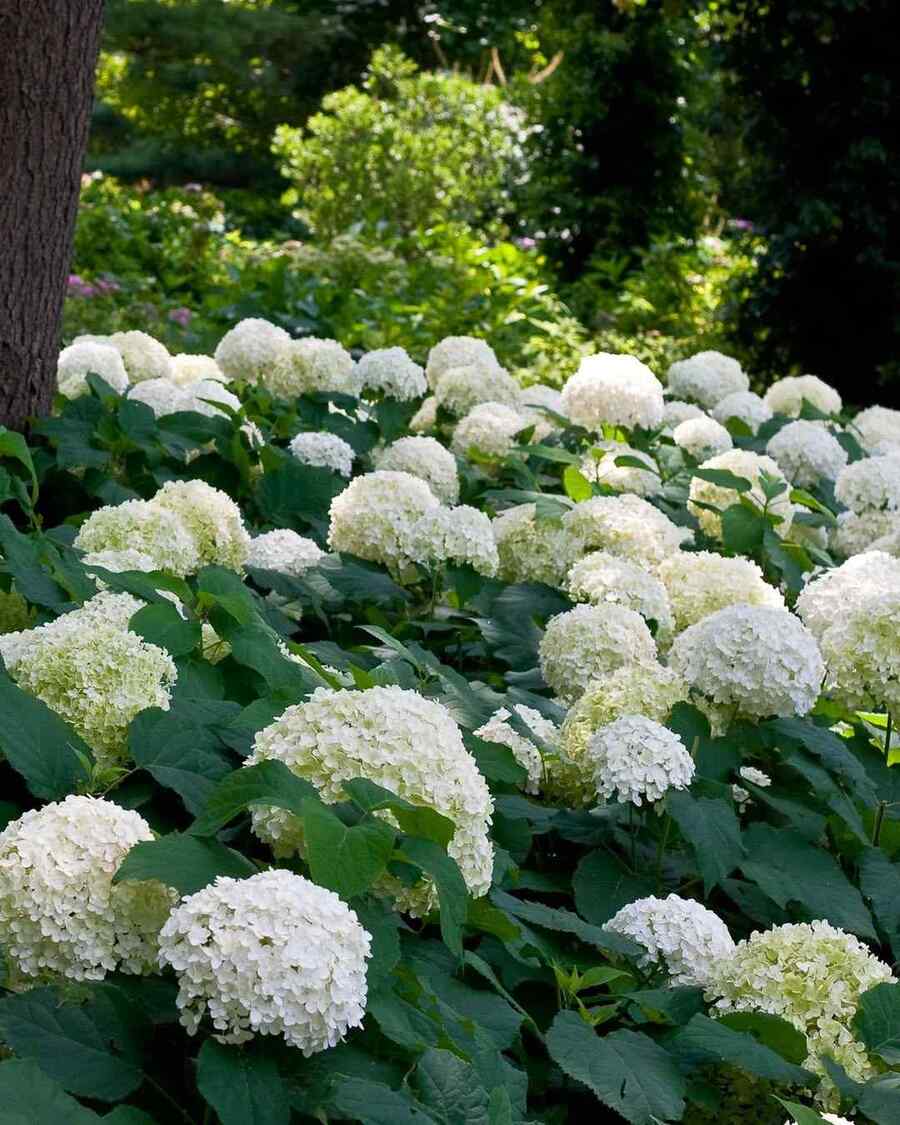
Want big blooms without constant drama? Smooth Hydrangea is a native that handles shade better than many flowering shrubs and can manage heavy clay—a common Nebraska challenge. Its rounded clusters of flowers brighten woodland edges and north-facing beds.
Care notes: Part shade is ideal; morning sun helps flowering. Water during dry spells for best blooms. It flowers on new wood, so you can prune in late winter/early spring without losing the season’s show.
9) American Plum (Prunus americana)
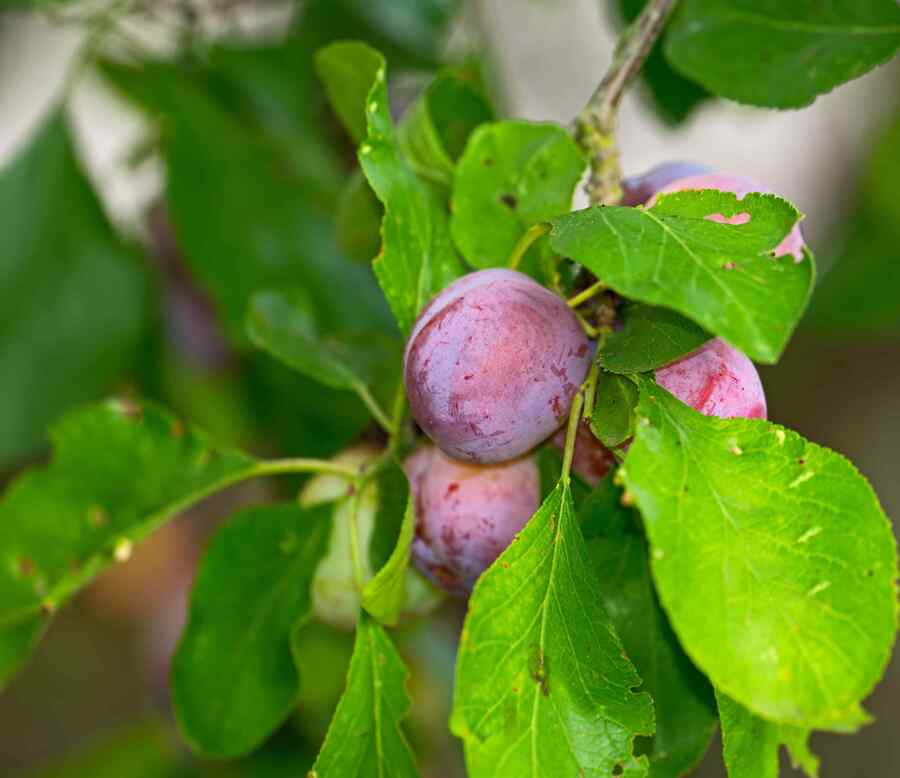
American Plum is rugged, useful, and frankly generous. It forms thickets that create privacy and wildlife habitat, then puts on a spring display of white blossoms followed by edible fruit. It’s perfect for a property line where you want a natural screen.
Care notes: Full sun to part shade. Adaptable to many soils. Expect suckering—embrace it for a windbreak effect, or mow/trim edges to keep the colony where you want it.
10) Forsythia (Hardy cultivars like ‘Meadowlark’)
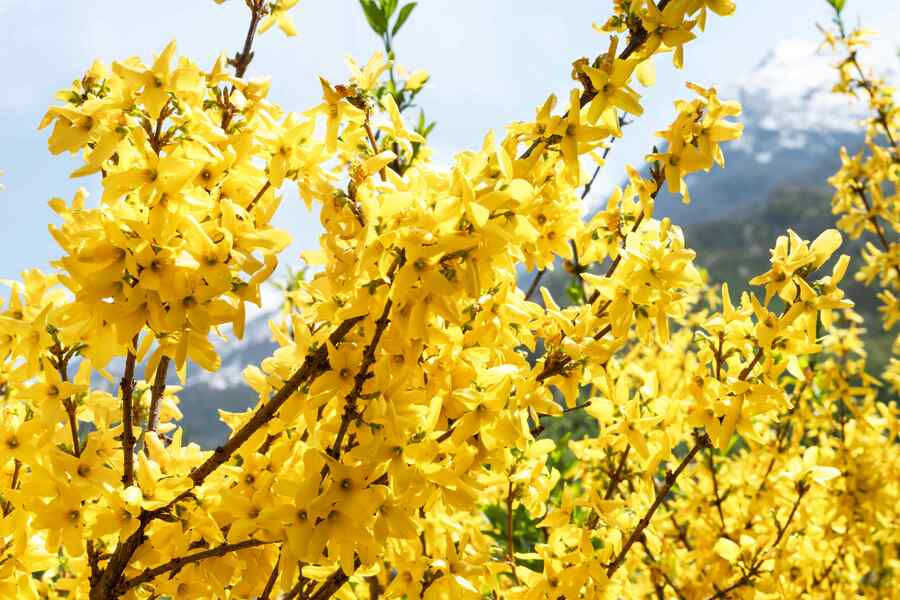
Forsythia is classic for a reason: it signals spring with a burst of bright yellow flowers before leaves appear. In Nebraska, choose hardier cultivars and give it a spot where its early color feels celebratory—near the driveway, mailbox, or front walk.
Care notes: Full sun for best bloom. Prune right after flowering (not in late fall), since it blooms on old wood. Let it arch naturally for a softer, more expensive-looking shape.
A Simple Planting Plan That Looks Intentional
For a cohesive Nebraska shrub bed, use a “backbone + sparkle” approach: place evergreen structure first (Gin Fizz® Juniper), then add seasonal highlights (Red Twig Dogwood for winter stems, Forsythia for early spring, Blackhaw Viburnum for fall color). Fill gaps with tough natives that behave (Fragrant Sumac, Lead Plant), and reserve thicket-formers (American Plum, Snowberry) for edges and screening. Keep mulch rings tidy, water the first year, and your planting will mature into a landscape that feels both familiar and confidently tailored to your yard.