Missouri gardens do best when they feel natural, resilient, and a little personal—the kind of space that still feels welcoming after a week of heat, a surprise cold snap, or a thunderstorm. If you want shrubs for Missouri that don’t act fussy, start with plants that already understand our seasons: humid summers, icy winds, clay pockets, and the occasional drought stretch. Below are ten shrubs that give you beauty with practicality, with clear growing notes so you can place each one with confidence.
Table of Contents
Shrubs for Missouri: Oakleaf Hydrangea (Hydrangea quercifolia)
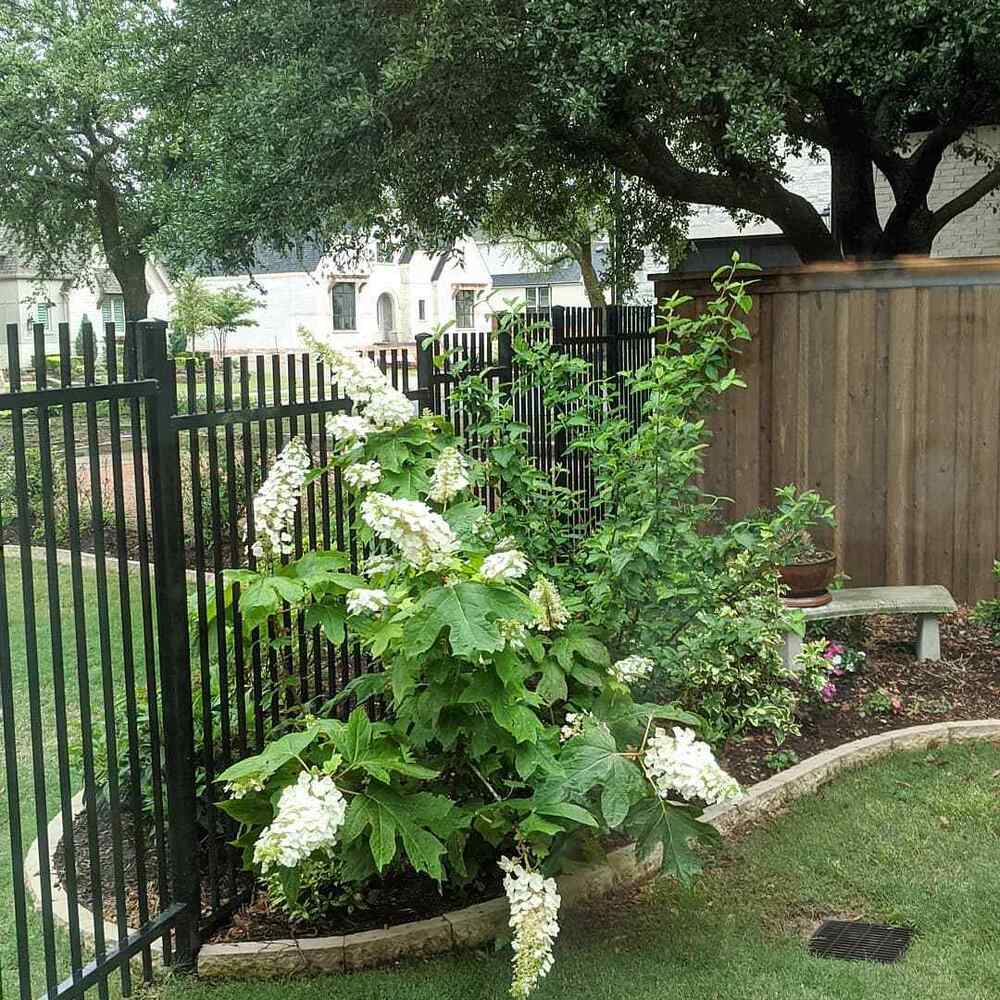
Type of plant: Deciduous flowering shrub (native)
Sun Exposure: Part shade is ideal; tolerates full sun with consistent moisture
Soil Needs: Moist, well-drained soil; handles clay if not waterlogged; likes organic matter
Blooming Season: Early–mid summer (large white panicles)
Scientific Name: Hydrangea quercifolia
Oakleaf hydrangea is the “four-season” choice when you want one shrub to do a lot of work. In summer, it carries cone-shaped white blooms that slowly age to soft pink. In fall, its oak-like leaves shift to burgundy, wine, and bronze, and in winter the exfoliating bark keeps the planting bed from feeling empty.
For a Missouri yard, place it where it gets morning sun and afternoon shade—beside a porch, under high-canopy trees, or along the east side of a house. Give it a 2–3 inch mulch ring to protect roots from temperature swings, and water deeply during the first two growing seasons. If you prefer a tidy shape, prune right after flowering; pruning later can remove next year’s blooms.
Spicebush (Lindera benzoin)
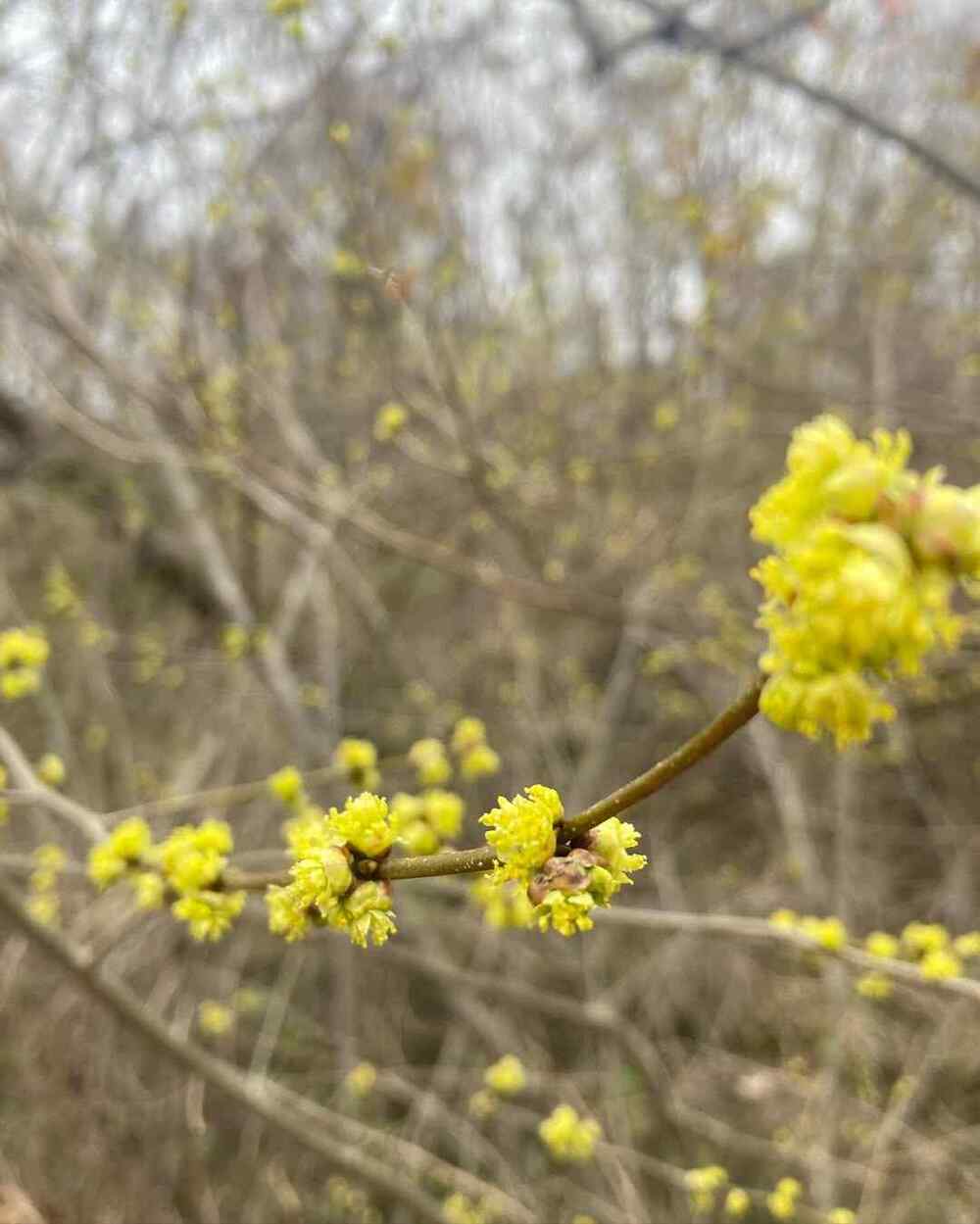
Type of plant: Deciduous native shrub; wildlife plant
Sun Exposure: Shade to part shade (best); tolerates part sun with moisture
Soil Needs: Moist, rich soil; tolerates clay; prefers woodland conditions
Blooming Season: Early spring (yellow flowers before leaf-out)
Scientific Name: Lindera benzoin
If your landscape has shade and you’re tired of plants that sulk there, spicebush is a reliable answer. In early spring—when the yard still feels gray—spicebush sparks small yellow blooms along the stems. The leaves smell pleasantly spicy when crushed, and in fall it turns a clean, bright yellow that reads beautifully against evergreens or dark mulch.
This shrub shines along shady fences, creek edges, or on the north side of the house where other flowering shrubs struggle. In Missouri summers, it appreciates even moisture, especially in the first year. Add leaf compost or shredded leaves as mulch to mimic forest soil. Bonus: it supports swallowtail butterflies, and female plants can produce red berries when a male is nearby—so if you have room, plant two for better fruiting and wildlife value.
Fragrant Sumac (Rhus aromatica)
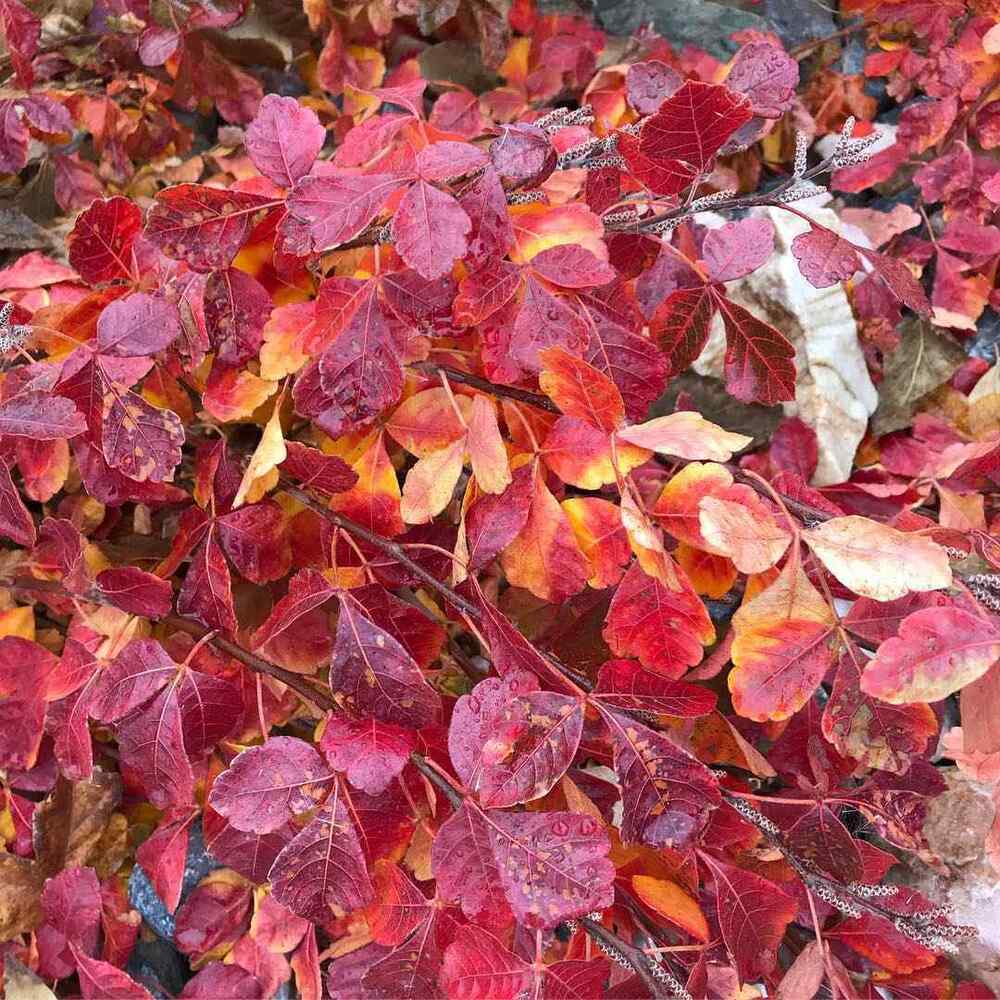
Type of plant: Deciduous native shrub; spreading groundcover shrub
Sun Exposure: Full sun to part shade
Soil Needs: Adaptable—poor soil, clay, rocky slopes; drought tolerant once established
Blooming Season: Early spring (small yellow flowers)
Scientific Name: Rhus aromatica
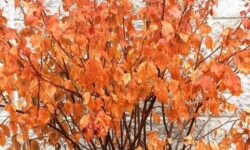
Fragrant sumac is the “problem-solver” shrub: steep banks, hot west-facing spots, thin soil, and areas that dry out fast. It forms a low, spreading mound that helps stabilize slopes and fill space with confidence. In fall, it delivers a fiery mix of red, orange, and gold, the kind of color that makes a simple yard feel designed.
For a clean look, use it as a soft edging along driveways or as a natural alternative to fussy groundcovers. Give it sun for the strongest color; part shade still works if you want it calmer and greener. Water regularly the first season, then step back—this plant likes independence. If it spreads more than you want, trim stems back after leaf drop. The foliage is aromatic, and its toughness makes it one of the easiest shrubs to keep attractive in Missouri’s swingy weather.
Black Chokeberry (Aronia melanocarpa)
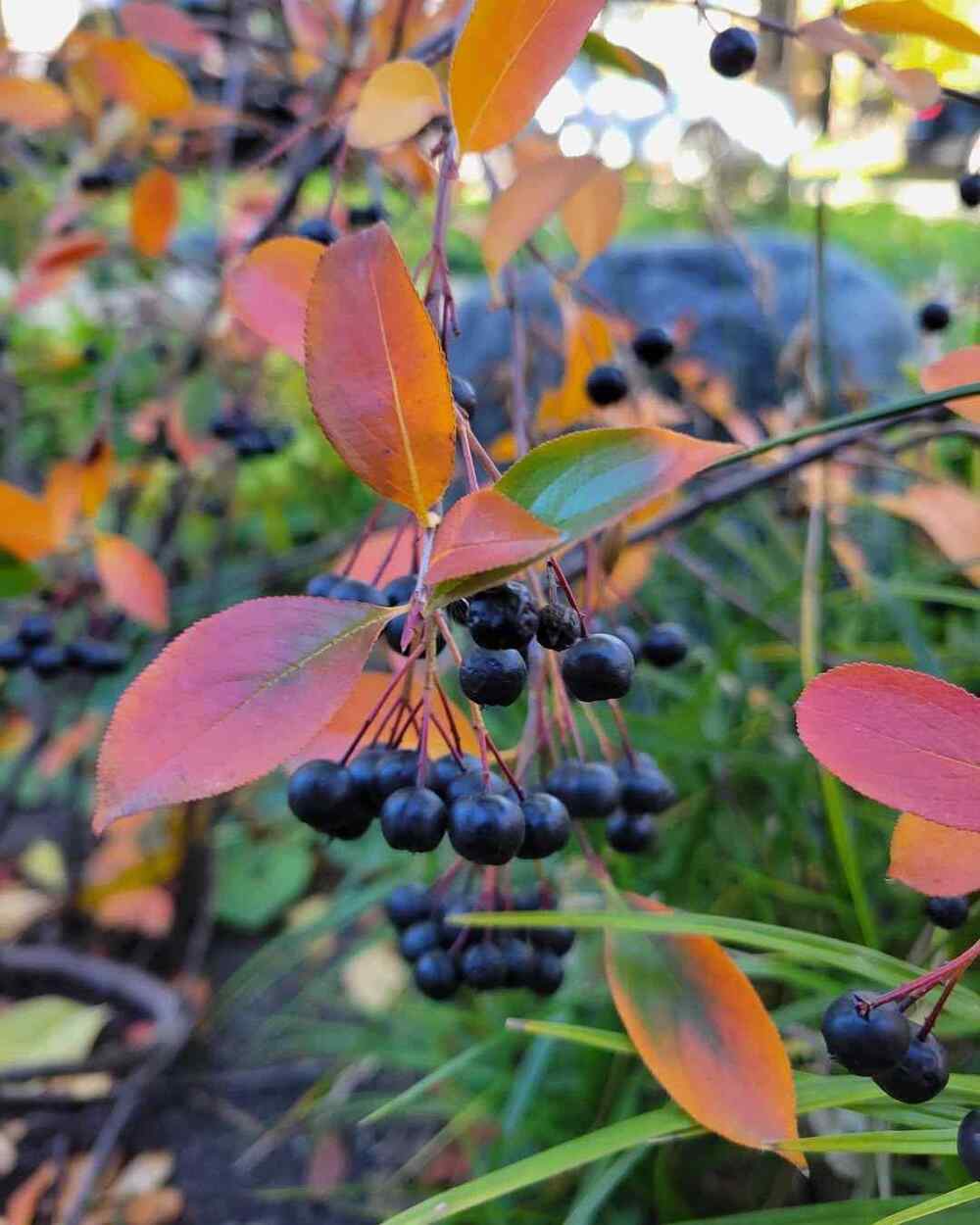
Type of plant: Deciduous native shrub; fruiting shrub
Sun Exposure: Full sun to part shade (more sun = more berries and fall color)
Soil Needs: Moist to average soil; tolerates clay; handles occasional wet sites
Blooming Season: Mid–late spring (white flower clusters)
Scientific Name: Aronia melanocarpa
Black chokeberry is a quiet overachiever: neat white flowers in spring, glossy green leaves in summer, deep black berries, and some of the best red fall color you can get without extra effort. It’s also a strong choice if your yard has moisture swings—spots that are wet in spring and average by midsummer.
For a friendly, intentional look, plant it in a group of 3–5 along a property line or mixed with ornamental grasses. The berries are a feast for birds, and they hang late, adding texture when other shrubs are already done. In full sun, chokeberry stays fuller and colors harder; in part shade it remains healthy but a bit looser. Prune selectively in late winter by removing a few older stems at the base to keep it dense and refreshed—simple, not fussy.
American Beautyberry (Callicarpa americana)
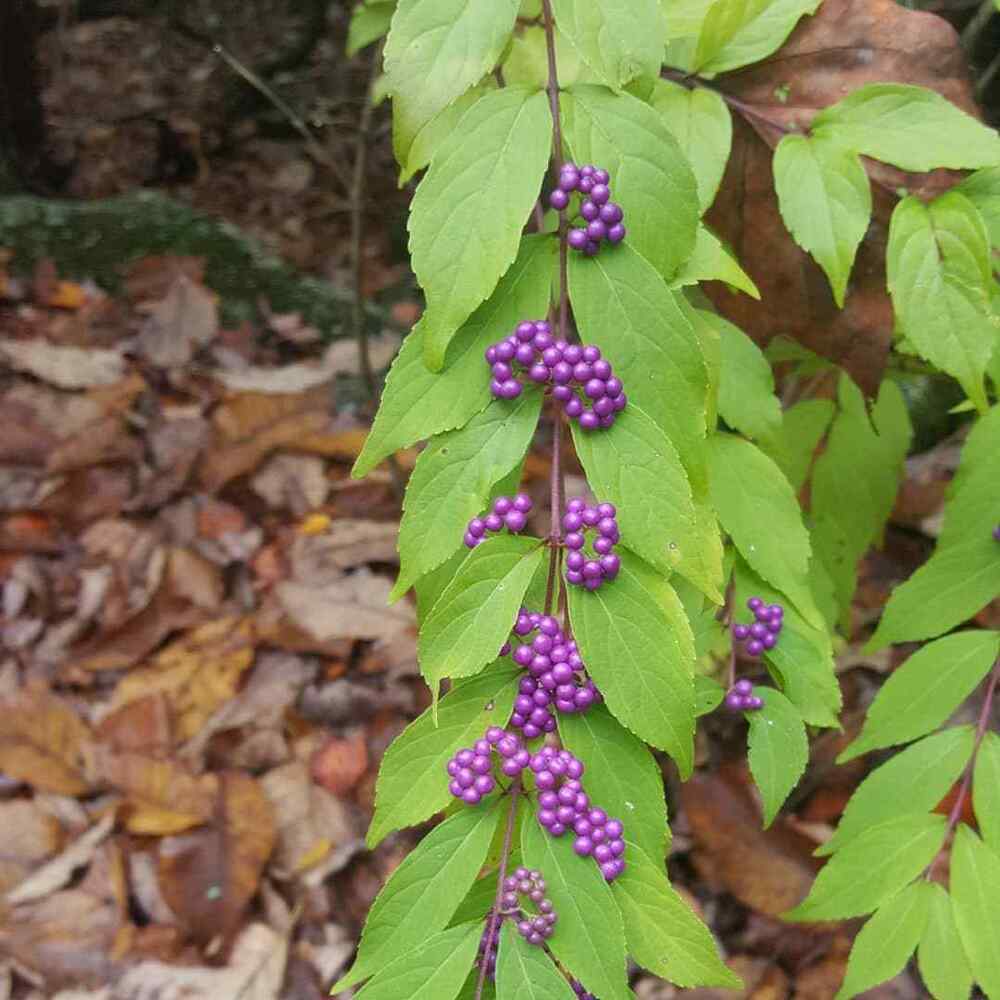
Type of plant: Deciduous shrub; ornamental berry shrub
Sun Exposure: Full sun to part shade (best berry color with more sun)
Soil Needs: Average, well-drained soil; tolerates clay if drainage is decent
Blooming Season: Summer (small pink-lavender flowers); berries in fall
Scientific Name: Callicarpa americana
Beautyberry earns its name in one moment: autumn. When the violet-purple berries cluster around the stems, the shrub suddenly becomes a showpiece, especially beside tan grasses, dark evergreens, or a brick wall. It feels cheerful and a little whimsical—perfect if you want your yard to look welcoming without needing constant grooming.
In Missouri, beautyberry does best with good sun and a spot that drains reasonably well. It can look sparse if shoved into heavy shade, so give it light and space. For the best berry display, avoid hard pruning right before bloom season; flowers form on new growth, so a common approach is a late winter cut-back (light shaping or renewal pruning) to encourage vigorous stems. Pair it with fall-blooming perennials and you’ll get a layered, “planned” look that still feels relaxed and homey.
Ozark Witch Hazel (Hamamelis vernalis)
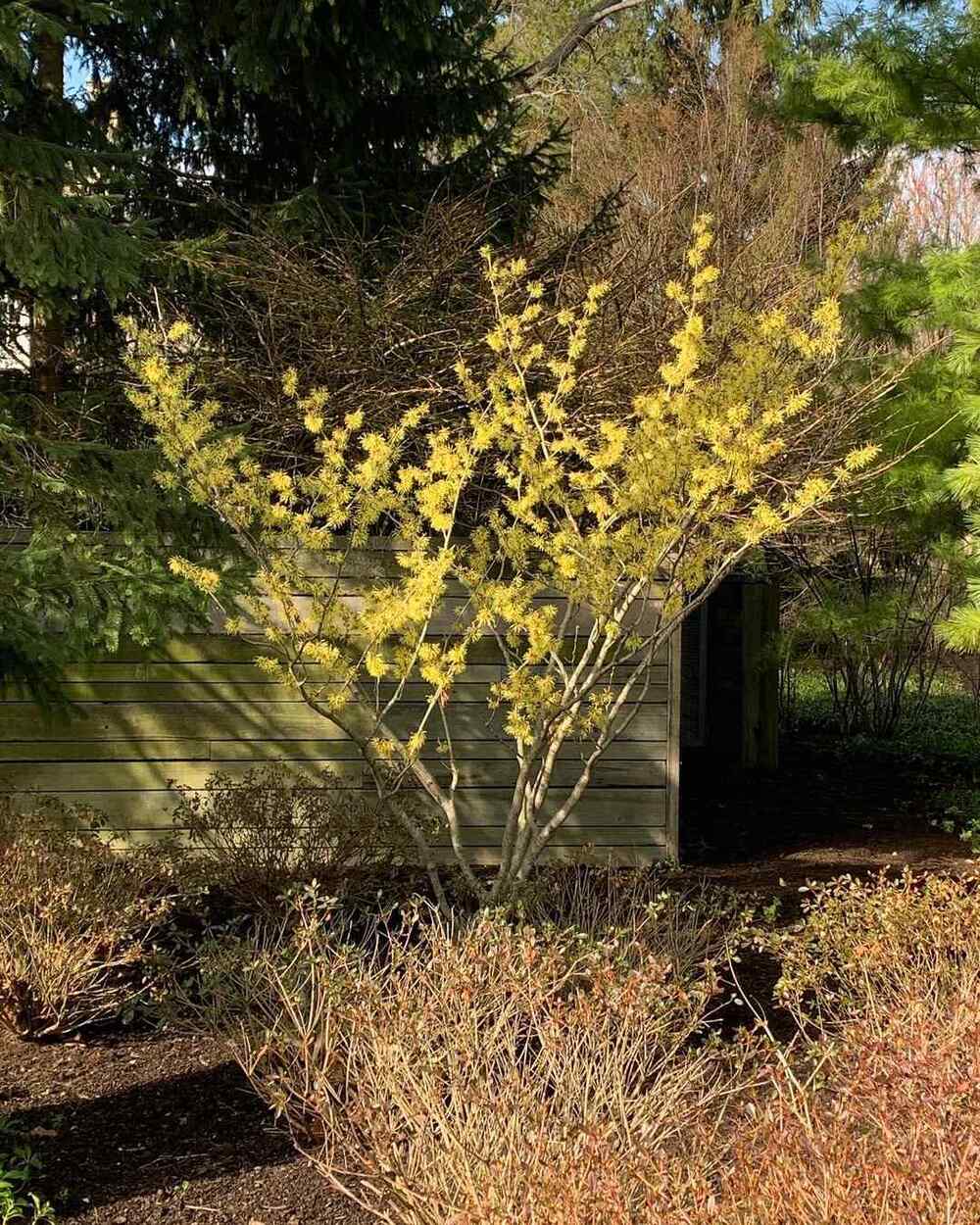
Type of plant: Deciduous native shrub; winter-to-early-spring bloomer
Sun Exposure: Part shade to full sun
Soil Needs: Moist, well-drained; tolerates clay; appreciates mulch and organic matter
Blooming Season: January–April (fragrant red-yellow flowers)
Scientific Name: Hamamelis vernalis
Ozark witch hazel is for the gardener who wants something special when everyone else is waiting for spring. Its ribbon-like flowers open in late winter into early spring, often when the rest of the yard is still bare. The blooms have a gentle fragrance, and the plant’s shape has a natural elegance—an easy focal point near a walkway or window where you’ll actually notice it.
Place it where you can enjoy it in cold months: near the front door, a kitchen window, or along a path you use daily. It tolerates sun, but in Missouri it often looks happiest with afternoon shade and consistent moisture. Don’t let it dry out completely in summer, especially the first two years. Minimal pruning is best—just remove crossing branches. If you like a landscaped, “finished” feel, underplant with early bulbs and a tidy mulch ring.
Shrubby St. John’s Wort (Hypericum prolificum)
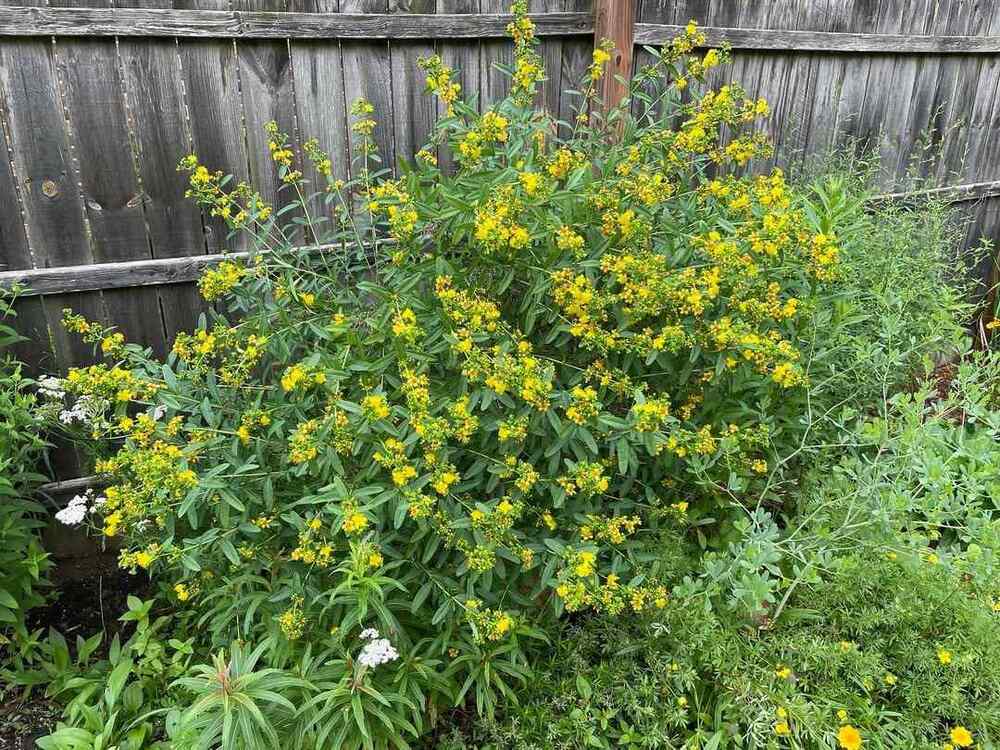
Type of plant: Deciduous native shrub; compact flowering shrub
Sun Exposure: Full sun to part shade
Soil Needs: Average, well-drained; tolerant of clay and drought once established
Blooming Season: Summer (bright yellow flowers)
Scientific Name: Hypericum prolificum
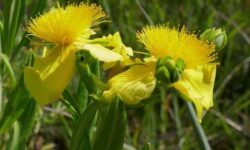
This is a small shrub with big utility. Shrubby St. John’s wort stays compact and rounded, making it perfect for foundation beds where you want structure without constant trimming. In summer it’s covered in bright yellow flowers, and the tidy foliage keeps it attractive even when it’s not blooming.
For Missouri landscapes, it’s a strong pick for sunny beds that can get hot. Once it’s established, it’s fairly drought tolerant, which means fewer rescue waterings in July. To keep it full, give it a light prune in late winter—think “shape and refresh,” not a drastic haircut. Use it along sidewalks, around patios, or as a repeated element in a bed design. Repetition is what makes a yard feel intentional, and this shrub repeats beautifully without demanding attention.
Ninebark (Physocarpus opulifolius)
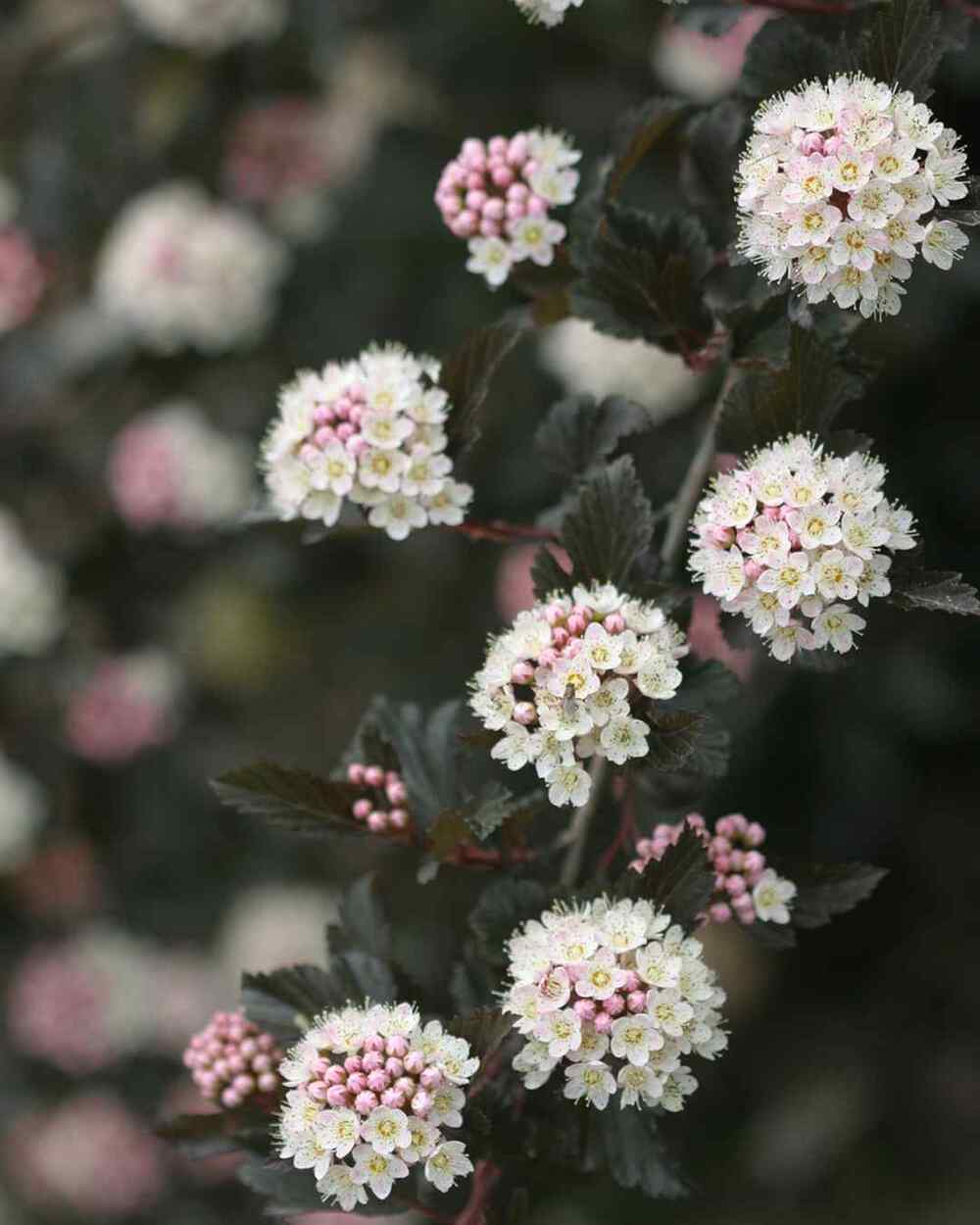
Type of plant: Deciduous native shrub; ornamental bark and foliage shrub
Sun Exposure: Full sun to part shade (best leaf color in sun)
Soil Needs: Adaptable; tolerates clay; average to dry soil once established
Blooming Season: Late spring to early summer (white/pink flower clusters)
Scientific Name: Physocarpus opulifolius
Ninebark is hardy in the way Missouri gardeners appreciate: it handles tough soil, wind, heat, and cold. The exfoliating bark adds winter interest, and many cultivars offer dramatic foliage color—deep burgundy tones are common—so you get contrast without relying on flowers alone.
Use ninebark as a backbone shrub: at the back of a mixed border, along a fence, or as a screen that doesn’t feel stiff. In full sun it stays denser and the foliage color is richer; in part shade it remains healthy but greener. Prune right after flowering if you want to keep blooms, or do renewal pruning in late winter by cutting a few older stems at the base. If you prefer a polished look, keep the base mulched and pair it with lighter plants (silver, chartreuse, or airy grasses) for a balanced palette.
Inkberry Holly (Ilex glabra)
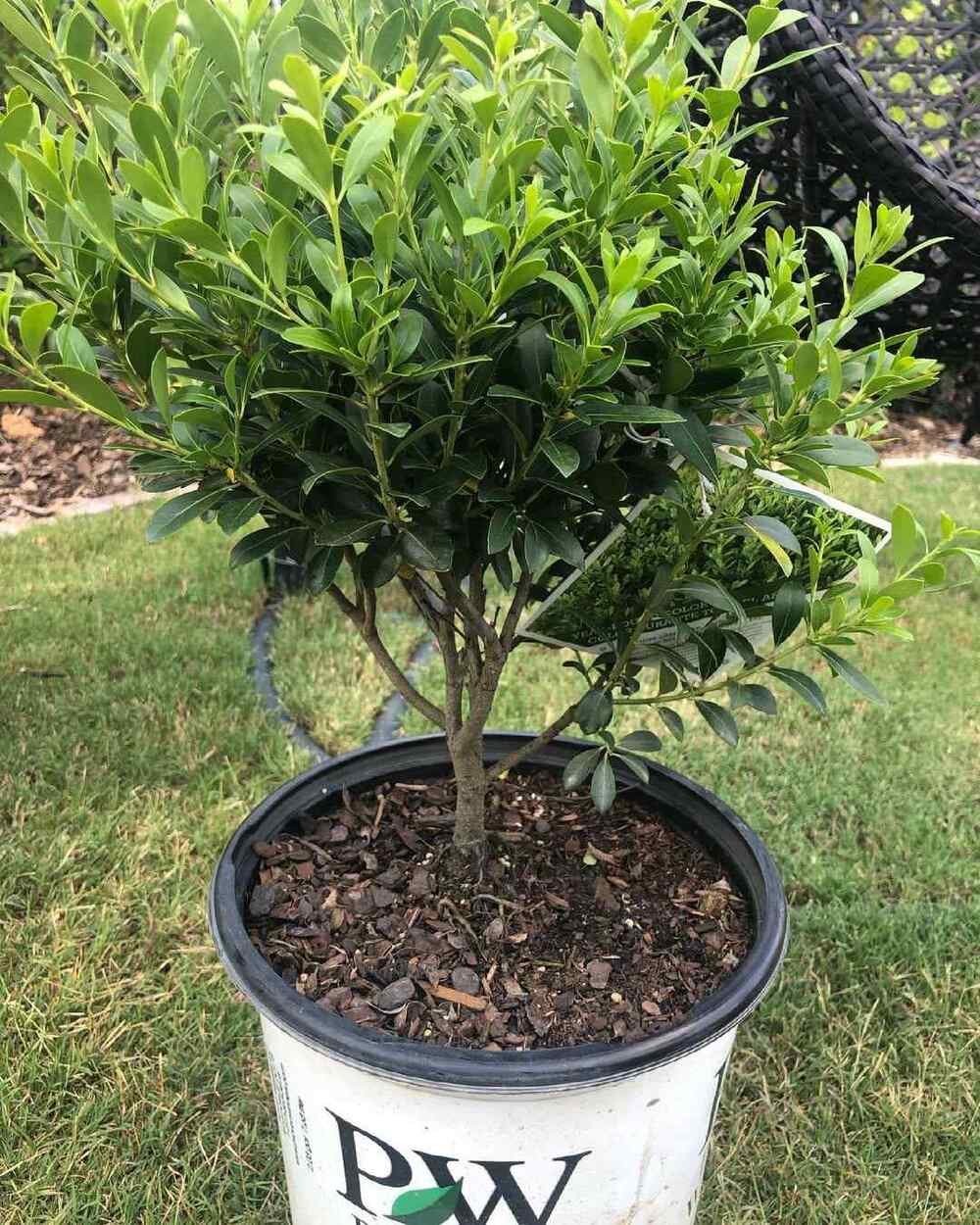
Type of plant: Broadleaf evergreen native shrub; hedge shrub
Sun Exposure: Full sun to part shade
Soil Needs: Moist, acidic soil preferred; tolerates clay if moisture is steady
Blooming Season: Spring (small, subtle flowers); berries on female plants
Scientific Name: Ilex glabra
Inkberry holly is one of the best evergreen options when you want year-round structure and a clean, classic shape—often used as a boxwood substitute. The foliage stays deep green, and with the right cultivar it can hold a dense form that looks tidy even in winter.
In Missouri, the main key is soil and moisture: inkberry prefers slightly acidic, consistently moist soil. If your soil is alkaline or very dry, plan to amend with organic matter and keep it mulched. Plant it where it won’t bake—morning sun with some afternoon relief is often ideal. For hedging, space plants so they can fill in without crowding, and shear lightly in late spring for shape. If you want berries for winter interest, include both male and female plants. It’s a practical shrub that still feels refined.
Arrowwood Viburnum (Viburnum dentatum)
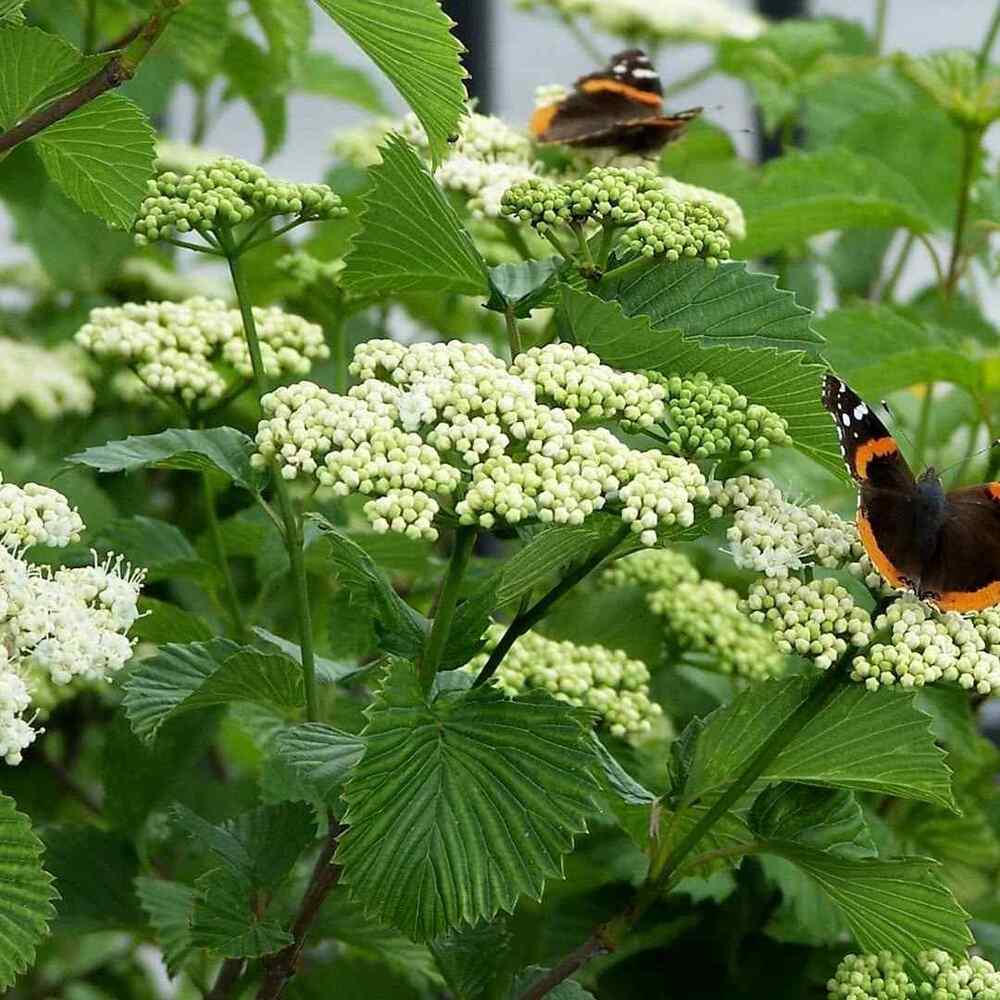
Type of plant: Deciduous native shrub; wildlife-friendly flowering shrub
Sun Exposure: Full sun to part shade
Soil Needs: Adaptable; tolerates clay; prefers average moisture
Blooming Season: Late spring (white flowers); berries later in the season
Scientific Name: Viburnum dentatum
Arrowwood viburnum is a tough, dependable shrub that fits right into Missouri yards—especially if you want a “garden that’s alive.” It produces white spring flowers, then sets blue-black berries that birds appreciate, and finishes with pleasing fall color in many sites. The overall effect is natural and welcoming, not rigid.
Use it as a privacy screen, a background shrub in a mixed border, or a loose hedge that still looks intentional. Full sun gives better flowering and fruiting, but part shade is fine. For a more personal touch, place it where you’ll notice seasonal changes—near a patio or along a path—so you can watch the berry set and the bird activity. Prune in late winter by removing a few older stems to keep it vigorous. If you plant more than one viburnum, you’ll often get better fruit set due to cross-pollination, which means more wildlife action and a fuller display.