Mississippi gardens are defined by long summers, mild winters, and humidity that can challenge weak plants. The good news: there are plenty of shrubs for Mississippi that don’t just survive—they flower, fruit, fragrance, and stay attractive through the seasons. Below are ten reliable choices that fit real yards in the Magnolia State, from sunny front beds to shady side gardens, with clear care notes so you can plant with confidence.
Before you buy, match the shrub to sunlight (full sun vs. part shade), soil drainage, and your goal—privacy, pollinators, winter color, or low upkeep. If you do that, these shrubs will reward you year after year.
Table of Contents
Shrubs for Mississippi: American Beautyberry (Callicarpa americana)
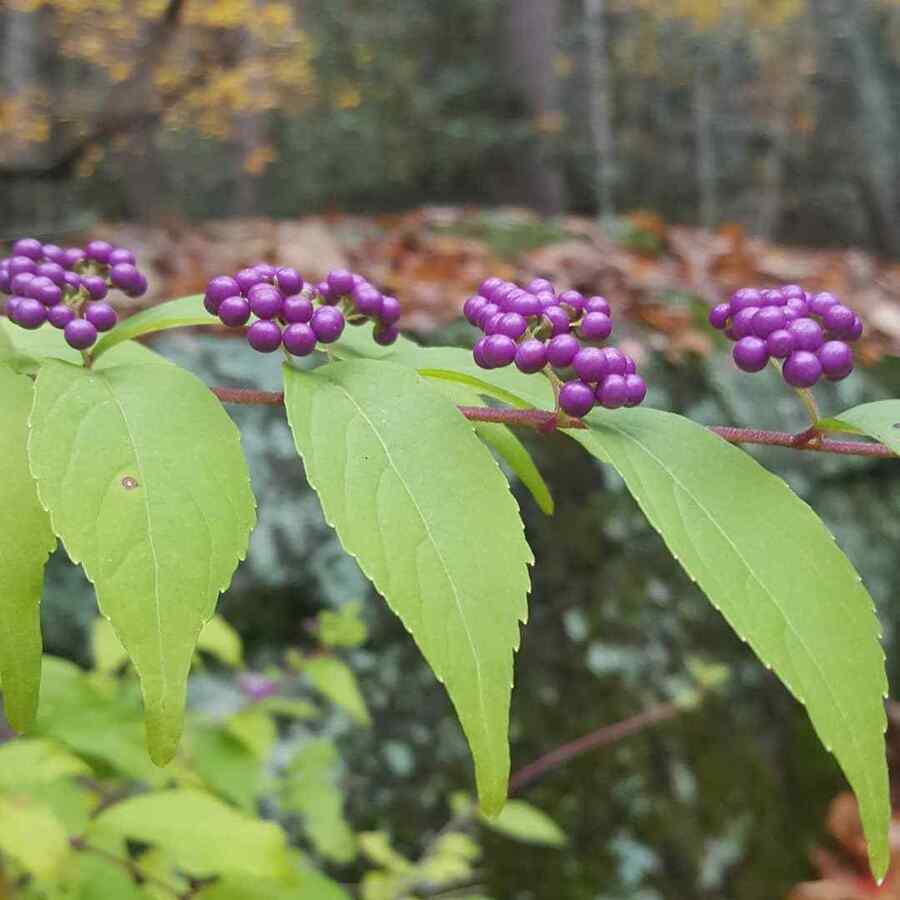
If you want a shrub that looks like it was styled for fall photos, American beautyberry delivers. This Mississippi native grows into a relaxed, arching form that feels natural in cottage beds, woodland edges, and mixed borders. Its small summer blooms are modest, but the real show starts late summer into fall when the stems become wrapped in electric purple-magenta berry clusters. Those berries can hold well into winter and are a magnet for birds, making the plant feel alive even after most flowers fade.
Placement & design: Beautyberry is best where you can appreciate the berry display up close—near a walkway, mailbox bed, or the back of a perennial border. It pairs beautifully with ornamental grasses, golden fall foliage, and evergreens that make the berries pop.
Light & soil: It tolerates part shade to sun, with better berries when it gets a good amount of light. Average soil is fine, but it appreciates decent drainage. Once established, it handles Mississippi heat well.
Care: The simplest approach is to prune in late winter. You can cut it back hard to keep it compact and berry-heavy, because it fruits on new growth. Mulch lightly to moderate summer stress.
Why it works in Mississippi: Native genetics mean it’s built for the region’s weather swings, and it gives you high-impact seasonal interest without needing constant attention.
Oakleaf Hydrangea (Hydrangea quercifolia)
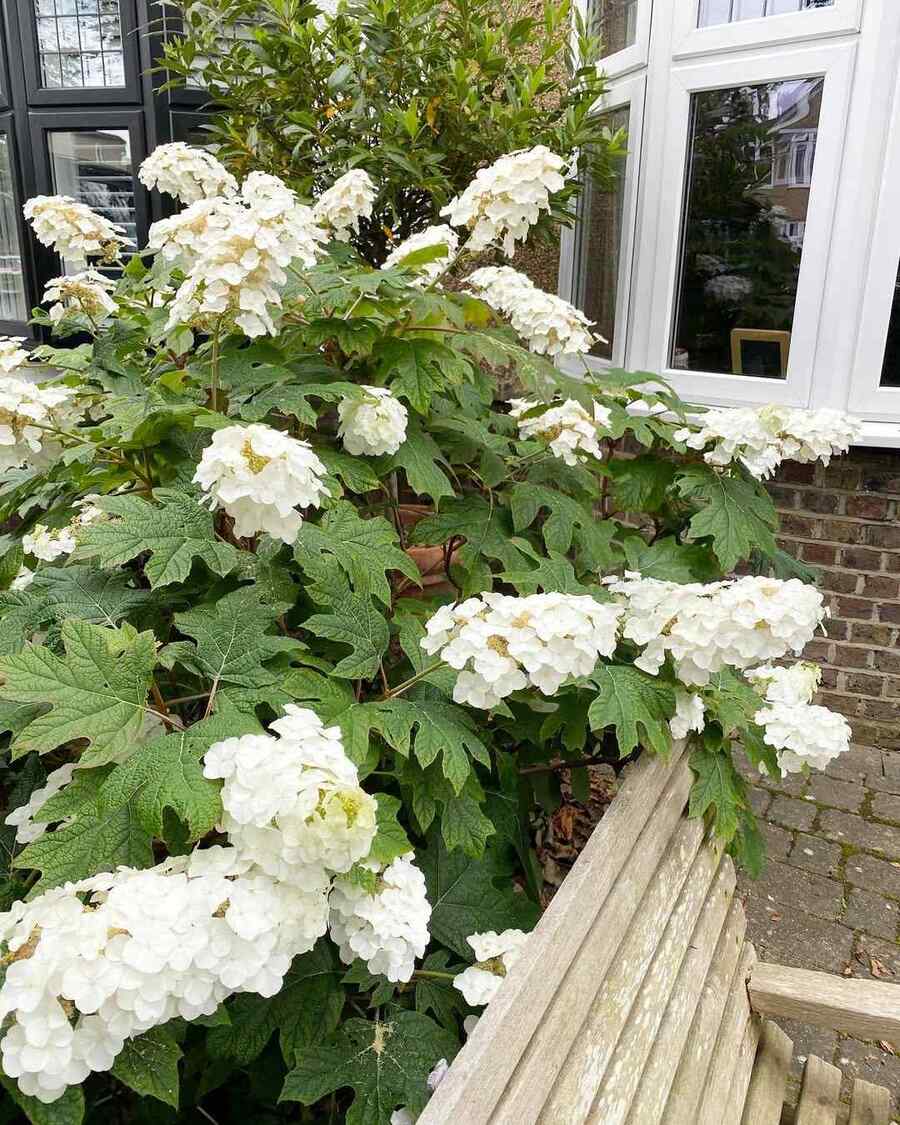
Oakleaf hydrangea is one of those shrubs that makes a yard feel “finished” without being fussy. It offers a full package: large cone-shaped white blooms, bold oak-like leaves, handsome peeling bark, and standout fall color that can shift into burgundy and wine tones. In Mississippi, it’s especially valued because it performs in light shade, where many flowering shrubs struggle.
Placement & design: Use Oakleaf hydrangea as a focal shrub near the front entry, under tall pines, or along an east-facing wall. Its leaf texture is substantial, so it anchors mixed plantings and looks elegant beside ferns, hostas, and camellias.
Light & soil: Morning sun with afternoon shade is ideal. It likes soil that stays evenly moist but not soggy. A thick mulch layer helps keep roots cool through humid summers.
Care: Prune carefully. Because it blooms on older wood, heavy pruning at the wrong time can remove next season’s flowers. If shaping is needed, do it right after flowering. Water deeply during dry spells the first year to build strong roots.
Why it works in Mississippi: It’s a dependable performer in the South, with multi-season beauty—flowers in warm months, foliage drama in fall, and bark interest when winter is quiet.
Yaupon Holly (Ilex vomitoria)
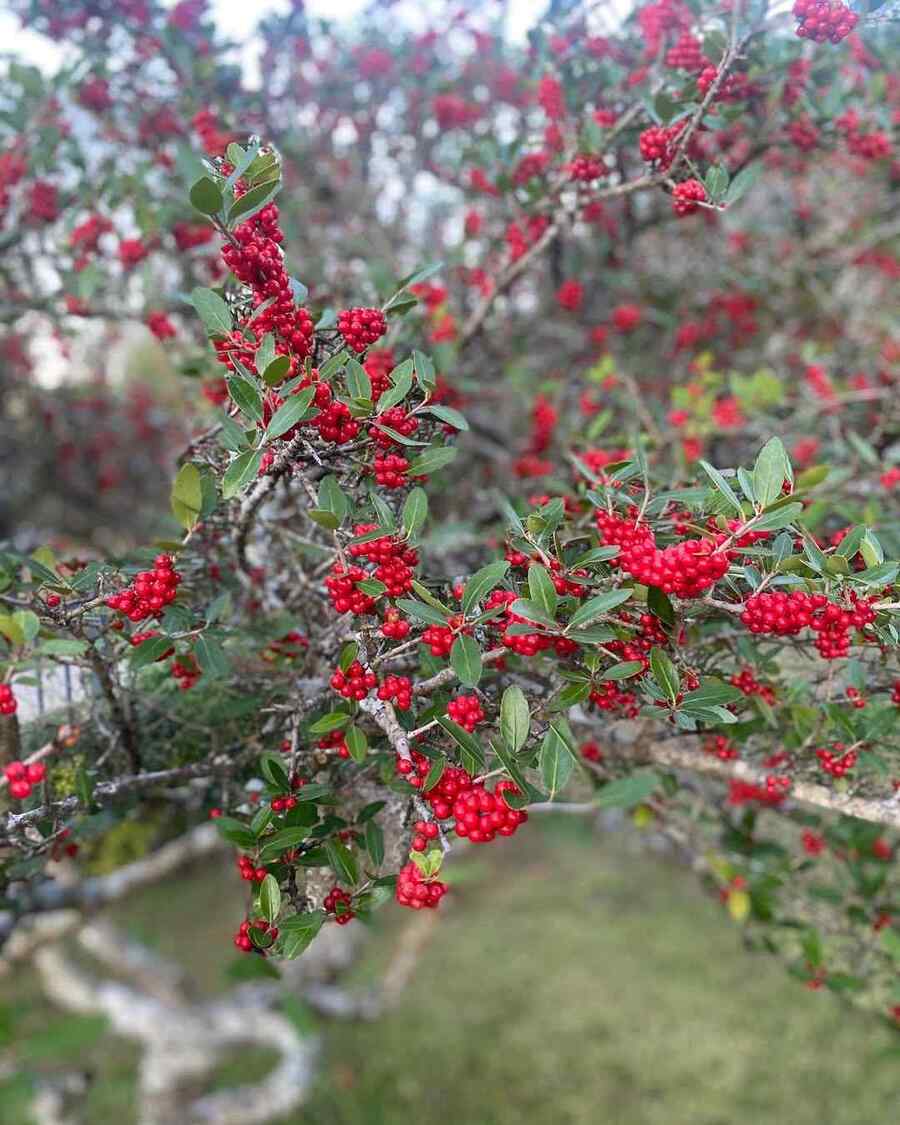
Yaupon holly is a Mississippi workhorse that can be shaped into nearly anything: a crisp hedge, a soft screen, a specimen, or even a small tree form. As a native evergreen, it’s comfortable with Southern humidity and heat, and it responds well to pruning—meaning you can keep it tidy or let it grow naturally with gentle movement.
Placement & design: For a clean, classic look, plant Yaupon as a hedge along property lines or around outdoor living areas. For a more natural style, use it in groups with staggered spacing to create layered privacy. Female plants produce berries (with a male nearby for pollination), adding seasonal interest and bird value.
Light & soil: It tolerates full sun to part shade and handles a range of soils as long as drainage isn’t terrible. Once established, it is drought-tolerant—useful when summer weather turns harsh.
Care: Prune in late winter or early spring for shaping. For hedges, light trimming several times during the growing season keeps the outline neat. Water consistently the first season; after that, it’s largely self-sufficient.
Why it works in Mississippi: It’s evergreen, adaptable, storm-resilient, and tough—exactly what many homeowners want when they’d rather enjoy their yard than constantly manage it.
Camellia (Camellia japonica / Camellia sasanqua)
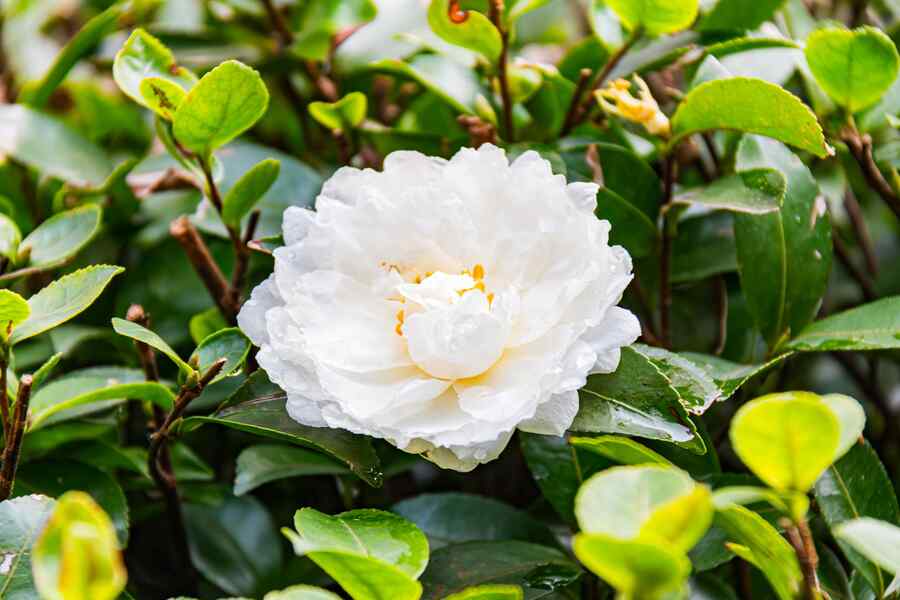
Camellias are Southern elegance in shrub form—glossy evergreen leaves and blooms that arrive when the garden needs a lift. Sasanqua camellias typically bloom earlier (fall into early winter), while japonicas often bloom later (winter into early spring). That timing is a gift in Mississippi, where winter is mild enough for camellias to shine.
Placement & design: Place camellias where you’ll see them from a window or front walk. They look refined as foundation plants, but they also glow in shaded courtyards and under tall trees that filter light. Their form reads lush and structured—perfect when you want a “garden room” feeling.
Light & soil: Bright shade or morning sun is ideal. Camellias prefer acidic, well-drained soil and dislike wet feet. If your soil is heavy, raise the planting area slightly and mulch well.
Care: Water during dry spells, especially in the first two years. Feed lightly with an acid-forming fertilizer after bloom, and prune only if needed for shape. Keep mulch off the trunk to prevent rot.
Why it works in Mississippi: Camellias deliver winter beauty and evergreen polish, fitting both traditional Southern landscapes and modern, minimal plant palettes.
Azalea (Rhododendron spp.)
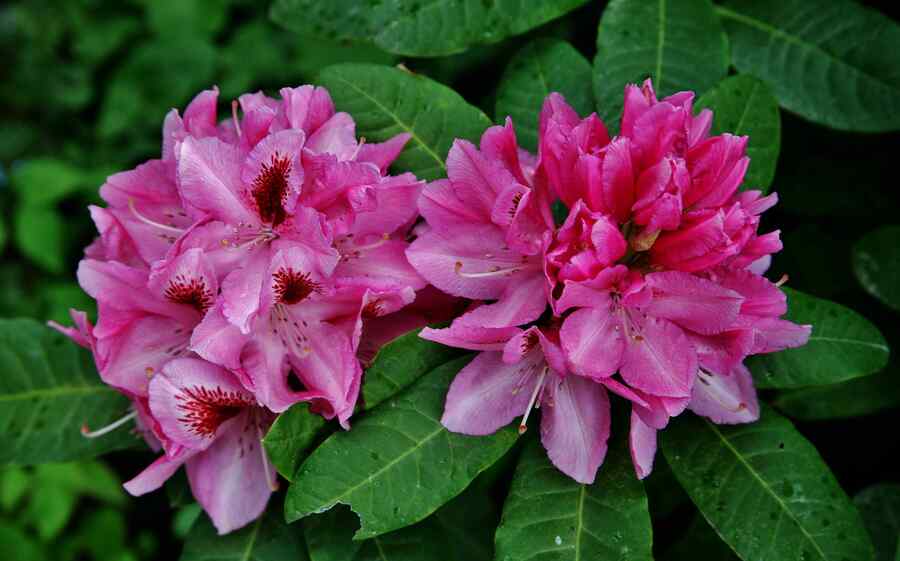
Azaleas are a Mississippi staple for a reason: spring color that stops people in their tracks. With so many varieties, you can plan a bloom sequence that runs for weeks. They also offer flexible sizing—from low mounding forms to taller shrubs that fill out foundation beds and woodland borders.
Placement & design: Use azaleas in drifts for that classic Southern look, or mix them into a layered bed with hydrangeas, ferns, and hollies. They soften hard edges—steps, porches, fence lines—and bring a welcoming tone to entryways.
Light & soil: Most azaleas prefer part shade, especially protection from hot afternoon sun. Mississippi’s naturally acidic soils often suit them, but drainage matters; waterlogged roots lead to decline.
Care: Mulch is non-negotiable—it protects shallow roots from heat. Water during dry spells and avoid heavy pruning; shape right after flowering if needed. Choose varieties known for heat tolerance and disease resistance for easier long-term success.
Why it works in Mississippi: Few shrubs create the same seasonal impact with so little effort, and they blend naturally with the state’s pine-and-hardwood landscape.
Virginia Sweetspire (Itea virginica)
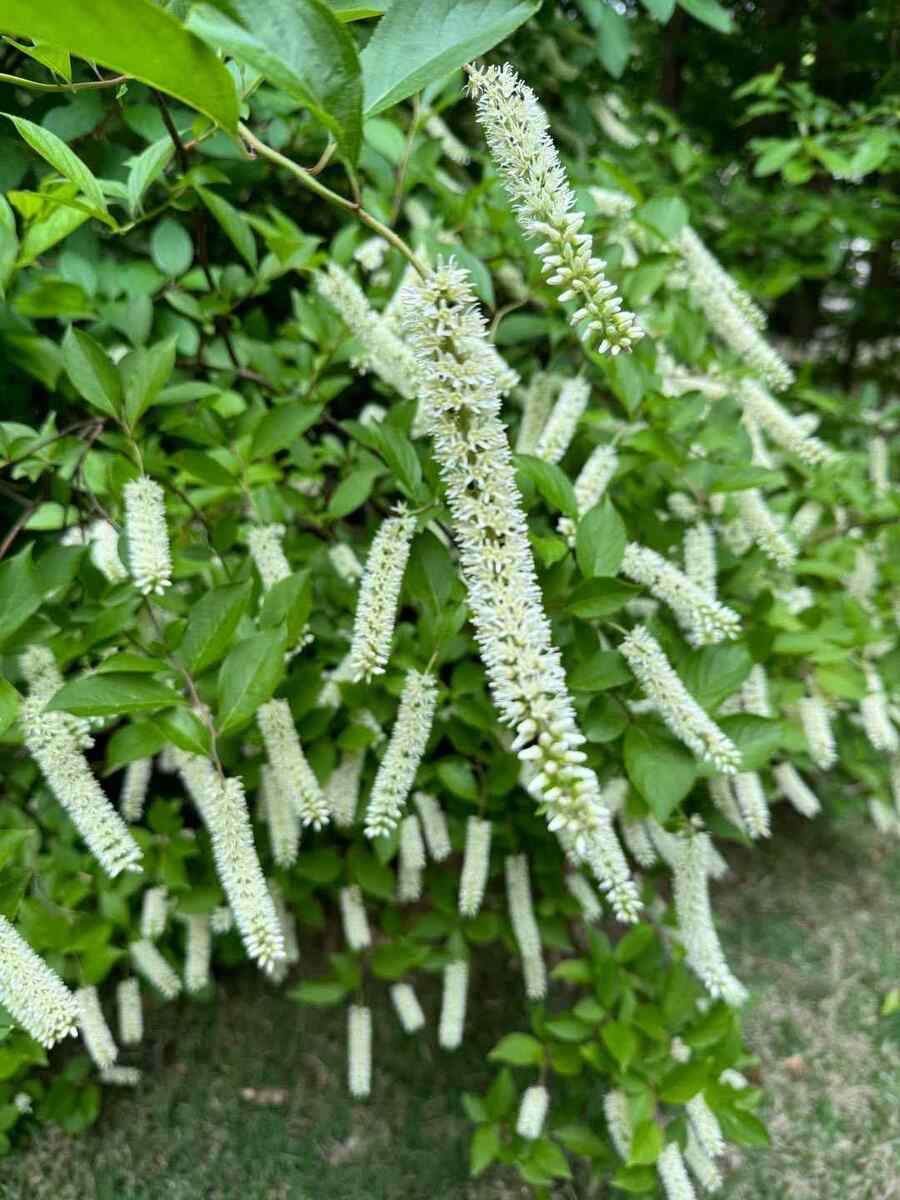
Virginia sweetspire is a native shrub that brings a graceful, “designed but effortless” look. In spring it produces drooping white flower spikes with a pleasant fragrance, and in fall its foliage often turns rich red tones. The plant also handles moisture better than many shrubs, making it useful in spots where rainwater collects.
Placement & design: Sweetspire is ideal along creek edges, at the base of slopes, or in rain-garden style beds. It also works in mixed borders where you want a soft, arching form to contrast with upright evergreens. Planting it in groups creates a full, flowing effect.
Light & soil: It performs in sun to part shade. It tolerates wetter soils once established, but it still appreciates drainage where possible. In hotter, sunnier sites, extra moisture helps it stay lush.
Care: Prune lightly after flowering if you want to control size. Otherwise, let it develop naturally. Mulch and occasional deep watering in extreme heat will keep growth strong.
Why it works in Mississippi: It’s native, adaptable, and offers both spring flowers and fall color—two high-value seasons in a climate where summer can be visually tiring.
Wax Myrtle (Morella cerifera)
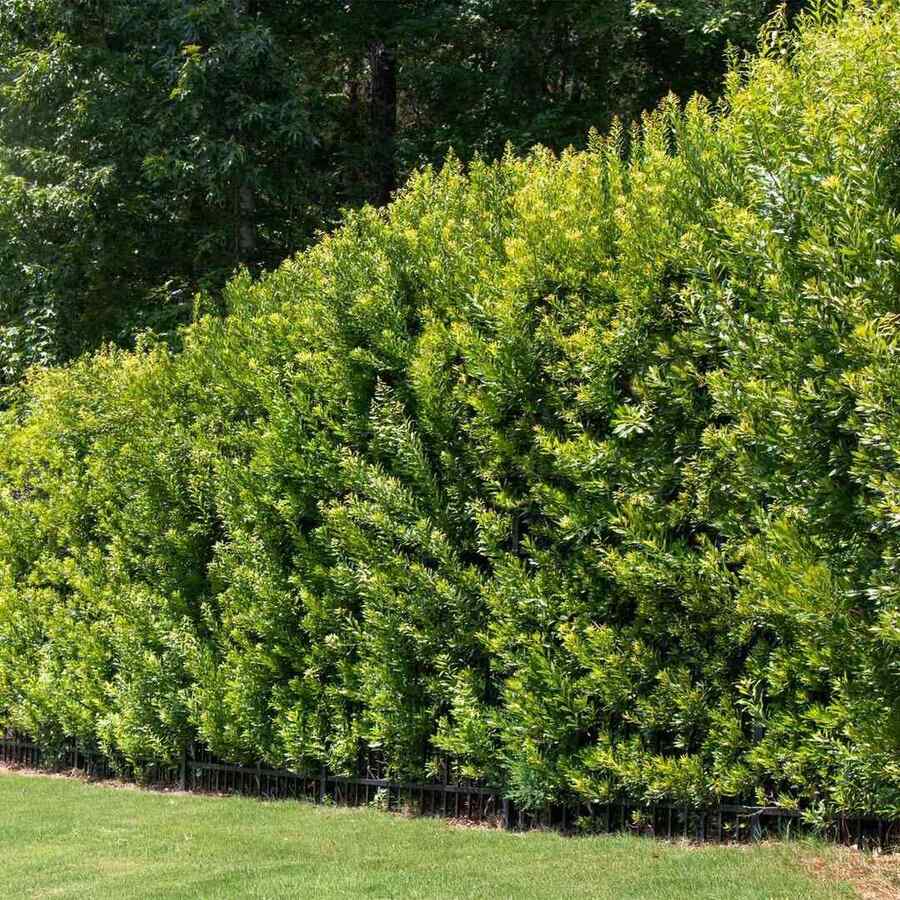
If your priority is fast privacy with a native backbone, wax myrtle is a top choice. It grows quickly into a dense evergreen screen and tolerates challenging conditions—heat, humidity, coastal influence, and less-than-perfect soil. The foliage has a pleasant aromatic quality, and the plant supports wildlife, including birds.
Placement & design: Use wax myrtle as a living fence along property lines, behind patios, or to block street views. It also works as a background shrub to make flowering plants stand out. In a more natural landscape, it blends seamlessly with native trees and grasses.
Light & soil: Full sun to part shade. It’s adaptable to many soils and is notably tolerant of sandy conditions. Drainage is helpful, but it’s not overly sensitive compared to fussier evergreens.
Care: Because it grows fast, plan on occasional pruning to maintain the size you want. Thin selectively to keep airflow if you’re planting a dense screen. Water the first year; after that, it becomes quite self-reliant.
Why it works in Mississippi: When you want evergreen mass and privacy without constant pampering, wax myrtle answers the call.
Indian Hawthorn (Rhaphiolepis indica)
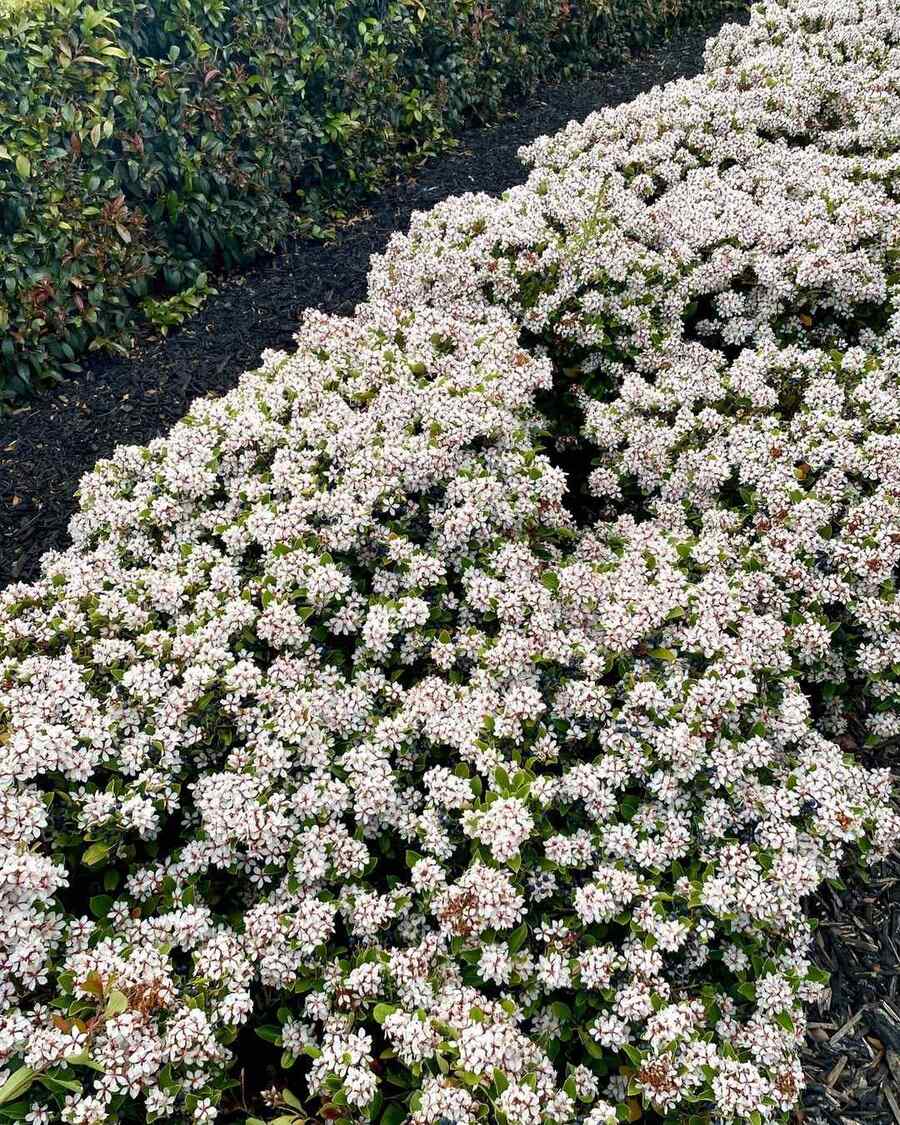
Indian hawthorn is a compact evergreen shrub that keeps a neat shape and offers seasonal flowers—usually pink or white—followed by small berries. It’s popular for foundation plantings because it stays relatively contained and looks tidy without intense pruning. In Mississippi, it performs best when it gets good air circulation and appropriate sun.
Placement & design: Use Indian hawthorn along walkways, in low hedges, or as structure in front beds. It pairs well with ornamental grasses and perennials because its evergreen leaves provide a stable backdrop year-round. For a clean, modern look, repeat it in a rhythm along the front of the house.
Light & soil: Full sun is important for best flowering and for reducing disease pressure. Plant in well-drained soil; avoid low spots that stay wet.
Care: Minimal pruning is needed—mostly just removing occasional wayward growth. Keep mulch pulled back slightly from the stems. Water consistently during establishment, then shift to deep, occasional watering.
Why it works in Mississippi: It gives evergreen structure, spring bloom, and a polished look that suits both traditional and contemporary landscapes.
Knock Out® Rose
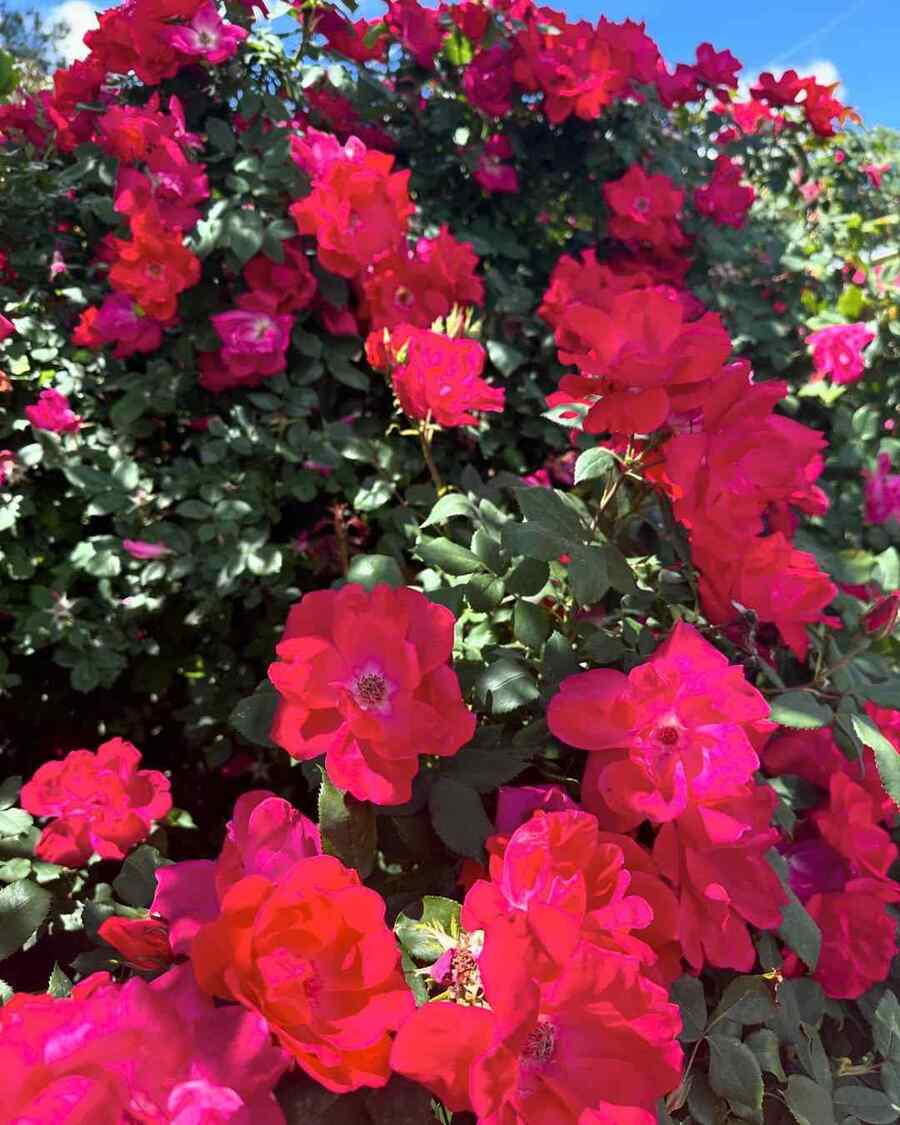
For long-season color with fewer headaches, Knock Out® roses are a practical favorite across the South. These shrubs bloom repeatedly from warm weather into fall, and they’re known for strong disease resistance compared with many traditional roses. In Mississippi’s humid conditions, that resistance is a major advantage.
Placement & design: Plant Knock Out® roses where you want color that reads clearly from a distance—mailbox beds, front borders, or along a driveway. They also work well in mixed shrub beds as a repeating accent that ties the design together.
Light & soil: They need full sun for best flowering. Provide well-drained soil and avoid crowding; air movement helps keep foliage healthy.
Care: Feed lightly during the growing season and deadhead only if you want a cleaner look—many gardeners simply prune. A late-winter prune encourages vigorous new growth and heavy blooming. Water at the base to keep leaves dry when possible.
Why it works in Mississippi: You get consistent bloom with a straightforward routine—ideal for homeowners who want a lively yard without high-maintenance rose care.
Fragrant Tea Olive (Osmanthus fragrans)
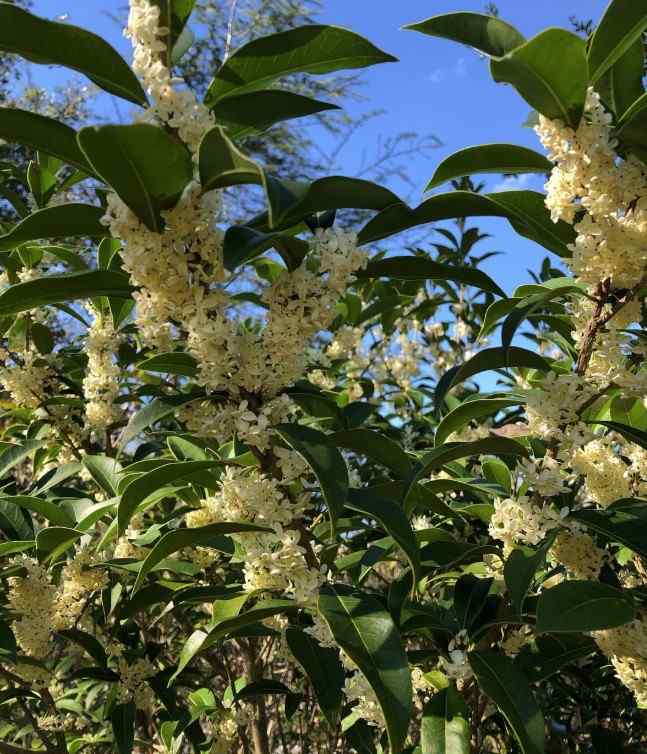
Fragrant tea olive earns its keep with one superpower: unforgettable fragrance. The blooms are small and often hidden among evergreen leaves, but the scent can perfume an entire entryway or patio. In Mississippi, this shrub becomes a signature plant—one people remember when they visit your home.
Placement & design: Put tea olive near places you pass often: front door, porch seating, along a path, or near a window you open on mild days. It can be grown as a large shrub or trained into a small tree form for a more formal, sculptural look.
Light & soil: Sun to part shade works well, with better flowering when it gets more light. It prefers well-drained soil and benefits from mulch to keep roots cool in summer.
Care: Prune lightly after flowering to shape. Avoid severe pruning unless you’re renovating the plant, because it may reduce blooms temporarily. Water during establishment and during extreme dry spells.
Why it works in Mississippi: Evergreen structure plus powerful scent is a rare combination—and it fits the lifestyle of enjoying outdoor spaces in a warm, garden-friendly climate.