If your yard sits in the Mid-Atlantic—think USDA Zones 6–7 with humid summers, swingy winters, and the occasional heavy clay—choosing the right plants is half the battle. The good news: shrubs for Middle Atlantic gardens can be both low-stress and high-style, especially when you lean on resilient natives. The picks below handle heat, moisture shifts, and mixed soils while giving you flowers, berries, fragrance, and four-season structure. Use them as a privacy screen, a pollinator buffet, or a “front-walk wow” moment—your space, your vibe.
Table of Contents
Shrubs for Middle Atlantic: 12 Standout Options for Zones 6–7
1) American Witch-hazel (Hamamelis virginiana)
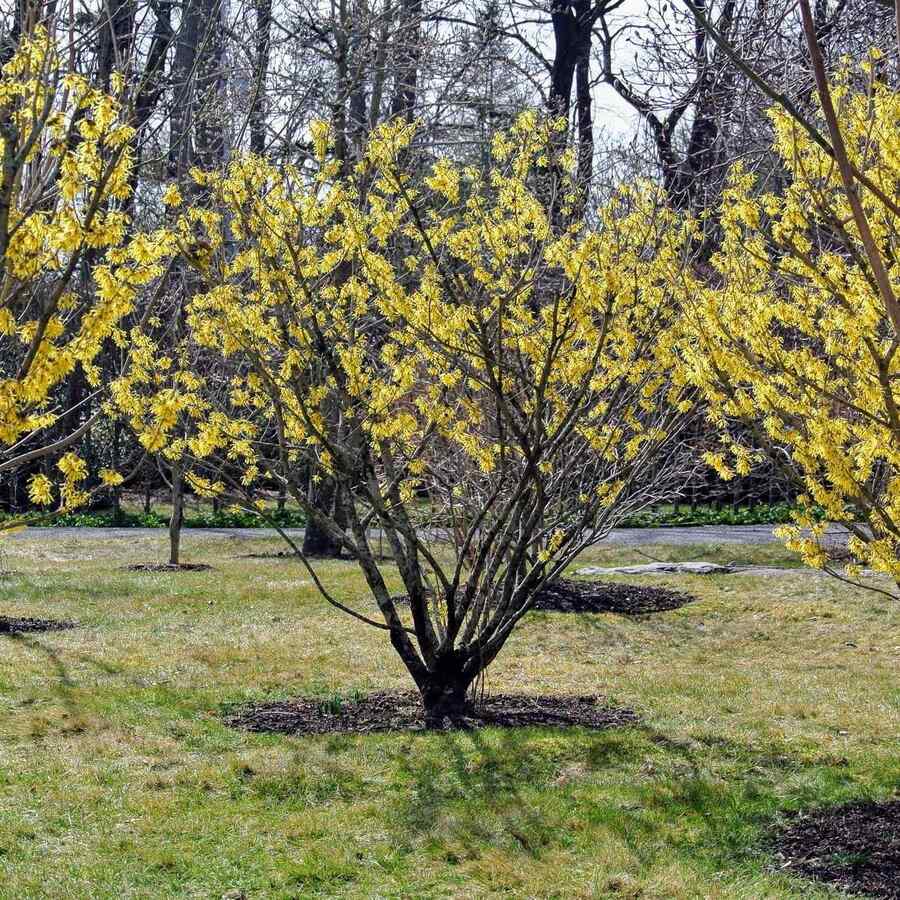
Want a shrub that feels like a secret season? American witch-hazel blooms when most plants are clocked out—late fall into early winter—with fragrant yellow ribbon-like flowers. It’s a native workhorse that tolerates Mid-Atlantic weather mood swings. Plant it where you pass often (near a path or patio) so you actually catch the scent on crisp days. Care cues: sun to part shade, average moisture, mulch to keep roots steady.
2) Oakleaf Hydrangea (Hydrangea quercifolia)
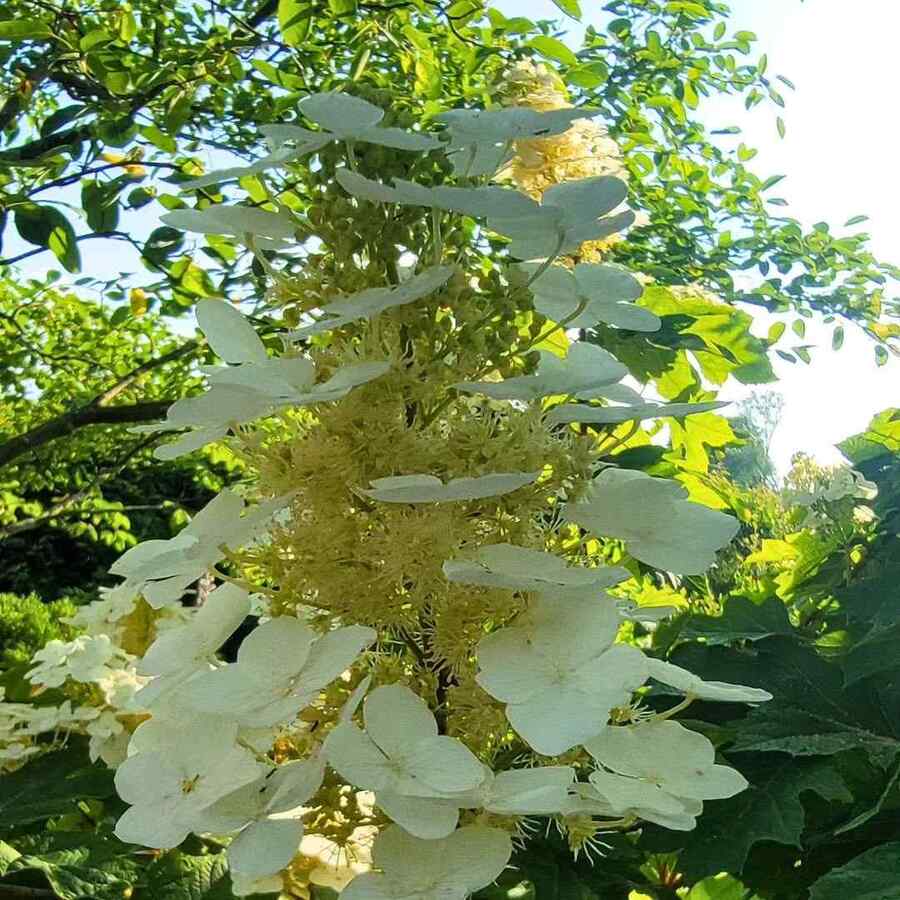
For big, confident texture, oakleaf hydrangea is hard to beat: large white summer flower panicles, bold oak-shaped leaves, and dramatic fall color. It reads elegant in cottage gardens but also looks sharp in modern landscapes when massed. Give it morning sun and afternoon shade for best performance in humid summers. Care cues: well-drained soil (clay is fine if amended), prune lightly after bloom if needed—don’t shear.
3) Blackhaw Viburnum (Viburnum prunifolium)
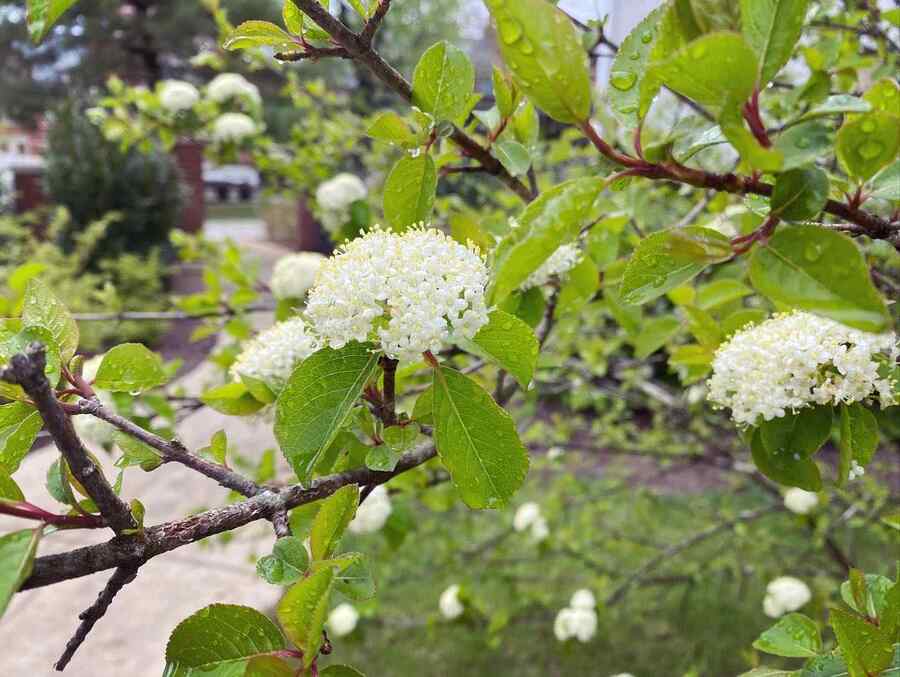
Blackhaw viburnum is the “quietly excellent” native—tough, adaptable, and wildlife-friendly. In spring, it offers white flowers, followed by berries that can persist into winter, feeding birds when options are scarce. Use it as a natural screen or backdrop shrub that doesn’t demand constant attention. Care cues: sun to part shade, tolerates clay, minimal pruning—shape right after flowering.
4) Summersweet (Clethra alnifolia)
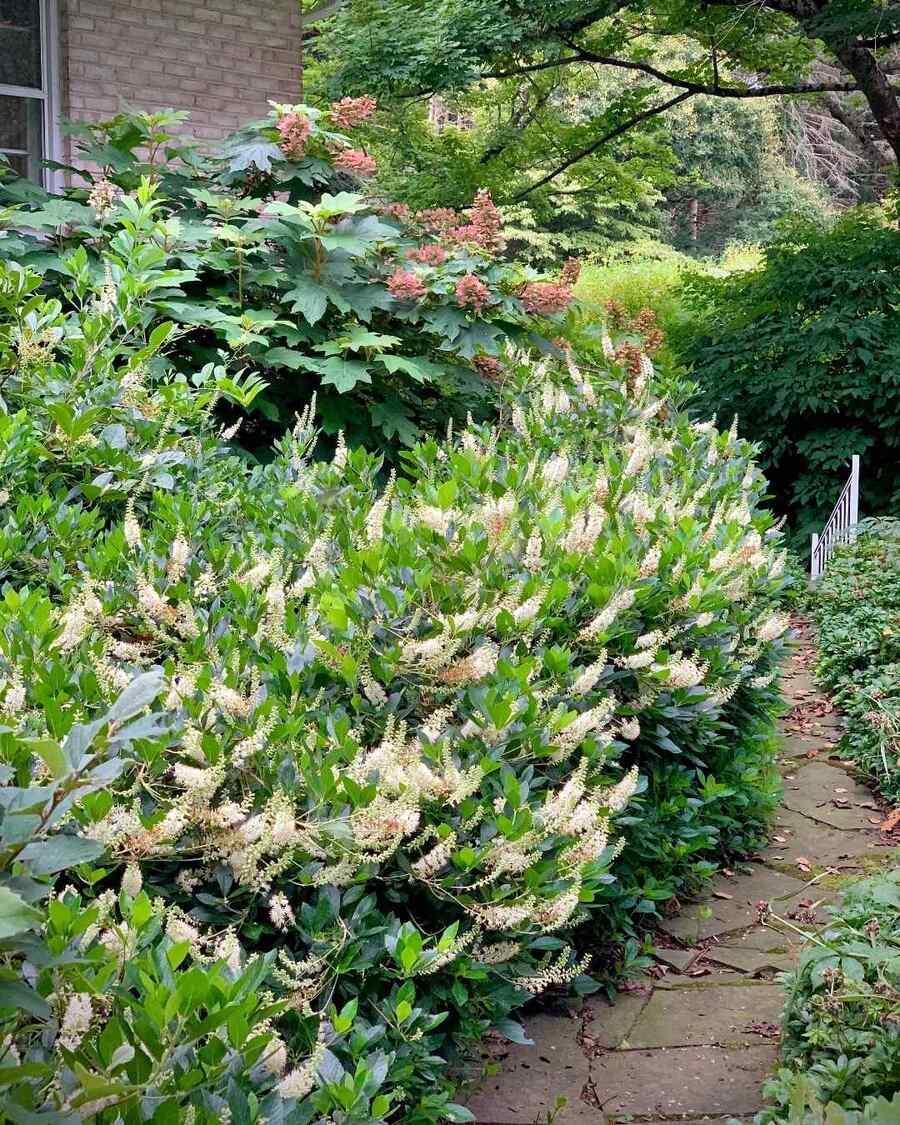
If your yard stays damp or your downspouts create soggy zones, summersweet is your best friend. It thrives in moisture and rewards you with sweet, spicy fragrance and bottlebrush blooms in mid-to-late summer (cultivars like ‘Ruby Spice’ are especially loved). Place it near seating so the perfume does the work for you. Care cues: sun to part shade, likes consistent moisture, easy to maintain—thin older stems in early spring.
5) Mountain Laurel (Kalmia latifolia)
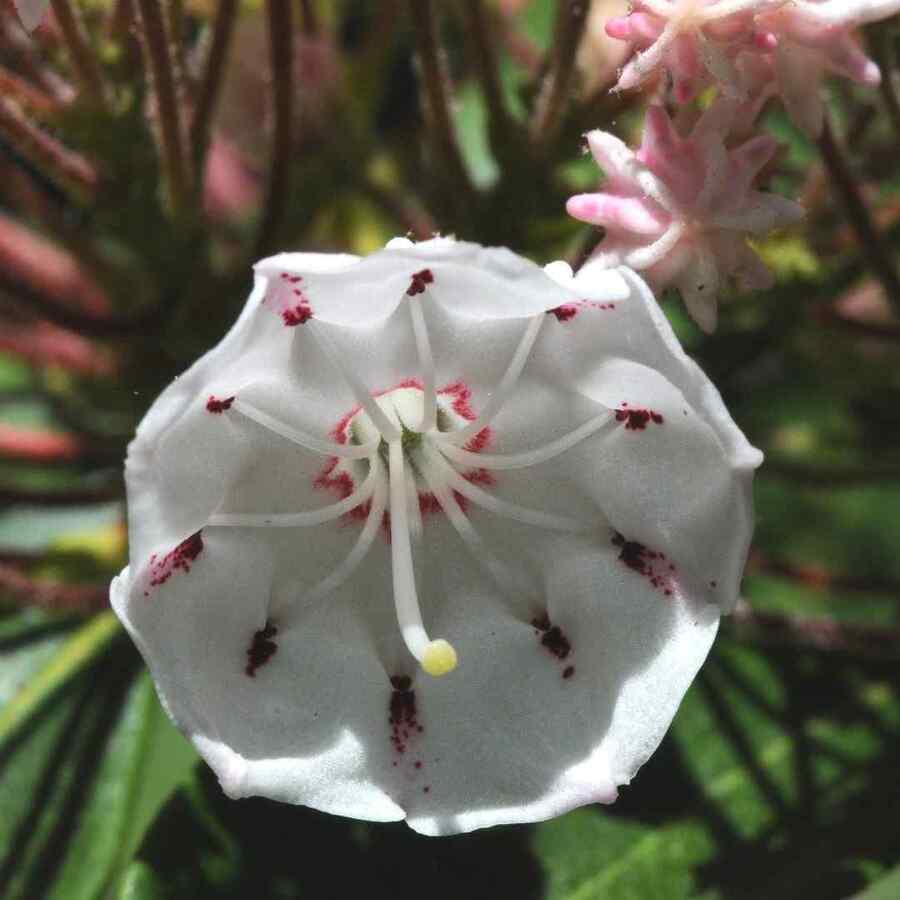
Mountain laurel brings evergreen presence plus intricate, trumpet-shaped spring flowers that look almost hand-painted. It’s ideal when you want “woodland luxury” under tall trees or along shaded borders. The key is soil: it prefers acidic, well-drained conditions. Care cues: part shade is best, avoid heavy clay pockets or improve drainage, mulch with pine bark, prune lightly right after bloom.
6) American Beautyberry (Callicarpa americana)
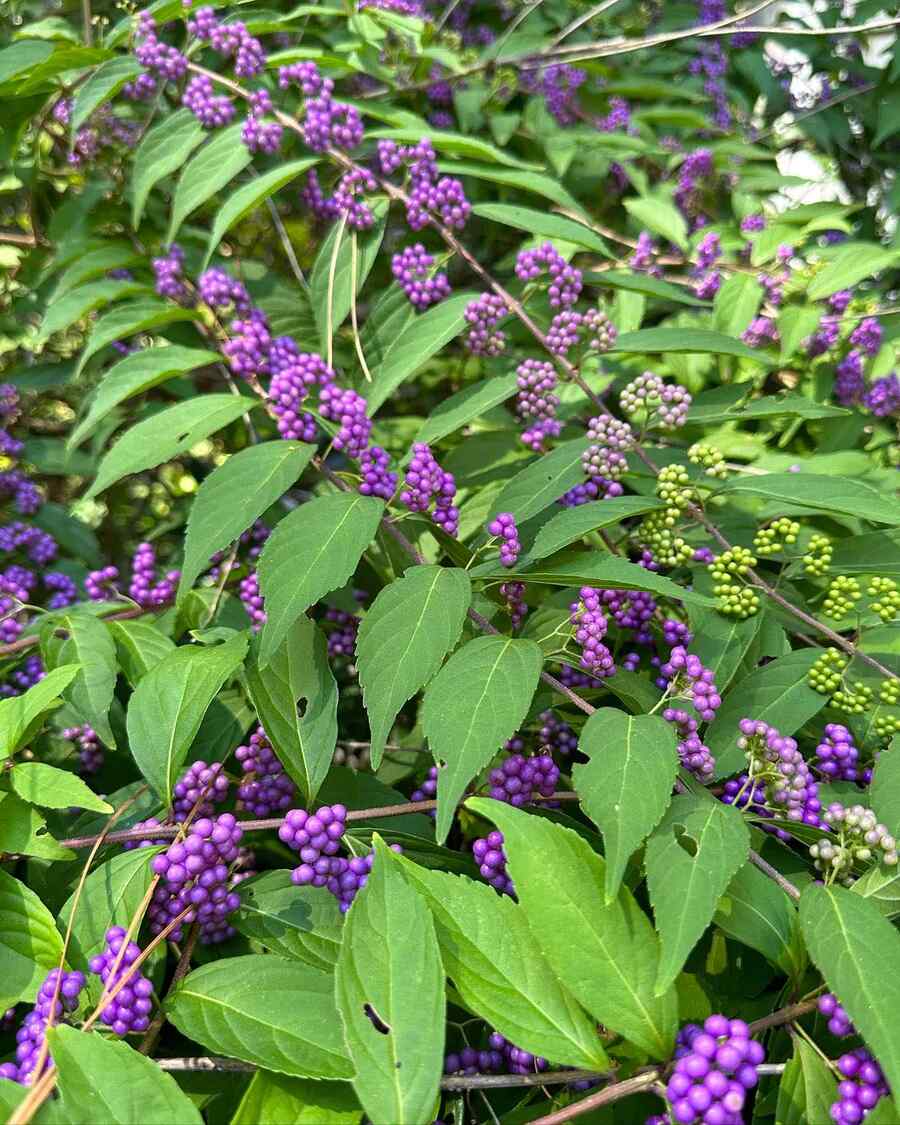
Beautyberry is basically jewelry for your garden—clusters of magenta-purple berries line the stems in autumn and can linger into early winter. It’s a fun choice when you want a pop of color without fussy flowers. Pair it with evergreens so the berries stand out even more. Care cues: sun to part shade, moderate moisture, cut back in late winter/early spring for a fuller shape and heavier berry show.
7) Dwarf Fothergilla (Fothergilla gardenii)
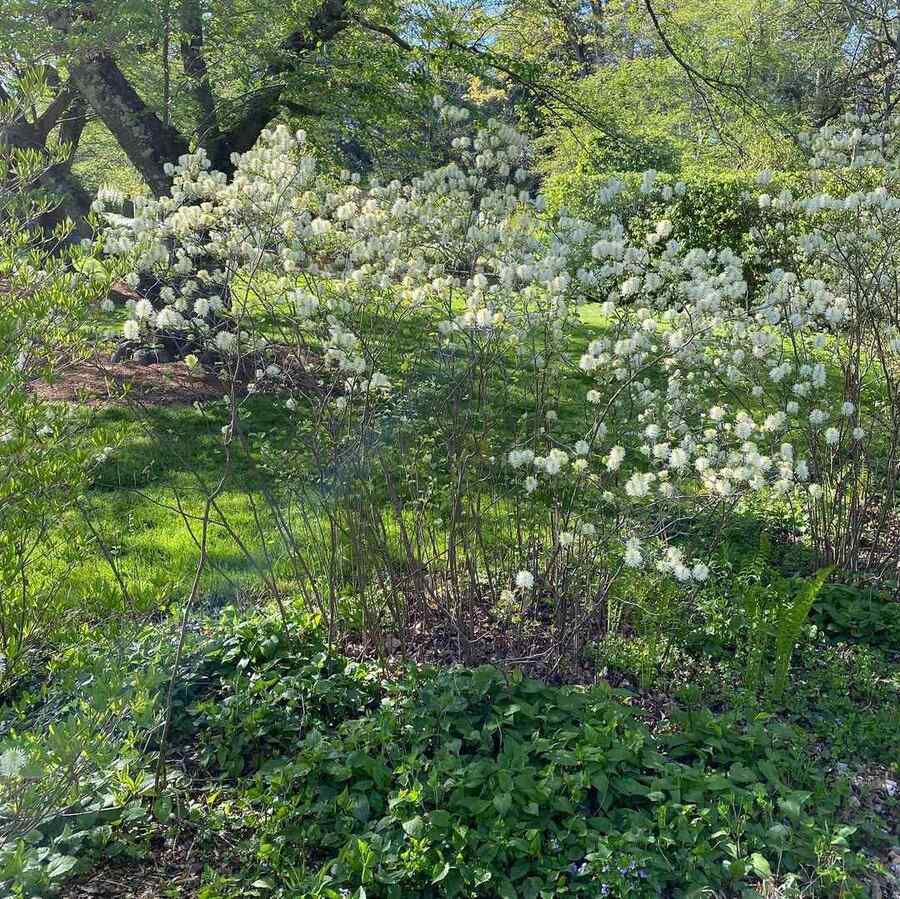
This compact shrub is a three-season star: fragrant white bottlebrush flowers in spring, tidy foliage in summer, and electric orange-red fall color. It’s a great fit for smaller yards or foundation beds where you want polish without constant trimming. Care cues: sun to part shade, prefers slightly acidic soil, keep evenly moist during establishment; minimal pruning.
8) Inkberry (Ilex glabra)
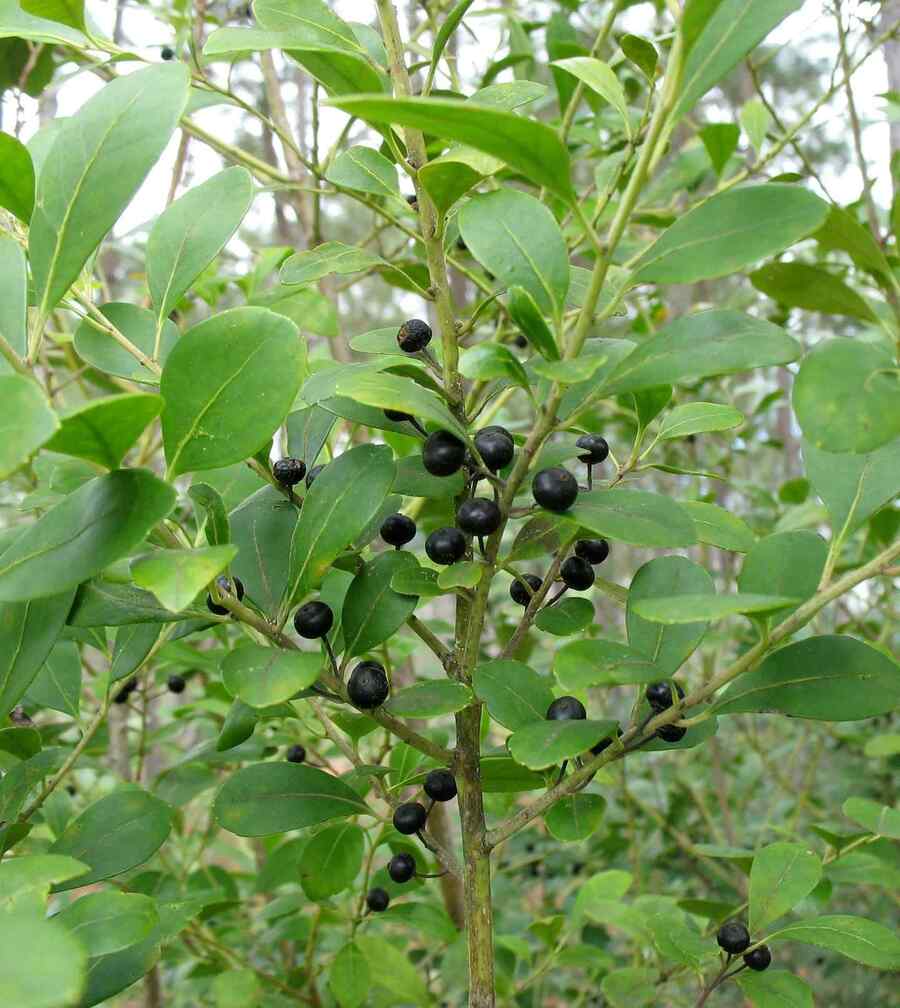
For year-round structure that still feels native and natural, inkberry is a dependable broadleaf evergreen. It holds its form through Mid-Atlantic winters and provides black berries (with a pollinator-friendly setup: plant a male and females if you want fruit). Use it as a hedge alternative to boxwood—clean but tougher. Care cues: sun to part shade, handles damp sites, don’t shear into tight cubes; occasional thinning keeps it lush.
9) Spicebush (Lindera benzoin)
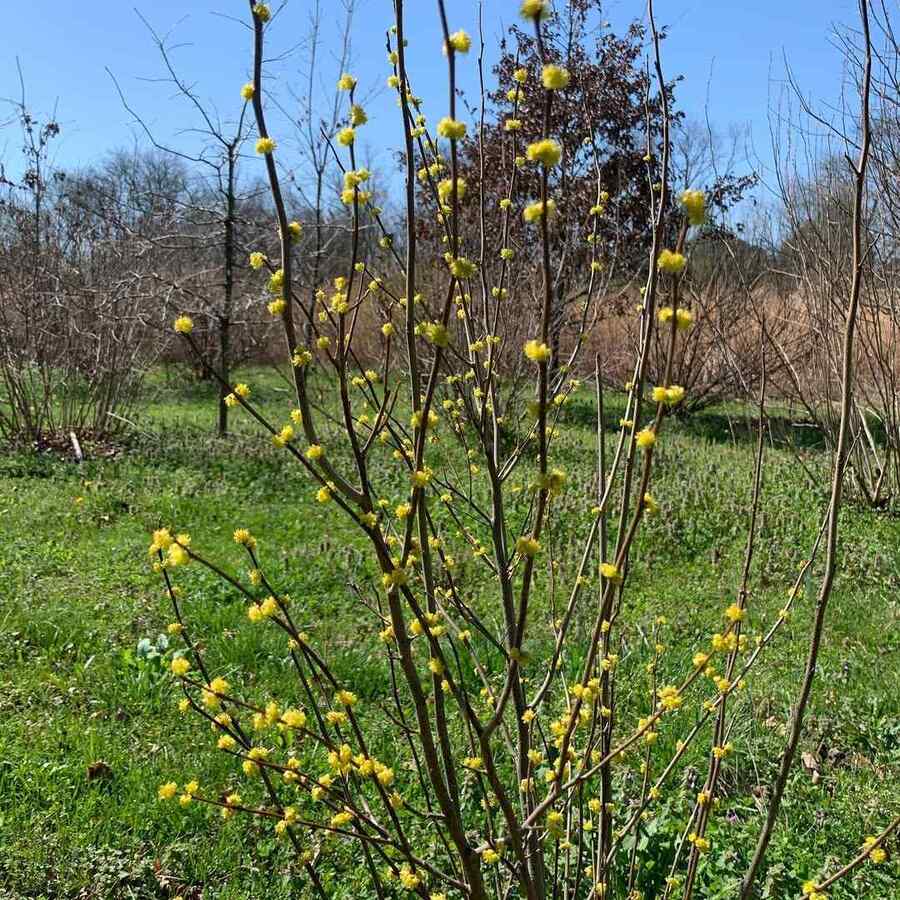
Spicebush earns its keep early—fragrant yellow flowers appear in spring before many shrubs wake up, and it’s a key host for spicebush swallowtail butterflies. If you enjoy a yard that feels alive, this one delivers. Tuck it into a mixed native border with ferns and woodland perennials for a relaxed, layered look. Care cues: part shade to shade, likes moist soil, mulch for consistent moisture.
10) Sweetshrub (Calycanthus floridus)
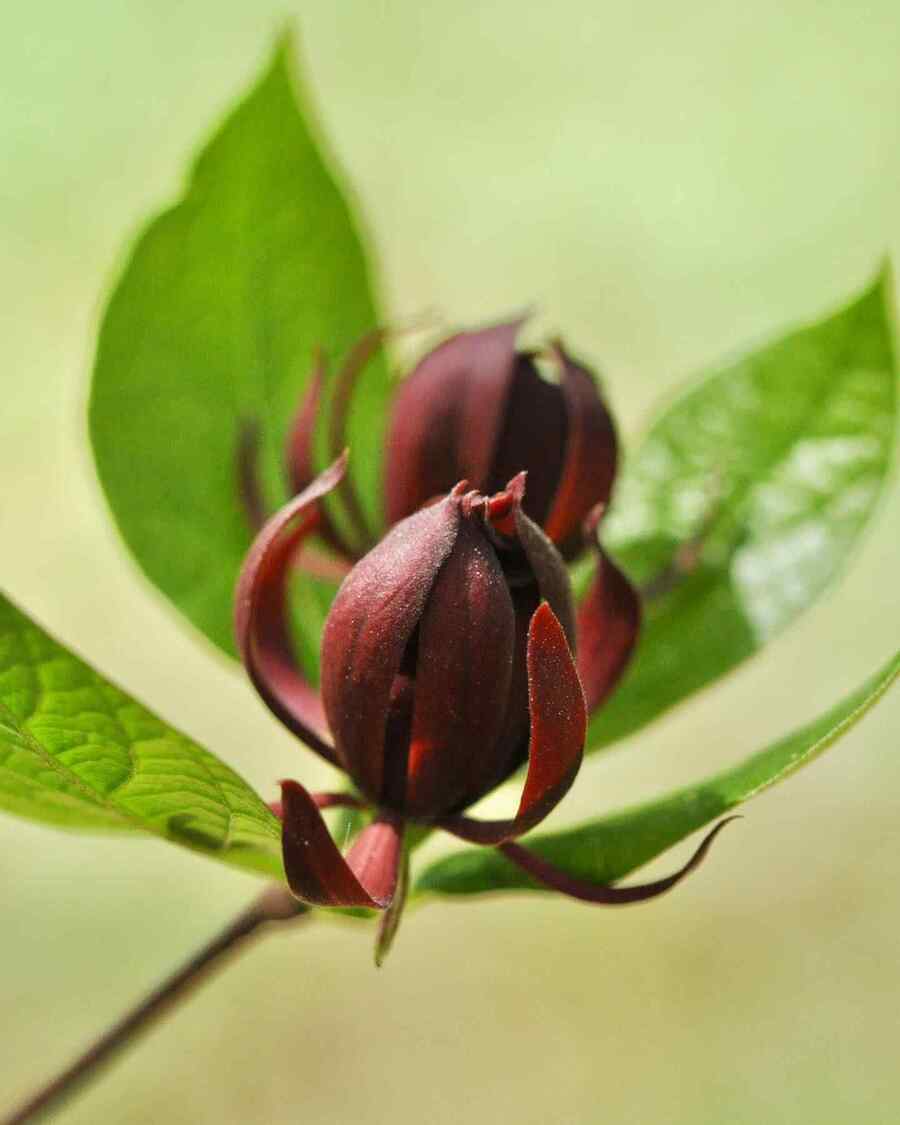
Sweetshrub brings drama and perfume with unique dark red spring flowers that smell fruity-spiced (some say strawberry-like). It’s a native conversation piece that still behaves like a practical landscape plant. Place it near an entry or window where you’ll catch the fragrance. Care cues: sun to part shade, average moisture, prune after flowering if you want to limit size.
11) Fragrant Sumac (Rhus aromatica)
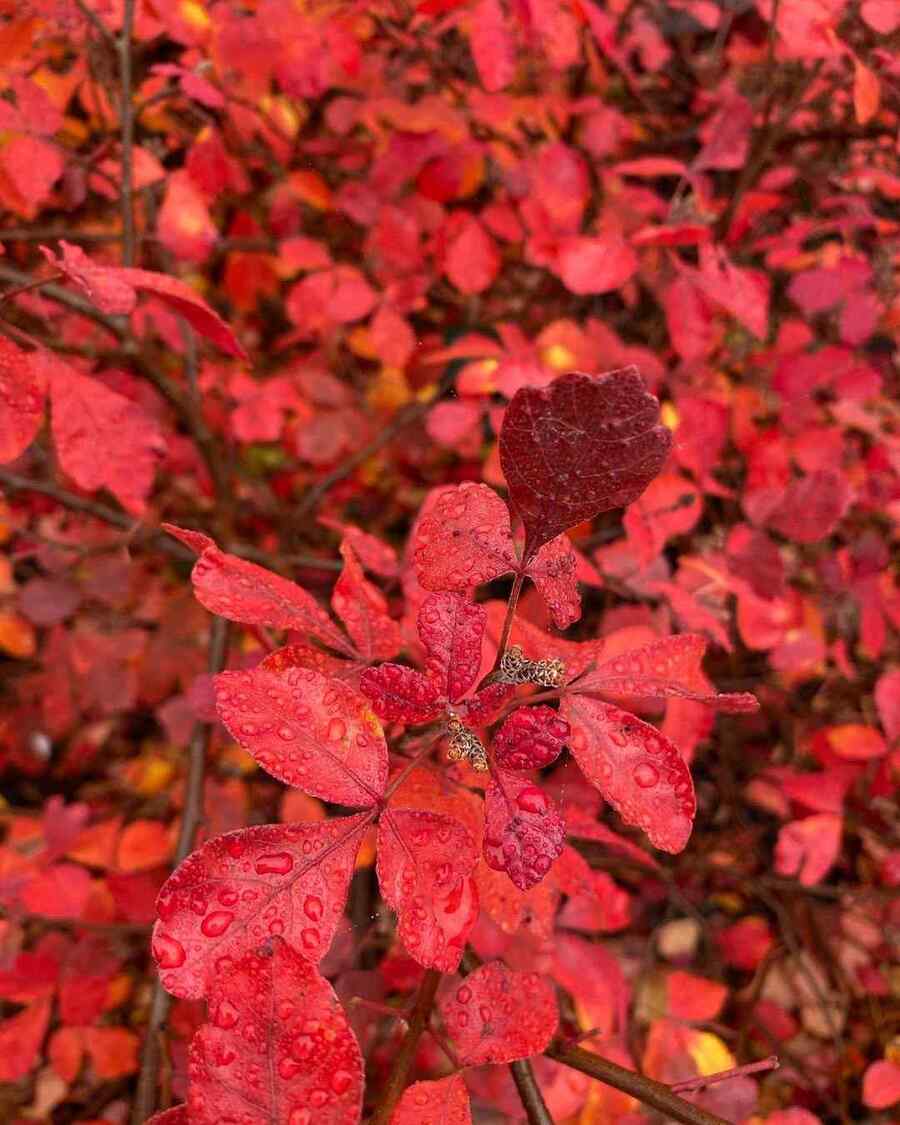
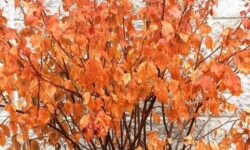
Need something tough for a slope, roadside edge, or “nothing grows here” spot? Fragrant sumac is adaptable and often used for erosion control, but it’s also genuinely pretty with orange-red fall color and berries. It has an easy, informal look—perfect for naturalistic gardens. Care cues: sun to part shade, drought-tolerant once established, spreads—use where you can let it roam or choose compact selections.
12) Arrowwood Viburnum (Viburnum dentatum)
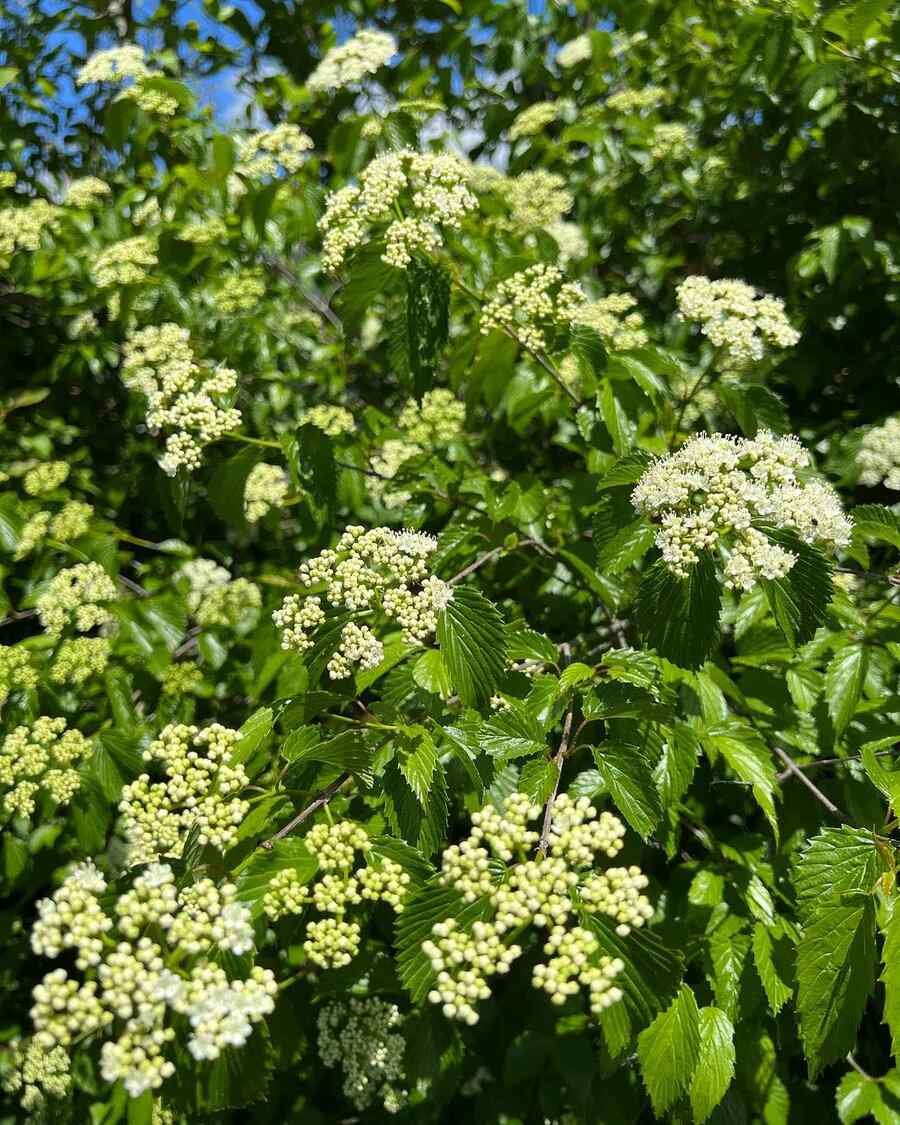
Arrowwood viburnum is a fast-growing native that gives you a lot quickly: white spring flowers, strong stems, and blue-black berries that birds love. If you’re building privacy on a timeline, this is a smart choice that still supports local ecosystems. Care cues: full sun to part shade, adaptable to clay, prune after bloom; consider planting a couple for better fruiting.
Quick Design Tips for Mid-Atlantic Success
-
Clay soil? Choose viburnums, inkberry, and witch-hazel; add compost and keep mulch 2–3 inches deep (not touching stems).
-
Moist areas: summersweet and inkberry thrive where others sulk.
-
Shade gardens: mountain laurel and spicebush keep things lush without full sun.
-
Wildlife boost: viburnums + spicebush + beautyberry create a berry-and-host-plant combo birds and butterflies notice.
When you select shrubs for Middle Atlantic spaces, you’re not just planting “green.” You’re building structure, seasonal highlights, and a yard that feels tailored to your daily routines.
FAQ
What USDA zones are considered the Mid-Atlantic for shrub selection?
Most Mid-Atlantic gardens fall in Zones 6–7, with pockets that vary based on elevation, cities, and proximity to the coast.
Which shrubs handle Mid-Atlantic clay soil best?
Viburnums (blackhaw, arrowwood), inkberry, and American witch-hazel are generally clay-tolerant, especially with mulch and organic matter added.
What are the best shrubs for pollinators in the Mid-Atlantic?
Spicebush (host plant), summersweet (nectar-rich blooms), and oakleaf hydrangea (garden-friendly flowering) are strong choices for supporting beneficial insects.
How should I space shrubs for privacy in the Mid-Atlantic?
A common approach is spacing at about 60–80% of the shrub’s mature width to form a dense screen without crowding (for example, a 6-foot-wide shrub spaced 4–5 feet apart).