If you’re choosing shrubs for Massachusetts, you’re balancing real-life needs—snow load, salt spray, humid summers, and the fast mood swings of New England weather. The good news: you can still get a yard that feels polished, personal, and low-drama. This guide focuses on shrubs that reliably handle USDA Zones 5–6, while giving you options for fragrance, winter color, wildlife value, and clean structure—so your landscape looks intentional in July and January.
Before you buy anything, match each shrub to two things: sunlight (full sun, part shade, shade) and soil moisture (dry, average, wet). That simple pairing prevents most Massachusetts shrub disappointment.
Table of Contents
Shrubs for Massachusetts: 10 Reliable Choices for Style, Wildlife, and Weather
Below are ten shrubs that perform well across Massachusetts, including natives and proven ornamentals. For each one, you’ll get what it’s best at and exactly where it belongs in your yard.
1) Sweet Pepperbush (Clethra alnifolia)
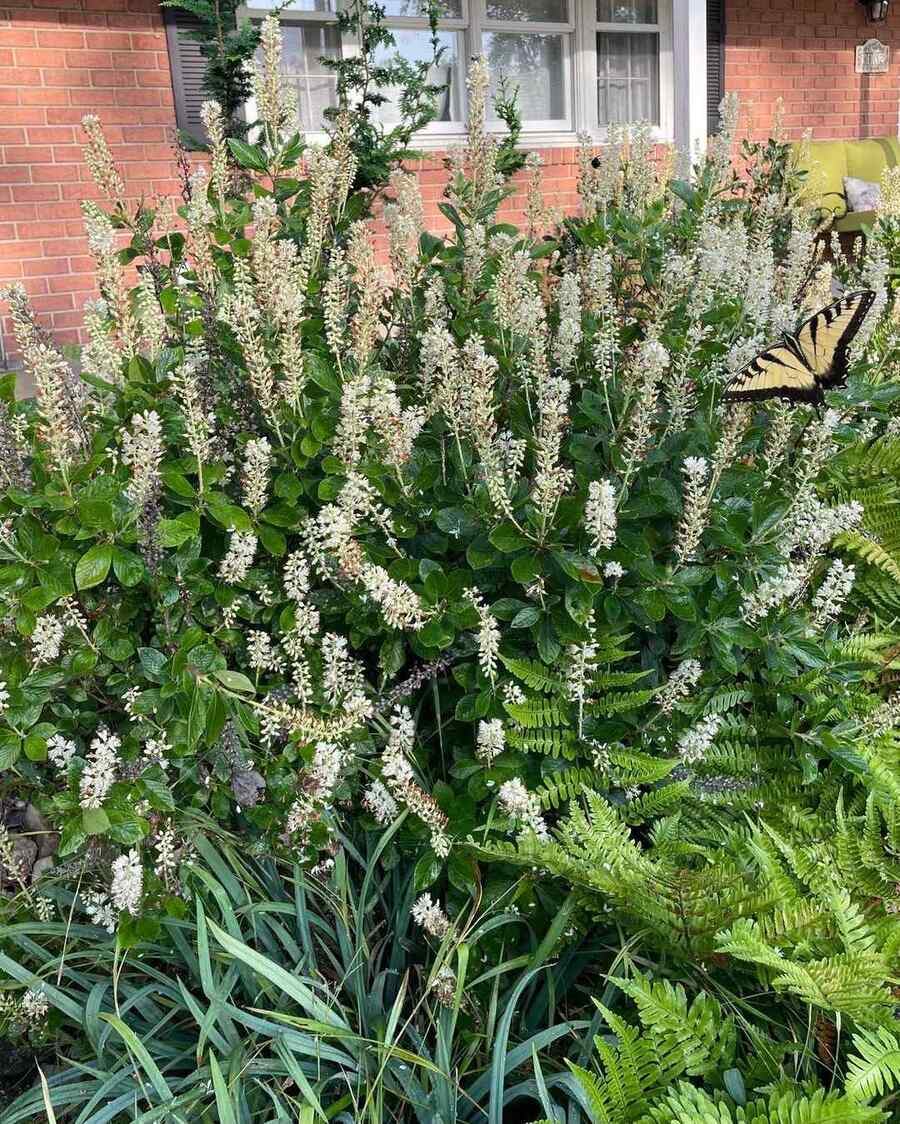
Why it works here: This native thrives in Massachusetts humidity and handles part shade better than many flowering shrubs.
Signature look: Upright form with fragrant white to pink summer blooms that bring pollinators close to patios.
Where to plant it
-
Light: Part shade to full sun
-
Soil: Average to moist; tolerates wetter spots
-
Best use: Near a seating area, along a shady walkway, at the edge of a rain garden
Care note: Water regularly the first season. After that, it’s dependable with minimal fuss.
2) Red Osier Dogwood (Cornus sericea)
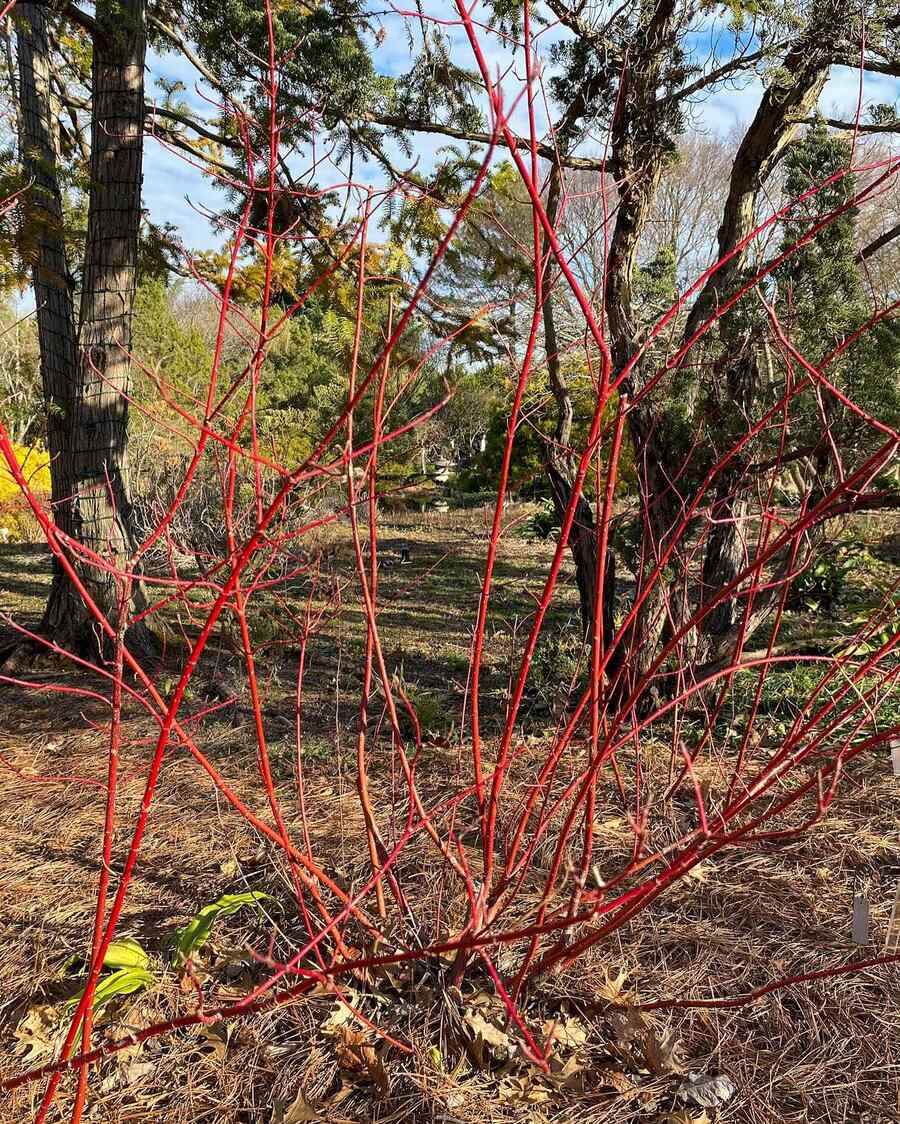
Why it works here: A Massachusetts native with bright red winter stems—the kind of color you notice even on gray February afternoons.
Signature look: White flowers and berries for birds, but the winter stems are the real show.
Where to plant it
-
Light: Full sun to part shade
-
Soil: Moist to wet; great for low areas
-
Best use: Pond edges, soggy corners, along a property line for a natural screen
Care note: To keep stems vividly red, prune out a portion of older stems in late winter.
3) Arrowwood Viburnum (Viburnum dentatum)
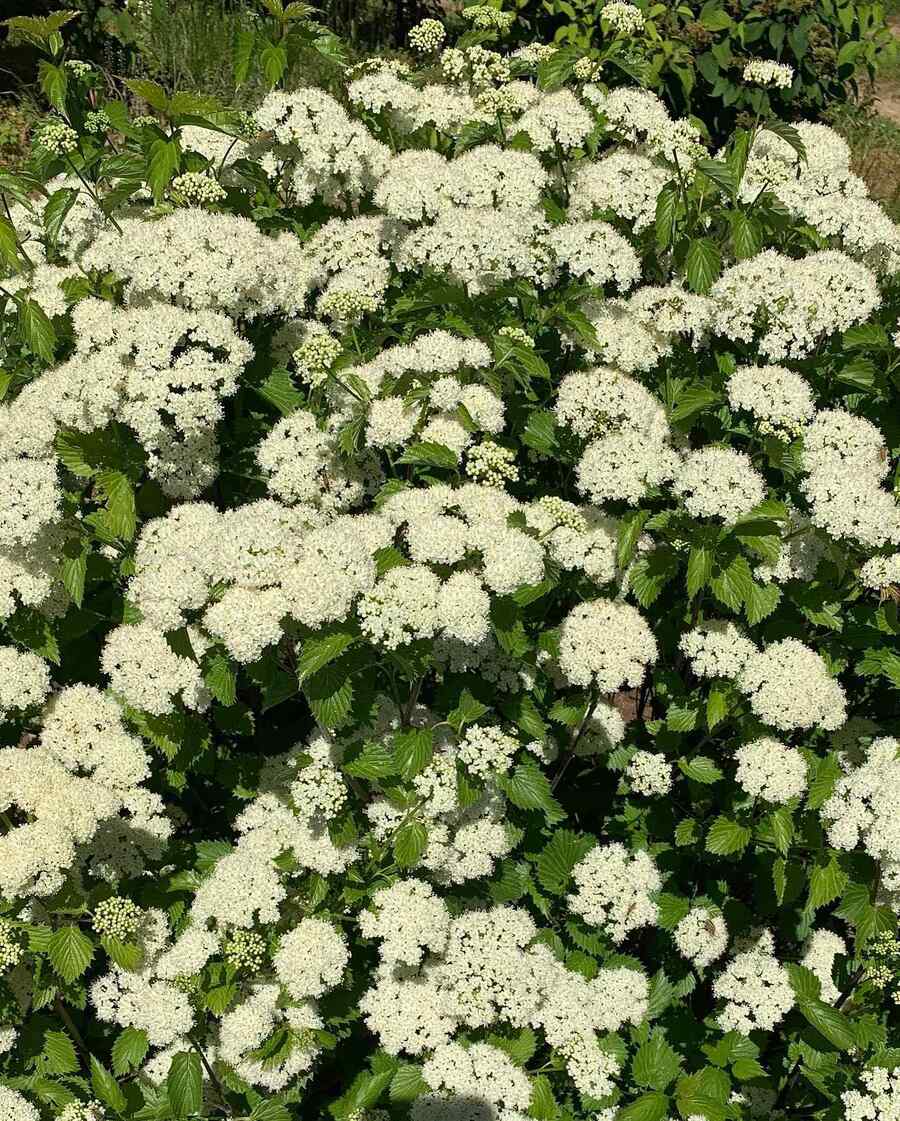
Why it works here: Tough, adaptable, and excellent for wildlife—this one holds up when your yard gets “real.”
Signature look: White spring flowers, blue fruit for birds, and bold fall color.
Where to plant it
-
Light: Full sun to part shade
-
Soil: Average; tolerates a range once established
-
Best use: Mixed borders, informal hedges, back-of-bed structure
Care note: Plant two viburnums if you want heavier fruit set (pollination helps).
4) Highbush Blueberry (Vaccinium corymbosum)
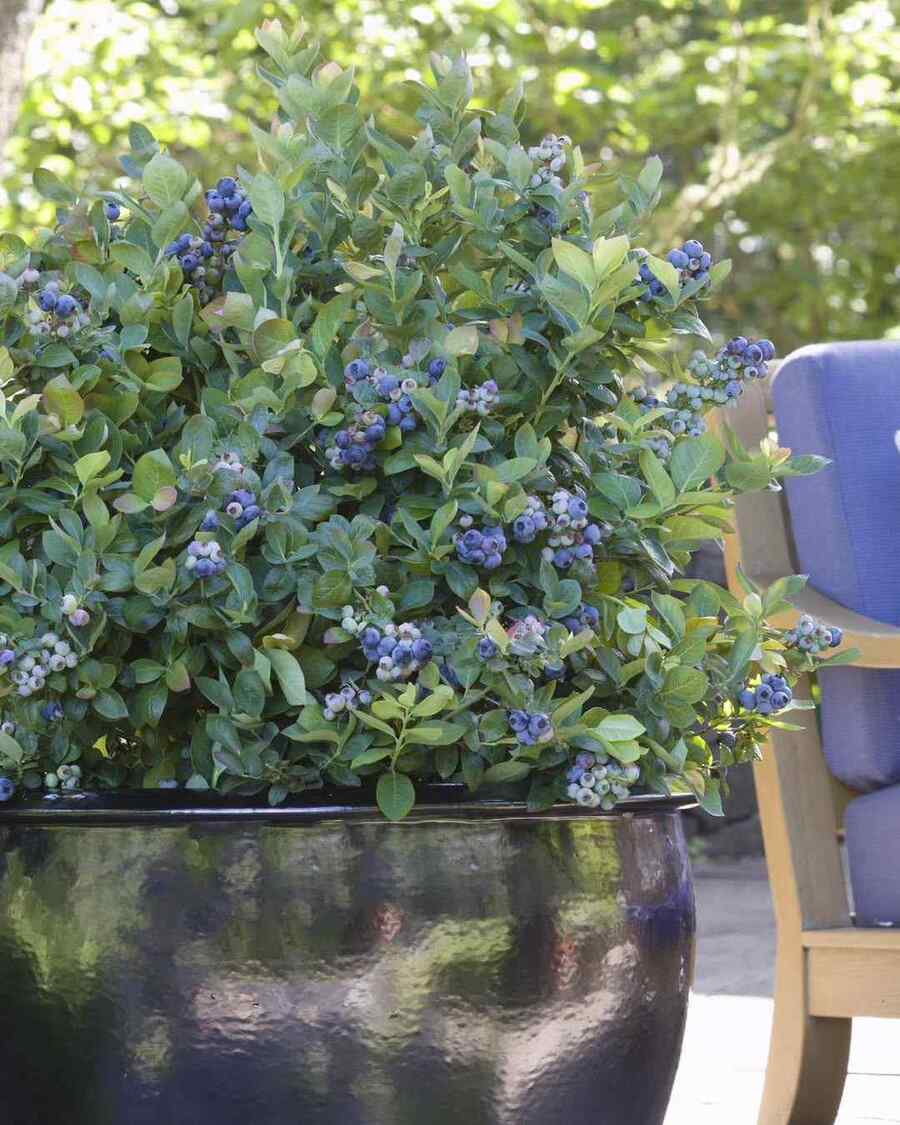
Why it works here: Native, productive, and seriously attractive—fruit in summer, red fall foliage later.
Signature look: A shrub that earns its space with both beauty and snacks.
Where to plant it
-
Light: Full sun (best fruiting)
-
Soil: Acidic, well-drained, organically rich
-
Best use: Edible landscape beds, along fences, near a sunny deck
Care note: If your soil isn’t naturally acidic, use pine bark mulch and test pH before planting.
5) Bearberry (Arctostaphylos uva-ursi)
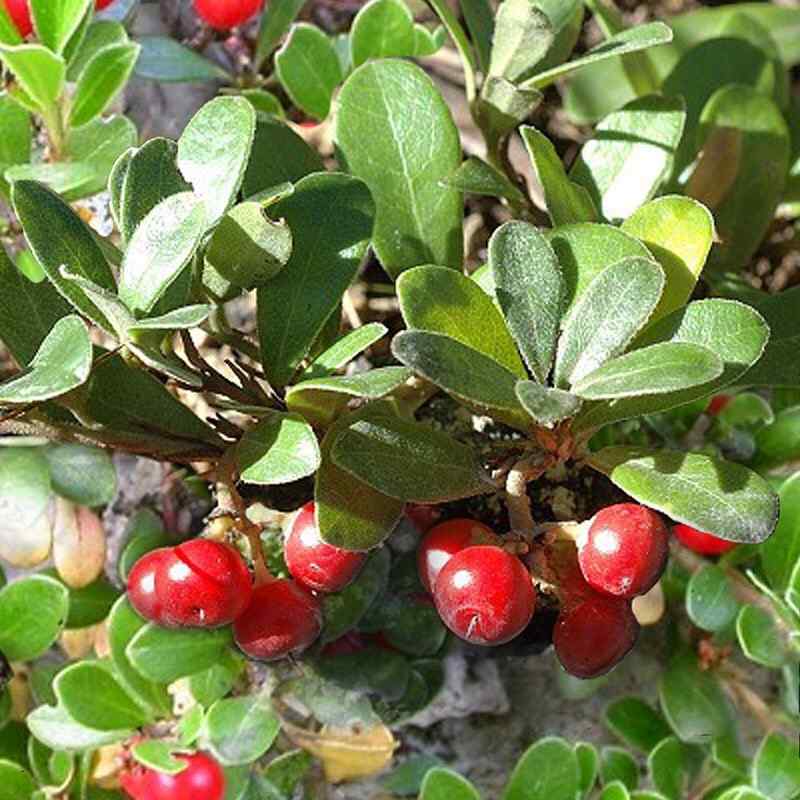
Why it works here: Perfect for coastal Massachusetts and sandy, fast-draining soils where other shrubs sulk.
Signature look: Low, evergreen groundcover with a tidy, natural feel.
Where to plant it
-
Light: Full sun to part shade
-
Soil: Sandy, dry to average; excellent drainage required
-
Best use: Coastal yards, slopes, rock gardens, edges of pathways
Care note: Keep it lean—avoid rich fertilizers. It prefers “coastal simple.”
6) Limelight Hydrangea (Hydrangea paniculata ‘Limelight’)
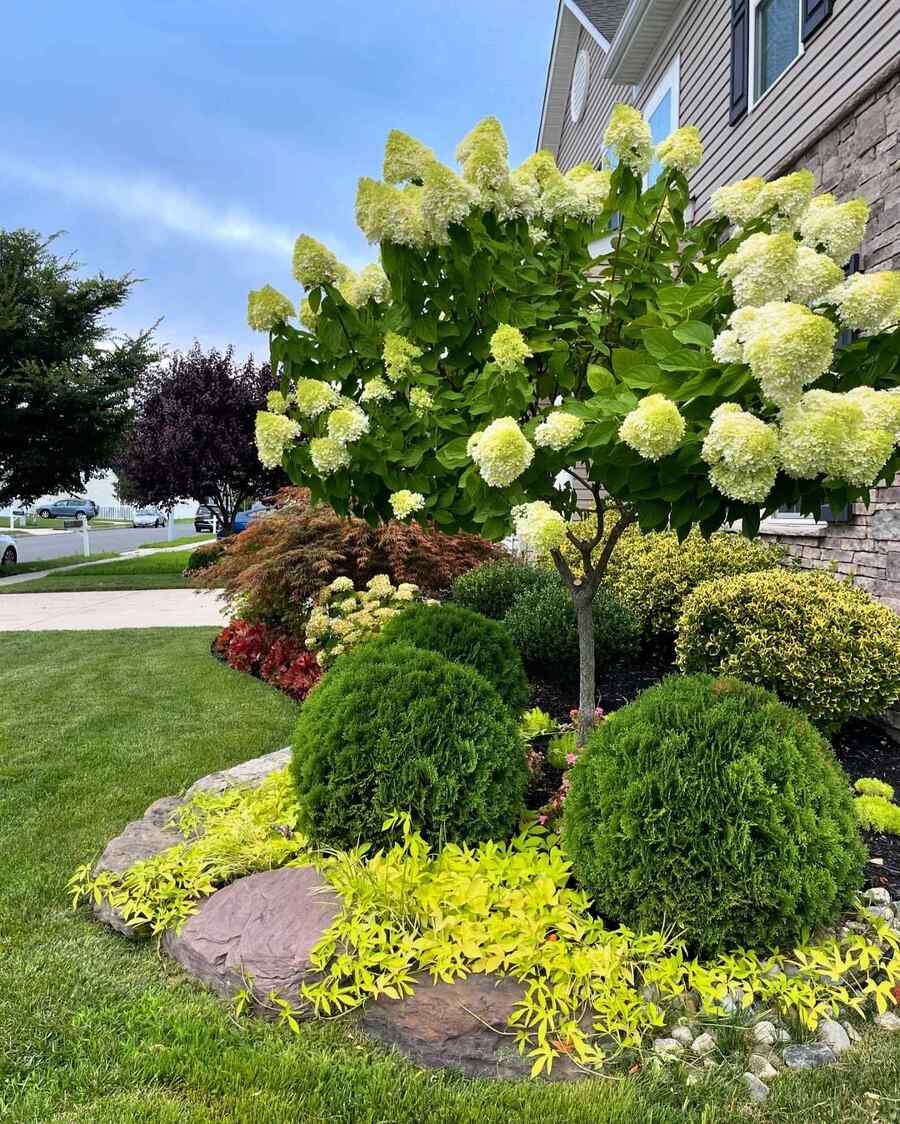
Why it works here: One of the most reliable flowering shrubs for Massachusetts, even in colder winters.
Signature look: Big cone blooms that shift lime-green to creamy white, lasting into fall.
Where to plant it
-
Light: Full sun to part shade
-
Soil: Average moisture, well-drained
-
Best use: Statement planting by an entry, anchor in a mixed border, soft hedge
Care note: Blooms on new wood, so late-winter/early-spring pruning won’t ruin flowers.
7) Miss Kim Lilac (Syringa pubescens subsp. patula ‘Miss Kim’)
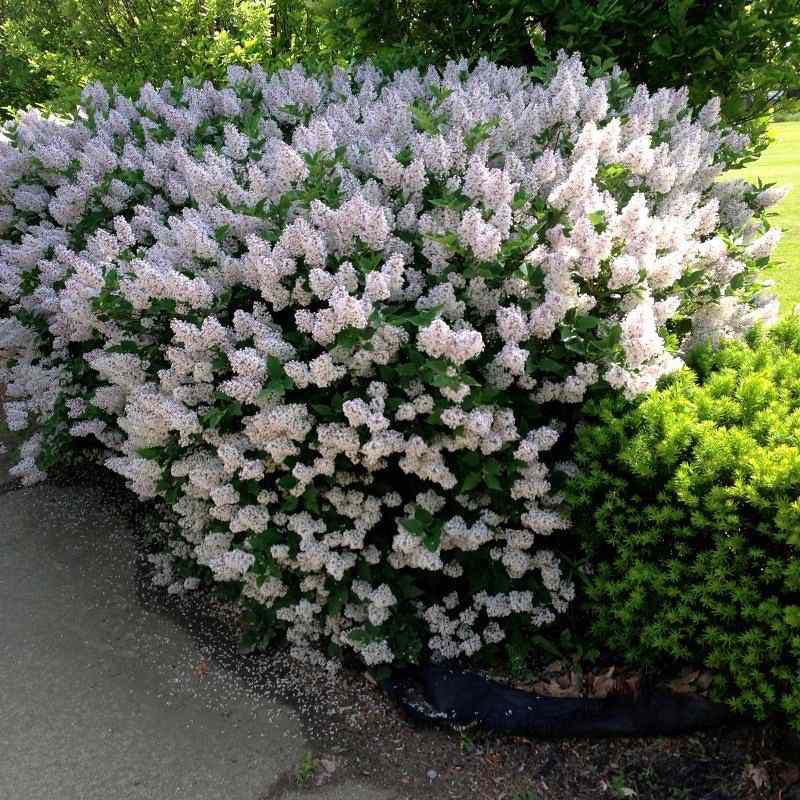
Why it works here: Compact, fragrant, and generally more disease-resistant than older lilac types.
Signature look: Classic lilac fragrance without needing a huge yard.
Where to plant it
-
Light: Full sun
-
Soil: Average, well-drained
-
Best use: Near windows, along walkways, in smaller foundation beds
Care note: Prune right after flowering if you want to shape it—don’t wait until late summer.
8) Juniper (Juniperus spp.)
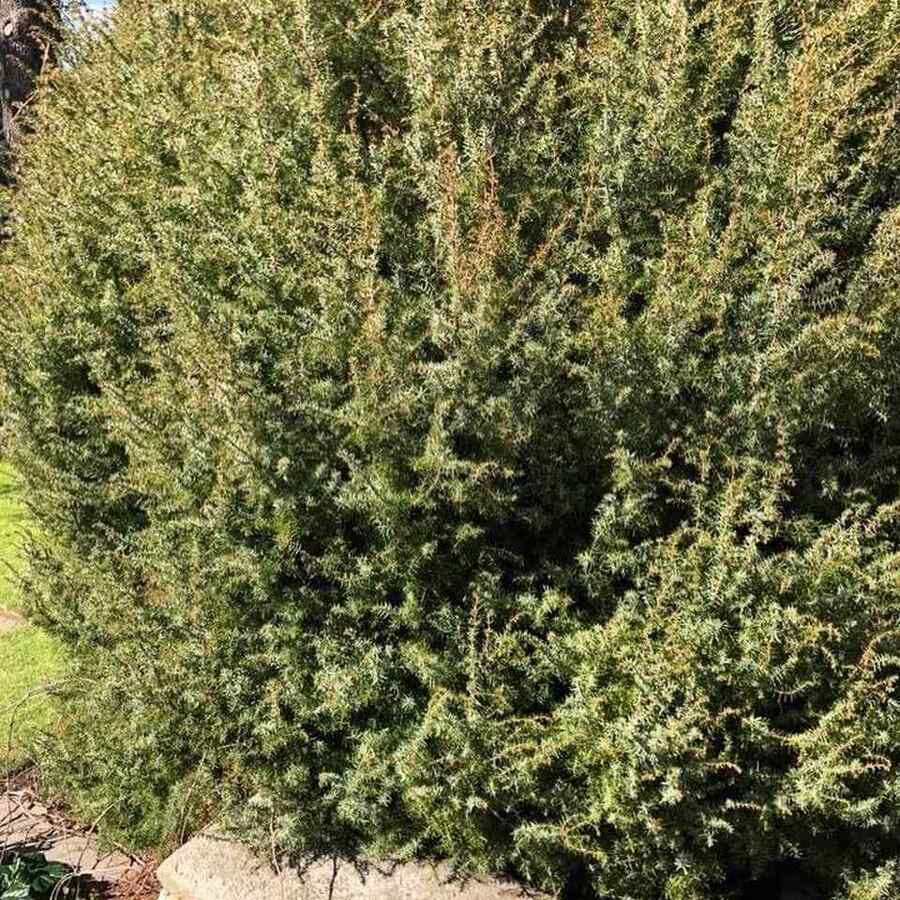
Why it works here: Drought-tolerant, evergreen, and available in forms from ground-hugging to upright.
Signature look: Year-round structure—especially helpful in winter when perennials disappear.
Where to plant it
-
Light: Full sun
-
Soil: Well-drained; handles sandy and rocky sites
-
Best use: Slope stabilization, evergreen backbone, modern “clean lines” landscaping
Care note: Avoid soggy soil. If water sits after rain, choose a different shrub.
9) Boxwood (Buxus spp.)
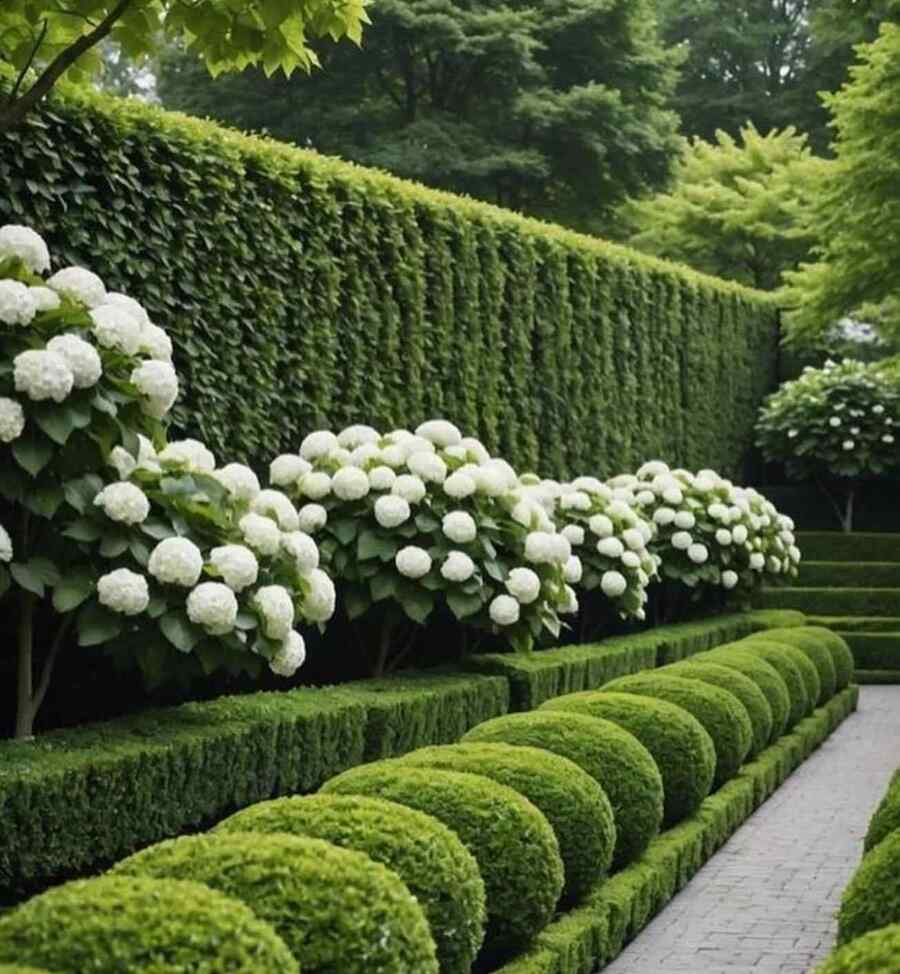
Why it works here: For a formal look—crisp edges, tidy shapes, and evergreen presence through snow season.
Signature look: Dense, small leaves that read as “finished” year-round.
Where to plant it
-
Light: Part sun to part shade (morning sun is ideal)
-
Soil: Well-drained; consistent moisture
-
Best use: Low hedges, foundation plantings, framing steps or entrances
Care note: In Massachusetts, winter wind can bronze foliage. Site it with some protection from harsh exposure.
10) Rhododendron (Rhododendron spp.)
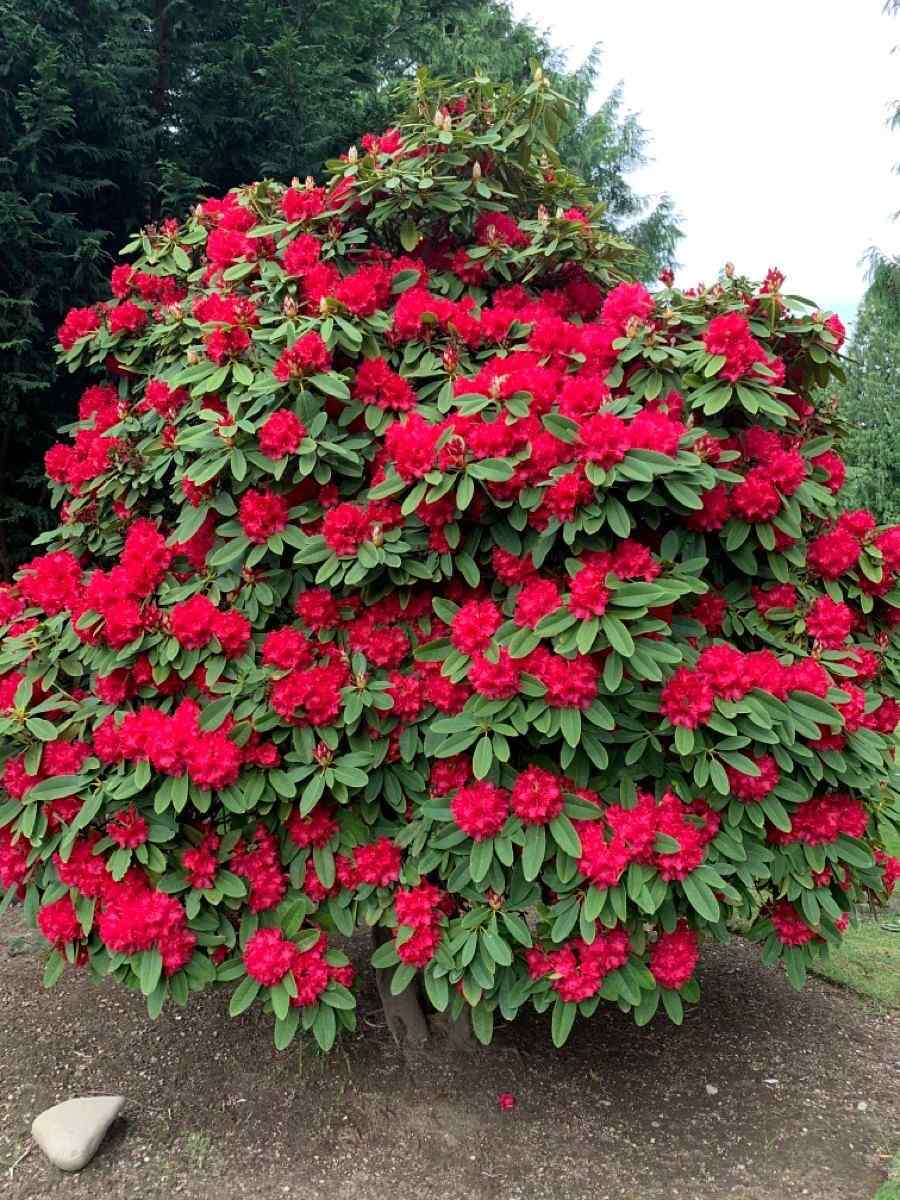
Why it works here: A spring showpiece that feels lush and classic in New England landscapes.
Signature look: Big clusters of blooms plus broadleaf evergreen texture.
Where to plant it
-
Light: Part shade (dappled light is perfect)
-
Soil: Acidic, well-drained, high organic matter
-
Best use: Woodland edges, under tall pines, north/east-facing foundation areas
Care note: Mulch with pine needles or bark, and avoid hot afternoon sun that can scorch leaves.
A Simple Way to Choose the Right Shrub for Your Yard
Use this quick matching approach so your planting feels tailored, not generic:
-
For wet spots: Red Osier Dogwood, Sweet Pepperbush
-
For wildlife and native strength: Arrowwood Viburnum, Highbush Blueberry, Red Osier Dogwood
-
For coastal/sandy conditions: Bearberry, Juniper
-
For a structured, “neat” landscape: Boxwood, Juniper, Limelight Hydrangea
-
For fragrance near daily paths: Sweet Pepperbush, Miss Kim Lilac
-
For shade-friendly elegance: Sweet Pepperbush, Rhododendron
If you want a balanced Massachusetts planting bed, aim for one evergreen (Juniper/Boxwood/Rhododendron), one long-blooming shrub (Limelight Hydrangea/Clethra), and one wildlife-forward native (Viburnum/Blueberry/Dogwood). That trio keeps your yard attractive in every season.
FAQ: Shrubs for Massachusetts
1) What USDA zones cover most of Massachusetts for shrubs?
Most of Massachusetts sits in USDA Zones 5–6, with colder pockets inland and milder coastal areas. Choose shrubs rated for your zone and protect tender plants from winter wind.
2) Which shrubs handle Massachusetts winters and still look good in winter?
For winter presence, pick Red Osier Dogwood (red stems), Juniper (evergreen structure), Boxwood (formal green shape), and Rhododendron (broadleaf evergreen texture).
3) What shrubs are best for shade in Massachusetts?
Two reliable choices are Sweet Pepperbush (Clethra) and Rhododendron, both of which perform well in part shade and give strong ornamental value.
4) What shrubs are best for coastal Massachusetts conditions?
Bearberry is excellent for sandy, coastal sites, and many Junipers tolerate wind and dry soils well. Prioritize plants that like sharp drainage and handle salt exposure.
5) How do I get more birds and pollinators with shrubs?
Choose natives with nectar and fruit: Sweet Pepperbush for pollinators, Arrowwood Viburnum and Highbush Blueberry for berries, and Red Osier Dogwood for habitat and seasonal food.