Choosing shrubs for Maryland is really about designing for hot, humid summers, variable winters, and soils that can shift from clay-heavy suburbs to sandy coastal pockets. The right shrubs give you structure when perennials fade, privacy without fuss, and seasonal highlights—berries in winter, flowers in spring, and bold foliage in fall. Below you’ll find ten Maryland-friendly picks (many native) with clear placement tips, so your landscape feels personal and polished, not random.
A quick rule that saves time: decide first whether your planting area is sunny or shady, then whether it stays dry, average, or damp. That pairing makes shrub success feel almost automatic.
Table of Contents
Shrubs for Maryland: 10 Reliable Choices for Color, Wildlife, and Structure
These selections are well-suited to Maryland gardens and commonly perform well across the Mid-Atlantic. For each shrub, you’ll get the signature look, where it shines, and how to keep it thriving.
1) Winterberry Holly (Ilex verticillata)
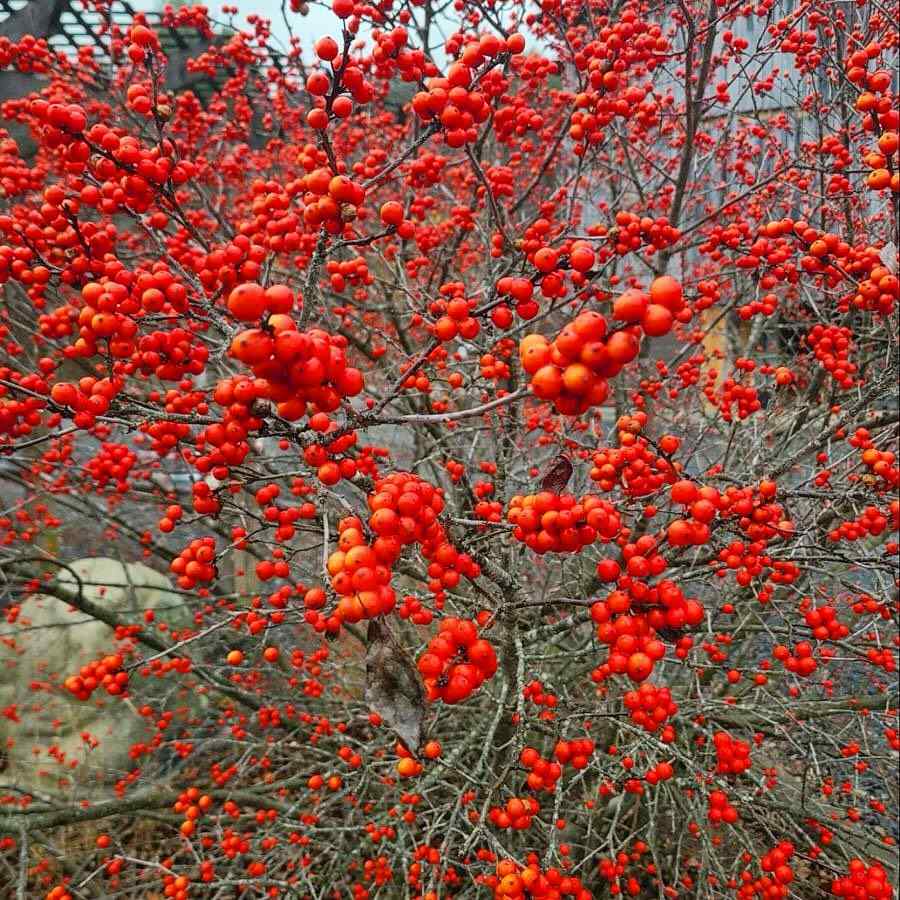
Why it earns a spot: This native deciduous holly delivers bright red berries that hold through winter—exactly when the yard needs color most.
Style effect: Instant holiday energy without decorations.
Where to plant it
-
Light: Full sun to part shade
-
Soil: Moist to wet; tolerates heavier soils
-
Best use: Rain-garden edges, low spots, near windows for winter views
Practical tip: You typically need a male pollinator plant nearby for berries. Planting in pairs (or a recommended male cultivar) boosts fruiting.
2) Spicebush (Lindera benzoin)
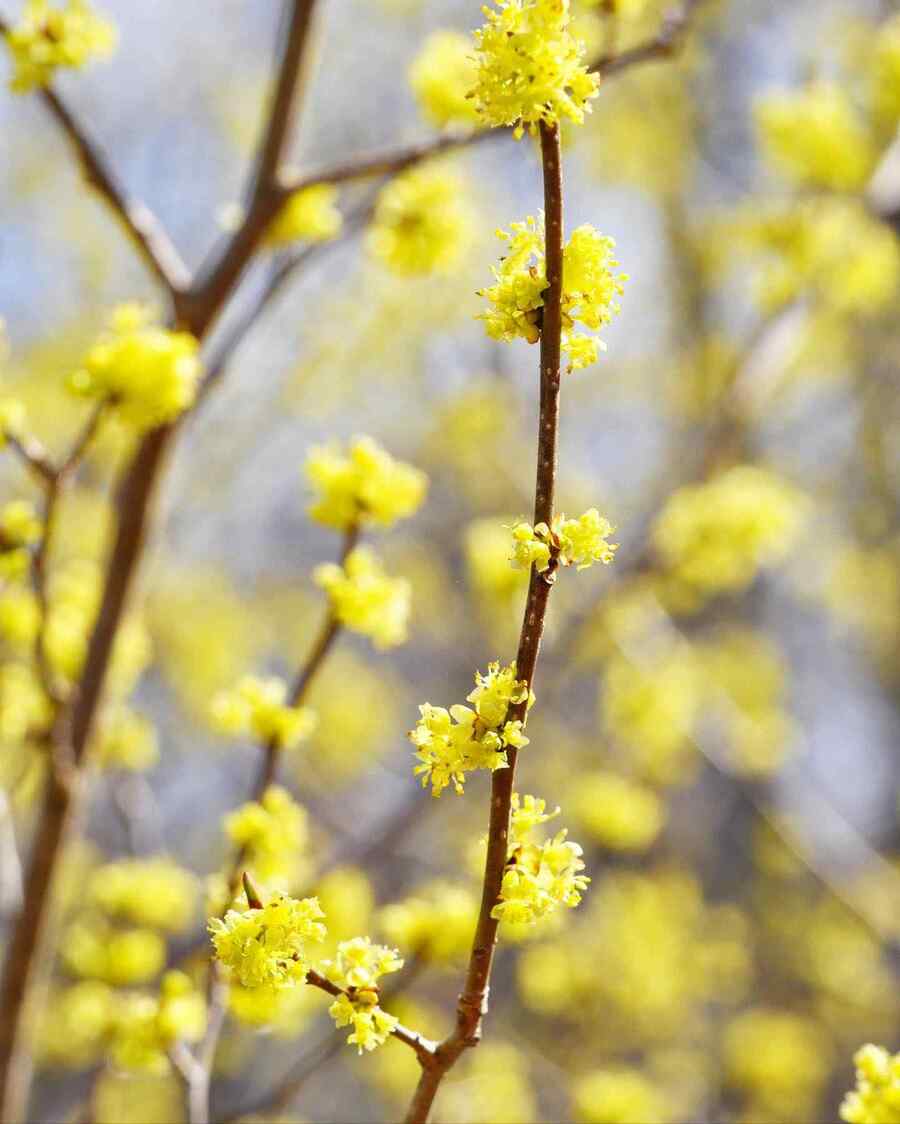
Why it earns a spot: Shade-tolerant and native, with early spring yellow blooms and aromatic leaves that make the yard feel alive before the canopy fills in.
Style effect: Soft woodland charm—natural and welcoming.
Where to plant it
-
Light: Part shade to shade
-
Soil: Average to moist; prefers richer woodland soil
-
Best use: Under trees, along a shaded fence line, in a native understory bed
Practical tip: Leaves are fragrant when crushed. Place it along a path where you’ll brush past it.
3) Virginia Sweetspire (Itea virginica)
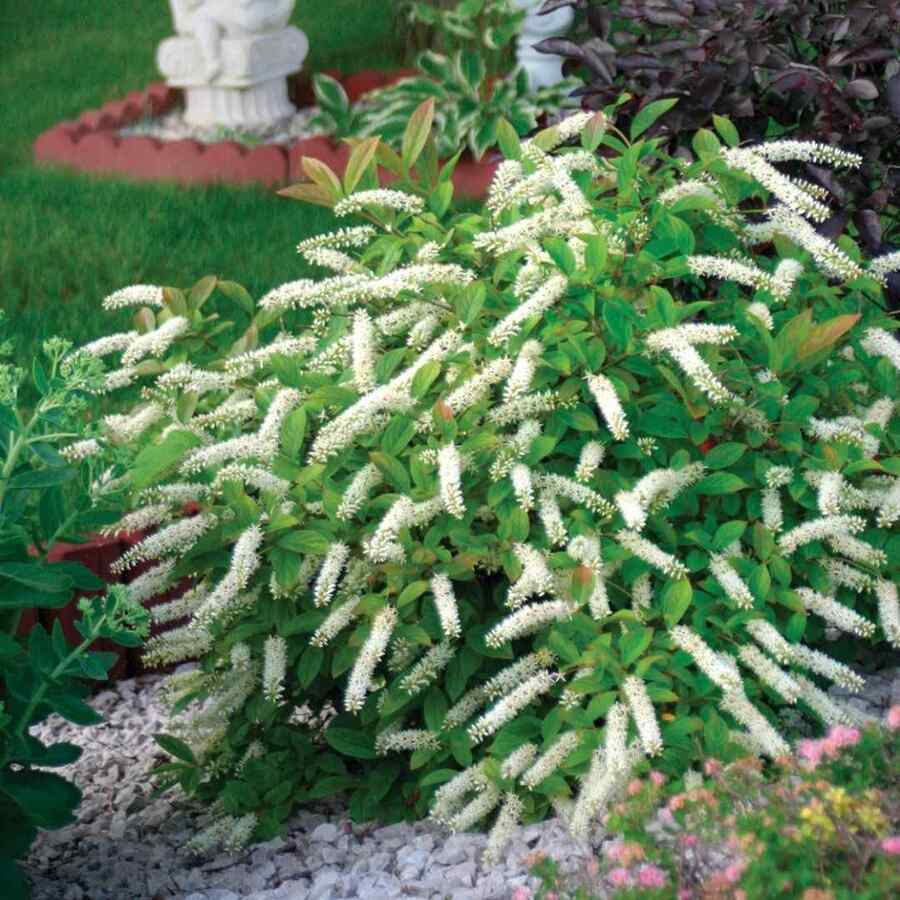
Why it earns a spot: A native with fragrant white summer blooms and some of the best red/purple fall color you can get in a shrub.
Style effect: Elegant, slightly wild, and very “Maryland native garden.”
Where to plant it
-
Light: Full sun to part shade
-
Soil: Average to moist; handles damp sites well
-
Best use: Along foundations, in mixed borders, near patios for fragrance
Practical tip: It can spread slowly. Use it where you’d enjoy a fuller, naturalized look.
4) Oakleaf Hydrangea (Hydrangea quercifolia)
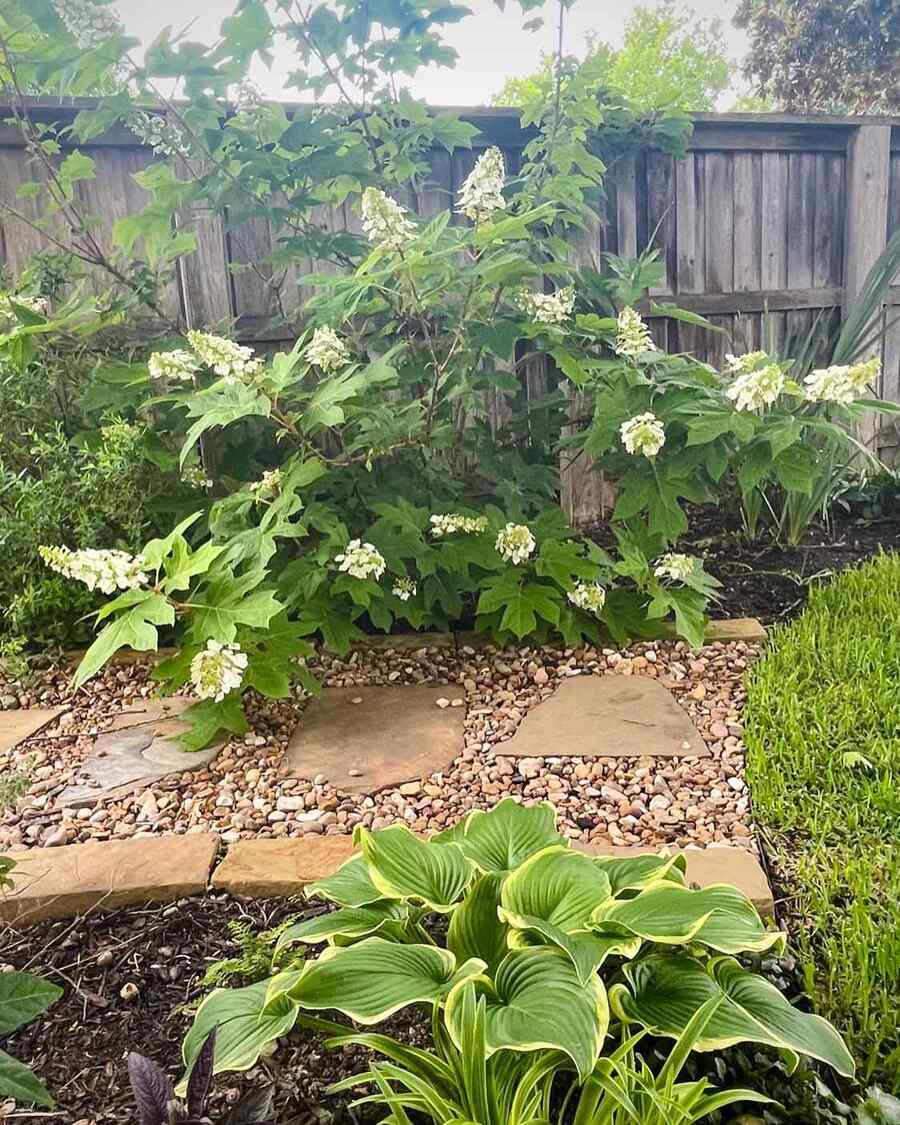
Why it earns a spot: Big summer panicles and dramatic fall foliage—deep reds and burgundies that hold for weeks.
Style effect: A classic “statement shrub” that reads upscale.
Where to plant it
-
Light: Morning sun + afternoon shade is ideal
-
Soil: Well-drained, organically rich
-
Best use: Front-yard focal point, shaded border anchor, woodland edge
Practical tip: Give it room; the layered branching looks best when it isn’t squeezed.
5) Inkberry Holly (Ilex glabra)
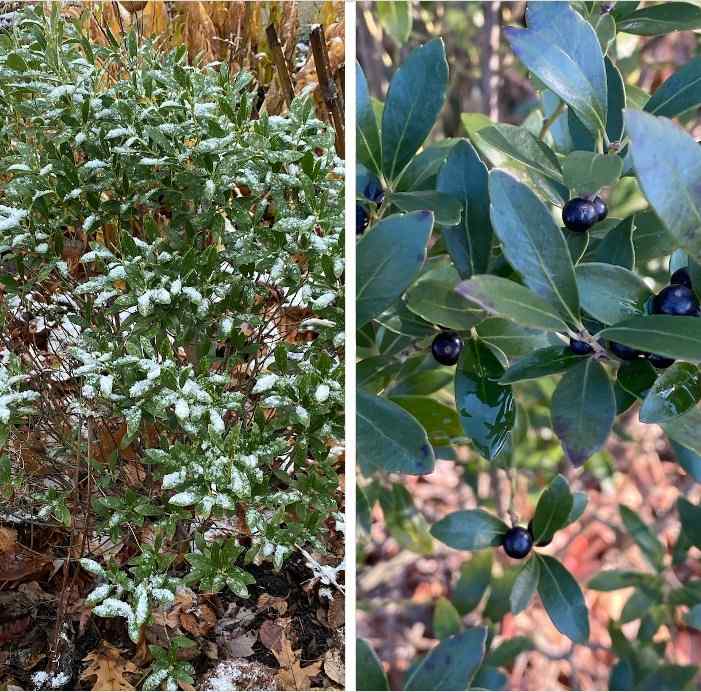
Why it earns a spot: A native evergreen that functions like boxwood but feels more region-appropriate.
Style effect: Clean, modern structure with a softer, natural vibe.
Where to plant it
-
Light: Full sun to part shade
-
Soil: Acidic to neutral; average moisture; adaptable once established
-
Best use: Low hedges, foundation plantings, evergreen backdrop
Practical tip: Choose a cultivar suited to your desired form—some stay compact, others get broader.
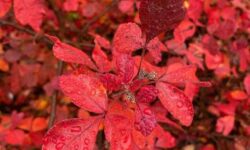
6) Red Chokeberry (Aronia arbutifolia)
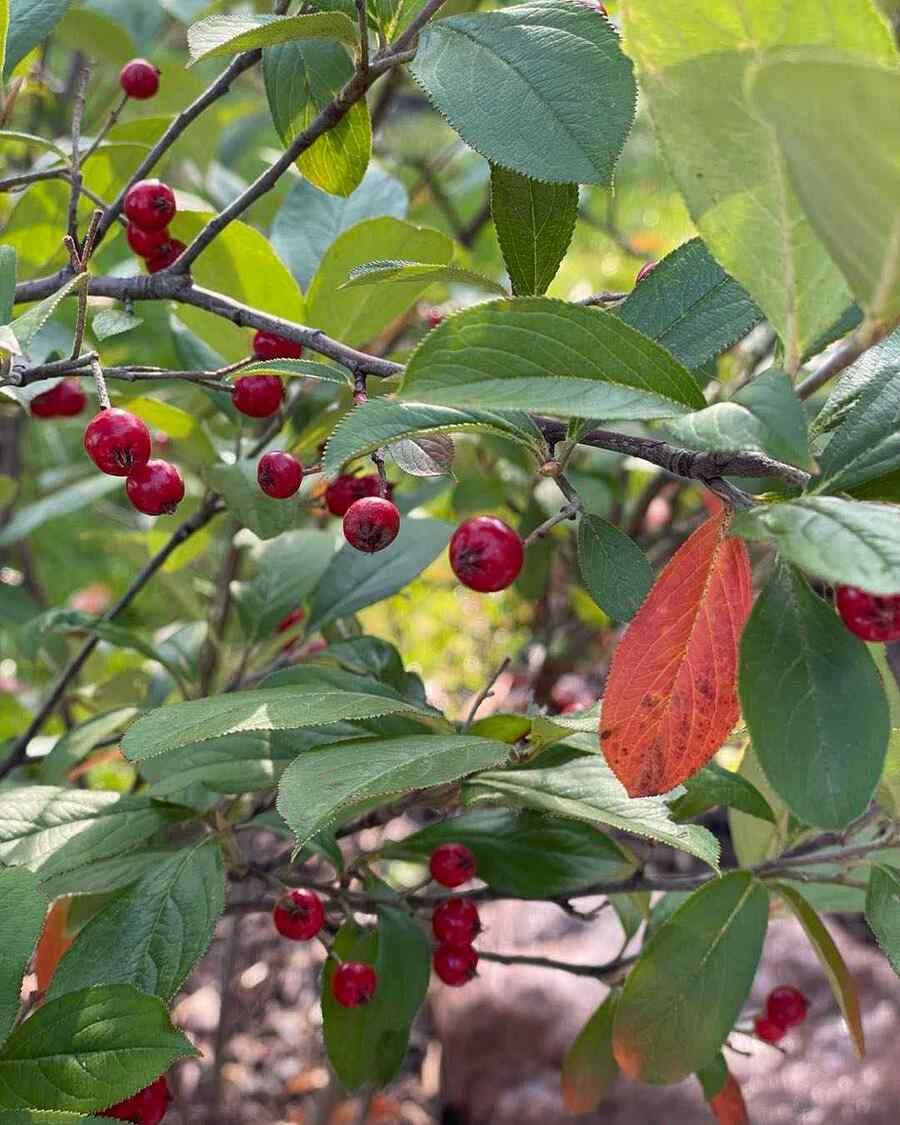
Why it earns a spot: White flowers in spring, bright red berries later, and vivid red fall foliage—high color payoff with native toughness.
Style effect: A seasonal color switch that keeps beds from feeling flat.
Where to plant it
-
Light: Full sun to part shade
-
Soil: Average to moist; tolerates clay better than many shrubs
-
Best use: Natural screens, wildlife borders, rain-garden transitions
Practical tip: Berries are a favorite for birds. If you want winter berries for viewing, plant where birds don’t clear them instantly.
7) Summersweet / Clethra (Clethra alnifolia)
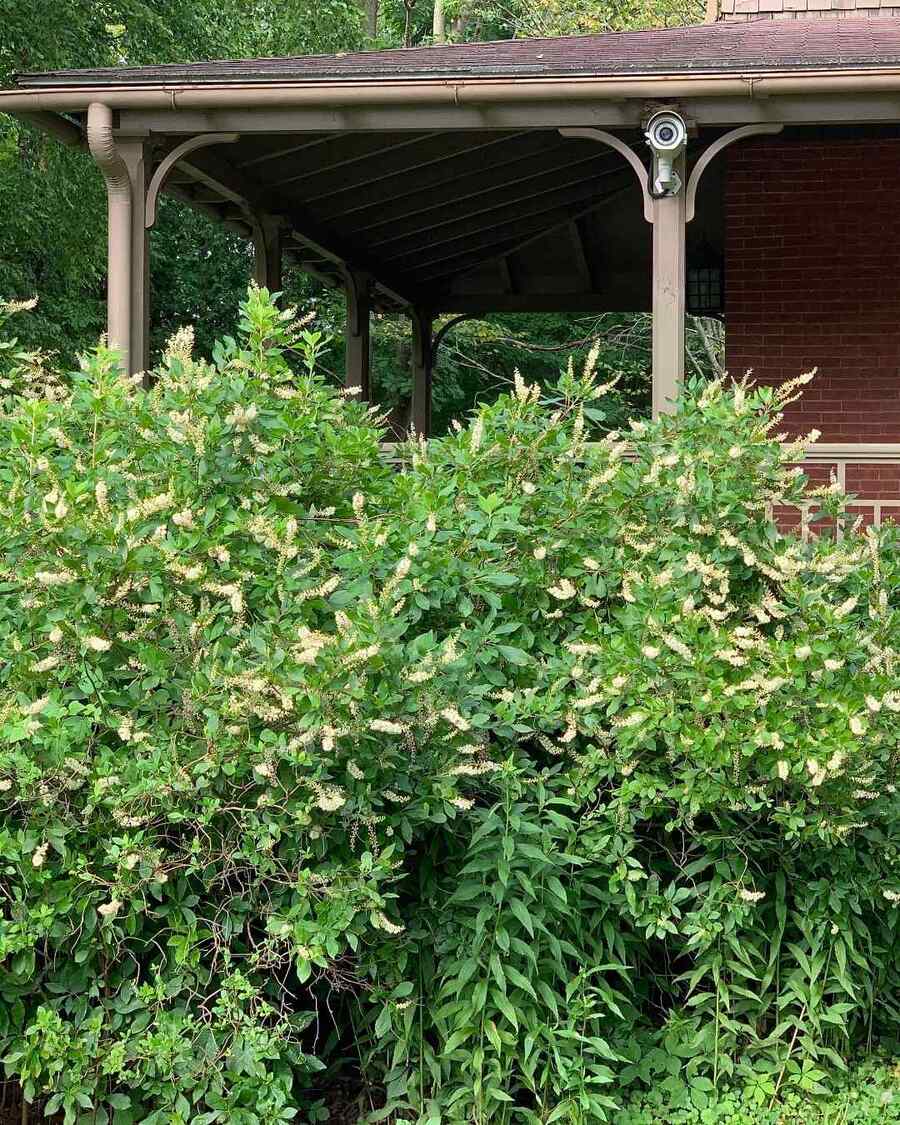
Why it earns a spot: In late summer, when many shrubs are done, Clethra brings highly fragrant blooms that pull in pollinators.
Style effect: A “walk-by-and-smile” shrub—especially near seating.
Where to plant it
-
Light: Part shade to full sun
-
Soil: Average to moist; reliable in humidity
-
Best use: Near patios, along paths, at the edge of wetter beds
Practical tip: Mulch well to keep roots cool during Maryland’s hottest stretches.
8) Arrowwood Viburnum (Viburnum dentatum)
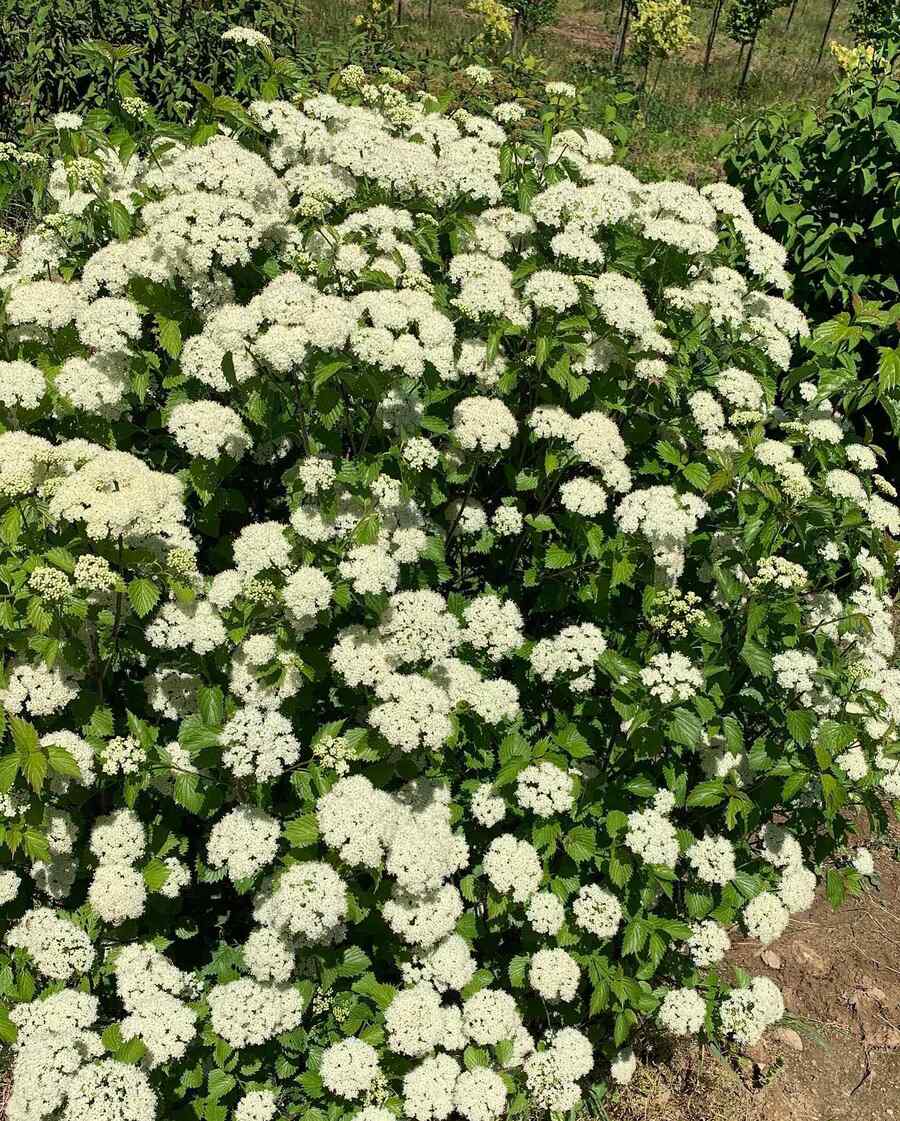
Why it earns a spot: Fast-growing, durable, and excellent for birds with dark blue fruit.
Style effect: A strong “green wall” shrub that still feels natural.
Where to plant it
-
Light: Full sun to part shade
-
Soil: Average; adaptable
-
Best use: Privacy screens, property lines, big mixed borders
Practical tip: If you’re building a screen, stagger plants in a zig-zag row for thicker coverage.
9) American Hazelnut (Corylus americana)
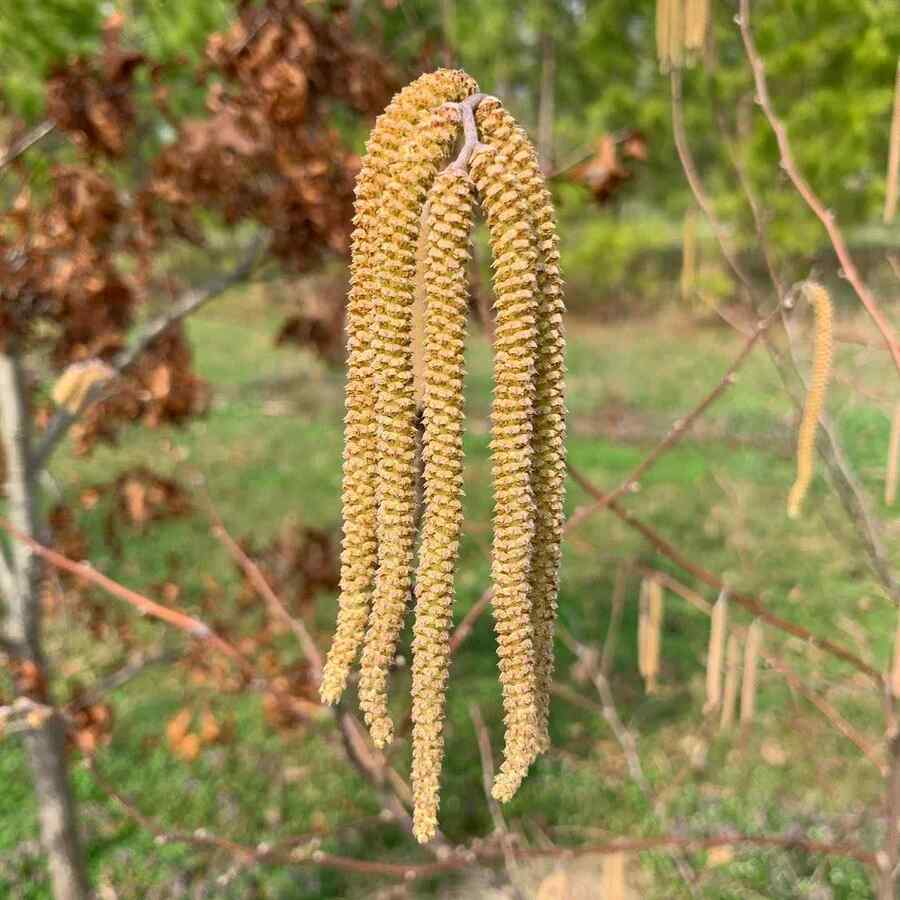
Why it earns a spot: Produces edible nuts and creates dense habitat—great for a backyard that feels lively and layered.
Style effect: Cottage-meets-native, especially when used in groups.
Where to plant it
-
Light: Full sun to part shade
-
Soil: Average, well-drained; tolerates a range
-
Best use: Naturalized corners, edible landscapes, informal hedges
Practical tip: For better nut production, plant more than one (genetic diversity improves yields).
10) Mountain Laurel (Kalmia latifolia)
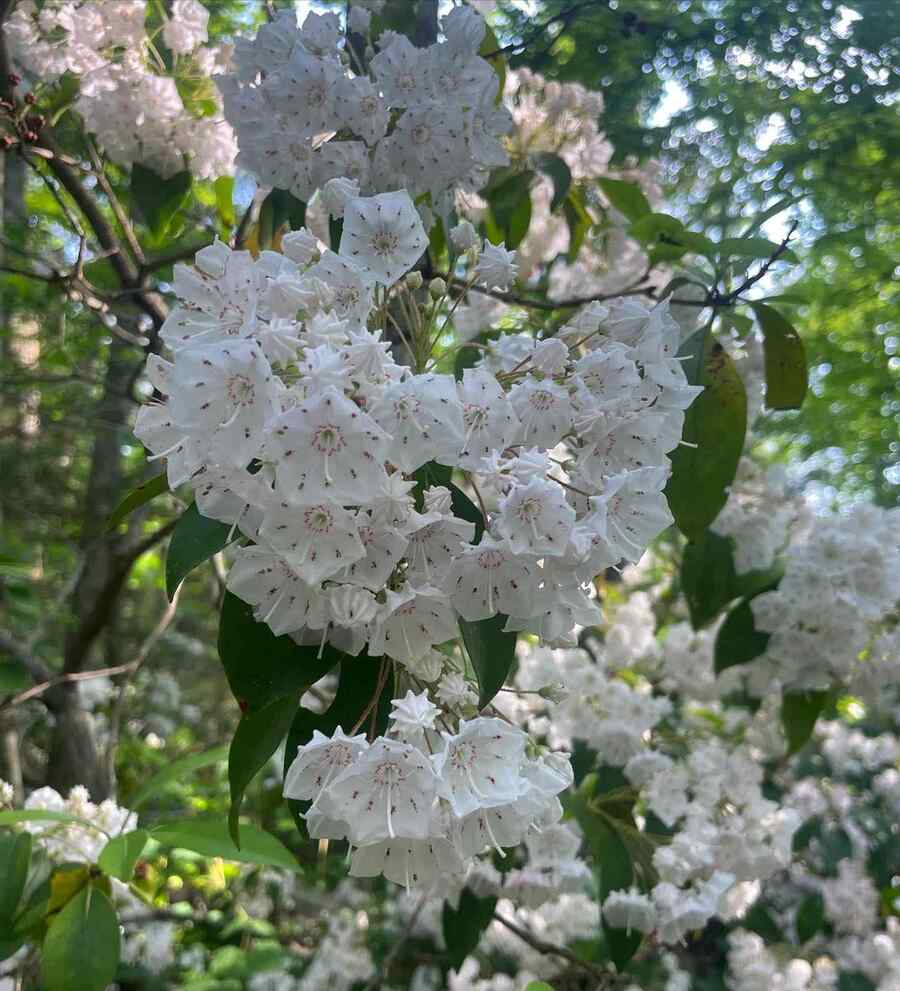
Why it earns a spot: Evergreen and unforgettable in bloom, with intricate flowers that look hand-painted.
Style effect: Refined woodland glamour—perfect near shady entries.
Where to plant it
-
Light: Part shade (dappled light is excellent)
-
Soil: Acidic, well-drained, high organic matter
-
Best use: Under tall pines, woodland borders, shaded foundation beds
Practical tip: Avoid heavy clay that stays wet. If your soil is sticky, mound plantings slightly and amend with pine bark fines.
How to Choose the Best Shrub for Your Spot in Maryland
Use this quick match so the result feels intentional:
-
For winter interest: Winterberry Holly, Red Chokeberry, Inkberry Holly
-
For shade and woodland style: Spicebush, Mountain Laurel, Oakleaf Hydrangea
-
For pollinators and fragrance near patios: Summersweet (Clethra), Virginia Sweetspire
-
For privacy screens: Arrowwood Viburnum, Inkberry Holly, American Hazelnut
-
For damp or low areas: Winterberry Holly, Virginia Sweetspire, Red Chokeberry, Clethra
If you want a bed that feels “designer-finished,” combine:
-
1 evergreen anchor (Inkberry or Mountain Laurel)
-
1 long-season bloomer (Oakleaf Hydrangea, Sweetspire, or Clethra)
-
1 wildlife berry shrub (Winterberry or Chokeberry)
That trio gives structure, softness, and seasonal highlights—without constant maintenance.
FAQ: Shrubs for Maryland
1) What shrubs handle Maryland’s humid summers best?
Natives like Virginia Sweetspire, Clethra, Arrowwood Viburnum, and Winterberry Holly typically handle humidity well once established.
2) Which shrubs are best for shade in Maryland yards?
For part shade to shade, choose Spicebush, Mountain Laurel, and Oakleaf Hydrangea. They suit woodland-style beds and north/east exposures.
3) Do I need special soil for hollies and mountain laurel?
They prefer acidic, well-drained soil. If your yard has heavy clay, improve drainage with organic matter and consider planting slightly raised.
4) Which shrubs are best for birds and wildlife?
Winterberry Holly, Red Chokeberry, Arrowwood Viburnum, and American Hazelnut provide berries, nuts, and habitat that support birds and beneficial insects.
5) What’s a simple low-maintenance shrub combo for Maryland?
Try Inkberry Holly for structure, Clethra for summer fragrance, and Winterberry Holly for winter berries—clean, practical, and visually satisfying year-round.