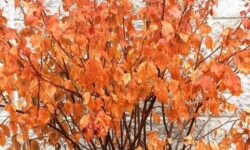
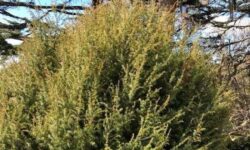
Choosing shrubs for Maine is easier (and more rewarding) when you start with natives that already understand our winters, short summers, and local soils. The ten shrubs below are zone-friendly (roughly 2–6 in Maine), support birds and pollinators, and add four-season beauty—berries, bark, flowers, fragrance, and fall color. I’ve written this like I’d plan a real yard: you’ll get what it looks like, where it thrives, and exact planting/care steps so you can put each shrub to work in your landscape.
Table of Contents
Shrubs for Maine: 10 Native Choices That Handle Winter and Feed Wildlife
1) Winterberry (Ilex verticillata)
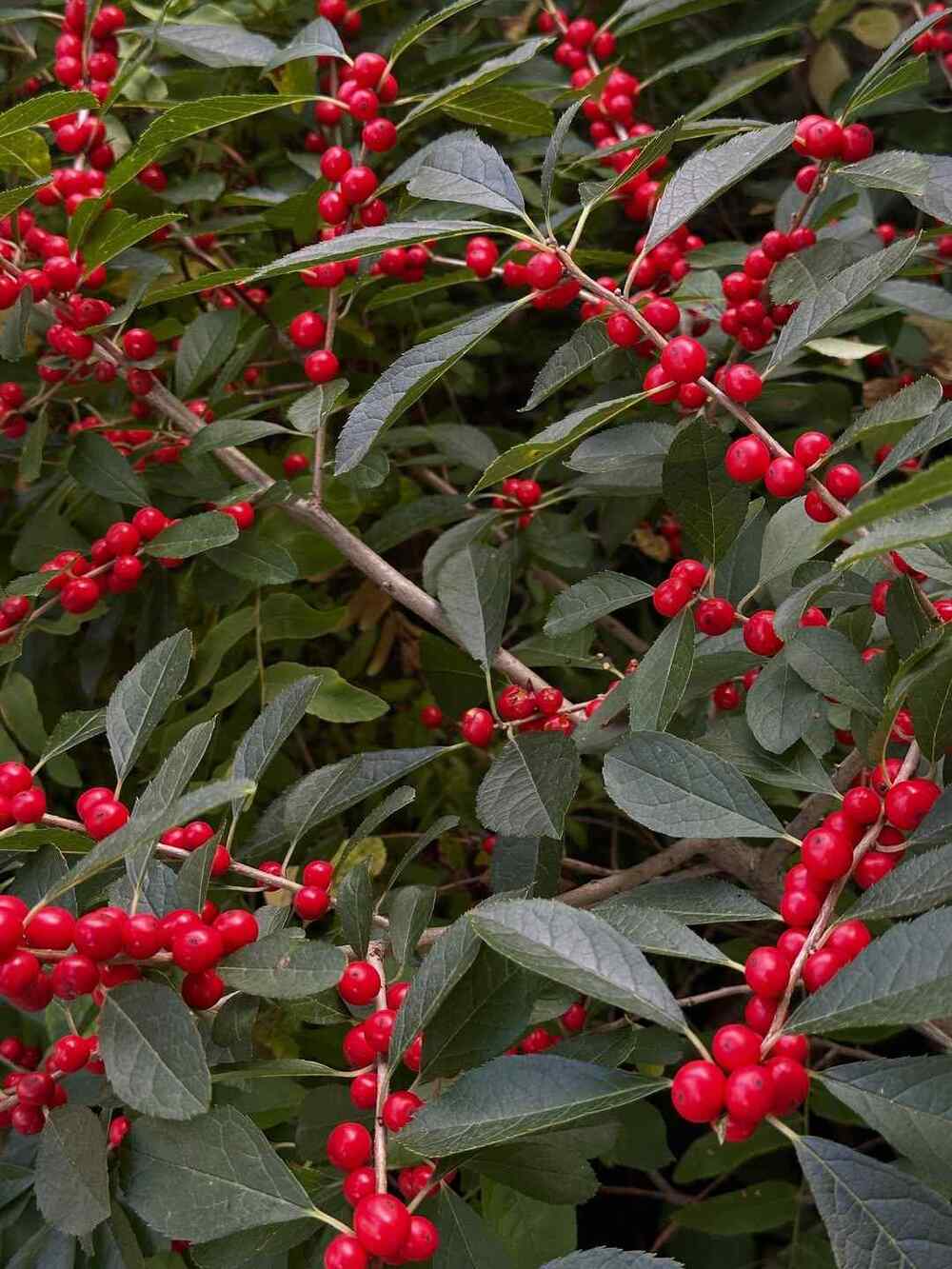
If you want a shrub that earns its keep in winter, winterberry is hard to beat. It drops its leaves in fall, then those bright red berries steal the show against snow and gray skies. In Maine gardens, it’s a classic choice for bird value, too—winter food when options are limited.
Best placement: Think wet edges and “problem spots” that stay damp: downspout zones, pond margins, low areas, or anywhere with moist, acidic soil. Give it full sun to part shade; more sun usually means more berries.
How to succeed (specific steps):
-
Plant in spring or early fall; set the root flare level with soil.
-
Mulch 2–3 inches, but keep mulch off the stems.
-
Water weekly the first season, especially during dry late-summer stretches.
-
Prune lightly in late winter to shape; avoid heavy pruning if you want maximum fruit.
Important detail: You need both male and female plants for berries. A good rule is 1 male for up to 5 females, planted within pollination distance (often same yard is fine). If you’re styling for curb appeal, use winterberry as a winter focal point near a window, entry, or driveway where you’ll actually see the berries.
2) Northern Bayberry (Morella pensylvanica)
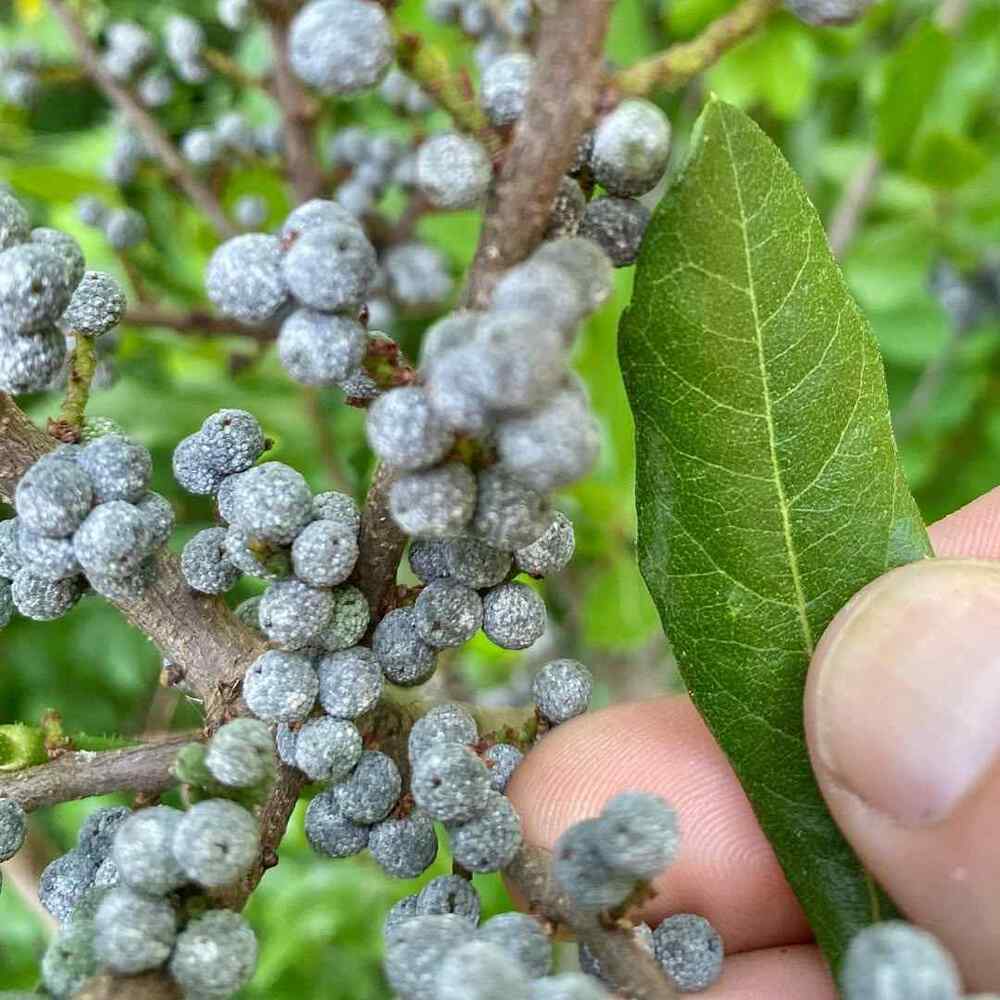
Northern bayberry is the “tough-love” shrub: it tolerates wind, salt, sand, drought, and poor soils—exactly the conditions many coastal and exposed Maine properties deal with. The foliage has a clean, resinous scent when brushed, and it can hold leaves late into the season (often semi-evergreen).
Best placement: Coastal yards, sandy banks, driveway edges, or anywhere you want a durable screen. It’s a strong candidate for naturalistic hedging that doesn’t feel fussy.
How to succeed (specific steps):
-
Start with full sun for best density; it handles part shade but gets looser.
-
Don’t over-amend the soil—bayberry actually performs well in lean ground.
-
Water regularly the first year; after that, it’s often “set-and-forget.”
-
If it spreads by suckers, edge it with a spade once a year to keep lines tidy.
Wildlife + design notes: It provides shelter for birds, and its fruits can be valuable. Visually, it reads as soft green texture—great behind showier plants. If you like an organized look, shear lightly after spring growth flush to keep a clean hedge line.
3) Red-osier Dogwood (Cornus sericea)
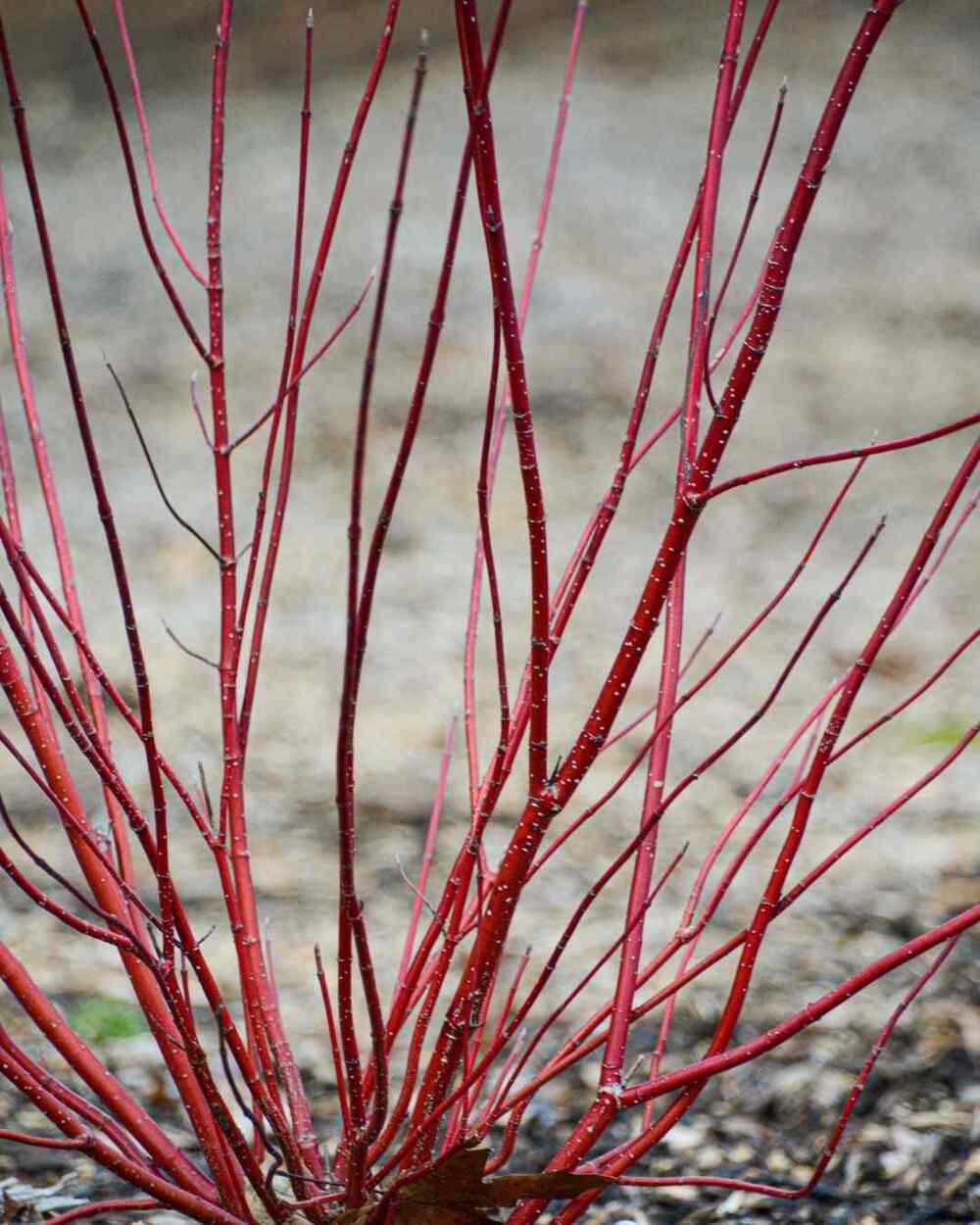
When Maine winters flatten color, red-osier dogwood brings it back with brilliant red stems that glow in low winter sun. In spring, it adds white blooms, and in fall you often get warm foliage tones. It’s also a reliable wildlife shrub, offering cover and seasonal food.
Best placement: Moist soils are ideal—rain gardens, stream edges, low lawn corners. Give it full sun for the richest stem color (shade dulls it).
How to succeed (specific steps):
-
Plant where it can spread a bit; it can form colonies over time.
-
Water weekly the first season; dogwoods dislike drying out in establishment.
-
For the best winter color, renew stems: every 2–3 years, cut about 1/3 of the oldest stems to the ground in late winter.
-
If you want a bold winter statement, mass 3–7 plants together.
Aesthetic tip: Pair it with evergreens or pale siding so the stems pop. It’s also gorgeous with ornamental grasses that catch snow and frost.
4) Highbush Blueberry (Vaccinium corymbosum)
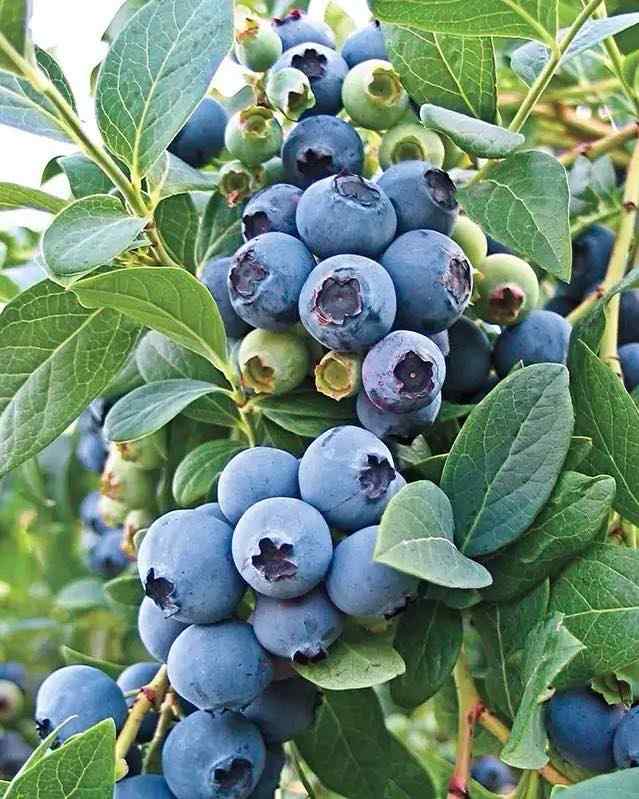
Highbush blueberry does triple duty: edible fruit, pretty spring flowers, and electric red fall color. It fits Maine landscapes beautifully, especially if you appreciate a garden that’s both useful and ornamental.
Best placement: Blueberries like acidic soil and consistent moisture, so they’re great for wet-ish areas that aren’t swampy. Full sun improves fruiting; part shade is acceptable but lowers yield.
How to succeed (specific steps):
-
Test soil pH; aim roughly 4.5–5.5 if you want serious berries.
-
Amend with pine bark fines or peat alternatives suited to acid-lovers.
-
Mulch with pine needles or shredded bark to conserve moisture.
-
Plant two varieties for better pollination and steadier harvest.
-
Prune in late winter: remove the oldest canes to encourage new fruiting wood.
Personalized use: If you like a tidy look, tuck blueberries into a foundation border where their fall color reads like intentional landscaping—not “backyard fruit patch.”
5) Bush Honeysuckle (Diervilla lonicera)
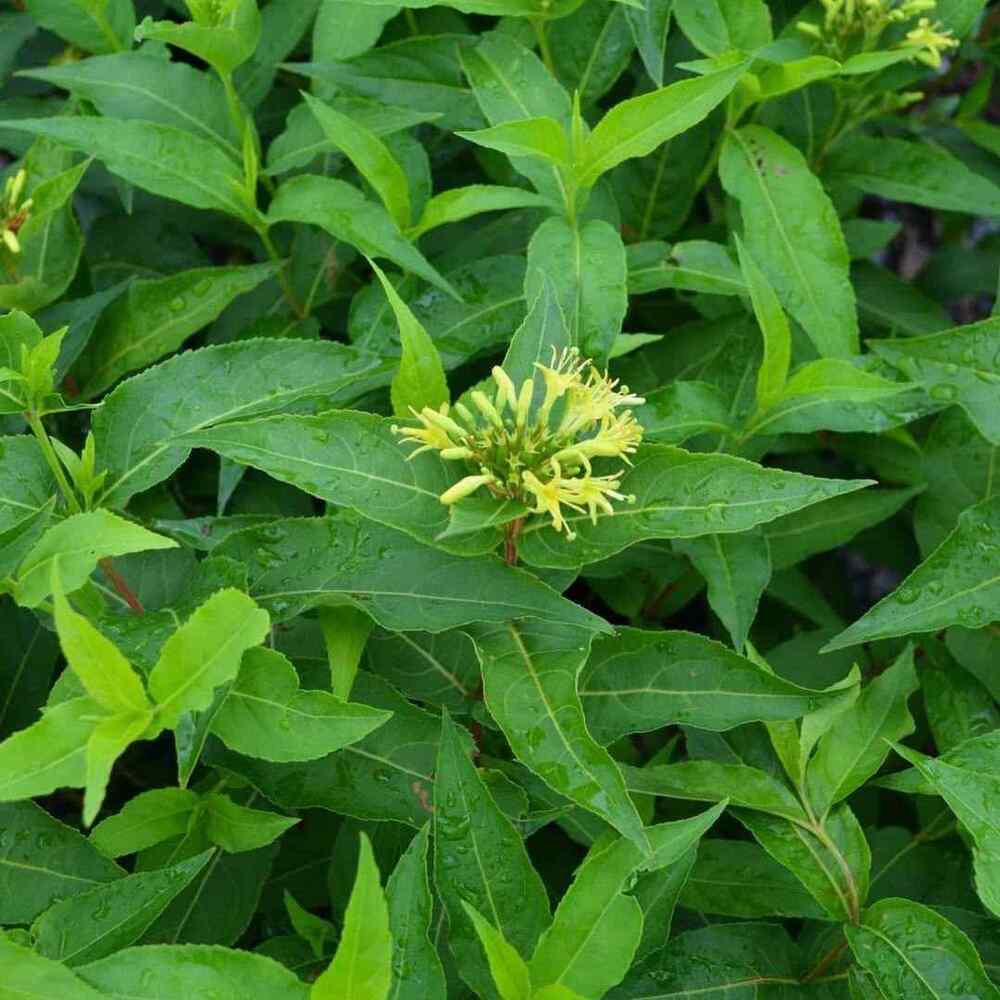
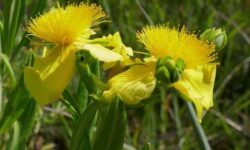
Diervilla is the reliable friend: compact, hardy, and tolerant of shade, drought, rocky soils, and neglect. It produces yellow flowers that pollinators appreciate, and it’s a smart solution for those “nothing grows here” spots.
Best placement: Under light tree canopy, north-side beds, slopes, or dry edges where irrigation is inconsistent. It’s also excellent for erosion control.
How to succeed (specific steps):
-
Plant in part shade to sun; it adapts widely.
-
Water the first season, then reduce—this shrub prefers not to be babied.
-
If it gets leggy, cut it back by up to one-third in early spring.
-
Use it as a low shrub layer in front of taller natives.
Style tip: Diervilla has a calm, natural look—great if you want a landscape that feels Maine-authentic rather than overly formal.
6) Hobblebush (Viburnum lantanoides)
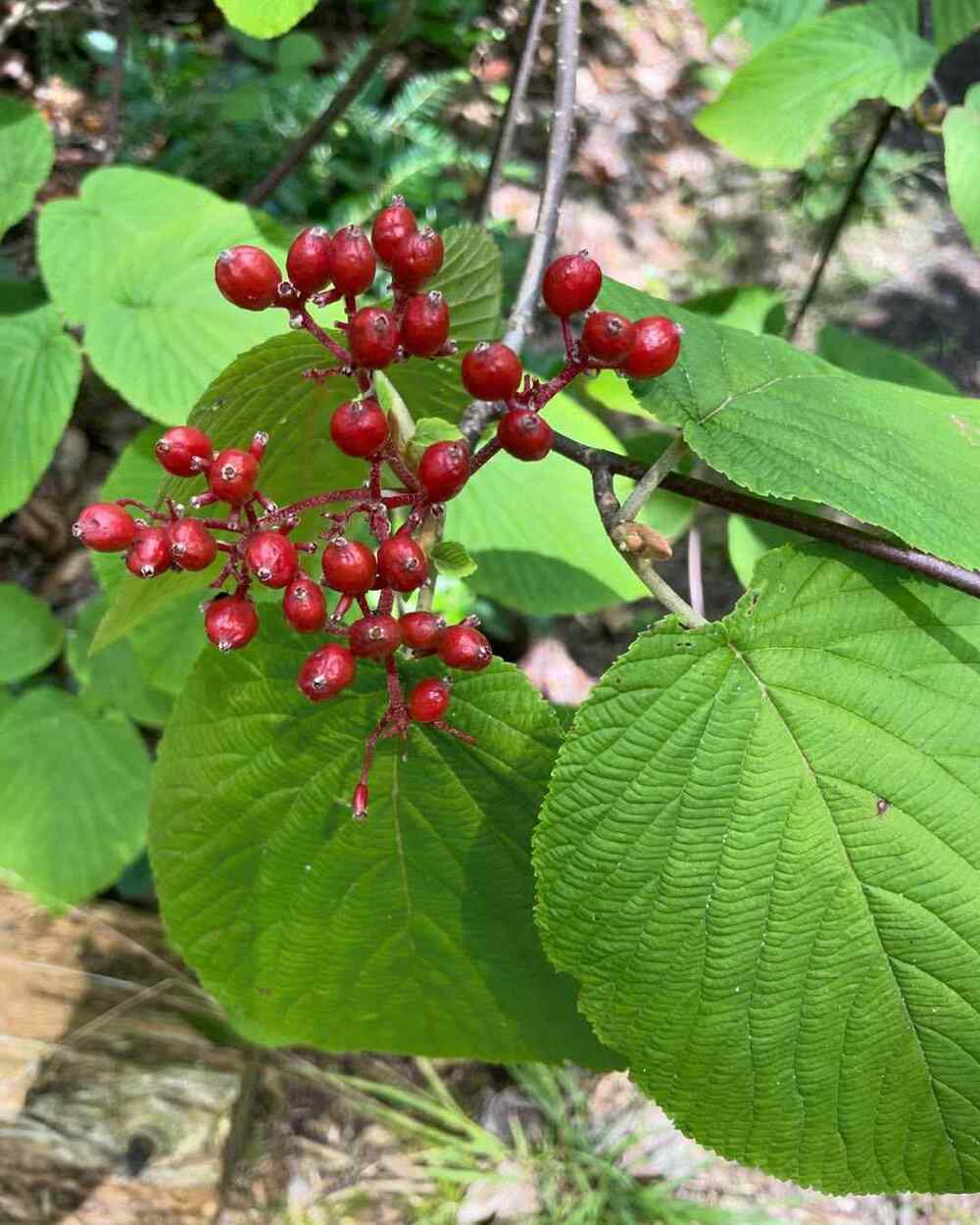
Hobblebush is made for Maine woodland gardens. It has broad, textured leaves, showy white spring flowers, and a quiet elegance that feels right near pines and maples. It prefers cool, damp shade, so it’s a gift for gardeners who don’t have full sun.
Best placement: Woodland edges, shaded paths, north/east-facing foundations, and beneath high tree canopies with dappled light.
How to succeed (specific steps):
-
Plant in rich, moisture-retentive soil; add compost at planting.
-
Keep the root zone evenly moist; mulch helps a lot.
-
Avoid hot, dry locations—hobblebush will sulk in reflected heat.
-
Minimal pruning: remove dead wood after flowering.
Aesthetic orientation: Use hobblebush where you want the landscape to feel soft and settled, like it’s always been there—perfect near stone walls or natural boulders.
7) Virginia Rose (Rosa virginiana)
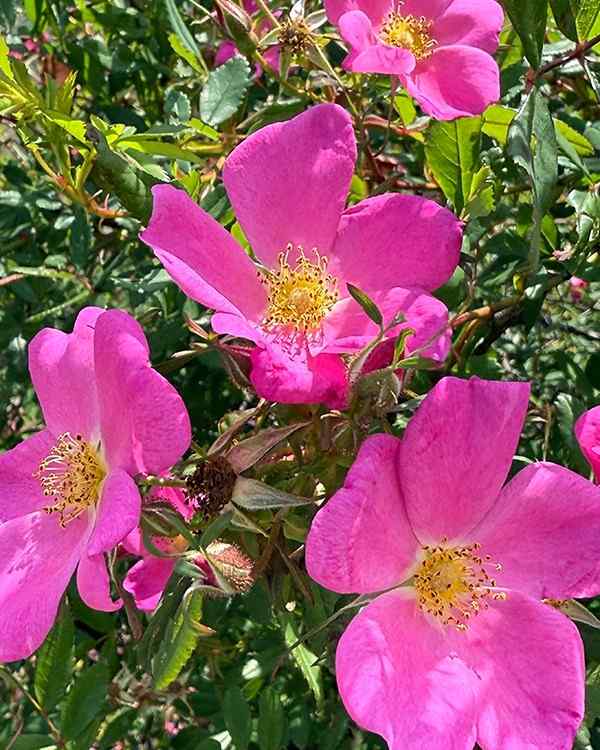
If you want a native shrub with pink summer flowers, bird-feeding hips, and strong red fall color, Virginia rose checks every box. It’s also sturdier than many fussy modern roses and better suited to a natural Maine setting.
Best placement: Sunny borders, meadow-style plantings, and along fences where it can form a protective, wildlife-friendly thicket.
How to succeed (specific steps):
-
Plant in full sun for best flowering and disease resistance.
-
Give it room; it can spread.
-
Water during establishment; afterward it’s moderately drought-tolerant.
-
Prune in early spring: remove dead/crossing canes and thin slightly for airflow.
Design tip: For a neat look, use it as a “soft barrier” along property lines; for a wilder look, let it mingle with grasses and asters.
8) Summersweet / Sweet Pepperbush (Clethra alnifolia)
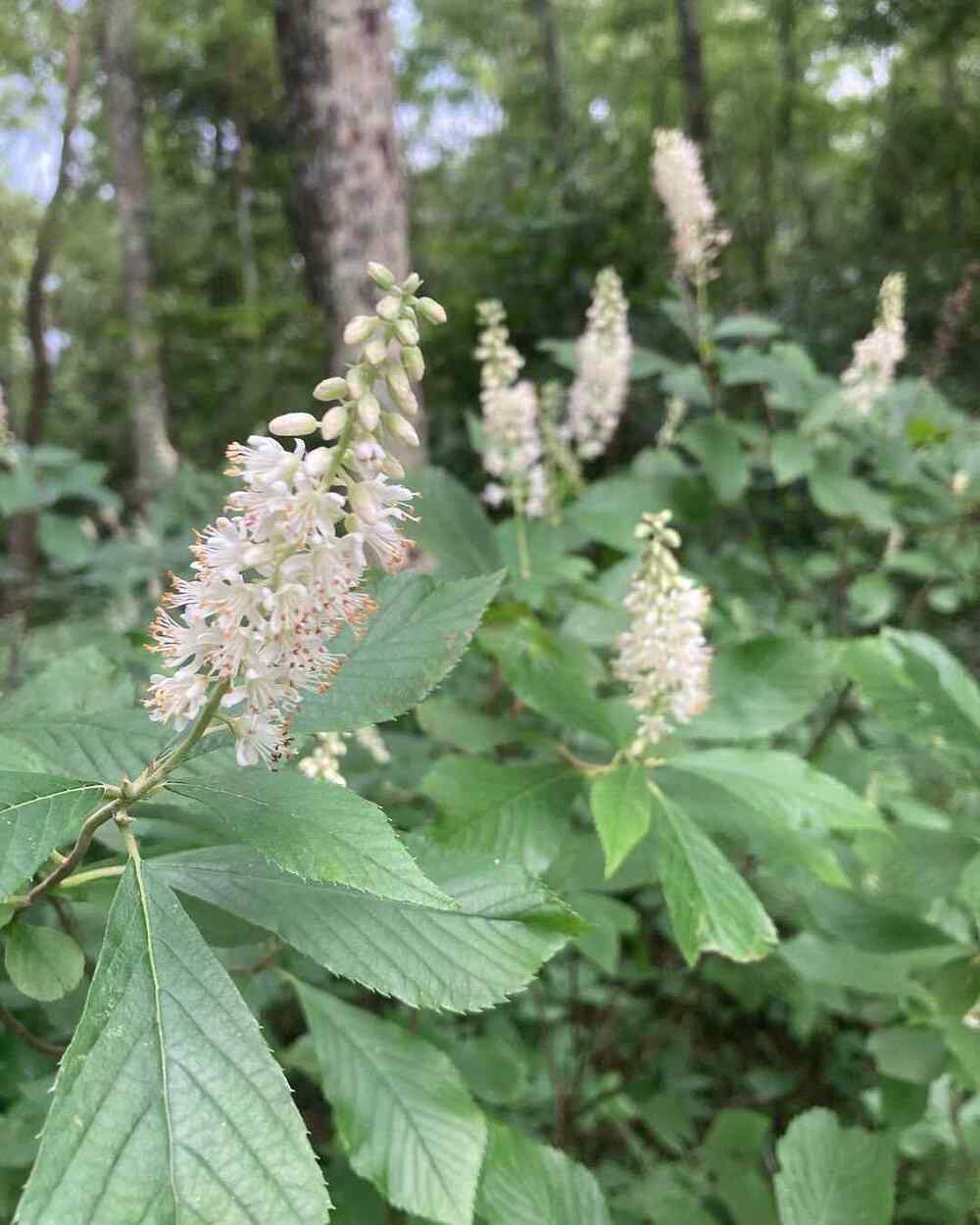
Clethra is a late-season hero. When many shrubs are done, it produces fragrant white flower spikes that pull in bees and butterflies. In humid Maine summers, that scent can make a patio feel like a garden destination.
Best placement: Moist soil in sun to part shade. It’s excellent near decks, walkways, and seating where fragrance matters.
How to succeed (specific steps):
-
Plant where soil stays evenly moist; it tolerates wet feet better than drought.
-
Mulch to stabilize moisture and temperature swings.
-
Prune in early spring if you want a denser shape; it blooms on new wood.
-
If suckering happens, simply thin stems to keep it contained.
Aesthetic move: Place it near an entry or bench so you get that “summer perfume moment” without trying.
9) Ninebark (Physocarpus opulifolius)
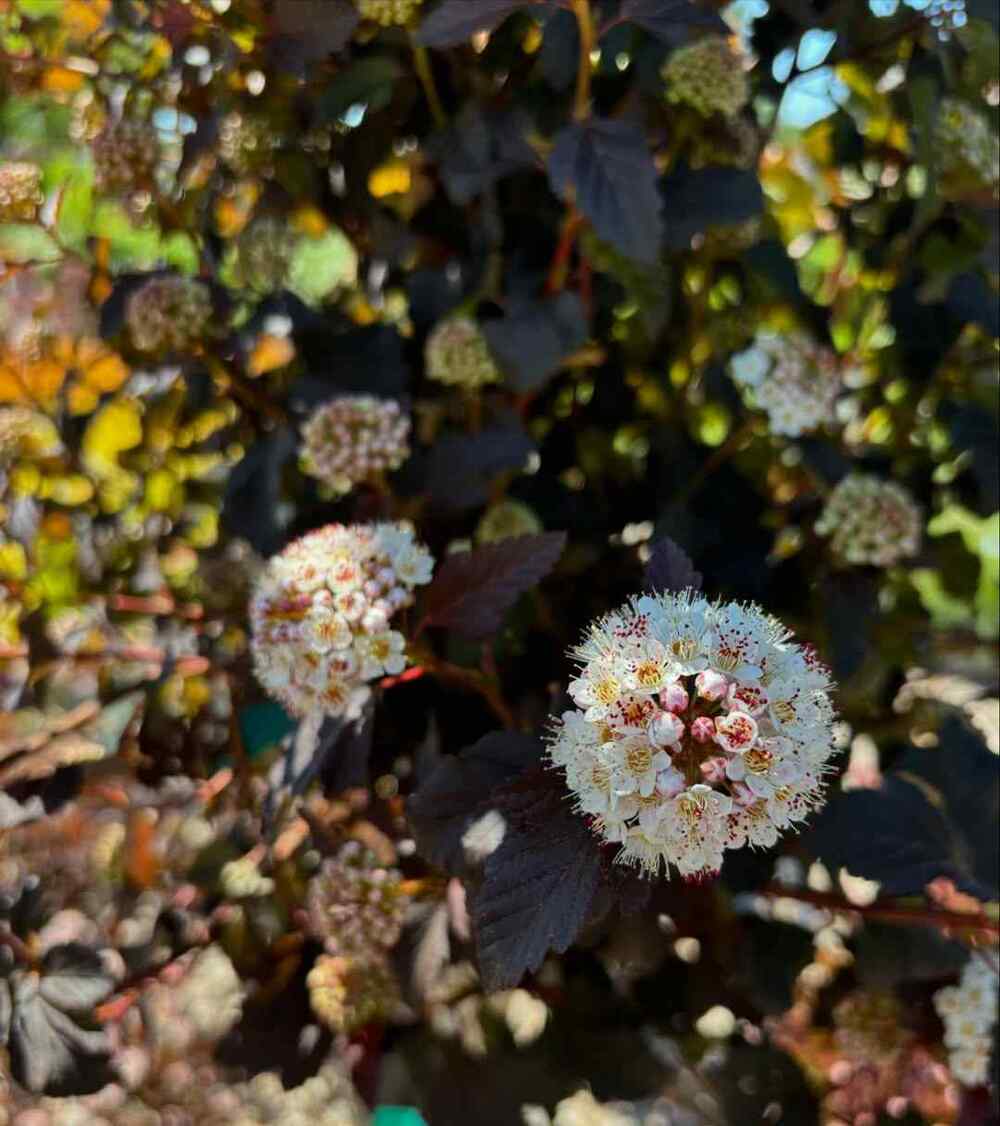
Ninebark gives you structure fast. It’s fast-growing, adaptable, and has exfoliating bark that adds winter texture. Spring brings clusters of white flowers, and it handles a wide range of Maine conditions with very little drama.
Best placement: Full sun to part shade, average soil, even rougher sites once established. It’s great as a back-of-border anchor or informal screen.
How to succeed (specific steps):
-
Water well the first season; after that it’s hardy and forgiving.
-
Prune after flowering if you want to control size; or do renewal pruning (remove oldest stems) every few years.
-
Give it space—crowding leads to a messy outline.
Design tip: Use ninebark to create a “framework” shrub layer, then add finer textures (ferns, grasses) in front for a balanced Maine look.
10) Canadian Yew (Taxus canadensis)
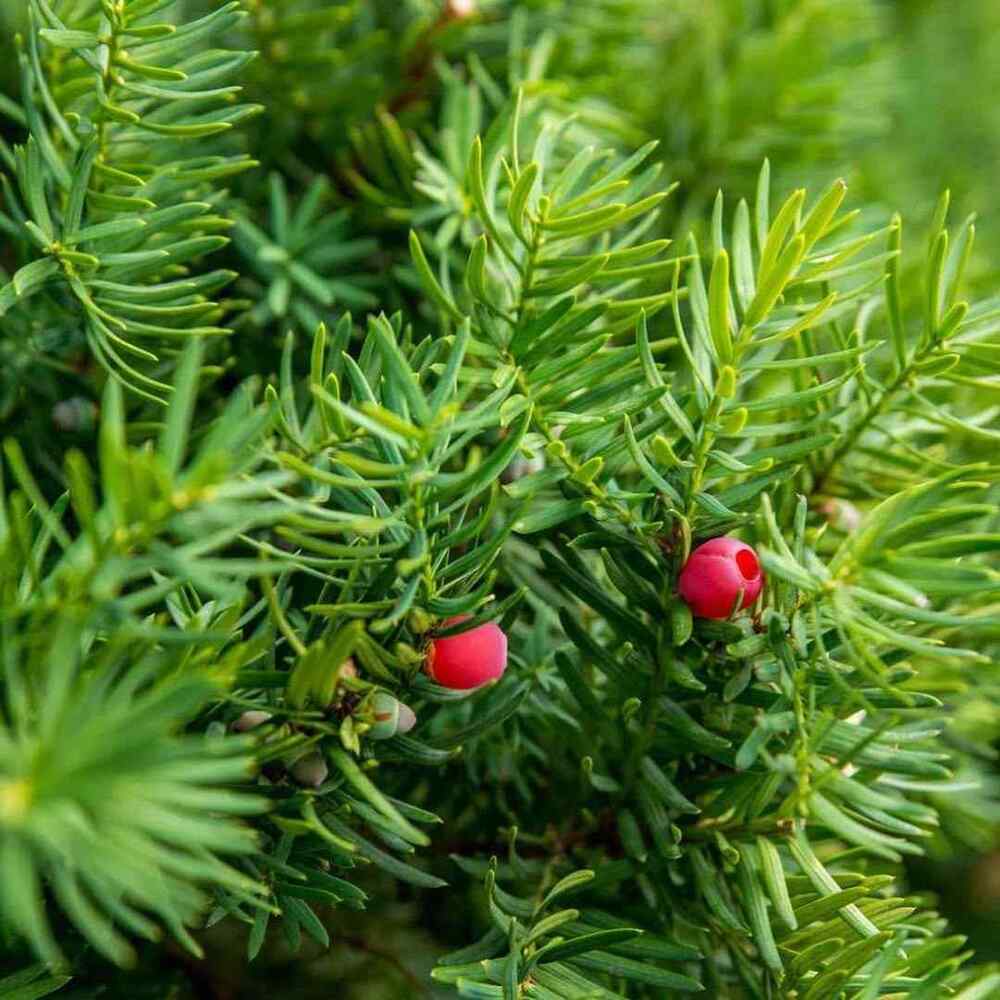
Canadian yew is a rare native evergreen that truly earns a place in Maine shade gardens. It’s low and spreading, handles cold, and offers that year-round green grounding that makes everything else look intentional—even in February.
Best placement: Shade to part shade, sheltered from harsh winter wind if possible. Ideal under tall evergreens or on the north side of buildings where other evergreens struggle.
How to succeed (specific steps):
-
Plant in well-drained soil; it likes moisture but not standing water.
-
Mulch lightly to protect shallow roots.
-
Water during dry spells in the first two years.
-
Minimal pruning; just tidy in early spring.
Safety note: Like many yews, plant parts can be toxic if ingested—site it thoughtfully if pets or small children nibble plants.
FAQ: Shrubs for Maine
1) What are the easiest low-maintenance shrubs for Maine winters?
Northern bayberry, bush honeysuckle (Diervilla), and ninebark are among the most forgiving once established, especially in mixed soil conditions.
2) Which shrubs provide the best winter interest in Maine?
Winterberry for berries, red-osier dogwood for red stems, and Canadian yew for evergreen structure are reliable winter performers.
3) Can I plant these shrubs in coastal Maine with wind and salt spray?
Northern bayberry is the standout for coastal toughness. Ninebark can also perform well with some shelter; prioritize wind protection during establishment.
4) How many shrubs should I plant together for the best visual impact?
For strong design, plant in groups of 3, 5, or 7 of the same shrub (especially dogwood, winterberry, and clethra). It reads more intentional and provides better habitat.