If you garden in the Bayou State, you already know the rules: heat, humidity, sudden downpours, and long summers. The good news is that the right shrubs for Louisiana can make your yard feel calm and intentional year-round—privacy when you want it, flowers when you need it, and evergreen structure when everything else fades. Below are 11 reliable choices—native or well-adapted—written with practical “do this, avoid that” guidance so you can plant with confidence.
Table of Contents
Shrubs for Louisiana: Camellia (Camellia japonica / sasanqua)
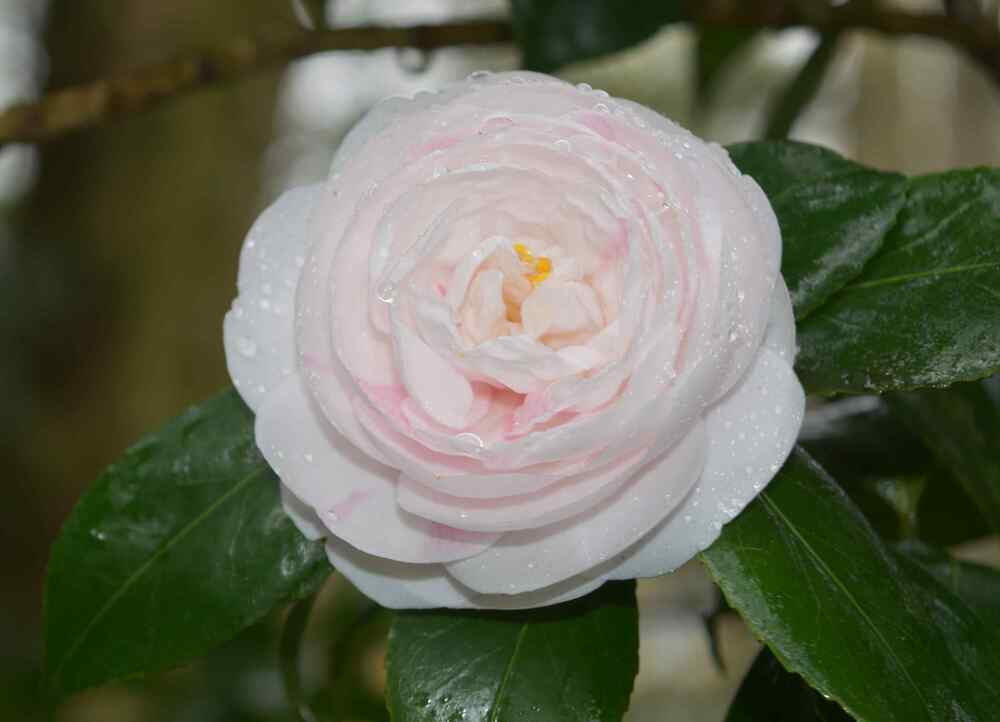
Camellias are the “dress-up” shrubs that still handle real-life Louisiana conditions. Camellia japonica usually blooms in winter to early spring, while Camellia sasanqua often blooms fall into early winter, giving you color when most landscapes go quiet. Their glossy evergreen leaves also keep beds from feeling bare.
Where they shine in Louisiana: part shade to filtered shade—think under tall pines, along an east-facing wall, or near a porch where morning light is gentle. In full afternoon sun, leaves can scorch and buds may drop in heat waves.
Planting and soil guidance: Camellias are happiest in acidic, well-drained soil. If your soil stays wet after rain, mound the planting area or amend heavily with pine bark fines. Plant so the root flare sits slightly above grade, then mulch with pine straw for that classic Southern finish.
Care that actually matters:
-
Water deeply the first year, especially during late summer heat.
-
Prune lightly right after flowering (don’t shear like a hedge).
-
Feed with an acid-loving fertilizer in spring; avoid overfeeding, which can reduce blooms.
Design tip: Use camellias near entry paths or seating. You’ll notice them most when they bloom—cool-season color is a luxury in Louisiana.
Azalea (Rhododendron spp.)
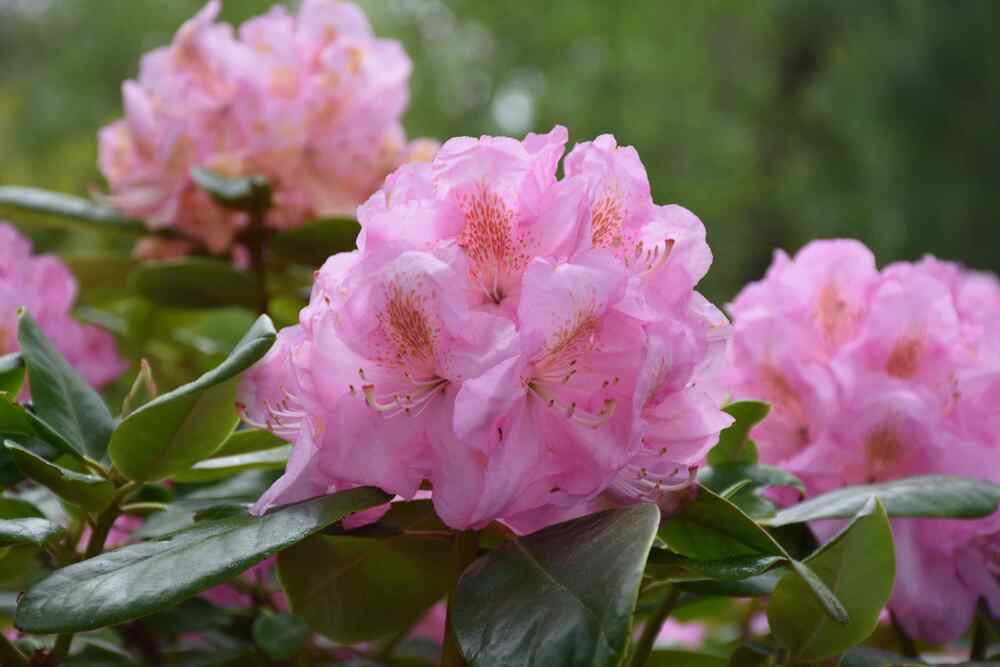
Azaleas are a Louisiana classic because they deliver a true “spring moment”—a burst of color that feels like the season officially arrived. Many varieties are evergreen (especially the Southern Indica types), while others are deciduous, offering lighter texture through winter.
Where they shine: partial shade is ideal—bright morning sun, afternoon protection. In deep shade, flowering drops; in harsh sun, leaves stress and blooms fade fast.
Soil and placement: Azaleas want acidic soil and excellent drainage. If your yard is heavy clay, don’t fight it—build a raised bed or berm and plant into amended soil. Keep them away from downspouts and low spots that stay soggy.
Care guidance:
-
Mulch to keep roots cool; azalea roots sit shallow.
-
Water consistently during bud set (late summer into fall) to prevent sparse blooms.
-
Prune immediately after flowering if you need shape; pruning later can remove next year’s buds.
Personalized pairing idea: If your home has warm brick or cedar tones, choose soft pinks, whites, and corals. For modern exteriors, try crisp white or hot magenta to create a clean contrast.
Loropetalum / Chinese Fringe Flower (Loropetalum chinense)
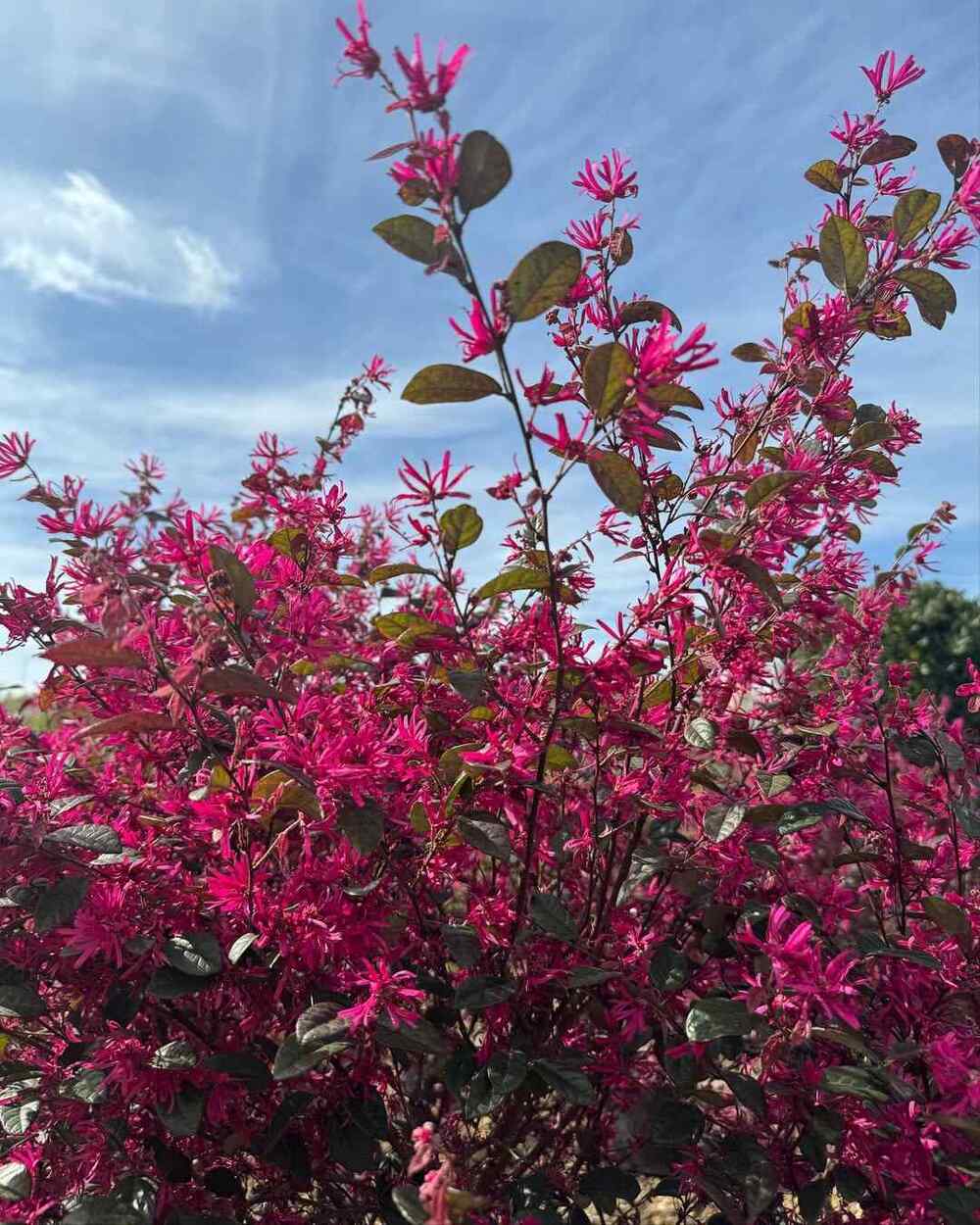
Loropetalum earns its reputation in Louisiana because it’s fast-growing, heat-tolerant, and visually rich even when it’s not flowering. Many cultivars carry burgundy or purple foliage all year, and the fringe-like blooms (often hot pink) appear in spring with repeat flushes.
Where it works best: full sun to part shade. More sun typically means better color and denser growth. In heavy shade, foliage can green up and lose that dramatic tone.
How to use it: This shrub is a designer’s shortcut. One plant can act like a “color anchor” in a foundation bed, especially beside lime-green grasses or silver-leaf perennials. It also performs well as a privacy mass if you select larger cultivars.
Care and control: Loropetalum can outgrow its space if you pick the wrong variety. When shopping, check mature size and choose:
-
Compact/dwarf types for borders and front beds
-
Large forms for screens and back-of-bed structure
Prune selectively after spring bloom—avoid frequent hard cuts that lead to awkward, leggier growth.
Louisiana note: It’s hardy for most of the state, but in colder pockets (north Louisiana), occasional winter damage can happen; it usually rebounds well with spring pruning.
Gardenia (Gardenia jasminoides)
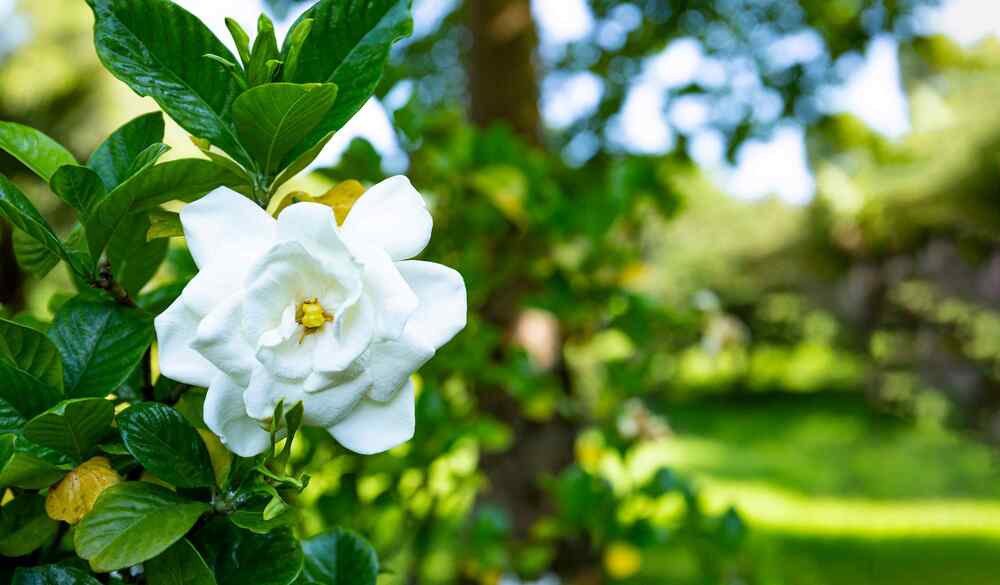
Gardenia is for gardeners who want fragrance that feels personal—like stepping outside and catching a soft perfume near the walkway. In Louisiana’s humidity, gardenias can thrive when they have the right conditions: good drainage, consistent moisture, and protection from harsh afternoon sun.
Best placement: near a patio, front entry, or along a path where you’ll brush past blooms. Morning sun with afternoon shade is the sweet spot. Too much shade reduces flowering; too much sun stresses leaves and buds.
Soil and feeding: Gardenias are acid lovers. If leaves turn pale with green veins, that’s often iron chlorosis, common in soils that are less acidic. Use an acid-forming fertilizer and consider chelated iron if needed.
Watering: Consistent moisture matters most during budding and flowering. Mulch helps prevent the wet/dry swings that cause bud drop.
Pests and solutions: Watch for whiteflies and sooty mold. A strong spray of water, horticultural soap, and improved airflow (avoid crowding) typically helps.
Aesthetic tip: Gardenias look refined with boxwood-like companions or dark evergreens behind them. White blooms pop beautifully against brick, black iron, and deep green foliage.
Viburnum (Viburnum spp.)
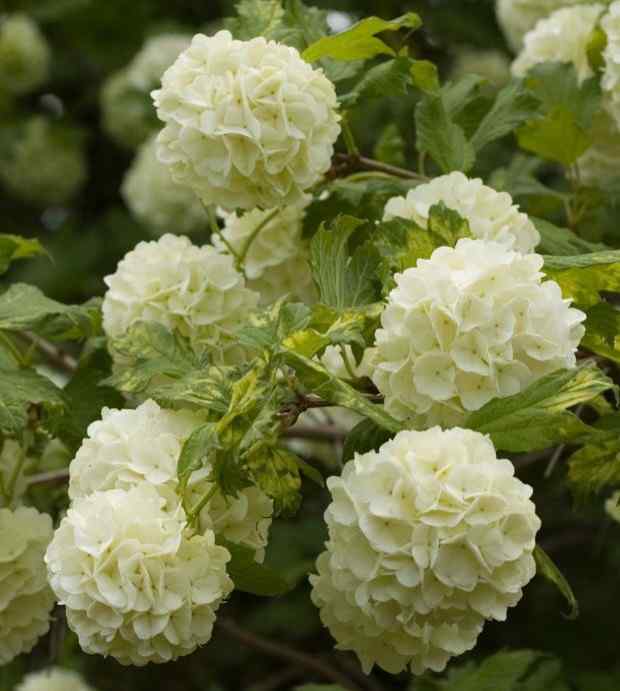
Viburnums are the dependable “utility players” for Louisiana landscapes. You can choose evergreen types for year-round screening or natives that support wildlife with flowers and berries. Options like Viburnum suspensum can serve as dense hedges, while native choices (such as arrowwood viburnum) bring seasonal interest and habitat value.
Where they fit: sun to part shade, depending on the species. Most viburnums flower best with at least half a day of sun, but many tolerate light shade well.
Why Louisiana gardeners keep them:
-
Strong performance in heat and humidity
-
Useful sizes: from medium foundation shrubs to tall screens
-
Flowers plus berries (often a bird favorite)
Care guidance: Plant with space for airflow to reduce leaf spot issues in humid months. Prune after flowering, and use thinning cuts (removing select branches) instead of shearing—this keeps the plant handsome and natural.
Design move: If your goal is privacy without a “wall” feel, plant viburnum in a soft staggered row and underplant with shade-tolerant groundcovers. You’ll get screening plus a layered, garden-like look.
Indian Hawthorn (Rhaphiolepis indica)
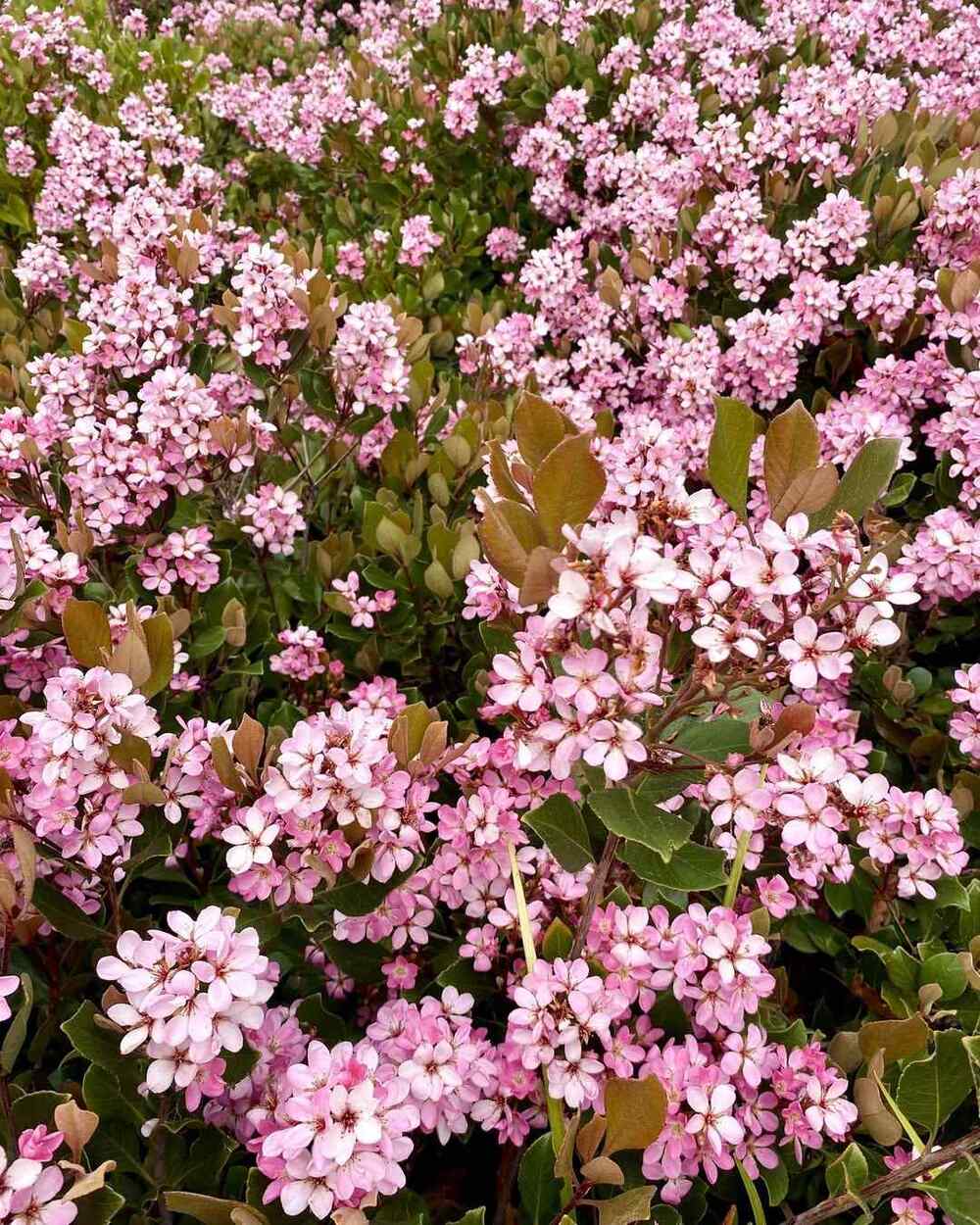
Indian hawthorn is a calm, low-maintenance evergreen that suits tidy borders and foundation plantings. It stays compact, flowers in spring (white or pink), and often provides subtle berry interest afterward. For Louisiana homeowners who want a neat look without weekly fuss, it’s a strong pick.
Placement: full sun to light shade. More sun gives better flowering and tighter growth. Avoid very wet sites—root problems can follow.
Key care points in Louisiana humidity: Airflow is crucial. Indian hawthorn can be prone to leaf spot when plants are crowded and watered overhead. Space plants properly, water at the base, and avoid heavy shearing that creates a dense outer “shell” and traps moisture.
Pruning: Minimal. Light shaping after bloom is enough. If you want a clean line along a walkway, choose a naturally compact cultivar rather than forcing a large one to stay small.
Style tip: Indian hawthorn looks polished with gravel paths, brick edging, and symmetrical layouts. If your home has a formal vibe, this shrub supports it effortlessly.
Wax Myrtle (Morella cerifera)
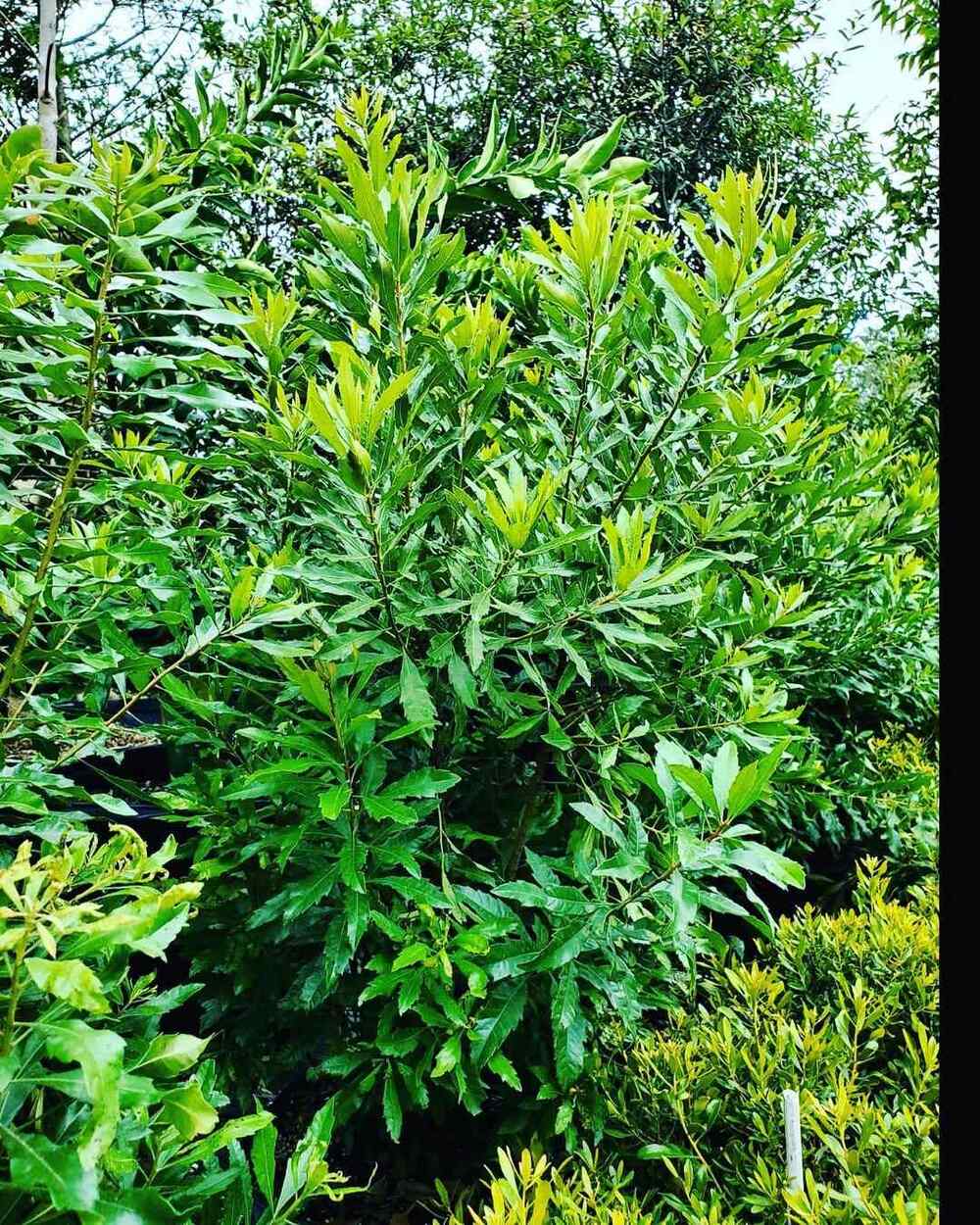
Wax myrtle is a Louisiana workhorse—native, fast-growing, and excellent for privacy. It can grow as a large shrub or small tree, and it handles heat, wind, and periods of drought once established. The aromatic foliage is a bonus: brush it and you’ll notice a clean, resinous scent.
Where it excels: full sun to part shade, especially in larger yards where a quick screen is welcome. It’s also a strong choice for more natural, coastal, or wildlife-friendly landscapes.
What to expect: Wax myrtle grows quickly, so it’s ideal when you want results soon. But plan for maintenance: left alone, it can become tall and a bit open at the base.
Care and shaping:
-
For a dense screen, plant in a staggered line and tip-prune lightly while young.
-
For a small-tree look, remove lower limbs gradually and keep a few strong trunks.
-
Water in the first year; after that, it’s resilient.
Wildlife value: Birds use it for cover and may feed on the waxy berries. If your yard feels too “quiet,” wax myrtle adds life without demanding constant attention.
Yaupon Holly (Ilex vomitoria)
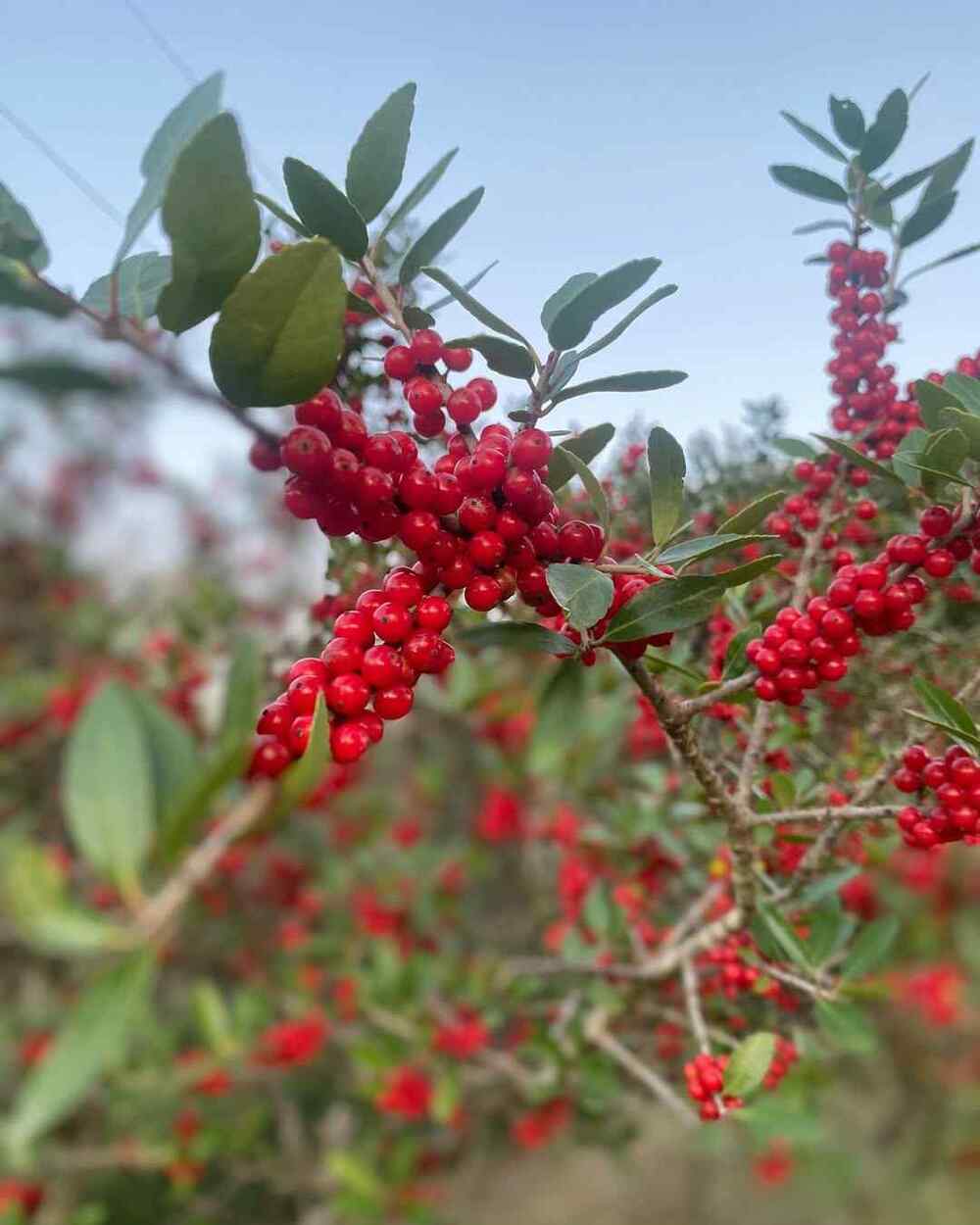
Yaupon holly is one of the toughest native evergreens you can plant in Louisiana. It tolerates heat, humidity, pruning, poor soils, and even some coastal conditions. Cultivars range from upright screens to dwarf mounds and elegant weeping forms. Many female plants produce red berries in winter (you’ll need a male nearby for fruiting).
Placement: sun to part shade. More sun generally means denser growth and more berries (when pollinated).
Why it’s such a smart Louisiana choice: It provides structure year-round, handles storms better than many soft-wood shrubs, and can be shaped formally or kept natural.
Care: Low. Water to establish, mulch, and prune if you want a hedge. If you prefer a natural look, thin branches occasionally rather than shearing.
Design suggestion: Use upright yaupons as “green pillars” near corners of the house or at the ends of planting beds. For smaller spaces, a dwarf yaupon gives a clean evergreen base layer without overpowering the bed.
Bottlebrush (Callistemon spp.)
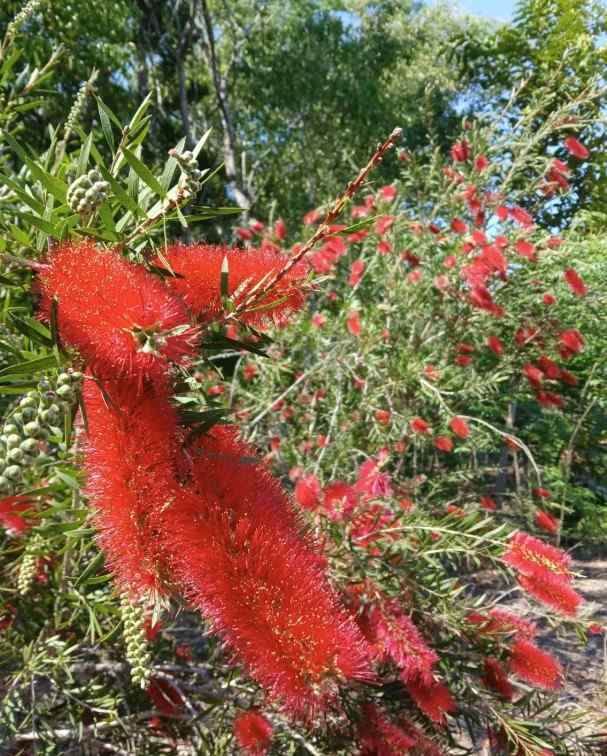
Bottlebrush brings bold, hummingbird-friendly blooms that handle Louisiana sun with confidence. The red, brush-like flowers create that “wow” moment in late spring and early summer, and many plants rebloom. Foliage is typically evergreen in warm areas, offering year-round texture.
Best placement: full sun. Bottlebrush can tolerate some shade, but flowering is best with strong light. Good drainage is important—avoid spots that stay soggy after thunderstorms.
Care:
-
Water regularly until established; after that, it’s fairly drought-tolerant.
-
Light pruning after bloom encourages branching and repeat flowering.
-
Protect young plants from rare hard freezes in colder parts of the state (north Louisiana), especially during their first couple of winters.
Aesthetic and lifestyle fit: If you love motion—pollinators, birds, and vivid color—bottlebrush feels energetic and cheerful. Plant it near a window or porch so you can enjoy the hummingbird visits without trying.
Hydrangea (Hydrangea macrophylla)
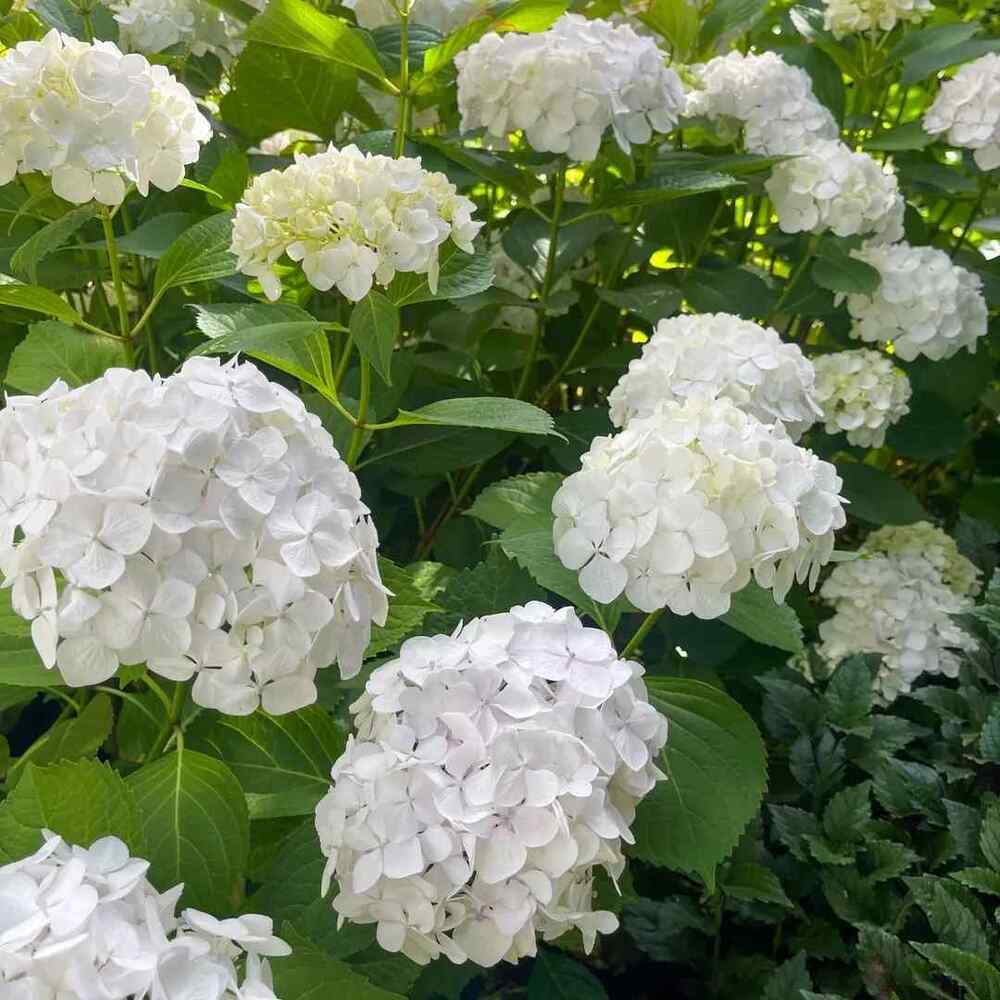
Hydrangeas are a favorite for Louisiana shade gardens because they offer big, soft blooms that feel romantic and abundant. In the Gulf South, they appreciate morning sun and afternoon shade, plus consistent moisture. When placed well, they can look like a “finished garden” even if the rest of the yard is simple.
Placement: bright shade or gentle morning sun. Hot afternoon sun can cause wilting and crispy edges. Hydrangeas also appreciate protection from strong winds that can damage large blooms.
Color notes: Many bigleaf hydrangeas shift color based on soil chemistry—often bluer in more acidic conditions and pinker in less acidic soils. Louisiana soils vary widely, so treat color as a pleasant surprise unless you’re actively adjusting pH.
Watering: These shrubs are not drought lovers. Mulch deeply and water at the base during dry stretches, especially in summer.
Pruning caution: Some types bloom on old wood, meaning heavy pruning at the wrong time can reduce flowers. A safe approach: remove dead wood, tidy lightly after flowering, and avoid severe cutting unless you know the cultivar’s bloom habit.
Design tip: Hydrangeas look best when given breathing room—pair them with ferns, hostas, or low evergreen edging to make the blooms feel intentional, not crowded.
Tea Olive (Osmanthus fragrans)
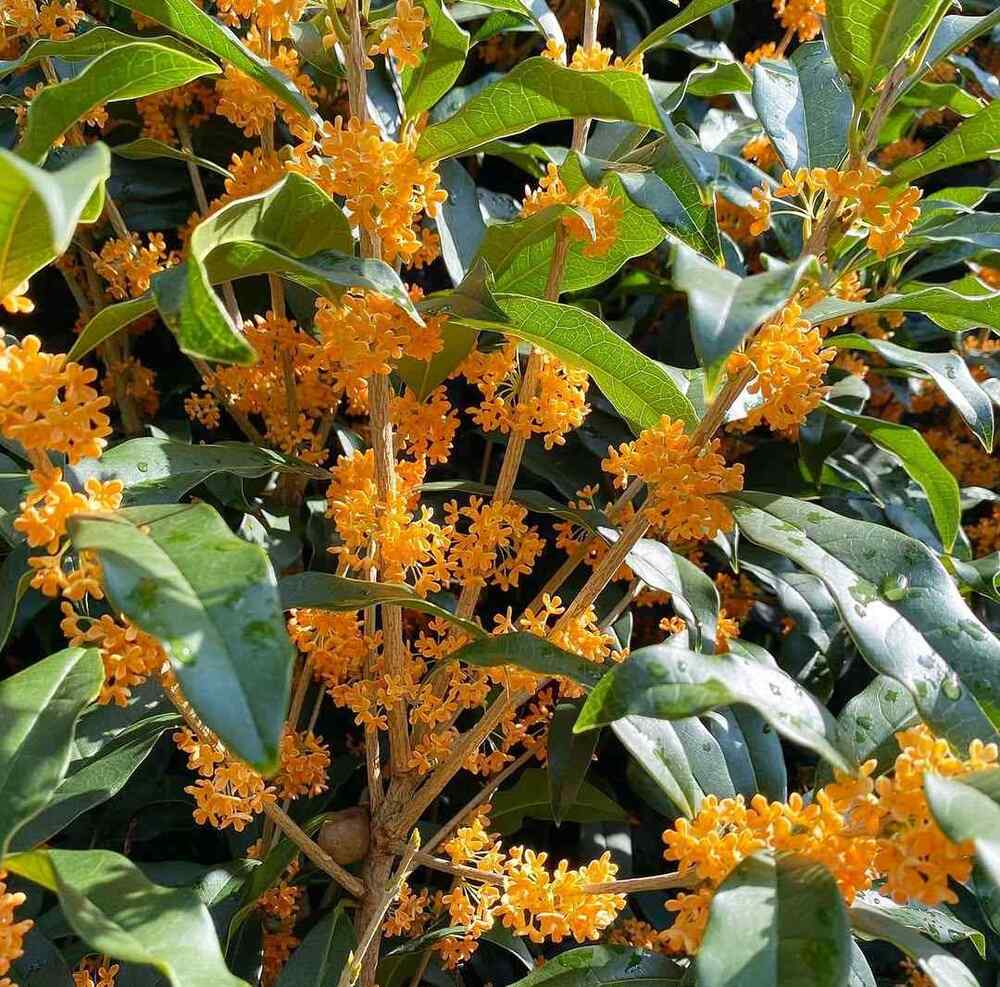
Tea olive is the fragrance shrub for people who want something subtle but unforgettable. The flowers are small and not flashy, yet the scent can carry—especially in fall and sometimes winter—turning an ordinary walkway into a “stop and breathe” spot.
Placement: sun to part shade. It tolerates a range of light, though flowering is often stronger with more sun. It also works well as a large evergreen screen or background shrub, especially where you want privacy without prickly leaves.
Growth habit: Typically a large, dense evergreen shrub (sometimes small tree-like). Give it space; it can become a major anchor plant over time.
Care: Tea olive is generally low-maintenance once established. Water during the first year, mulch, and prune only when needed to shape. Avoid hard shearing; it looks best with a natural form or gently maintained hedge lines.
Personalized use: Plant tea olive near the driveway, front entry, or back gate—places you pass often. The fragrance becomes part of your home’s “signature,” especially in cooler months when outdoor scent is rare.
Quick success checklist for Louisiana shrubs
-
Planting timing: spring or early fall gives roots time to establish before extreme heat or cold snaps.
-
Soil: many favorites (azalea, camellia, gardenia) prefer acidic conditions and good drainage.
-
Mulch: 2–3 inches helps manage heat and moisture swings; keep mulch off the trunk.
-
Watering: deep, infrequent watering beats daily sprinkles—especially during the first year.
-
Right plant, right light: shade-lovers in morning sun/afternoon shade; sun-lovers in open, bright areas.
FAQ: Shrubs for Louisiana
1) What are the easiest low-maintenance shrubs for Louisiana heat?
Yaupon holly and wax myrtle are among the toughest once established, and loropetalum is also very forgiving with sun and heat.
2) Which shrubs work best for privacy screening in Louisiana?
Wax myrtle, larger viburnums, tea olive, and upright yaupon holly create reliable evergreen screens.
3) What shrubs handle partial shade and still flower well?
Camellias, azaleas, gardenias (with enough light), and hydrangeas do well with morning sun and afternoon shade.
4) When is the best time to plant shrubs in Louisiana?
Spring and early fall are ideal so roots establish before peak summer heat and humidity.
5) How do I know if my soil is too alkaline for acid-loving shrubs?
If gardenias or azaleas show yellowing leaves with green veins, it can signal pH-related nutrient issues; a basic soil test and acid-loving fertilizer program usually helps.