If you want shrubs for Kentucky that thrive with less fuss, start with native species. They’re already tuned to Kentucky’s heat, humidity, winter swings, and rain patterns—so you get reliable blooms, berries, fall color, and bird activity without constant pampering. I’m writing this from a practical, “what actually works in real yards” perspective: choose plants that match your light and soil, then place them where their best features show up from your porch, driveway, or favorite window.
Table of Contents
Shrubs for Kentucky: a simple way to choose the right one
Before planting, take two quick notes: sun level (full sun, part shade, shade) and soil moisture (dry, average, moist). Then pick shrubs with multi-season interest—flowers for spring/summer, berries for birds, and good structure for winter. For a polished, intentional look, repeat the same shrub in groups of 3 or 5, and layer heights: taller along fences, medium near corners, and lower near walkways. Water deeply the first year, mulch 2–3 inches (keep it off stems), and prune at the right time so you don’t cut off next season’s blooms.
1) Spicebush (Lindera benzoin)
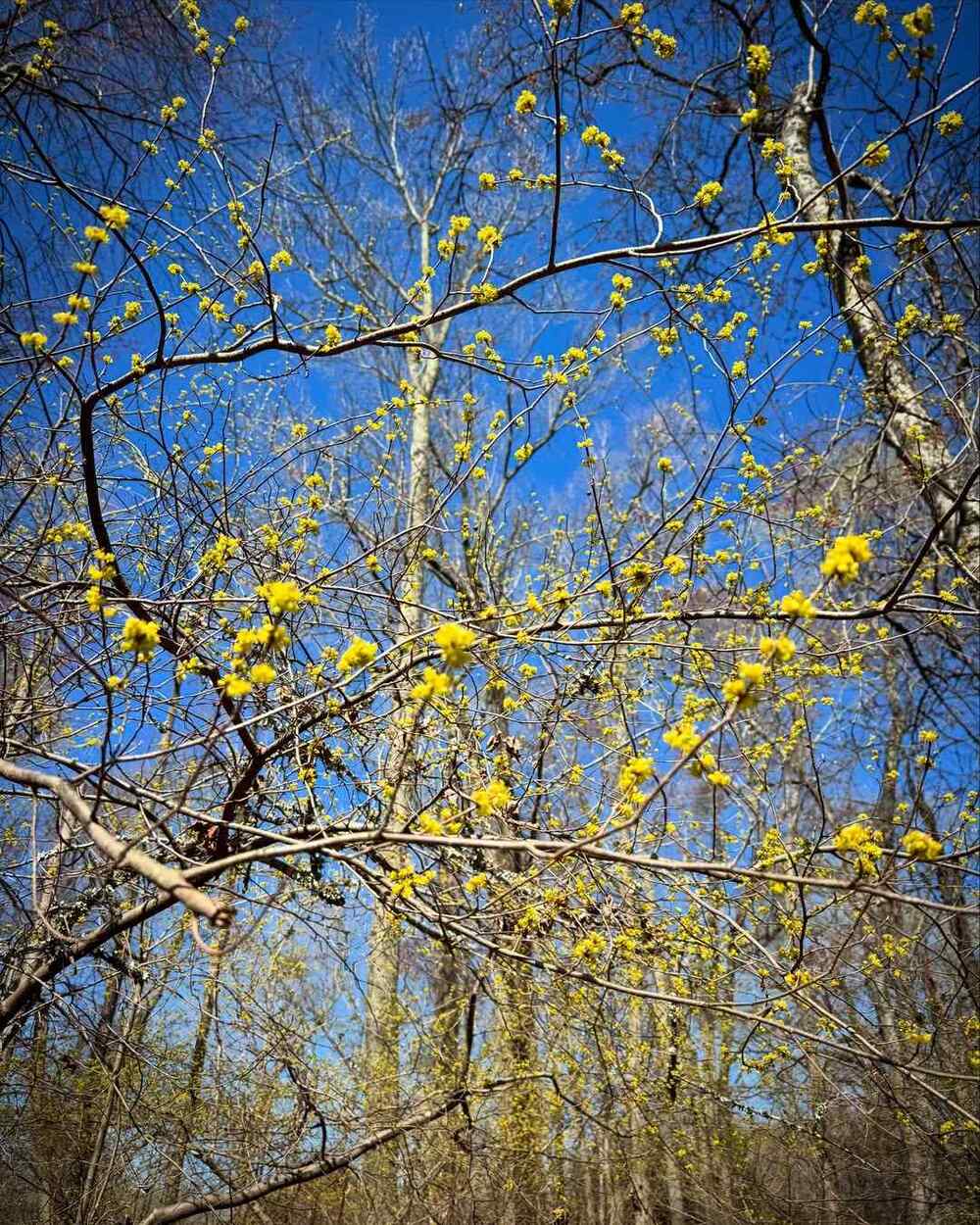
Spicebush is the “soft woodland glow” shrub I recommend when you want a natural, calm vibe under trees. In early spring, it opens small yellow flowers before leaves, so shaded beds still feel lively. Crush a leaf and you’ll get that pleasant, spicy scent—great near a path where you brush past it. The red berries on female plants add late-season color and feed birds, and it’s a host plant for the Spicebush Swallowtail (a big win if you like butterflies). Plant in part shade to shade with moist, rich soil; it tolerates average conditions once established. Pair it with ferns for a quiet, native-forest look.
2) Oakleaf Hydrangea (Hydrangea quercifolia)
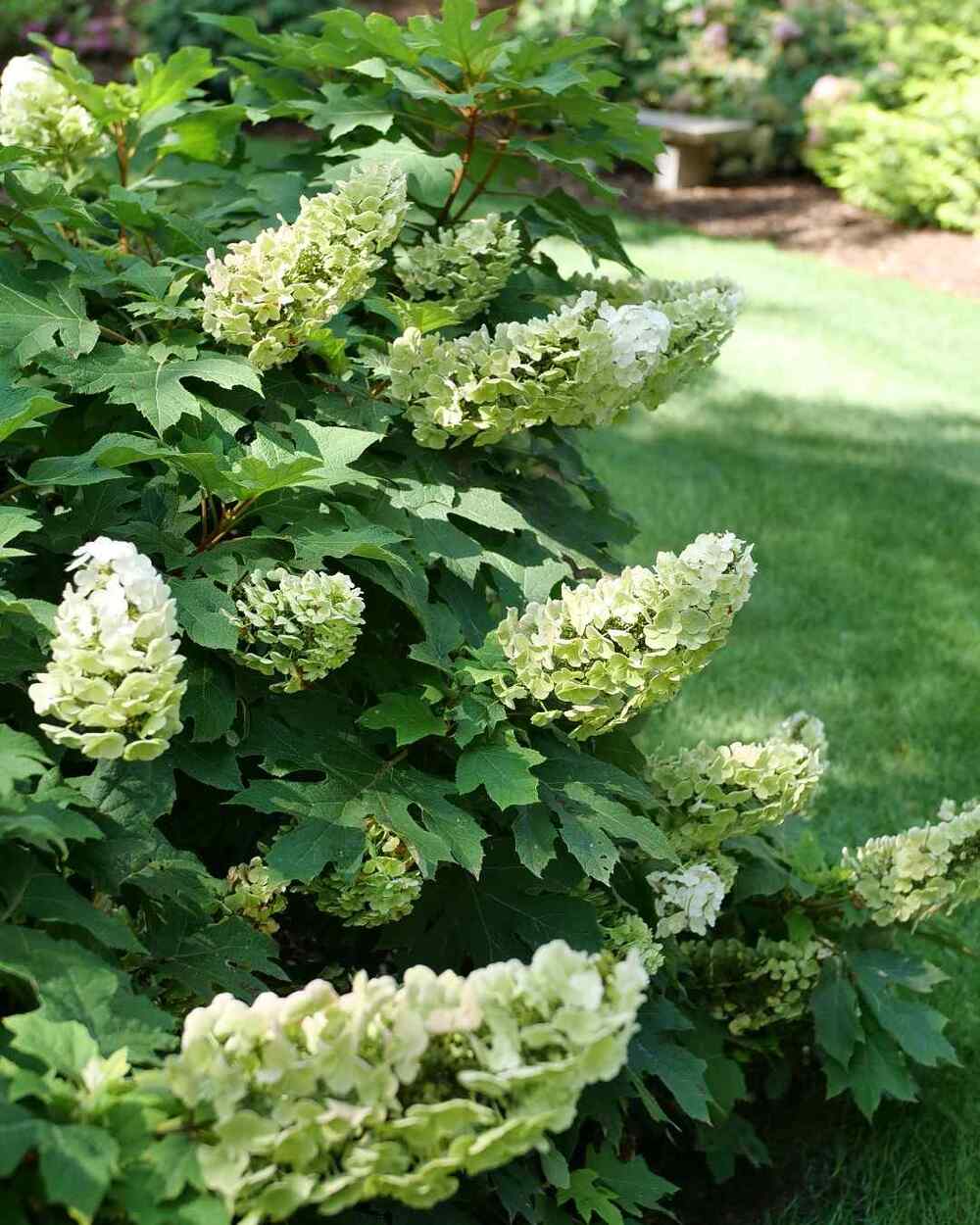
Oakleaf hydrangea brings “classic Southern elegance” that still feels at home in Kentucky landscapes. Its large cone-shaped blooms show up in summer, aging into soft tones that look refined against brick, stone, or dark mulch. The real secret is year-round appeal: bold, oak-shaped leaves, rich fall color, and peeling bark that adds texture in winter. Put it where you’ll see it often—front foundation corners or a side-yard seating spot. It prefers morning sun and afternoon shade or bright shade, with even moisture. Prune only after flowering if needed; heavy pruning can reduce blooms. Add a simple edging and it instantly looks designed.
3) Ninebark (Physocarpus opulifolius)
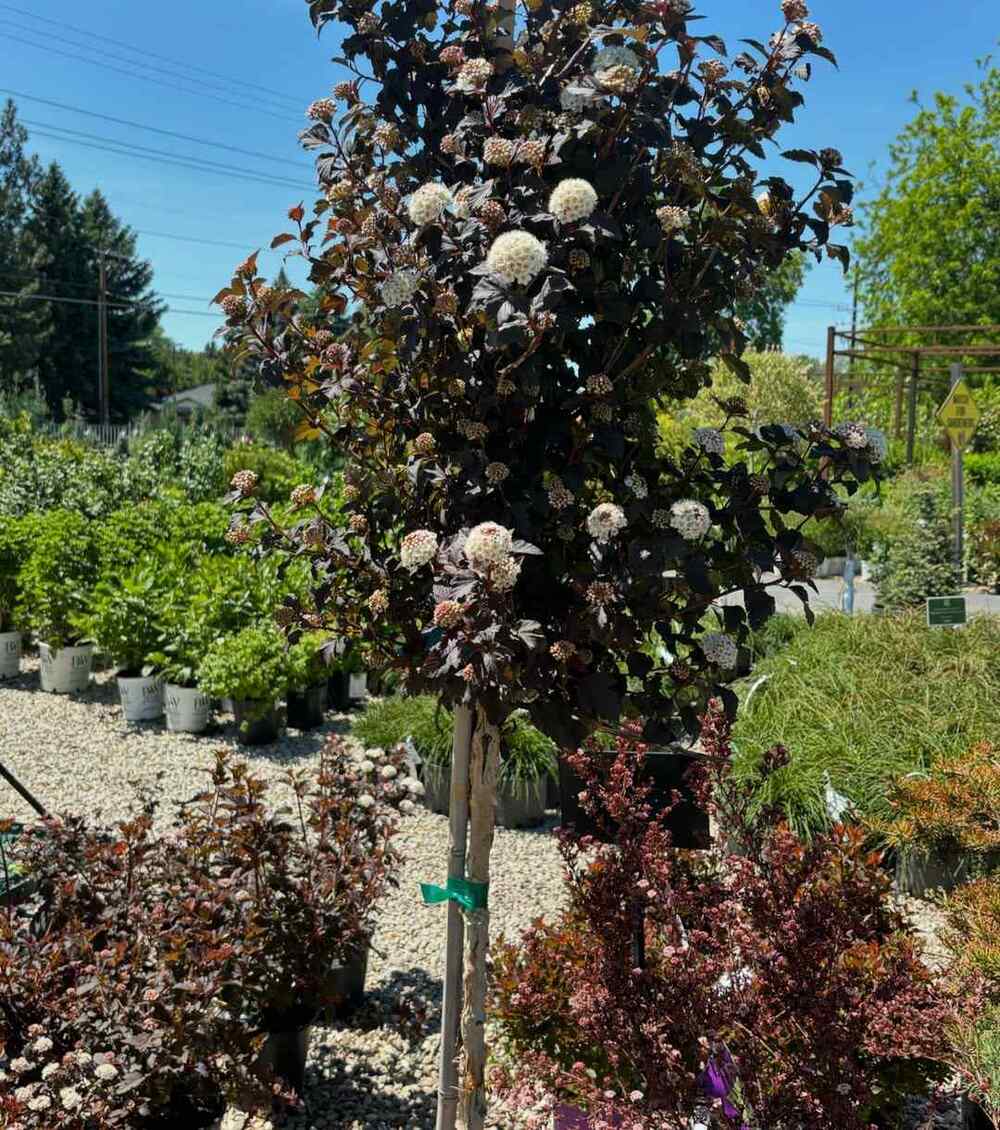
Ninebark is the workhorse for homeowners who want structure, flowers, and toughness in one plant. In late spring, it carries clusters of white blooms that pollinators visit, then the foliage and exfoliating bark keep the shrub interesting even when nothing else is flowering. If you have a slope or a spot where rainwater moves soil, ninebark is excellent for erosion control thanks to its hardy growth. Give it full sun to part shade; more sun usually means denser growth. It tolerates clay and average soils well. For a clean, modern look, use it as a repeating backbone shrub and lightly thin older stems every few years for better shape.
4) Arrowwood Viburnum (Viburnum dentatum)
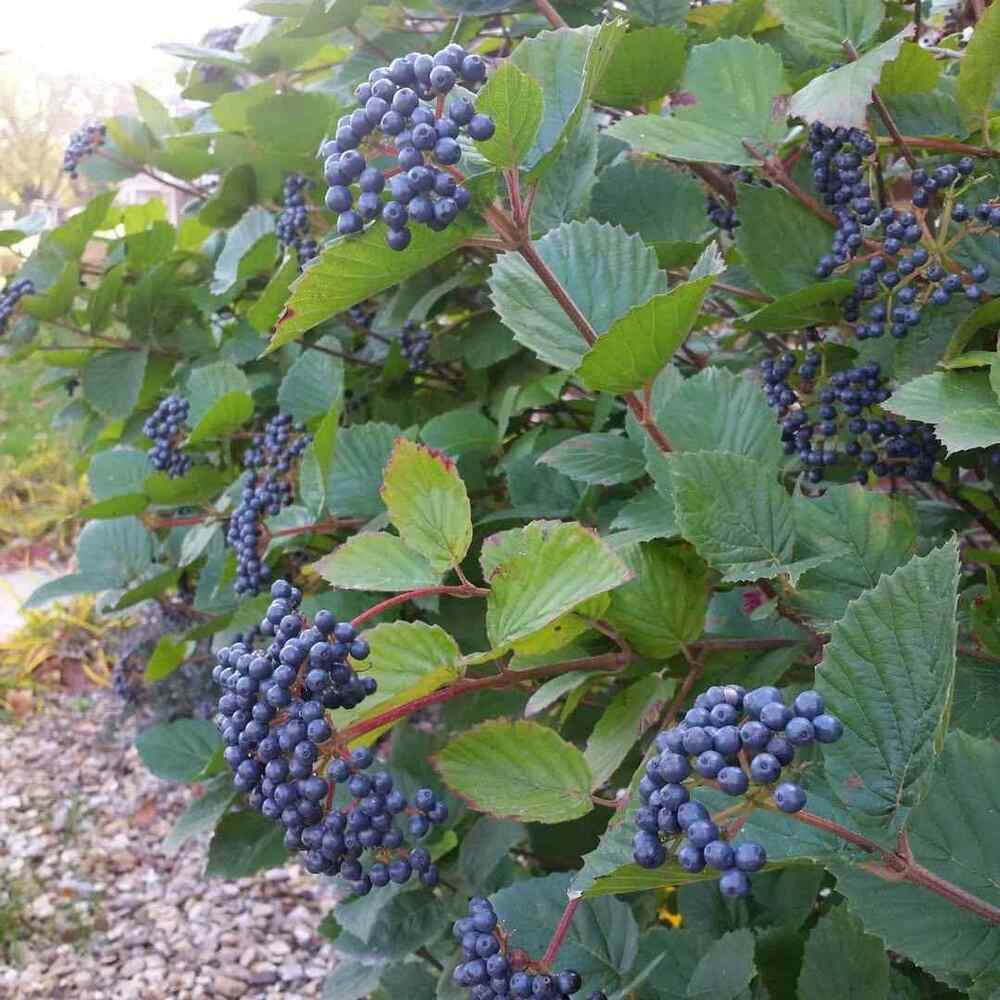
Arrowwood viburnum is a smart choice when you want a “neat hedge” feel without the constant drama of fussy plants. It produces creamy white spring flowers, followed by blue-black berries that birds readily take. In fall, foliage often shifts to burgundy tones, making it a seasonal highlight near a patio or driveway. It handles a wide range of Kentucky conditions—full sun to part shade, and average to moist soil. For best fruiting, plant more than one viburnum nearby (many viburnums benefit from cross-pollination). If you prefer a formal look, shear lightly after bloom; if you like a natural shape, just remove a few older stems at the base each year.
5) American Hazelnut (Corylus americana)
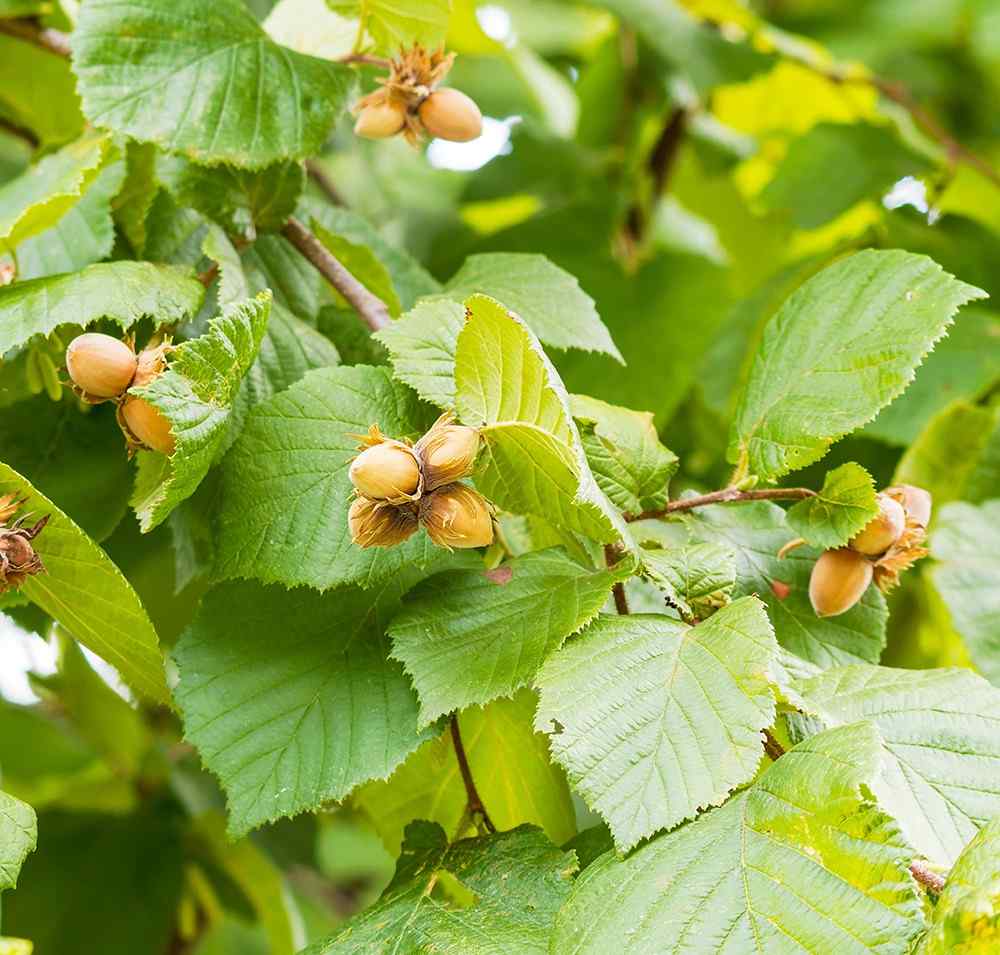
American hazelnut gives you a practical, cozy “homestead border” aesthetic while also feeding wildlife (and potentially you). It forms a multi-stem shrub that’s excellent for privacy screening along property lines. The nuts are edible, and squirrels and birds will often beat you to some of the harvest—so think of it as a shared buffet. Hazelnut prefers full sun to part shade and average soils; it’s adaptable and generally sturdy. To keep it tidy, thin out older stems every few years and let the strongest young stems take over. Place it where you want a natural thicket look, then soften the front edge with shorter natives for a layered, intentional planting.
6) Elderberry (Sambucus canadensis)
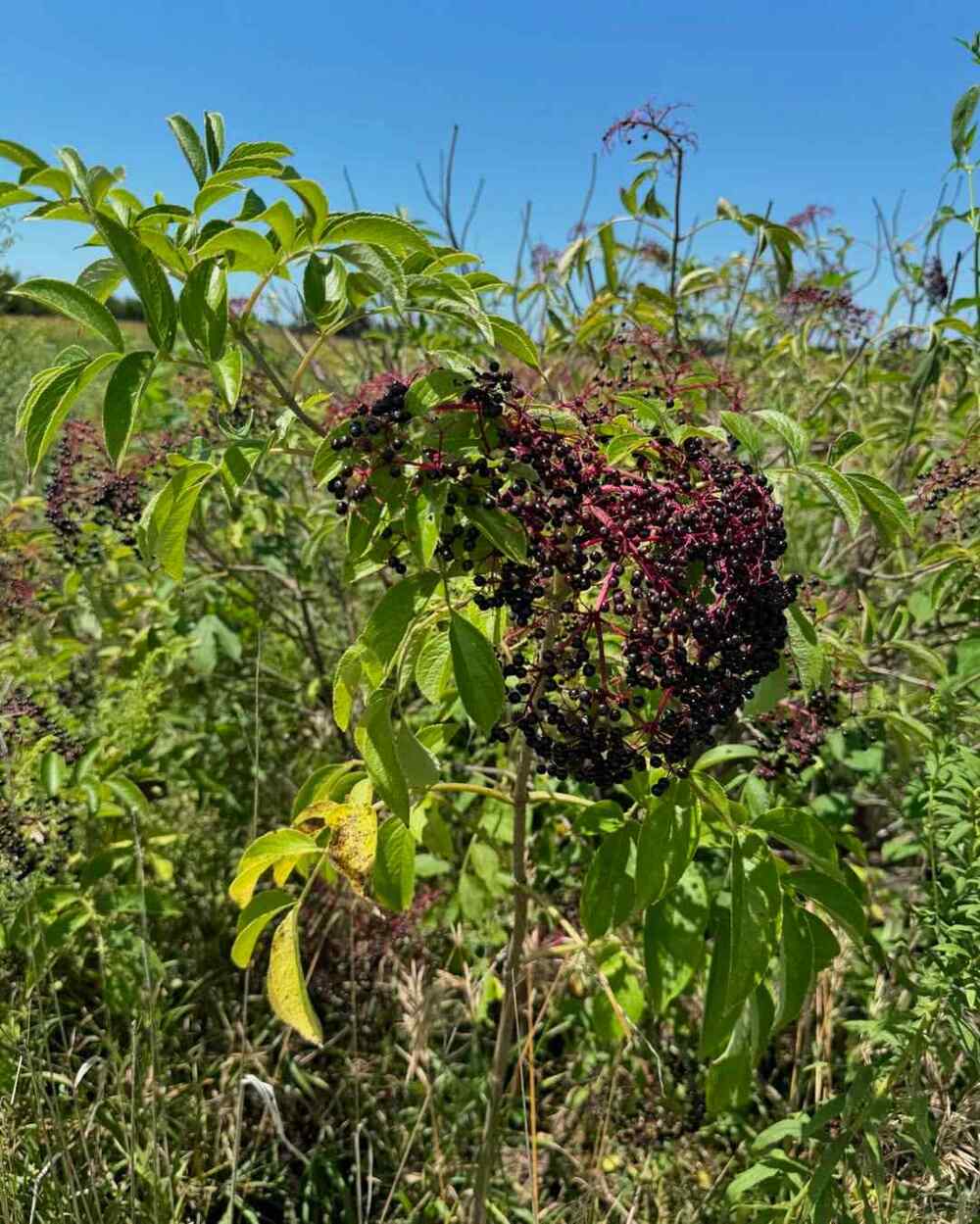
Elderberry is for gardeners who want fast results and a “lush, cottage-garden” energy. It grows quickly and can become a large shrub, so give it room or plan to prune. In summer, it produces creamy flower clusters that feel airy and bright, followed by dark edible berries that are famous for syrups and jams (use proper preparation; don’t eat raw berries straight from the bush). Wildlife loves it, and it’s especially useful on the edge of a yard where you want a naturalized look. Plant in full sun to part shade with moist, fertile soil for best performance. After fruiting, you can remove a few old canes to keep growth vigorous.
7) Winterberry (Ilex verticillata)
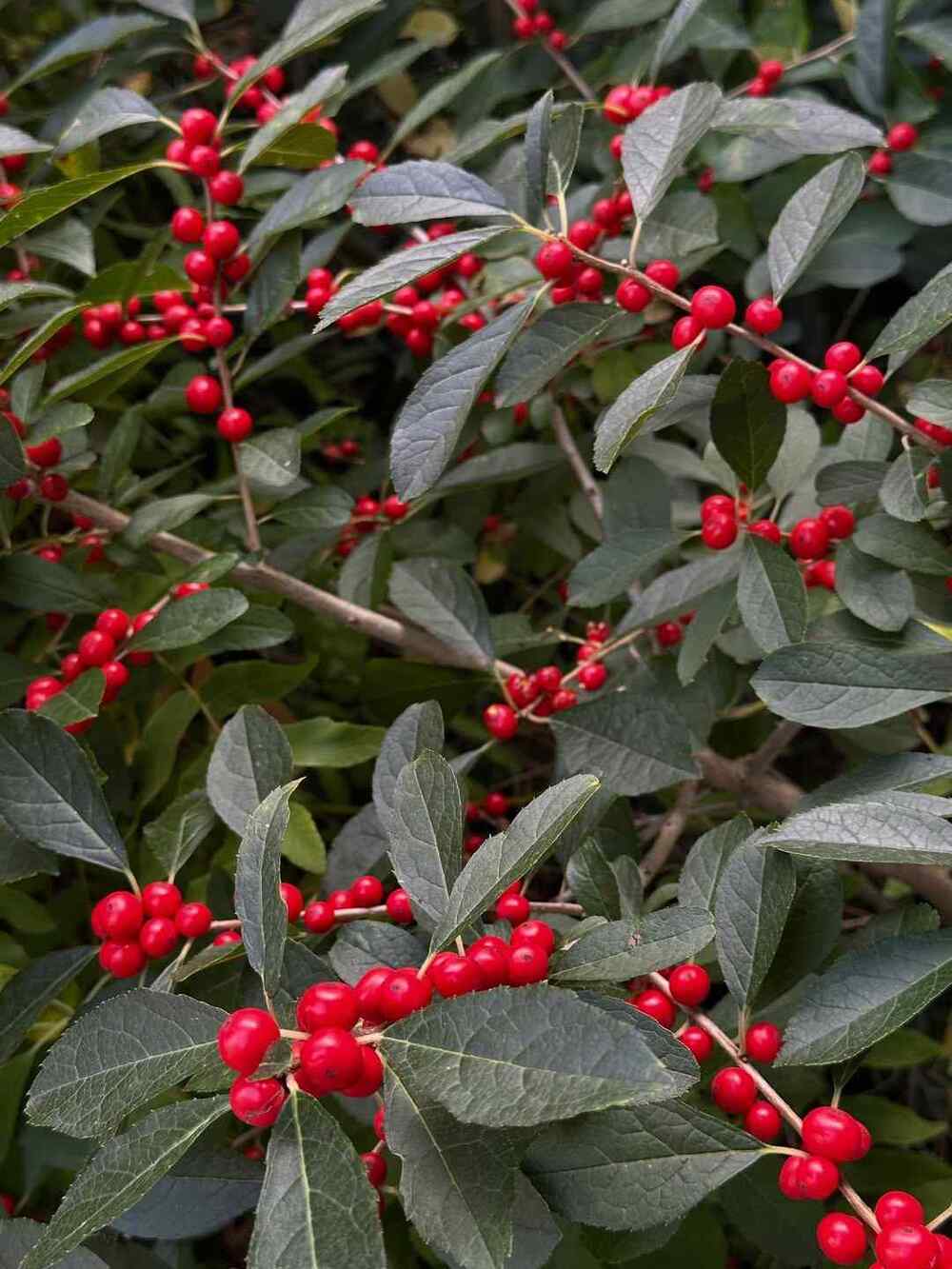
Winterberry is the shrub that earns its keep when everything else looks bare. It drops its leaves in fall, then holds bright red berries through winter—instant holiday color without decorations. This is perfect near a front walkway, mailbox bed, or anywhere you want winter curb appeal. Winterberry prefers moist to wet soil, so it shines in low spots or along a rain garden edge. The key detail: you need a male plant nearby for female plants to set berries. Plant in full sun to part shade and mulch well to maintain soil moisture. For a clean design, use winterberry as a focal point and surround it with evergreens or ornamental grasses for contrast.
8) American Beautyberry (Callicarpa americana)
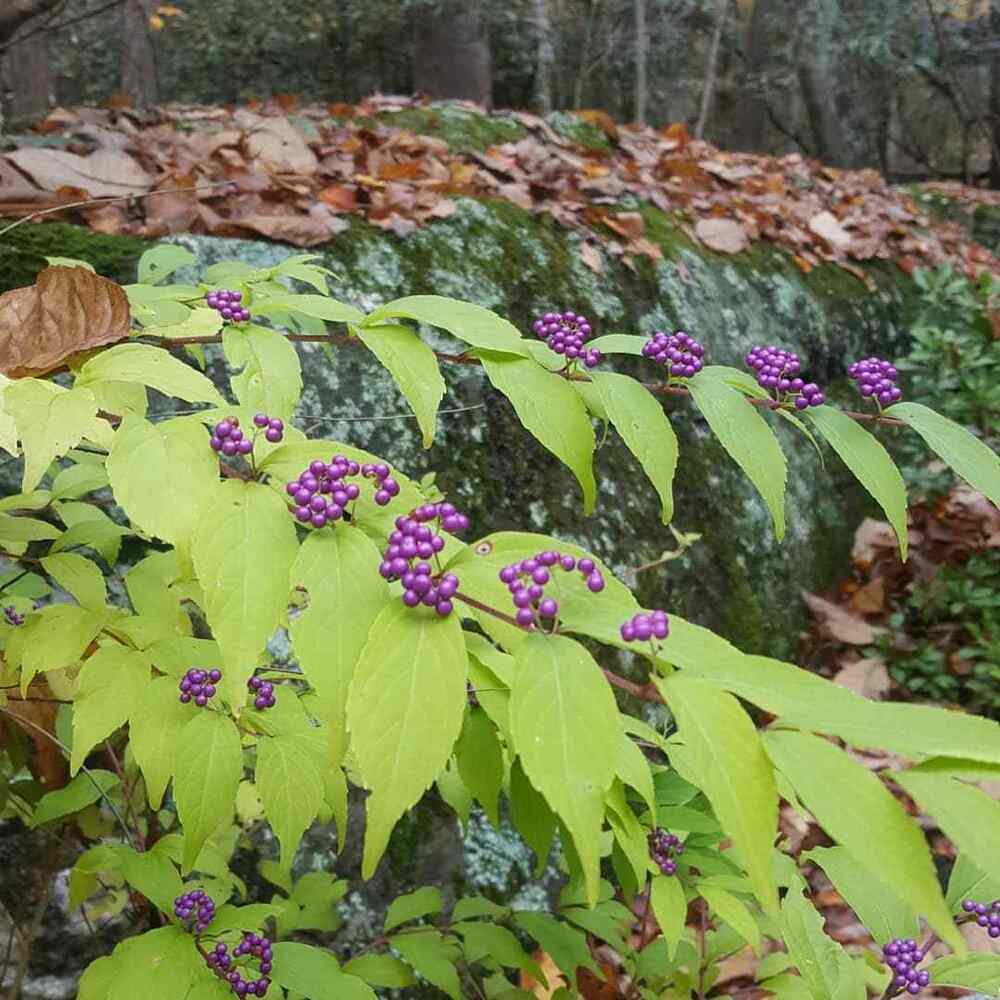
Beautyberry is the “wow” plant for late summer into fall. Those magenta berry clusters look almost unreal, especially against simple green foliage and natural mulch. If your yard needs a pop of color after summer flowers fade, beautyberry delivers. It prefers part shade to full sun, with better berry production in brighter light and decent moisture. In early spring, you can cut it back hard if it gets leggy—this often encourages a fuller shape. Place it where berries are visible from indoors, like near a kitchen window or a favorite sitting area. Pair it with gold-toned fall plants or warm wood fencing for a rich, autumn palette.
9) Silky Dogwood (Cornus amomum)
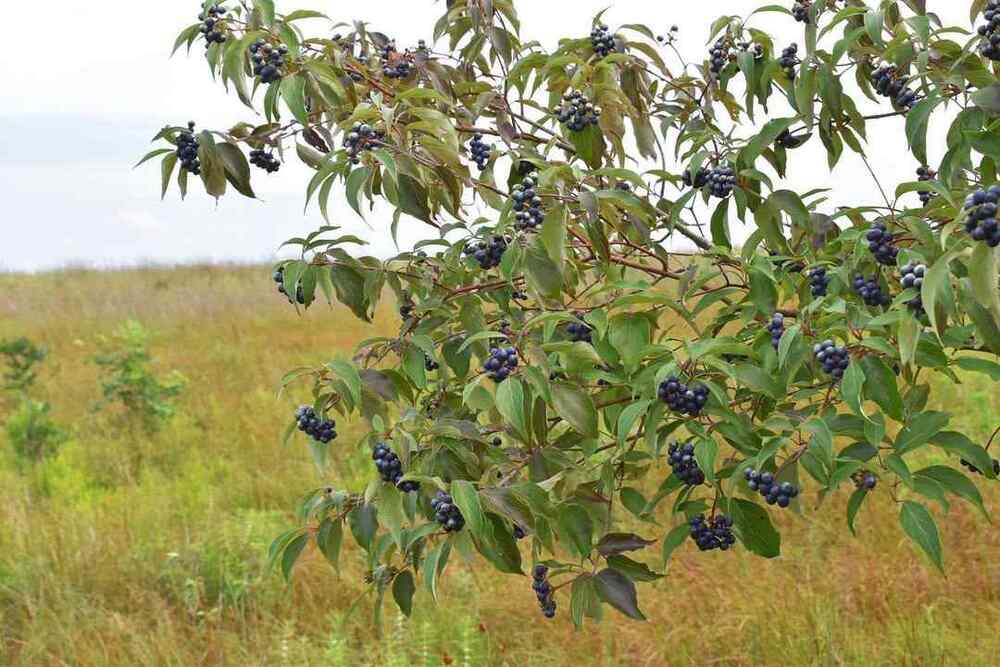
Silky dogwood is a strong pick when you want a “native meadow edge” feel and dependable wildlife support. It grows quickly and produces blue fruits that birds favor, plus clusters of pale flowers that bring in pollinators. It’s also valuable for stabilizing damp areas—think creek edges, low spots, or the back of a rain garden. Give it full sun to part shade and moist soil for best growth. The stems can add subtle winter interest, especially when planted in a group. For a cleaner look, prune out a few older stems at ground level every year or two. Use it as a soft screen that still feels natural, not rigid.
10) Rosebay Rhododendron (Rhododendron maximum)
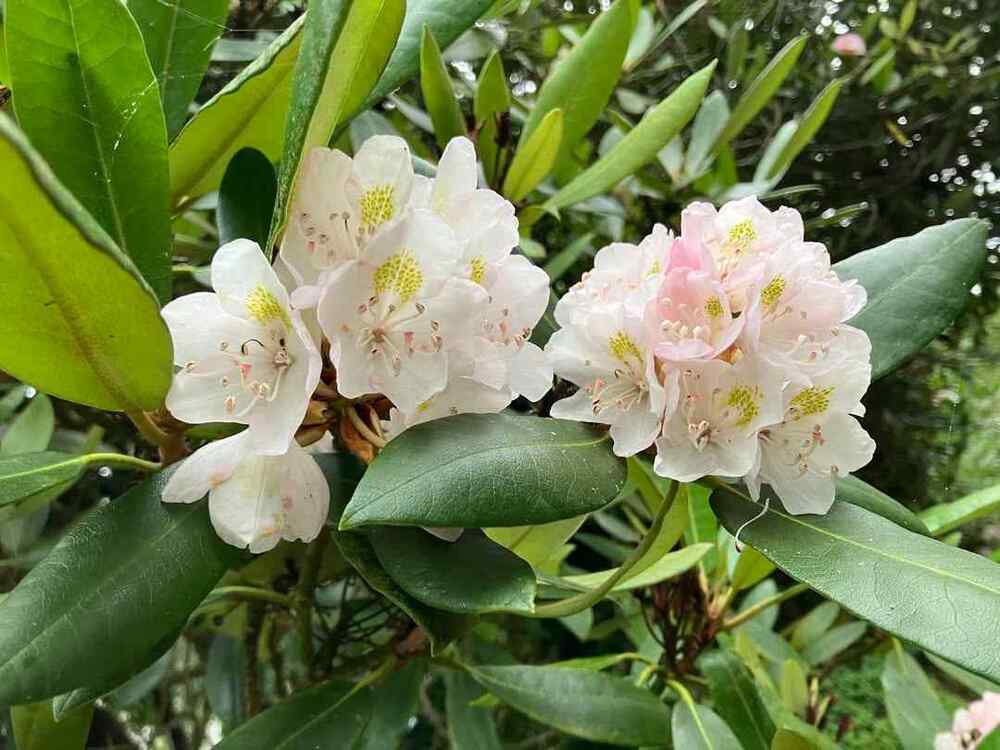
Rosebay rhododendron is your native evergreen anchor for Kentucky woodlands and shaded foundations. It has large leathery leaves that hold structure year-round, and it blooms with white-to-pink flower clusters that feel serene rather than flashy. If you want a calm, upscale landscape style—especially under mature trees—this shrub fits. The biggest success factor is soil: it needs acidic, well-drained, organic-rich soil and benefits from consistent moisture (not soggy roots). Plant in shade to part shade, sheltered from harsh afternoon sun and winter wind. Keep mulch light and wide, avoid heavy pruning, and let it form a natural, layered screen for privacy.