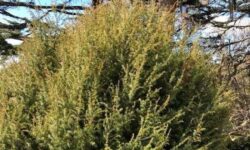
Indiana’s seasons can feel like four different gardens in one year—icy wind in winter, sudden warm-ups in spring, humid summers, then crisp autumn nights. The good news: you can plant shrubs for Indiana that handle these swings and still give you flowers, color, berries, and structure across the calendar. Below are 10 proven choices—mostly native or well-adapted—written with clear care steps so you can pick shrubs that match your yard’s light, soil moisture, and the style you want (tidy foundation plantings, naturalized borders, wildlife-friendly hedges, or a “winter interest” showpiece).
Table of Contents
Shrubs for Indiana: How to Choose the Right One for Your Yard
Before you buy anything, make two quick observations: sun and soil moisture. Stand where you want the shrub at 9 a.m., 1 p.m., and 5 p.m. for a day and note whether it’s full sun (6+ hours), part sun (3–6), or shade (under 3). Then check moisture: does that spot dry fast after rain, stay evenly damp, or hold water?
Aesthetic matters, too. If you like a clean, tailored look, pick shrubs with reliable shape and easy pruning schedules (ninebark, viburnum, smooth hydrangea). If you prefer a natural, layered border, lean into natives that feed birds and pollinators (chokeberry, elderberry, spicebush, dogwood). For winter, prioritize stem color and branch structure (red osier dogwood, witch-hazel). With that mindset, the list below becomes simple: choose shrubs that match the conditions you already have—so your garden feels familiar, not fussy.
1) Red Osier Dogwood (Cornus sericea)
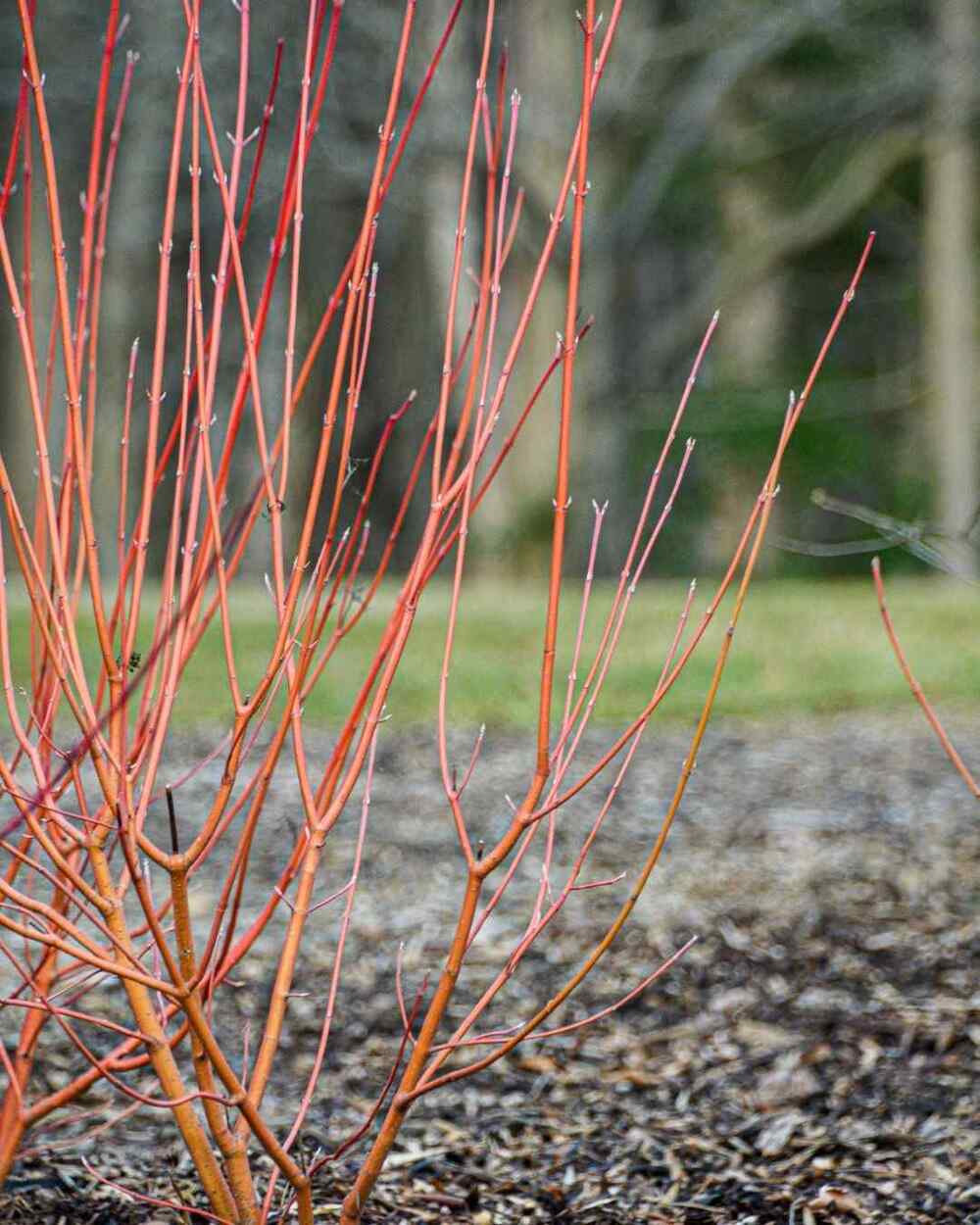
If you want your landscape to look intentional even in January, red osier dogwood delivers. Its signature feature is brilliant red stems that glow against snow and gray skies, making it ideal for Indiana winters. In spring, you get clusters of small white flowers; in summer, dense green foliage; and in fall, a mix of color plus berries that birds appreciate. It’s a shrub that earns its spot in every season, not just one.
Where it shines in Indiana: This is a top pick for damp spots—near downspouts, low areas, pond edges, or anywhere that stays moist. It tolerates heavier soils better than many ornamentals, which is a practical win in parts of Indiana with clay. It also works as a casual privacy screen because it fills in quickly.
How to plant and care (simple routine):
-
Sun: Full sun to part shade (best red color in more sun).
-
Soil: Moist to wet; adaptable.
-
Pruning: For the brightest winter stems, cut back about one-third of the oldest stems to the ground each late winter. Older wood dulls; new shoots glow.
-
Design tip: Plant it where you’ll see it from inside—near a kitchen window or driveway curve—so winter color feels like a gift, not an afterthought.
2) Ninebark (Physocarpus opulifolius)
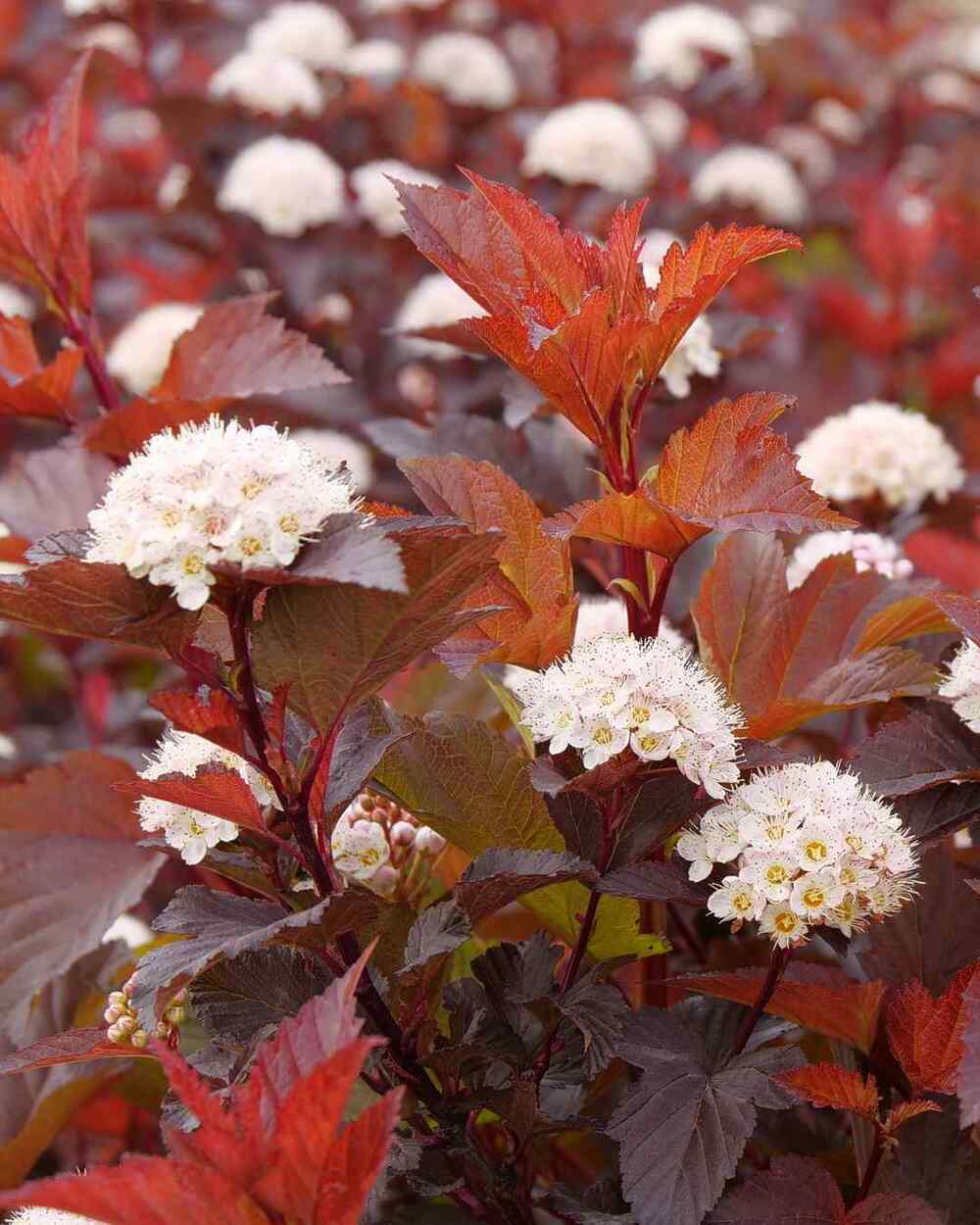
Ninebark is the “reliable friend” shrub: hardy, tolerant, and attractive without constant attention. It’s known for peeling bark that adds texture and for cultivars with dark purple foliage that make other plants pop. In late spring, it blooms with soft white or pinkish clusters, then holds its form through summer heat—an important trait when Indiana humidity sets in.
Where it shines in Indiana: If you have a spot that bakes in sun or suffers occasional drought, ninebark handles it. It’s a strong choice for foundation beds, mixed borders, and screening along property lines. It also tolerates a range of soils, which is useful when your yard has “good soil” in one corner and stubborn clay in another.
How to plant and care (simple routine):
-
Sun: Full sun for best color; tolerates part shade.
-
Soil: Average, well-drained is great; adapts widely.
-
Pruning: After flowering, remove a few older canes to refresh. If you need size control, do a light shaping—avoid hard shearing, which can make it look boxy.
-
Design tip: Pair purple-leaf forms with lime-green perennials or golden grasses for a crisp, modern contrast that still feels natural.
3) Viburnum (Viburnum spp.)
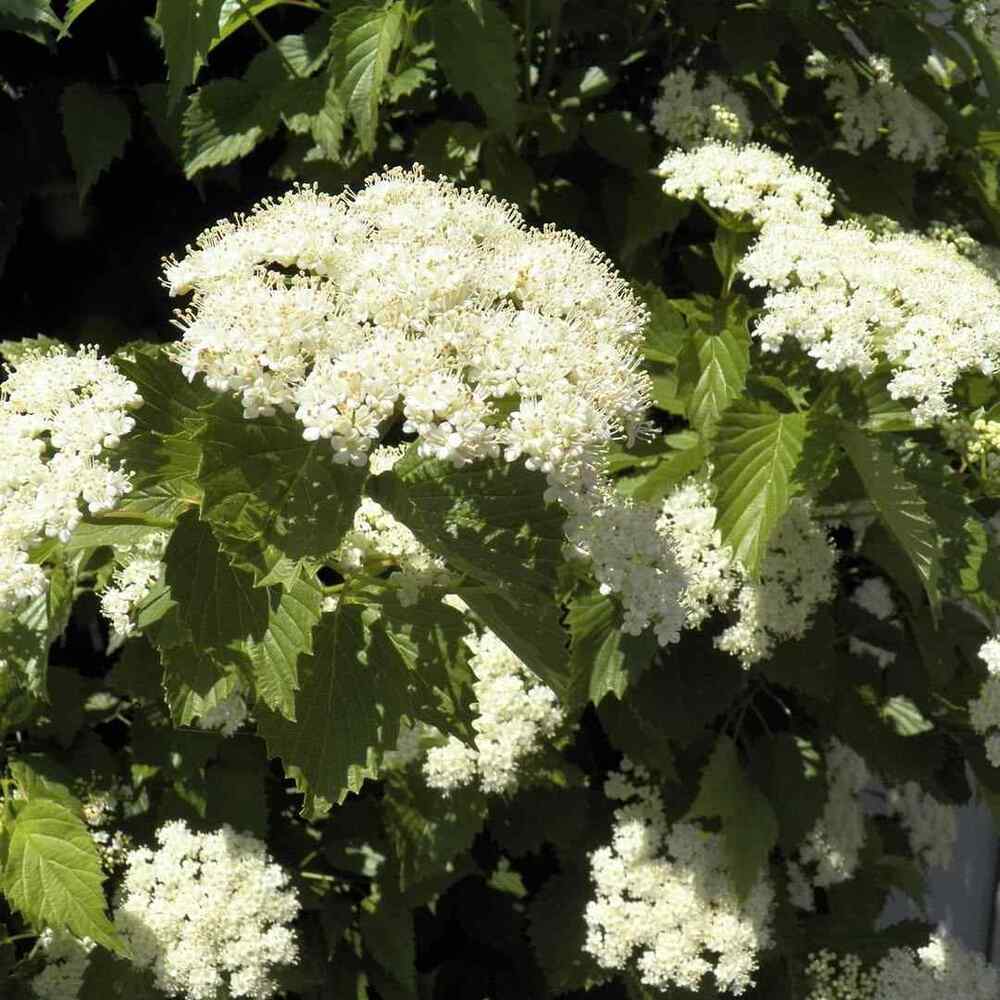
Viburnums are the “choose-your-own-adventure” shrubs—there’s a type for almost every Indiana garden. Many offer white spring blooms, attractive foliage, and berries that feed birds. Some have fragrance; others have standout fall color. What makes viburnum special is how easily it bridges aesthetics: it can look refined in a front yard or relaxed in a woodland edge planting.
Where it shines in Indiana: Viburnums do well in mixed borders and as hedges. Pick the species based on your conditions: some prefer sun, others tolerate shade, and many appreciate consistent moisture. They’re excellent for homeowners who want a shrub that supports wildlife without sacrificing a polished look.
How to plant and care (simple routine):
-
Sun: Many do best in full sun to part shade.
-
Soil: Moderately moist, well-drained is ideal.
-
Pruning: Prune right after flowering if needed. Many viburnums bloom on old wood, so late-season pruning can remove next year’s flowers.
-
Design tip: Plant in groups of 3 for a lush, intentional massing—single viburnums can look lonely, while a small cluster looks like a design decision.
4) Smooth Hydrangea (Hydrangea arborescens)
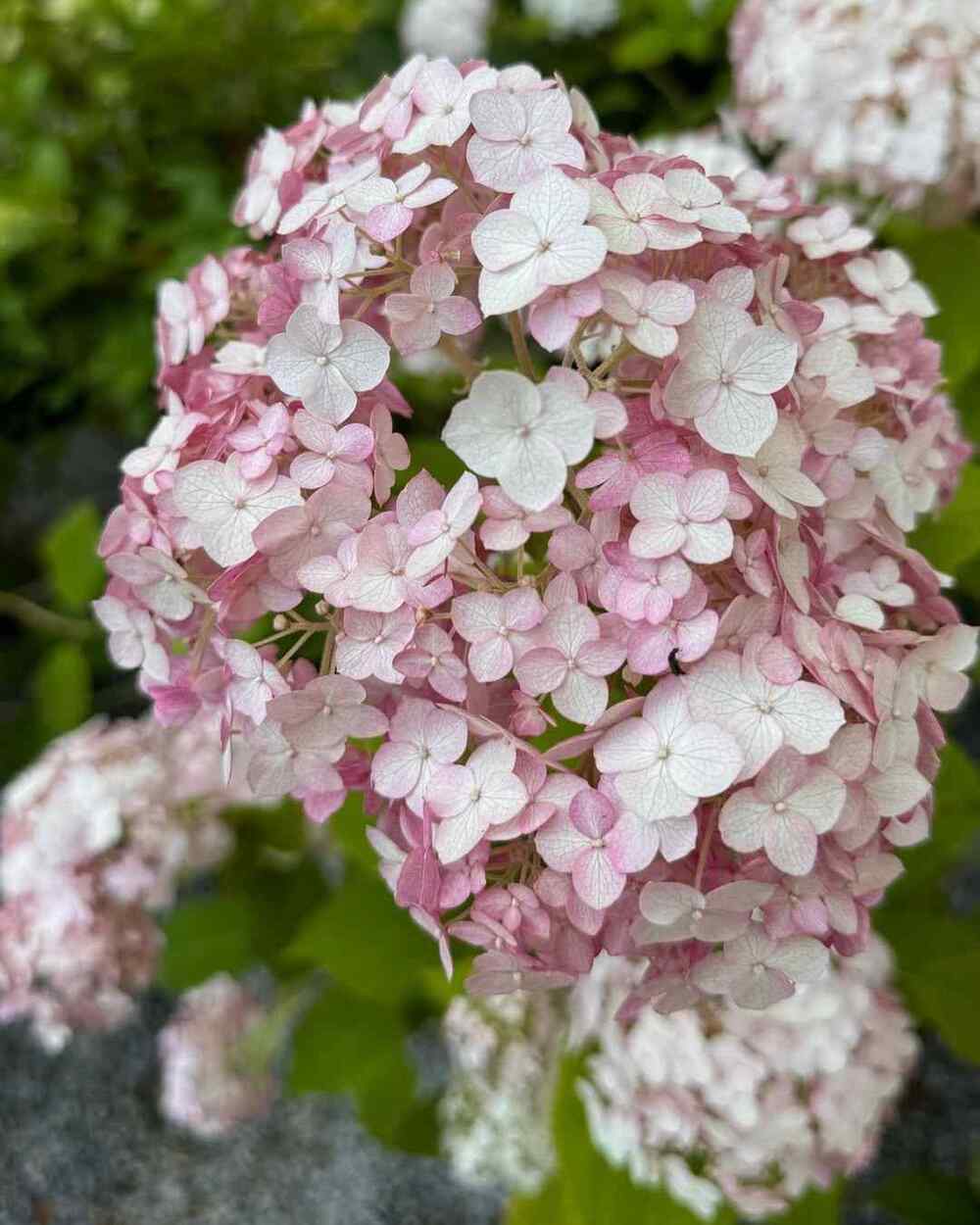
Smooth hydrangea is a native workhorse with big, confident blooms—especially popular cultivars like ‘Annabelle’ and ‘Incrediball’ known for large white flower heads. In Indiana gardens, it’s valued for reliability: it blooms even after harsh winters because it flowers on new wood, which reduces the heartbreak of lost buds after cold snaps.
Where it shines in Indiana: This shrub is excellent for part shade, including the “bright shade” found on the east side of a house or under high tree canopy. It’s a go-to for softening foundations and adding a romantic, cottage-garden feel without needing constant attention.
How to plant and care (simple routine):
-
Sun: Part sun to part shade; morning sun is ideal.
-
Soil: Even moisture; don’t let it dry completely during heat.
-
Pruning: Late winter or early spring, cut back to encourage strong stems and fresh blooms.
-
Design tip: Use it as a repeating anchor—one at the front walk, another near the patio—so your yard feels cohesive and calming.
5) Fragrant Sumac (Rhus aromatica)
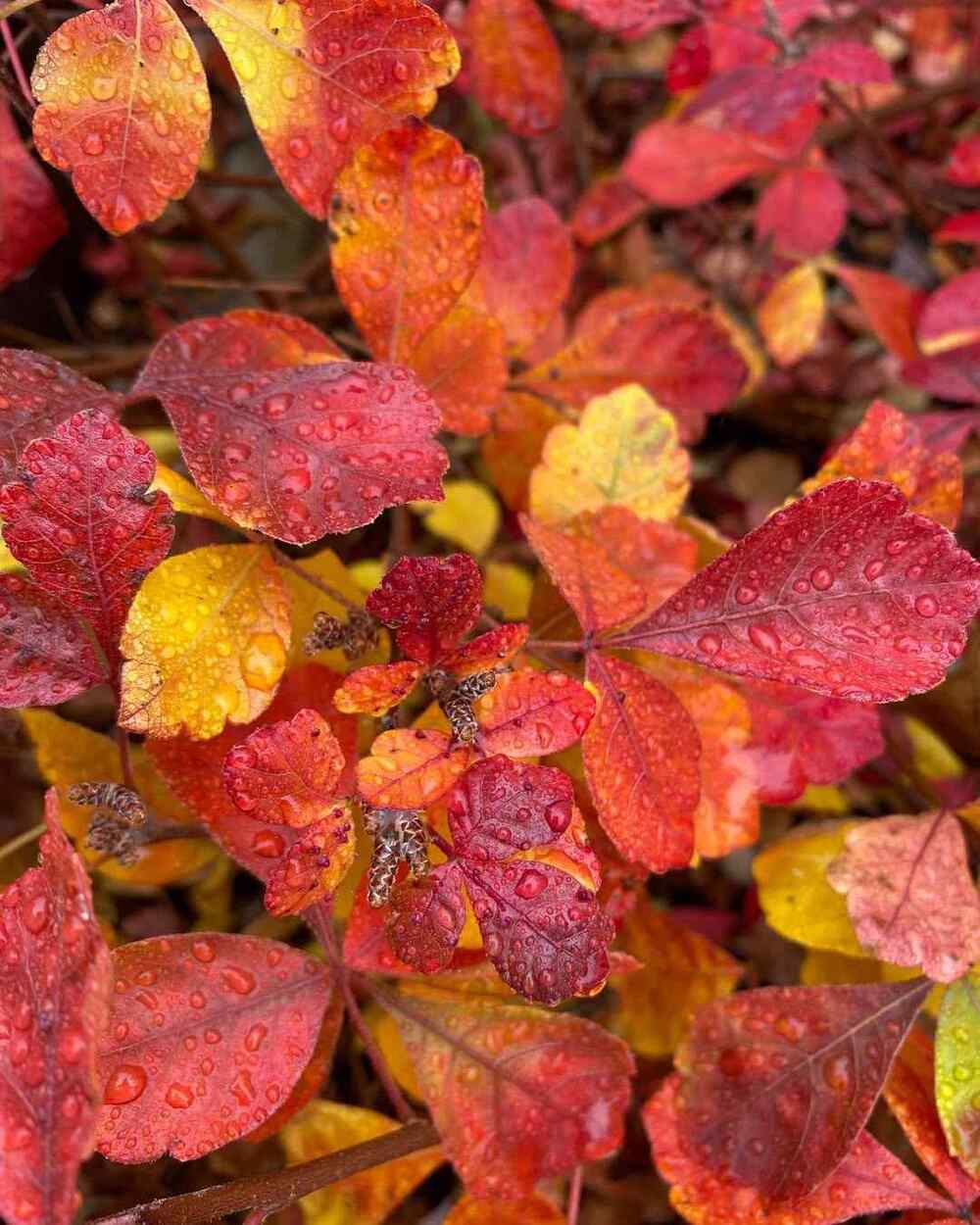
Fragrant sumac is an underrated gem for Indiana: tough, adaptable, and genuinely useful in problem areas. Its leaves have a pleasant scent when crushed, and it’s famous for vibrant red fall color. Many forms have a spreading habit, making it a strong choice for slopes, banks, and places where you want coverage and stability rather than a formal outline.
Where it shines in Indiana: It’s excellent for erosion control and dry sites. If you have a sunny slope where mowing is annoying, fragrant sumac can reduce maintenance and still look attractive through the seasons.
How to plant and care (simple routine):
-
Sun: Full sun to part shade.
-
Soil: Handles dry, rocky, and average soils.
-
Pruning: Minimal; thin older stems if it gets too dense.
-
Design tip: Let it do what it does best—natural drifts. Add ornamental grasses nearby for a prairie-inspired look that feels intentional.
6) Elderberry (Sambucus canadensis)
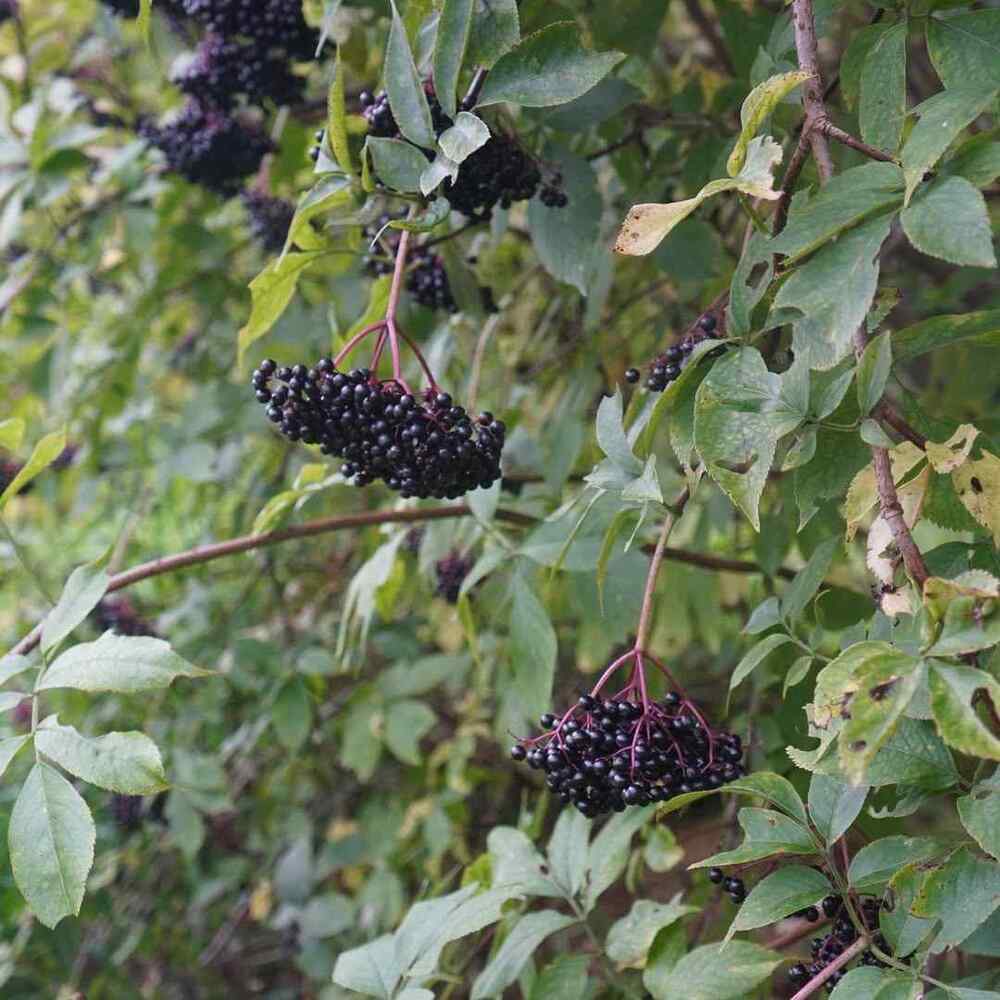
Elderberry brings both beauty and usefulness: fragrant flower clusters followed by dark fruit used in syrups, jams, and baking (when properly prepared). It’s also a strong wildlife shrub. In a garden that leans practical—edible landscaping, pollinator habitat, rain garden planting—elderberry is a star.
Where it shines in Indiana: Elderberry tolerates wet areas and is a strong choice for rain gardens and low spots. It can grow vigorously, so it’s best where you have a little room and don’t mind a shrub that feels lively rather than tightly controlled.
How to plant and care (simple routine):
-
Sun: Full sun to part shade (more sun = better flowering/fruiting).
-
Soil: Moist to wet; adaptable.
-
Pruning: Remove older canes to keep growth productive.
-
Design tip: Plant it where harvesting is easy—near a path—so you’ll actually use the berries instead of admiring them from afar.
7) Black Chokeberry (Aronia melanocarpa)
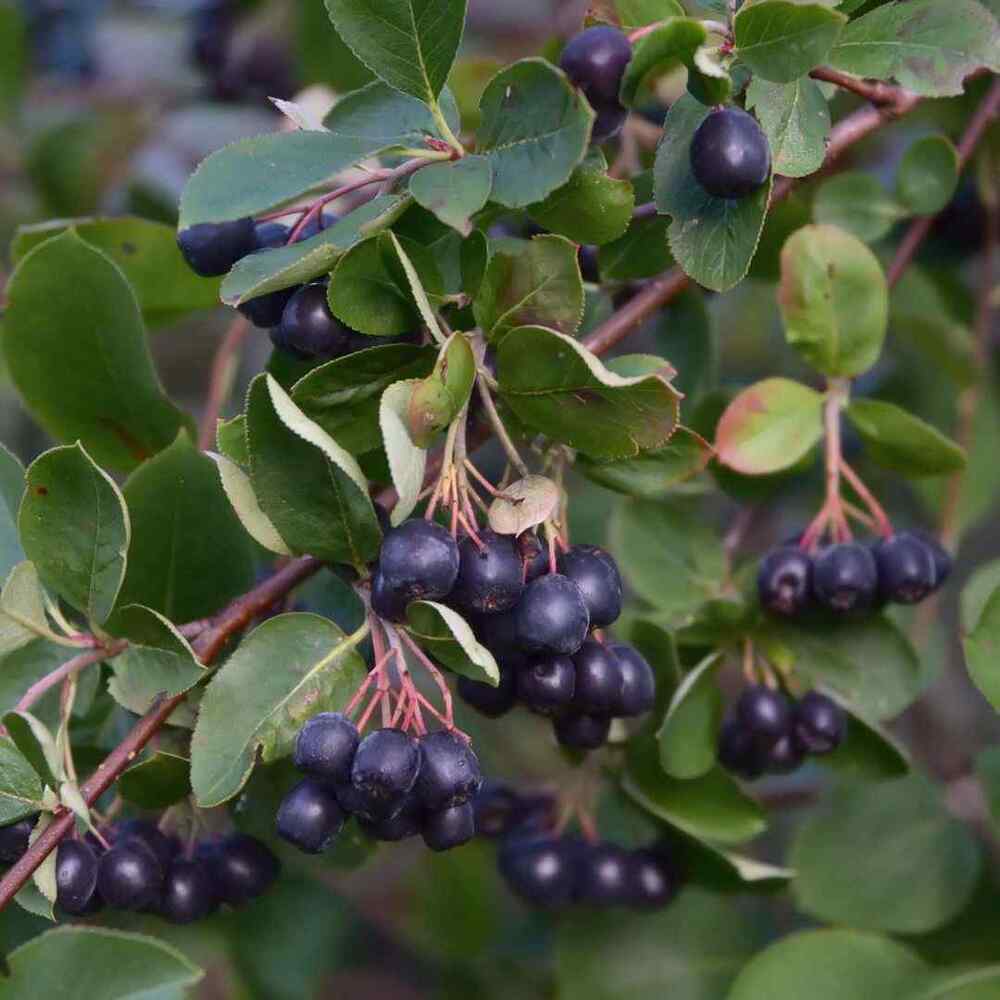
Black chokeberry is one of the best all-season natives for Indiana landscapes. It offers white spring flowers, glossy summer leaves, dark berries for birds, and deep red fall color that rivals many ornamentals. It’s also comparatively low-maintenance, which makes it appealing if you want strong visual payoff without weekly fussing.
Where it shines in Indiana: It works in borders, naturalized plantings, and even foundation beds if you choose a compact form. It tolerates a range of moisture levels and can handle heavier soils—helpful for many Indiana yards.
How to plant and care (simple routine):
-
Sun: Full sun to part shade.
-
Soil: Average to moist.
-
Pruning: Light thinning every few years to refresh.
-
Design tip: For a sophisticated look, pair chokeberry with evergreens. The red fall foliage against deep green reads clean and high-contrast.
8) Spicebush (Lindera benzoin)
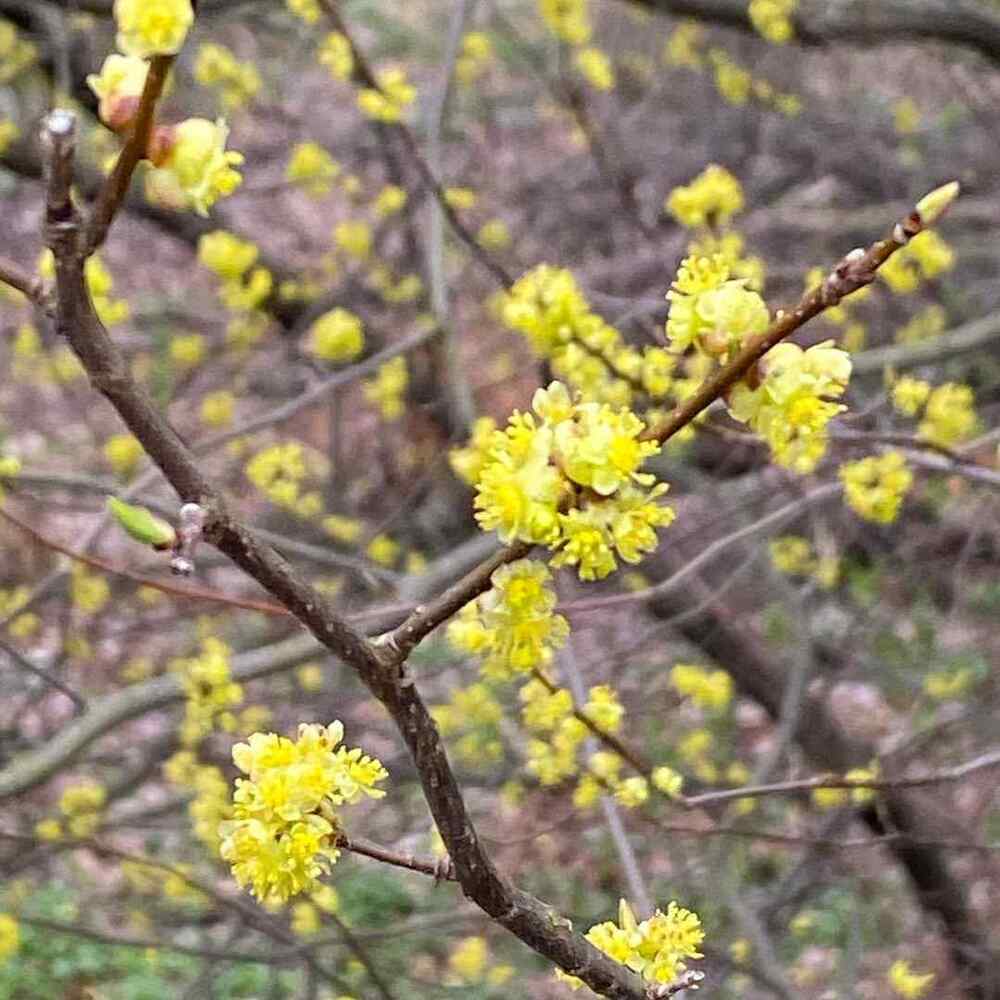
Spicebush is a native that feels like it belongs in Indiana woodlands—and it does. It has yellow spring flowers, leaves that release a spicy scent when crushed, and a graceful, natural form. It’s also a host plant for the spicebush swallowtail butterfly, which makes it a meaningful choice if you care about supporting local ecosystems.
Where it shines in Indiana: This is a top shrub for shade and woodland edges. If you have areas under mature trees that struggle with turf, spicebush turns that dull space into a layered, living garden.
How to plant and care (simple routine):
-
Sun: Part shade to shade.
-
Soil: Moist, rich soil is ideal; tolerates average if not bone-dry.
-
Pruning: Minimal—remove crossing branches as needed.
-
Design tip: Add spring bulbs nearby. The early yellow flowers plus bulbs make shade areas feel bright and welcoming.
9) Forsythia (Forsythia × intermedia)
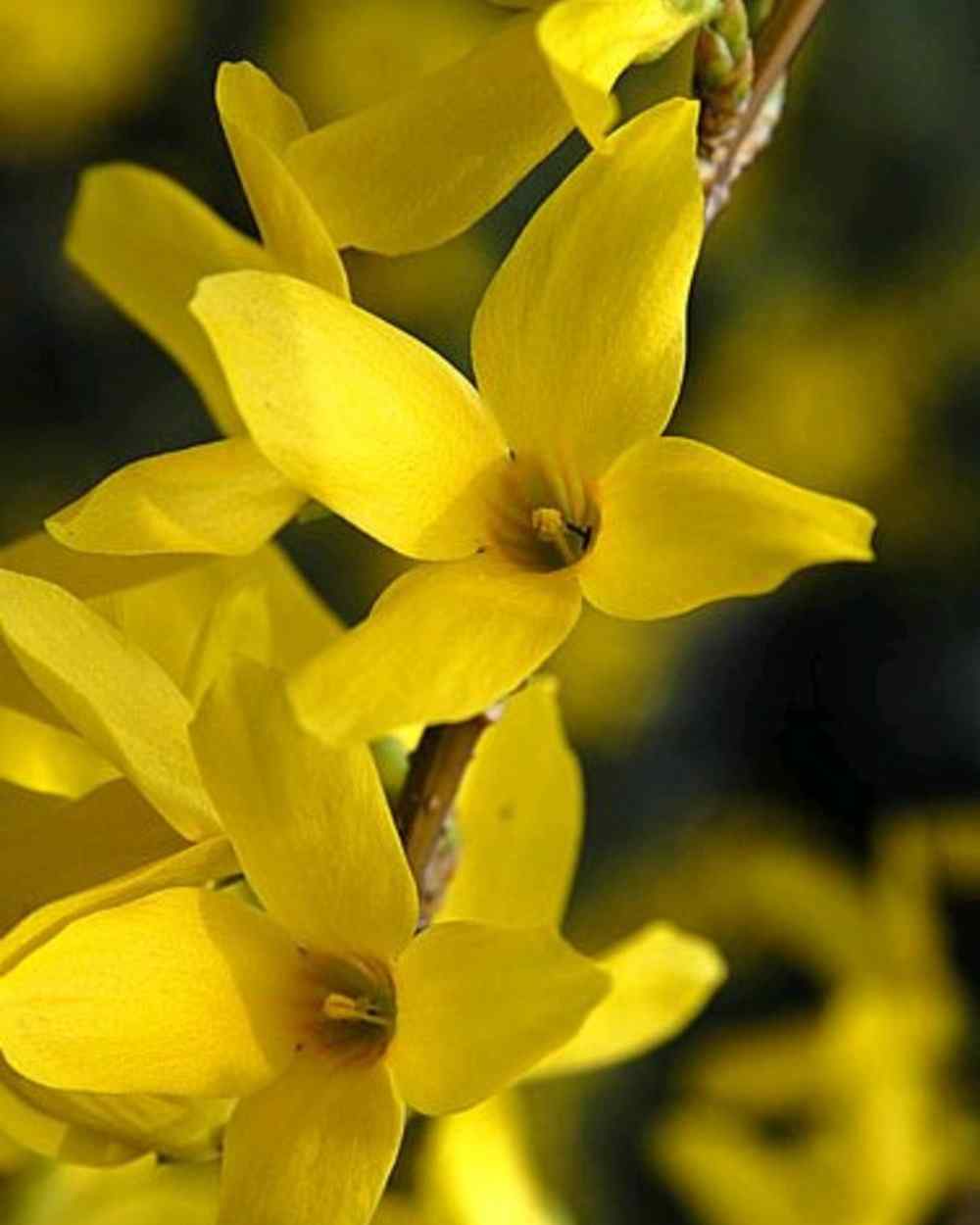
Forsythia is classic for a reason: it bursts into vivid yellow bloom very early in spring, often before much else has decided to wake up. That timing matters in Indiana—forsythia is like a seasonal signal that winter is truly loosening its grip. It grows fast and creates a bold, cheerful presence.
Where it shines in Indiana: Forsythia is excellent for screens, hedgerows, and back borders where you want spring drama and don’t mind a larger shrub. It’s not the most subtle plant, but used intentionally, it’s a mood-lifter.
How to plant and care (simple routine):
-
Sun: Full sun to part shade (more sun = more blooms).
-
Soil: Average, well-drained.
-
Pruning: Prune right after flowering. Cut out some older stems at the base to keep it blooming well and prevent a tangled look.
-
Design tip: Place it behind later-blooming shrubs so once the flowers finish, other plants carry the scene.
10) American Witch-Hazel (Hamamelis virginiana)
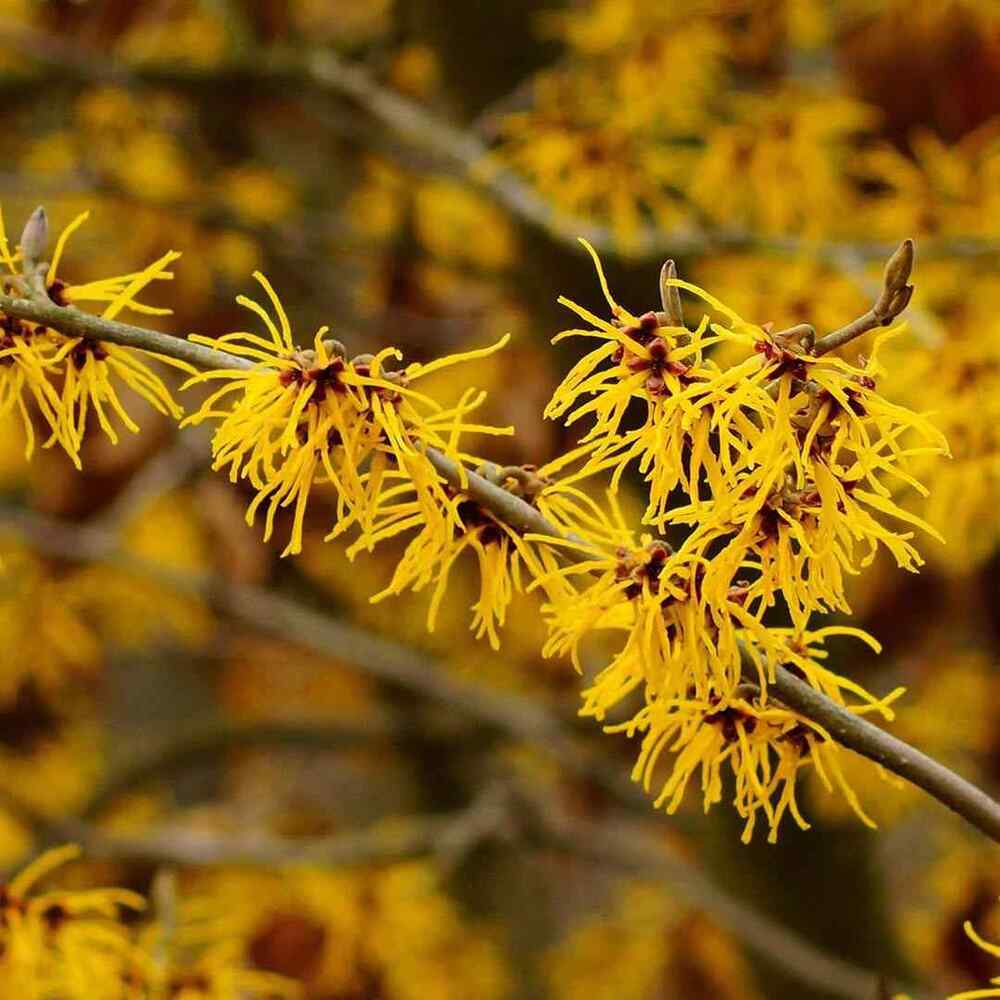
American witch-hazel brings something rare: late autumn blooms with yellow, ribbon-like petals when most shrubs are already done. In Indiana, that timing is magic—witch-hazel adds color and interest just as the garden fades, and its branching structure looks elegant through winter.
Where it shines in Indiana: This shrub fits well in woodland gardens, mixed borders, and areas where you appreciate subtle beauty up close—near a porch, walkway, or frequently used path. It can be a conversation piece because it flowers when people least expect it.
How to plant and care (simple routine):
-
Sun: Part shade to full sun (with moisture).
-
Soil: Moist, well-drained, with organic matter.
-
Pruning: Minimal; shape lightly after flowering if needed.
-
Design tip: Underplant with evergreens or dark mulch so the late-season yellow flowers stand out clearly.
FAQ: Shrubs for Indiana
1) What are the easiest low-maintenance shrubs for Indiana?
Ninebark, black chokeberry, and smooth hydrangea are dependable choices that tolerate Indiana conditions and don’t demand constant pruning or pampering.
2) Which shrubs work best in shady Indiana yards?
Smooth hydrangea and spicebush handle part shade well. For deeper shade, spicebush is often the better fit, especially with consistent moisture.
3) Which shrubs provide the best winter interest in Indiana?
Red osier dogwood is the standout for winter stem color. American witch-hazel adds late-season blooms and attractive structure through colder months.
4) Are native shrubs better for Indiana wildlife?
Often, yes. Natives like spicebush, elderberry, chokeberry, and red osier dogwood tend to support local birds and pollinators more effectively because they co-evolved with regional species.
5) When is the best time to plant shrubs in Indiana?
Early fall and spring are typically ideal. Fall planting often helps shrubs establish roots before summer heat, while spring works well if you can keep new plantings evenly watered.