If you’re choosing shrubs for Illinois, you need plants that can handle hot, humid summers, freezing winters, and the occasional wet spring. The best shrubs here aren’t just “tough”—they also earn their keep with four-season beauty, wildlife value, and easy care. Below are 10 shrub choices that consistently perform across much of Illinois (generally USDA Zones 5–6), along with practical placement tips so your yard feels intentional, welcoming, and naturally “put together.”
Table of Contents
Shrubs for Illinois: Red Twig Dogwood (Cornus sericea)
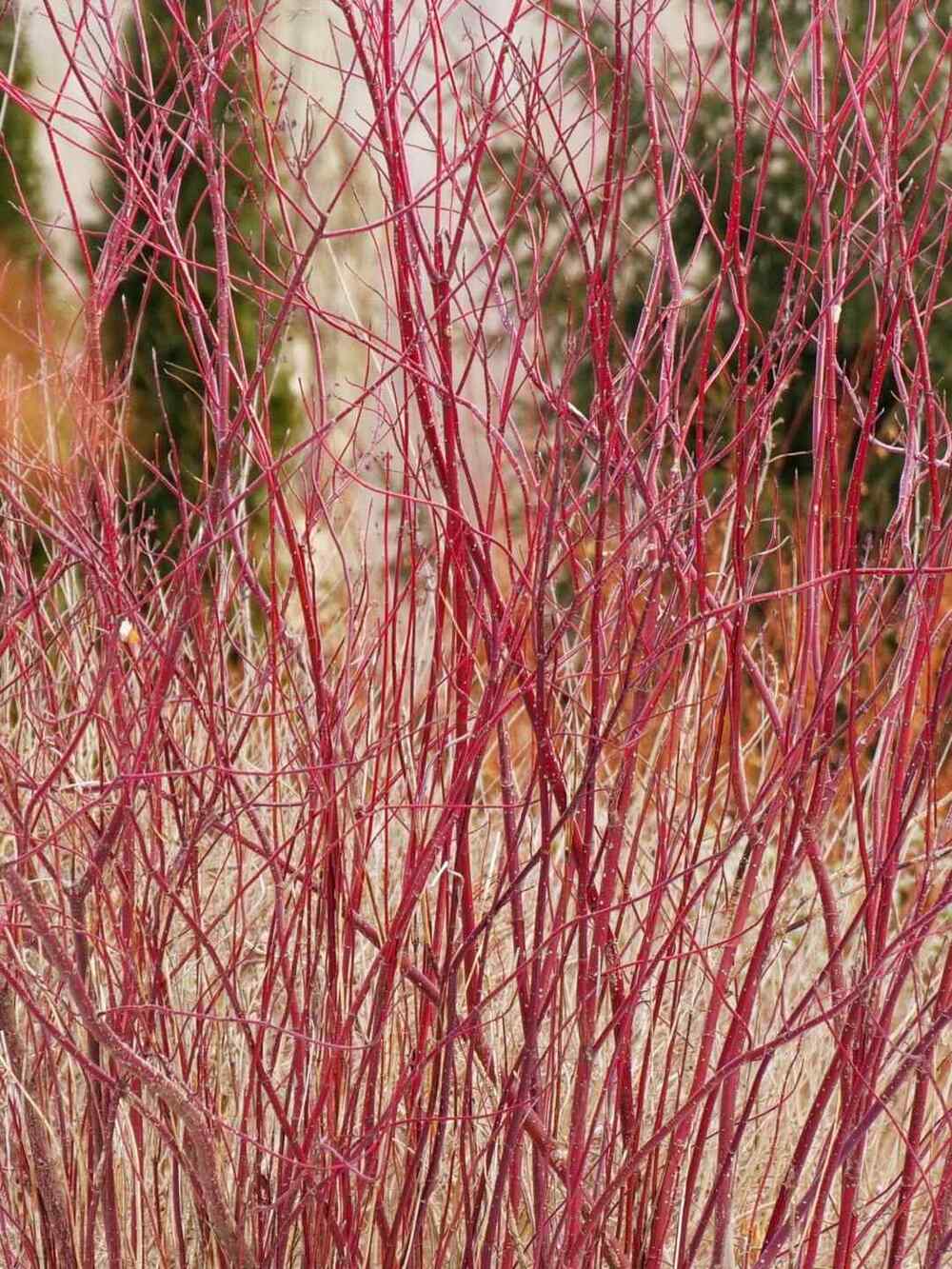
If winter in Illinois makes your landscape feel flat, Red Twig Dogwood is the fix that still looks good when everything else is asleep. Its real show is in cold weather, when the stems glow red against snow, tan grasses, or dark mulch. This shrub thrives in moist soil and is a smart choice for low spots where other plants sulk.
How to use it beautifully: plant 3–5 together as a loose hedge along a fence line, or place it where you see it from a window in January. For a clean, designer look, underplant with evergreen groundcovers or ornamental grasses so the red stems pop.
Care notes (Illinois-friendly): full sun gives the strongest stem color, but it tolerates part shade. It’s hardy and forgiving, yet it appreciates consistent moisture. To keep the brightest stems, prune out about one-third of the oldest canes in early spring. Bonus: it’s a strong habitat shrub, offering cover and seasonal interest that birds appreciate.
Common Winterberry (Ilex verticillata)
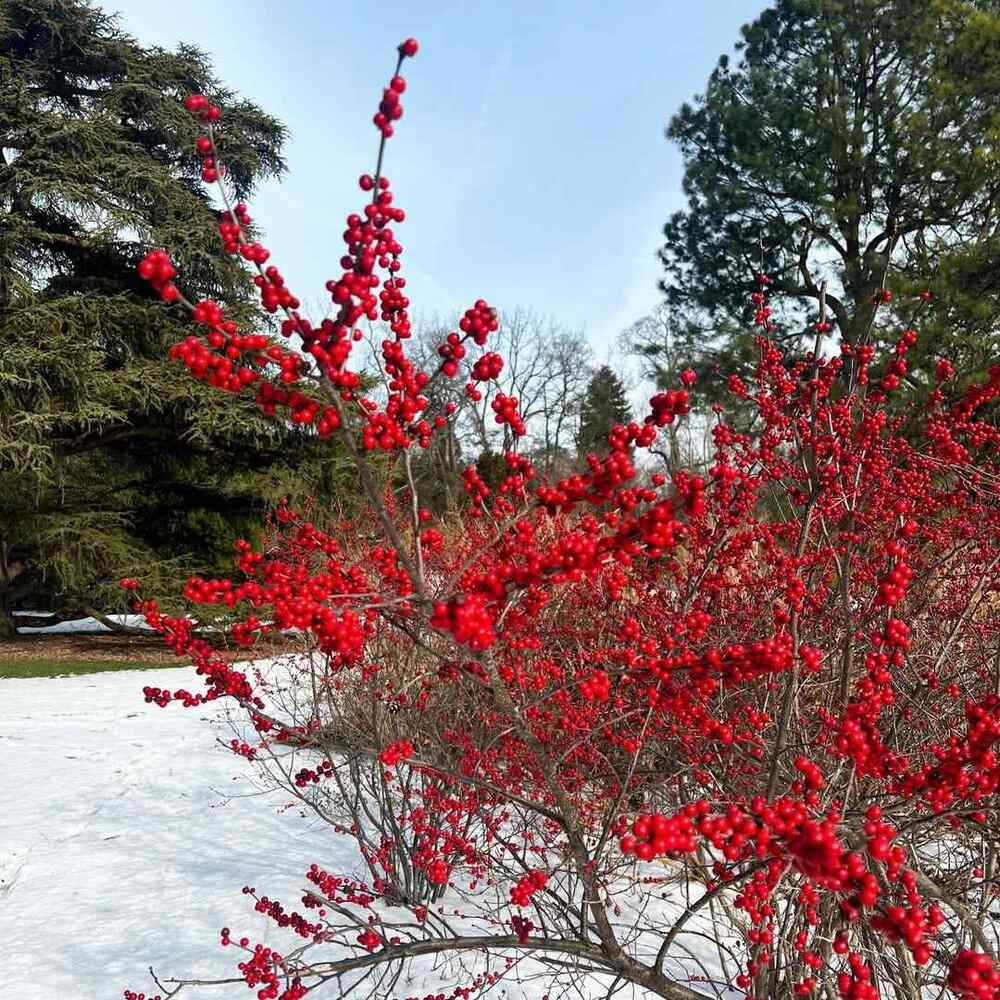
Want color when Illinois skies turn gray? Common Winterberry is a deciduous holly that drops its leaves and then puts on a “berry-only” show—clusters of brilliant red fruit that can last well into winter. It’s a favorite for anyone who loves a cozy, classic Midwestern winter look without needing constant fuss.
How to use it beautifully: place it near an entry walk, patio view, or street-facing bed where winter berries can do their job. It pairs well with evergreen backdrops (spruce, arborvitae, boxwood) to make the red berries look even richer.
Care notes (Illinois-friendly): it prefers moist to wet soil and full sun to part shade. The key detail most homeowners miss: you typically need a male pollinator plant nearby for berry production (check nursery tags for compatible pairs). Prune lightly in late winter, and avoid heavy shearing—its natural shape looks more relaxed and upscale.
Oakleaf Hydrangea (Hydrangea quercifolia)
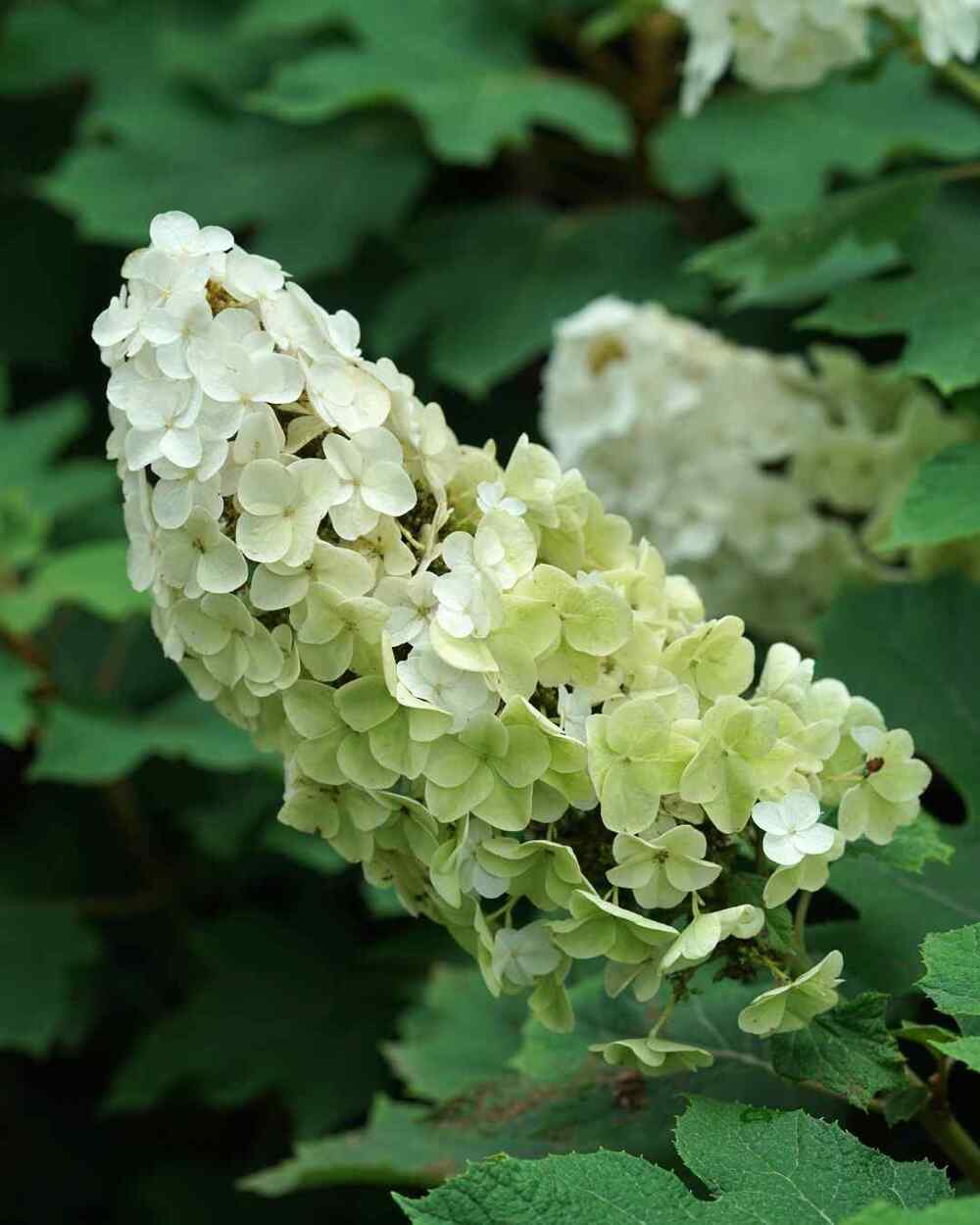
If you want one shrub that looks “landscaped” even when you do nothing dramatic, Oakleaf Hydrangea is a strong pick. In summer it carries large, showy flower clusters, then shifts into rich fall color, and even offers textured, exfoliating bark in winter. It’s a full-season performer that feels both classic and elevated.
How to use it beautifully: use it as a foundation anchor at the corner of your house or as a focal shrub in a mixed border. Give it room—this isn’t a tiny “tucked-in” plant. It looks best when you let its natural form breathe.
Care notes (Illinois-friendly): morning sun with afternoon shade is ideal, especially in hotter microclimates. It likes evenly moist, well-drained soil. Prune only after flowering if needed, since it blooms on older wood. If you love dried blooms for indoor arrangements, leave flower heads on into winter for a soft, cottage-style finish.
Buttonbush (Cephalanthus occidentalis)
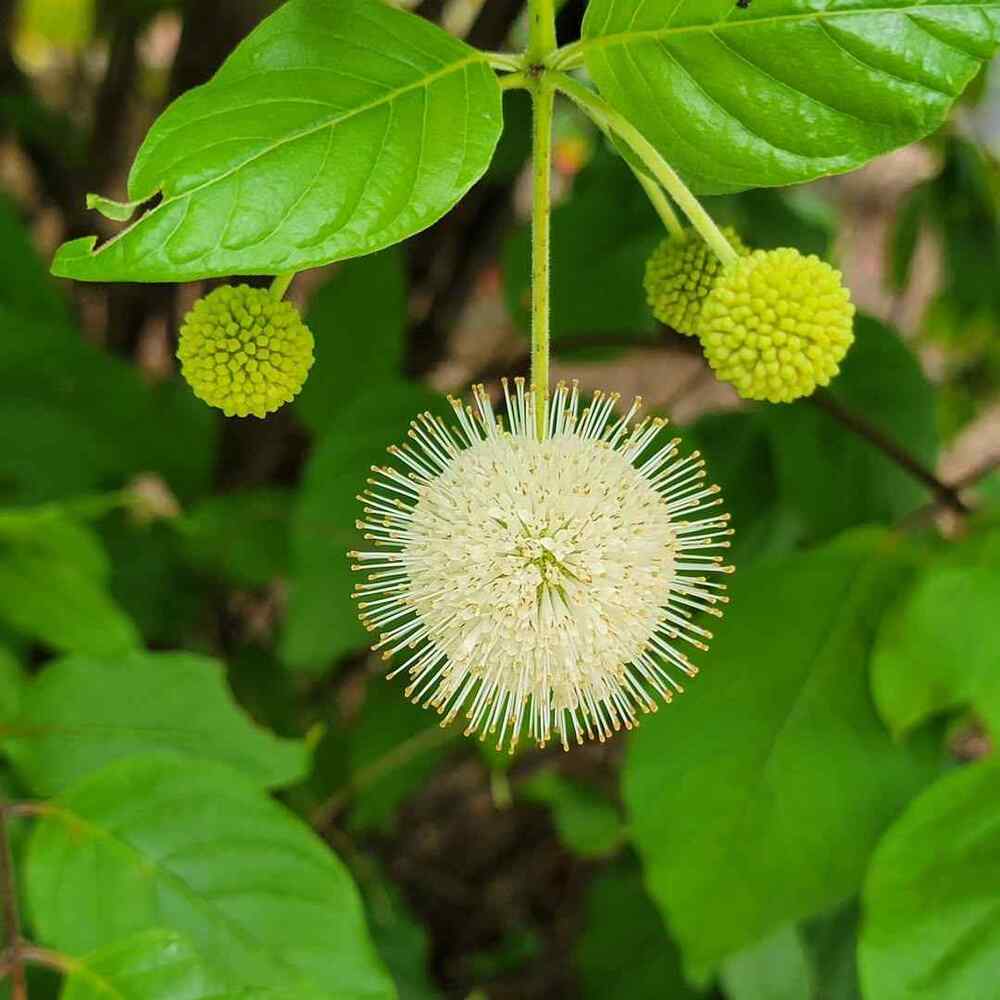
For sunny areas that stay damp—think pond edges, rain gardens, or low swales—Buttonbush is a standout native that feels intentionally chosen. Its summer blooms are round, fragrant “buttons” that draw pollinators, and the plant holds a bold, sculptural presence that can make a wet area look curated instead of messy.
How to use it beautifully: place it where the soil stays moist and you want a statement. It can read as “wild” if scattered randomly, so give it structure: use a clear border edge or pair it with upright grasses for a clean, modern prairie look.
Care notes (Illinois-friendly): it thrives in full sun and tolerates periodic flooding. Once established, it’s relatively easygoing. Prune in late winter to shape and encourage fresh growth. Wildlife bonus: it’s a magnet for butterflies and beneficial insects—great if your goal is a yard that feels alive, not sterile.
Spicebush (Lindera benzoin)
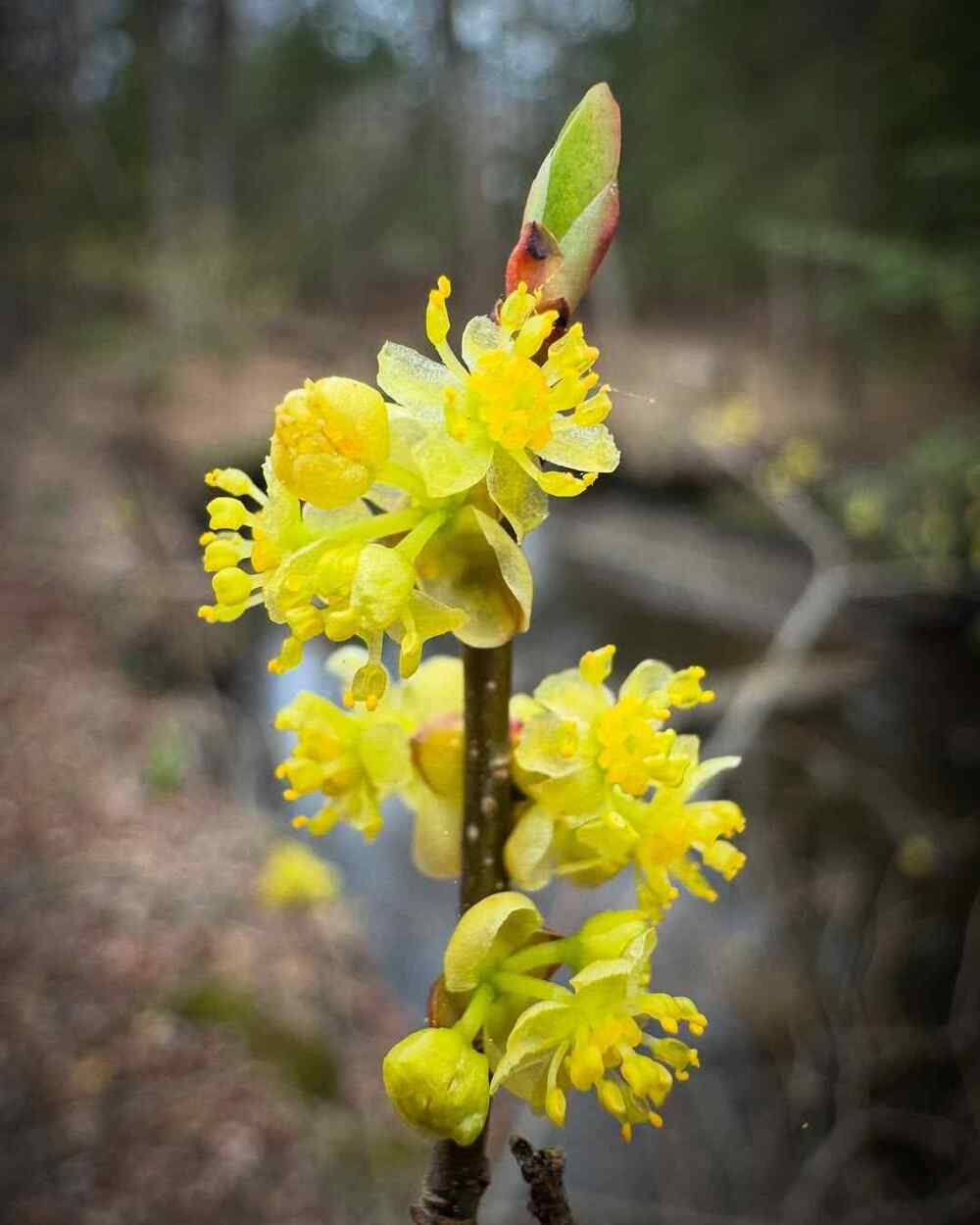
If you love the feeling of a woodland path or a shaded backyard retreat, Spicebush delivers. In early spring, it offers small yellow blooms before many shrubs wake up, and its leaves release a pleasant aroma when brushed. It’s especially useful for part shade, where flowering options can feel limited.
How to use it beautifully: tuck it along a shaded side yard, under open tree canopies, or near a seating area where you’ll occasionally pass close enough to catch the scent. It creates a “soft privacy” effect—less wall-like, more natural enclosure.
Care notes (Illinois-friendly): it performs best in part shade with moist, well-drained soil, but it adapts. Minimal pruning is needed; remove dead wood and shape lightly. If you want a more intentional look, mass 3–7 shrubs together rather than planting a single one alone. It blends effortlessly with ferns, hostas, and native woodland perennials.
Blackhaw Viburnum (Viburnum prunifolium)
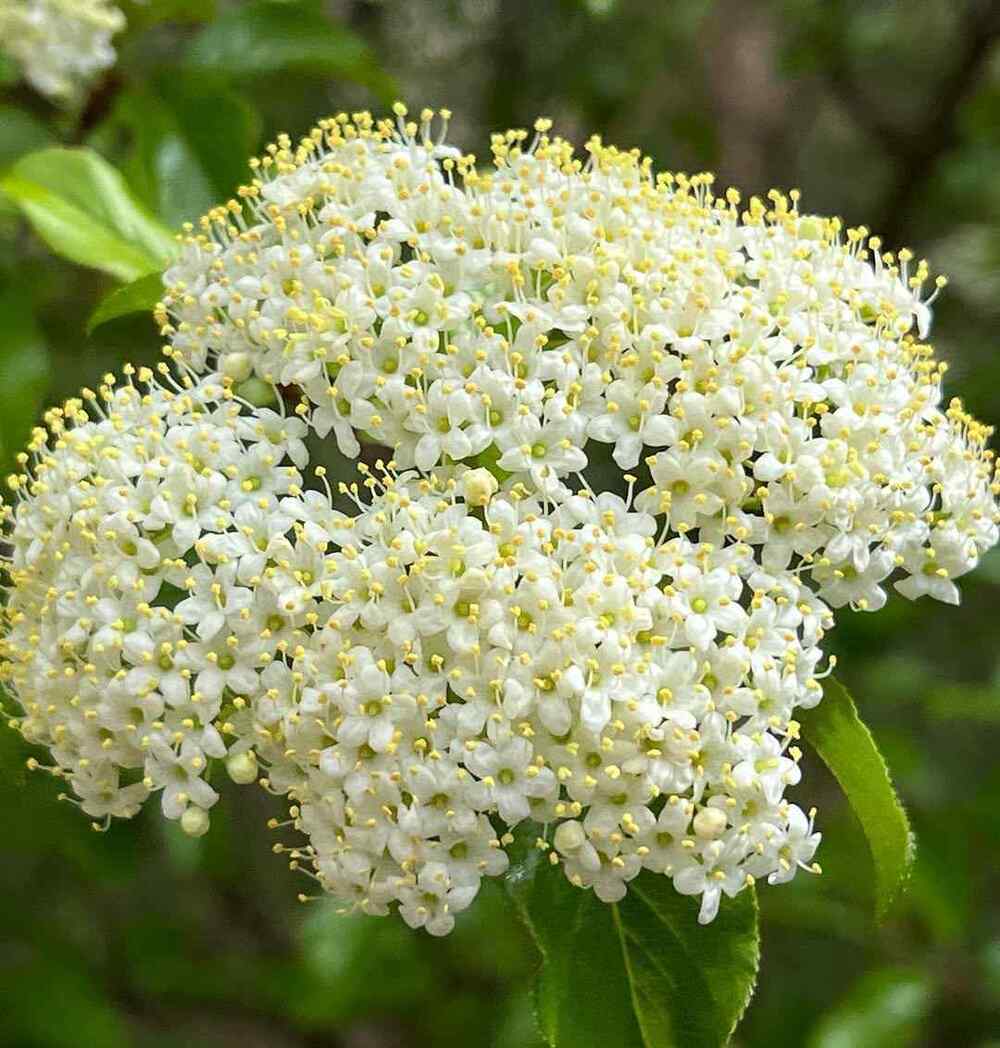
When you need a shrub that does multiple jobs—screening, spring flowers, fall color, and wildlife value—Blackhaw Viburnum is a reliable Illinois workhorse. It produces white spring blooms, then develops fruit that birds appreciate, followed by red to purple fall foliage that reads rich and polished.
How to use it beautifully: this is excellent for “privacy without a fence” along property lines. Use it as a tall hedge, leaving enough space so it doesn’t feel cramped. It also works as a backdrop shrub behind lower perennials, creating depth.
Care notes (Illinois-friendly): full sun to part shade is fine. It tolerates clay better than many ornamentals once established. Prune after flowering if you need to control size, but avoid hard shearing. The natural form feels more elegant and less “suburban clipped.”
Ninebark (Physocarpus opulifolius)
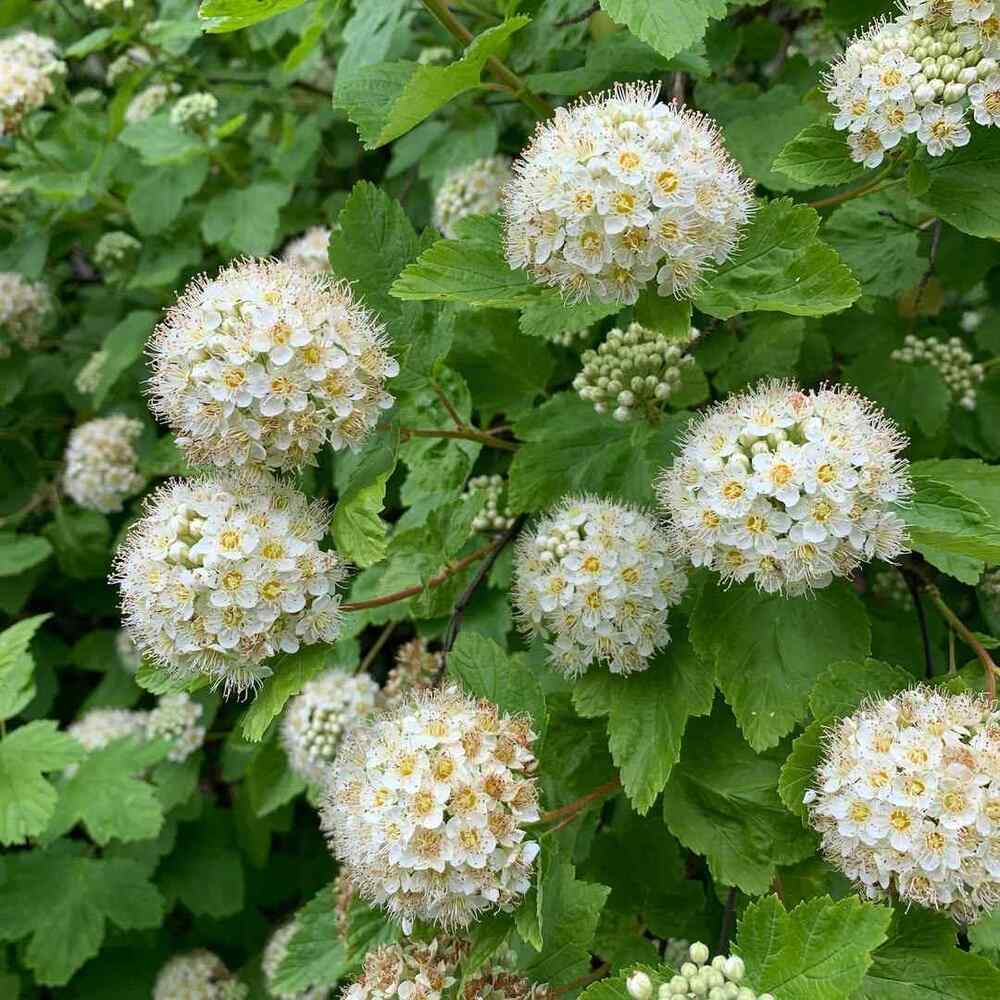
If you want something fast-growing, tough, and visually interesting even up close, Ninebark earns a spot. Its bark peels in layers, giving texture year-round, and it blooms with soft white flowers that add a lighter moment in late spring. Many cultivars also offer deeper foliage tones, but the straight native form is still beautiful.
How to use it beautifully: use it in mixed borders where you need bulk and structure. It’s particularly effective as a mid-to-back layer shrub that ties together perennials, grasses, and taller trees.
Care notes (Illinois-friendly): full sun to part shade. It tolerates poor soils and is generally low-drama. For best shape, prune after flowering or do rejuvenation pruning by removing older stems at the base. If you want a neat, modern look, keep spacing consistent and repeat the plant in groups rather than as a one-off.
Northern Bush Honeysuckle (Diervilla lonicera)
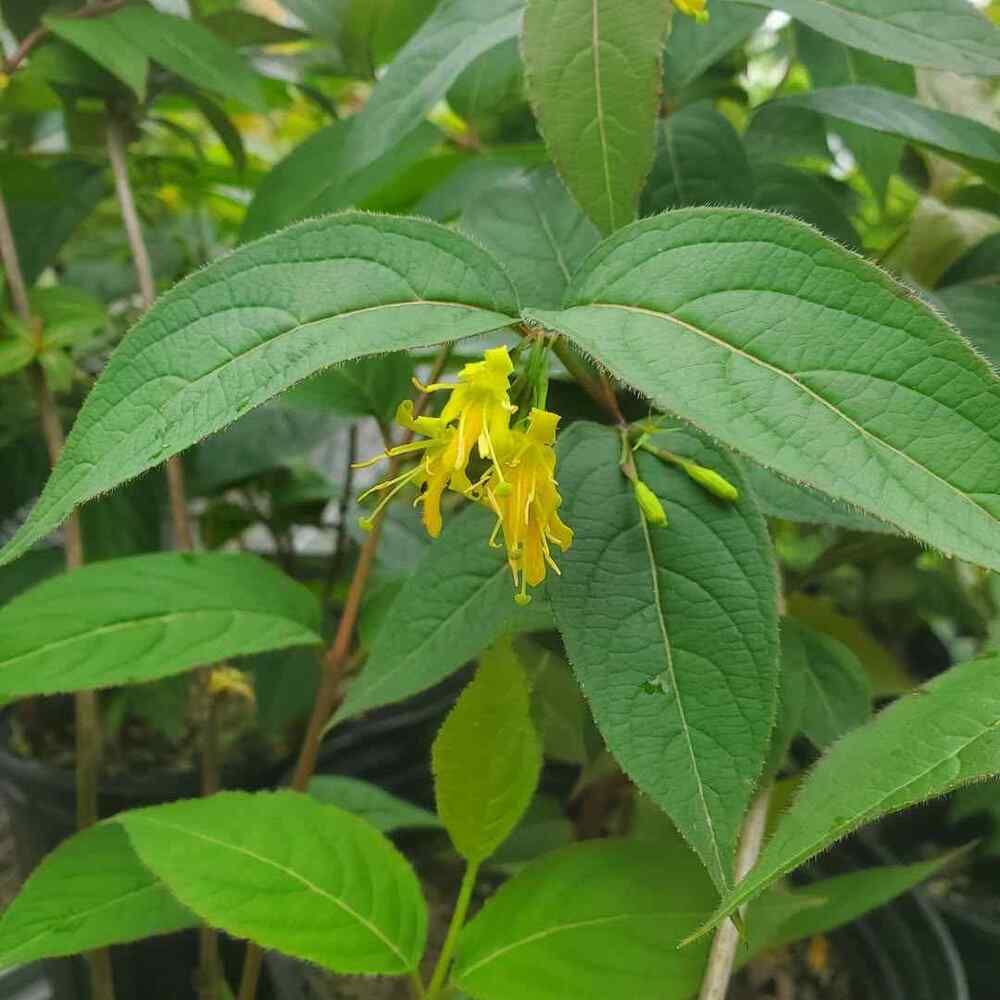
For slopes, tricky shade, and spots that bake in summer, Northern Bush Honeysuckle (Diervilla) is a practical native shrub that still looks intentionally planted. It stays low and tidy, handles drought once established, and offers small yellow flowers that are subtle but charming.
How to use it beautifully: it’s excellent along walkways, under light shade, or on banks where mowing is annoying. Plant it in drifts so it reads like a designed groundcover shrub rather than a random filler.
Care notes (Illinois-friendly): it thrives in part shade but can take sun if it has some moisture. It’s very low maintenance—think “plant it and stop worrying.” If it spreads a bit, that’s a feature on slopes: it knits soil together and reduces erosion. Cut back lightly in early spring to refresh.
Lead Plant (Amorpha canescens)
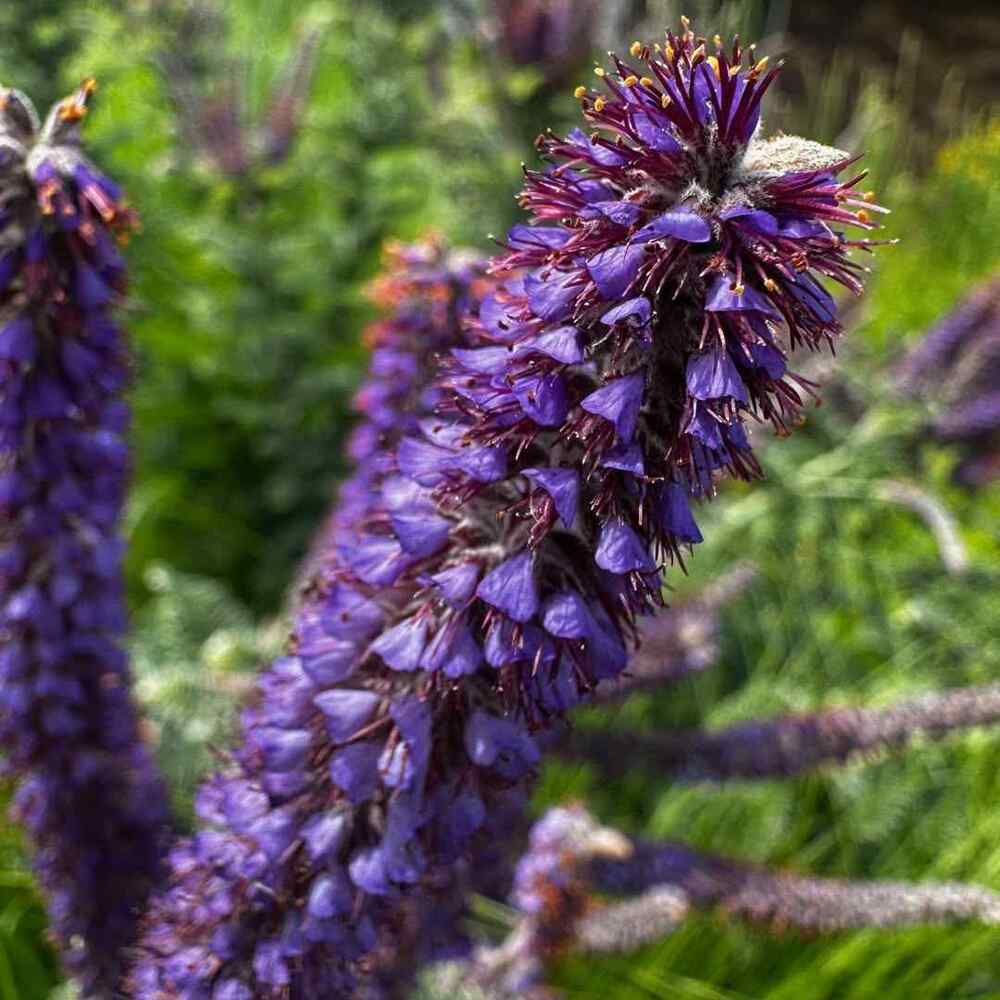
If your yard has sandy soil, a sunny exposure, or a “prairie edge” vibe, Lead Plant is a smart native choice with a refined texture. It’s typically 2–3 feet tall, with soft gray foliage and purple flower spikes that feel subtle, sophisticated, and very Illinois.
How to use it beautifully: place it where you want a calm, muted color palette—gray leaves look stunning next to limestone, gravel, or silver-blue grasses. It’s perfect for a low border or a prairie-style planting that still feels intentional.
Care notes (Illinois-friendly): full sun is best, and it’s notably drought-tolerant once established. Avoid rich, overwatered conditions; it prefers leaner soil. Minimal pruning—just a tidy-up in spring. If you want a landscape that looks curated but not high-maintenance, Lead Plant brings that “effortless” structure.
Smooth Hydrangea (Hydrangea arborescens)
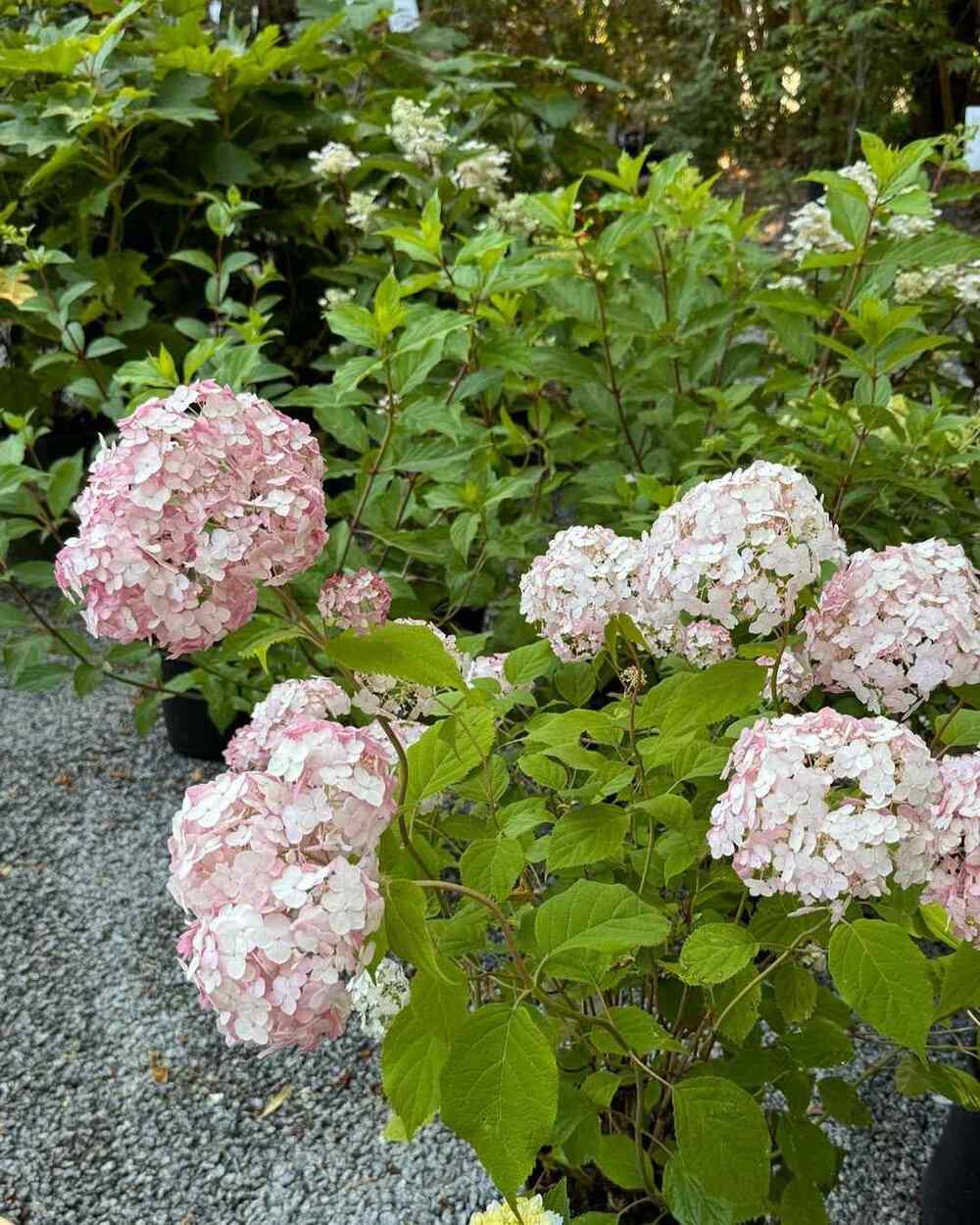
For dependable blooms in an Illinois yard—especially where there’s shade—Smooth Hydrangea is one of the easiest wins. It’s a native hydrangea known for large white flower heads that brighten darker corners and bring a soft, classic look without being fussy.
How to use it beautifully: place it near patios, under tall trees with filtered light, or along north/east-facing foundation beds. It creates a welcoming, lush feel that makes outdoor spaces seem cooler and more comfortable in summer.
Care notes (Illinois-friendly): part shade is ideal, though it can handle more sun with adequate water. Unlike some hydrangeas, it blooms on new wood, so you can cut it back in late winter or early spring and still get flowers. For a clean, upscale look, stake or support if blooms get heavy, and mulch to keep moisture consistent.
FAQ: Shrubs for Illinois
1) What shrubs do best in Illinois winters?
Hardy natives like Red Twig Dogwood, Ninebark, and Blackhaw Viburnum handle cold well and still provide winter structure and interest.
2) Which shrubs are best for privacy in Illinois?
For screening, choose taller, fuller shrubs such as Blackhaw Viburnum and mass plantings of Red Twig Dogwood or Ninebark for a natural hedge effect.
3) What shrubs work in wet areas or rain gardens?
Buttonbush and Common Winterberry are excellent for moist-to-wet soils and can make low spots look intentional and beautiful.
4) Which shrubs are good for part shade in Illinois?
Spicebush and Smooth Hydrangea are dependable in part shade and add seasonal flowers plus a soft, welcoming look.
5) How should I space shrubs to avoid a crowded look later?
Use the shrub’s mature width as your guide and plant in odd-number groupings (3, 5, 7) where possible—this reads more natural and polished than single scattered plants.