Hawaii’s climate rewards gardeners who choose plants that love warmth, sun, humidity, and salty breezes. If you’re planning a hedge for privacy, a scented patio corner, or a coastal border that won’t sulk in sea spray, the right shrubs for Hawaii make all the difference. Below are 10 proven choices—mixing beloved ornamentals with resilient natives—plus practical care notes you can apply immediately in your yard, whether you’re in a breezy shoreline neighborhood or a wetter windward slope.
Table of Contents
Shrubs for Hawaii: How to Choose the Right One for Your Yard
Before you plant, match the shrub to your microclimate. On the windward side, prioritize shrubs that tolerate heavier rainfall and occasional fungal pressure. On the leeward side, choose drought-tough plants that handle sun and dry trade winds. Near the ocean, salt tolerance and strong root systems matter more than “perfect” soil. For all sites, aim for: (1) a clear purpose (privacy, color, fragrance, coastal groundcover), (2) a spot with the right light, and (3) a simple maintenance routine you’ll actually keep—monthly feeding, consistent watering for new plants, and light shaping.
1) Naupaka Kahakai (Scaevola taccada)
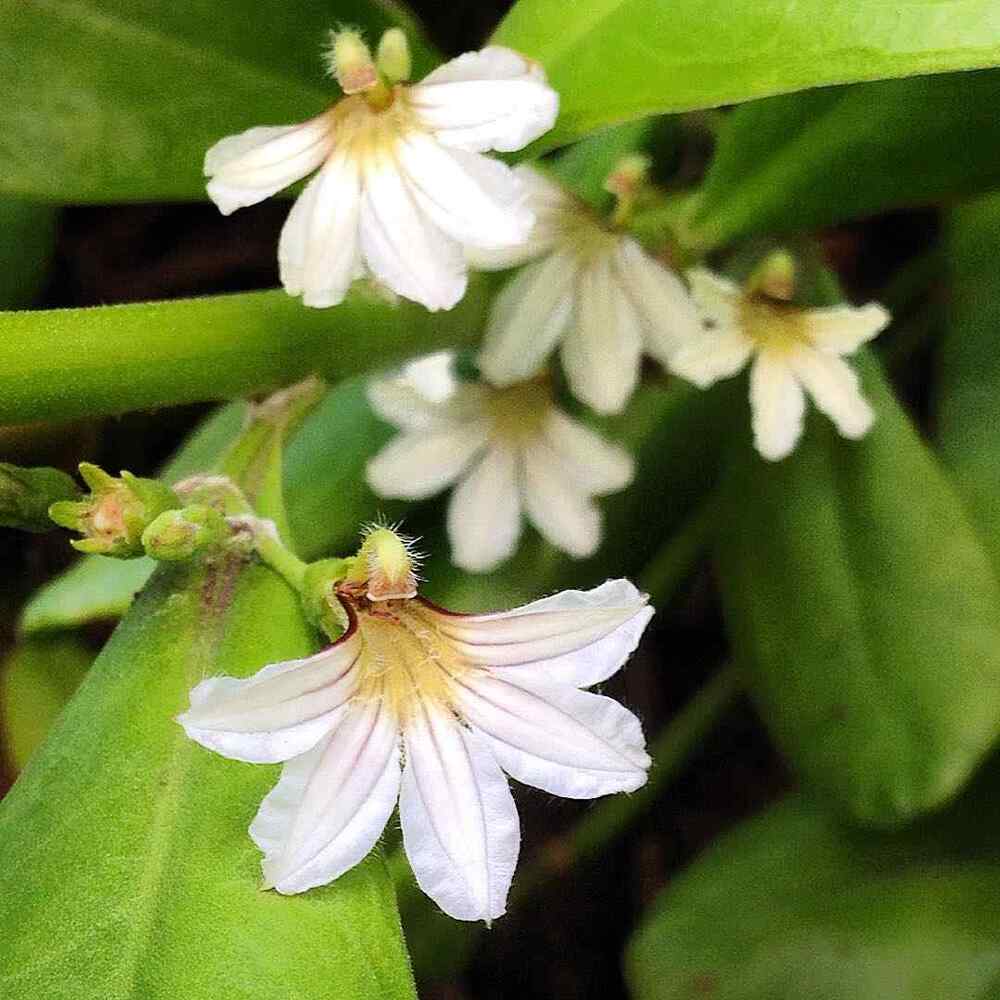
Naupaka kahakai is one of the most reliable coastal shrubs in Hawaii—built for salt air, sandy soil, and blazing sun. Its bright green leaves stay glossy even when ocean winds would scorch other ornamentals. The white flowers are famous for their “half-flower” shape, and the plant naturally forms a dense, wind-sculpted mound that stabilizes soil along shorelines.
Where it shines: beachfront properties, dune edges, and exposed slopes.
Planting tip: give it room to sprawl; it’s excellent as a low barrier or living groundcover.
Care guide: water regularly for the first 6–10 weeks, then reduce; it prefers deep, infrequent watering once established. Prune lightly after flowering to keep a tidy outline and encourage branching. If you want a “clean” border line, trim the outer edge with hand pruners rather than shearing the whole plant.
2) Hawaiian Hibiscus (Native & Hybrid) — including Hibiscus kokio and Yellow Hibiscus (Hibiscus brackenridgei)
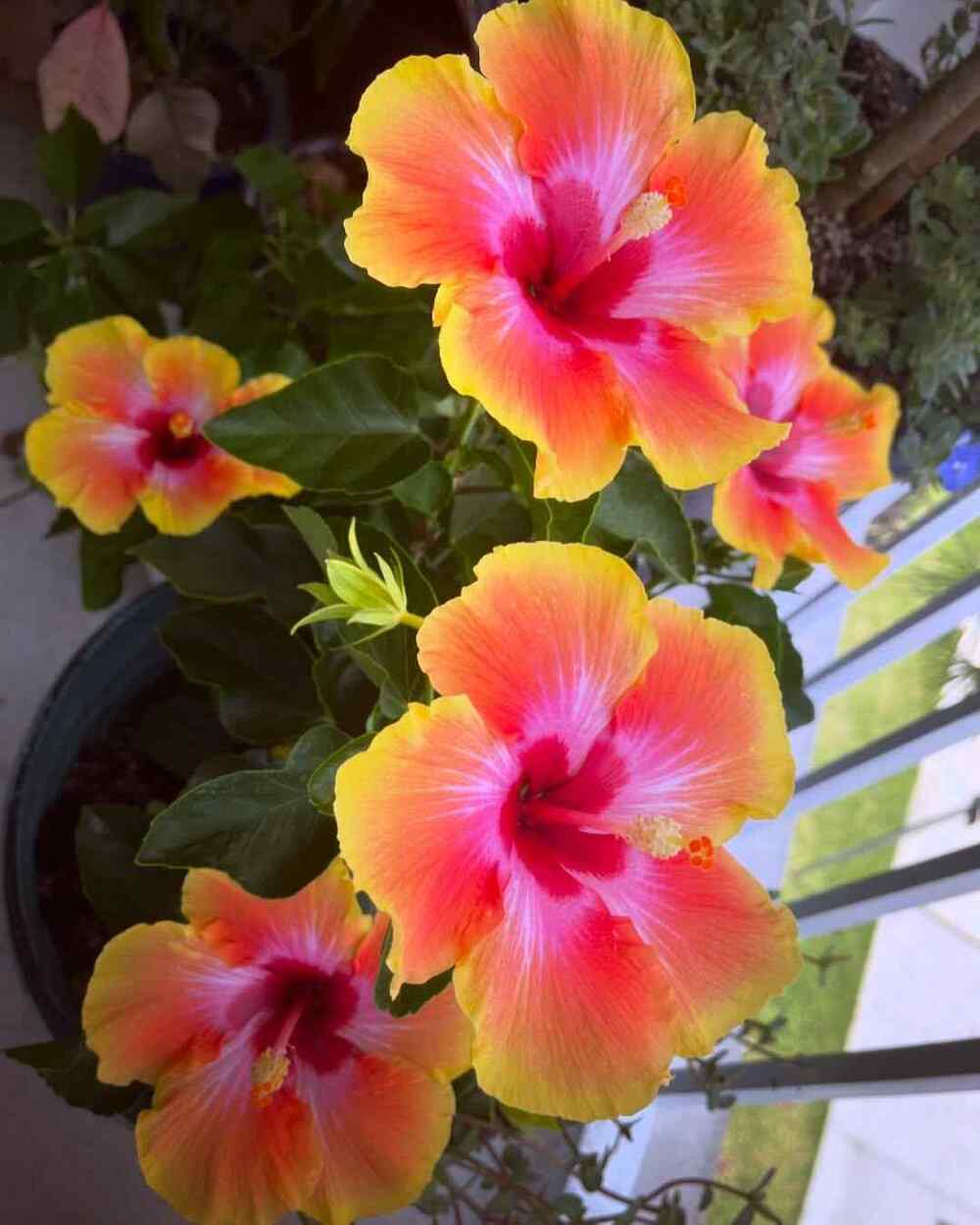
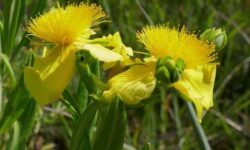
Hibiscus is a Hawaii icon for a reason: bold blooms, long flowering seasons, and instant tropical style. Native forms such as hibiscus kokio and the state flower yellow hibiscus (H. brackenridgei) carry strong local heritage, while hybrids offer a rainbow of reds, pinks, whites, and yellows in more compact or heavy-flowering habits.
Where it shines: entryways, focal beds, and sunny hedges.
Planting tip: choose a spot with strong morning sun; afternoon shade can help in hotter leeward zones.
Care guide: hibiscus likes consistent moisture but hates soggy roots—amend heavy soil with coarse material for drainage. Feed with a bloom-focused fertilizer, and pinch tips when young for fuller growth. For pests like aphids or whiteflies, rinse foliage with a firm spray of water and support beneficial insects. Remove spent flowers to keep the plant neat, especially near walkways.
3) Plumeria (Plumeria rubra)
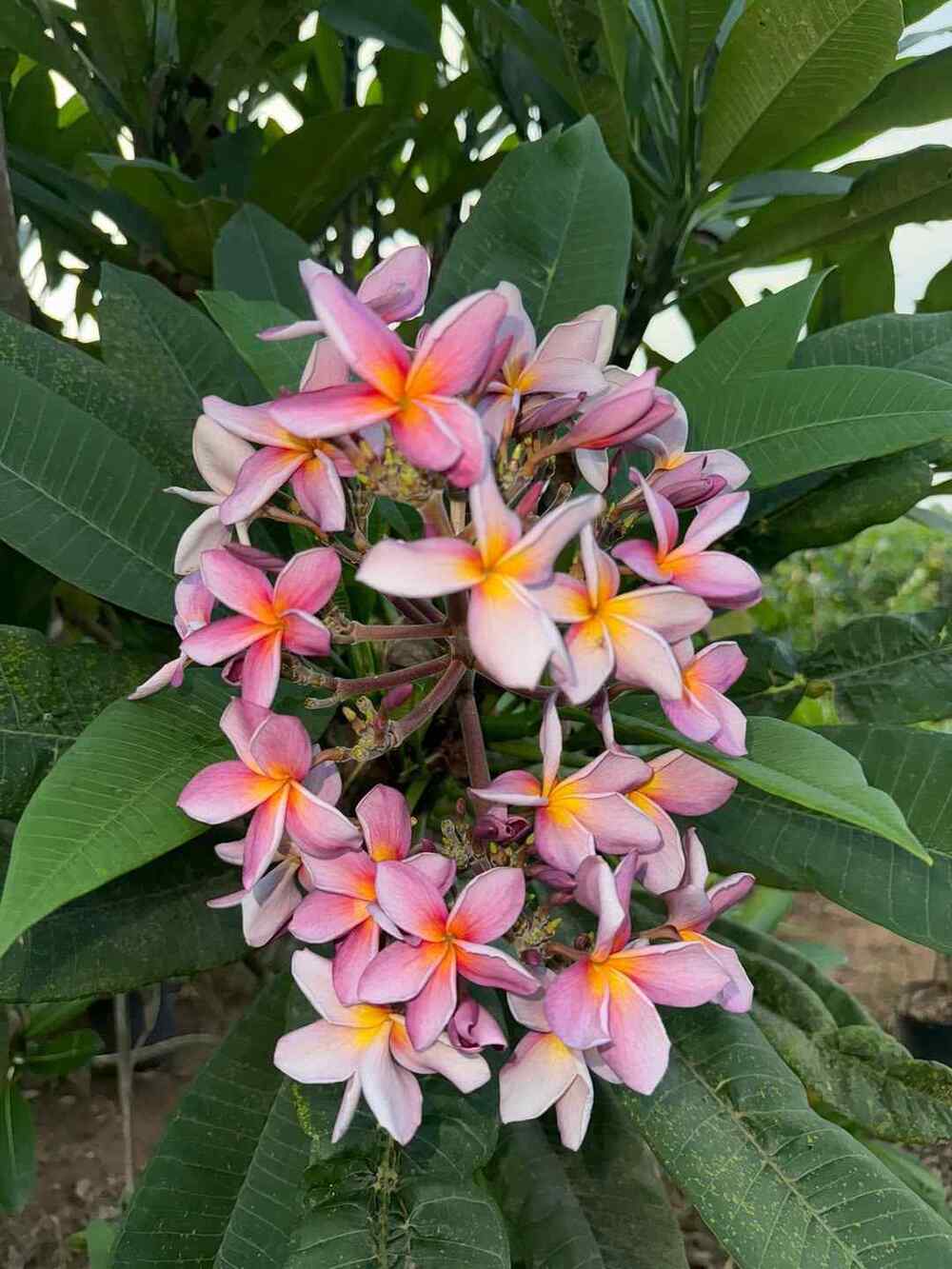
Plumeria carries the scent of Hawaii—sweet, recognizable, and closely tied to lei culture. While often grown as a small tree, plumeria also functions as a large, open shrub in many yards. Its thick branches and seasonal leaf drop give it a sculptural look, especially when planted near lanais where fragrance can drift in on evening breezes.
Where it shines: sunny patios, courtyard corners, and anywhere you want fragrance.
Planting tip: plant it where fallen leaves in winter won’t be annoying—near mulch beds, not a spotless stone path.
Care guide: plumeria prefers full sun and well-draining soil. Water deeply during active growth, then cut back during cooler months when it slows down. Minimal fertilizer is needed; too much nitrogen can push leaves over flowers. Prune in late winter to shape and encourage branching—each branch tip can become a future cluster of blooms.
4) Bougainvillea
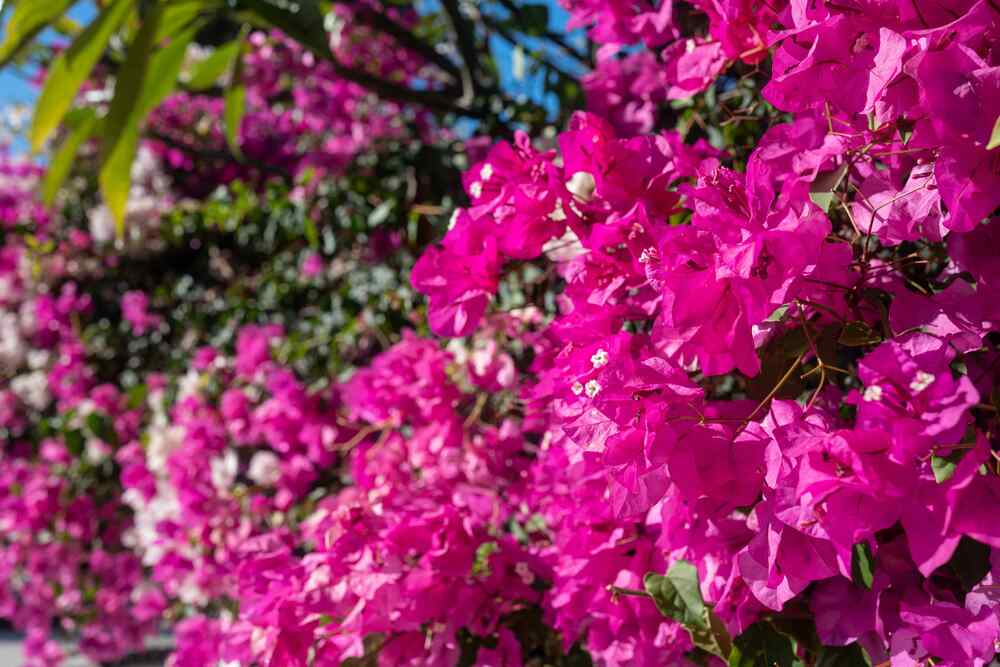
Bougainvillea is a color machine—magenta, red, orange, purple—often mistaken for flowers (the bright parts are bracts). It can grow as a shrub or be trained as a vine, and in Hawaii it’s valued for heat tolerance and fast coverage. It’s ideal when you want dramatic color without constant watering.
Where it shines: sunny fences, leeward slopes, and privacy screens.
Planting tip: give it strong support if training upward; for a shrub form, start shaping early so it doesn’t become a tangled mass.
Care guide: bougainvillea blooms best with full sun and a little “tough love.” Avoid overwatering; let the top layer of soil dry between deep waterings. Wear gloves when pruning—thorns are real. Lightly prune after a bloom flush to encourage new growth and keep it from grabbing walkways. If flowering slows, reduce water and avoid high-nitrogen fertilizer.
5) Gardenia (Gardenia jasminoides)
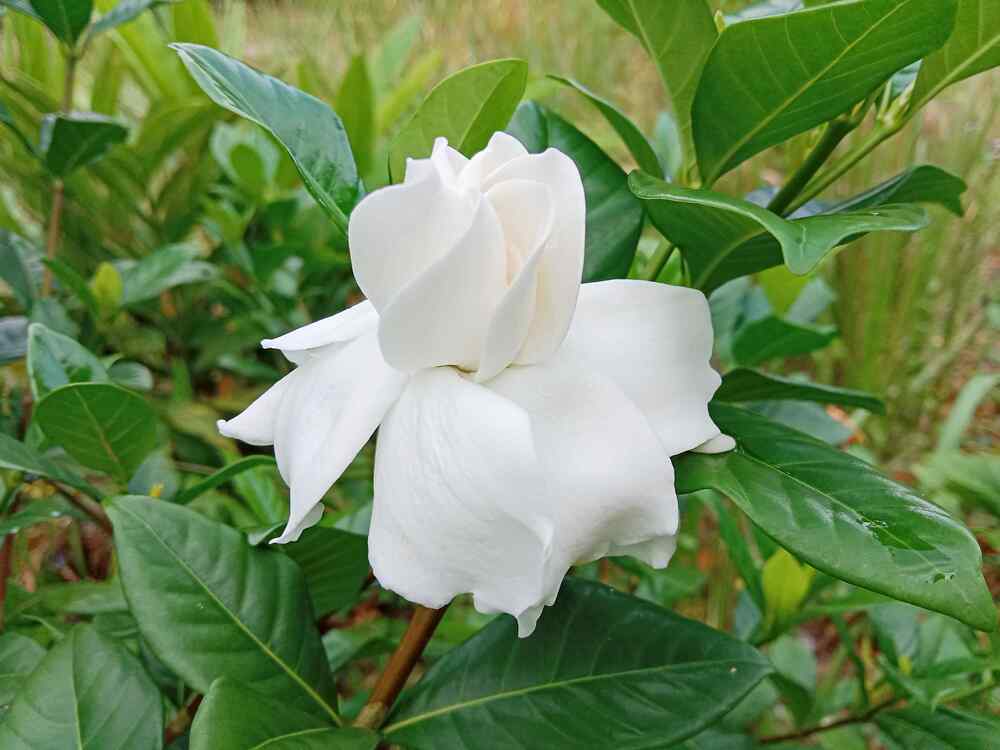
Gardenia is the shrub you plant when fragrance is the priority. Its creamy white flowers perfume an entire corner of the yard, especially in the evening. In Hawaii, gardenias can thrive beautifully, but they appreciate a bit more attention than the hardiest shrubs—think of them as your “scent centerpiece.”
Where it shines: near windows, lanais, and outdoor seating areas.
Planting tip: place it where you’ll notice the scent daily, but with some airflow to reduce fungal issues.
Care guide: gardenias like evenly moist soil and benefit from organic mulch to protect shallow roots. They often prefer slightly acidic conditions; if leaves yellow, check feeding and soil pH. Water at the base (not overhead) and remove fading blossoms to reduce disease pressure. A gentle, regular feeding schedule supports steady bud set and healthier foliage.
6) Bird of Paradise (Strelitzia reginae)
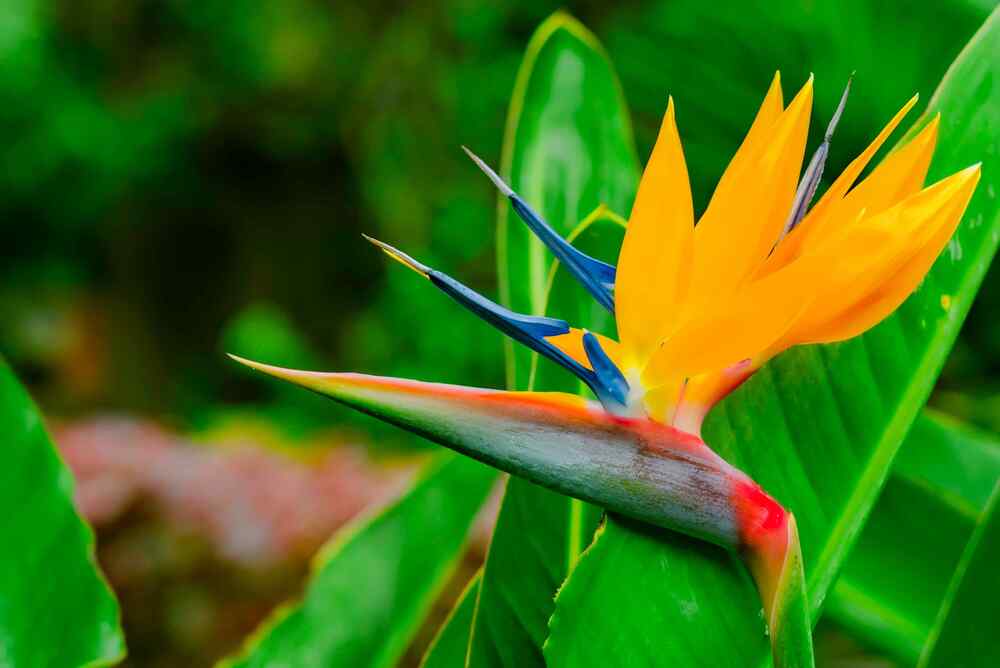
Bird of paradise reads like living sculpture—upright leaves and orange-and-blue flowers shaped like a tropical bird in flight. While many people picture it as a clumping perennial, it can behave like a shrub-forming clump in Hawaiian landscapes, creating height, structure, and a clean architectural line.
Where it shines: modern tropical designs, poolside borders, and statement plantings.
Planting tip: use it to frame an entrance or define a path; it looks best planted in groups of 3 or 5 for rhythm.
Care guide: give it sun to part shade; more sun generally means more blooms. Remove old leaves at the base to keep the clump tidy. Water consistently during establishment, then maintain moderate watering. If plants get crowded, divide clumps to refresh vigor and create new plantings elsewhere.
7) Croton (Codiaeum variegatum)
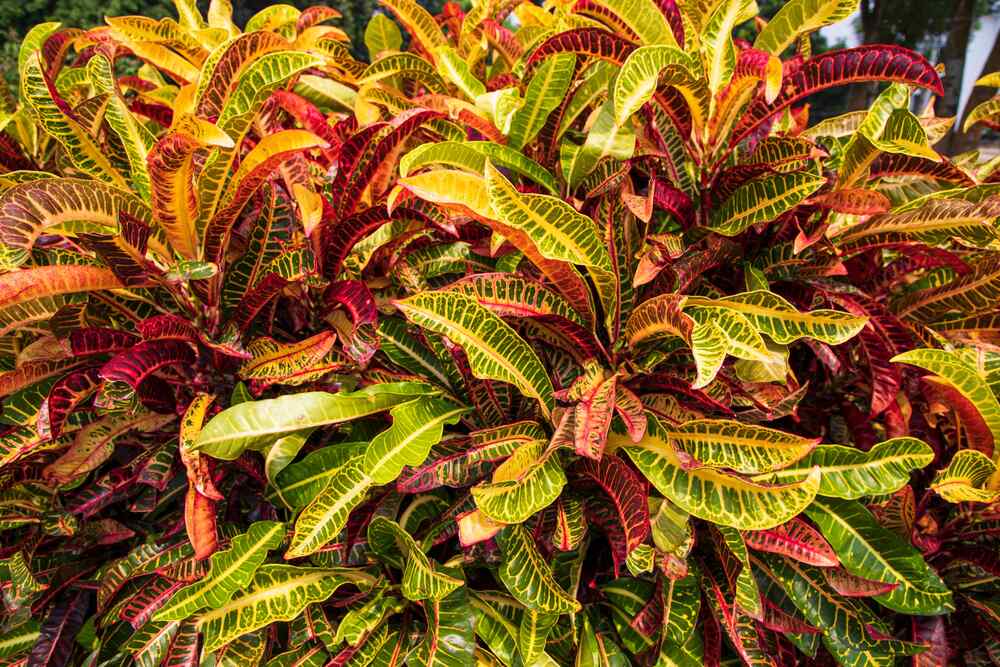
Croton is foliage drama—thick, leathery leaves splashed with yellow, orange, red, pink, and deep purple. In Hawaii’s warmth, crotons can hold color year-round, making them a dependable backbone plant when flowers come and go. They also add instant “designer” energy to plain green landscapes.
Where it shines: color borders, foundation plantings, and mixed tropical beds.
Planting tip: place near neutral walls or dark green plants so the leaf color pops.
Care guide: croton likes bright light; low light reduces color intensity. Keep soil evenly moist while establishing, then water when the top layer begins to dry. Protect from strong wind to prevent leaf tearing. Prune selectively—snip stems back to a leaf node to encourage branching and a fuller shape rather than a tall, bare-stemmed look.
8) Dwarf Ixora (Ixora spp.)
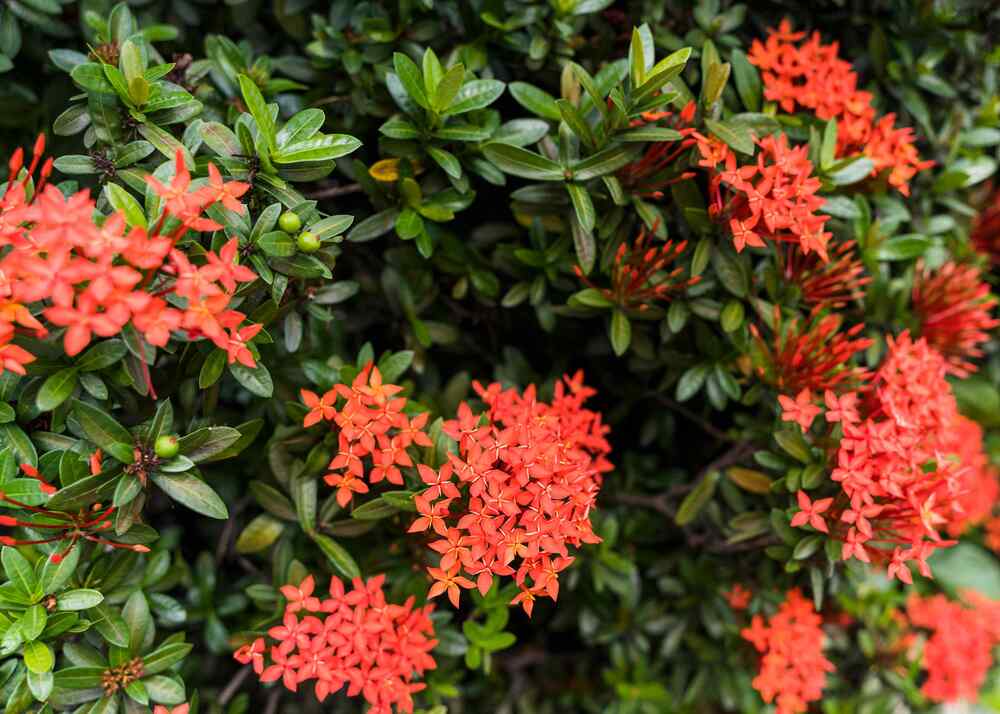
Dwarf ixora is a compact, dense shrub that behaves like a tidy hedge with extra perks: clusters of small flowers in red, orange, yellow, or pink. It’s a strong choice when you want consistent structure but still want lively color that reads well from the street.
Where it shines: low hedges, walkway borders, and mixed beds.
Planting tip: space plants so they can grow together without being crushed—overcrowding increases mildew and reduces flowering.
Care guide: ixora appreciates sun for best blooms, with regular watering during dry spells. Clip lightly after flowering to keep a rounded hedge shape. Feed modestly; too much fertilizer can reduce flowering quality. If leaves yellow, it may need micronutrients (especially in alkaline soils), so consider a fertilizer that includes iron and trace elements.
9) Panax (Polyscias guilfoylei)
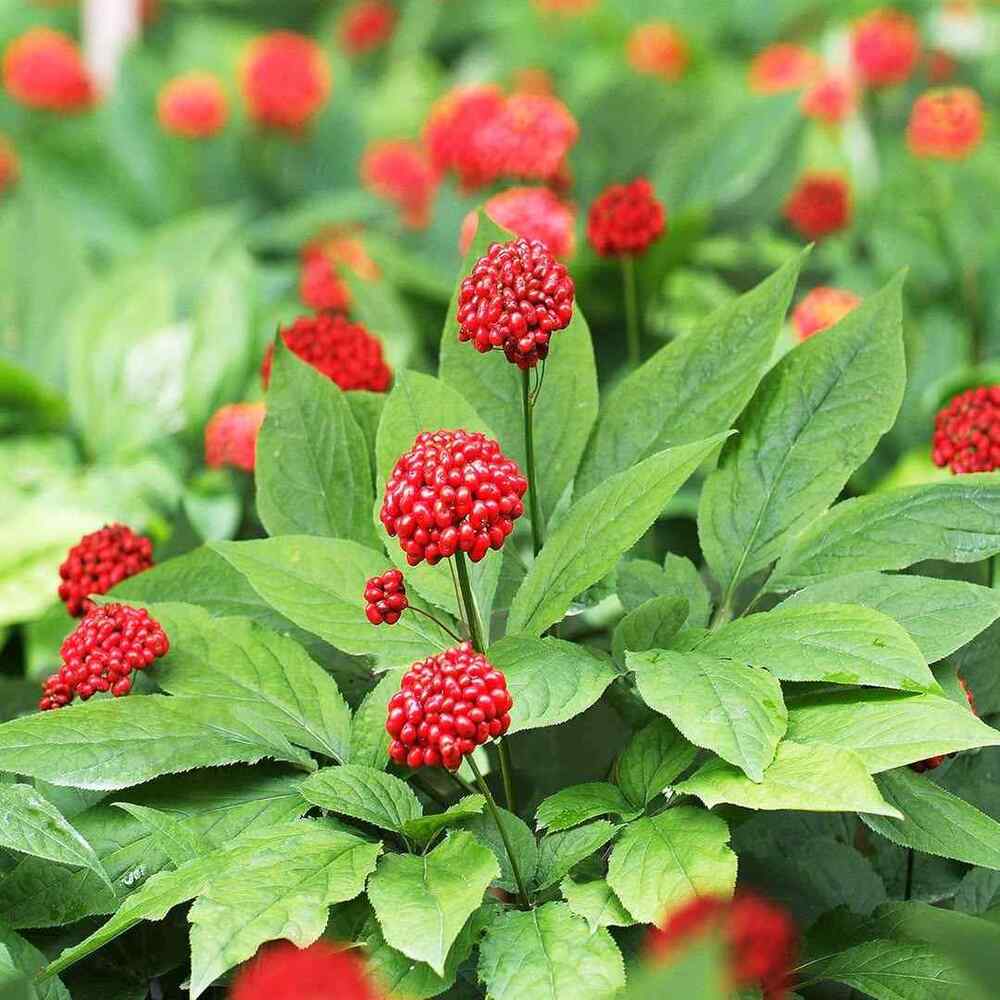
Panax is a top pick for privacy in Hawaii: fast-growing, easy to shape, and naturally dense. Variegated forms bring a clean, bright look that pairs nicely with modern homes, while solid green forms blend into lush tropical gardens. It’s often used as a living wall that softens boundaries without feeling heavy.
Where it shines: privacy screens, property lines, and wind-filter hedges.
Planting tip: plant in a straight line for a formal hedge, or stagger in a zig-zag pattern for quicker coverage and depth.
Care guide: water consistently during establishment; once rooted, it’s fairly tolerant but looks best with regular moisture. Trim the top lightly and often to encourage side branching—this is the secret to a thick hedge. If your hedge gets leggy, rejuvenate by cutting back select stems rather than chopping everything at once.
10) Koʻokoʻolau (Bidens spp.)
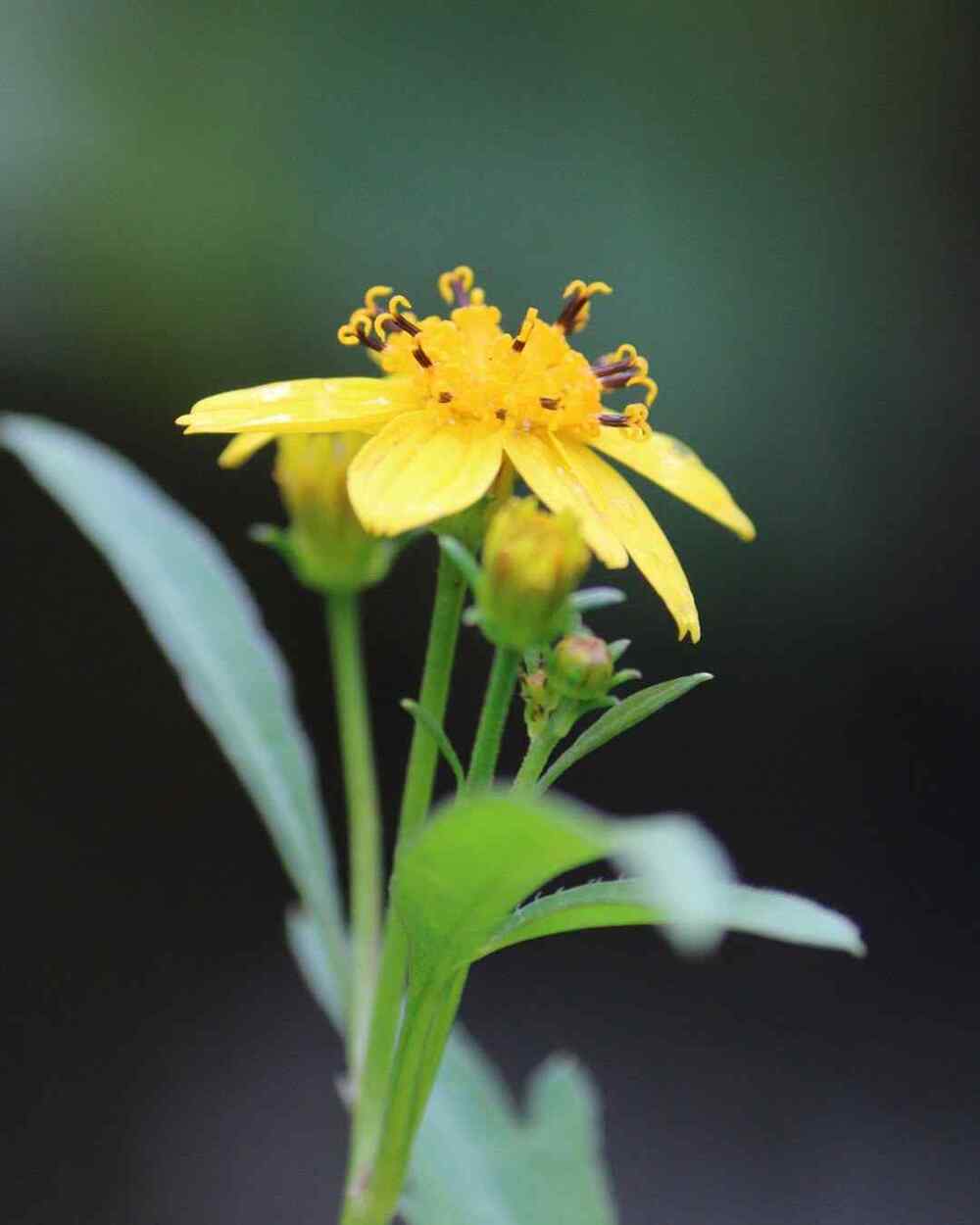
Koʻokoʻolau is a native Hawaiian shrub valued for toughness and local identity. It features small, yellow, daisy-like flowers and handles sun and drier conditions well once established. For gardeners who want more native planting—especially in areas where water conservation matters—this is a smart, culturally grounded choice.
Where it shines: native gardens, drought-aware landscapes, and pollinator-friendly areas.
Planting tip: group it with other drought-tolerant natives and use gravel mulch or coarse organic mulch to reduce evaporation.
Care guide: water regularly at first, then taper down; overwatering can cause weak growth. Prune lightly to maintain shape and to encourage fresh flowering tips. If you want a natural, informal look, avoid tight hedging—let it keep a soft outline that fits a native landscape aesthetic.
FAQ: Shrubs for Hawaii
1) What shrubs handle salty coastal wind best in Hawaii?
Naupaka kahakai is a standout for salt tolerance. It’s commonly used near beaches because it stays healthy in sea spray and sandy soil.
2) Which shrubs are best for privacy screens?
Panax is one of the fastest, easiest options for a dense screen. Bougainvillea can also create privacy when trained, but it needs careful pruning and has thorns.
3) What’s the most fragrant shrub for a lanai area?
Gardenia is a top choice for fragrance near seating areas. Plumeria is also highly fragrant, though it can drop leaves seasonally.
4) Which shrubs give the most consistent color without relying on flowers?
Croton provides year-round foliage color and works well as a landscape anchor when flowering plants are between bloom cycles.
5) Are native shrubs easier to maintain than ornamentals?
Often, yes—especially once established. Naupaka kahakai and koʻokoʻolau generally require less water and fewer inputs when planted in the right location.
6) How do I prevent shrubs from getting leggy?
Start shaping early: pinch or tip-prune young plants to encourage branching. For hedges like panax and ixora, light, frequent trimming works better than rare heavy cuts.