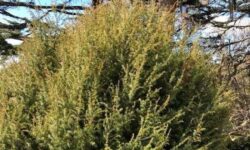
Georgia gardens have a distinct personality: hot, humid summers, mild winters, sudden cold snaps, and soils that often lean acidic and clay-heavy. The good news is that many shrubs for Georgia actually prefer these conditions—especially when you match each plant to the right sun, moisture, and purpose (privacy, fragrance, wildlife, or four-season color).
I’m writing this with a “Georgia-yard” mindset: what performs reliably, what stays attractive through humidity, and what doesn’t demand constant pampering. Use the list below as a pick-and-place guide—choose a few shrubs that fit your light and soil, then repeat them in groups for a polished, designer look.
Table of Contents
Shrubs for Georgia: 10 Top Choices That Handle Heat, Humidity, and Clay
Below are ten shrubs that consistently do well across much of Georgia (from metro Atlanta to the Coastal Plain), including natives and evergreen workhorses. For each shrub, you’ll get the “why,” plus specific placement and care notes you can actually use.
1) Oakleaf Hydrangea (Hydrangea quercifolia)
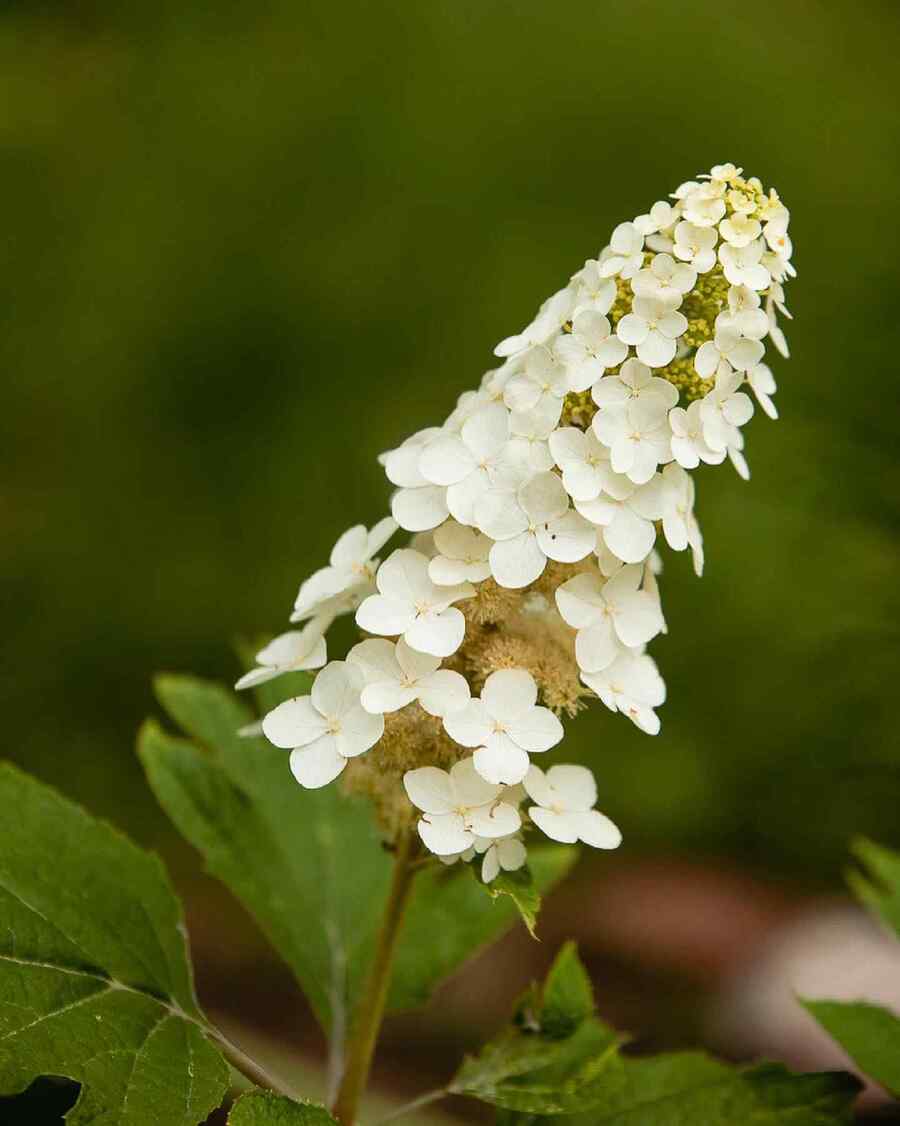
Why it works in Georgia: This native is one of the best “all-season” shrubs you can plant—showy summer blooms, strong fall color, and exfoliating bark in winter.
Aesthetic direction: Use it as a statement shrub near an entry, patio, or woodland edge. Plant in drifts of 3 for a natural, upscale look.
Care notes:
-
Light: Morning sun + afternoon shade is ideal; tolerates more shade than many hydrangeas.
-
Soil: Handles clay if it drains; add compost at planting.
-
Bonus: Cone-shaped white blooms age to pink; foliage turns burgundy in fall.
2) Camellia (Camellia japonica / Camellia sasanqua)
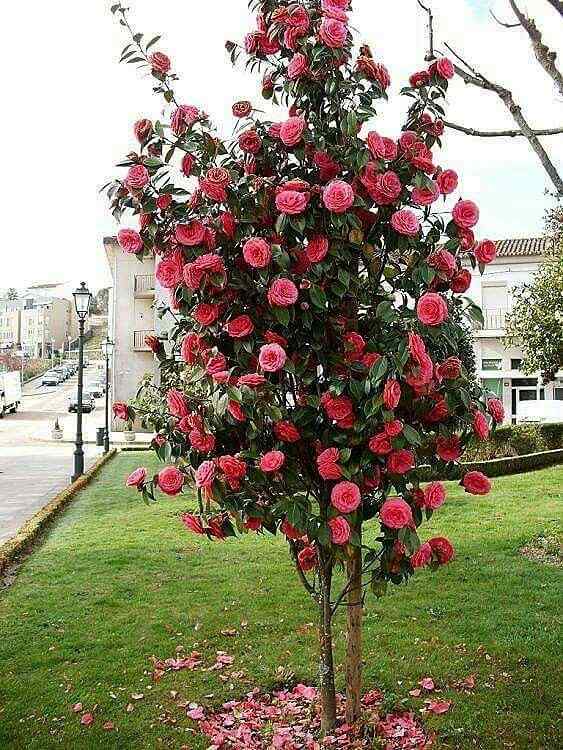
Why it works in Georgia: Glossy evergreen leaves, reliable blooms in fall/winter, and excellent structure for foundation plantings.
Aesthetic direction: Camellias read as classic Southern elegance. Pair with a brick home, iron railing, or shaded front walk for an established feel.
Care notes:
-
Light: Bright shade to part sun (too much harsh afternoon sun can scorch).
-
Soil: Acidic, well-drained; mulch to keep roots cool.
-
Pro tip: Sasanquas typically bloom earlier (fall) and tolerate more sun than many japonicas.
3) Gardenia ‘Frostproof’ (Gardenia jasminoides)
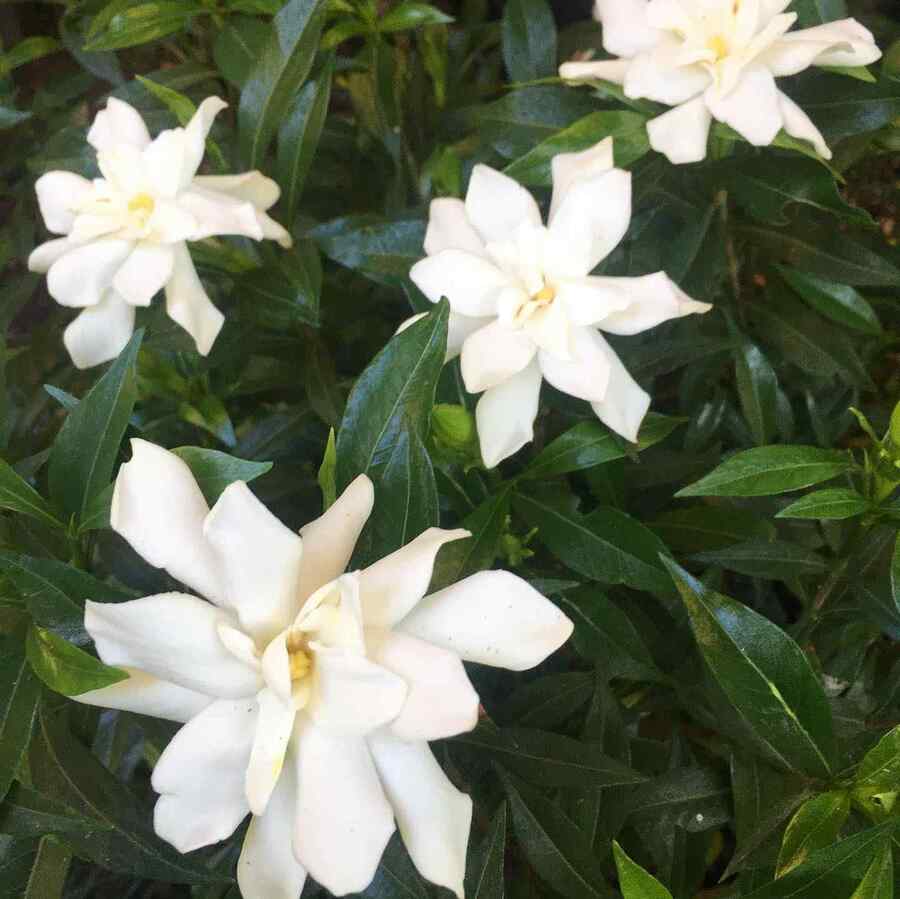
Why it works in Georgia: Fragrance is the whole point here—and ‘Frostproof’ is a tougher choice that’s widely grown in the Southeast.
Aesthetic direction: Place near front doors, porches, patios, or along a path—anywhere people pass close enough to enjoy the scent.
Care notes:
-
Light: Part sun is best; morning sun is ideal.
-
Soil: Acidic and evenly moist, not soggy.
-
Keep it happy: Mulch and water during dry spells; avoid wet feet.
4) Virginia Sweetspire (Itea virginica)
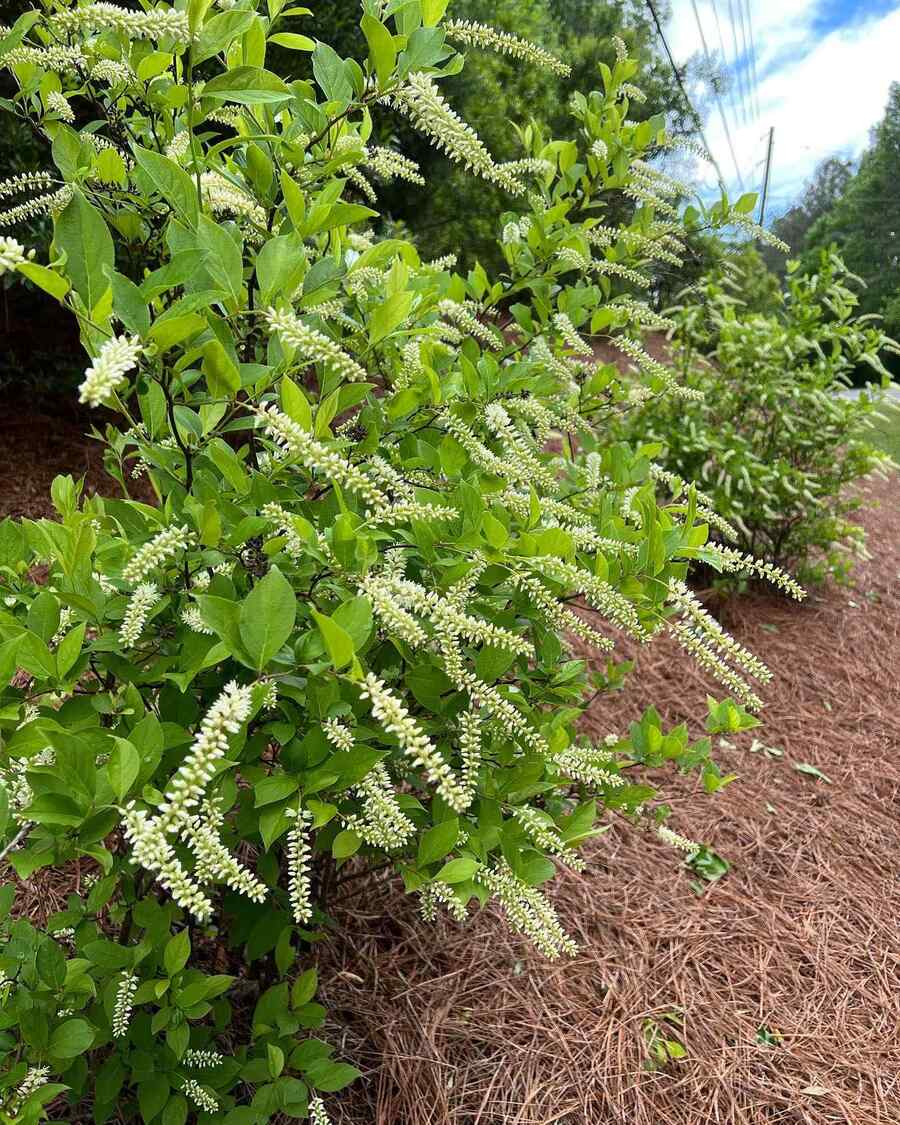
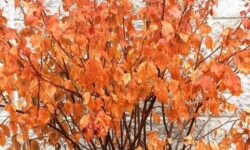
Why it works in Georgia: A native that tolerates moisture and clay better than many ornamentals, with fragrant white blooms and excellent red fall color.
Aesthetic direction: Use it to create a soft, flowing border along a fence, creek edge, or low spot that stays damp.
Care notes:
-
Light: Sun to part shade.
-
Soil: Adaptable; thrives in moist areas where other shrubs struggle.
-
Design tip: It looks best massed—5–7 plants makes it feel intentional.
5) Loropetalum / Chinese Fringe Flower (Loropetalum chinense)
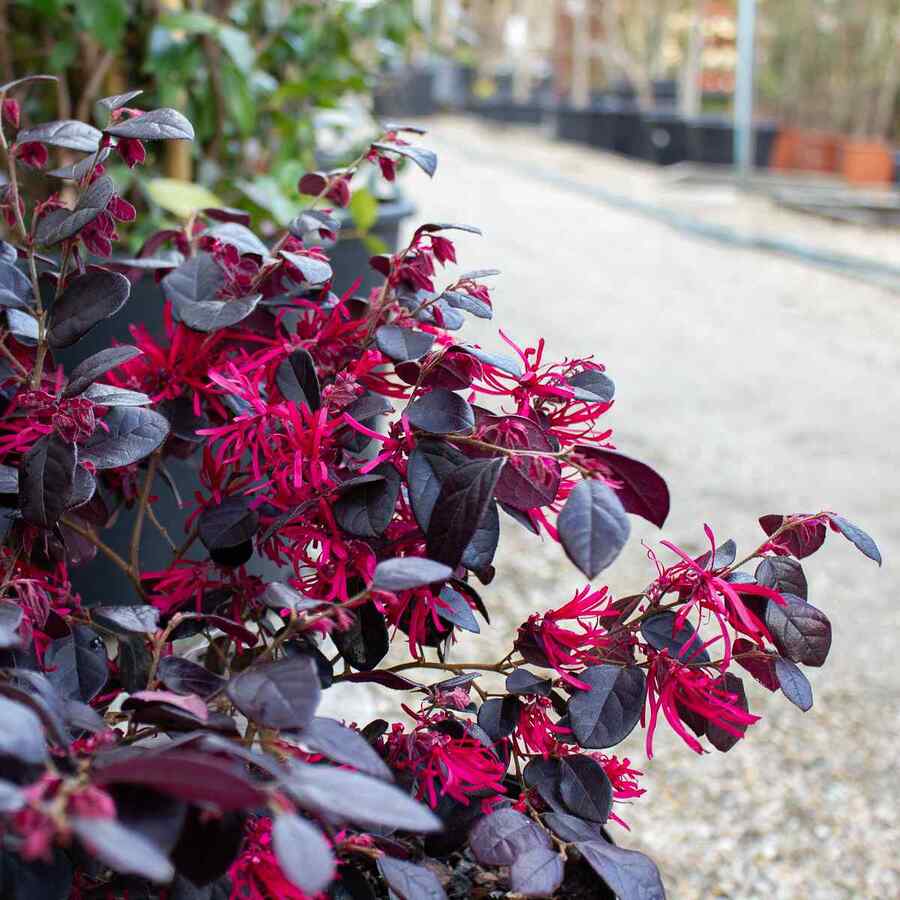
Why it works in Georgia: Evergreen color is the main attraction—many cultivars carry rich purple foliage and bright spring blooms.
Aesthetic direction: Loropetalum gives a modern, colorful foundation look. Repeat it along the front of a home for rhythm and contrast.
Care notes:
-
Light: Full sun to part sun for best foliage color.
-
Soil: Average, well-drained; tolerates clay once established.
-
Maintenance: Choose the right size cultivar so you’re not forced into constant shearing.
6) American Beautyberry (Callicarpa americana)
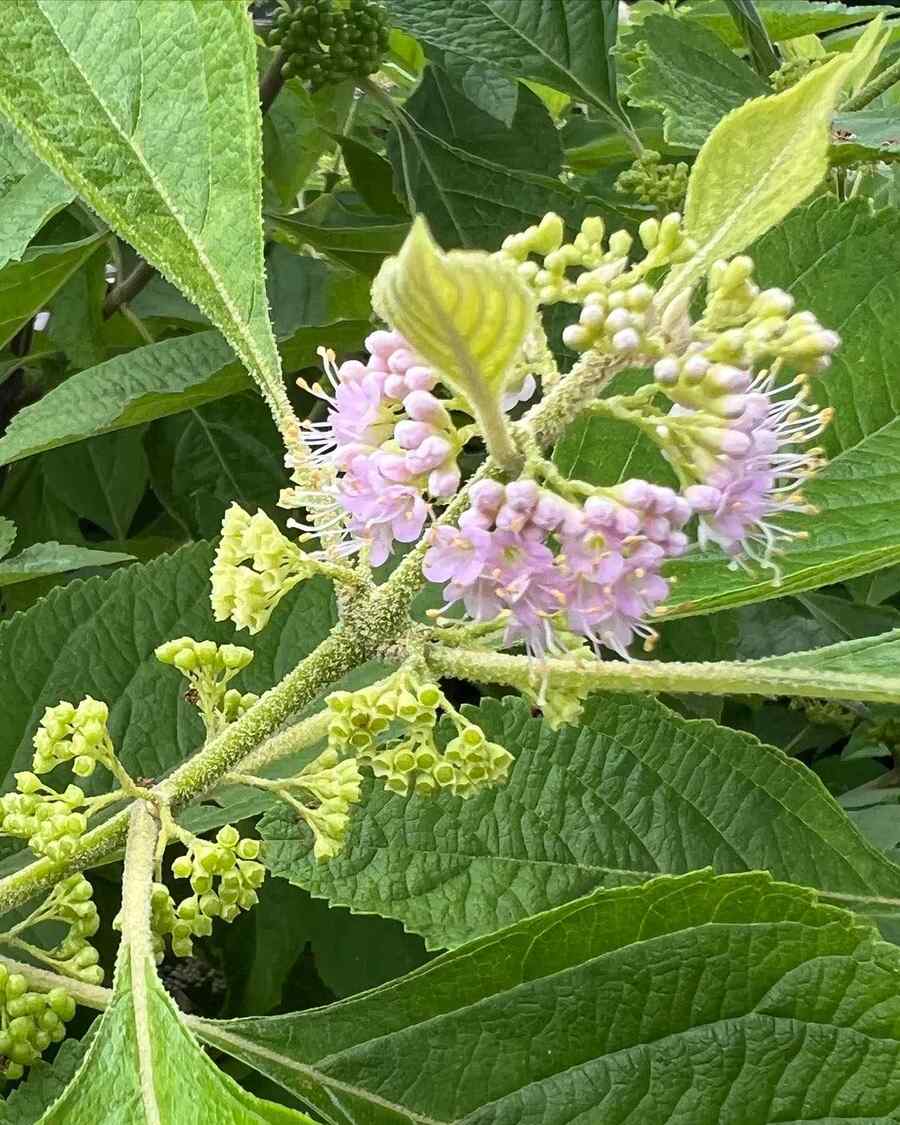
Why it works in Georgia: Native, wildlife-friendly, and famous for electric purple berries in fall that stop people in their tracks.
Aesthetic direction: Best in a naturalistic bed—think woodland borders, mixed native plantings, or behind perennials. It’s charming, not formal.
Care notes:
-
Light: Sun to part shade.
-
Soil: Very adaptable.
-
Pruning: You can cut it back in late winter to encourage fresh growth and good berry production.
7) Southern Wax Myrtle (Morella cerifera)
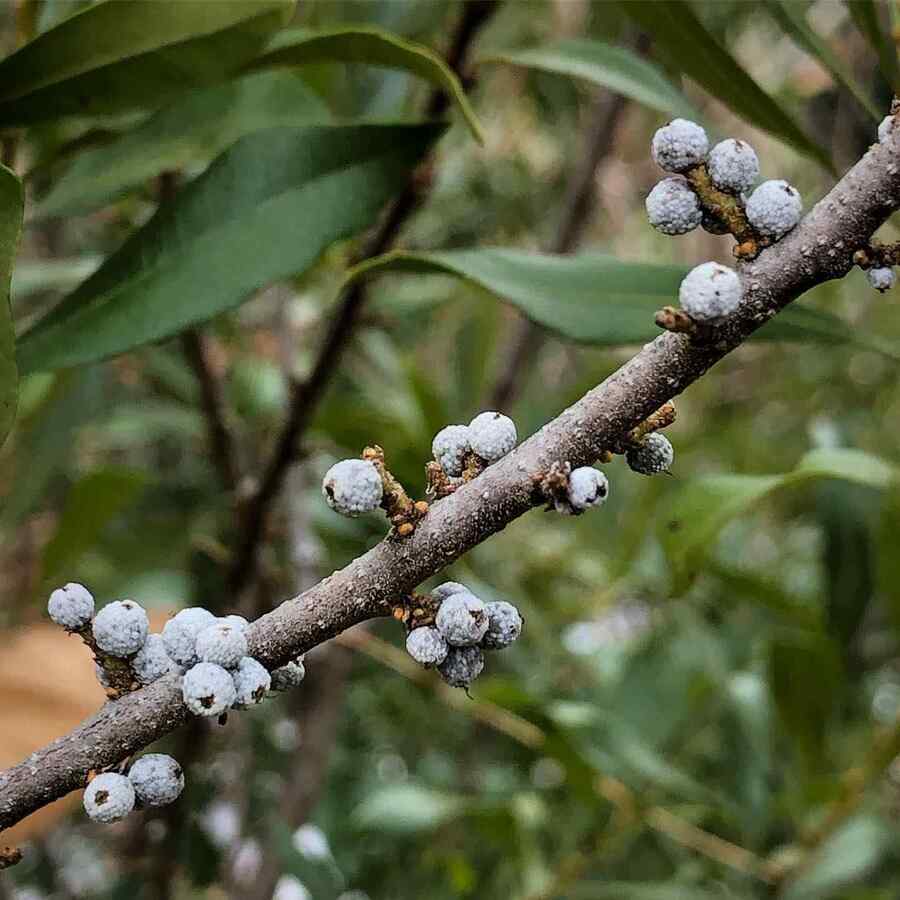
Why it works in Georgia: Fast-growing native evergreen that makes an excellent privacy screen and handles heat and humidity with ease.
Aesthetic direction: Use as a living wall at the property line or to block street views. It’s more “coastal casual” than manicured boxwood.
Care notes:
-
Light: Sun to part shade.
-
Soil: Very tolerant, including sandy and average clay soils.
-
Practical note: It can grow large—give it room or plan for selective pruning.
8) Abelia (Abelia × grandiflora)
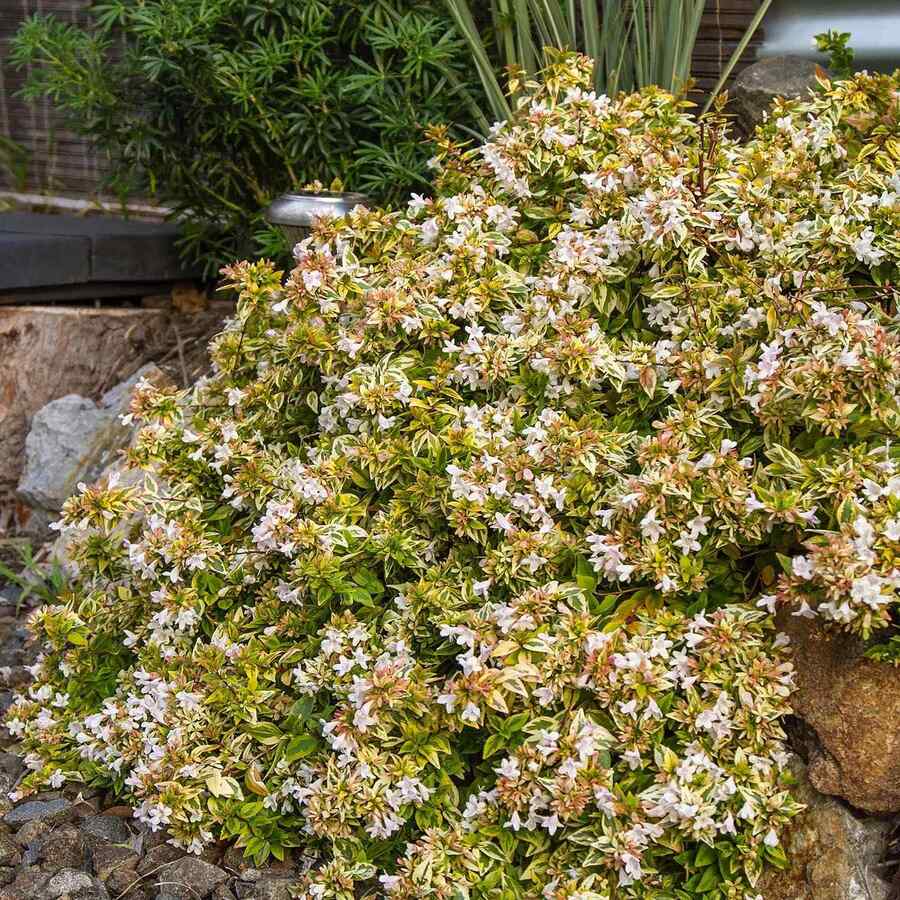
Why it works in Georgia: Durable, heat-tolerant, and long-blooming with a light, airy habit—great when you want color without fuss.
Aesthetic direction: Abelia adds movement and softness. It’s ideal along walkways, mixed borders, or as a “filler” shrub that still looks refined.
Care notes:
-
Light: Full sun to part shade.
-
Soil: Adaptable; tolerates clay with decent drainage.
-
Style tip: Avoid tight hedging; let its arching form do the decorating.
9) Tea Olive (Osmanthus fragrans)
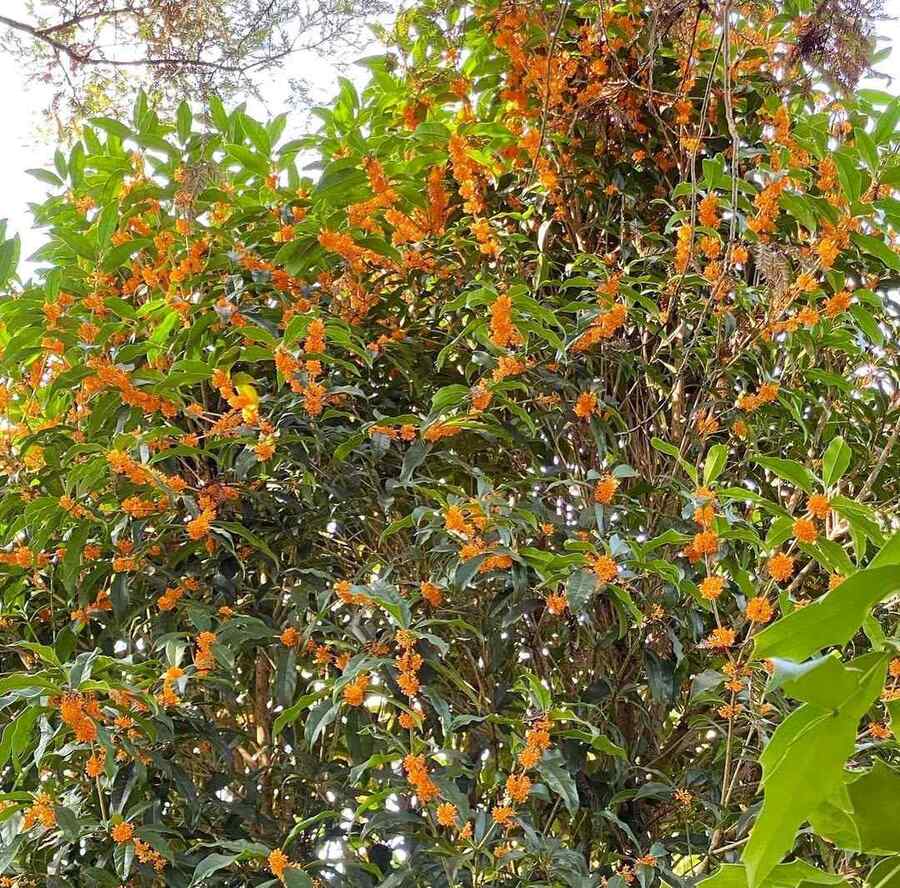
Why it works in Georgia: Understated evergreen leaves with intensely fragrant autumn blooms—one of the best scent shrubs for Southern landscapes.
Aesthetic direction: Plant it where fragrance can drift: near a patio, driveway, mailbox area, or side-yard gate. It creates that “I know this neighborhood” feeling.
Care notes:
-
Light: Full sun to part shade.
-
Soil: Well-drained; tolerates clay if not waterlogged.
-
Bonus: Also works as a tall privacy shrub in warmer parts of the state.
10) Distylium (Distylium spp.)
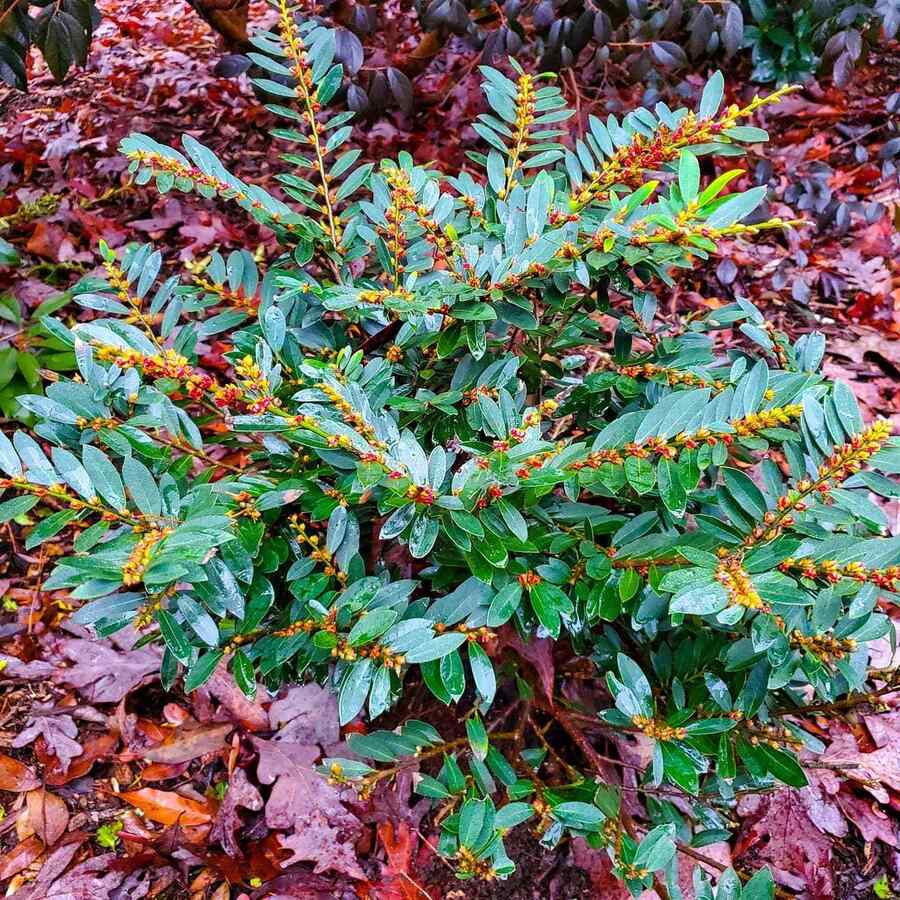
Why it works in Georgia: A tough evergreen with excellent pest resistance and strong performance in heat—often used as a boxwood alternative.
Aesthetic direction: If you like a clean, modern foundation bed, Distylium delivers. It stays tidy without constant clipping.
Care notes:
-
Light: Sun to part shade; many types tolerate more shade than expected.
-
Soil: Adaptable; good drainage helps in heavy clay.
-
Pro tip: Great for commercial-style polish at home—repeat it in a simple pattern.
Georgia Planting Tips That Make Shrubs Thrive
Plant in fall whenever possible. Georgia’s fall planting season gives shrubs time to root in while temperatures are milder, so they enter summer stronger.
Prep clay the smart way. Don’t “fix” clay by digging a deep hole and filling it with fluffy soil—that can create a bathtub effect. Instead:
-
Dig the hole 2–3x as wide as the root ball, not much deeper.
-
Mix compost into the native soil you remove.
-
Keep the top of the root ball slightly above grade, then mulch.
Match shrubs to water reality.
-
If your area stays moist, Sweetspire is a winner.
-
If your site is drier or you want a screen, Wax Myrtle and Distylium are dependable.
-
If drainage is questionable, mound slightly and avoid water-loving shrubs in low spots.
FAQ: Shrubs for Georgia
1) When is the best time to plant shrubs in Georgia?
Fall is typically best because roots establish during cooler weather, setting plants up for success before summer heat.
2) What shrubs handle Georgia clay soil the best?
Virginia Sweetspire, Distylium, Wax Myrtle, and Oakleaf Hydrangea can do well in clay—especially when drainage is reasonable and the planting hole is wide.
3) Which shrubs are best for privacy in Georgia?
Southern Wax Myrtle and Tea Olive are strong evergreen choices for privacy. Distylium can also work for lower, denser screening.
4) Which shrubs provide the strongest fragrance?
Gardenia and Tea Olive are standout fragrant shrubs. Place them near doors, patios, or walkways for maximum impact.
5) Are native shrubs a good choice for Georgia landscapes?
Yes—natives like Oakleaf Hydrangea, Virginia Sweetspire, and American Beautyberry often handle Georgia’s climate well and support pollinators and birds.