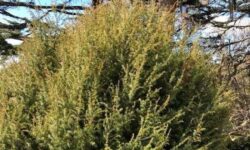
If you’re choosing shrubs for Delaware, you want plants that can handle humid summers, occasional coastal wind, and the state’s mix of sandy coastal soils and heavier inland clay—without demanding constant babysitting. The good news: Delaware has a strong lineup of shrubs that look polished in a front yard, feel natural in a woodland edge, and quietly do the “work” of supporting birds and pollinators.
Below are 10 reliable shrubs that bring four-season beauty, help with erosion control, and provide nectar, shelter, and berries for wildlife. I’ll also tell you where each shrub fits best in a typical Delaware yard so you can plant with confidence, not guesswork.
Table of Contents
Shrubs for Delaware: Quick Guide to Picking the Right One
Before you buy, match shrubs to three things: sun, soil moisture, and your “vibe” (neat foundation planting vs. relaxed, naturalistic borders).
-
Sun: Full sun (6+ hours) vs. part shade (3–6 hours) vs. shade (under 3 hours).
-
Moisture: Dry/average vs. consistently moist vs. wet spots and rain gardens.
-
Aesthetic goal:
-
Crisp + evergreen structure (tidy year-round framework)
-
Soft + blooming (fragrance and pollinator energy)
-
Winter show (berries and stems when everything else is bare)
-
If you tell yourself, “I want the front to feel clean and evergreen, but I also want the back to feel like a native retreat,” you’re exactly the person these picks are for.
1) Virginia Sweetspire (Itea virginica)
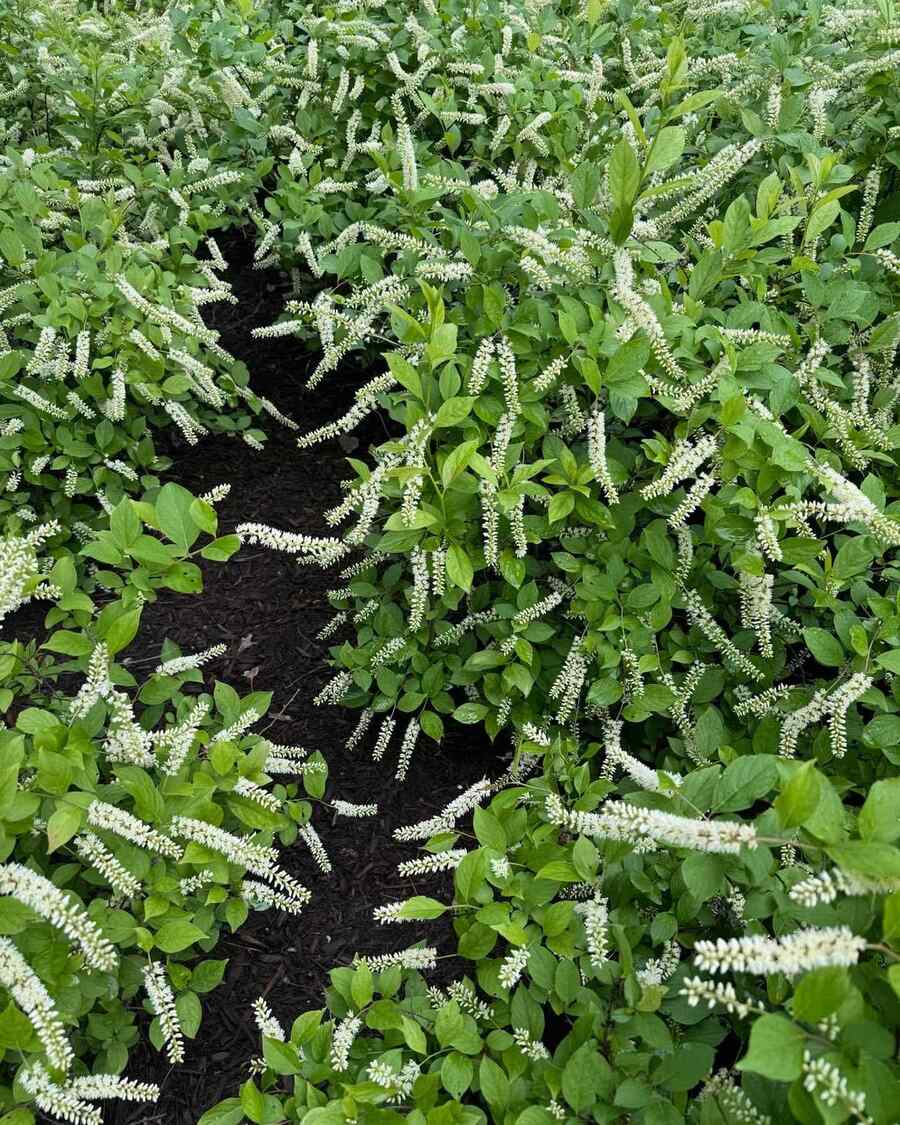
Best for: Part shade to sun, average to moist soil, borders and foundation edges
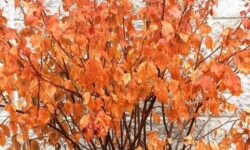
Virginia sweetspire is a Delaware-friendly native that behaves like a professional: it fills space gracefully, flowers reliably, and turns brilliant red in fall. In late spring, it produces drooping white flower spikes with a light fragrance that reads “fresh” rather than overpowering.
How to style it:
-
Plant 3–5 in a drift along a walkway or fence for a soft, tailored look.
-
Underplant with ferns or sedges for a woodland vibe.
Care notes: Low maintenance once established; mulch lightly to hold moisture.
2) Summersweet / Sweet Pepperbush (Clethra alnifolia)
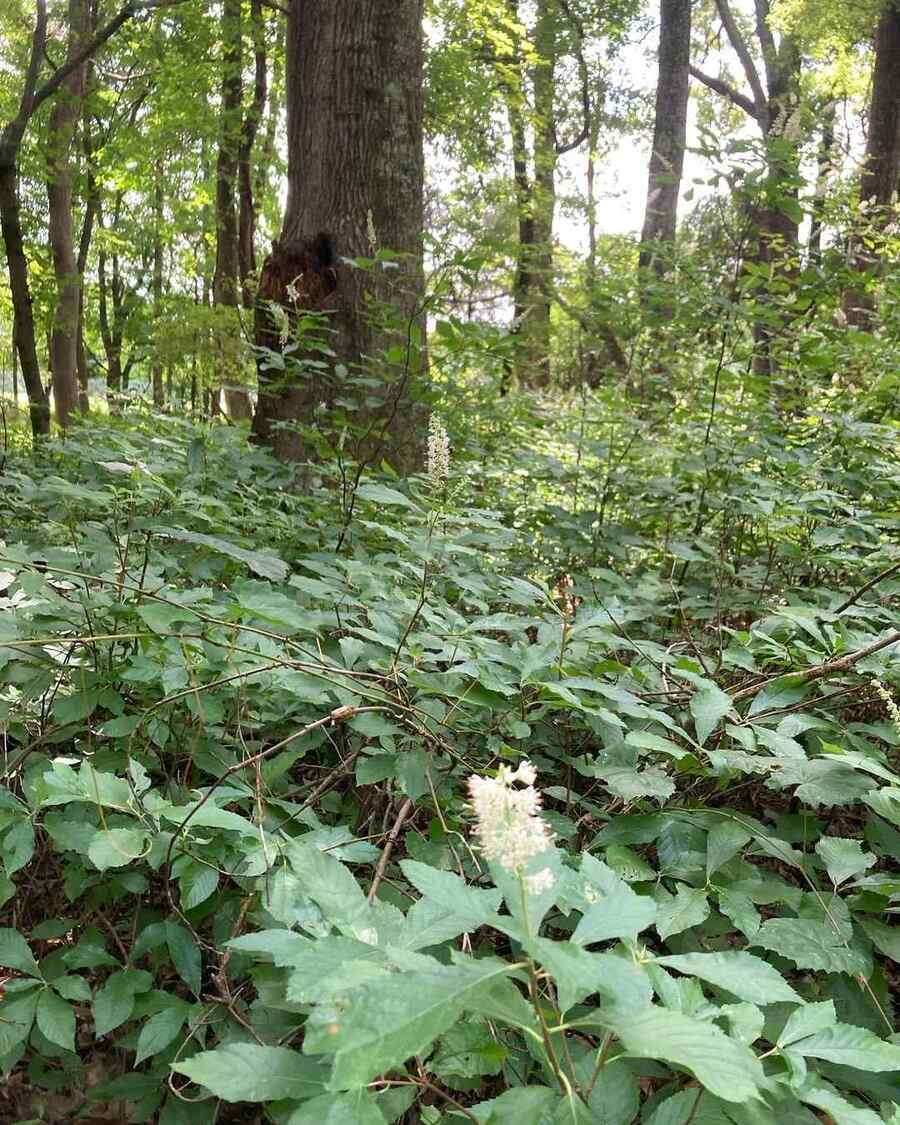
Best for: Shade to part sun, moist soil, pollinator gardens
If you have a shady side yard or a damp spot that never quite dries out, summersweet will feel like a gift. It blooms in July–August with fragrant white or pink flower spikes that attract butterflies and bees when many shrubs have finished flowering.
How to style it:
-
Place near a patio or window so you actually enjoy the fragrance.
-
Pair with hostas or native groundcovers for an easy, lush understory.
Care notes: Tolerates shade well; consistent moisture improves bloom and growth.
3) Winterberry Holly (Ilex verticillata)
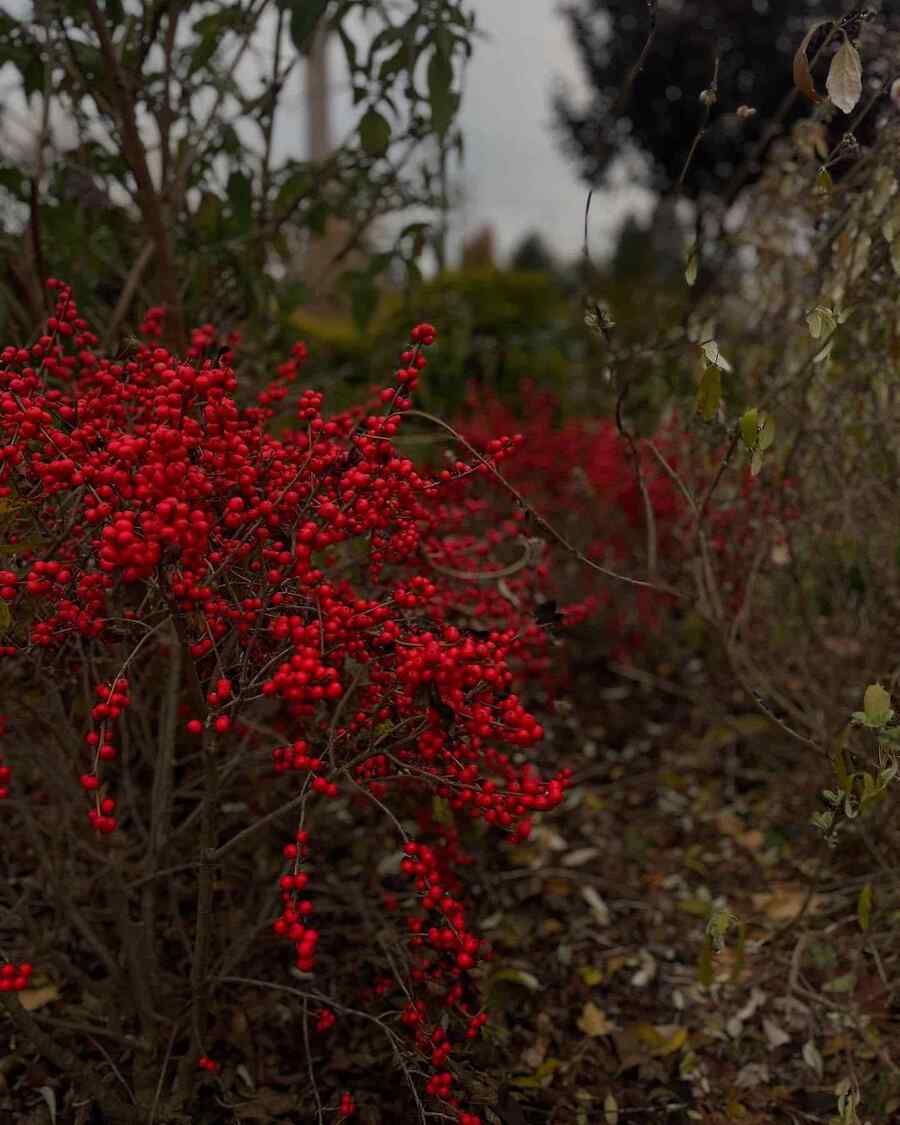
Best for: Full sun to part shade, moist soil, winter interest
Winterberry is the classic “wow” shrub in December: bright red berries that hold well into winter and look stunning against snow or gray skies. It’s also a bird-friendly choice.
Important detail (don’t skip):
You need one male plant nearby to pollinate berry-producing females. Nurseries often label them clearly; choose compatible varieties.
How to style it:
-
Use two or three females as a winter focal point near an entry view.
-
Add ornamental grasses nearby for movement and contrast.
4) Southern Arrowwood Viburnum (Viburnum dentatum)
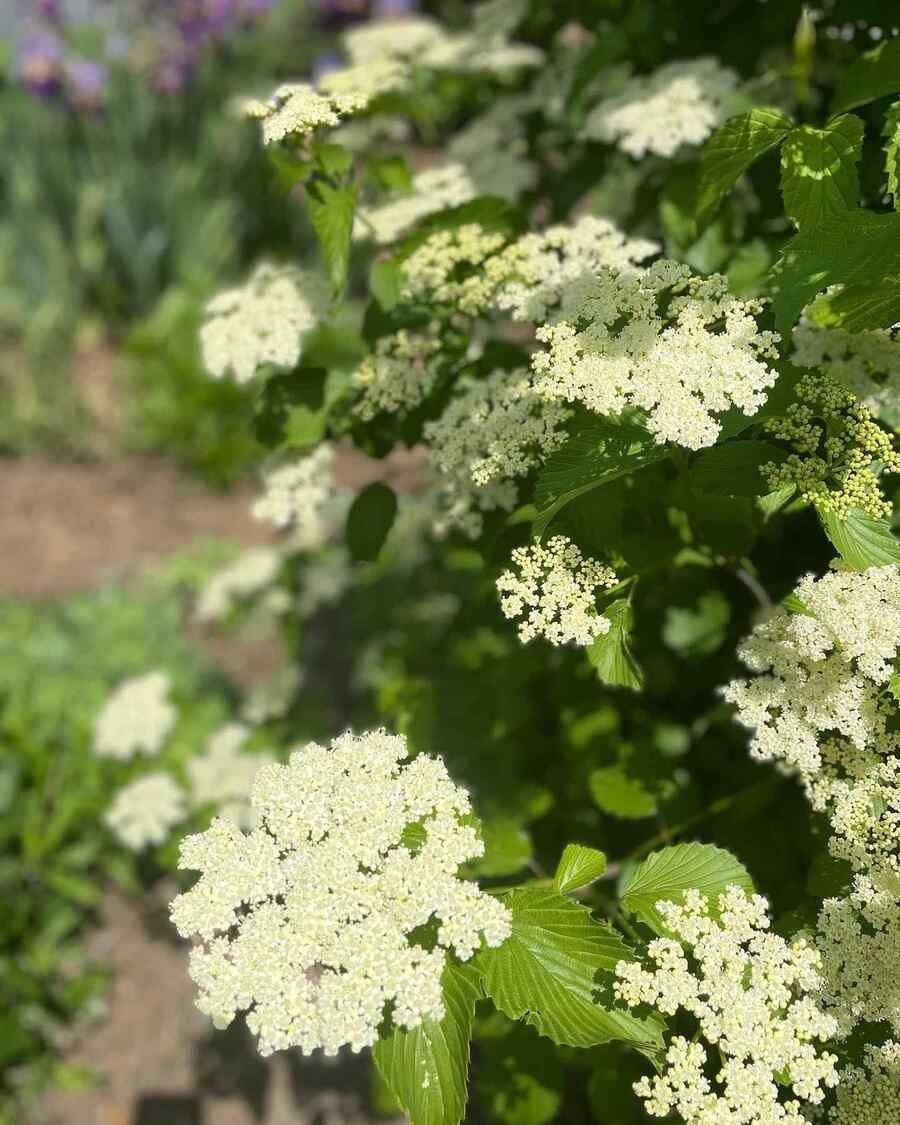
Best for: Sun to part shade, adaptable soils, wildlife hedges
This shrub is tough, forgiving, and generous: white spring flowers, dark blue berries, and strong wildlife value. It’s excellent if you want a natural privacy screen that still looks intentional.
How to style it:
-
Plant as a loose hedge (space plants so they can breathe).
-
Mix with other natives for a layered border: viburnum + sweetspire + chokeberry is a strong trio.
Care notes: Minimal pruning; shape after flowering if desired.
5) Inkberry Holly (Ilex glabra)
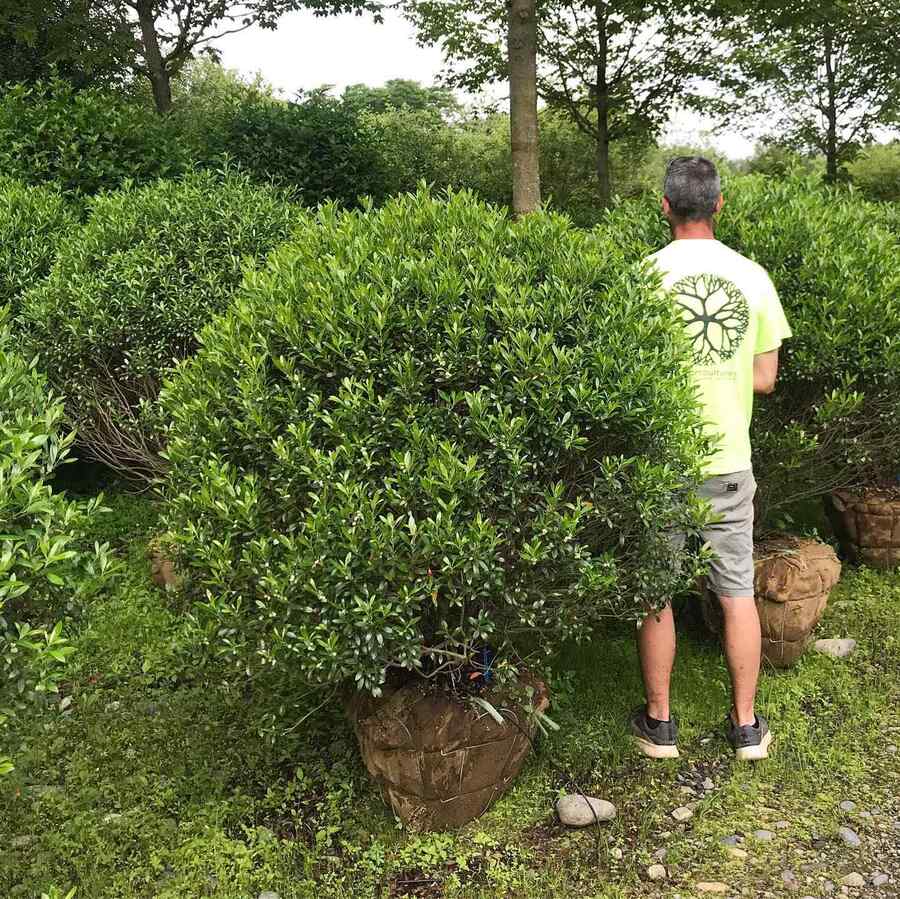
Best for: Sun to part shade, moist to average soil, evergreen structure
Inkberry is a native evergreen that can stand in for boxwood—without the same pest worries many gardeners associate with traditional boxwoods. It offers year-round foliage and a clean, modern outline if you keep it lightly shaped.
How to style it:
-
Use in foundation plantings for evergreen backbone.
-
Pair with hydrangea or sweetspire for a “designed” look that still feels local.
Care notes: Choose a cultivar that matches your desired habit (more compact vs. more natural).
6) Black Chokeberry (Aronia melanocarpa)
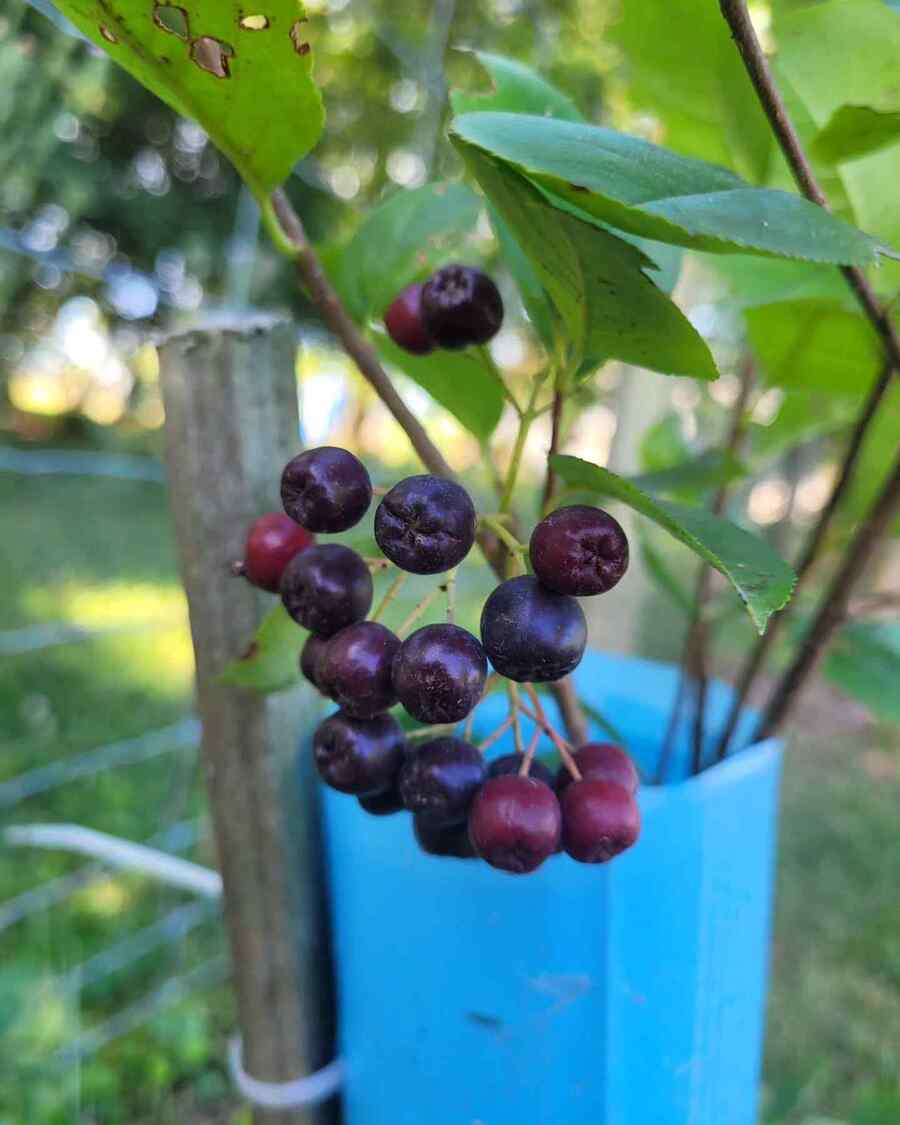
Best for: Sun to part shade, many soil types, four-season color
Chokeberry is a “set it and enjoy it” shrub: white spring flowers, dark summer berries, and intense red fall color. It also tolerates a wide range of soils, which makes it especially useful across Delaware’s coastal-to-inland transitions.
How to style it:
-
Use it as a color anchor in mixed borders.
-
Looks sharp with evergreens behind it (inkberry is an easy companion).
Care notes: Low fuss; occasional thinning keeps it airy.
7) Common Buttonbush (Cephalanthus occidentalis)
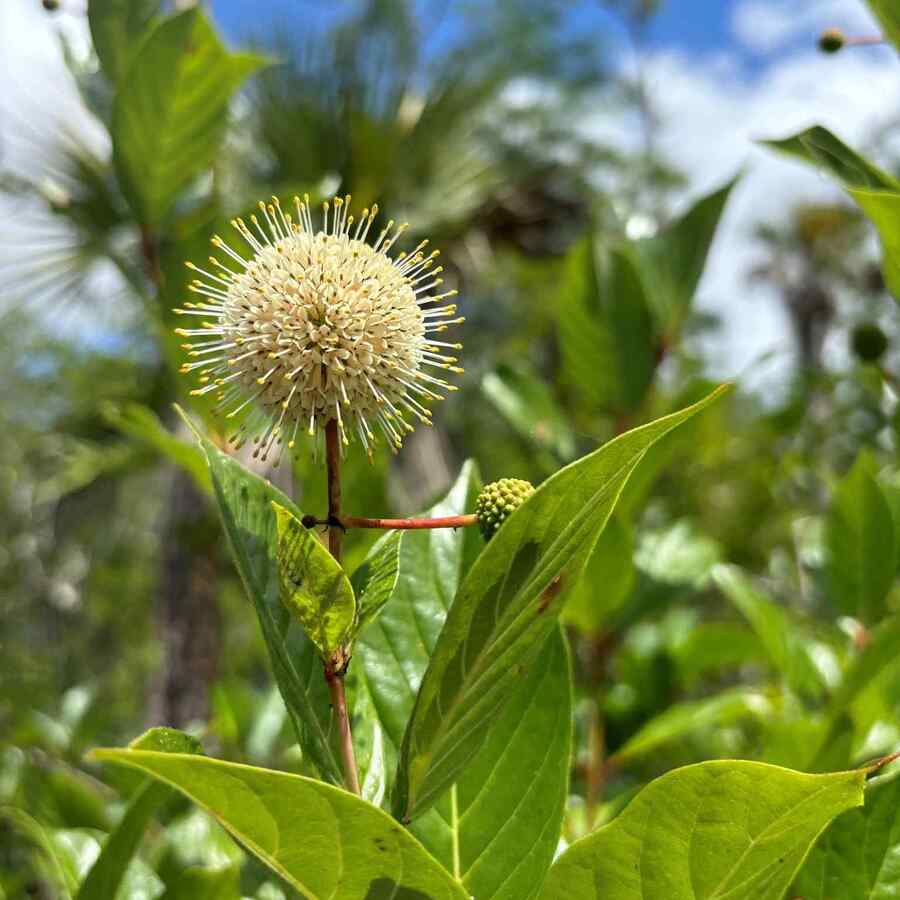
Best for: Wet soils, rain gardens, pond edges
If your yard has a spot that stays wet after storms, buttonbush turns that “problem” into a feature. Its white, spherical flowers look like little fireworks and are a magnet for pollinators.
How to style it:
-
Place at the edge of a rain garden or low area.
-
Let it be slightly wild—its natural form is part of the charm.
Care notes: Moisture-loving; don’t force it into dry beds.
8) Spicebush (Lindera benzoin)
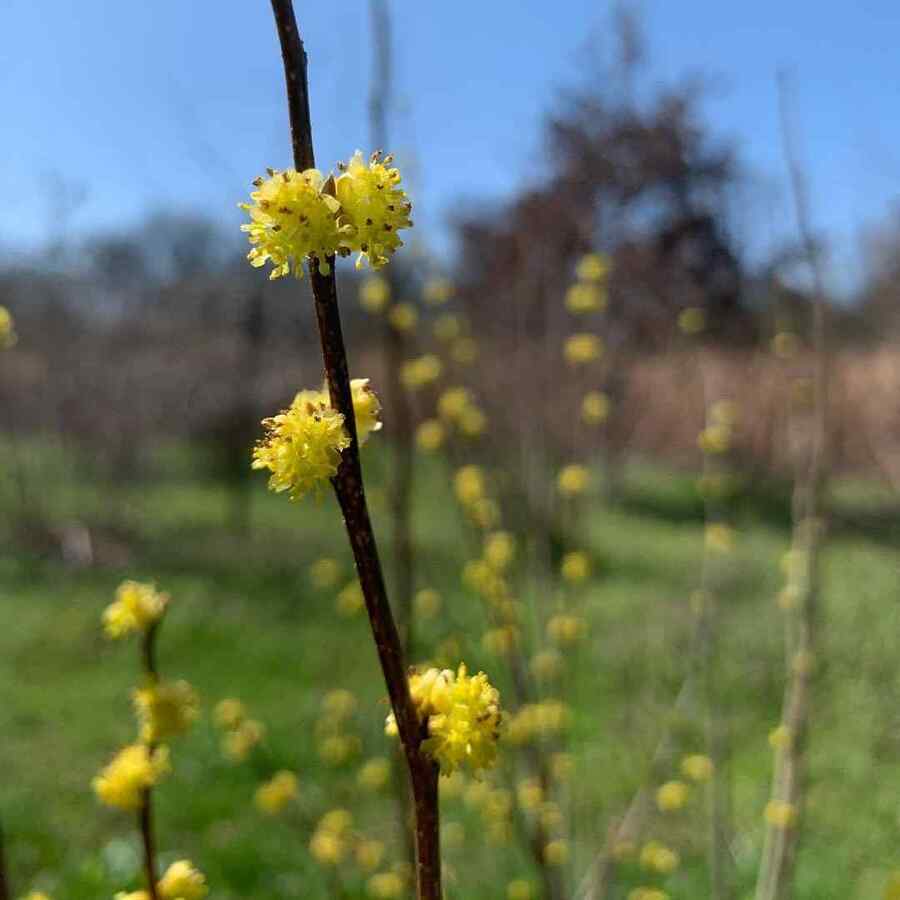
Best for: Part shade to shade, woodland edges, native habitat plantings
Spicebush brings early-season joy with yellow spring flowers and aromatic foliage. It also produces red berries (on female plants) and supports pollinators—especially in more naturalistic plantings.
How to style it:
-
Tuck into dappled shade near trees where other shrubs sulk.
-
Pair with ferns for a calm, woodland feel.
Care notes: If you want berries, include both male and female plants.
9) Mapleleaf Viburnum (Viburnum acerifolium)
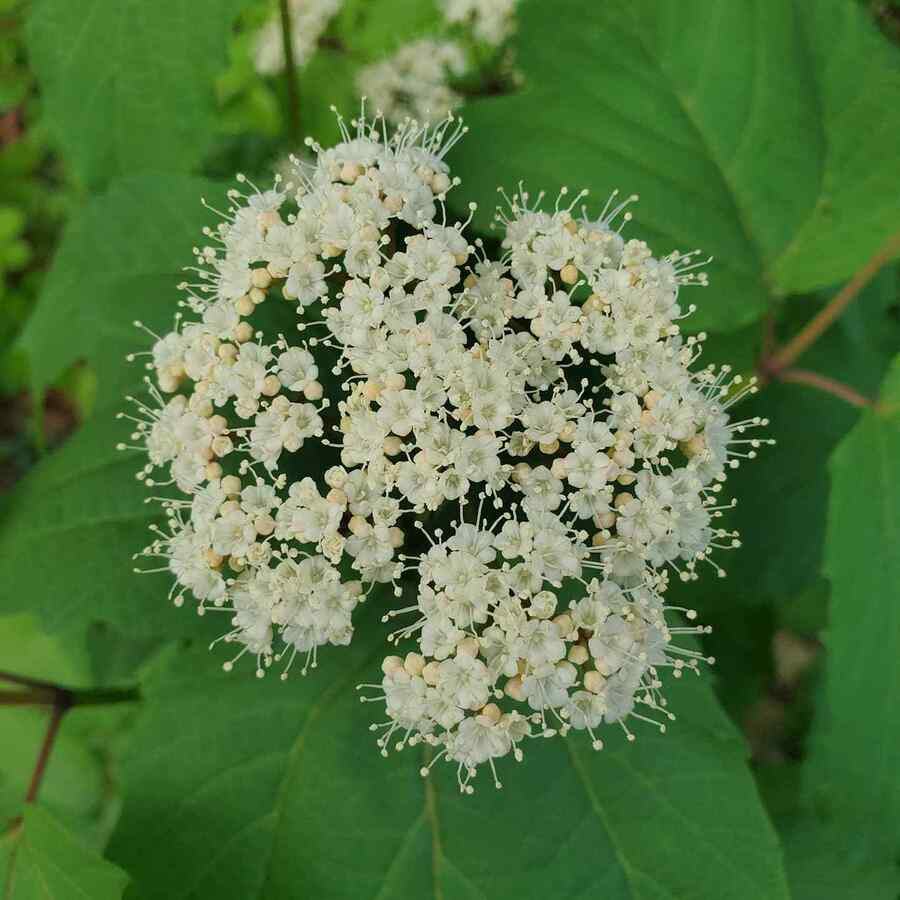
Best for: Shade, woodland gardens, small spaces
This is a quietly beautiful shade-tolerant native viburnum with pinkish-white flowers and purple-black fruit. It’s ideal for gardeners who want a refined understory shrub that doesn’t overpower the space.
How to style it:
-
Use in a shade border where you want a layered, natural look.
-
Combine with spicebush and sweetspire for a cohesive native palette.
Care notes: Low maintenance; keep leaf litter as natural mulch if you prefer a woodland style.
10) Oakleaf Hydrangea (Hydrangea quercifolia)
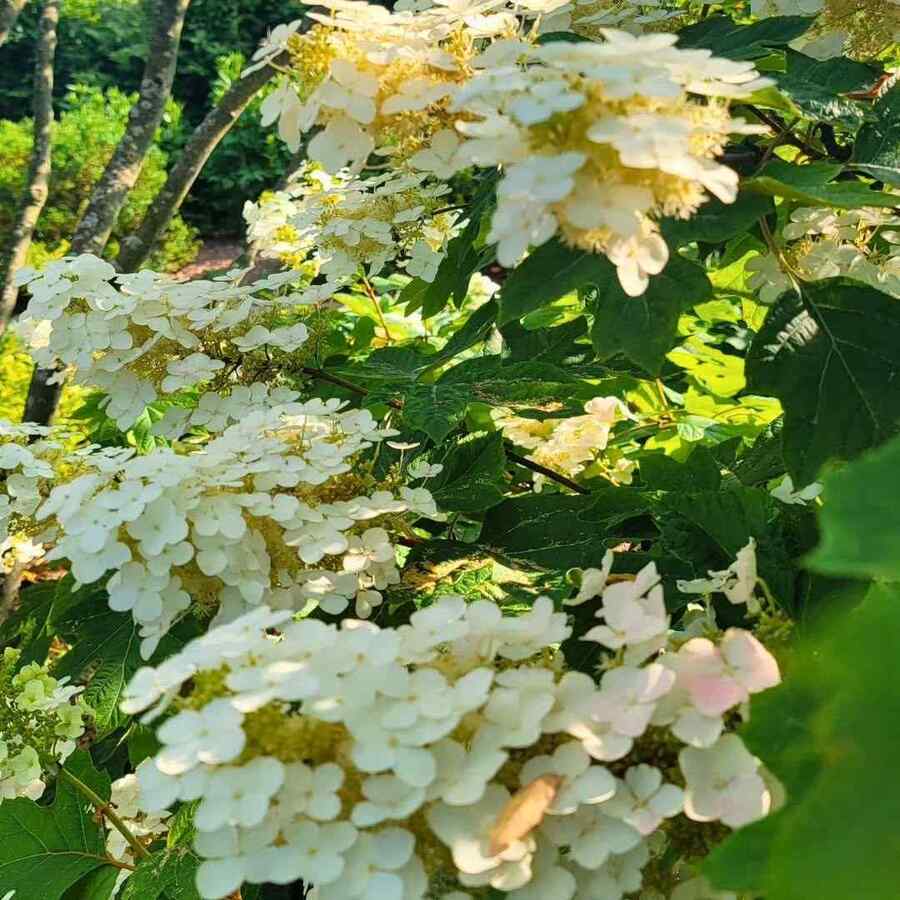
Best for: Part shade to sun, ornamental impact, “designer” curb appeal
Oakleaf hydrangea brings big visual payoff: large white summer flower panicles, dramatic fall foliage, and exfoliating bark that looks beautiful in winter. While not a Delaware native, it’s a strong performer in many Mid-Atlantic landscapes and earns its spot when you want a more “styled” garden.
How to style it:
-
Use as a statement shrub near an entry or patio.
-
Pair with inkberry to keep structure in winter when blooms fade.
Care notes: Give it room—crowding reduces its elegance fast.
Simple Planting Plans That Feel Personal (Not Generic)
If you want your landscaping to feel like it “fits you,” use one of these templates:
1) Polished front yard (clean + evergreen):
-
Inkberry holly + oakleaf hydrangea + a sweep of Virginia sweetspire
2) Backyard wildlife border (flowers + berries):
-
Summersweet + arrowwood viburnum + chokeberry + winterberry (with a male pollinator)
3) Rain garden / wet spot solution (functional + beautiful):
-
Buttonbush + winterberry + sweetspire (all happy in moist conditions)
Practical Care Tips for Delaware Success
-
Mulch 2–3 inches (not against stems) to stabilize moisture and protect roots.
-
Water deeply the first season, especially during summer heat—this is when shrubs decide whether they love your yard.
-
Plant in groups of 3+ when possible; it looks intentional and helps wildlife use the space.
-
Check pollination needs for berry shrubs (winterberry, spicebush) before buying.
The Bottom Line
The best shrubs don’t just survive Delaware—they make your yard feel settled, like it belongs there. Choose a mix that gives you summer fragrance, fall color, and winter structure, and you’ll get a landscape that looks good from the street and feels good when you step outside.