Connecticut landscapes reward shrubs that can handle real winters, spring swings, and humid summers—without turning into a yearly replacement project. If you want shrubs for Connecticut that look intentional in every season (not just for two weeks in May), start with plants that match your light, soil moisture, and the style you want: classic New England foundation beds, a soft woodland edge, or a clean evergreen frame.
Below is a practical list of ten proven shrubs, including natives that support birds and pollinators, plus a few “structure builders” that keep your yard feeling finished even in January.
Table of Contents
Shrubs for Connecticut: 10 Top Choices for Zones 5–7
Each shrub here earns its spot by doing at least one job extremely well—winter interest, fragrance, privacy, fall color, or low-maintenance structure—and most do more than one. I’ll also tell you where each one looks best so your planting feels designed, not random.
1) Winterberry (Ilex verticillata)
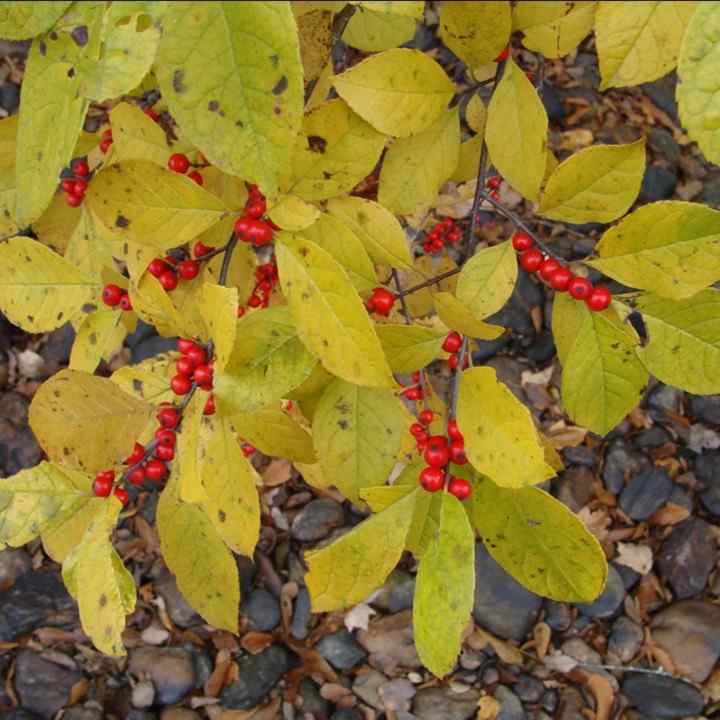
Why it works in Connecticut: Winterberry is a deciduous holly with brilliant red berries that hold into winter, feeding birds and lighting up the landscape when everything else is quiet.
Aesthetic direction: Plant it where you see it from indoors—near a kitchen window, along a driveway curve, or beside a front walk. In snow, the berries read like holiday décor without any effort.
Care notes:
-
Light: Full sun to part shade.
-
Soil: Likes moisture; great for low spots.
-
Must-know: You need a male pollinator variety nearby for berry production.
2) Mountain Laurel (Kalmia latifolia)
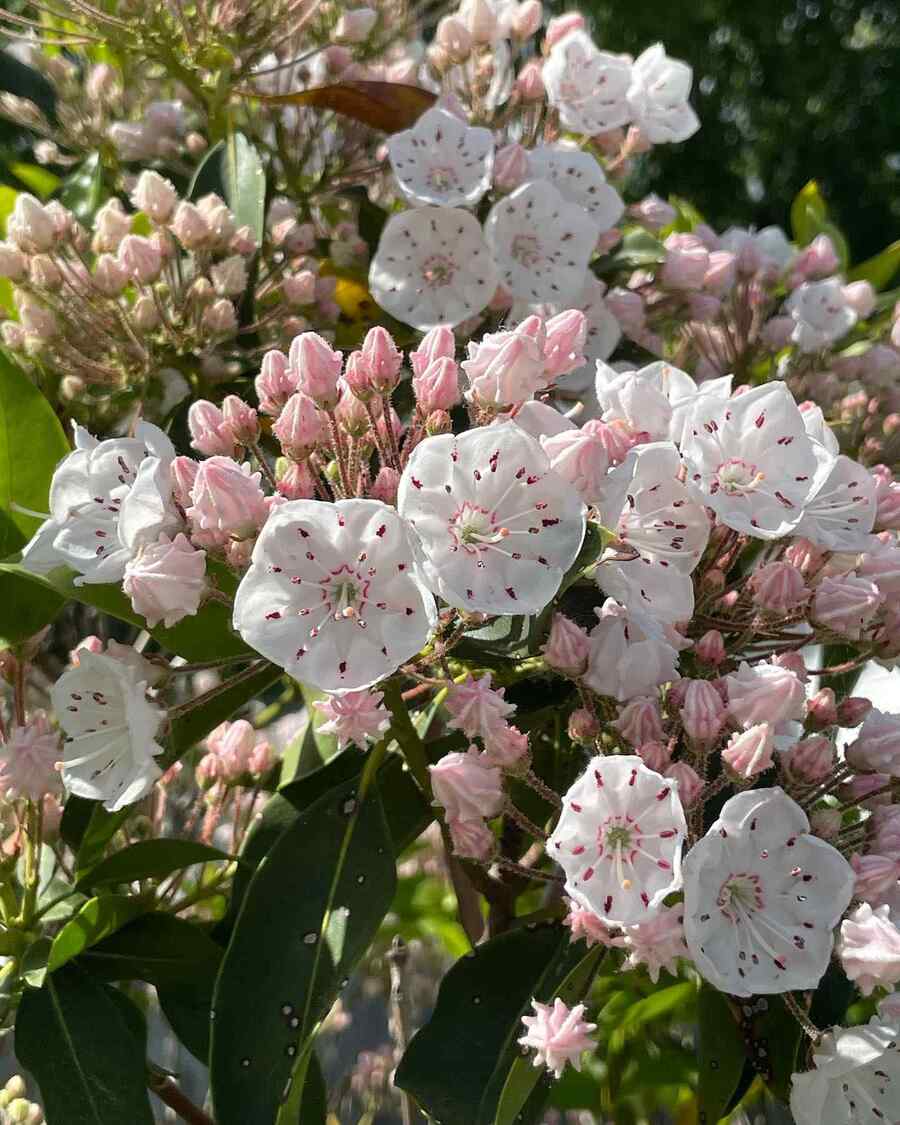
Why it works in Connecticut: This is the state shrub and a genuine showpiece—evergreen leaves and intricate spring flowers that feel both wild and refined.
Aesthetic direction: Mountain laurel shines in woodland-style gardens and along the edge of tall trees. It gives that “Connecticut hillside” character even in a suburban yard.
Care notes:
-
Light: Part shade is ideal.
-
Soil: Acidic, well-drained; avoid heavy, wet clay.
-
Tip: Mulch lightly; roots prefer cool, undisturbed soil.
3) Sweetpepperbush (Clethra alnifolia)
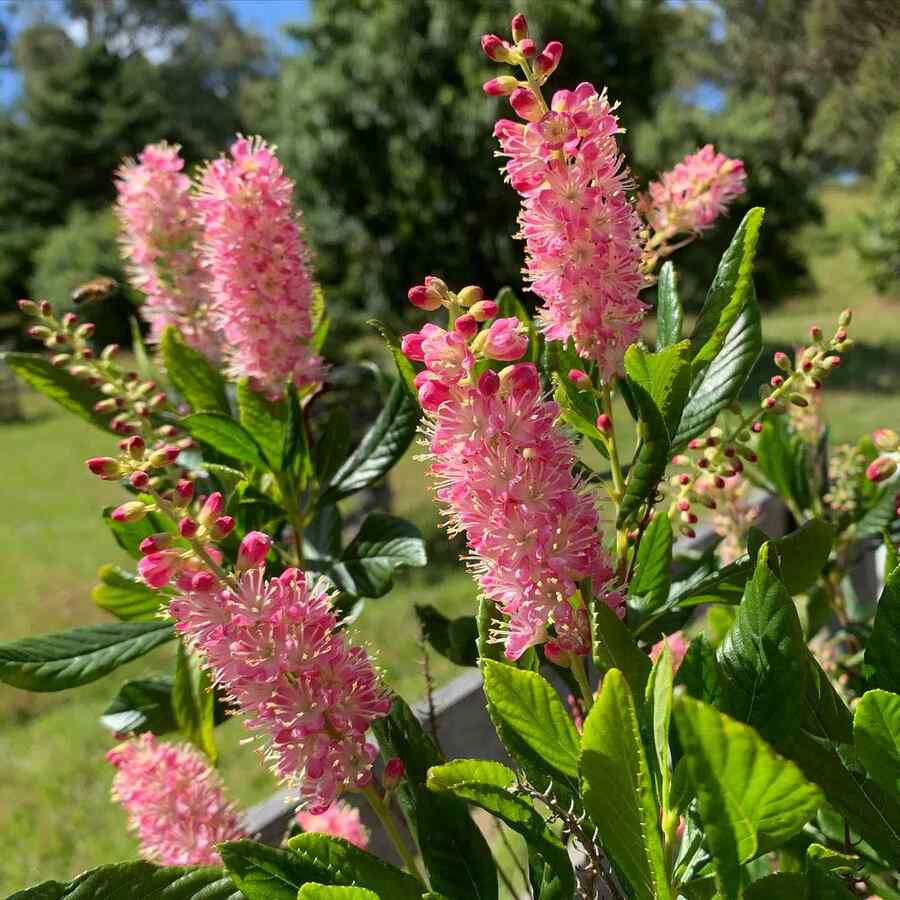
Why it works in Connecticut: One of the best fragrant summer bloomers, and it tolerates shade and moisture better than most flowering shrubs.
Aesthetic direction: Use it near places you linger—patios, benches, garden gates. The scent in mid-to-late summer makes the yard feel welcoming.
Care notes:
-
Light: Sun to shade (more sun = more blooms).
-
Soil: Handles wet ground; a strong option near downspouts (with reasonable drainage).
-
Bonus: Pollinators love it.
4) Common Ninebark (Physocarpus opulifolius)
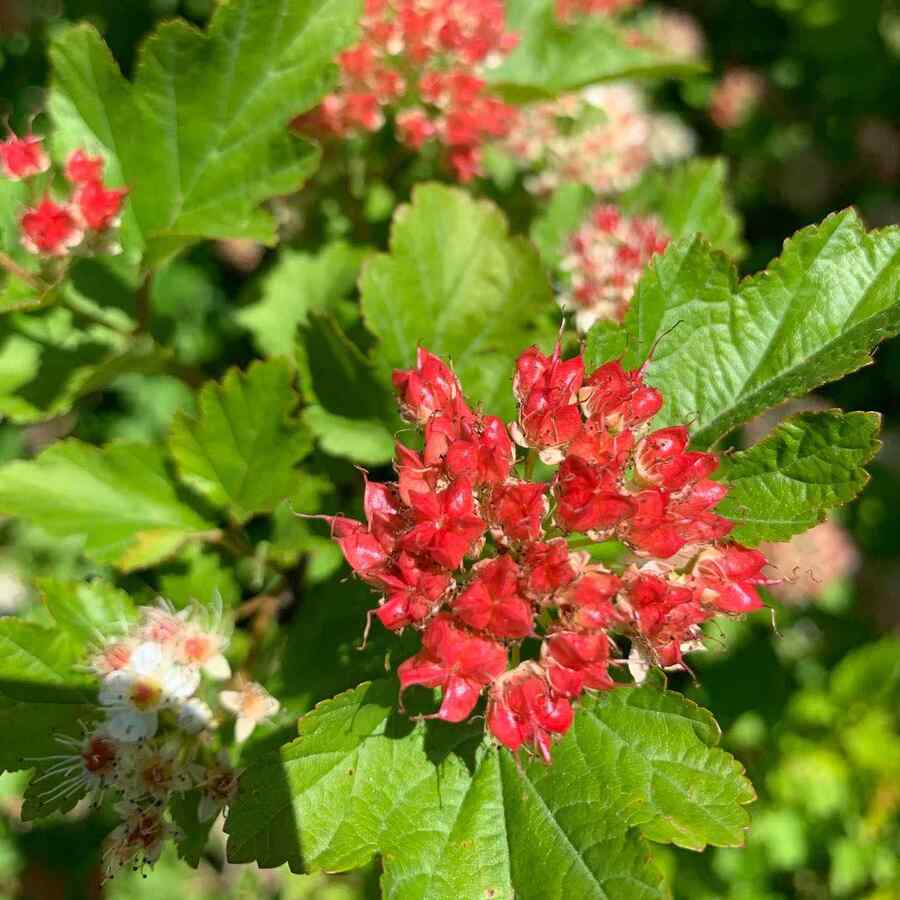
Why it works in Connecticut: Cold-hardy native with exfoliating bark, spring flowers, and cultivars with dramatic foliage colors.
Aesthetic direction: Ninebark is perfect when you want a bold, modern shrub border. Think: repeating blocks along a fence or as a backdrop behind perennials.
Care notes:
-
Light: Full sun to part shade.
-
Soil: Very adaptable.
-
Maintenance: Occasional renewal pruning keeps it fresh and full.
5) American Witch-hazel (Hamamelis virginiana)
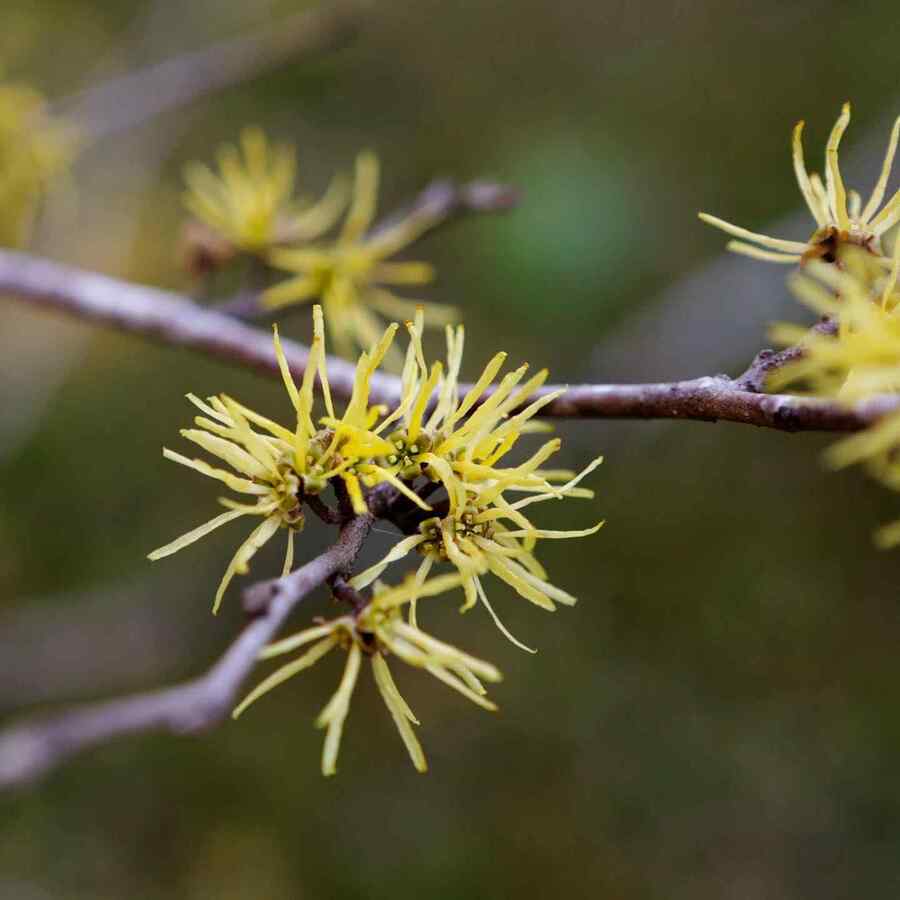
Why it works in Connecticut: Flowers appear in late fall into early winter, right when you least expect blooms.
Aesthetic direction: Place it where you pass often in the colder months—near the front door, mailbox line, or driveway view. Its off-season bloom feels quietly special.
Care notes:
-
Light: Sun to part shade.
-
Soil: Average, well-drained.
-
Tip: Give it space; it’s best as a specimen rather than squeezed into a tight foundation slot.
6) Northern Spicebush (Lindera benzoin)
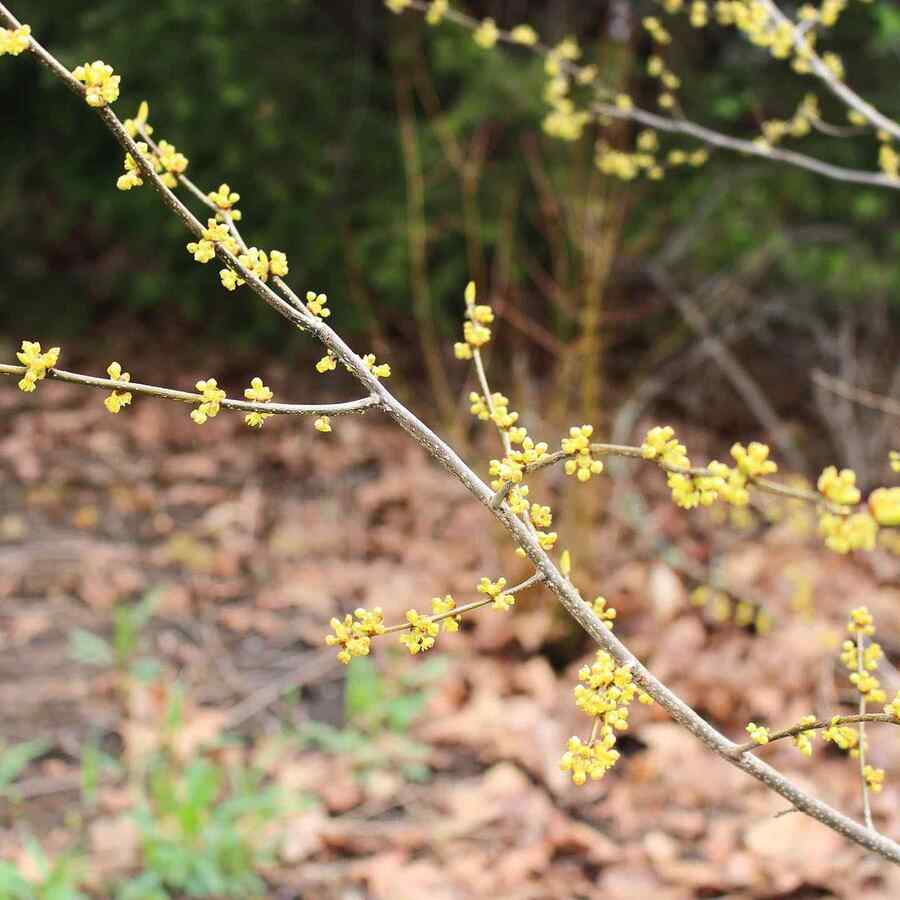
Why it works in Connecticut: A native that offers early-season interest, fragrant foliage, and berries that support wildlife.
Aesthetic direction: Spicebush belongs in a naturalistic planting: under tall trees, near a woodland path, or as part of a native screening border.
Care notes:
-
Light: Part shade to sun.
-
Soil: Prefers moist, well-drained ground.
-
Must-know: Like winterberry, berries typically require male and female plants.
7) Arrowwood Viburnum (Viburnum dentatum)
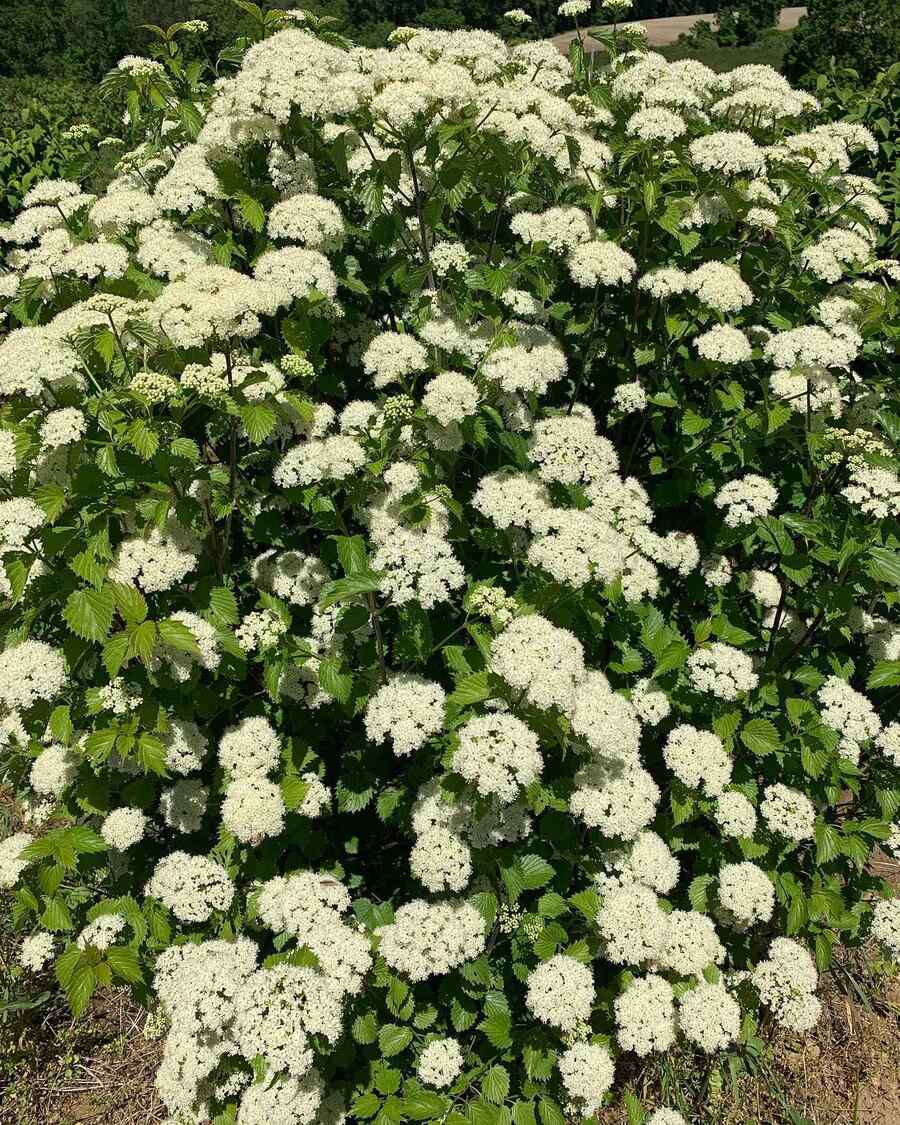
Why it works in Connecticut: Durable native with spring flowers, blue berries, and strong fall color—an all-around performer.
Aesthetic direction: Use arrowwood to create a soft privacy screen that still looks like it belongs in New England. It’s excellent along property lines when you want something less formal than a hedge.
Care notes:
-
Light: Sun to part shade.
-
Soil: Adaptable.
-
Tip: Plant in groups for better fruit set and a fuller visual effect.
8) Oakleaf Hydrangea (Hydrangea quercifolia)
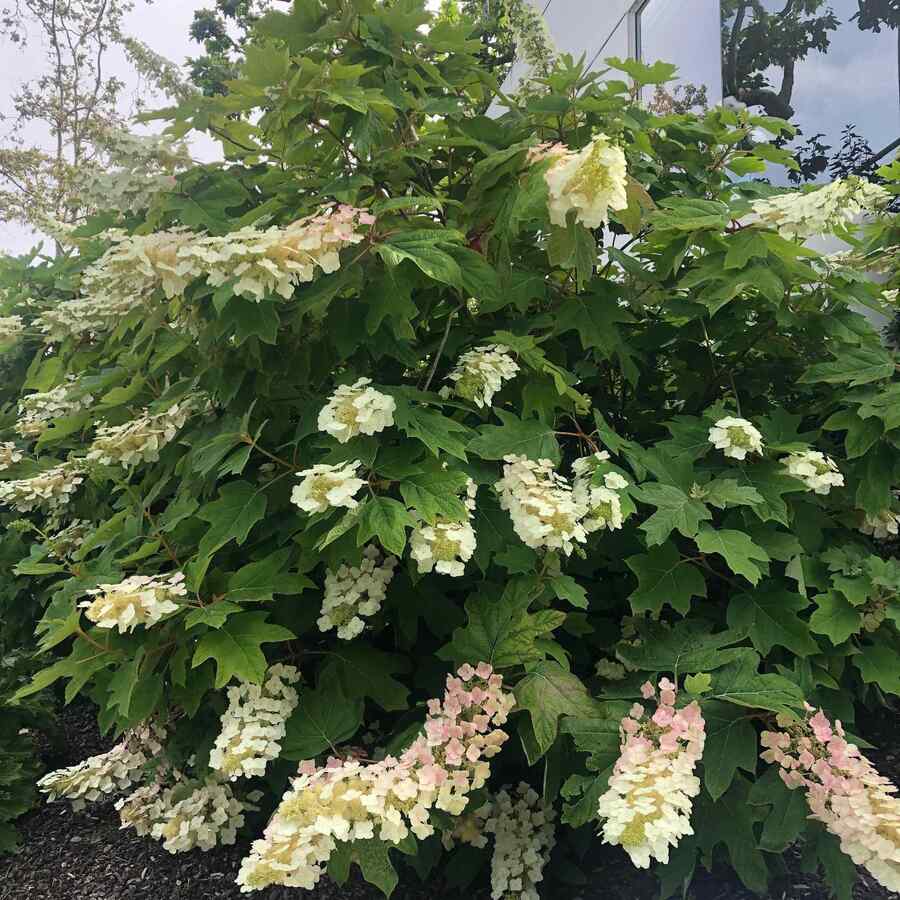
Why it works in Connecticut: Four-season interest—summer blooms, dramatic fall foliage, and peeling bark.
Aesthetic direction: Oakleaf hydrangea reads as classic and high-end. It’s beautiful near stone walls, foundation plantings, or mixed borders where you want texture.
Care notes:
-
Light: Morning sun and afternoon shade is ideal.
-
Soil: Well-drained; amend heavy clay with compost and avoid soggy spots.
-
Winter note: Choose a sheltered location to protect flower buds in colder exposures.
9) Red Chokeberry (Aronia arbutifolia)
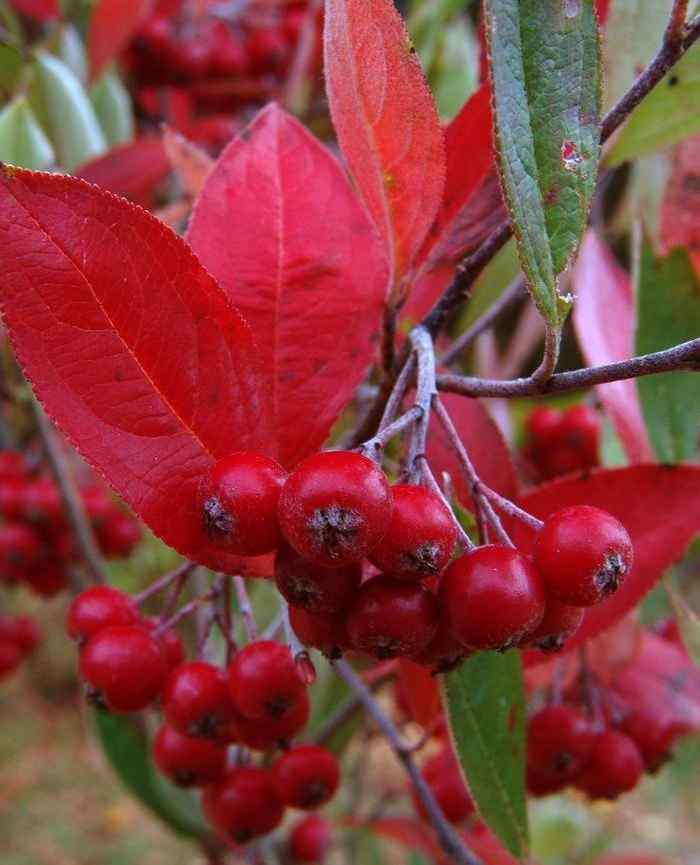
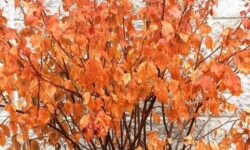
Why it works in Connecticut: A native shrub with white spring flowers, bright berries, and intense red fall color.
Aesthetic direction: If you want a “painted” autumn look, plant red chokeberry where it can glow—in front of evergreens or against a neutral fence.
Care notes:
-
Light: Sun to part shade (more sun = stronger fall color).
-
Soil: Tolerates wet soil once established.
-
Bonus: Great for bird-friendly landscapes.
10) Inkberry Holly (Ilex glabra)
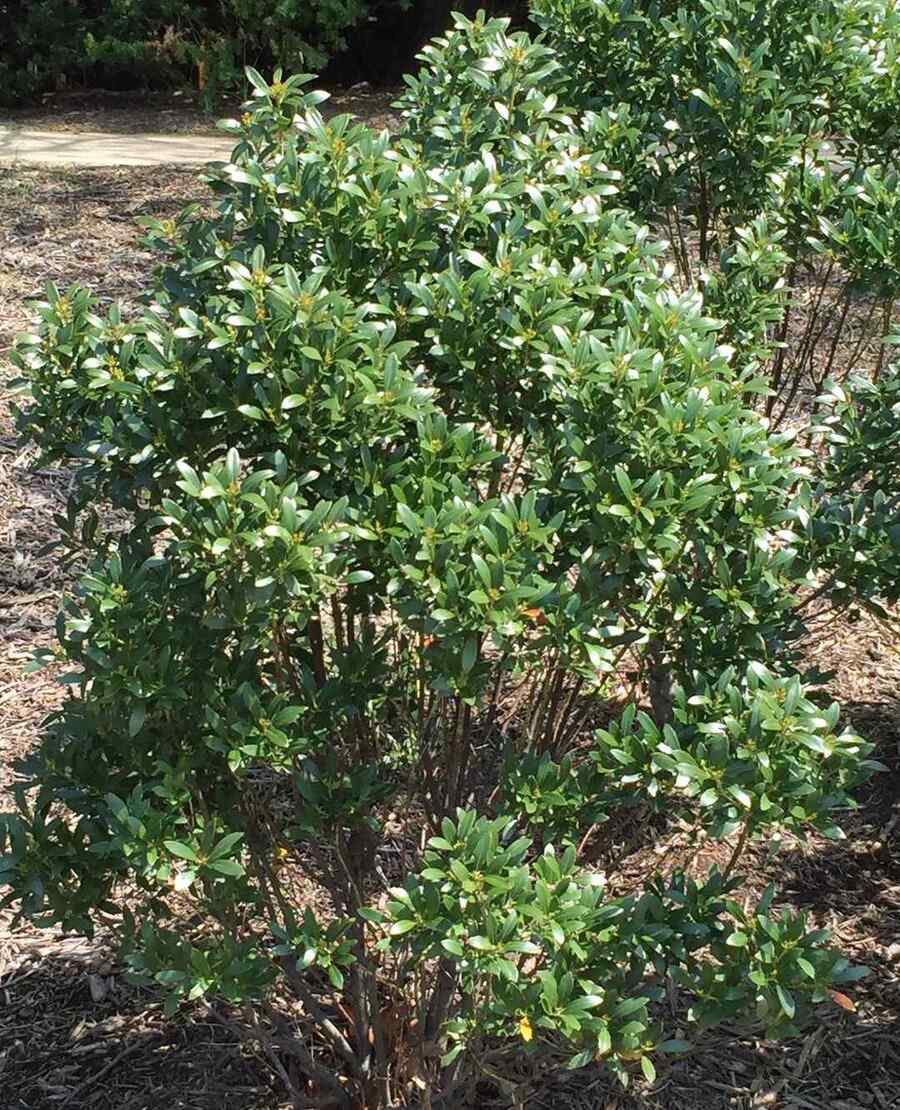
Why it works in Connecticut: A native evergreen that can replace boxwood in many designs, with better resilience in regional conditions.
Aesthetic direction: Inkberry is your structure plant—the shrub that makes beds look tidy year-round. Use it in foundation plantings, along walkways, or as low hedging.
Care notes:
-
Light: Sun to part shade.
-
Soil: Prefers consistent moisture; avoid bone-dry sites.
-
Pro tip: Pick improved cultivars that hold a dense form and resist getting leggy.
Planting Tips for Connecticut Shrubs That Actually Matter
Time planting for root growth, not flowers.
In Connecticut, early fall is excellent for planting shrubs because the soil is still warm and roots can establish before winter. Spring also works well, especially after the ground warms and before heat arrives.
Match shrubs to moisture zones in your yard.
-
Low, damp areas: Winterberry, Clethra, Aronia
-
Average sites: Viburnum, Ninebark, Witch-hazel
-
Wooded/acidic edges: Mountain laurel, Spicebush
Design like a pro with repetition.
Pick 2–3 “anchor shrubs” (for structure) and repeat them, then add 1–2 feature shrubs (fragrance or berries). Repetition is what makes a planting look intentional, even when you keep the palette simple.
FAQ: Shrubs for Connecticut
1) What are the best shrubs for Connecticut winters?
Inkberry holly, winterberry, ninebark, viburnums, and witch-hazel are reliable in Zones 5–7 and provide strong seasonal interest.
2) Which shrubs give winter color in Connecticut?
Winterberry is a top choice for bright berries, and inkberry provides evergreen structure when most plants are bare.
3) What shrubs work well in shade and moist soil?
Sweetpepperbush (Clethra) and spicebush handle shade and moisture well. Winterberry also performs strongly in wetter spots.
4) Do I need more than one plant for berries on winterberry or spicebush?
Often, yes. For consistent berry production, plant male and female selections in compatible varieties and within pollination range.
5) What’s a good native alternative to boxwood in Connecticut?
Inkberry holly is a strong native option for rounded, evergreen structure, especially in beds with consistent moisture.