If you garden in Arkansas, you know the “in-between” seasons can be just as dramatic as summer—warm spring jumps, humid heat, sudden cold snaps, and stretches of rain. The right shrubs for Arkansas handle that swing while giving your yard a finished, welcoming feel. Whether your style is a shady woodland border, a classic Southern foundation bed, or a bright front-yard “wow” moment, these shrubs can deliver reliable blooms, berries, fragrance, and fall color across USDA Zones 6–9.
Below are 10 standout choices—native and well-adapted—plus clear placement and care notes so you can plant with confidence.
Table of Contents
Shrubs for Arkansas: 10 Proven Picks for Zones 6–9
Think of shrubs as the “furniture” of your landscape. They shape the view from your windows, frame your entry, soften fences, and fill the gap between trees and perennials. A simple approach that works well in Arkansas:
-
One evergreen anchor near the house (structure in winter)
-
One flowering shrub for seasonal drama
-
One wildlife-friendly shrub for berries or pollinators
Use the list below to build that mix based on sun, shade, moisture, and the mood you want—crisp and formal, cottage-soft, or native and natural.
1) Virginia Sweetspire (Itea virginica)
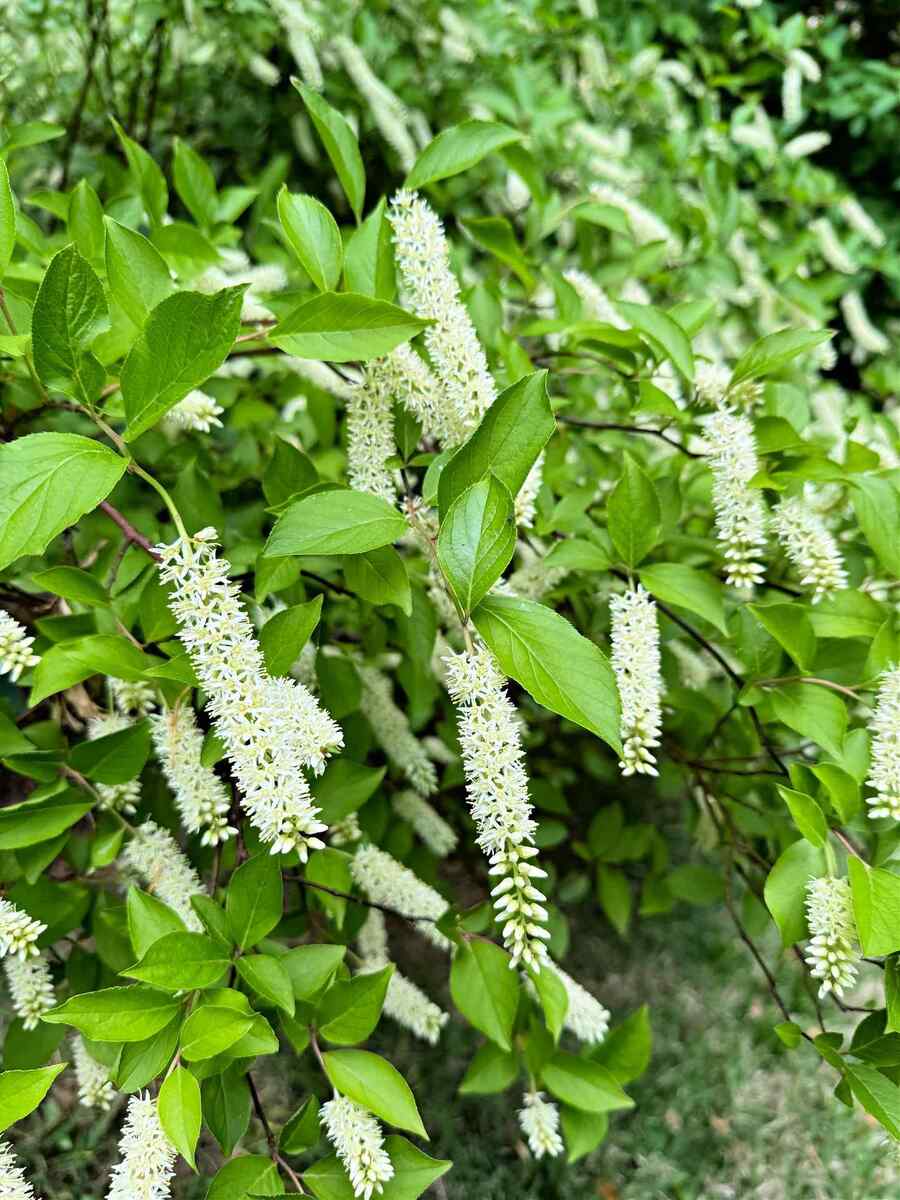
Virginia Sweetspire is one of the most reliable shrubs for Arkansas landscapes—especially where soil stays evenly moist. It produces elegant white flower spikes and often turns brilliant red to burgundy in fall.
Best for: Part shade to sun, rain garden edges, naturalistic borders
Aesthetic tip: Plant 3–5 in a drift along a pathway for a calm, “woodland garden” feel.
Care notes: Mulch to keep roots cool; prune right after flowering if you need size control.
2) Encore Azaleas
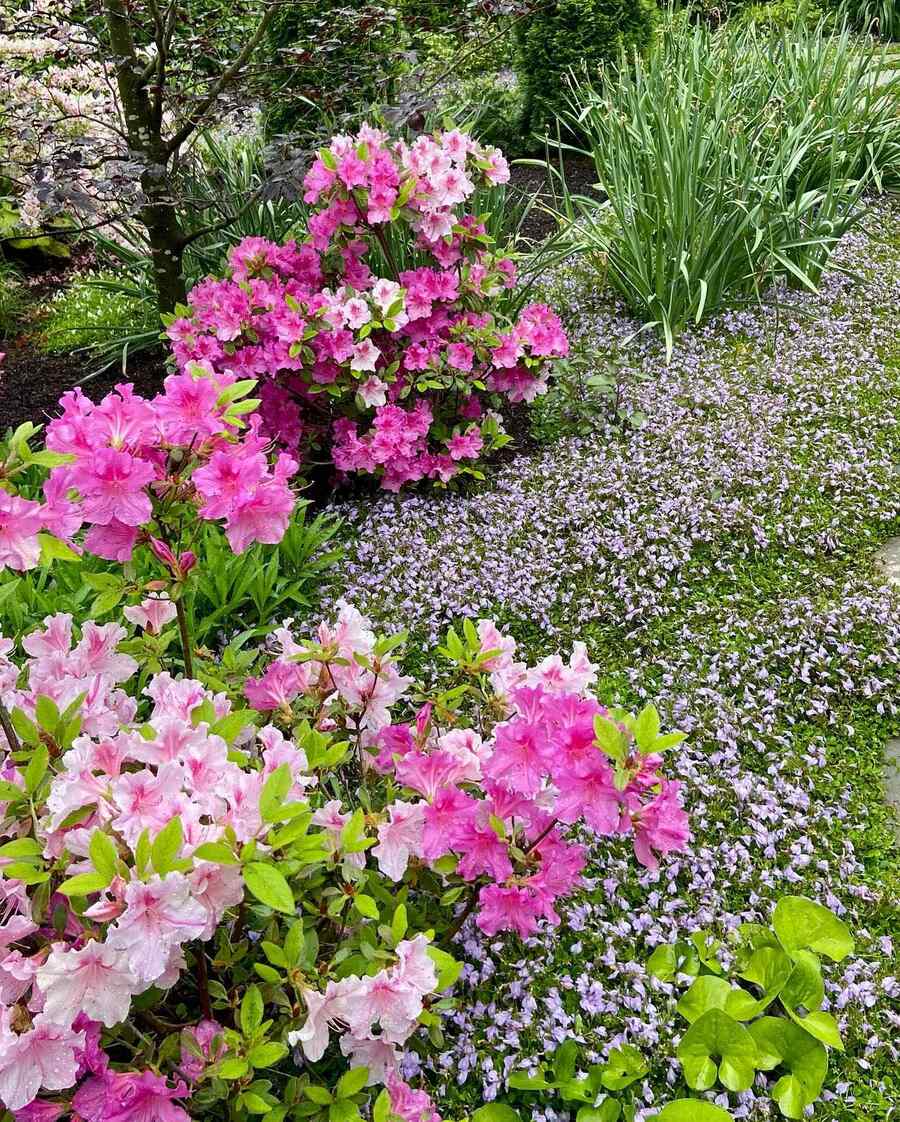
If you love azaleas but want more than a short spring show, Encore Azaleas are popular because many varieties rebloom in spring, summer, and fall under the right conditions.
Best for: Morning sun/afternoon shade, foundation beds, entry statements
Aesthetic tip: Choose one color family (whites/pinks OR reds/purples) for a polished, cohesive look.
Care notes: Acidic soil and consistent moisture help; avoid harsh afternoon sun in hotter areas.
3) American Beautyberry (Callicarpa americana)
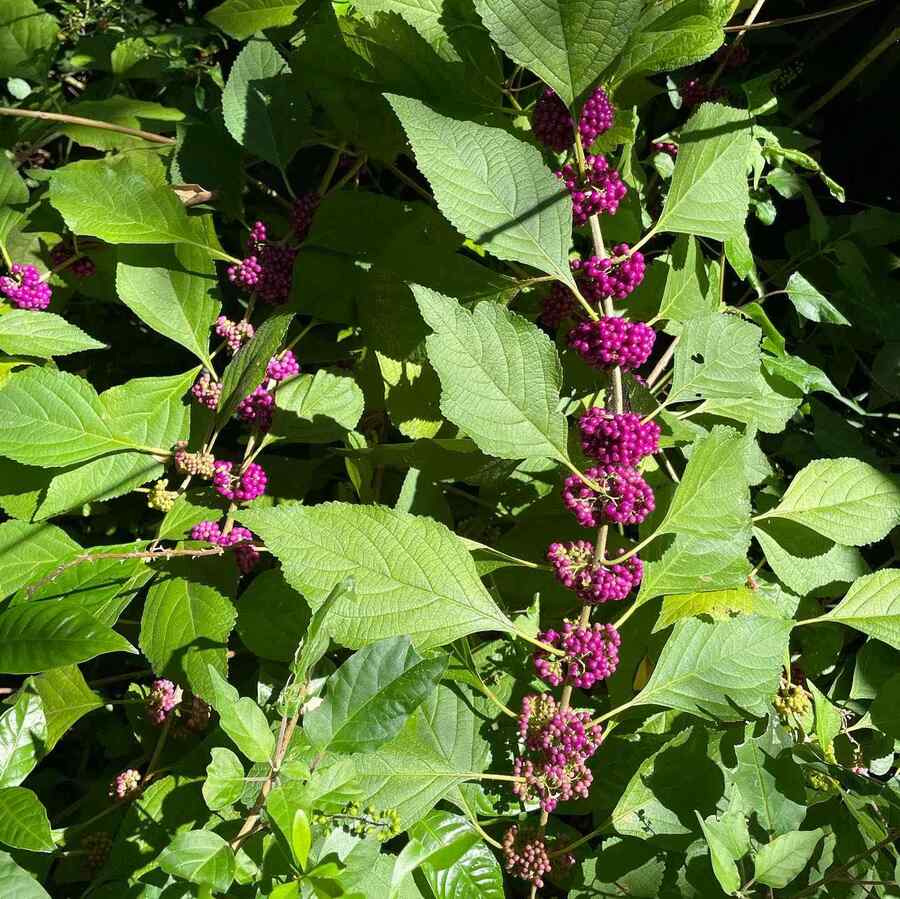
Beautyberry earns instant attention when its magenta-purple berries appear in late summer and fall. It’s also a strong choice if you want a yard that feels lively with birds.
Best for: Part shade to sun, native gardens, mixed shrub borders
Aesthetic tip: Pair it with soft, fine textures (ornamental grasses or ferns) so the berries stand out even more.
Care notes: It can be cut back in late winter for a fuller habit; berries form on new growth in many regions.
4) Oakleaf Hydrangea (Hydrangea quercifolia)
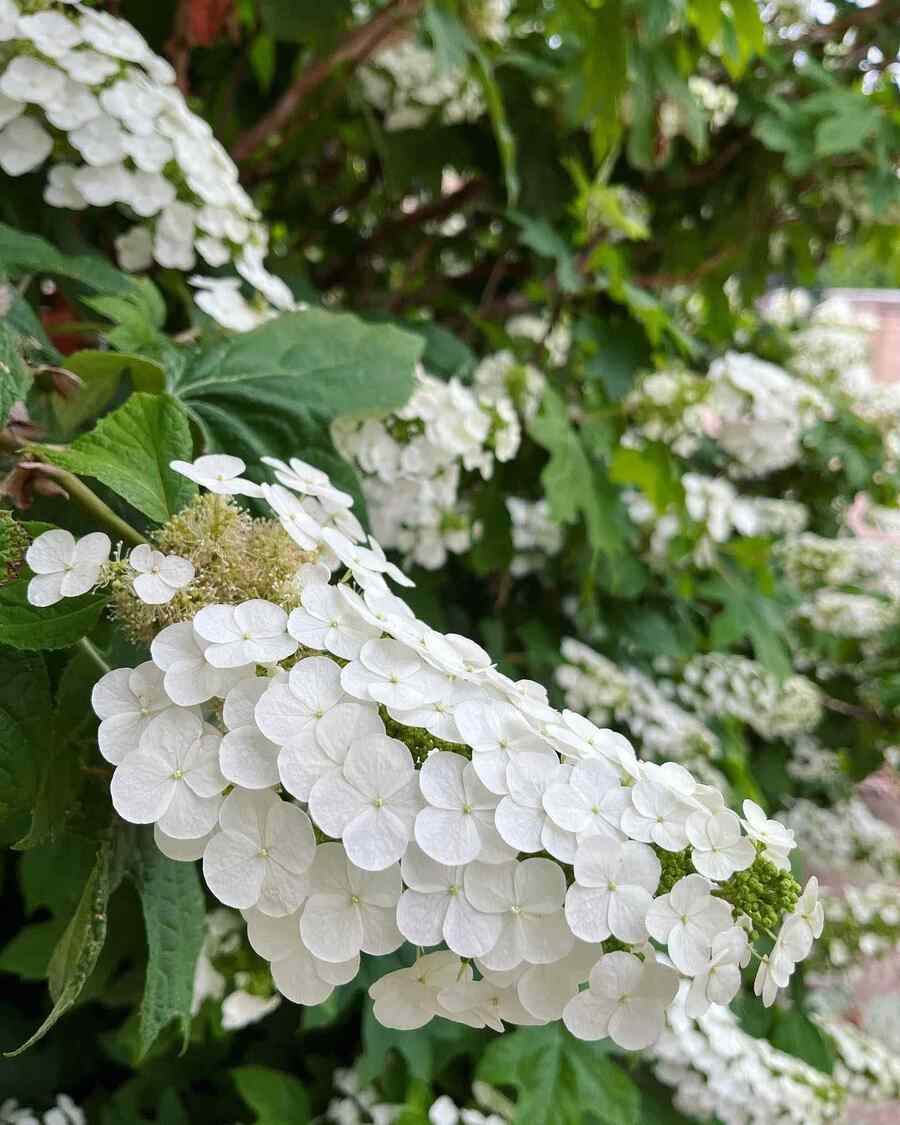
Oakleaf Hydrangea is a showpiece shrub that still feels at home in Arkansas because it’s native to the region. You get white cone-shaped blooms, bold “oak-like” leaves, and often excellent fall color.
Best for: Part shade, woodland edges, bright shade near patios
Aesthetic tip: Use as a focal point where you can see it from indoors—its leaves and blooms read “luxury” without fussiness.
Care notes: Don’t prune hard in late winter or you may remove flower buds; prune right after blooming if needed.
5) Wax Myrtle (Morella cerifera)
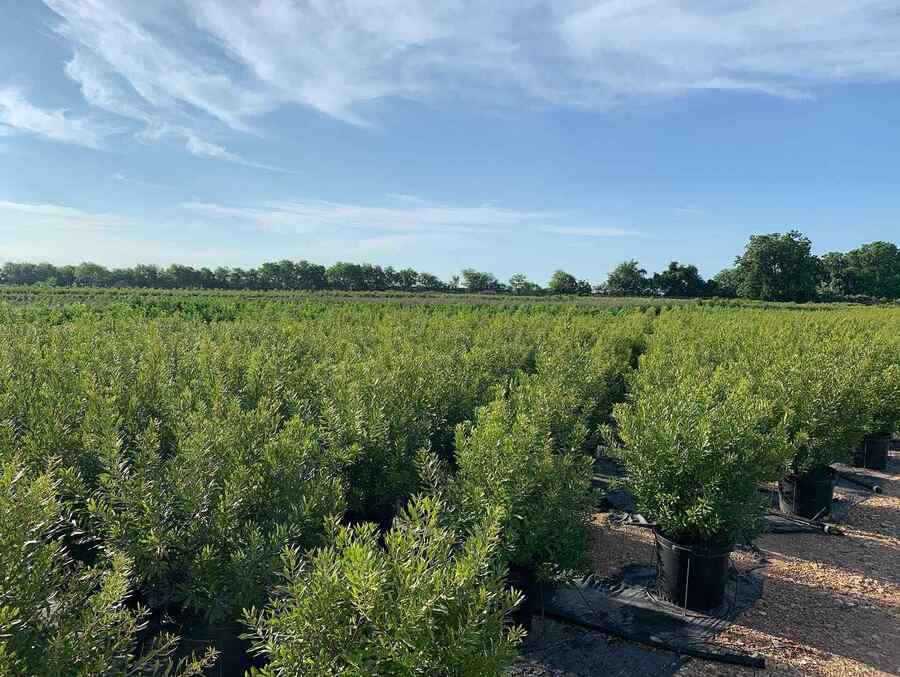
Wax Myrtle is a tough, fast-growing evergreen (often evergreen to semi-evergreen depending on winter) that’s great for screening and privacy. It tolerates heat and humidity better than many “pretty” shrubs.
Best for: Sun to part shade, hedges, windbreaks, larger properties
Aesthetic tip: Keep the base slightly open and natural for a relaxed Southern look, or limb it up lightly for a small-tree effect.
Care notes: It responds well to pruning; give it space—it can get large.
6) Ozark Witchhazel (Hamamelis vernalis)
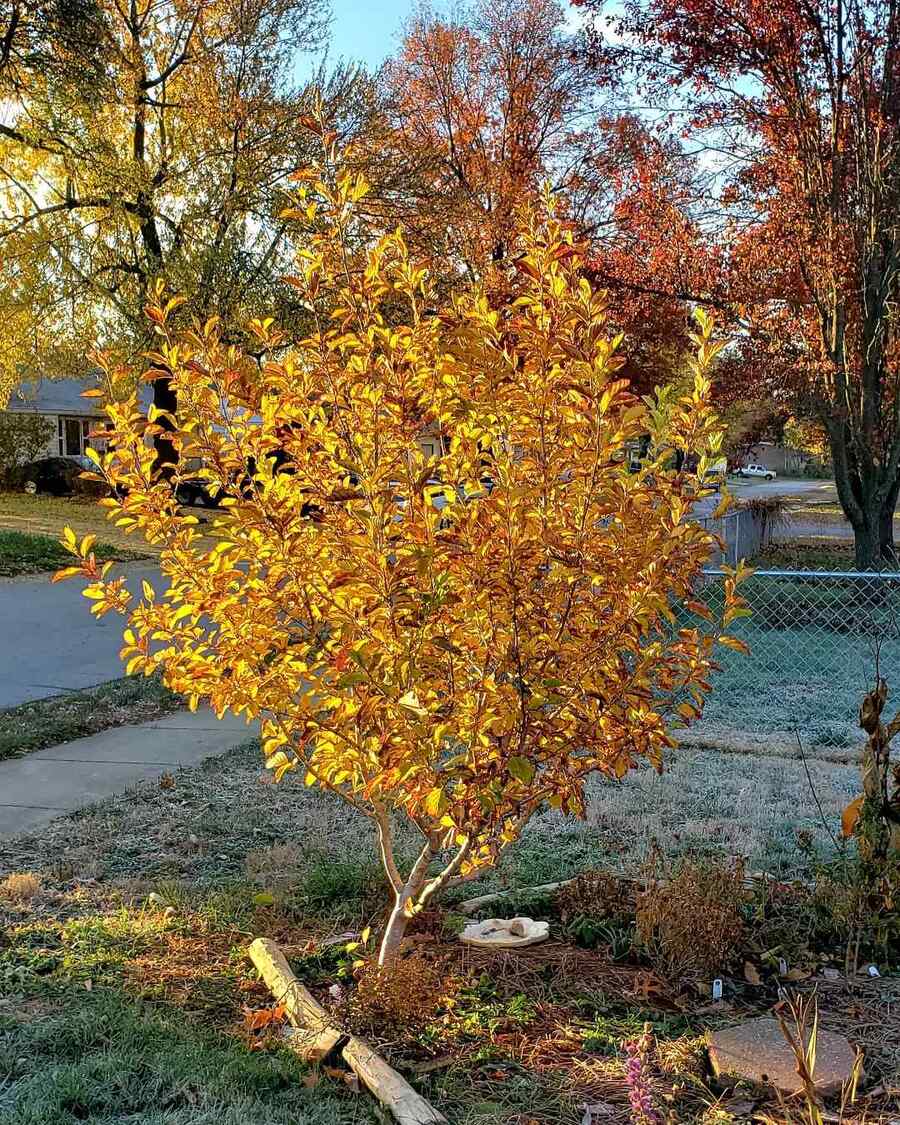
Ozark Witchhazel is a true Arkansas specialty—hardy, native, and a winter morale booster. It blooms in mid-winter, often when the yard feels empty, with strap-like flowers in yellow to coppery tones.
Best for: Part shade, woodland gardens, collector’s plantings
Aesthetic tip: Place it where you’ll walk by in winter—near the driveway curve or front path—so you actually notice the blooms.
Care notes: Low maintenance; mulch helps in summer heat.
7) Possumhaw (Ilex decidua)
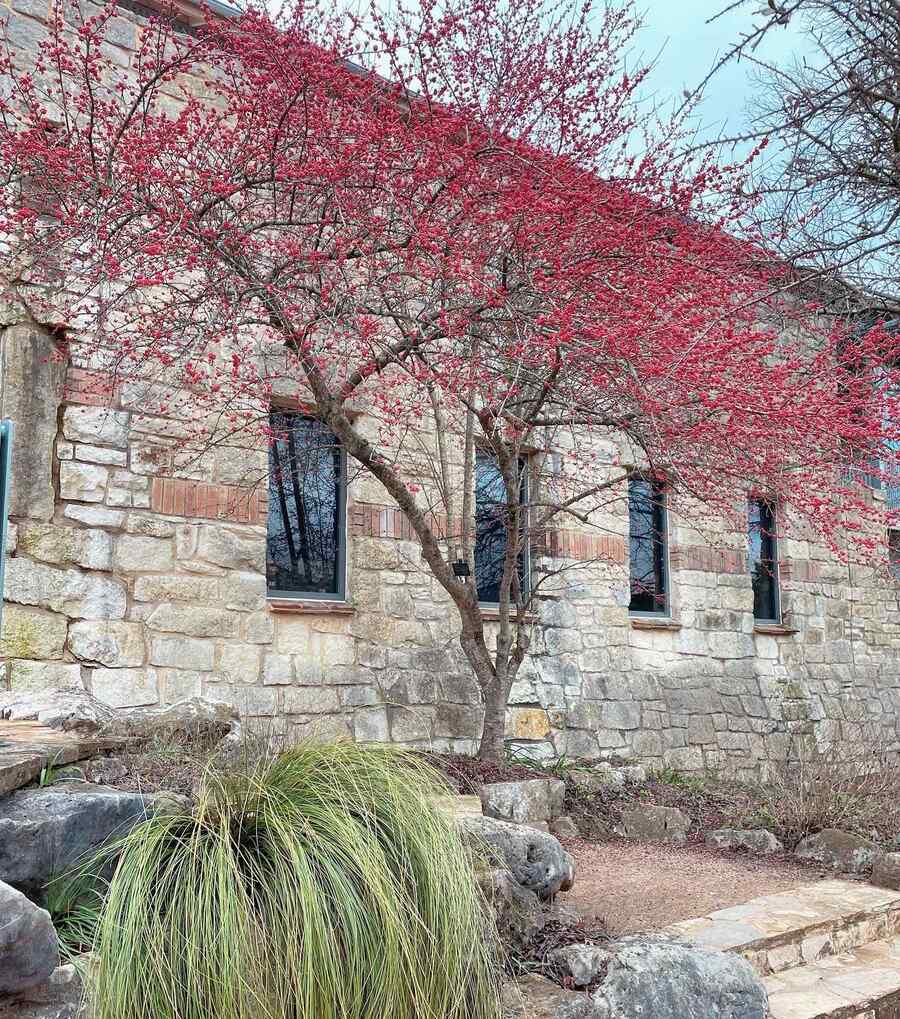
Possumhaw is a deciduous holly that shines in winter thanks to red berries that can persist after leaf drop (berry display depends on cultivar and pollination).
Best for: Sun to part shade, wildlife gardens, back borders
Aesthetic tip: Use it as a “winter focal point” behind perennials; when everything dies back, the berries still carry the view.
Care notes: Many hollies need a compatible pollinator (male plant) nearby for berries—plan for that in your planting.
8) Red Buckeye (Aesculus pavia)
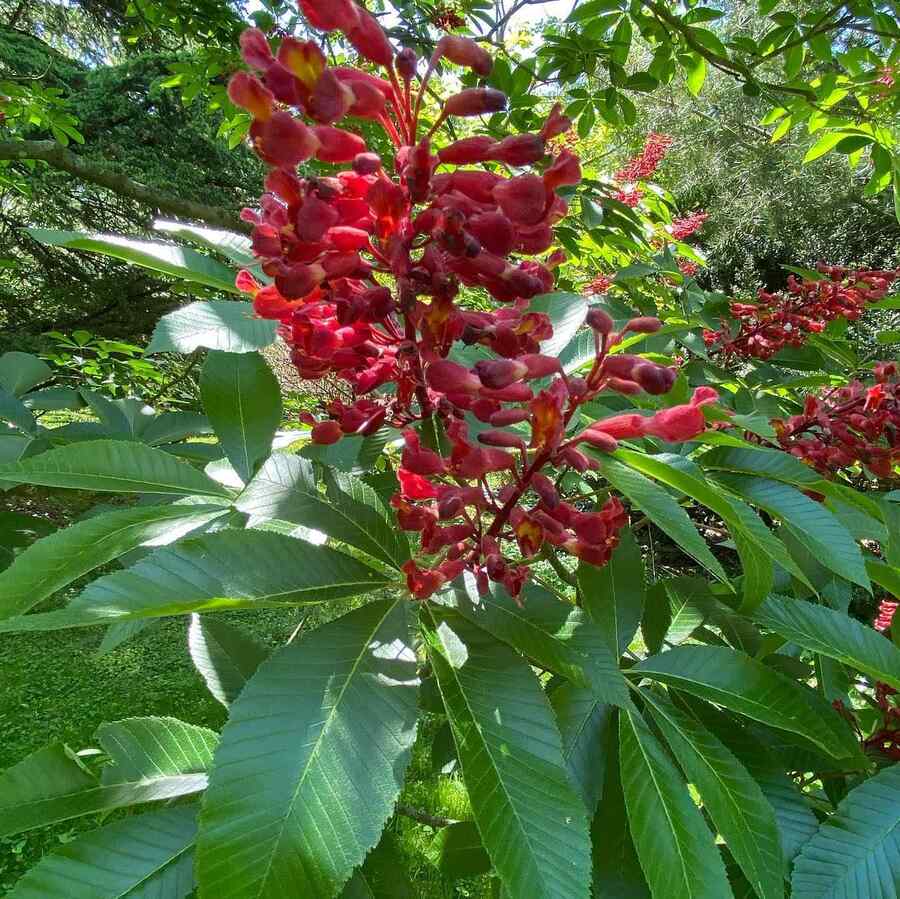
Red Buckeye is often grown as a large shrub or small tree. It produces red spring flowers that hummingbirds love, and it can handle part shade, making it valuable under open tree canopies.
Best for: Part shade, wildlife-focused yards, natural areas
Aesthetic tip: Let it be a “transition plant” between tall trees and lower shrubs—its form feels graceful and layered.
Care notes: Prefers reasonable moisture; mulch helps in Arkansas summers.
9) Spicebush (Lindera benzoin)
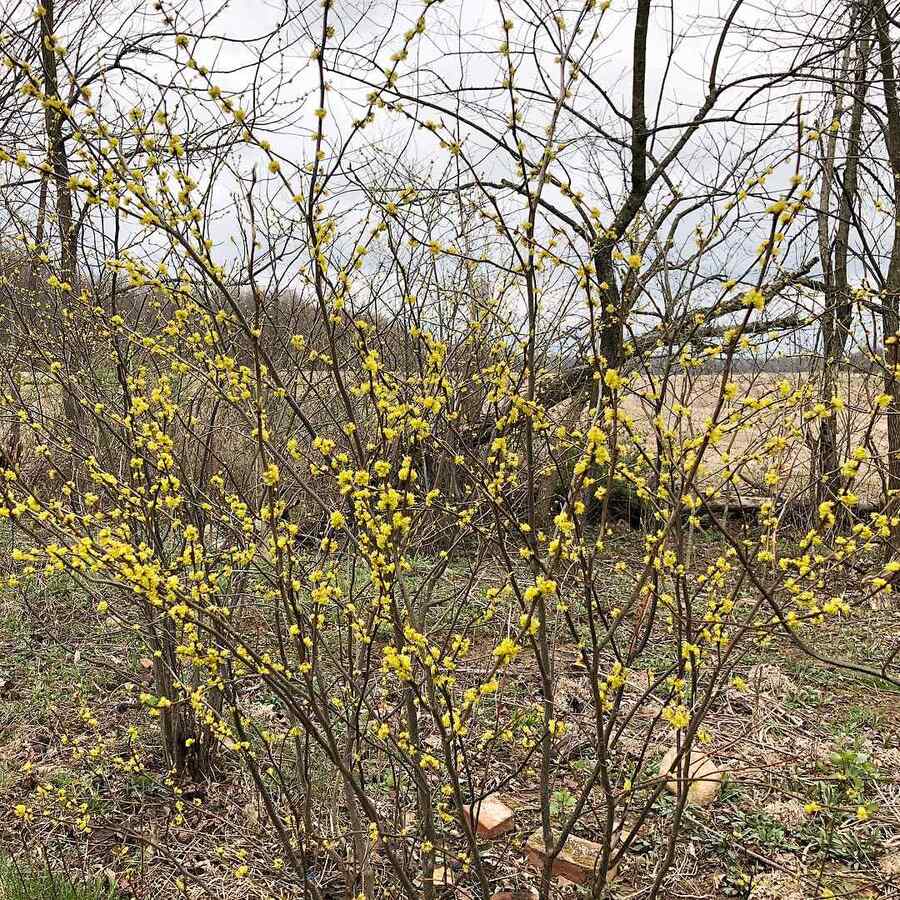
Spicebush is a native shrub with fragrant leaves and an early-season presence. It’s a strong choice for shade gardens that still need interest beyond hostas and ferns.
Best for: Part shade to shade, woodland edges, native plantings
Aesthetic tip: Tuck it into a shady border and add a simple bench nearby—its scent and soft form create a calm, “garden room” feeling.
Care notes: Likes richer soils and steady moisture; great in naturalized areas.
10) Forsythia
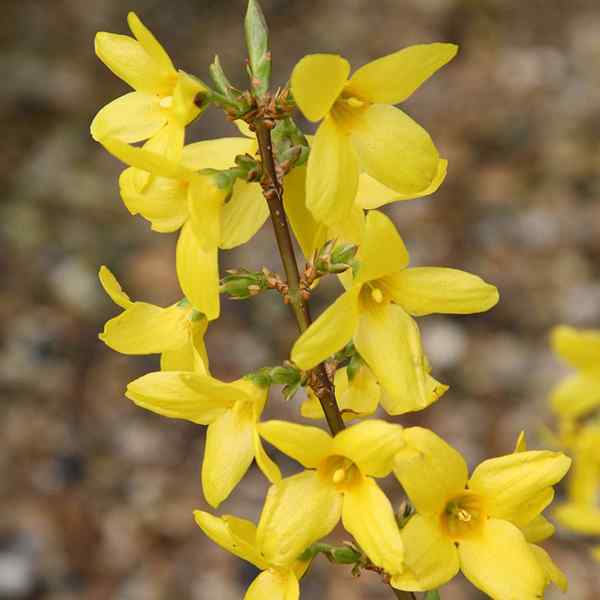
Forsythia is the classic early-spring firework—bright yellow blooms that signal winter is done. It’s not native, but it’s widely used because it’s tough and reliable.
Best for: Full sun, slopes, back borders, “spring statement” areas
Aesthetic tip: Give it space and let it arch naturally for an elegant fountain shape. Tight shearing makes it stiff and less graceful.
Care notes: Prune right after flowering; pruning later can reduce next year’s blooms.
How to Choose the Right Shrub for Your Yard in Arkansas
Use this quick match guide and you’ll avoid most common disappointments:
If you have part shade (common under oaks and pines):
-
Oakleaf Hydrangea, Virginia Sweetspire, Spicebush, Ozark Witchhazel
If you want berries and bird activity:
-
American Beautyberry, Possumhaw
If you need evergreen structure or privacy:
-
Wax Myrtle, Camellia (see note below)
If you want dependable flowering impact:
-
Encore Azaleas, Forsythia, Oakleaf Hydrangea
Note on Camellias: Camellia japonica and sasanqua are excellent evergreen bloomers for many Arkansas gardens, especially with some protection from harsh afternoon sun and wind. If you prefer a formal, evergreen look with winter/spring flowers, swap Camellia in for Forsythia or pair it with Wax Myrtle.
Planting and Care Tips That Fit Arkansas Conditions
1) Respect sun + humidity.
In Arkansas, “full sun” can be intense in midsummer. Many shrubs prefer morning sun and afternoon shade, especially azaleas and some camellias.
2) Plant for airflow.
Humidity can invite leaf spot and mildew. Give shrubs room so air moves through the branches.
3) Mulch is your best friend.
A 2–3 inch mulch ring helps moderate temperature swings, reduces weeds, and supports root health—especially during hot, wet summers.
4) Water deeply, not constantly.
During establishment (first year), water thoroughly when the top few inches of soil dry. After that, many shrubs do better with deep watering spaced out—especially natives.
5) Prune at the right time.
Spring bloomers (Forsythia, many azaleas, some hydrangeas) generally prefer pruning right after flowering so you don’t remove next season’s buds.
A Simple “Arkansas Shrub Blueprint” That Always Looks Intentional
If you want a yard that feels designed without becoming high-maintenance, try this trio in one bed:
-
Anchor (evergreen): Wax Myrtle or Camellia
-
Seasonal show: Oakleaf Hydrangea or Encore Azalea
-
Wildlife + fall interest: Beautyberry or Possumhaw
Repeat that pattern in different parts of the yard, and your landscape will feel cohesive from the curb to the backyard.
Final Thoughts
The best shrubs for Arkansas match your light and your lifestyle. If you tell me two things—your city/region in Arkansas and whether the bed is full sun, part shade, or shade—I can recommend the best 5 from this list, plus spacing and a simple maintenance plan that fits the look you want (clean and formal, cottage-soft, or native woodland).