Arizona yards have a special kind of beauty: bright light, big skies, and plants that don’t flinch when summer heat hits hard. The best shrubs for Arizona landscapes handle intense sun, reflected heat from stucco or block walls, and long dry stretches—while still giving you color, structure, fragrance, and privacy.
This guide gives you 10 shrubs that perform well in common Arizona conditions, plus specific placement and care tips so you can match each plant to your yard’s style—whether you want a clean, modern look, a lush courtyard vibe, or a true desert-native palette.
Table of Contents
Shrubs for Arizona Landscapes: 10 Proven Choices for Heat, Sun, and Low Water
Before you plant, take 30 seconds to picture your yard like a “room.” Where do you want shade, privacy, or a burst of color that catches your eye from the window? Then use these shrubs like design tools: tall shrubs for screening, medium shrubs for foundation color, and low shrubs for borders and accents.
Below are ten options that are widely used in Arizona-friendly designs because they’re water-wise and resilient.
1) Texas Sage (Leucophyllum frutescens)
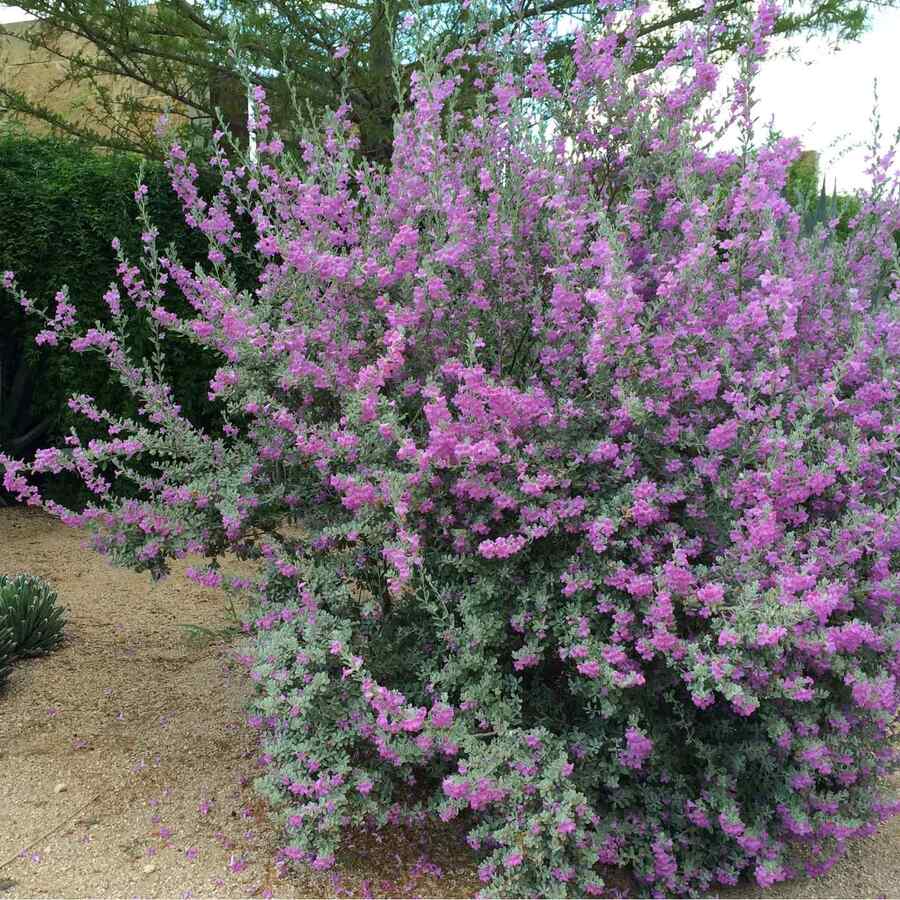
If you want a shrub that looks tidy most of the year and then suddenly puts on a flower show, Texas Sage is a classic. It’s evergreen, drought-tolerant, and known for its purple blooms that often appear after summer humidity or monsoon rain.
Why it works in Arizona:
-
Handles heat, sun, and low water once established
-
Great for foundation plantings and mid-height structure
Where it looks best:
-
Along walkways, in gravel beds, or grouped in threes for a clean rhythm
Care notes:
-
Water deeply but infrequently the first year
-
Skip frequent shearing into “meatballs”—light shaping preserves natural form and flowering
2) Yellow Bells (Tecoma stans)
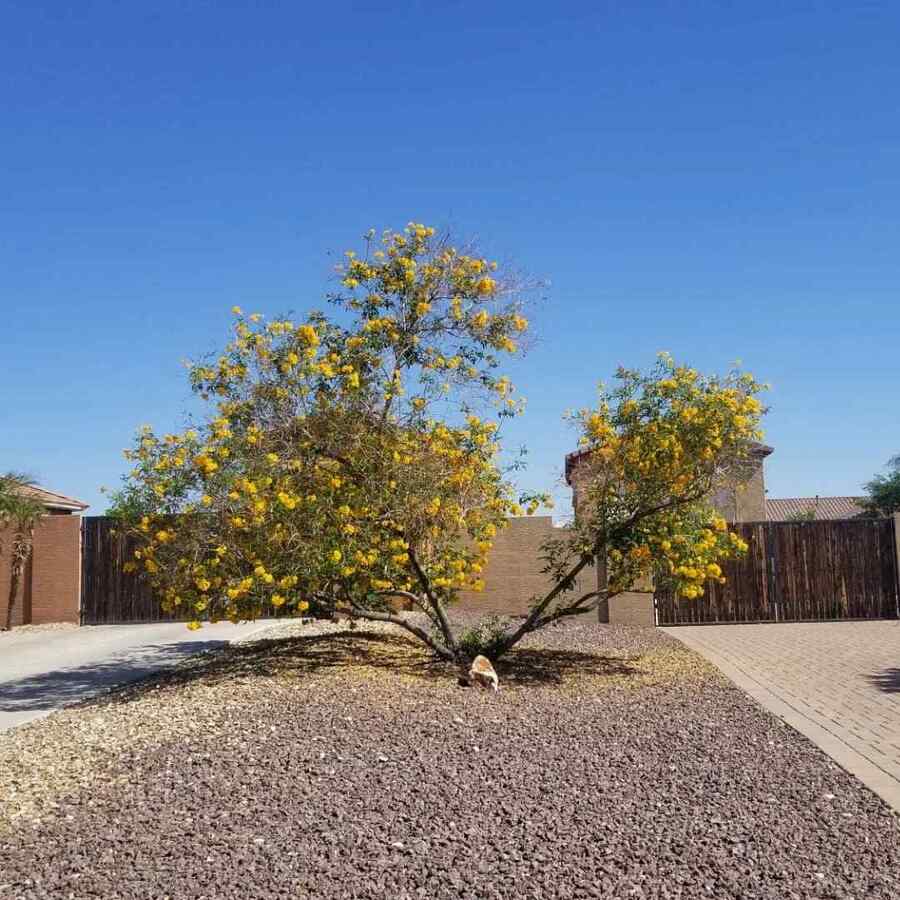
Yellow Bells delivers cheerful, trumpet-shaped blooms in a bright yellow that pops against desert tones. It’s also a magnet for hummingbirds and pollinators, which adds movement and life to your yard.
Why it works in Arizona:
-
Blooms over a long season (often spring through fall)
-
Heat-loving and tough once established
Where it looks best:
-
As a focal shrub near patios, entryways, or windows where you’ll enjoy the flowers
Care notes:
-
Give it room; it can get large
-
A light prune after flowering keeps it fuller and more compact
3) Red Yucca (Hesperaloe parviflora)
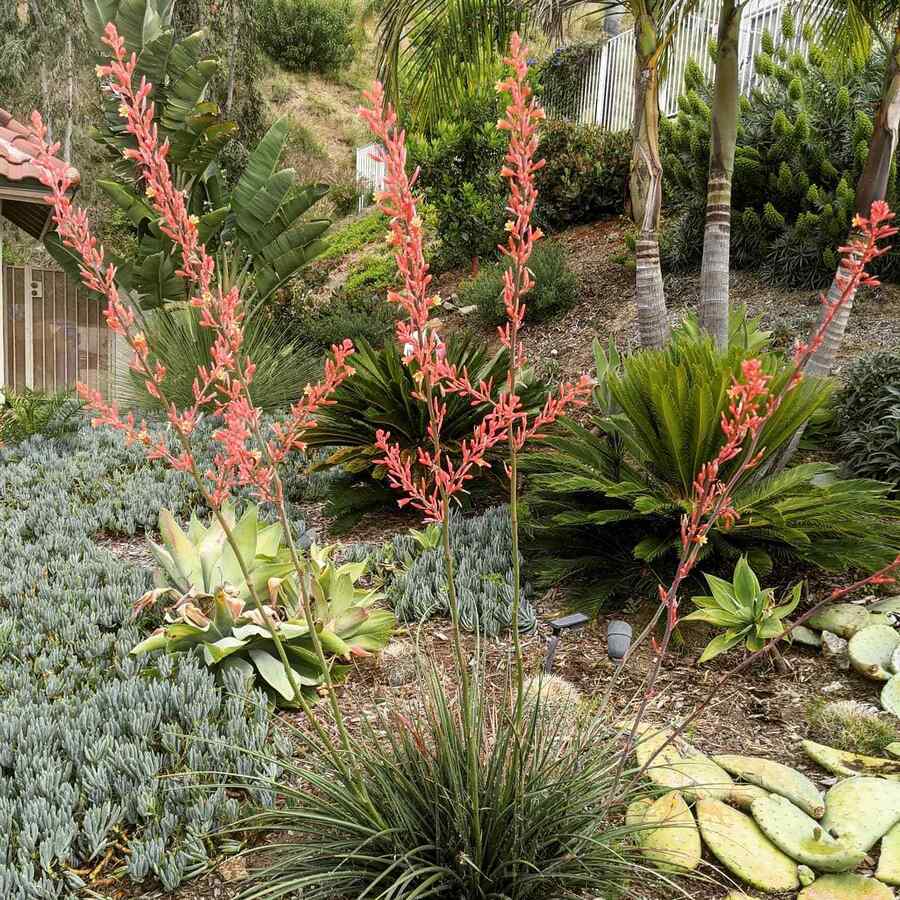
Red Yucca is one of those “set it and forget it” plants that still looks intentional. It forms a fountain of narrow leaves and sends up tall stalks with red to pink blooms that hover above the foliage.
Why it works in Arizona:
-
Extremely durable and low-water
-
Great choice for modern desert designs and low-maintenance yards
Where it looks best:
-
Near boulders, along paths, or in symmetrical pairs by a gate or entry
Care notes:
-
Remove old flower stalks once they dry
-
Avoid overwatering (it prefers lean conditions)
4) Bougainvillea (Bougainvillea spp.)
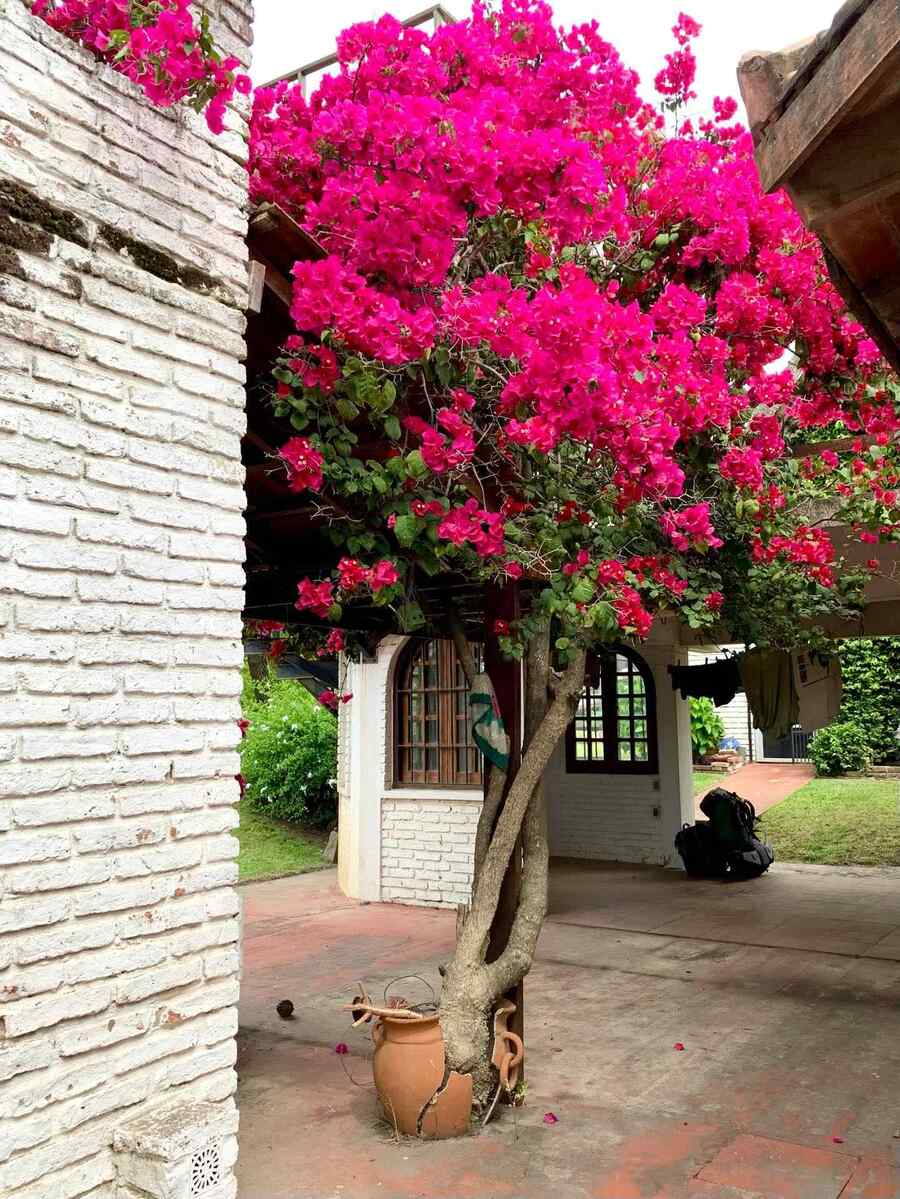
For bold color that can’t be ignored, Bougainvillea is the showstopper—especially against hot walls and reflective surfaces where many plants struggle. The “flowers” are actually colorful bracts in shades like magenta, orange, red, and white.
Why it works in Arizona:
-
Thrives in heat and sun
-
Delivers dramatic color with modest water once established
Where it looks best:
-
Trained on trellises, spilling over walls, or used as a vibrant privacy accent
Care notes:
-
Wear gloves (thorns are real)
-
Protect from hard freezes in colder pockets; placement matters
-
Don’t overwater—too much water can reduce blooms
5) Lantana (Lantana camara / Lantana montevidensis)
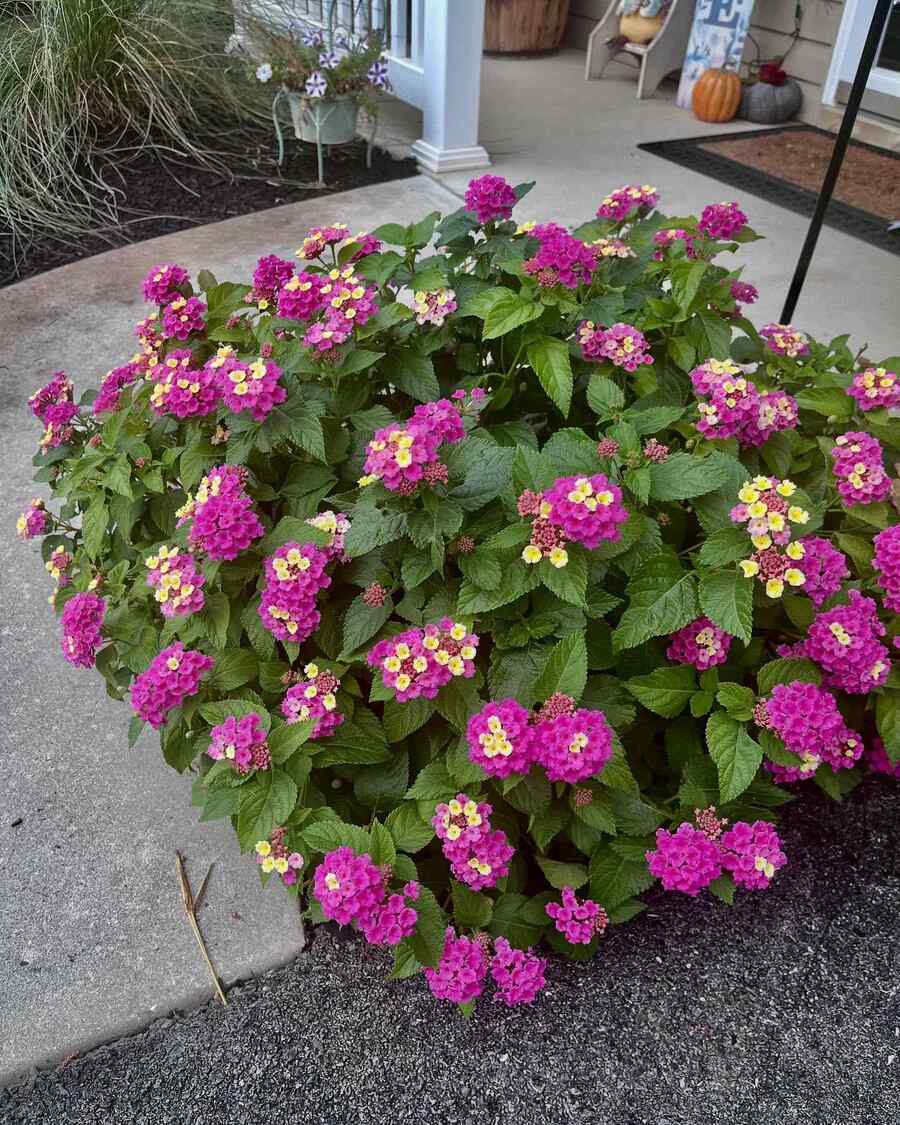
Lantana earns its spot for one reason: it blooms like it has something to prove. Many varieties flower almost year-round in warm conditions, offering clusters of yellow, orange, pink, or multi-color blooms.
Why it works in Arizona:
-
Heat thrives, fast coverage, long bloom time
-
Useful as a low shrub or groundcover (depending on variety)
Where it looks best:
-
Along sunny borders, slopes, or anywhere you want color that repeats through the yard
Care notes:
-
A hard cutback at the right time (often late winter) can refresh growth
-
Give it airflow and sun to reduce pest issues
6) Hopbush (Dodonaea viscosa ‘Purpurea’)
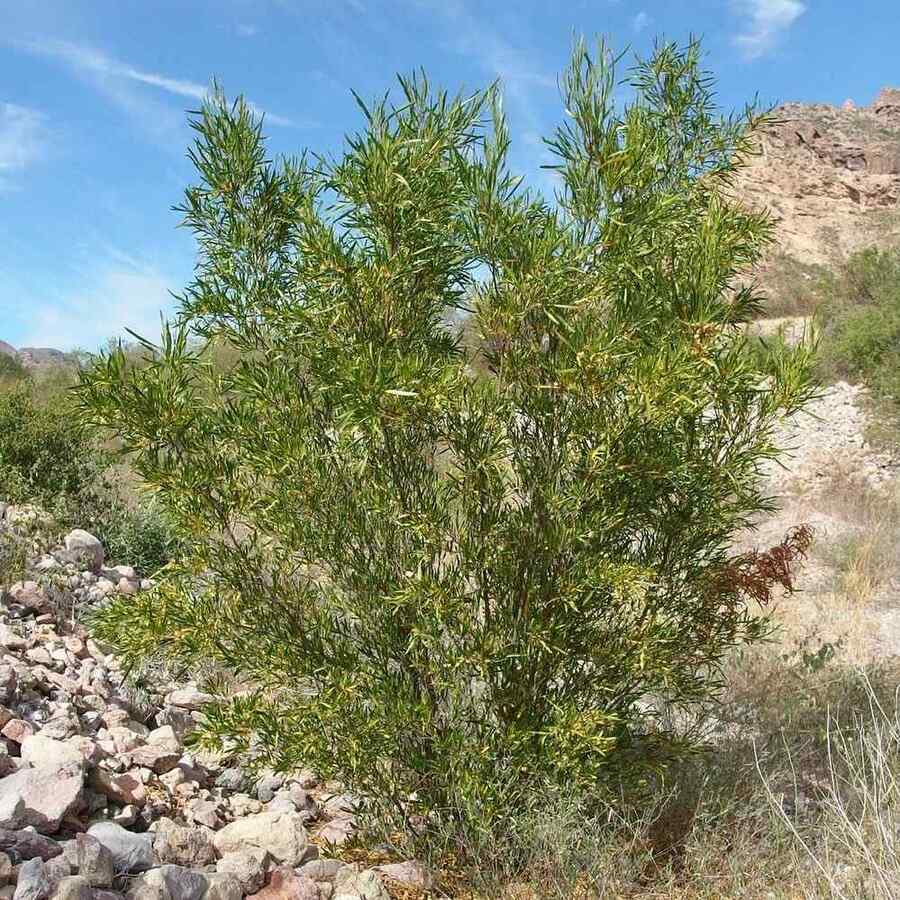
If you want privacy without constant drama, Hopbush is a strong pick. The ‘Purpurea’ form brings bronzy-purple foliage that reads sophisticated and modern—especially paired with gravel, steel edging, or limestone.
Why it works in Arizona:
-
Fast-growing and drought-tolerant
-
Excellent for screens, hedges, and property-line planting
Where it looks best:
-
In rows for privacy, or as a backdrop for flowering shrubs in front
Care notes:
-
Light, periodic shaping keeps it dense
-
Deep watering during establishment improves long-term resilience
7) Orange Jubilee (Tecoma x ‘Orange Jubilee’)
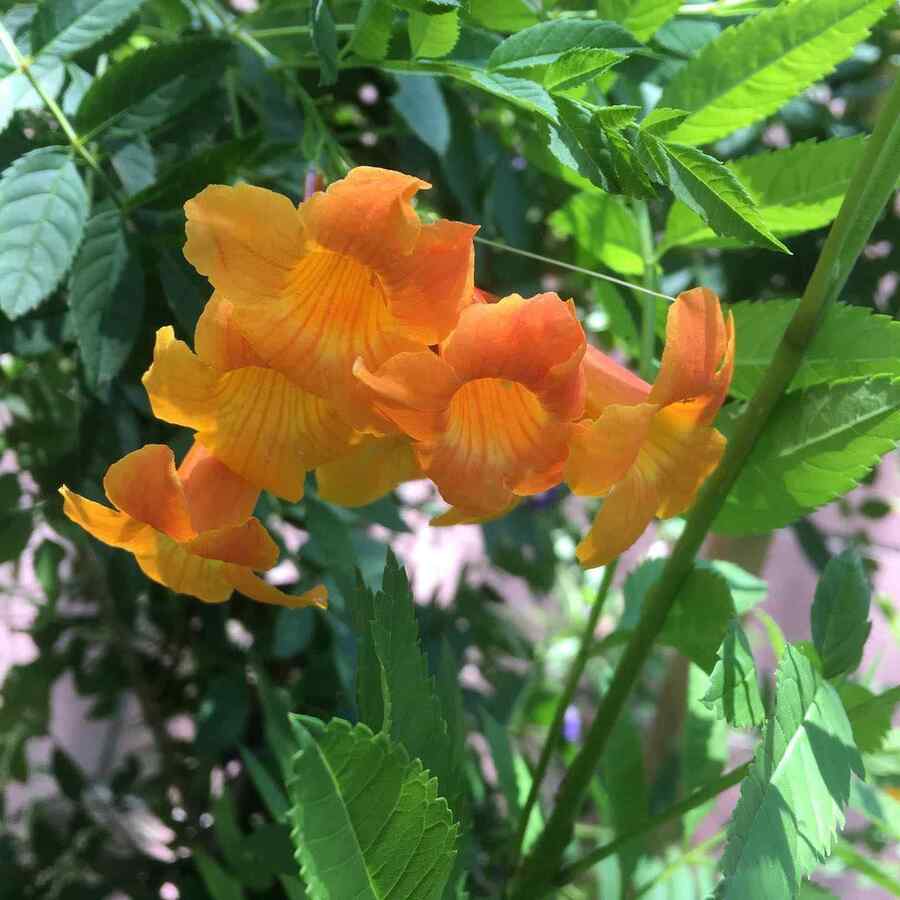
Orange Jubilee is the bold cousin of Yellow Bells—bigger presence, vivid orange blooms, and a strong ability to handle sun and heat. It can anchor a yard with color without needing lush soil or frequent watering.
Why it works in Arizona:
-
Reliable flowering and drought tolerance
-
Great “middle layer” shrub for desert landscaping
Where it looks best:
-
As a focal shrub near a wall, or at the corner of a yard where you want a punch of color
Care notes:
-
Give it space; it can become a large shrub
-
Prune strategically for shape, not constant tight shearing
8) Desert Spoon (Dasylirion wheeleri)
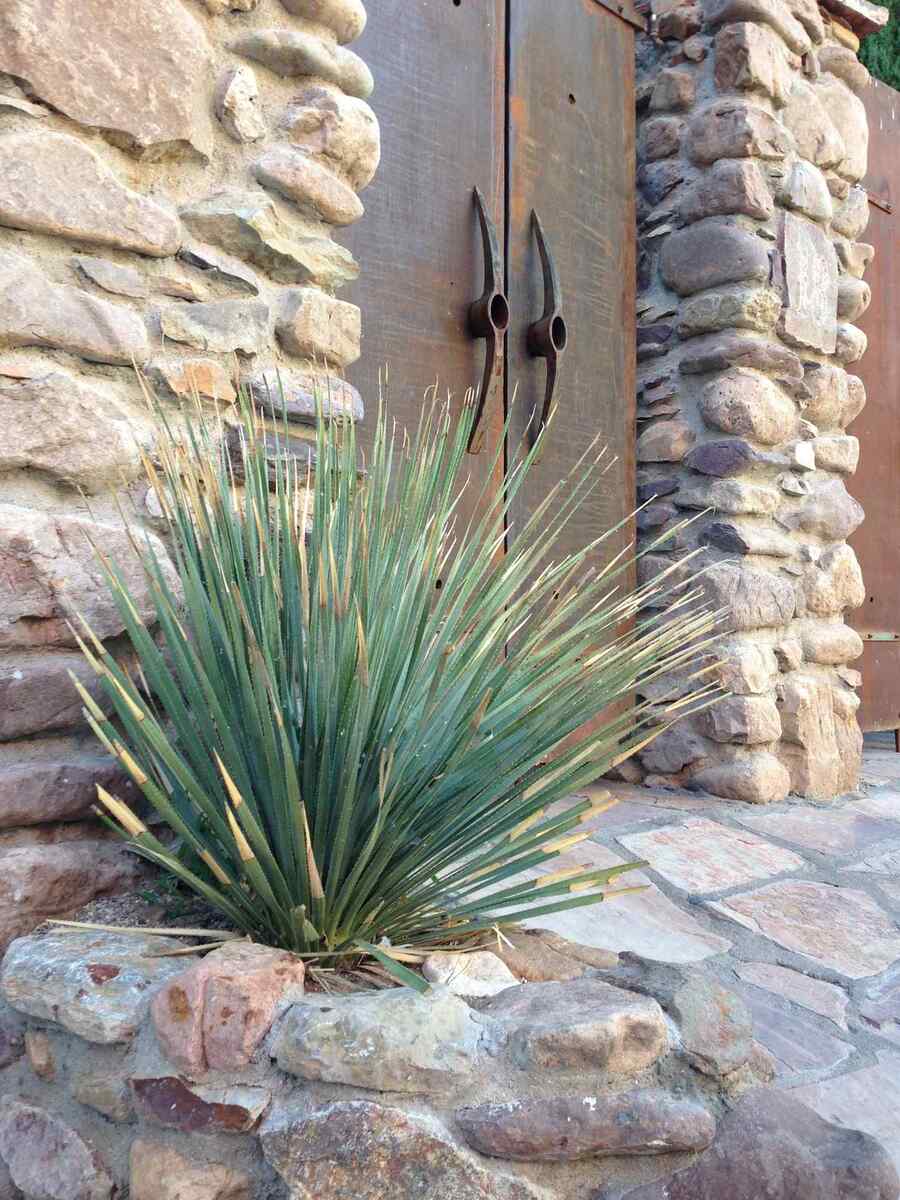
Desert Spoon isn’t a soft, fluffy shrub—it’s architectural. The blue-green, spiky form adds year-round structure that makes the whole landscape feel designed, even when nothing is blooming.
Why it works in Arizona:
-
Very low water and low maintenance
-
Strong focal form for xeriscapes
Where it looks best:
-
As a specimen plant in gravel with a spotlight, or paired with boulders for a desert-modern look
Care notes:
-
Provide space around it (those leaves reach out)
-
Minimal cleanup: remove old leaves if you want a trunked look
9) Creosote Bush (Larrea tridentata)
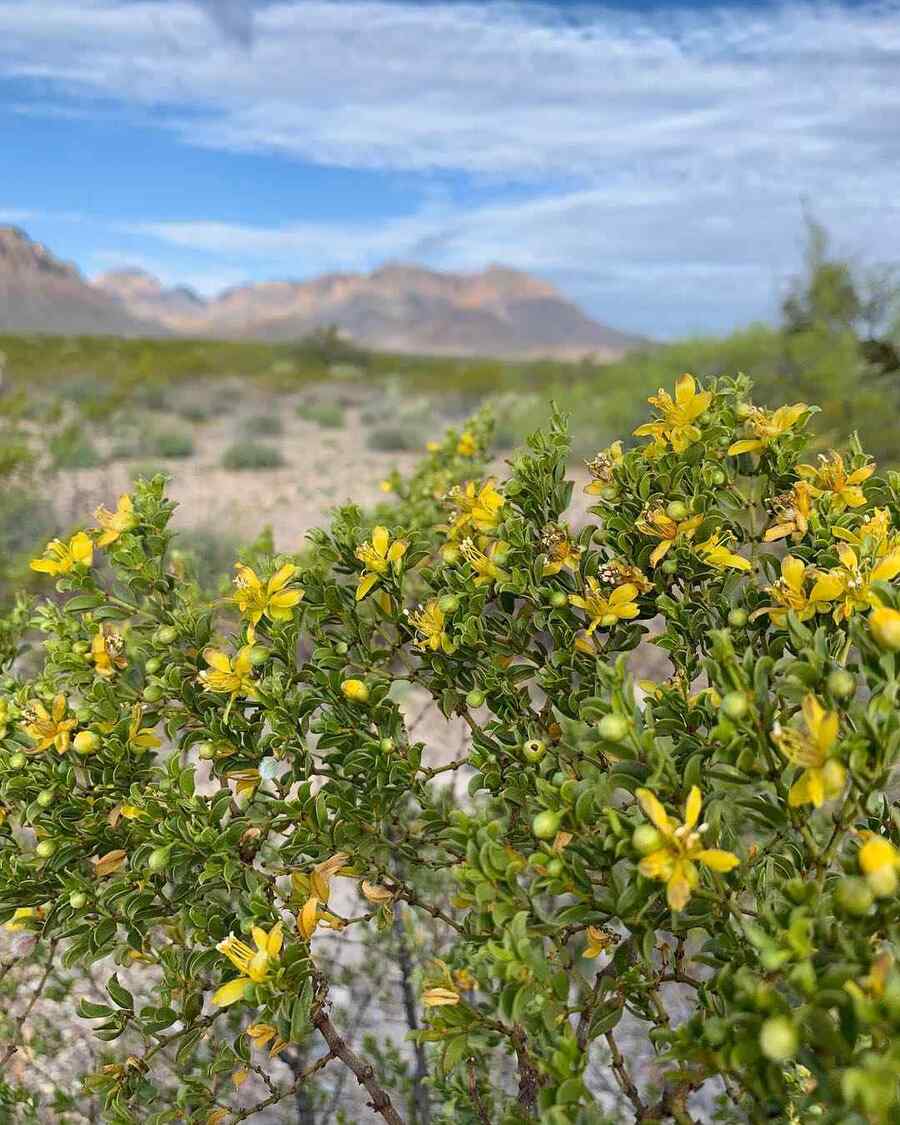
Creosote is iconic in the Sonoran and Mojave deserts—tough, native, and famous for its distinct scent after rain. It’s the definition of low-maintenance and belongs in designs that aim for an authentic desert feel.
Why it works in Arizona:
-
Thrives on very little water
-
Excellent for naturalistic, native-forward yards
Where it looks best:
-
In a desert-native palette with brittlebush, chuparosa, or native grasses
-
Works beautifully in wider, open layouts where plants have breathing room
Care notes:
-
Avoid rich soil and frequent irrigation
-
Let it keep its natural form for the best look
10) Pink Fairy Duster (Calliandra eriophylla)
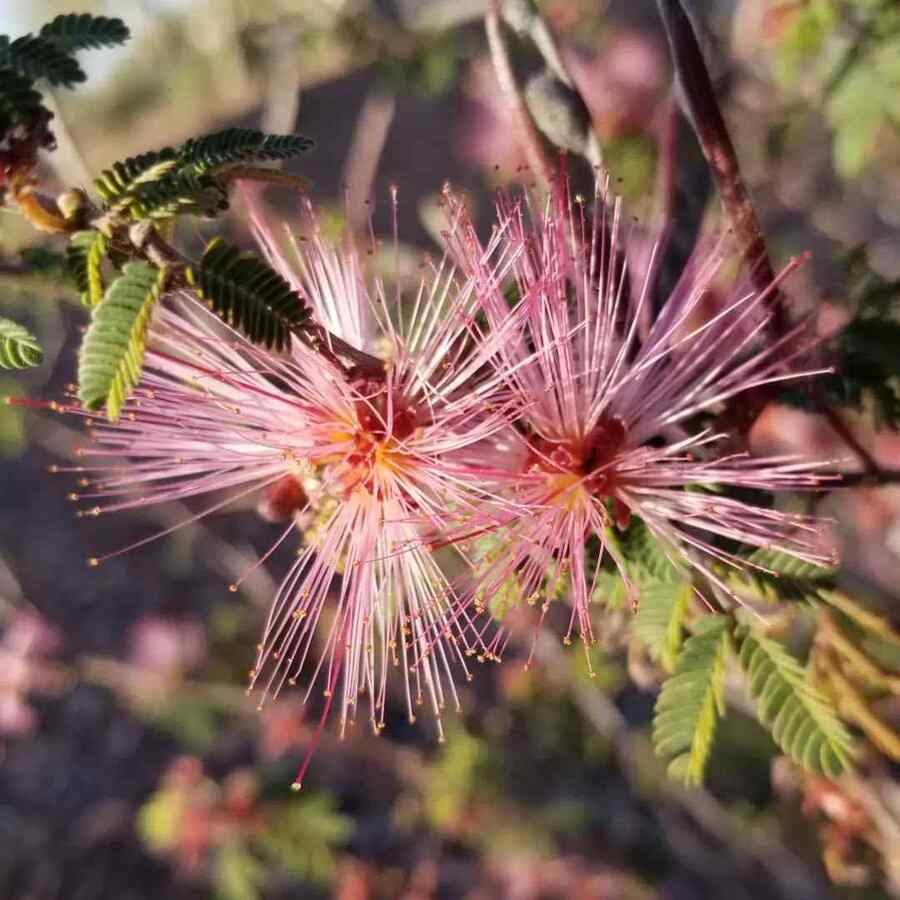
Pink Fairy Duster is a charming native that adds soft texture and delicate blooms—like tiny pink fireworks. It stays low, making it useful where you want color without blocking sightlines.
Why it works in Arizona:
-
Drought-tolerant native that supports pollinators and hummingbirds
-
Great for layering and soft edges
Where it looks best:
-
Near patios, along paths, or in front of taller shrubs where it creates a gentle transition
Care notes:
-
Full sun to light shade
-
Occasional shaping keeps it compact, but it’s naturally well-behaved
How to Choose the Right Shrub for Your Yard (Quick Match Guide)
You’ll get the best results when you match shrubs to a job:
-
For privacy/screens: Hopbush, Texas Sage
-
For bold flower color: Bougainvillea, Yellow Bells, Orange Jubilee, Lantana
-
For low-water structure: Desert Spoon, Red Yucca
-
For native, natural desert style: Creosote, Pink Fairy Duster
A simple design trick: pick one “structure” shrub (Desert Spoon or Red Yucca), one “flower” shrub (Tecoma, Bougainvillea, or Lantana), and one “softener” shrub (Fairy Duster or Texas Sage) for each major area of the yard. That mix reads intentional without being fussy.
Planting and Watering Tips That Keep Shrubs Happy in Arizona
Planting:
-
Dig a hole as deep as the root ball and 2–3x as wide.
-
Keep the crown slightly above grade in heavier soil so it doesn’t sit wet.
Watering (simple rule):
-
First year: water deeply on a schedule (more often in summer, less in winter).
-
After establishment: transition to deep, infrequent watering. This trains roots to go down, not sideways.
Mulch/ground cover:
-
Gravel mulch is popular and clean, but it reflects heat. Give new shrubs a little extra attention their first summer.
-
Organic mulch cools soil but can look less “desert modern.” Either can work—just stay consistent.
Pruning:
-
Avoid constant shearing on flowering shrubs. If you like clean lines, shape lightly and less often. You’ll keep more blooms and a healthier plant.
Final Thoughts: A Water-Wise Yard That Still Feels Lush
The best shrubs for Arizona landscapes don’t just survive—they belong in the heat. With the right mix of color, structure, and screening, you can build a yard that feels welcoming from the sidewalk and comfortable from the patio, without fighting the climate.