Gardening up north is equal parts science and stubborn optimism. Alaska’s short summers, drying winter winds, and deep freezes can be hard on woody plants—so the best picks are shrubs that earn their keep: cold-hardy, resilient, and useful in more than one season. If you’re choosing shrubs for Alaska, focus on proven natives and tough cultivars that handle Zones 1–4, offer winter structure, and (bonus) feed birds, pollinators, and you.
This guide is written for real yards: windy driveways, soggy spring melt zones, gravelly soils, and the “I’d like it to look good even in November” standard.
Table of Contents
Quick Alaska Shrub Checklist Before You Plant
Climate fit beats wishful thinking. Use these as your “pre-flight check”:
-
Hardiness zone: Many areas sit in Zones 1–4; pick shrubs rated for your zone (or colder).
-
Sunlight: “Full sun” in Alaska can still mean cool temps—great for many flowering shrubs.
-
Soil + drainage: Spring thaw can be wet; winter can heave roots. Raised beds, berms, and mulch help.
-
Wind exposure: If your site is open, prioritize flexible, hardy stems and wind-tolerant species.
-
Purpose: Privacy screen, erosion control, berries, pollinator support, or winter color—choose with intent.
Shrubs for Alaska: 10 Cold-Hardy Picks for Beauty, Berries, and Backbone
Below are ten shrubs that are consistently recommended for Alaska conditions, with specific placement tips so you can picture them in your own space.
1) Redosier Dogwood (Cornus sericea)
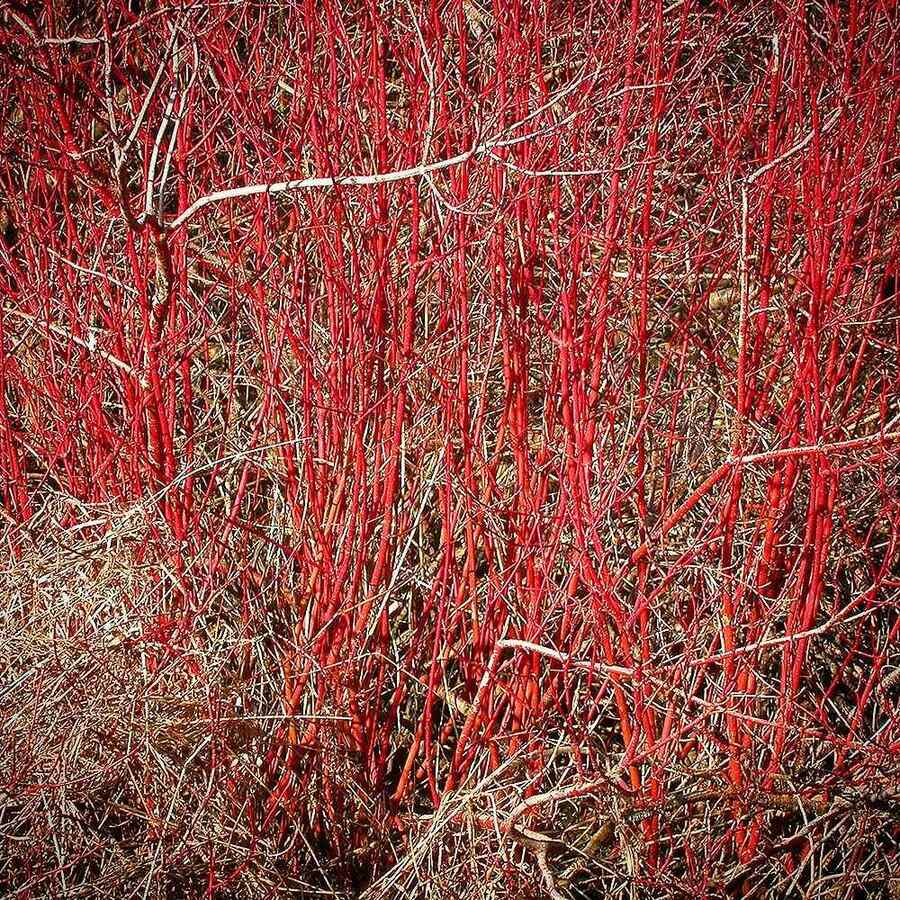
If you want winter color that doesn’t quit, redosier dogwood is the classic. Its stems turn vivid red once leaves drop, making snowy landscapes feel designed rather than dormant.
Why it works in Alaska
-
Native and extremely hardy
-
Brilliant red stems for winter interest
-
Great for erosion control and naturalized edges
How to use it beautifully
-
Plant as a backdrop hedge along fences or property lines.
-
Pair with pale evergreens or snowberry for a clean winter palette.
Care note: Cut back older stems every few years to keep color strong—new growth is the brightest.
2) Prickly Rose (Rosa acicularis)
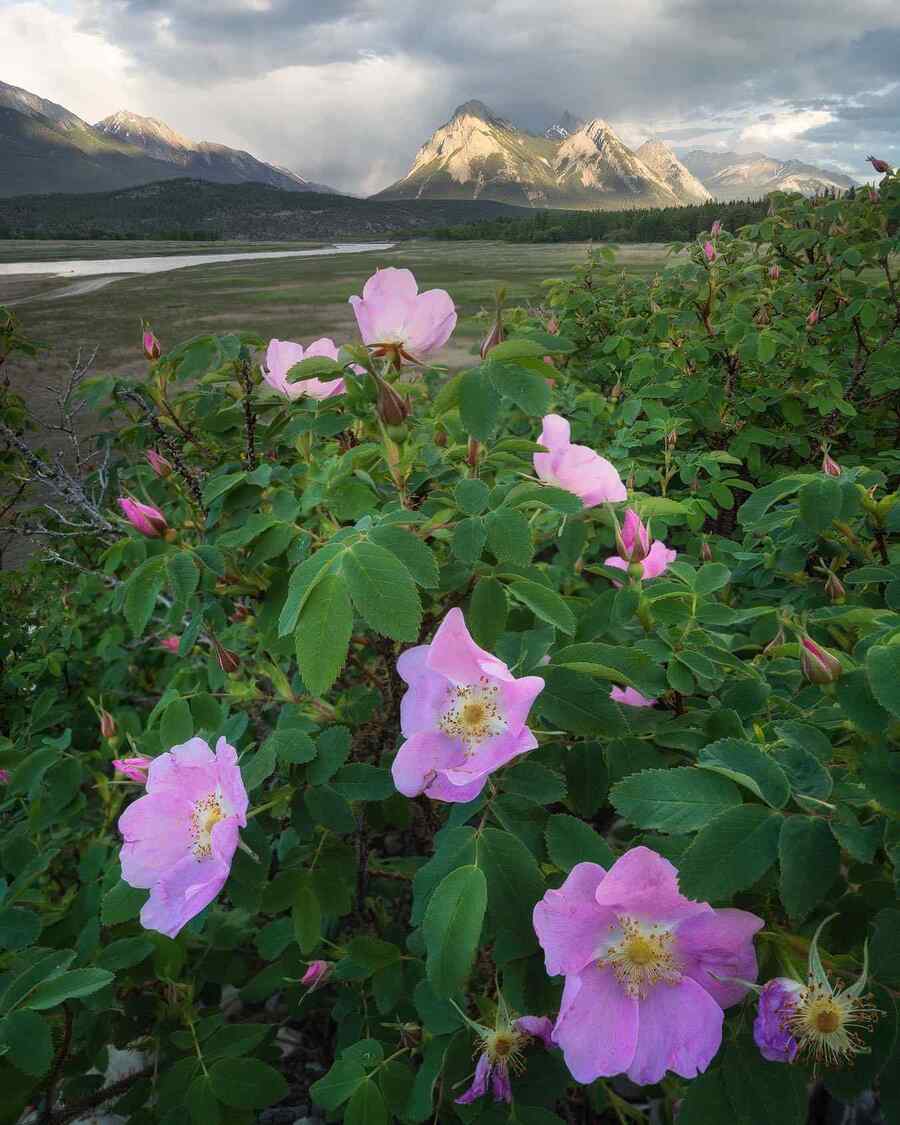
This native rose is tough, fragrant, and wonderfully practical. It blooms in summer and follows with rosehips that glow red into fall and early winter.
Why it works in Alaska
-
Excellent winter hardiness
-
Rosehips add edible and wildlife value
-
Strong “Alaska-native” character in the landscape
Where it shines
-
Along driveways or as a loose boundary planting
-
In a mixed shrub border with dogwood and viburnum
Personal tip: If you want a cottage-garden feel without babying plants, this rose is your friend.
3) Highbush Cranberry (Viburnum edule)
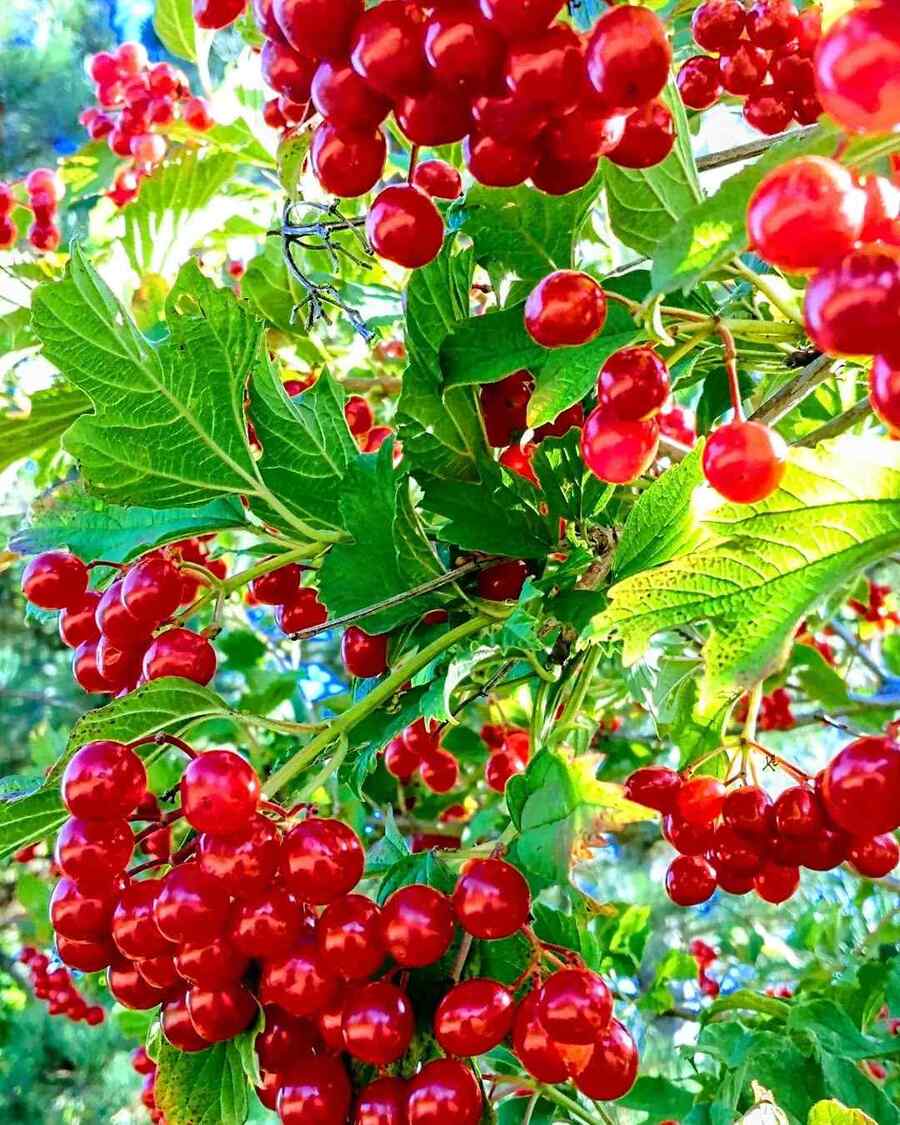
Don’t let the name fool you—this isn’t the bog cranberry, but it is a berry powerhouse with strong seasonal color. Leaves can turn rich shades in fall, and berries brighten the shrub late in the season.
Why it works in Alaska
-
Native, cold-adapted shrub
-
Bright red berries and attractive foliage
-
Strong wildlife appeal (birds especially)
Placement for best effect
-
Use as a mid-height anchor in foundation plantings.
-
Plant near a window so you can enjoy berry clusters from indoors during shoulder seasons.
Care note: Many viburnums benefit from cross-pollination, so planting more than one can boost fruit set.
4) Shrubby Cinquefoil (Dasiphora fruticosa / Potentilla fruticosa)
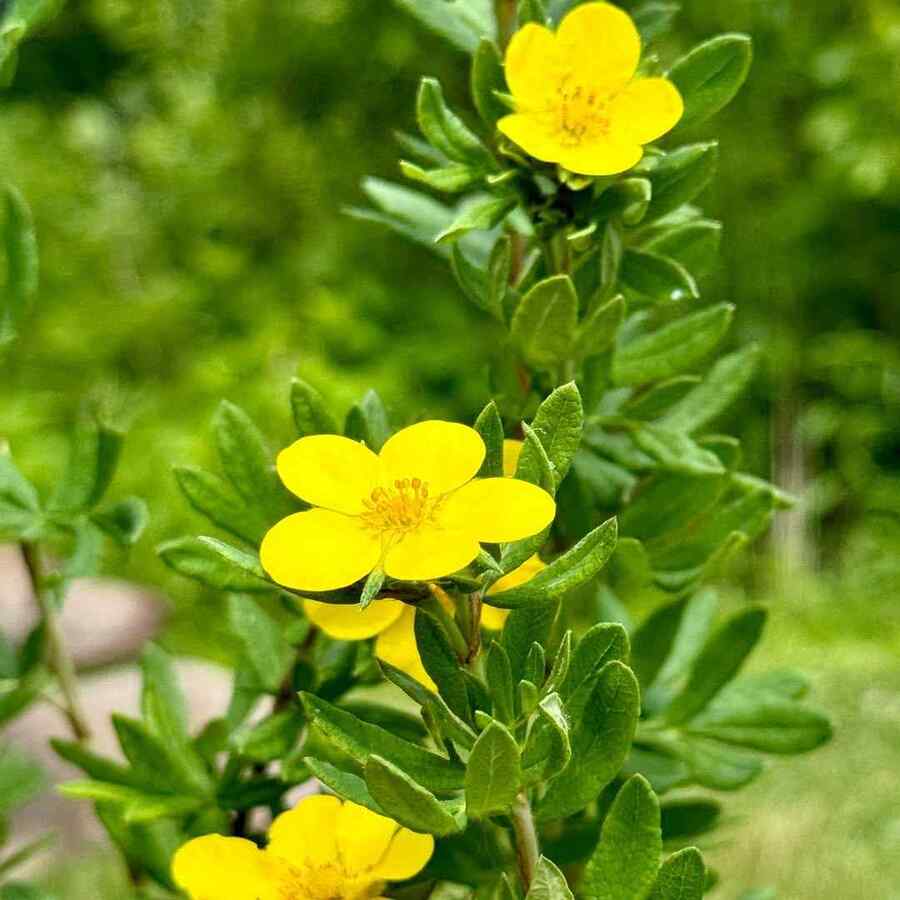
Cinquefoil is the dependable bloomer: tidy, hardy, and covered in flowers for weeks. It’s also a great solution if your yard has challenging soil.
Why it works in Alaska
-
Very cold hardy and low-maintenance
-
Long season of cheerful yellow blooms
-
Handles poorer soils better than many ornamentals
Aesthetic suggestions
-
Use it to edge a path for a bright, tidy line.
-
Mix with grasses for a clean, modern look that still feels natural.
Care note: Light pruning in spring keeps it compact and flowering well.
5) Red-berried Elder (Sambucus racemosa)
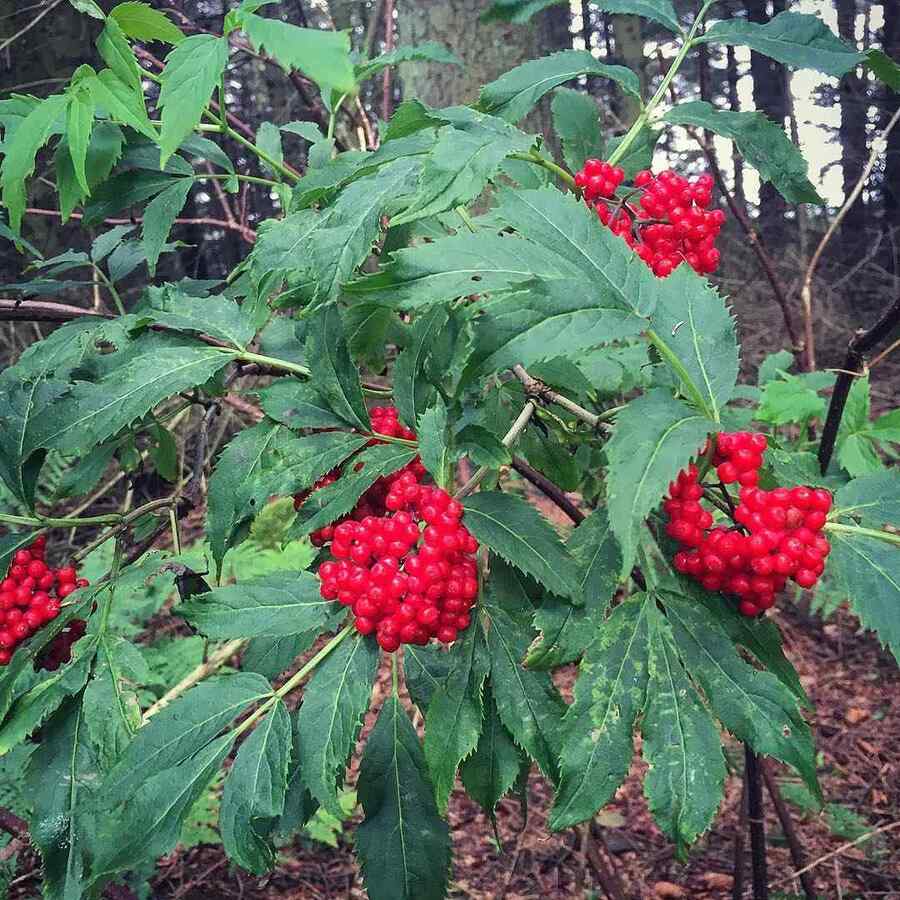
Fast-growing with showy flower clusters followed by vivid red berries, elder brings “woodland drama” in a short season.
Why it works in Alaska
-
Hardy and vigorous
-
Big spring bloom clusters
-
Bright berries that draw birds
How to design with it
-
Plant toward the back of borders where it can be a tall, soft screen.
-
Combine with dogwood for a winter-and-summer show.
Safety note: Many elder species have parts that are not edible raw; treat it as an ornamental/wildlife shrub unless you’re sure of safe preparation.
6) Willow Species (Salix spp.)
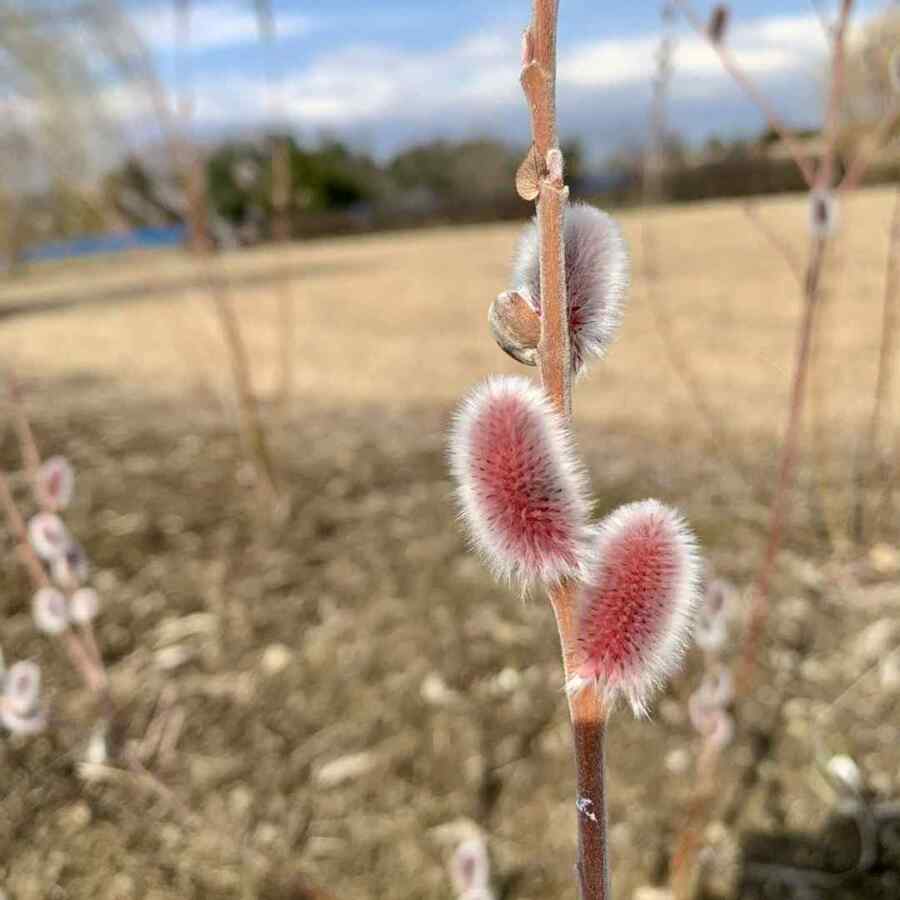
Willows are the practical workhorses: flexible, tough, and often fast. Alaska has many native willows, from low alpine forms to taller, hedge-worthy types like feltleaf willow.
Why it works in Alaska
-
Extremely hardy with broad species choices
-
Great for windbreaks and quick structure
-
Useful for stabilizing wetter sites
Where to use willows
-
Along drainage swales or low spots that stay moist in spring
-
As a living screen if you need privacy sooner rather than later
Care note: Willows can be vigorous—give them space and be ready to prune.
7) Silverberry (Elaeagnus commutata)
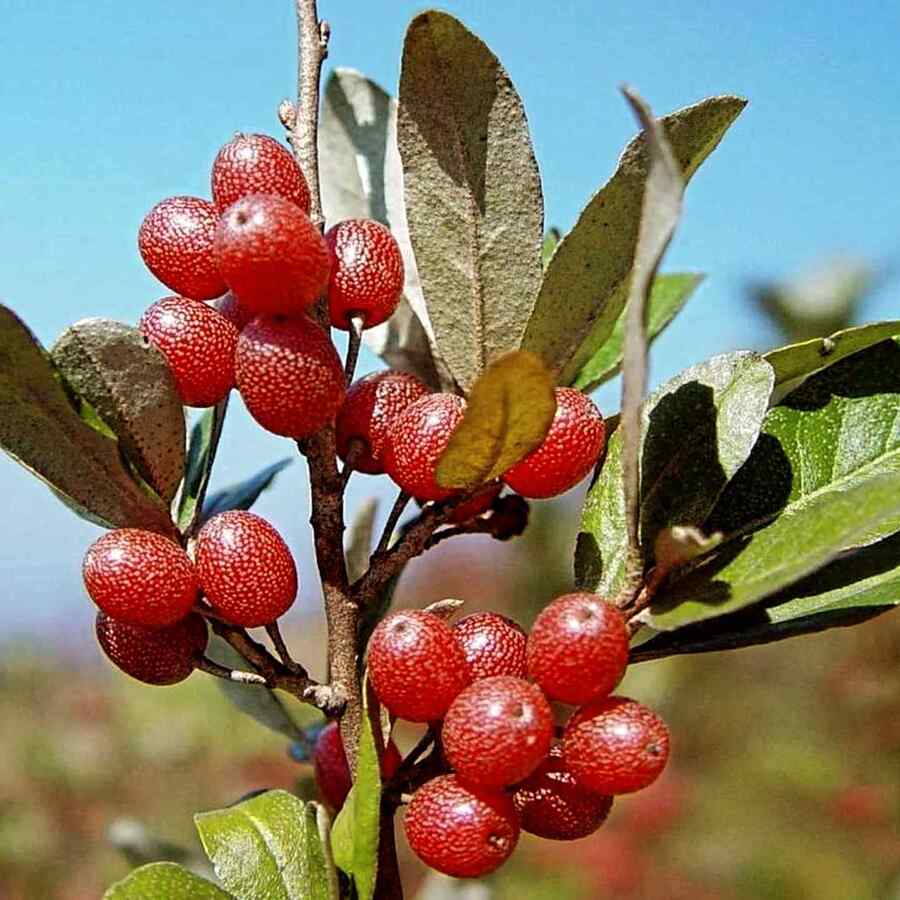
Silverberry is a standout for dry, poor soils and for anyone who loves foliage texture. The silvery leaves catch light beautifully, especially on overcast days.
Why it works in Alaska
-
Native and hardy
-
Tolerates droughty, sandy, or gravelly soils
-
Fragrant flowers and striking silver foliage
Design tip
-
Use it as a “highlight plant” near dark mulch, stones, or evergreens.
-
It’s especially good in coastal or windy areas where other shrubs sulk.
8) Salmonberry (Rubus spectabilis)
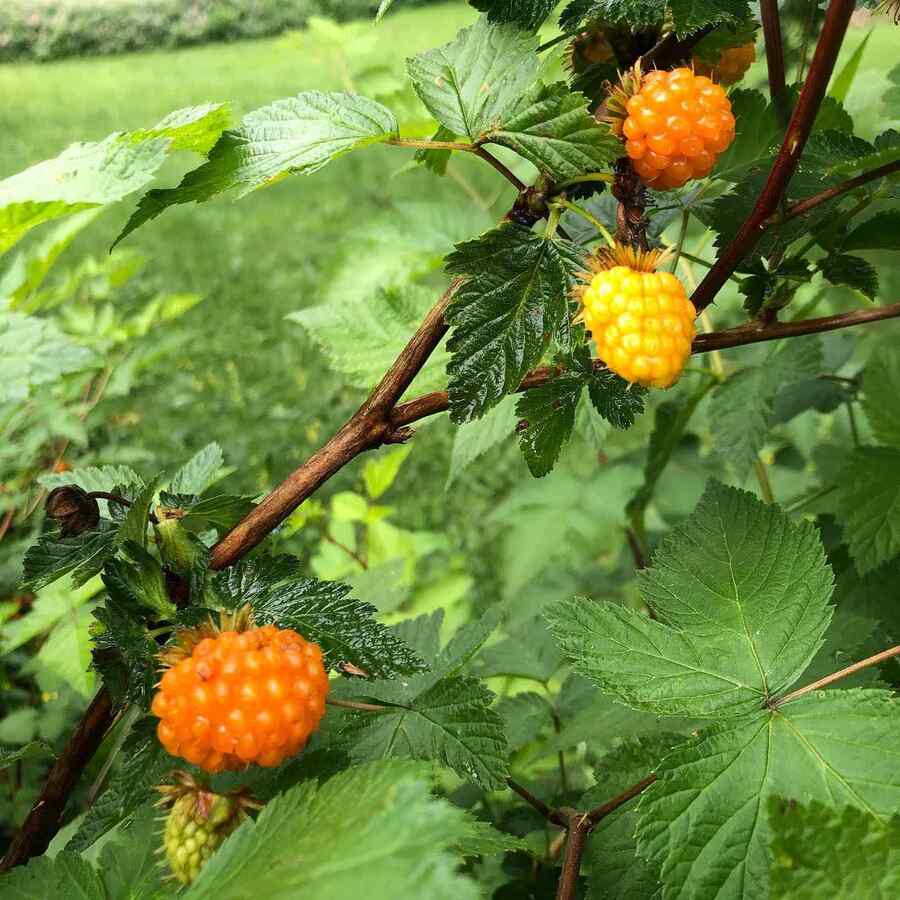
If you love the idea of an edible, wildlife-friendly landscape—this is a strong option, particularly in coastal and woodland settings.
Why it works in Alaska
-
Native berry shrub, well suited to cool climates
-
Beautiful flowers and early-season interest
-
Supports pollinators and wildlife
Best placement
-
Woodland edges, dappled light, or naturalized areas
-
Along trails where you can snack during summer
Care note: Like many Rubus, it can spread. If you want it contained, use natural barriers or thoughtful pruning.
9) Dwarf Birch (Betula nana)
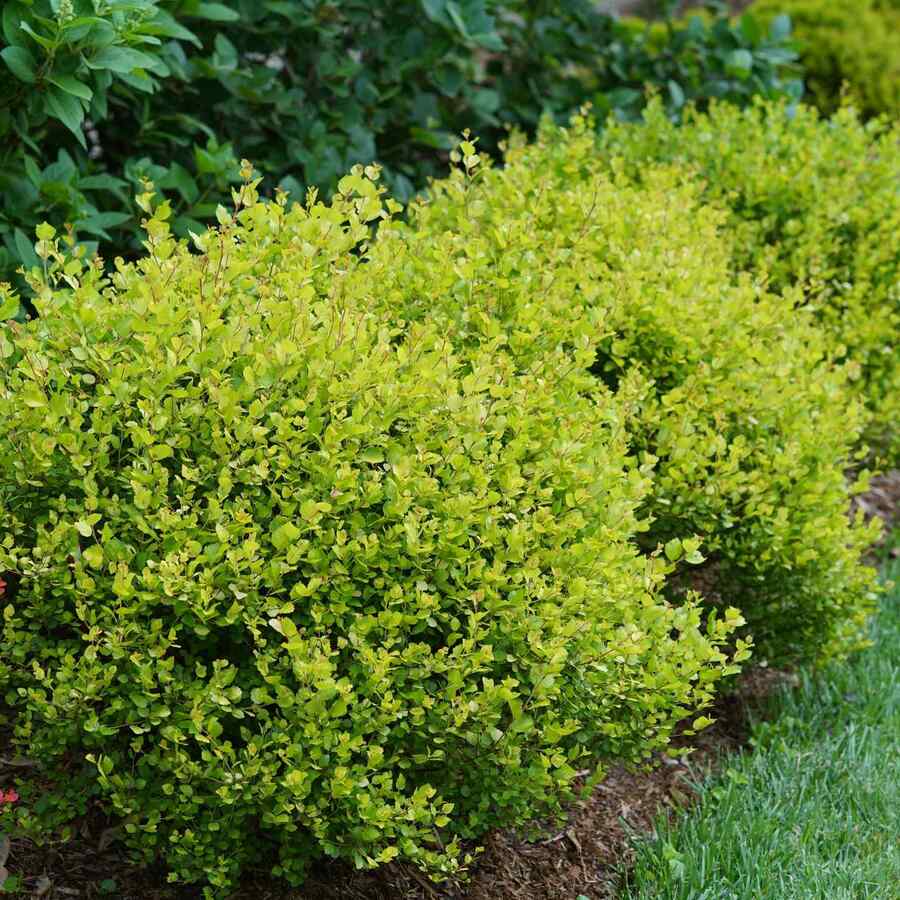
Low, tough, and perfectly suited to a northern aesthetic, dwarf birch gives you texture and fall color without taking over the yard.
Why it works in Alaska
-
Very hardy, low-growing shrub
-
Great fall color in many sites
-
Ideal for exposed or tundra-inspired plantings
How to style it
-
Use as a ground-hugging layer in rock gardens or slope plantings.
-
Pair with mossy stones, sedges, and low evergreens for a calm, natural look.
10) Mountain Ash (Sorbus spp.)
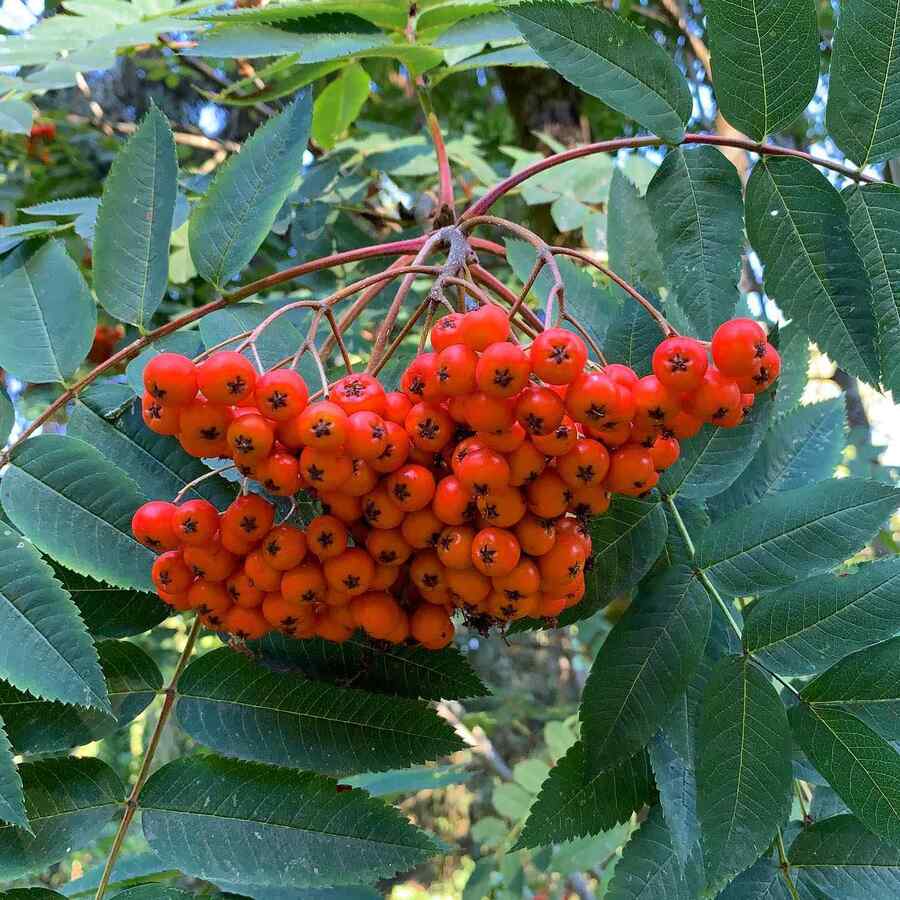
Often grown as a small tree, mountain ash can behave shrubby depending on the species and site. It’s loved for orange-red berry clusters that can persist into winter.
Why it works in Alaska
-
Cold-hardy options exist and perform well in northern climates
-
High ornamental value from fruit and form
-
Strong wildlife benefit
Placement ideas
-
As a focal point near an entry or at the corner of a yard
-
Where berries are visible from inside—winter color matters most when you’re indoors
Care note: Choose species/cultivars suited to your zone and local disease pressures, and give it good airflow.
Simple Shrub “Recipes” for Common Alaska Yard Goals
Privacy + wind buffering:
Redosier Dogwood + Willow + Highbush Cranberry (layered: tall to mid)
Low-maintenance color all season:
Shrubby Cinquefoil + Silverberry + Dwarf Birch
Edible + wildlife-friendly edge:
Highbush Cranberry + Salmonberry + Prickly Rose
Planting and Aftercare That Makes Shrubs Succeed in Alaska
-
Plant timing: Late spring to early summer is often easiest for establishment.
-
Mulch smart: A 5–8 cm layer helps stabilize soil temps and moisture.
-
Water the first season: Even hardy natives appreciate consistent moisture while roots settle.
-
Protect from browsing: If moose or rabbits visit, use cages or fencing early—damage happens fast.
-
Prune with purpose: Shape in late winter/early spring; refresh stem color on dogwood by removing older wood.
The Bottom Line
The best Alaska shrubs aren’t fragile showpieces—they’re resilient, useful, and beautiful in multiple seasons. Pick two or three that match your yard’s conditions, plant them with spacing and wind in mind, and you’ll build a landscape that holds its structure even when everything else goes quiet.