If your yard has hot summers, sticky humidity, and quick weather swings, you’re not alone—those are normal conditions for much of the state. The good news is that the right shrubs for Alabama can handle heat, shrug off common disease pressure, and still give you four-season structure with flowers, fragrance, berries, and evergreen color. Below is a practical, experience-driven list of ten shrubs that consistently perform well in Alabama landscapes, plus clear placement and care notes you can use right away.
Table of Contents
10 shrubs for Alabama that stay beautiful in heat and humidity
These picks balance reliability, seasonal interest, and Southern style. When you choose, match the shrub to your light (full sun vs. shade), your soil drainage, and the “job” it needs to do—foundation planting, privacy, pollinator support, or a focal point.
1) Camellia (Camellia spp.)
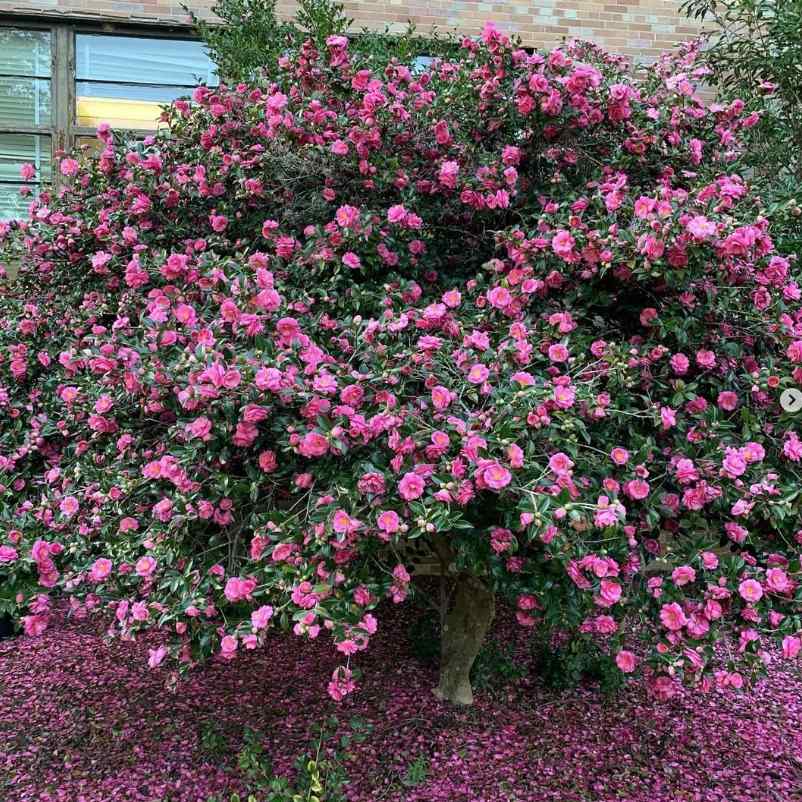
Why it works in Alabama: Camellias are evergreen classics that love the Southeast’s mild winters and humid growing season. They bloom when many landscapes feel empty—late fall through winter into early spring, depending on type.
Where it shines: Part shade with protection from harsh afternoon sun; ideal near entryways so the blooms feel welcoming.
Care notes: Keep soil evenly moist and mulched; avoid wet feet. Prune right after flowering to protect next season’s buds.
Aesthetic tip: Pair camellias with dark mulch and simple evergreen companions so the blooms read like “winter jewelry.”
2) Oakleaf Hydrangea (Hydrangea quercifolia)
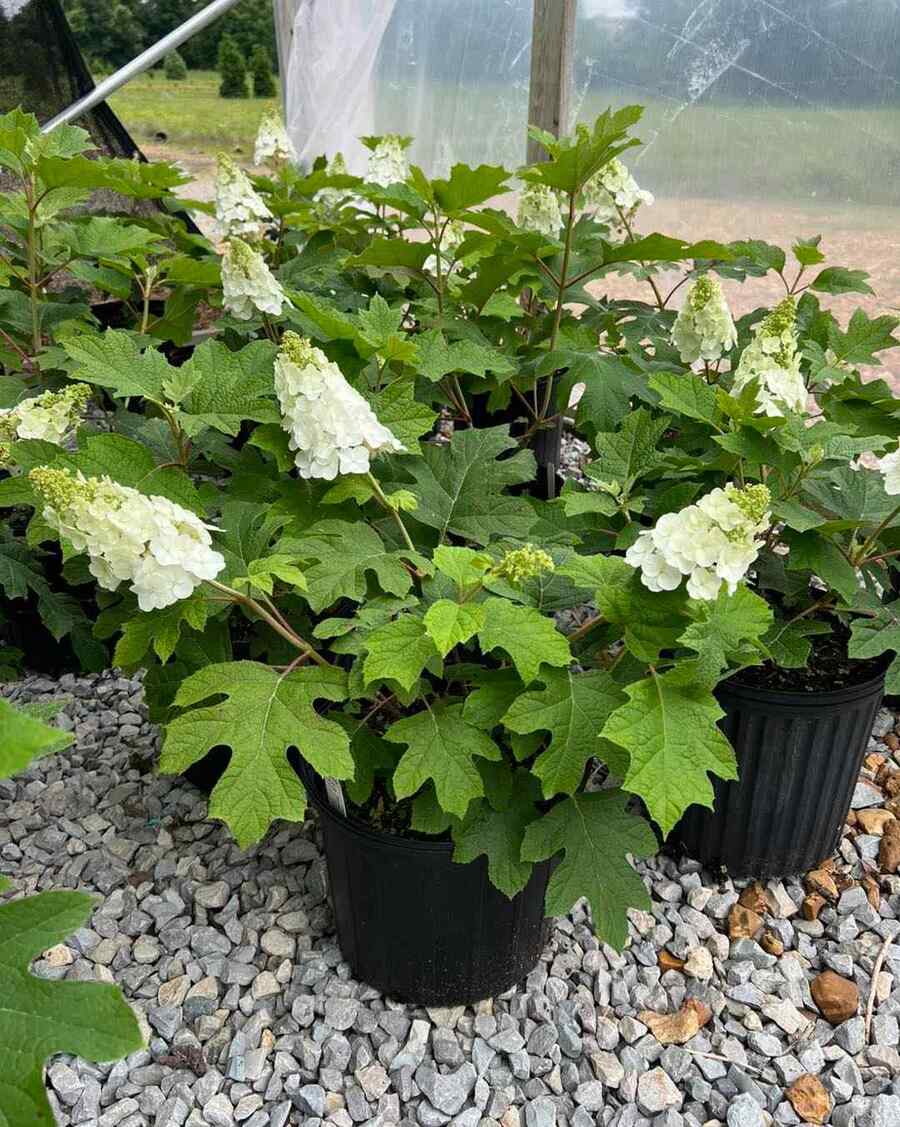
Why it works in Alabama: This native brings huge white flower panicles, bold leaves, and standout fall color—plus exfoliating bark that looks great in winter.
Where it shines: Morning sun/afternoon shade is ideal; also handles brighter shade than many flowering shrubs.
Care notes: Water during establishment and summer dry spells. Prune only if needed, and do it right after bloom.
Aesthetic tip: Use it as a focal point at the corner of a patio—its texture reads beautifully from a distance.
3) American Beautyberry (Callicarpa americana)
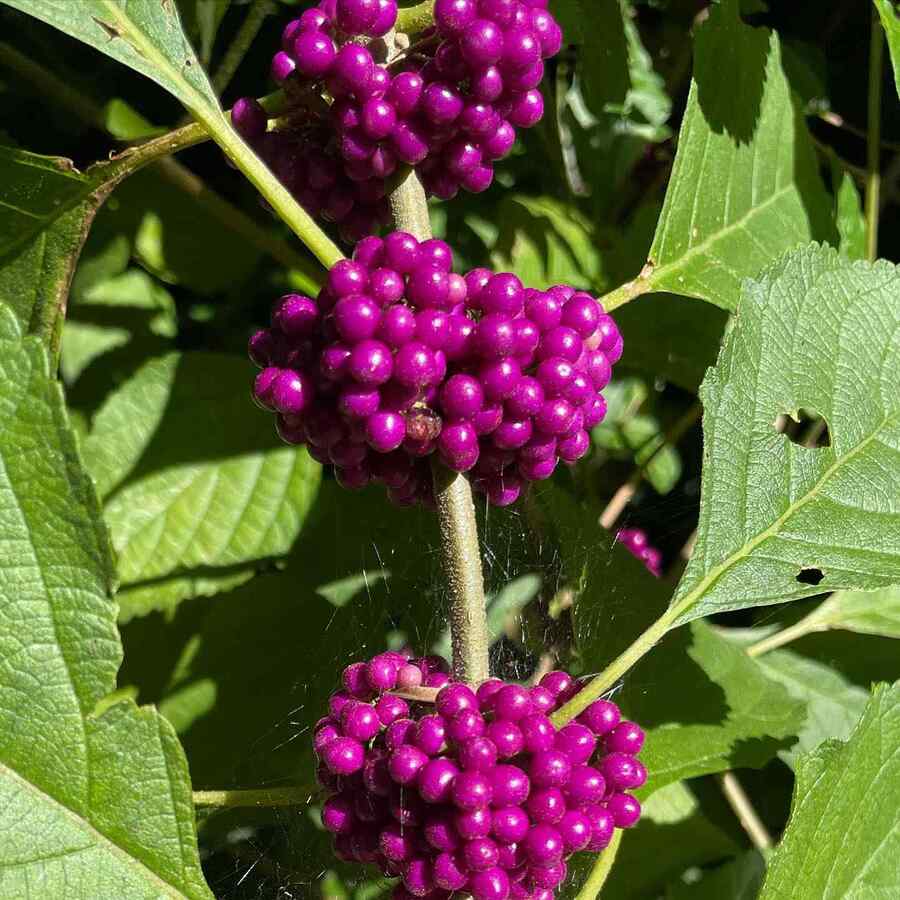
Why it works in Alabama: Another native, famous for those electric purple berry clusters in late summer and fall that feed birds and brighten mixed borders.
Where it shines: Sun to part shade; naturalized edges, woodland transitions, and pollinator-friendly gardens.
Care notes: Beautyberry blooms on new wood, so you can cut it back in late winter for a fresh, full shape.
Aesthetic tip: Place it behind lower evergreens—when berries appear, they “float” above the green like little lanterns.
4) Azalea (Rhododendron spp.)
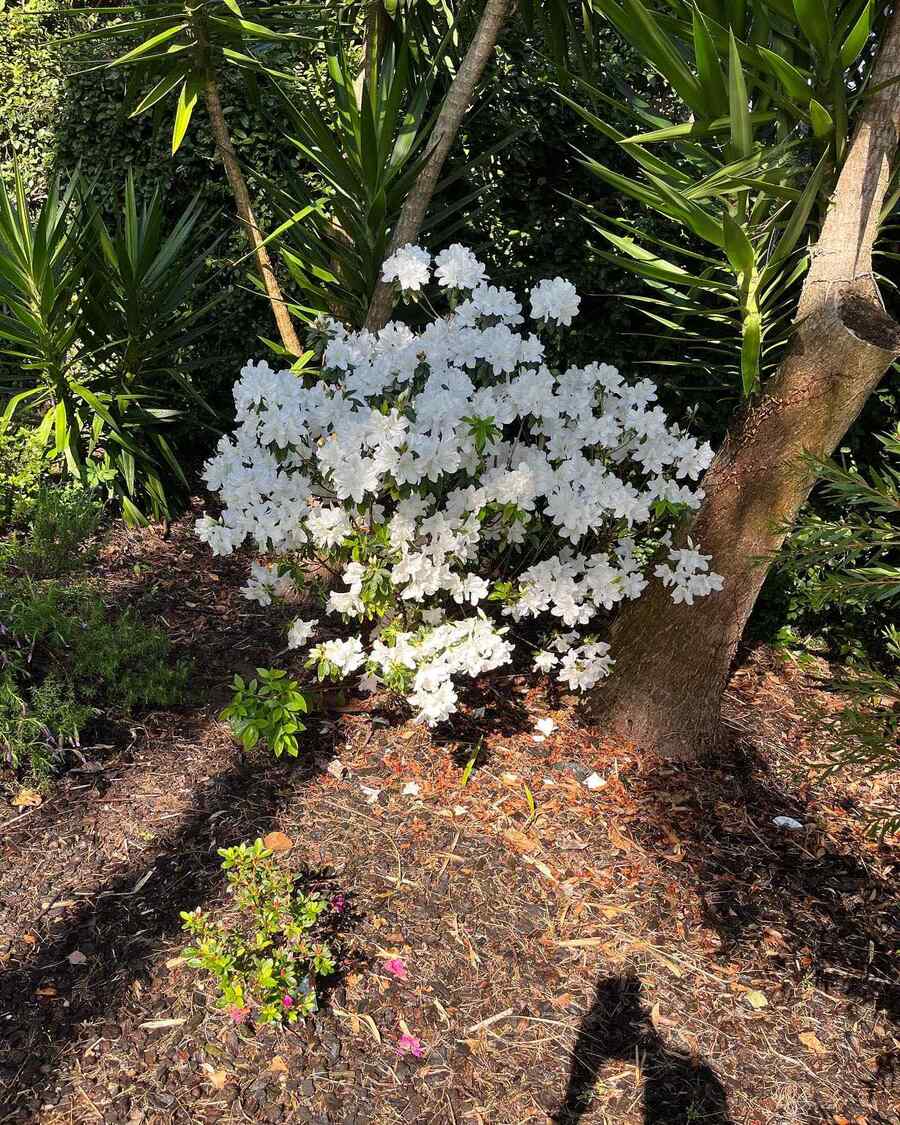
Why it works in Alabama: Azaleas are a Southern signature. Many native azaleas handle local conditions well, and evergreen varieties anchor foundation beds with spring color.
Where it shines: Dappled shade or morning sun; under high, open tree canopies.
Care notes: Azaleas prefer acidic, well-drained soil. Mulch lightly and water deeply; avoid constant soggy soil. Prune right after flowering.
Aesthetic tip: For a calm, cohesive look, repeat one or two colors across the yard rather than mixing every shade.
5) Gardenia (Gardenia jasminoides)
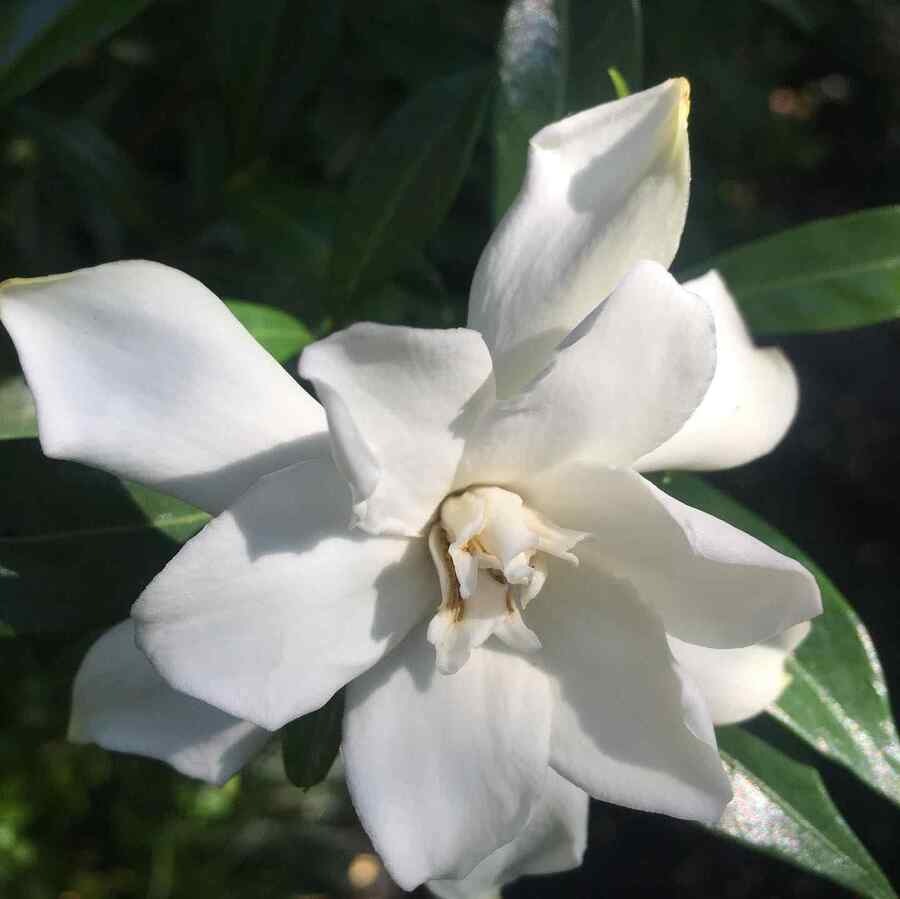
Why it works in Alabama: Gardenias deliver high-impact fragrance and glossy evergreen leaves—pure Southern charm. ‘Jubilation’ is often praised for reblooming and a tidy habit.
Where it shines: Near walkways, porches, patios—anywhere you’ll actually smell the flowers. Morning sun is usually best.
Care notes: Needs acidic soil, consistent moisture, and good airflow. If leaves yellow, check pH and nutrition rather than guessing.
Aesthetic tip: Put gardenias near a seating area; their scent makes the space feel intentional and lived-in.
6) Loropetalum / Chinese Fringe Flower (Loropetalum chinense)
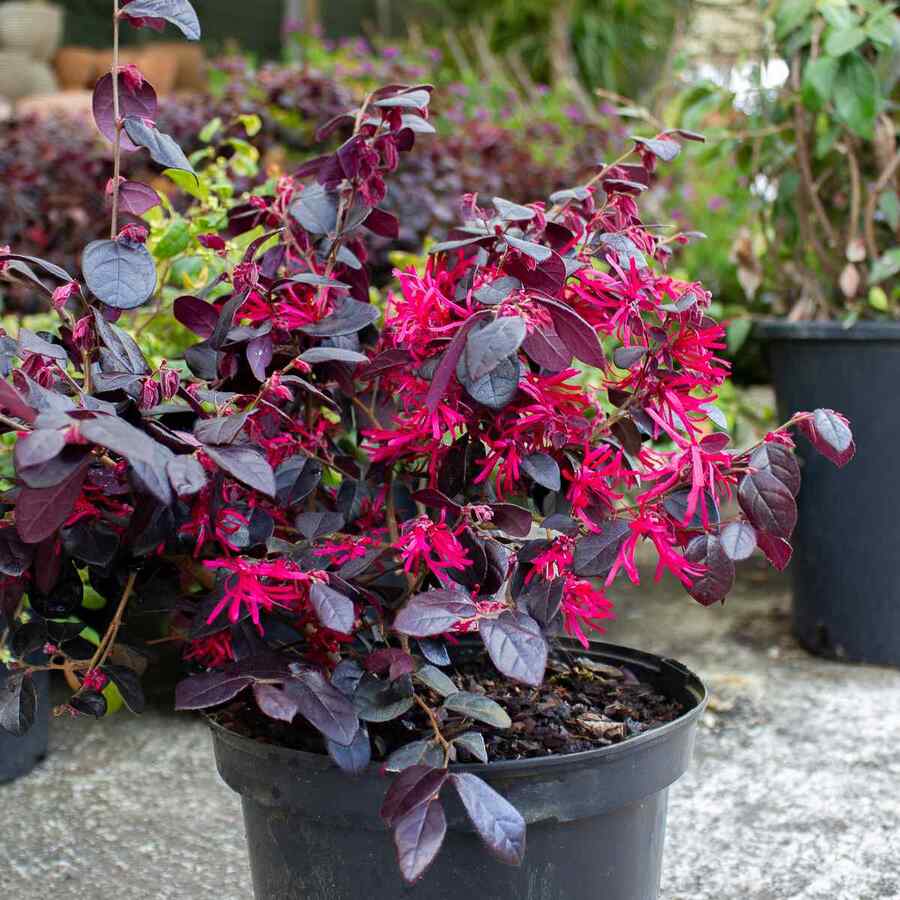
Why it works in Alabama: Fast-growing, evergreen to semi-evergreen, with ribbon-like pink blooms and often burgundy foliage that holds color through summer.
Where it shines: Full sun to part shade; great for modern landscapes, foundation color blocks, and soft hedges.
Care notes: Choose the right mature size—some varieties get large quickly. Light pruning after bloom keeps shape.
Aesthetic tip: Use purple-leaf types as a “color anchor” that makes nearby greens look richer.
7) Boxwood (Buxus spp.)
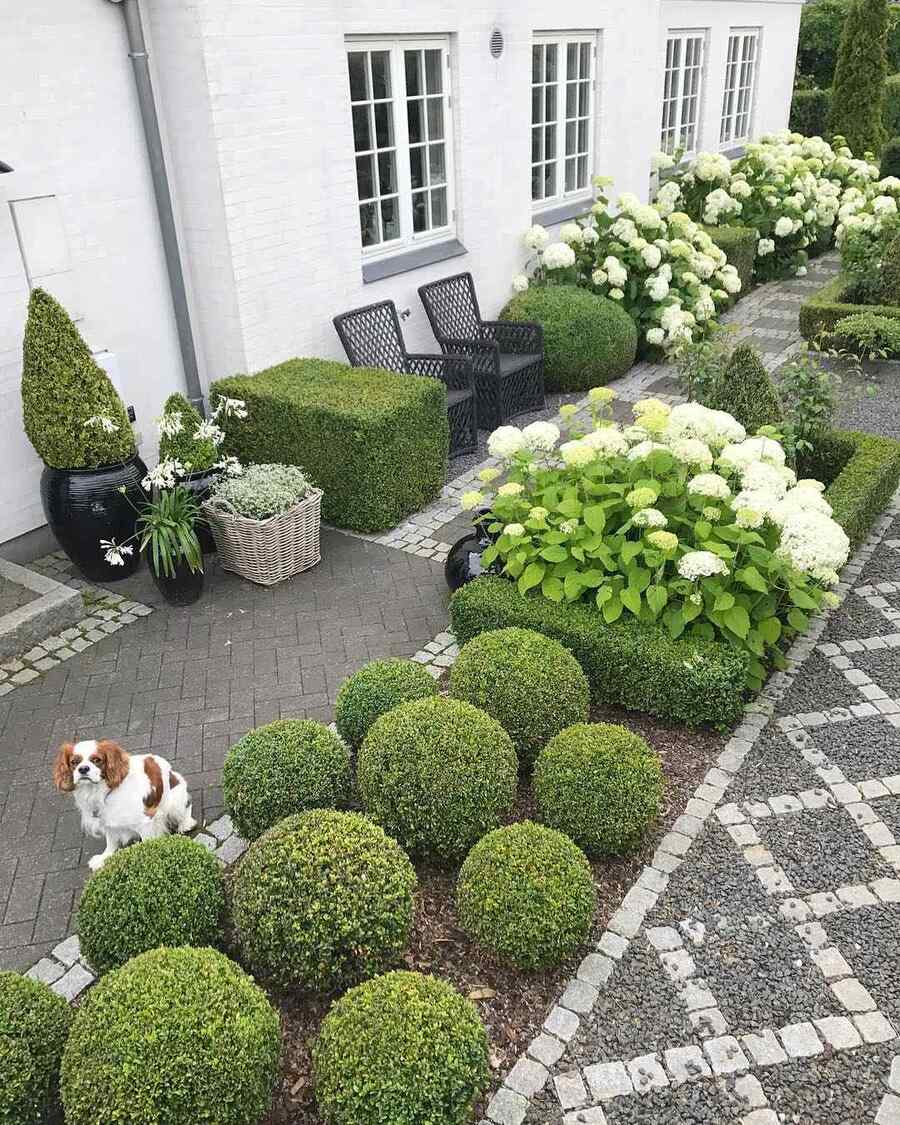
Why it works in Alabama: Boxwoods bring structure, clean lines, and year-round green—ideal for formal and cottage-style gardens alike. Heat-tolerant selections like ‘Baby Gem’ or ‘Winterstar’ are commonly used in the South.
Where it shines: Part sun to part shade; entry beds, borders, and low hedges.
Care notes: Good drainage matters. Avoid frequent shearing into tight balls; instead, do selective pruning for airflow and fewer issues.
Aesthetic tip: Boxwood is the “good blazer” of landscaping—everything looks more polished beside it.
8) Red Buckeye (Aesculus pavia)
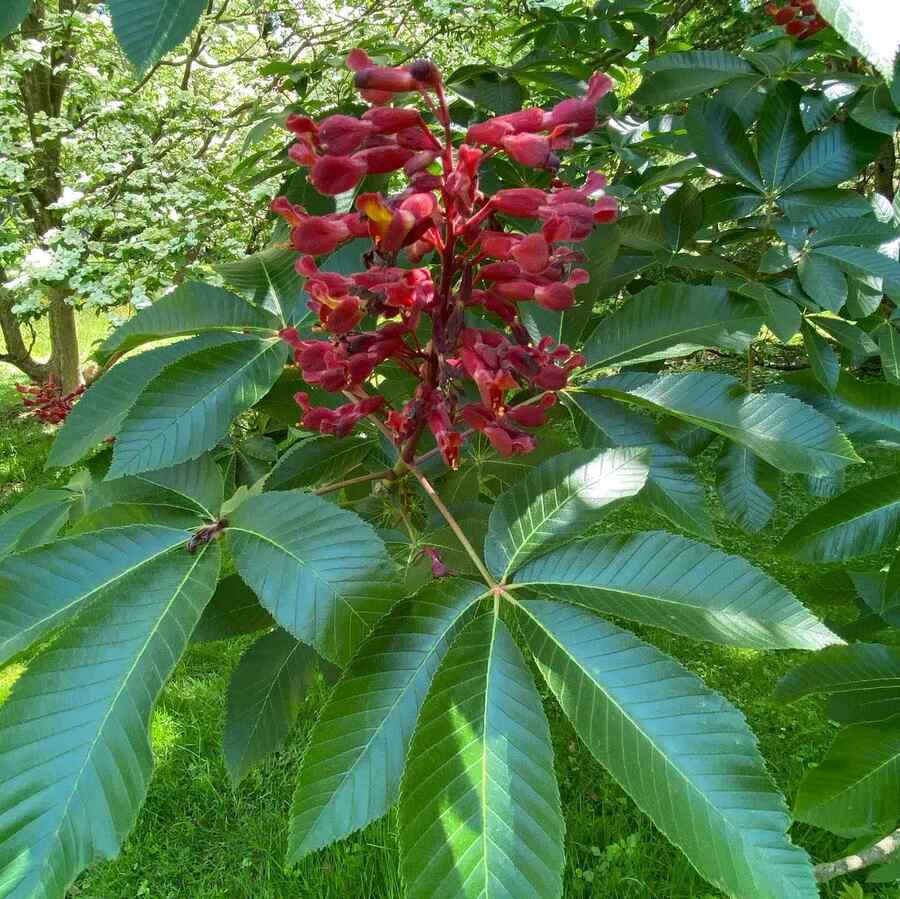
Why it works in Alabama: A native shrub/small multi-stem plant with vivid red spring flowers that hummingbirds adore. It also tolerates partial shade well.
Where it shines: Woodland gardens, shaded borders, and naturalized areas where you want wildlife activity.
Care notes: Prefers well-drained soil; leaf drop in summer can happen in heat or drought—water during prolonged dry periods.
Aesthetic tip: Plant it where you can see it from a window—hummingbird visits are part of the show.
9) Abelia (Abelia × grandiflora)
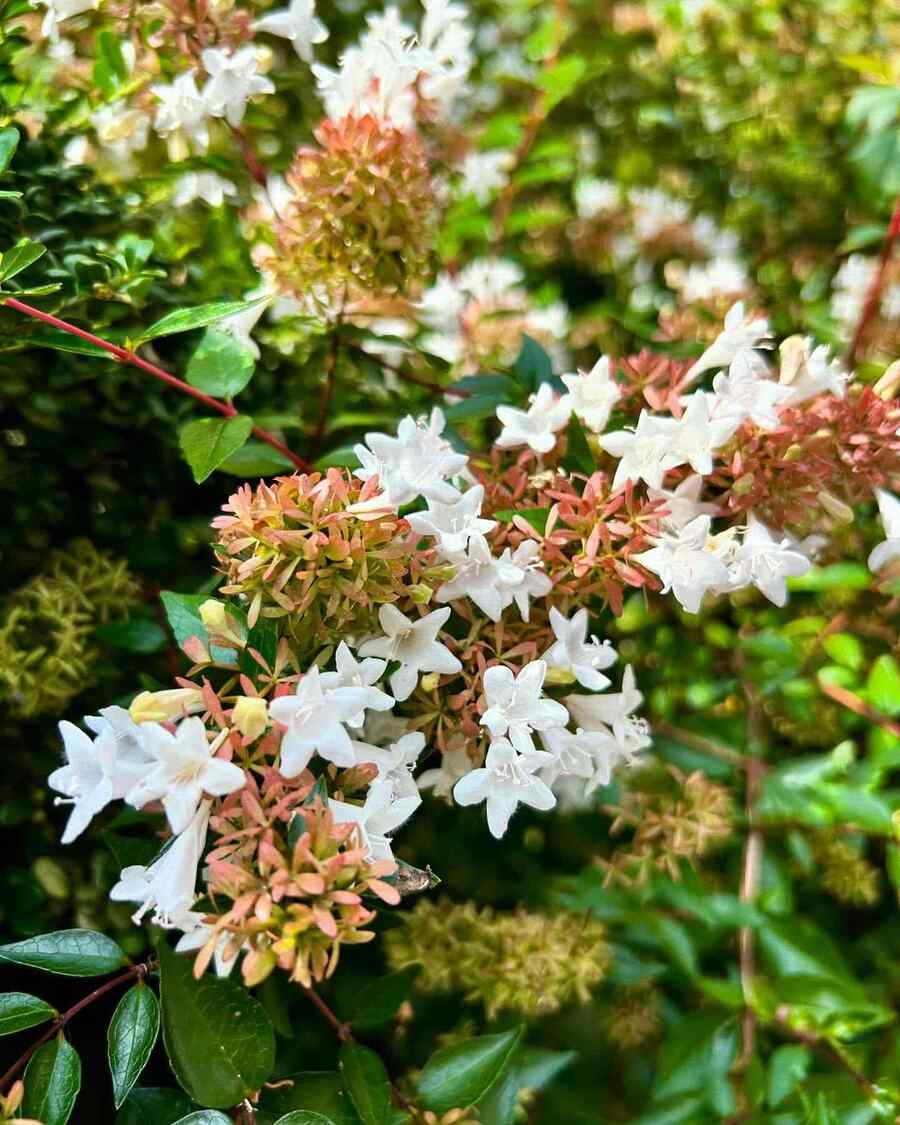
Why it works in Alabama: Tough, adaptable, and long-blooming. Many types are semi-evergreen and handle heat while flowering for months.
Where it shines: Full sun to part shade; mixed borders, foundation beds, and along fences for a soft screen.
Care notes: Low-maintenance once established. A light renewal pruning in late winter can keep it dense and floriferous.
Aesthetic tip: Abelia is great “background music”—it quietly keeps the garden in bloom while other plants take turns as the headline.
10) Wax Myrtle (Morella cerifera)
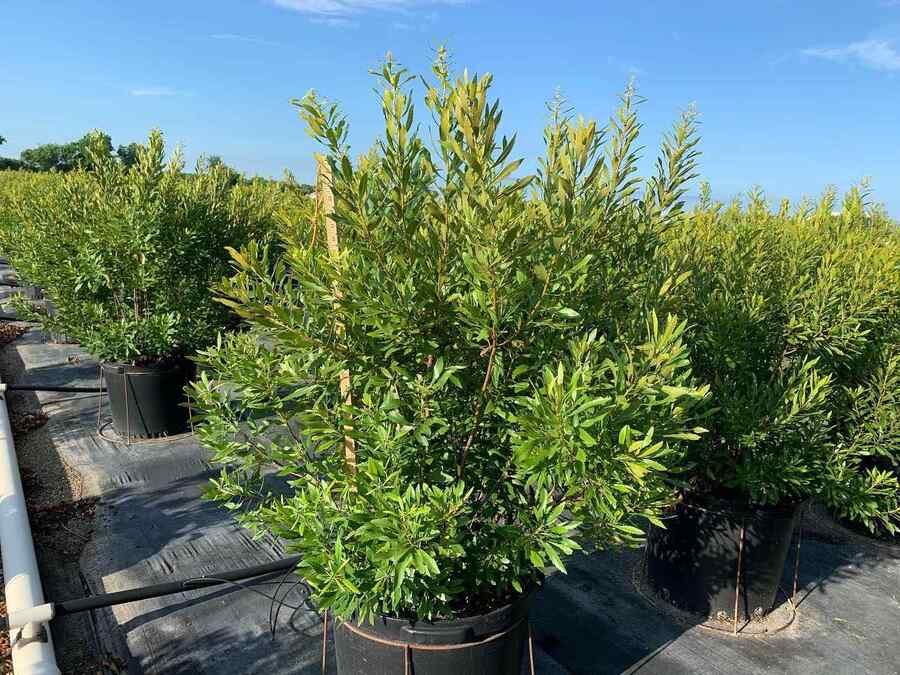
Why it works in Alabama: A fast-growing native evergreen that’s excellent for privacy screens, windbreaks, and trouble spots. Foliage is aromatic, and it tolerates a wide range of soils.
Where it shines: Property lines, quick screens, and coastal or windy sites; sun to part shade.
Care notes: It grows quickly—plan space and prune selectively to guide shape. Once established, it’s notably resilient.
Aesthetic tip: For a softer, natural screen, stagger plants rather than placing them in a rigid straight line.
How to choose the best shrubs for your Alabama yard
Start with three decisions, and your plant list becomes much easier:
-
Light: Full sun (6+ hours), part sun (3–6 hours), or shade (under trees/structures).
-
Soil drainage: If puddles linger after rain, choose tolerant plants (like wax myrtle) or improve drainage before planting sensitive shrubs.
-
Purpose:
-
Structure: boxwood, camellia
-
Privacy: wax myrtle, larger loropetalum, tall abelia types
-
Flowers/fragrance: gardenia, azalea, oakleaf hydrangea, camellia
-
Wildlife: beautyberry, red buckeye, oakleaf hydrangea
-
A simple, attractive plan is to mix one structural evergreen, one seasonal bloomer, and one wildlife shrub—then repeat that pattern in different parts of the yard for a cohesive look.
Planting and care that fits Alabama’s climate
-
Plant at the right depth: Set the root flare slightly above surrounding soil; shrubs hate being buried.
-
Mulch wisely: 2–3 inches helps with heat and moisture. Keep mulch off the trunk/stems.
-
Water to establish: Deep watering 1–2 times per week (depending on rain and soil) for the first season beats daily sprinkling.
-
Prune with timing: Spring bloomers (azalea, camellia, oakleaf hydrangea) usually prune right after bloom. Beautyberry and abelia can handle late-winter renewal pruning.
FAQ: shrubs for Alabama
1) What shrubs stay evergreen in Alabama?
Camellia, many loropetalum varieties, boxwood, and wax myrtle often stay evergreen (or mostly evergreen) across much of Alabama, providing year-round structure.
2) Which shrubs handle Alabama heat with less fuss?
Abelia, wax myrtle, and many loropetalum selections are dependable in heat once established, especially when planted with good mulch and deep, infrequent watering.
3) What are the best native shrubs for Alabama landscapes?
Oakleaf hydrangea, American beautyberry, and red buckeye are strong native options that support wildlife and typically adapt well to local conditions.
4) When is the best time to plant shrubs in Alabama?
Fall through early spring is ideal in many areas because roots establish during cooler weather, reducing summer stress.
5) How do I keep shrubs healthy in humid weather?
Prioritize airflow: give shrubs enough spacing, avoid tight shearing, water at the base (not overhead), and keep mulch from touching stems to reduce disease pressure.