Red shrubs are my favorite shortcut to a garden that feels “finished” even when everything else is green. A good red bush can anchor a foundation bed, soften a fence line, or make a plain corner feel intentional. Some stay burgundy all season, others flush red with new growth, and a few save their best show for fall, winter stems, or berries.
Below are 10 red bushes/shrubs that reliably bring color, plus practical care notes so you can plant with confidence.
Table of Contents
1) Barberry (Berberis thunbergii ‘Atropurpurea’)
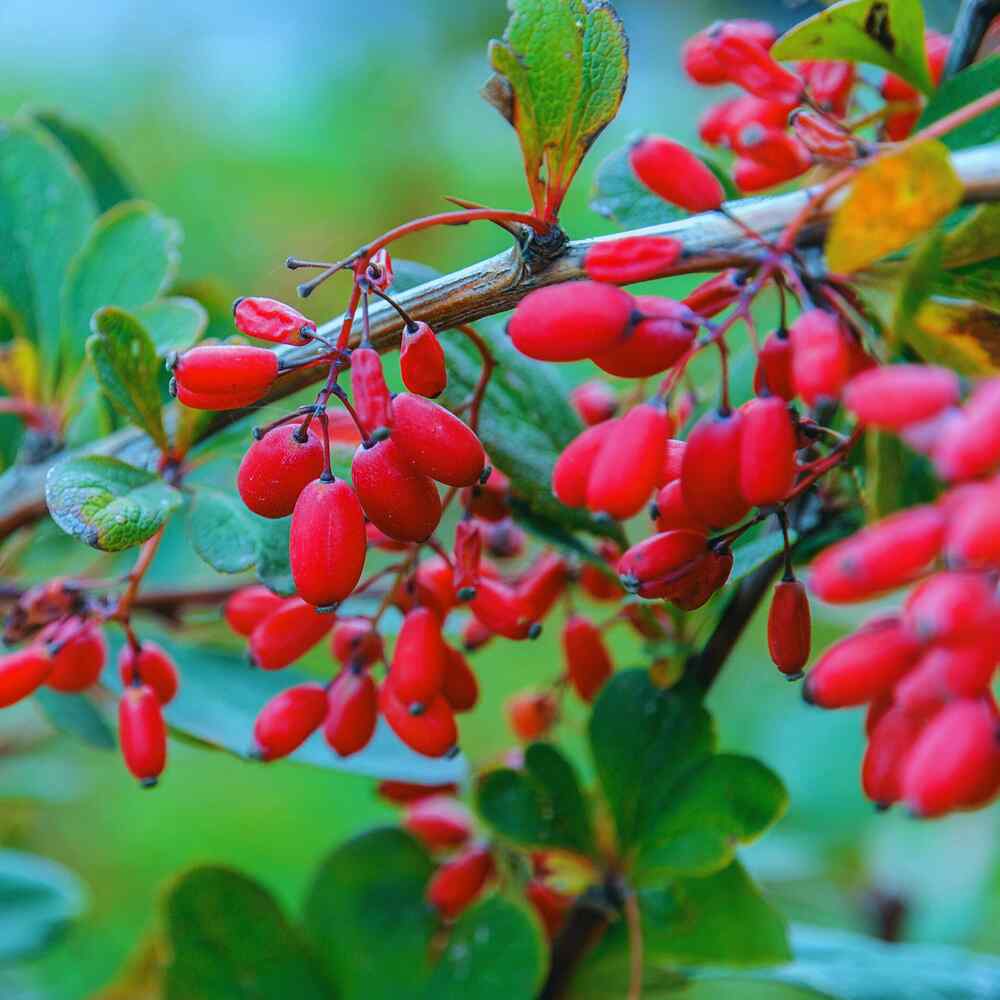
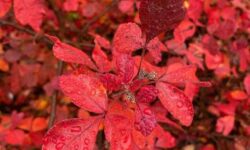
If you want deep burgundy foliage that doesn’t fade by midsummer, barberry is a classic. It handles heat, wind, and mediocre soil better than many “fussy” ornamentals, and it’s tough enough for busy yards. The thorns also discourage foot traffic, which can be handy near walkways.
Growing Zones: USDA 4–8
Sun: Full sun to part shade (best color in sun)
Soil Needs: Average, well-drained; tolerates clay once established
Tip: Prune after spring growth if you’re shaping it. Wear gloves—those thorns mean business.
2) Crimson Pygmy Barberry (Berberis thunbergii ‘Crimson Pygmy’)
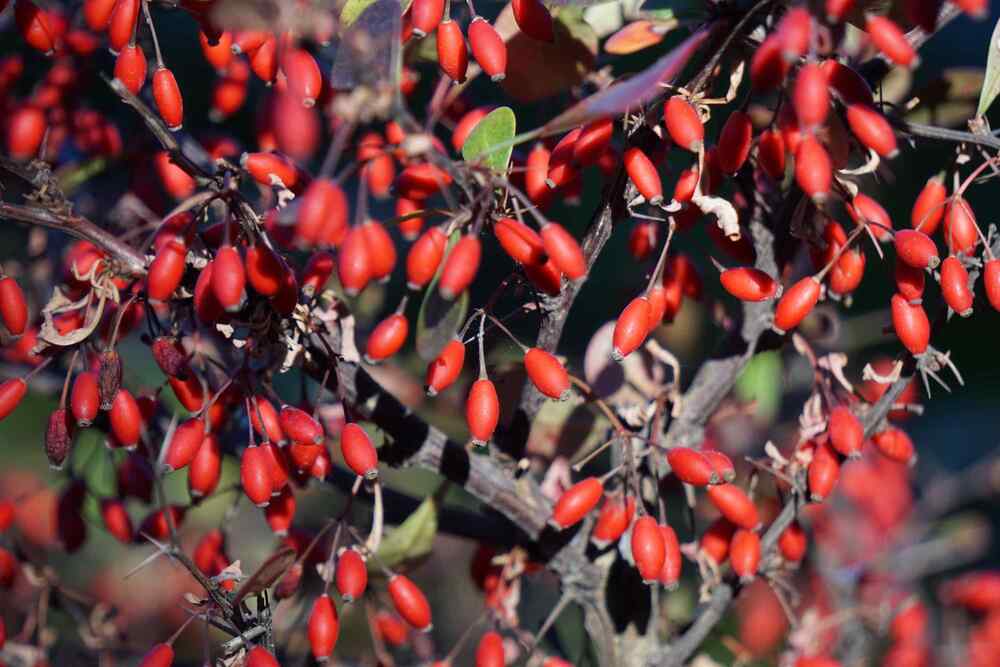
Think of this as barberry’s compact cousin. It stays low and tidy, so it works as a border, low hedge, or color “puddle” in front of taller shrubs. In small spaces, it gives the same red punch without swallowing the bed.
Growing Zones: USDA 4–8
Sun: Full sun for strongest red
Soil Needs: Well-drained, average fertility
Tip: Use it in groups of 3–7 for a bold ribbon of color. A light shear in early summer keeps it neat.
3) Red Tip Photinia (Photinia × fraseri)
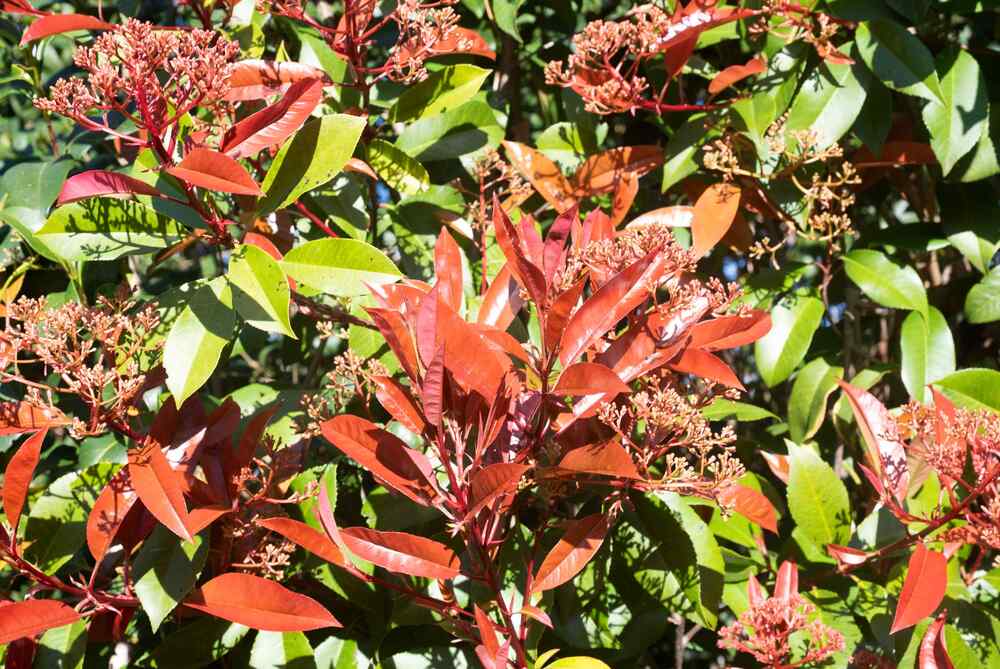
Photinia is famous for bright red new growth that pops against older green leaves. It’s commonly used for hedging because it grows fast and fills in well. When you clip it regularly, you encourage more red flushes—like getting extra “free” color during the season.
Growing Zones: USDA 7–9 (some do well into 6 in protected spots)
Sun: Full sun to part shade
Soil Needs: Moist, well-drained; avoid soggy sites
Tip: Give it airflow and avoid overhead watering to reduce leaf-spot issues.
4) Weigela (‘Red Prince’ or ‘Wine & Roses’)
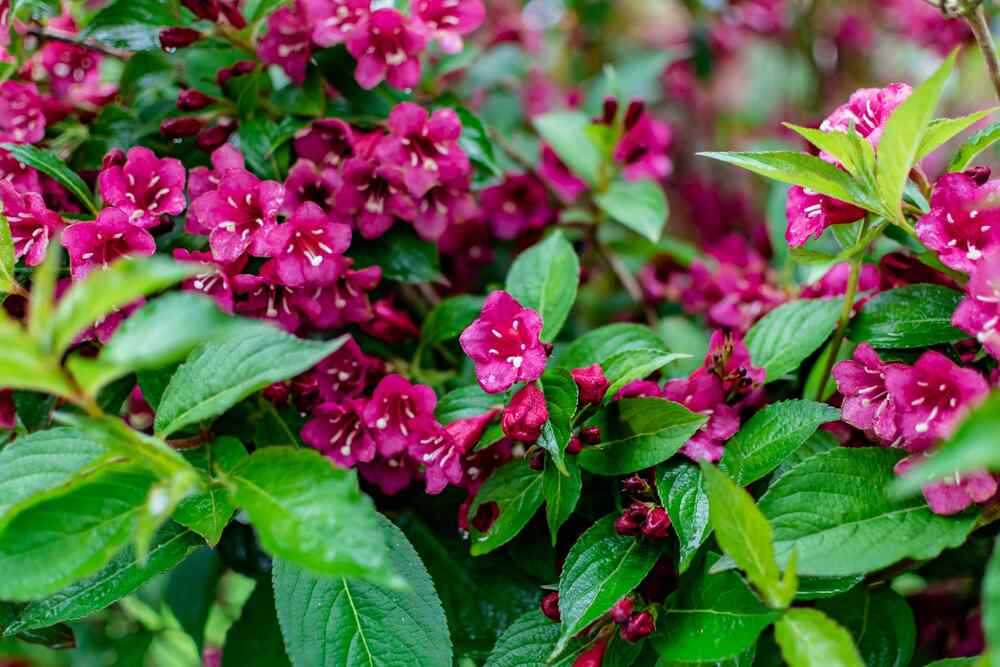
Weigela is one of those shrubs that makes neighbors stop and ask what it is. The trumpet-shaped red blooms are a hummingbird magnet, and some varieties carry dark foliage that keeps the plant attractive even after flowering slows down.
Growing Zones: USDA 4–8
Sun: Full sun (more flowers) to light shade
Soil Needs: Average, well-drained; not picky
Tip: Prune right after the main bloom flush, since it flowers on old wood.
5) Double Take Scarlet Quince (Chaenomeles speciosa ‘Scarlet’)
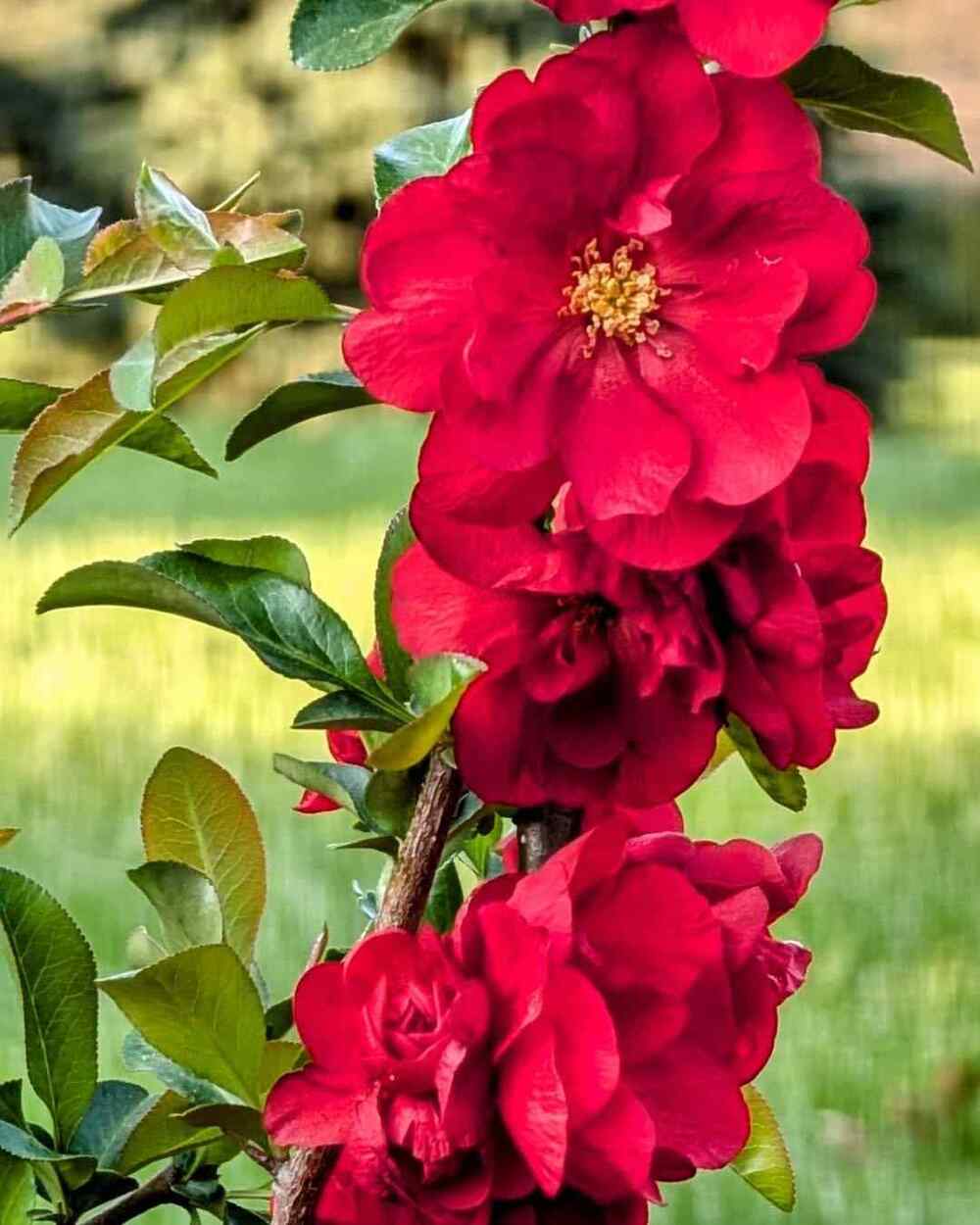
This is spring energy in shrub form. The fiery, camellia-like red blooms show up early, often when the garden still feels half-asleep. It’s also fairly drought-tolerant once settled, and it can be used as a barrier plant because of its branching structure.
Growing Zones: USDA 5–9
Sun: Full sun to part shade
Soil Needs: Well-drained; tolerates a range of soils
Tip: Let it be a bit natural and arching. Heavy shearing can reduce blooms.
6) Fire Light Panicle Hydrangea (Hydrangea paniculata ‘Fire Light’)
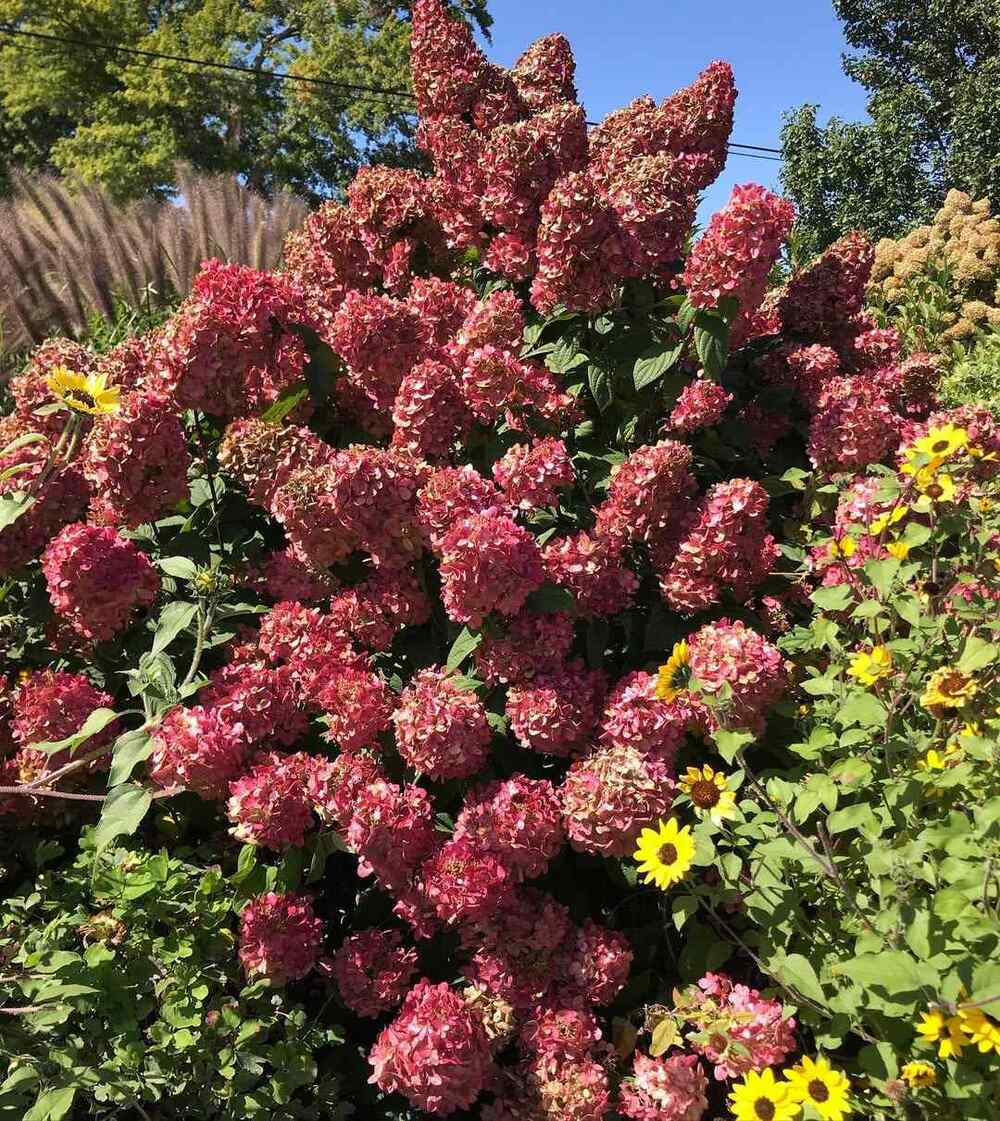
If you like hydrangeas but want late-season red, this one earns its spot. The blooms start creamy white and then shift into hot pink to deep red as summer moves toward fall. Panicle hydrangeas are also more sun-tolerant than bigleaf types.
Growing Zones: USDA 3–8
Sun: Full sun to part shade (afternoon shade helps in hotter areas)
Soil Needs: Moist, well-drained, enriched with compost
Tip: Prune in late winter or early spring—this type blooms on new wood.
7) Oso Easy Double Red Landscape Rose (Rosa ‘Oso Easy Double Red’)
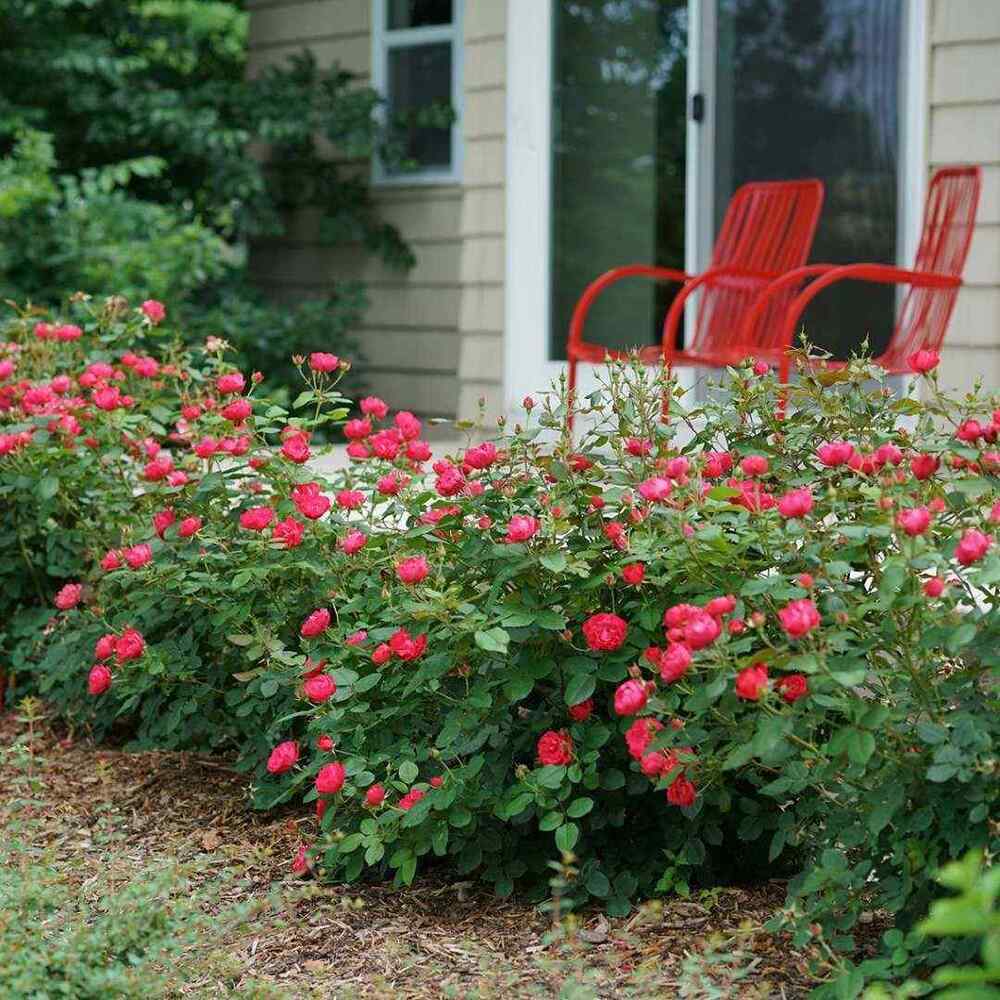
This shrub rose is for people who love roses but don’t want drama. It blooms again and again with intense red flowers, and many gardeners grow it with minimal spraying or fussing. It’s tidy enough for borders but showy enough to stand alone.
Growing Zones: USDA 4–9
Sun: Full sun (6+ hours is ideal)
Soil Needs: Rich, well-drained; consistent moisture during establishment
Tip: Deadheading helps, but it’ll still flower well even if you miss a week.
8) Red Osier Dogwood (Cornus sericea)
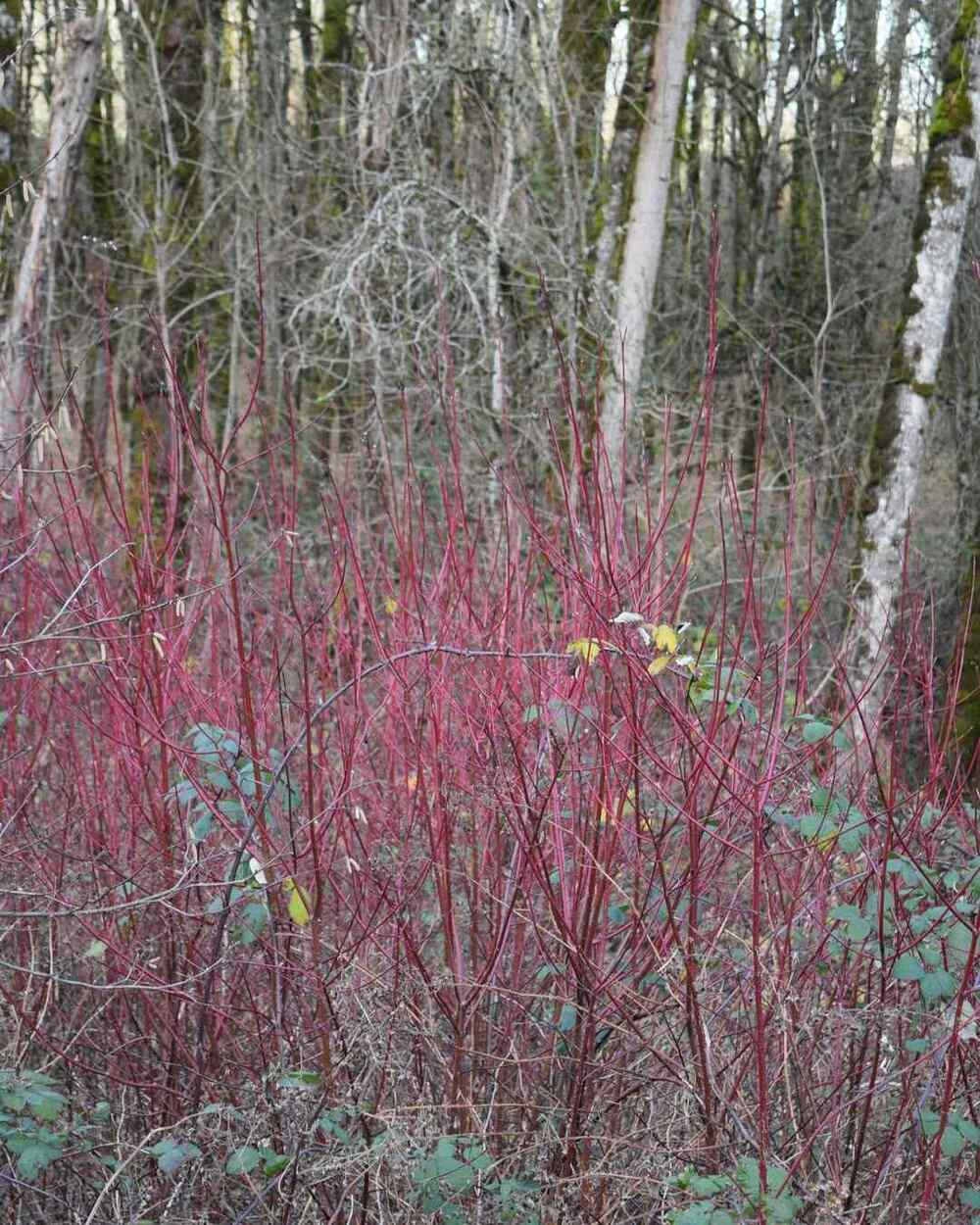
This is the shrub I pick for winter beauty. When leaves drop, the red stems glow against snow, mulch, or evergreen backgrounds. It also tolerates wetter soils than most ornamentals, making it useful near downspouts or low spots.
Growing Zones: USDA 2–7
Sun: Full sun to part shade
Soil Needs: Moist soil; tolerates clay and seasonal wetness
Tip: For the brightest stems, cut back a third of old canes in early spring (or coppice every few years).
9) Japanese Pieris ‘Valley Fire’ (Pieris japonica ‘Valley Fire’)
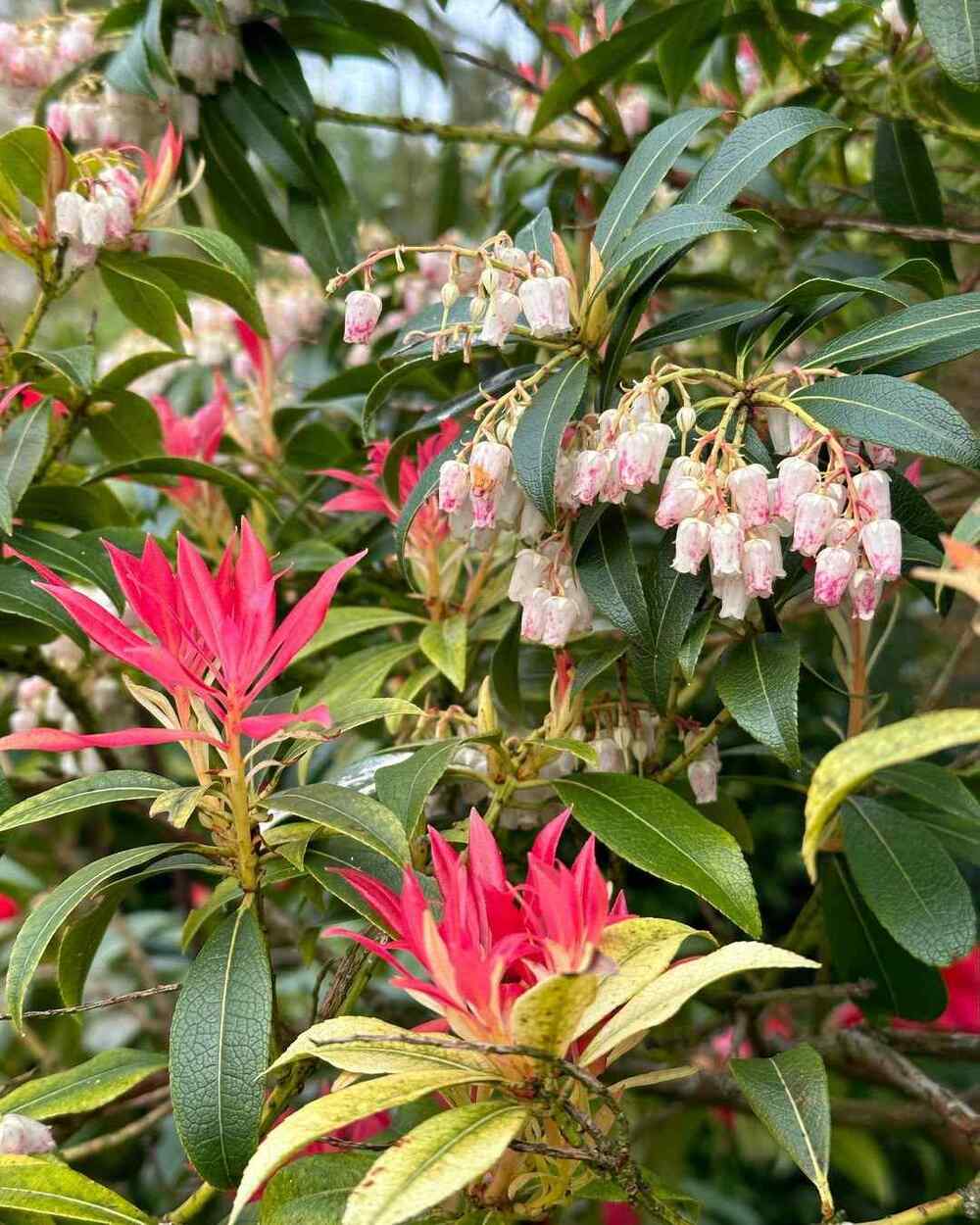
Pieris brings red in a softer, more refined way. The new growth emerges fiery red, then matures to green, and it also produces dangling spring flower clusters that feel elegant near entryways. It pairs beautifully with azaleas and rhododendrons.
Growing Zones: USDA 5–8
Sun: Part shade (morning sun, afternoon shade is best)
Soil Needs: Acidic, moist, well-drained; add pine bark or leaf mold
Tip: Protect from harsh winter wind; burnt leaves can happen in exposed sites.
10) Winterberry Holly (Ilex verticillata ‘Berry Heavy’)
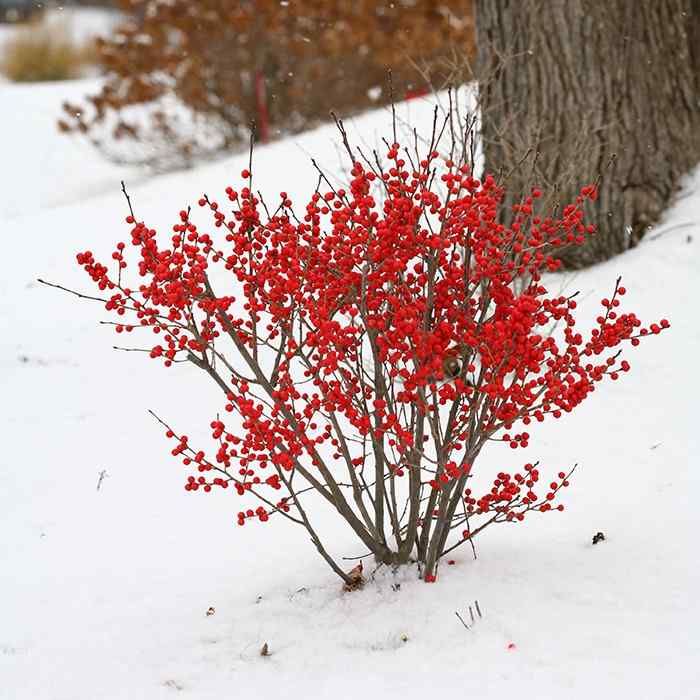
Winterberry is all about red berries that hold into winter and feed birds when food is scarce. It’s deciduous, so the berries steal the whole show once leaves fall. It’s also a strong choice for rain gardens and damp areas.
Growing Zones: USDA 3–9
Sun: Full sun to part shade (more sun = more berries)
Soil Needs: Moist to wet, acidic to neutral; adaptable
Tip: You’ll need a compatible male pollinator nearby for berries. Plant one male for several females.
Quick placement ideas that feel “designer” without being fussy
Try dark red foliage (barberry or ‘Wine & Roses’ weigela) near light siding for contrast. For a cozy front bed, combine Fire Light hydrangea in back, Oso Easy rose in the middle, and Crimson Pygmy barberry at the edge. In winter-heavy climates, tuck red osier dogwood behind evergreens so those red stems pop when everything else is quiet.
A simple care rhythm
Water deeply the first season, then ease off once shrubs are rooted. Refresh mulch each spring, but keep it off the stems. If you fertilize, go light—too much nitrogen can mean lush growth with fewer flowers, especially for roses and weigela.