Purple is one of those garden colors that feels both bold and soothing. I like it because it reads as “intentional” even when the rest of the bed is a little messy. The shrubs and bushes below give you purple in two ways: purple flowers (big seasonal payoff) and purple foliage (color that sticks around from spring to fall).
If you’re planting for maximum impact, pair one purple-flowering shrub with one purple-leaf shrub. The flowers do the “wow,” and the foliage quietly keeps the scene rich all season.
Table of Contents
1) Butterfly Bush (Buddleja)
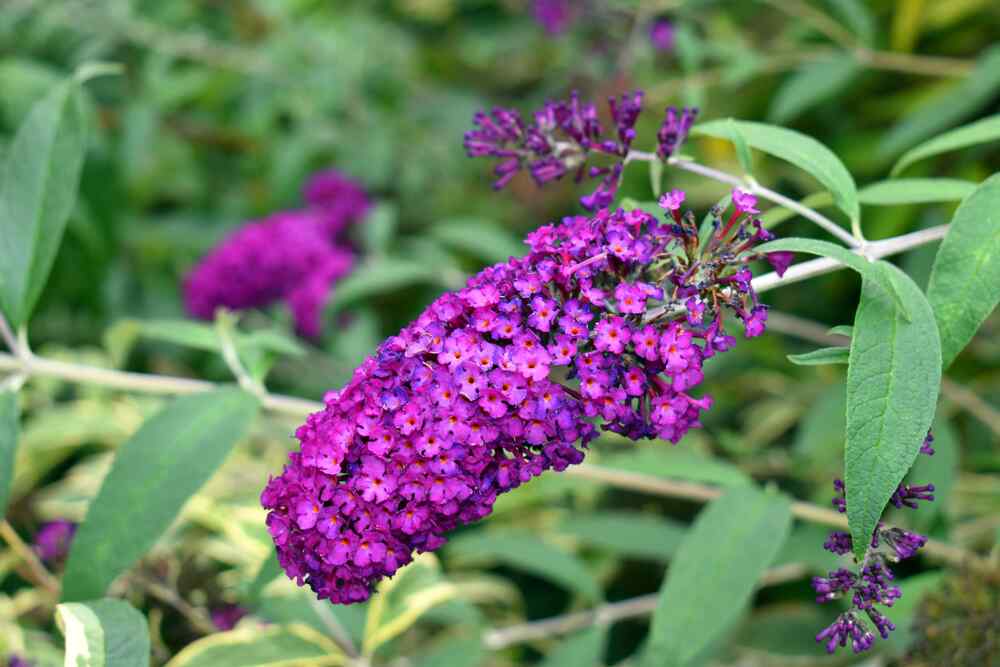
If you want a shrub that behaves like a neon sign for butterflies, this is it. Long purple flower spikes keep coming through summer, especially if you deadhead.
USDA Zones: 5–9 (varies by cultivar)
Sun: Full sun
Soil: Average to sandy, well-drained; drought-tolerant once established
Why it’s worth it: Pollinator magnet, fast growth, long bloom window
Tip: Some types can be invasive in parts of the U.S.—choose sterile cultivars when available, and prune hard in early spring for bigger blooms.
2) Lilac (Syringa)
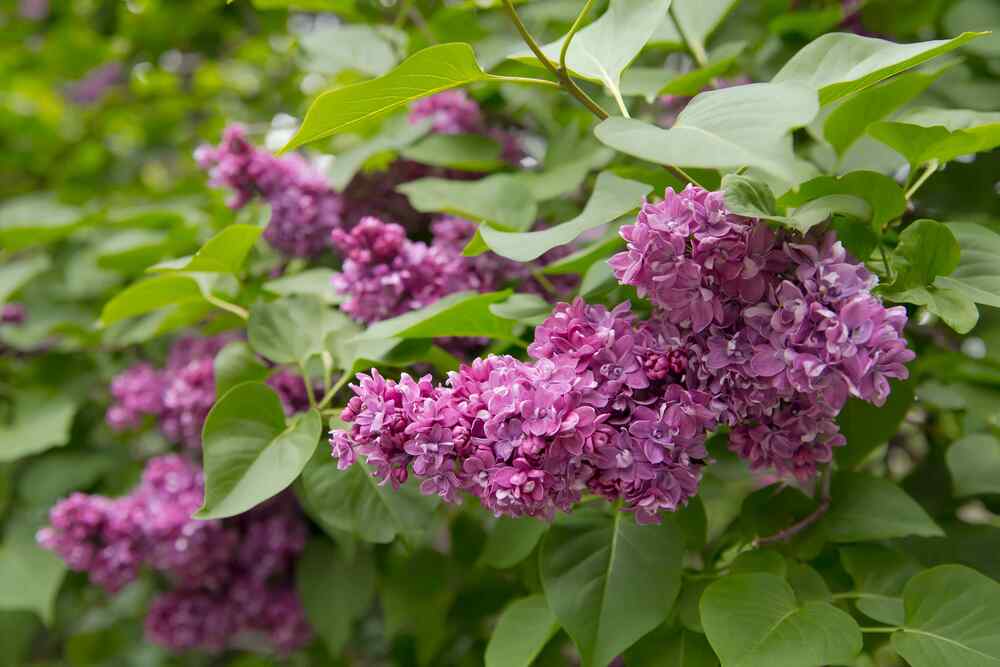
Lilacs feel like a spring tradition—one week your yard smells like “clean perfume,” and the next week you’re wishing it lasted longer. Deep purple varieties can be breathtaking against fresh green leaves.
USDA Zones: 3–7 (most common types)
Sun: Full sun (best flowering)
Soil: Fertile, well-drained; prefers neutral to slightly alkaline soil
Why it’s worth it: Strong fragrance, excellent cut flowers, cold-hardy
Tip: Prune right after flowering. If you prune later, you’ll remove next year’s buds.
3) Smoke Bush (Cotinus coggygria)
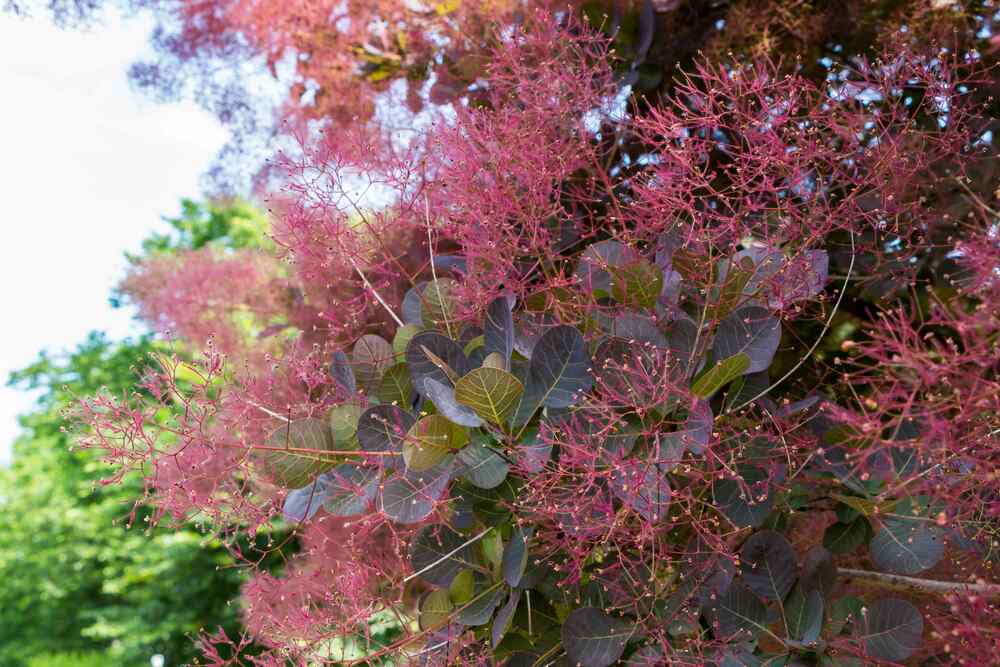
This one brings purple drama even when it isn’t blooming. The leaves can be wine-dark to nearly black, and the fluffy “smoke” plumes look like soft clouds hovering over the plant.
USDA Zones: 4–8
Sun: Full sun for the richest leaf color
Soil: Well-drained; tolerates poor soil
Why it’s worth it: Bold foliage color, drought tolerant, easy structure plant
Tip: For huge leaves and intense color, coppice (cut back hard) in early spring—flowers may reduce, but the foliage is spectacular.
4) Lavender (Lavandula)
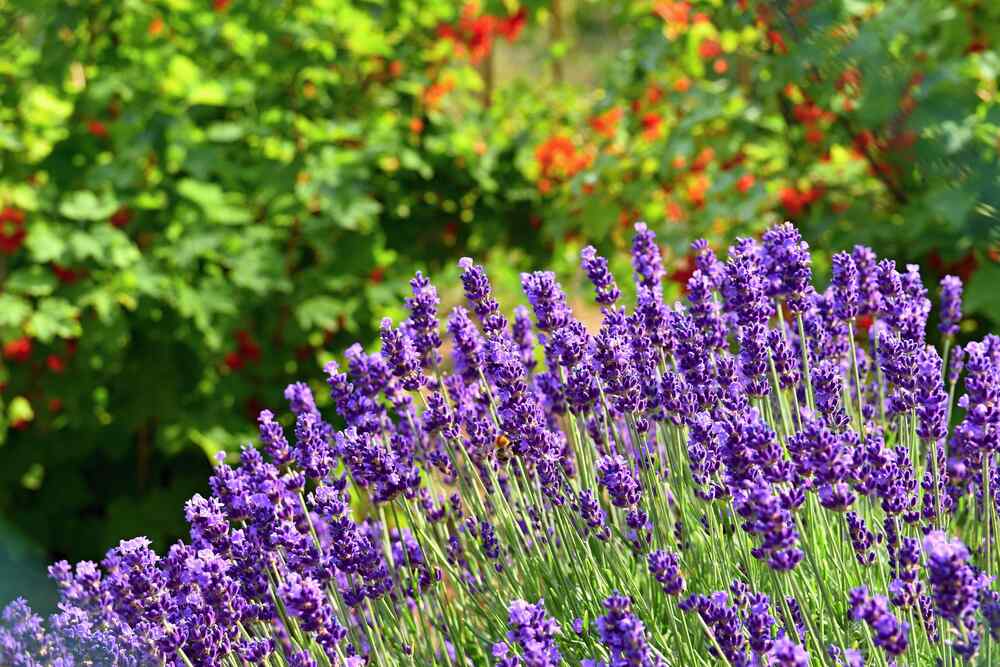
Lavender is a small shrub that does big work: purple flower spikes, silver-green leaves, and that calming scent that makes the garden feel “finished.”
USDA Zones: 5–9 (English lavender often hardier; check cultivar)
Sun: Full sun
Soil: Lean, gritty, well-drained; avoid soggy clay
Why it’s worth it: Drought tolerant, deer resistant, great edging plant
Tip: Don’t overwater. If your lavender dies, it’s usually kindness—too much water, too rich soil, or poor drainage.
5) Rose of Sharon (Hibiscus syriacus)
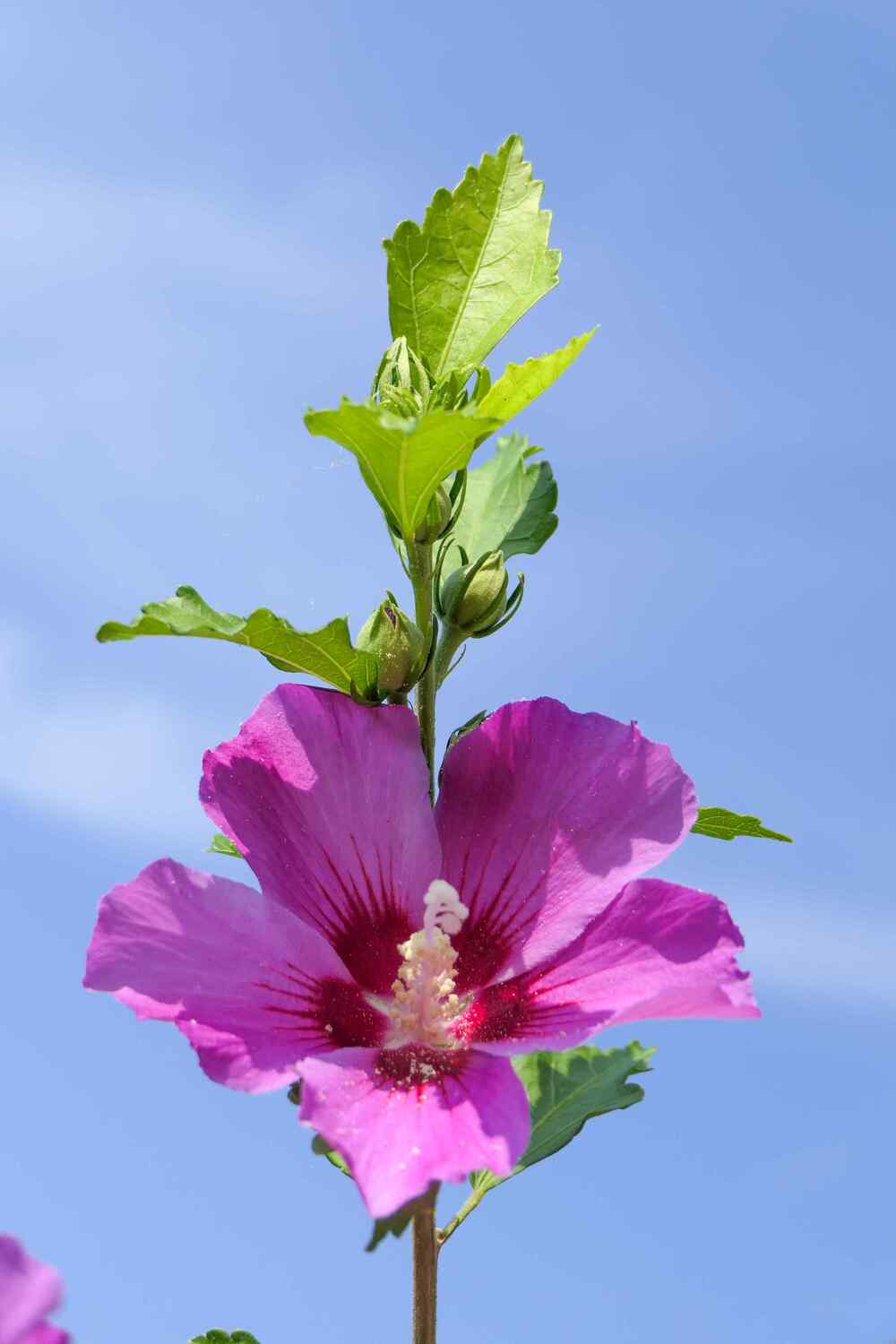
When most shrubs are tired in late summer, Rose of Sharon shows up with big hibiscus-like purple blooms. It can be tall, so it’s great as a flowering screen or “back-of-border” anchor.
USDA Zones: 5–9
Sun: Full sun to part shade
Soil: Moist but well-drained; adaptable
Why it’s worth it: Late-season flowers, heat tolerant, easy care
Tip: Some varieties self-seed a lot. If you don’t want surprise seedlings, pick low-seed or sterile cultivars.
6) Weigela (Weigela florida, e.g., ‘Wine & Roses’)
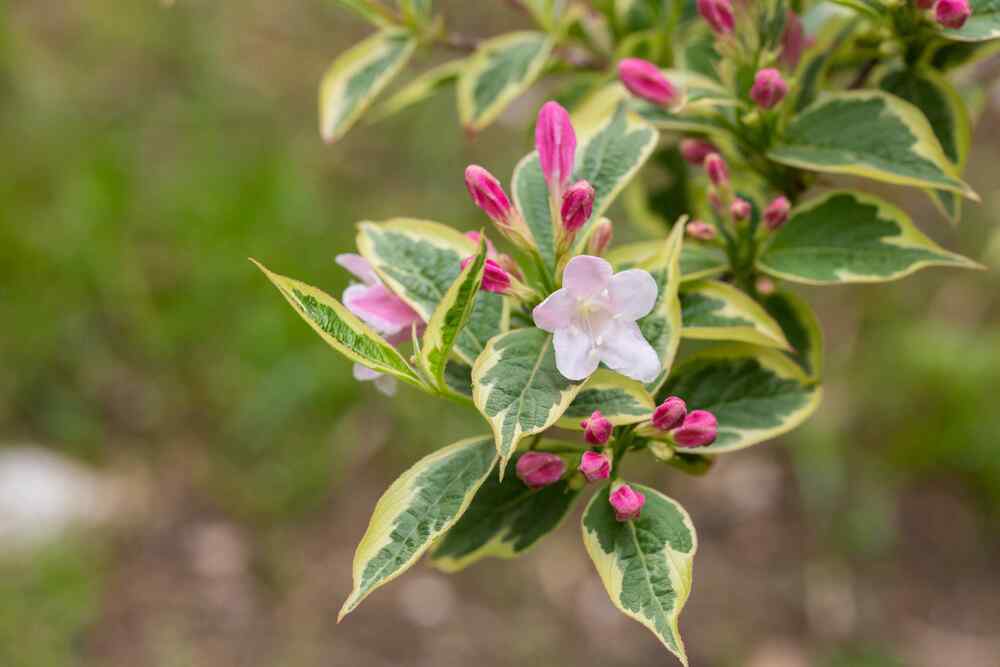
Weigela gives you that sweet combo: purple foliage plus pinkish-purple flowers. It feels lush and romantic without being fussy, and it plays nicely with evergreens and grasses.
USDA Zones: 4–8
Sun: Full sun (best leaf color and blooms)
Soil: Well-drained; moderate fertility
Why it’s worth it: Long season of color, good for mixed borders
Tip: After the first flush of blooms, a light trim can encourage a smaller second wave.
7) Japanese Maple (Acer palmatum ‘Atropurpureum’)
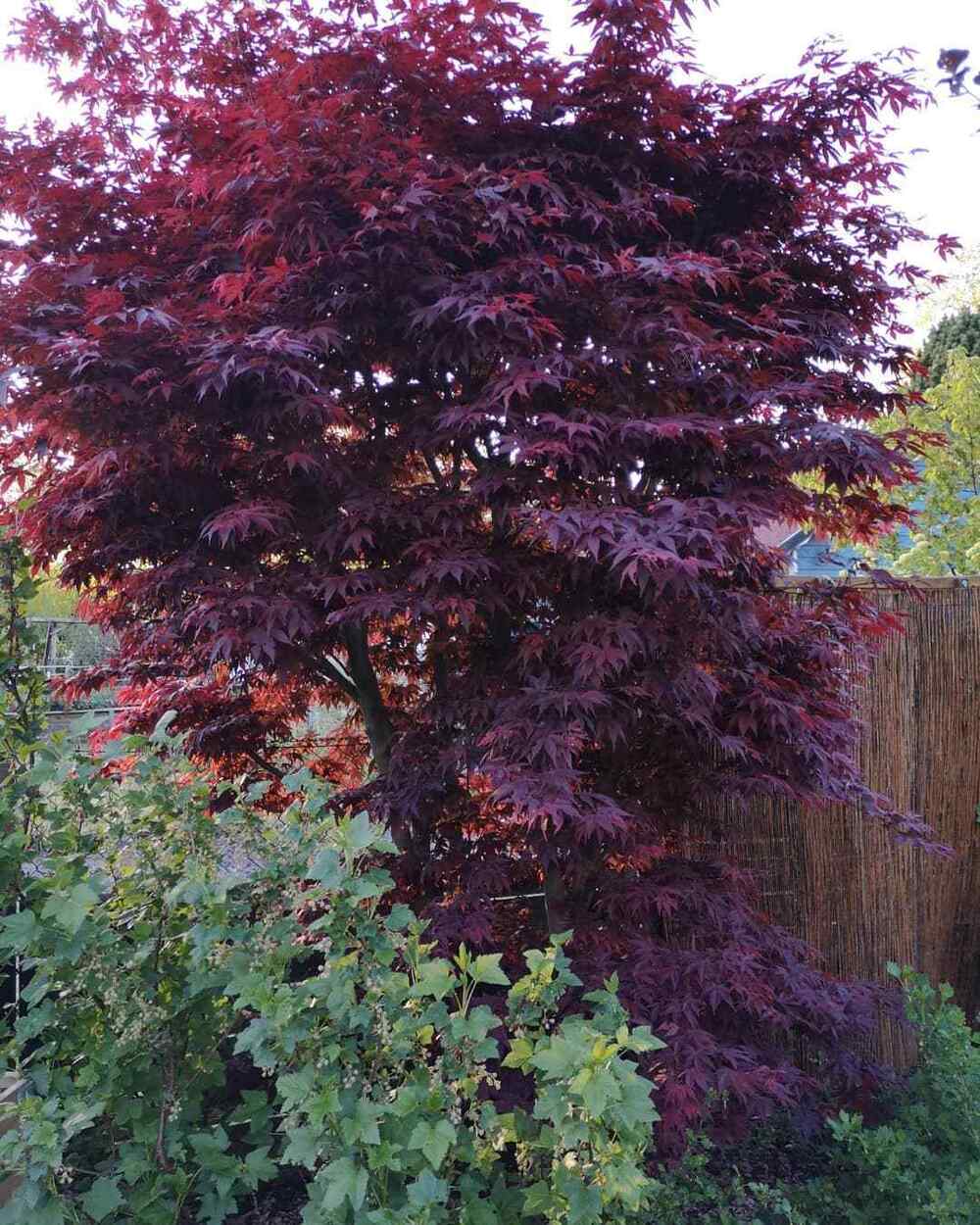
This is a “soft” kind of purple—deep red-purple leaves with elegant shape, like a living sculpture. Technically a small tree, but it behaves like a shrub in many landscapes.
USDA Zones: 5–8
Sun: Part shade is safest; morning sun is ideal in hot regions
Soil: Moist, well-drained; slightly acidic is helpful
Why it’s worth it: Graceful form, refined foliage color, great focal point
Tip: Protect from harsh afternoon sun and drying winds, which can scorch leaves.
8) Rhododendron
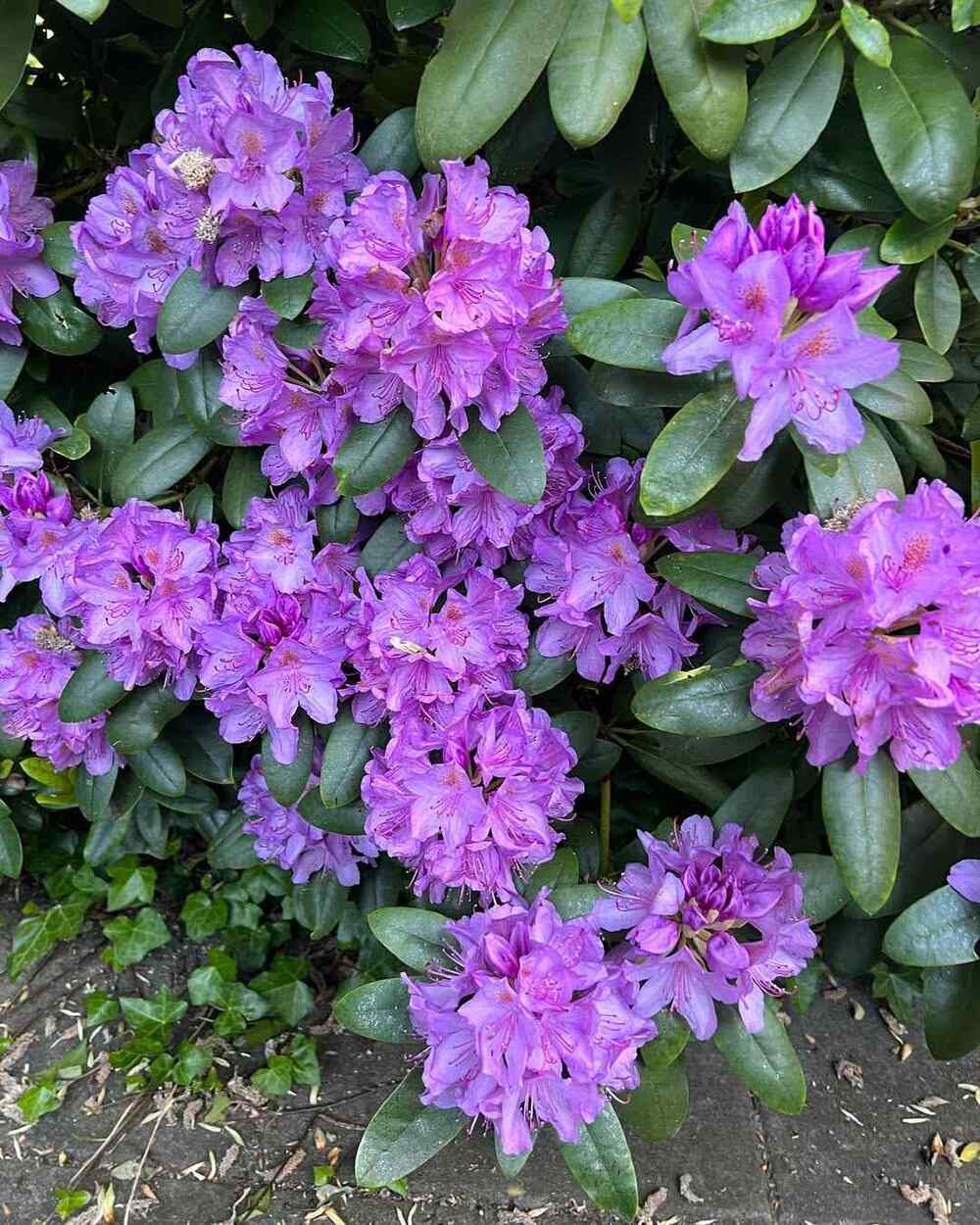
For spring flowers that feel almost unreal, rhododendrons are hard to beat. Purple varieties can look velvety, and the evergreen leaves keep the shrub present even in winter.
USDA Zones: 4–9 (depends heavily on variety)
Sun: Part shade, especially afternoon shade
Soil: Acidic, humus-rich, evenly moist, well-drained
Why it’s worth it: Showy blooms, evergreen structure, shade-friendly
Tip: If your soil is alkaline, this can become a struggle. Use acidic amendments and mulch with pine bark or needles.
9) Purpleleaf Sand Cherry (Prunus × cistena)
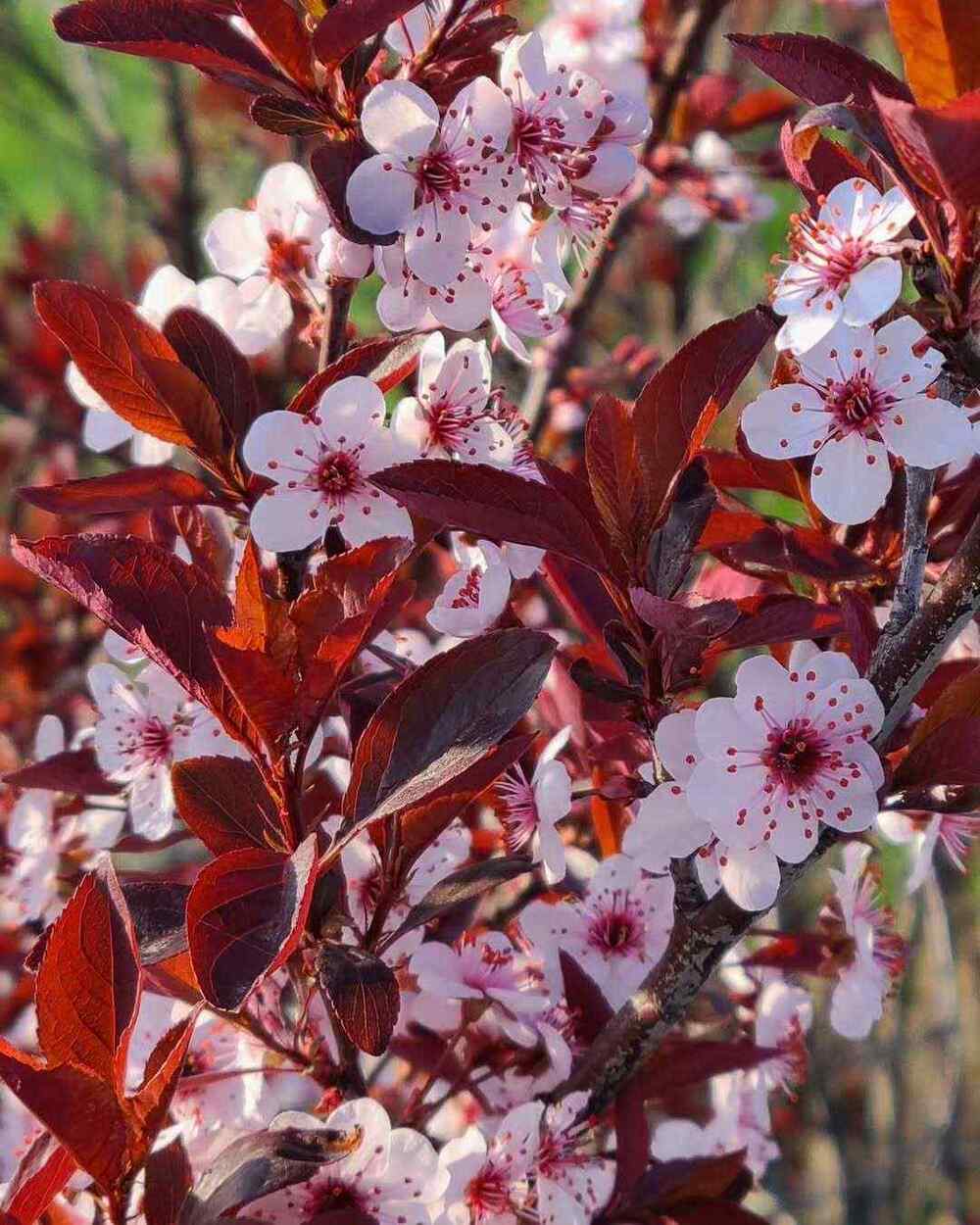
This shrub is for people who want purple leaves without overthinking it. The foliage stays purple-red, and in spring you may get pale pink flowers that make the leaves pop even more.
USDA Zones: 2–8
Sun: Full sun for best color
Soil: Well-drained; tolerant but dislikes soggy conditions
Why it’s worth it: Consistent leaf color, compact size, cold-hardy
Tip: It can be short-lived in some climates. Keep it healthy with good airflow and avoid wet, heavy soil.
10) Hebe
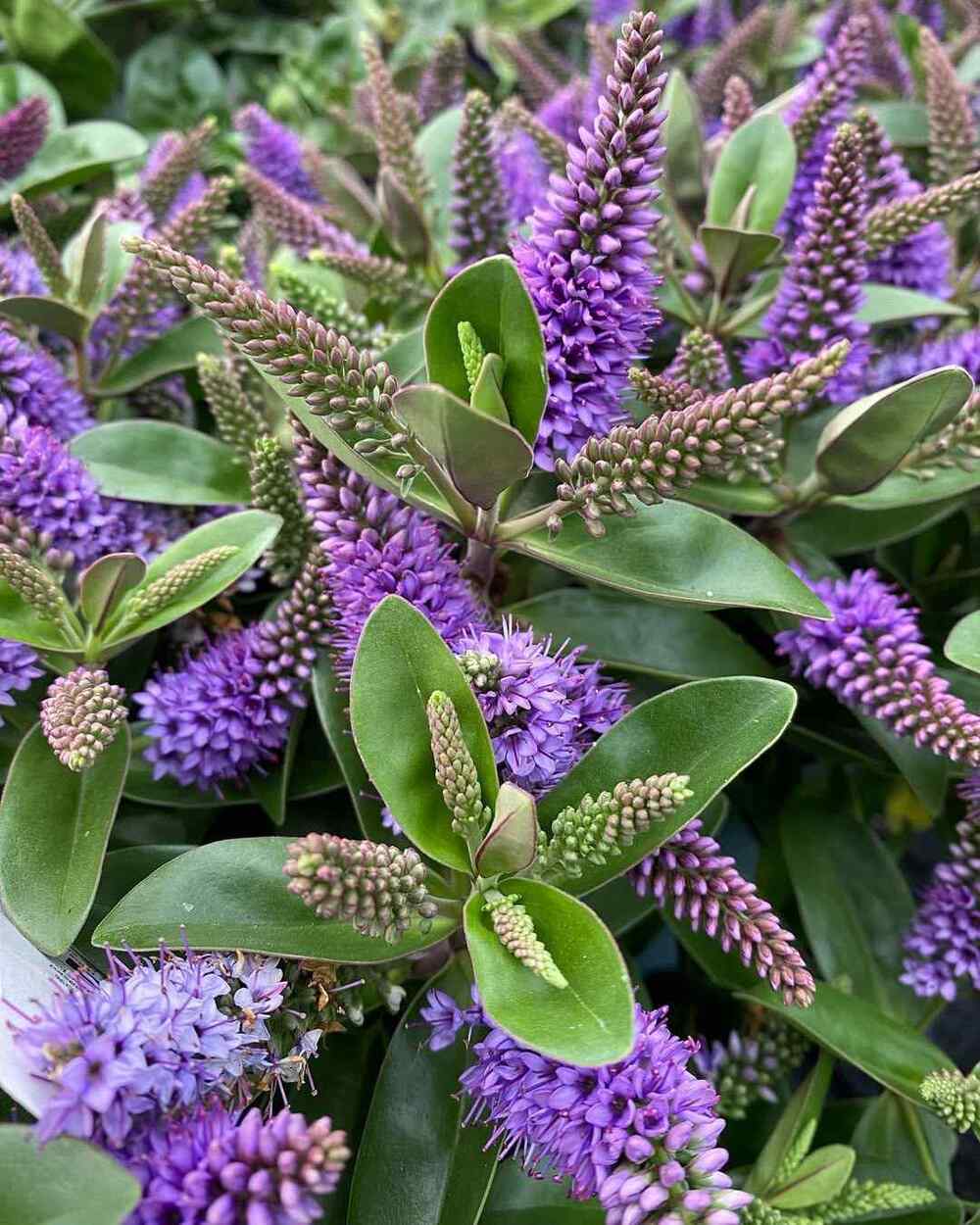
Hebe is neat and tidy—an evergreen shrub with purple flowers and attractive foliage. In milder climates it’s an easy way to keep structure year-round while still getting color.
USDA Zones: 7–11 (many are not cold hardy; verify your variety)
Sun: Full sun to part shade
Soil: Well-drained, moderate moisture
Why it’s worth it: Evergreen form, compact habit, long flowering
Tip: If you’re in a colder zone, treat it like a patio plant in a pot and protect it over winter.
Simple planting combos that usually work
A pairing I use often: Lavender + Smoke Bush. Lavender stays low and tidy, smoke bush gives that moody canopy behind it. For a softer, woodland-feel mix: Rhododendron + Japanese Maple, plus mulch and a few shade perennials.
Soil and care “shortcuts” that save plants
Good drainage is the quiet secret for most purple shrubs, especially lavender, smoke bush, and sand cherry. If water puddles after rain, raise the bed or amend heavily with grit and organic matter. Mulch helps, but keep mulch off the stem base so nothing stays soggy.