Ladybugs (more accurately, lady beetles) are some of the hardest-working beneficial insects you can recruit for your garden. Adults and larvae feed on soft-bodied pests—especially aphids and spider mites—which is why gardeners associate them with “natural pest control.”
It’s tempting to buy a bag of ladybugs and call it done, but experts caution against it. Store-bought ladybugs are often wild-collected or may be non-native, and released insects can simply fly away (or disrupt local ecosystems). The more reliable approach is to build a garden that attracts and supports resident ladybugs with nectar, pollen, shelter, and (yes) a manageable amount of prey.
Table of Contents
Why Ladybugs Are Worth Attracting
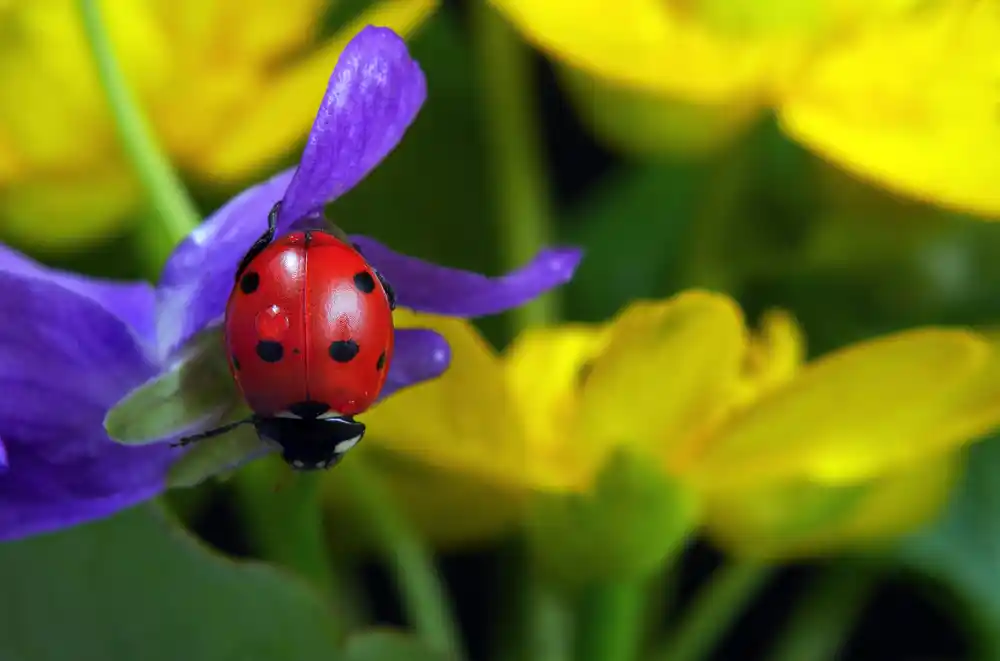
Ladybugs do more than look cute on a rose leaf. They’re part of an ecological “security system” that helps keep pest populations from exploding.
They target the pests that cause the most garden drama
Aphids reproduce rapidly and cluster on tender growth, sucking plant juices and spreading stress. Spider mites thrive in hot, dry conditions and can quickly stipple leaves into a pale mess. Ladybugs hunt these pests—especially when their larvae hatch right in the middle of an infestation.
They reduce the need for broad-spectrum sprays
Many pesticides don’t distinguish between “bad bugs” and “good bugs.” When you spray, you can knock back predators and pollinators, then end up with an even worse pest rebound later. A ladybug-friendly garden nudges the system toward balance instead.
They work best when your garden offers more than prey
When pests are scarce, ladybugs still need fuel. That’s where flowers come in: nectar and pollen help support adults, while certain plants also attract aphids in a way that keeps ladybugs hunting in your yard.
Don’t Buy Ladybugs: Build a Garden They Choose
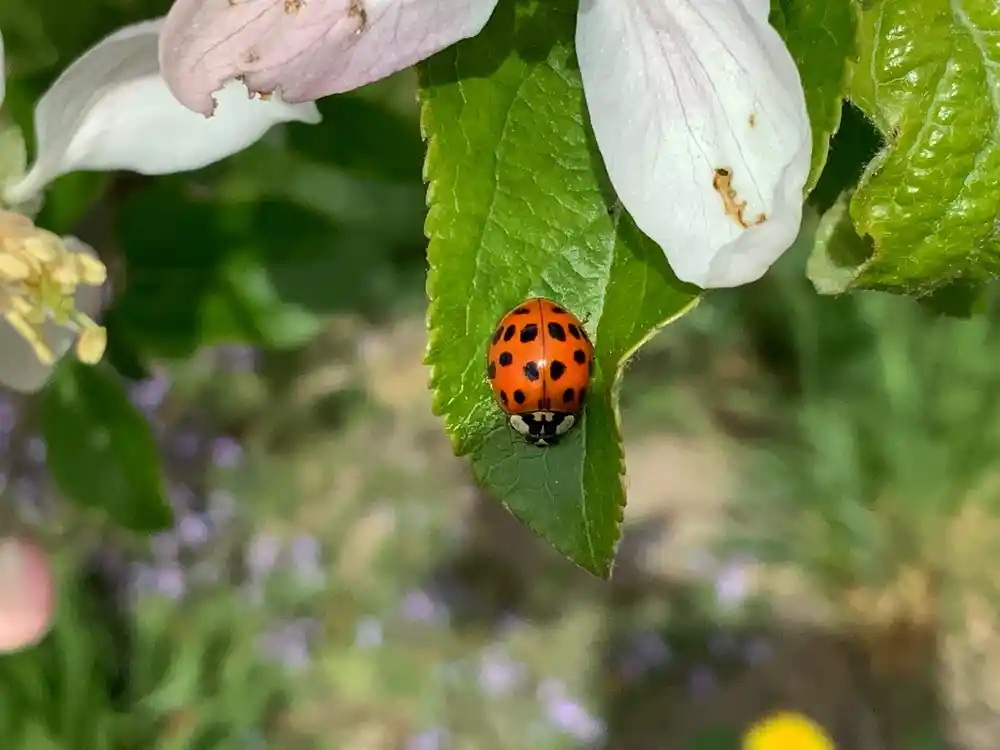
Avoid purchasing ladybugs from garden centers because many are wild-collected or non-native; instead, attract local populations naturally with plants.
A sustainable “ladybug strategy” looks like this:
-
Plant nectar + pollen sources with small, accessible blooms.
-
Include a few “aphid-magnet” plants (in controlled spots) to keep prey available.
-
Avoid harsh pesticides, especially during bloom and peak predator activity.
-
Provide water and shelter, so beneficial insects can survive heat and dry spells.
What Kind of Flowers Do Ladybugs Prefer?
Ladybugs don’t have the long tongues of butterflies or hummingbirds. They’re built for accessible, open feeding sites. That’s why plants with tiny, shallow flowers in clusters tend to perform well—ladybugs can land, sip nectar, and move on quickly.
David Mizejewski (National Wildlife Federation) explains that ladybugs generally prefer nectar and pollen from plants with small, flat flower structures—a major reason yarrow works so well.
The 7 Plants That Attract Ladybugs (with Care Tips That Make Them Work)
For each plant, the listed zones, size, and care requirements follow the source.
Yarrow (Achillea millefolium)
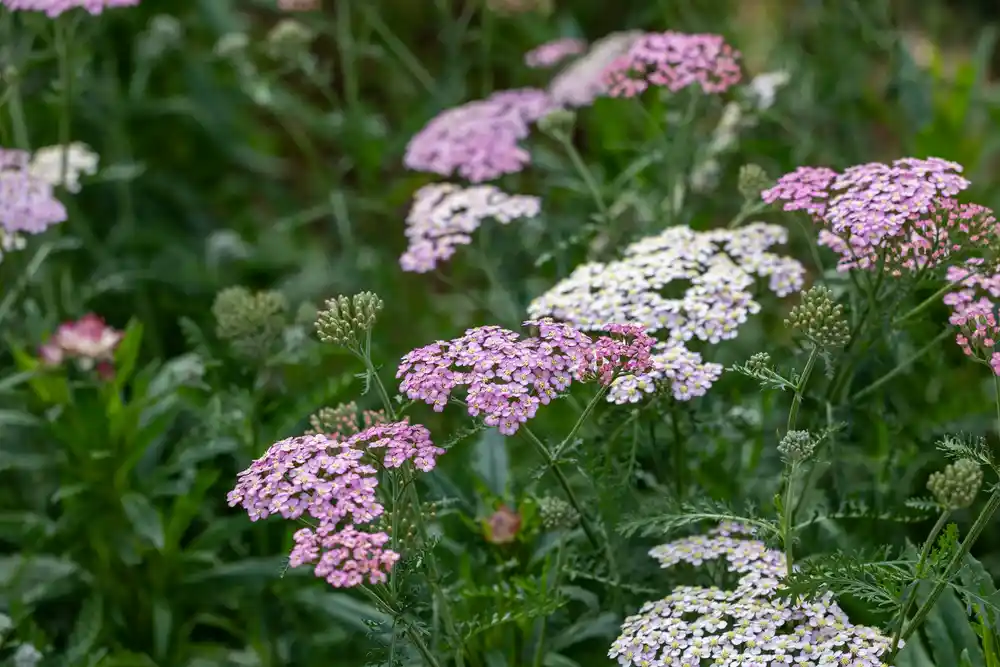
Yarrow is a classic beneficial-insect plant: it’s tough, adaptable, and its blooms are structured in a way ladybugs love. The flower heads are made of many tiny, daisy-like flowers packed into flat-topped clusters, which creates an easy landing pad with lots of nectar and pollen access.
Growing requirements
-
USDA zones: 3–9
-
Size: 12–36 in. tall × 12–24 in. wide
-
Care: Full sun to partial shade; sandy to loamy soil
How to use yarrow for stronger pest control
-
Plant yarrow near crops that get aphids (kale, broccoli, roses, peas), but not necessarily inside the most intensively irrigated bed—yarrow doesn’t need pampering.
-
Mass planting helps: a single plant attracts insects; a drift creates a reliable “refueling zone.”
Quick caution
Yarrow spreads in some gardens. If you want it contained, deadhead and divide occasionally.
Dill (Anethum graveolens)
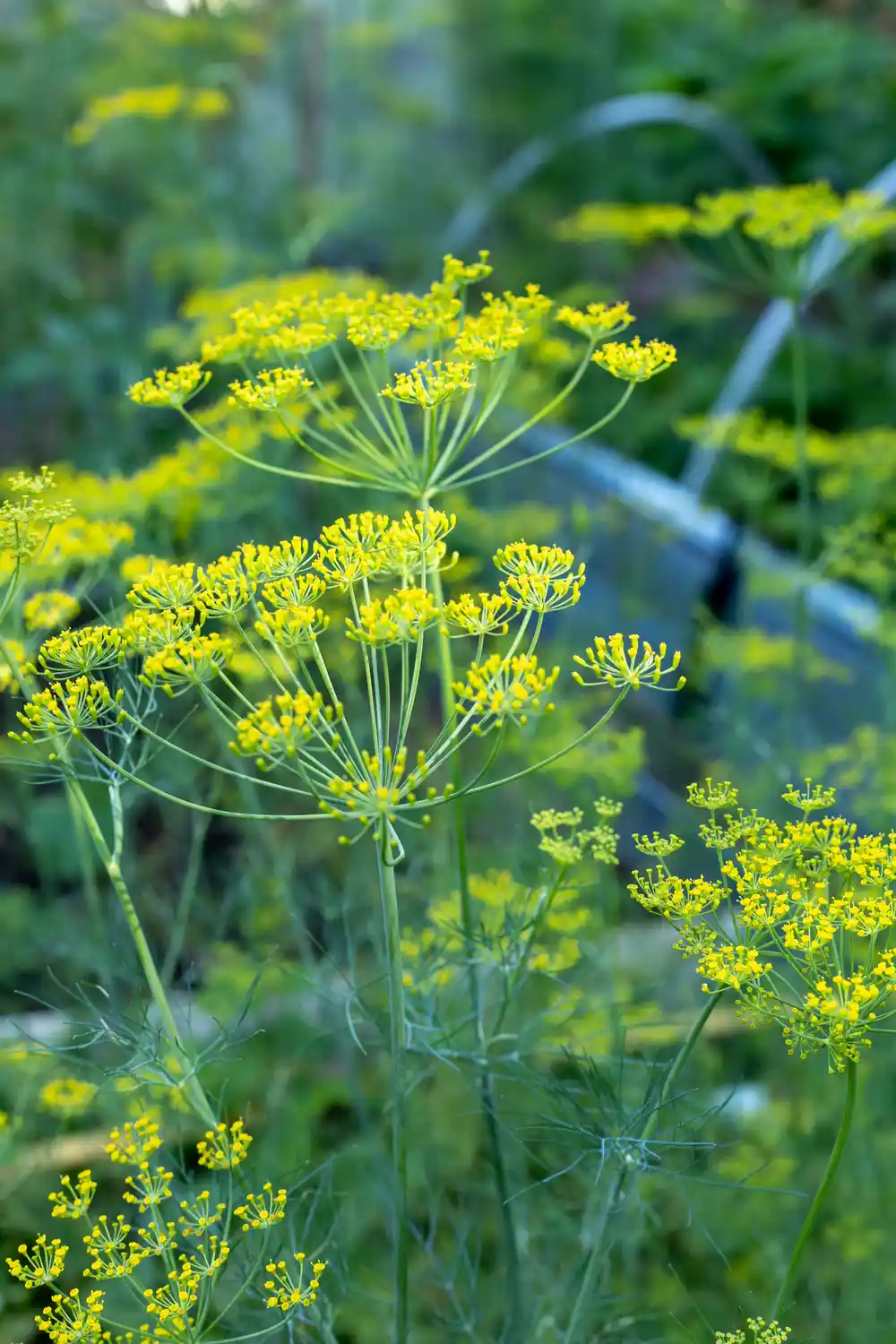
Dill earns its place in a ladybug garden for two reasons: it provides floral resources when it bolts, and it can attract aphids, which ladybugs then feed on. It’s also a strong companion plant in mixed beds.
Mizejewski notes that ladybugs are drawn to chemical signals plants emit when being fed on by pests, as well as pheromones produced by aphids and other prey. Dill (and similar herbs) can be part of that chain because it draws aphids in the first place.
Growing requirements
-
USDA zones: 2–11
-
Size: 18–48 in. tall × 12 in. wide
-
Care: Full sun; consistently moist, slightly acidic soil
How to use dill strategically
-
Plant dill in and around vegetable beds as a “beneficial insect beacon.”
-
Let some plants flower—if you harvest every sprig, you lose the bloom stage that supports beneficials.
-
Succession sow every few weeks if you want a longer season of flowers and fresh culinary harvest.
Common mistake
People pull dill the moment aphids show up. If your goal is ladybugs, allow a small aphid presence so predators have a reason to arrive and reproduce.
Sunflowers (Helianthus annuus)
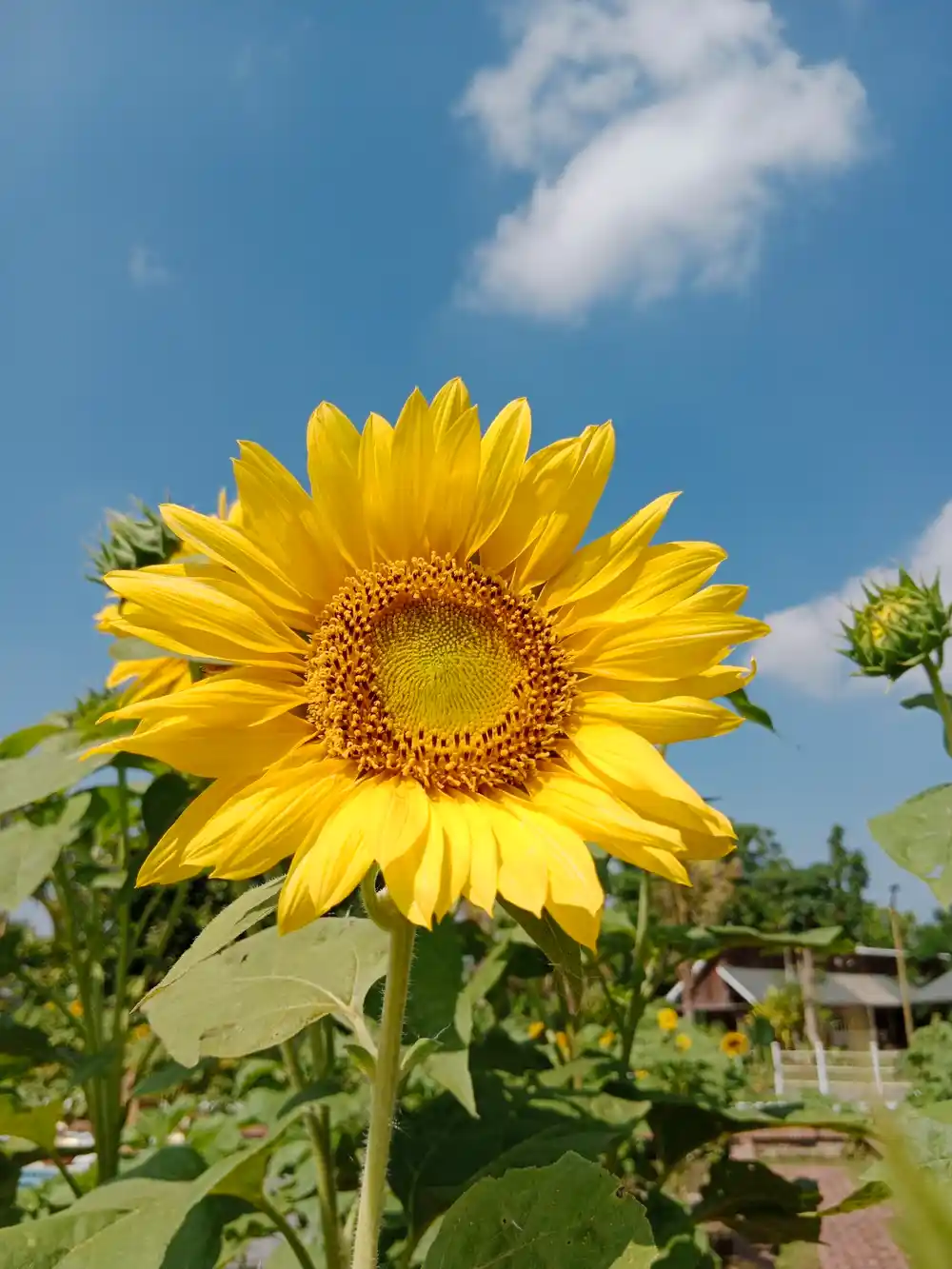
Sunflowers are not just ornamental. Their big, bright heads provide abundant pollen and nectar—and they can also host pests like aphids and mites, which becomes a feeding opportunity for ladybugs.
Growing requirements
-
USDA zones: 2–11
-
Size: 3–16 ft. tall × 1–3 ft. wide
-
Care: Full sun; well-draining soil
Why they’re powerful in a ladybug plan
-
Sunflowers function like a beneficial insect tower—tall plants that are highly visible to flying insects.
-
Their pest load can be a feature: ladybugs are predatory as both larvae and adults, feeding on insects that suck plant juices.
Best placement
-
Put sunflowers at the back of beds or along fences as a “pollinator wall.”
-
Use them as a trap/support plant near crops that struggle with aphids—while monitoring so pests don’t spill over unchecked.
Elderberry (Sambucus spp.)
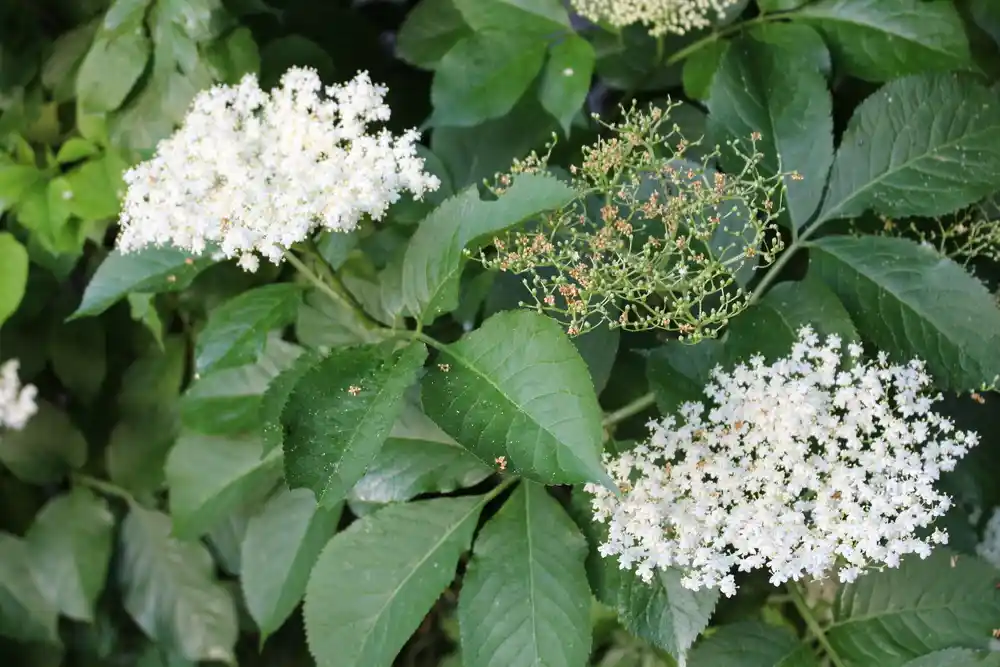
Elderberry is a standout because it offers something many plants don’t: extrafloral nectaries—nectar-producing structures that aren’t part of the flowers. These are designed to attract predatory insects (including ladybugs) that help protect the plant from pests.
Growing requirements
-
USDA zones: 3–9
-
Size: 5–12 ft. tall × 5–12 ft. wide
-
Care: Full sun to partial shade; medium to wet, well-draining soil
Why elderberry supports “resident” ladybugs
-
Extrafloral nectar acts like a built-in snack bar for predators, even outside peak bloom windows.
-
As a shrub, elderberry also contributes structure (cover, perching sites, microclimate moderation) that makes gardens more hospitable for beneficial insects overall.
Design tip
If you have space, shrubs help transform a garden from “seasonal planting” into habitat. Elderberry can be a long-term anchor plant in a beneficial-insect border.
Purple Coneflower (Echinacea purpurea)
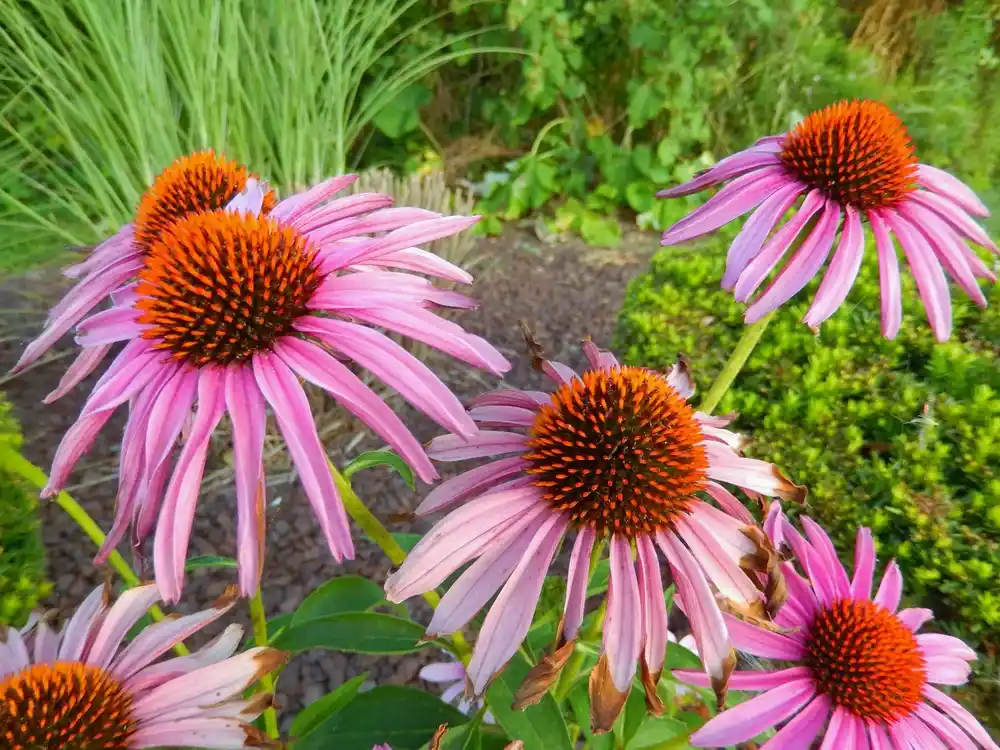
Coneflower is a native perennial known for resilience and pollinator value. In the source, Adrienne Roethling highlights that the cone bears pollen that attracts many pollinators—including ladybugs.
Growing requirements
-
USDA zones: 3–9
-
Size: 24–36 in. tall × 18–24 in. wide
-
Care: Full sun to partial shade; well-draining soil
How to make coneflower work harder
-
Plant in clusters so the pollen resource is concentrated.
-
Leave some seed heads standing into fall and winter to support birds; a lively bird community often correlates with a healthier predator-prey balance in the garden.
Zinnias (Zinnia spp.)
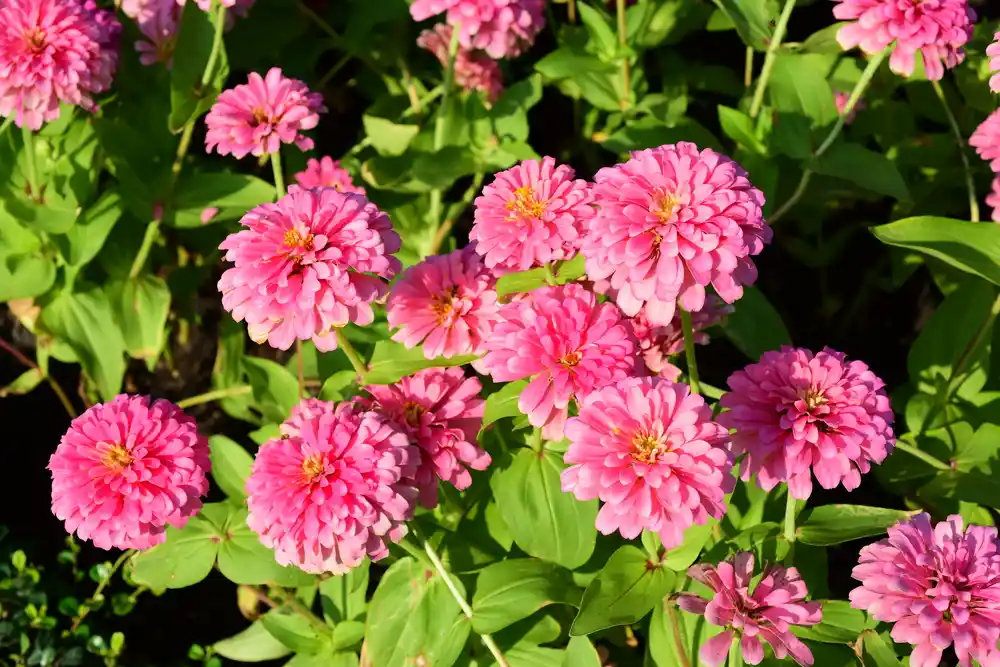
Zinnias are one of the easiest high-impact annuals for insect diversity. They’re related to sunflowers, sharing the same disc-and-ray flower structure. As the center disc matures, it forms a pollen ring that attracts ladybugs along with butterflies and honeybees.
Growing requirements
-
USDA zones: 3–10
-
Size: 14–18 in. tall × 20–24 in. wide
-
Care: Full sun; well-draining soil
How to use zinnias for pest control support
-
Plant zinnias near vegetables that get aphids and whiteflies.
-
Deadhead for continuous blooms—more bloom days means more nectar/pollen days, which means better beneficial insect retention.
Extra benefit
Zinnias are excellent “bridge plants” when perennials aren’t blooming yet or have finished their main flush.
Butterfly Weed (Asclepias tuberosa)
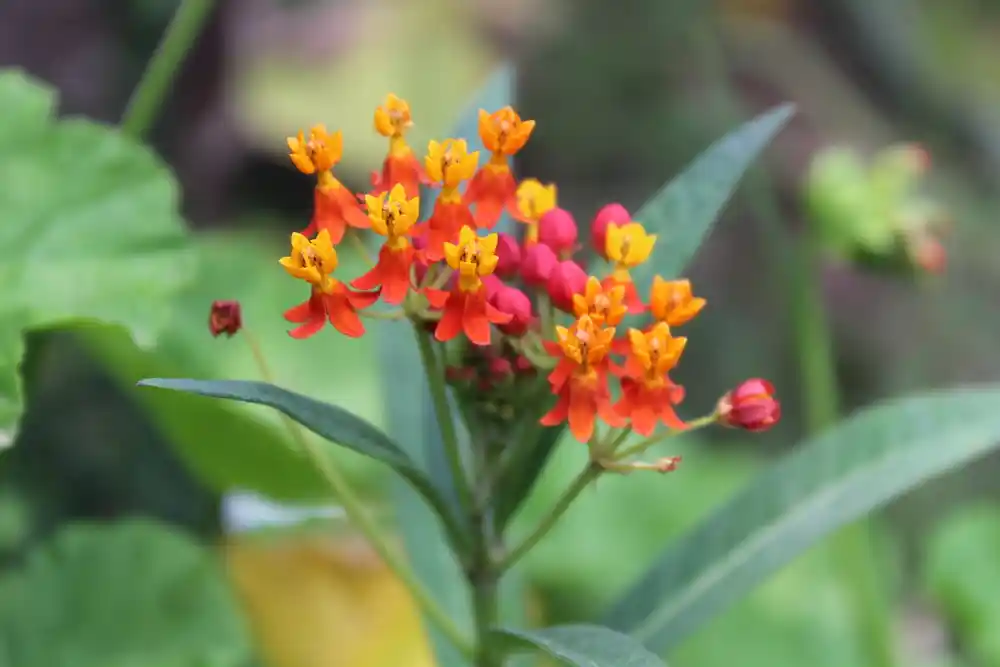
Butterfly weed is famous for monarch support, but it can also help with ladybugs because it attracts aphids—creating a localized food source for predators. Roethling notes that ladybugs lay eggs where aphids are present, and larvae feed on aphids after hatching.
Growing requirements
-
USDA zones: 3–9
-
Size: 24–48 in. tall × 12–24 in. wide
-
Care: Full sun; excellent drainage
How to use butterfly weed without panicking about aphids
-
Expect aphids. That’s part of the ecology.
-
If the plant is otherwise healthy, leave them as a ladybug nursery zone.
-
Avoid spraying—sprays remove the food source and can harm predators.
How to Arrange These Plants for Maximum Ladybug “Staying Power”
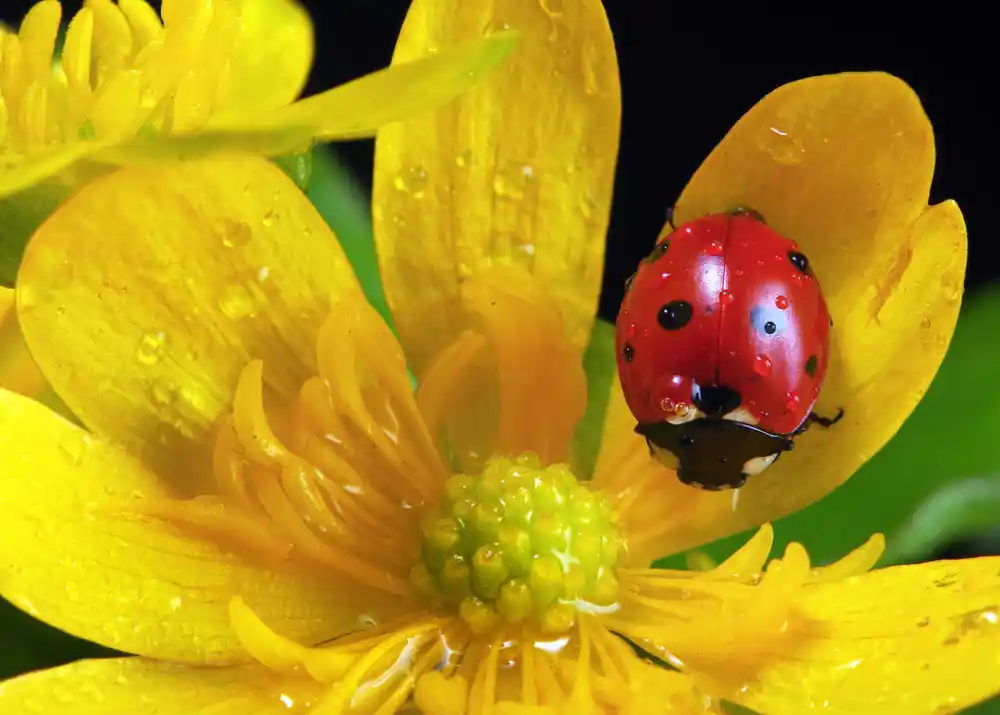
Plant choice matters, but layout is what turns a one-off ladybug sighting into a self-sustaining system.
Create “resource stations,” not scattered singles
Ladybugs respond better when nectar/pollen plants are grouped. Try:
-
A clump of yarrow + coneflower as a perennial core
-
A sunny annual strip of zinnias
-
A back border row of sunflowers
-
Herbs like dill integrated throughout beds
Balance prey and protection
If your yard is completely pest-free, ladybugs may not settle. You don’t want an infestation, but you do want a functioning food web. A small, controlled pest presence—especially on plants like dill or butterfly weed—can keep predators engaged.
Add micro-habitat features
Even simple additions help:
-
Shallow water dish with pebbles (for safe drinking)
-
Mulched areas and plant litter (overwintering shelter)
-
Mixed heights (annuals + perennials + at least one shrub if possible)
Maintenance Rules That Keep Ladybugs in Your Garden
Avoid broad-spectrum pesticides
This is the fastest way to “reset” your beneficial insect community. If you must intervene, use the narrowest, least persistent option and spot-treat carefully—ideally after confirming predators aren’t already increasing.
Let flowers mature
Many gardeners cut everything back too early. Leave some blooms to fully develop pollen, and allow seed heads or stems to remain in fall where appropriate.
Keep blooms coming across seasons
Ladybugs need consistent resources. Use a mix of:
-
Early and mid-season perennials (yarrow, coneflower)
-
Long-bloom annuals (zinnias)
-
Structural plants/shrubs (elderberry)
-
Herbs that flower at different times (dill)
A Simple “Ladybug Border” Plan Using the 7 Plants
If you want a plug-and-play layout:
-
Back row: Sunflowers spaced for airflow + one elderberry shrub (if space allows)
-
Middle row: Coneflower in groups of 3–5 + butterfly weed in groups of 3
-
Front row: Yarrow in drifts + zinnias as seasonal fillers
-
Throughout: Dill interplanted near vegetables and along bed edges
This arrangement creates:
-
Height + visibility (sunflowers)
-
Long-term structure and predator support (elderberry)
-
Pollen-rich cores (coneflower, yarrow)
-
Reliable annual bloom (zinnias)
-
Aphid “nursery zones” that encourage egg-laying and larvae feeding (dill, butterfly weed)