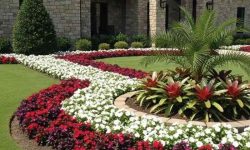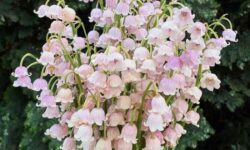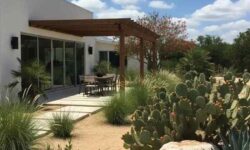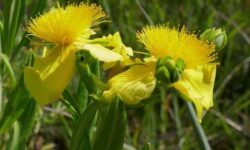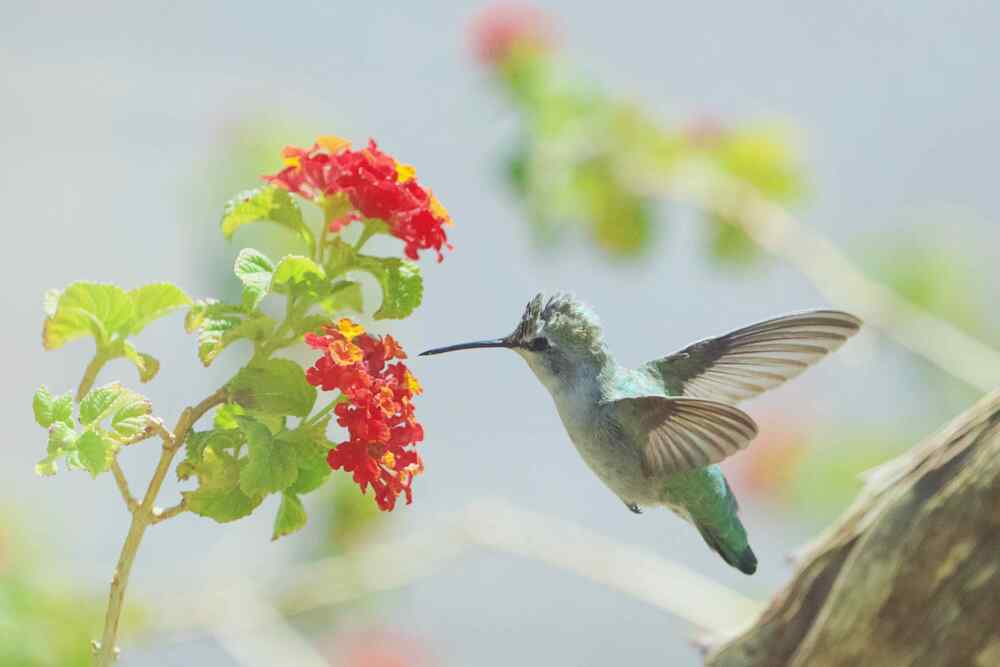
If you want plants that attract hummingbirds California gardeners can actually grow across wildly different microclimates—foggy coast, hot inland valleys, mountain foothills, and desert edges—you need more than “red flowers.” You need nectar-rich blooms, smart bloom timing, and plants that can handle California’s sun, drought cycles, and occasional cold snaps. The good news: you can build a hummingbird-friendly yard with a mix of native shrubs, hardy perennials, and a few easy annuals that keep nectar available from late winter through fall. Many of the best hummingbird plants share key traits: lots of nectar, tubular flower shapes, and often red or warm-toned blooms—and native options can be especially reliable.
Table of Contents
Plants That Attract Hummingbirds California: What Works (and Why)
Hummingbirds don’t choose flowers randomly. They’re optimizing for efficient calories—meaning they prefer flowers that deliver high nectar rewards with minimal effort. In general, the best hummingbird flowers tend to have:
-
Lots of nectar
-
Tubular blooms that can reduce competition from many insects
-
Red or warm colors (a strong hummingbird cue)
-
Native status (often easier and more resilient in local conditions)
Why this matters in California specifically
California gardens vary dramatically. You might have:
-
Coastal summer fog and mild winters
-
Inland heat and low humidity
-
Foothill wind and variable rainfall
-
Desert intensity with extreme sun and drainage needs
So the best hummingbird garden here isn’t one “perfect” plant—it’s a layered nectar system: shrubs + perennials + annual color to cover the calendar.
Build a Year-Round Nectar Calendar (Not Just a “Summer Garden”)
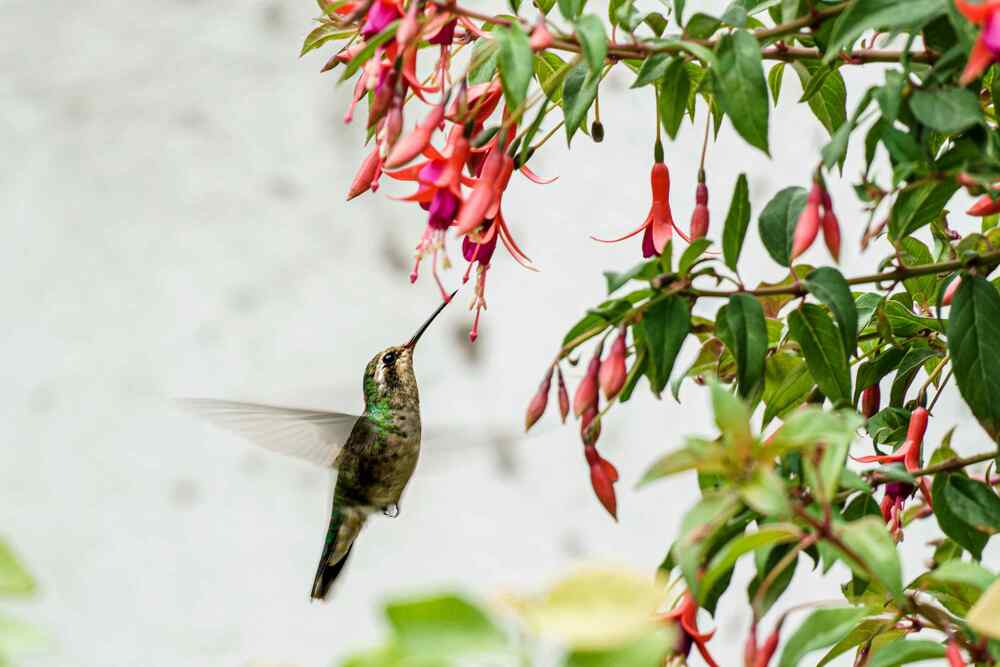
If you want hummingbirds to keep returning, you’re aiming for one thing: continuous bloom windows.
-
Late winter to spring: early shrubs and natives (critical in many areas)
-
Late spring to summer: major nectar producers (peak activity)
-
Late summer to fall: “migration fuel” flowers that bloom when other plants fade
This approach is especially useful because parts of California can host hummingbirds for long periods, and some (like Anna’s Hummingbird) are commonly present along the Pacific Coast even in winter.
The Best Plants That Attract Hummingbirds in California (21 Proven Picks)
The plants below come from the referenced California list and include key growing notes (zones, bloom time, and light requirements) so you can match them to your yard.
1) Trumpet Vine / Trumpet Creeper (Campsis radicans)
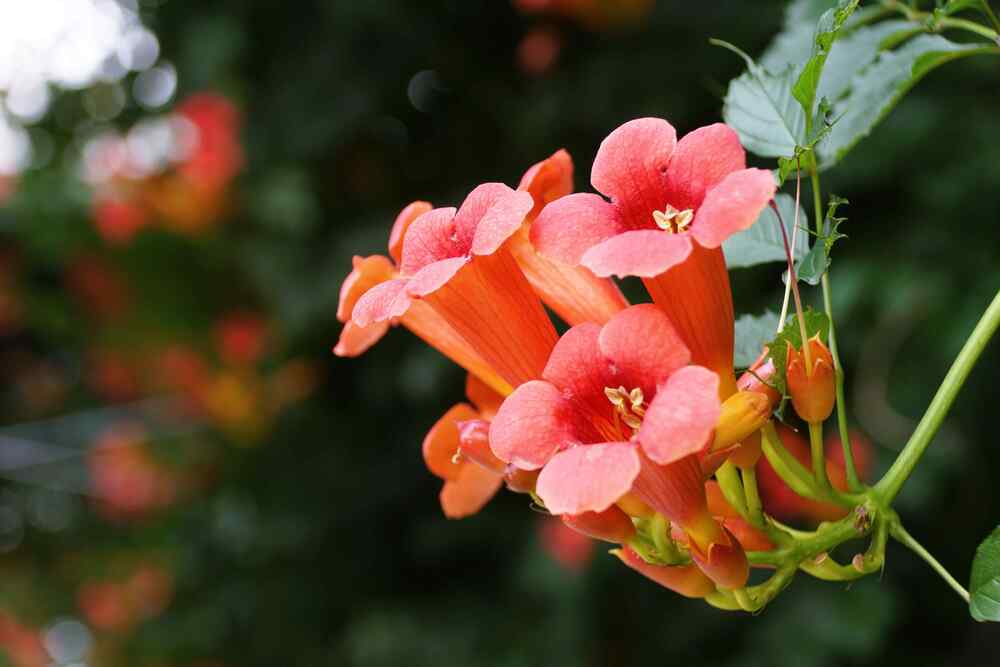
If you want a dramatic “hummingbird vine,” trumpet vine is famous for big tubular flowers and strong nectar appeal. It’s also extremely vigorous, so you’ll want a plan to prune and contain it.
-
Zones: 4–9
-
Bloom: July–September
-
Light: Full to partial sun
-
Size: vines can climb up to ~40 feet
California tip: Use trumpet vine on a sturdy structure (arbor, fence, pergola) and commit to seasonal pruning so it doesn’t swallow nearby plants.
2) Red Cardinal Flower (Lobelia cardinalis)
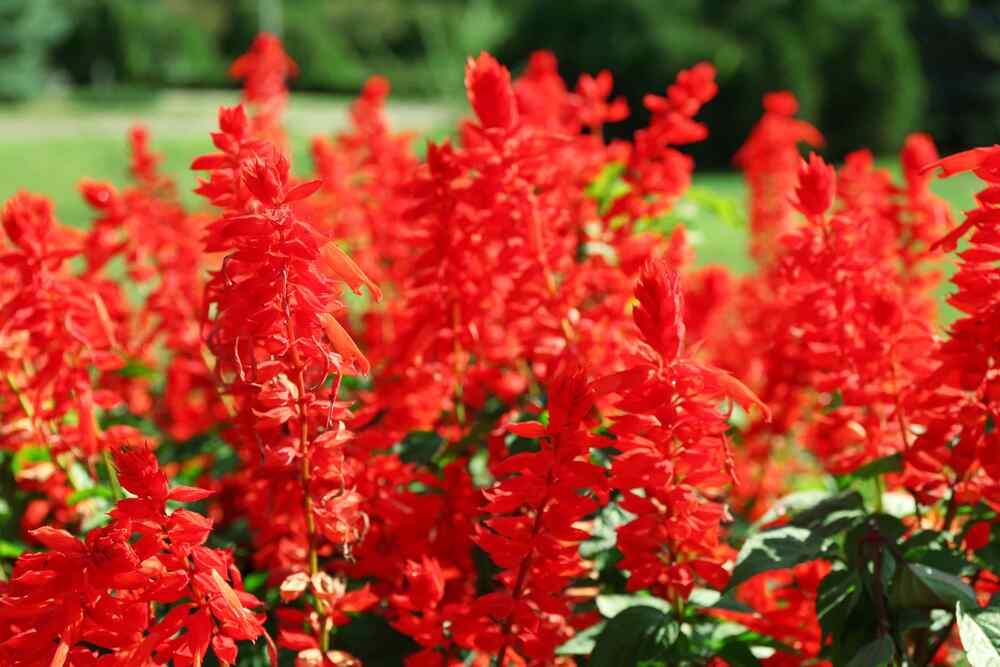
A classic hummingbird plant with long red tubular blooms that are “too long for most insects,” making hummingbirds especially effective pollinators.
-
Zones: 3–9
-
Bloom: July–September
-
Light: Full sun to partial shade
-
Size: ~3 feet tall
California tip: This one appreciates consistent moisture. In hotter inland zones, partial afternoon shade and regular irrigation can keep it performing.
3) Bee Balm / Monarda (Monarda spp.)
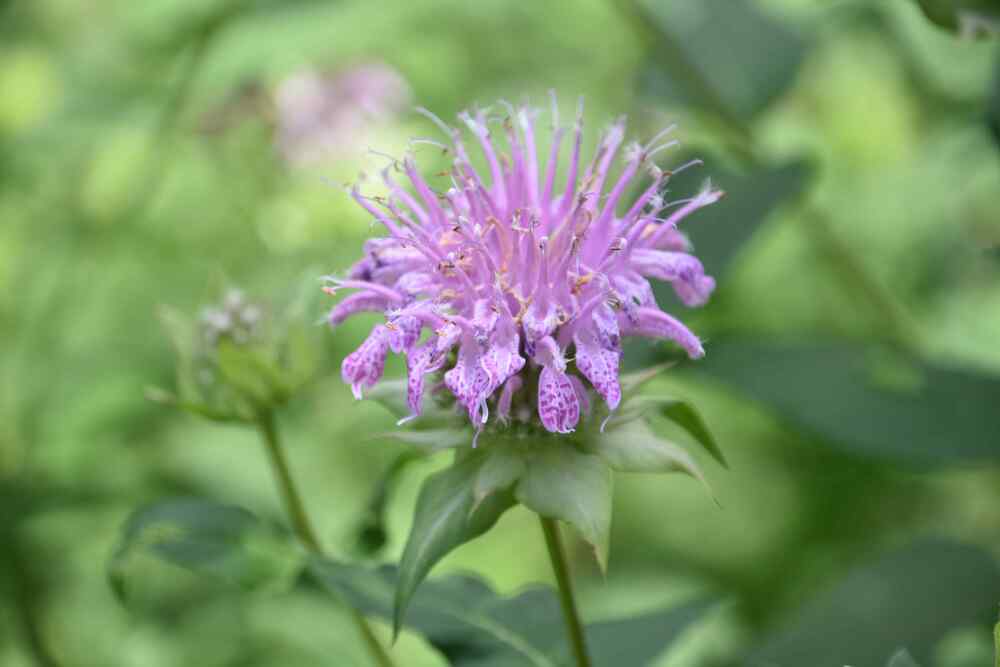
Bee balm is a hummingbird magnet and also pulls in butterflies and other pollinators. It’s typically easy to grow and can be a bold mid-summer nectar station.
-
Zones: 4–9
-
Bloom: July–September
-
Light: Full sun; tolerates some shade
-
Size: often ~3–4 feet tall
California tip: Improve airflow in coastal and irrigated gardens (powdery mildew can be an issue in some climates).
4) Sage / Salvia (Salvia spp.)
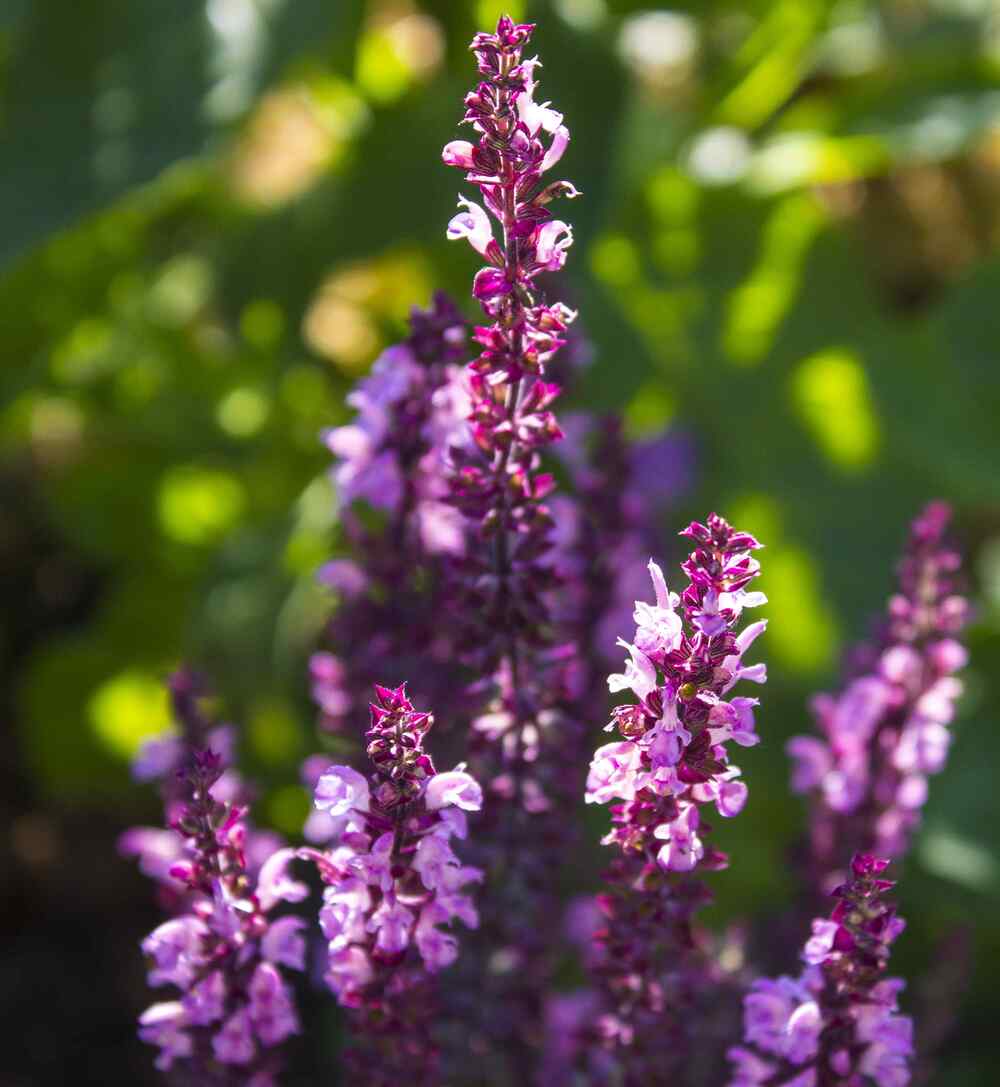
Sage is one of the most practical answers for plants that attract hummingbirds California gardeners ask about because “Salvia” includes many species that thrive across the state. Many have tubular flower spikes and strong nectar value.
-
Zones: 4–10 (varies by species)
-
Bloom: April–September
-
Light: Full sun
California tip: Ask a local nursery for a Salvia that fits your exact microclimate (coastal vs. inland heat vs. foothills). Planting a few different salvias can stretch bloom season dramatically.
5) Coast Rhododendron / Pacific Rhododendron (Rhododendron macrophyllum)
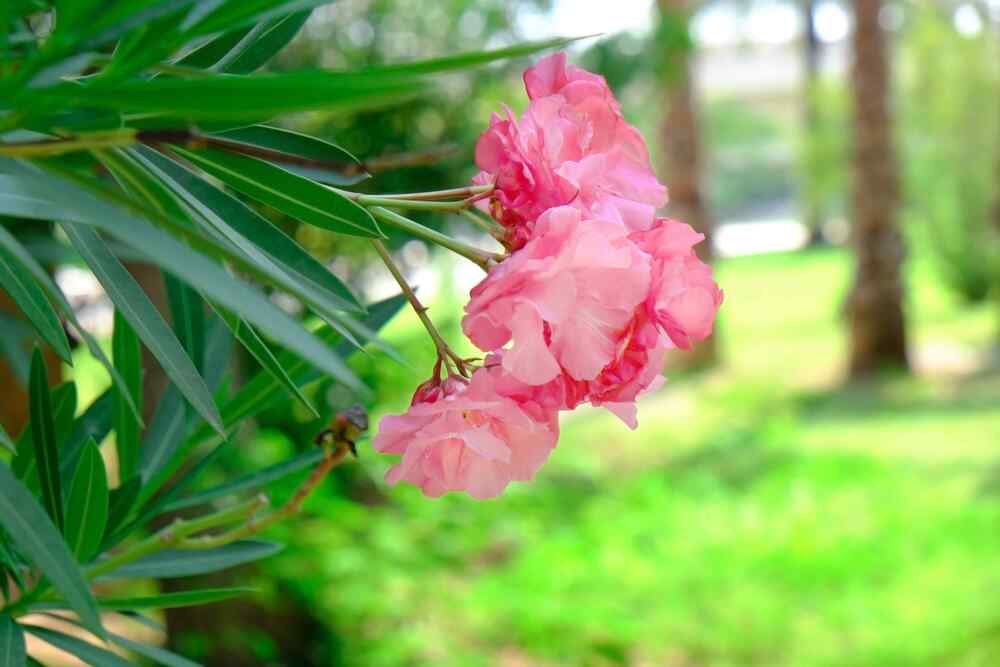
A California favorite when in bloom, especially in part shade.
-
Zones: 4–8
-
Bloom: April–June
-
Light: Part shade (handles more sun with more moisture)
-
Size: up to ~10 feet tall/wide if not pruned
California tip: Excellent for coastal and cooler zones; inland heat often demands shade and extra moisture.
6) Lupine (Lupinus spp.)
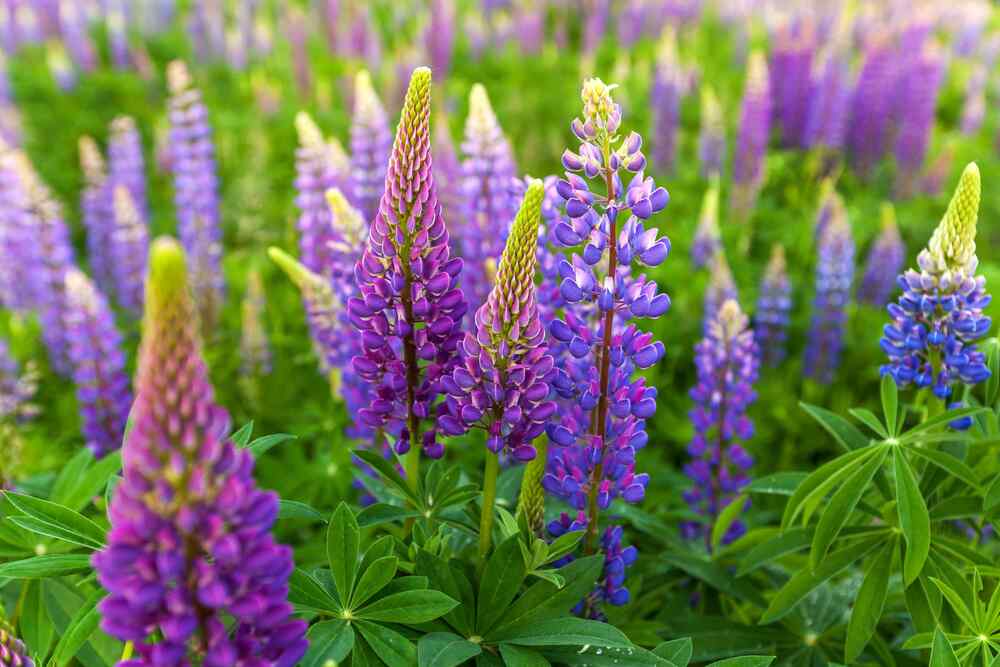
Lupines can be a spring-to-early-summer hummingbird draw and add strong vertical color.
-
Zones: 4–9
-
Bloom: typically May–July (varies)
-
Light: Sun to part shade
-
Size: varies widely (often around ~3 feet)
California tip: Many lupines prefer well-drained soils. Avoid overwatering—especially in heavy clay—unless you’ve amended for drainage.
7) Columbine (Aquilegia spp.)
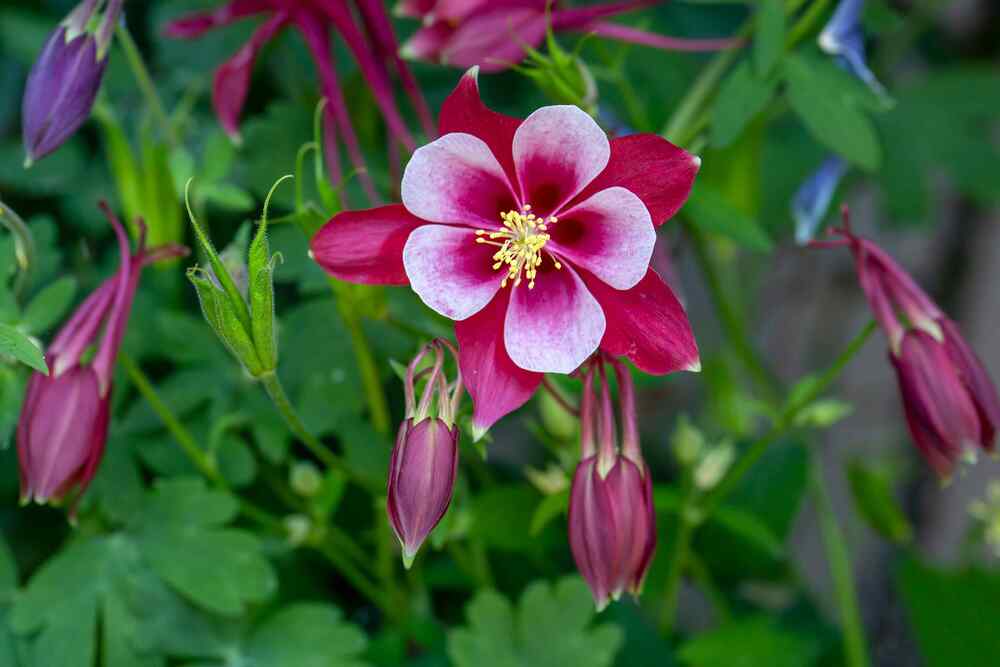
Columbines thrive in shade/part shade situations where many nectar plants struggle.
-
Zones: 3–8
-
Bloom: May
-
Light: Shade-friendly; full sun needs moisture
-
Size: ~3 feet tall
California tip: This is a strong pick for north-facing beds and areas under light tree canopy.
8) Lilies (Lilium canadense, Lilium columbianum)
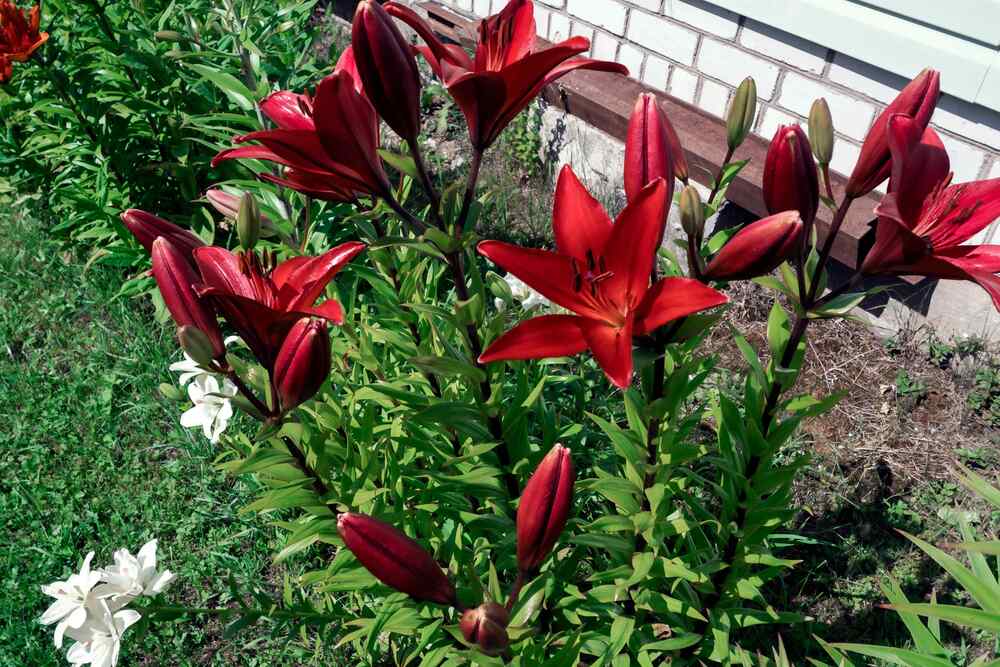
Lilies are showy and can attract hummingbirds, plus other pollinators.
-
Zones: 5b–9
-
Bloom: June–August (varies)
-
Light: Full sun
-
Size: ~3–8 feet tall
California tip: Provide summer irrigation in hotter climates and ensure bulbs have drainage (especially if your soil is heavy).
9) Fireweed (Chamerion angustifolium)
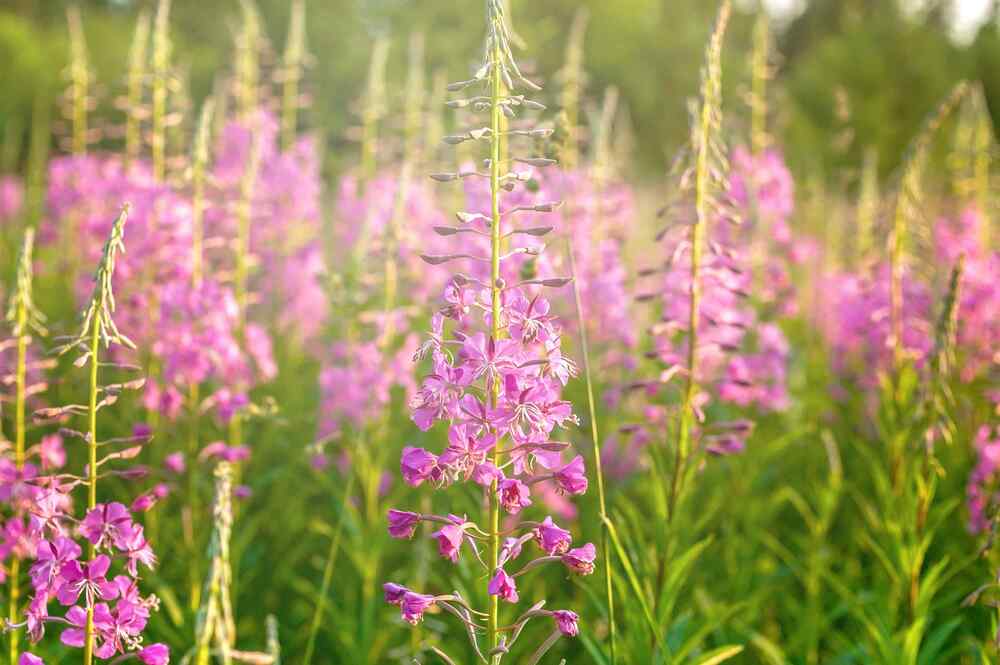
Fireweed brings tall spires of pinkish-purple blooms and can spread quickly.
-
Zones: 2–7
-
Bloom: June–September
-
Light: Partial to full sun
-
Size: ~4–6 feet (can be taller)
California tip: Great for cooler mountain or higher-elevation gardens. In small spaces, manage spread (it can produce a lot of seed).
10) Larkspur (Delphinium exaltatum, Delphinium glaucum)
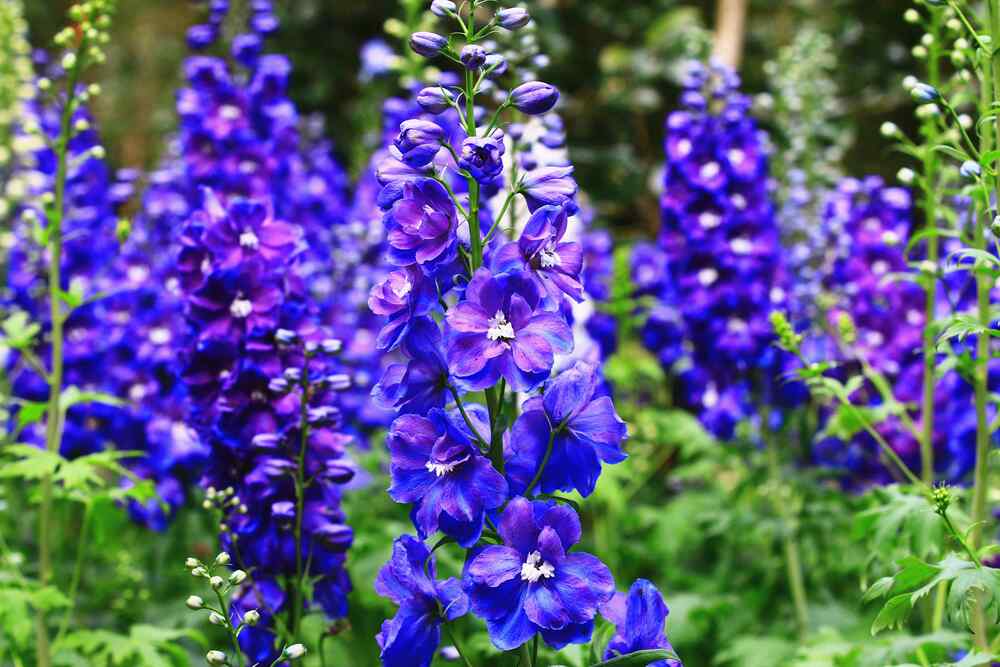
Tall spikes of blue flowers can attract hummingbirds, but note the safety warning.
-
Zones: 3–8
-
Bloom: March–August (varies)
-
Light: Partial to full shade
-
Size: up to ~8 feet tall
-
Caution: toxic to humans and livestock
California tip: Use in fenced gardens or away from pets/children if toxicity is a concern.
11) Manzanita (Arctostaphylos spp.)
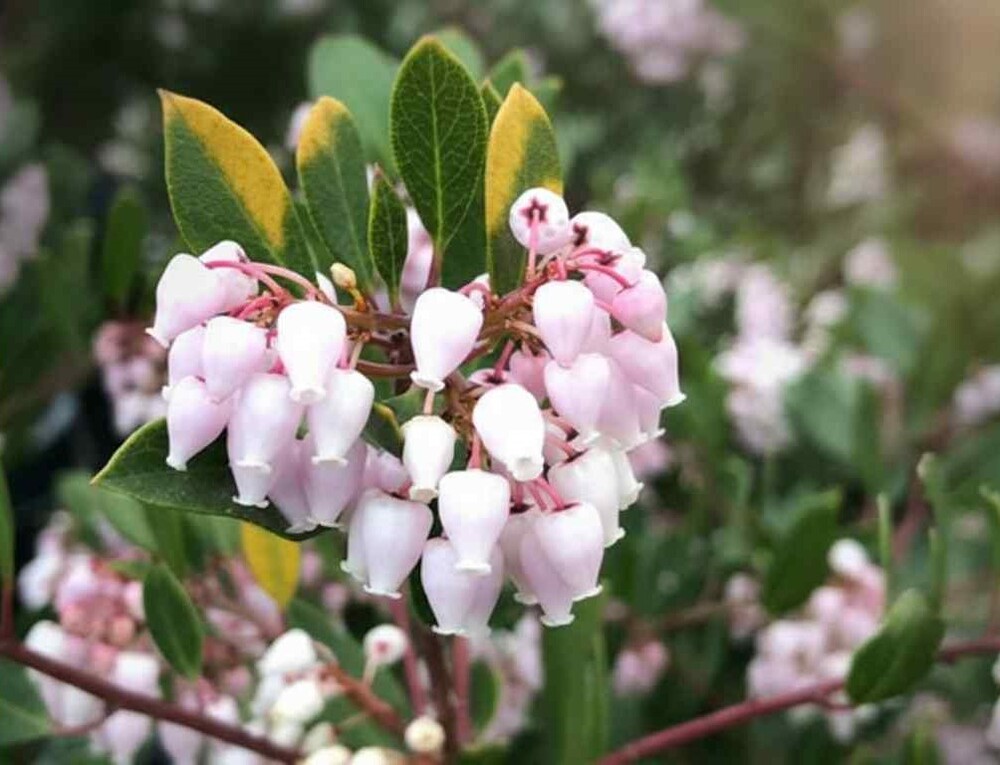
A standout California native group. Manzanita offers nectar and also provides structure that hummingbirds can use for nesting.
-
Zones: 8–10
-
Bloom: December–March
-
Light: Partial shade to full sun
-
Size: ~5–15 feet
California tip: This is huge for winter nectar in many regions—especially valuable when annual flowers aren’t blooming.
12) Azalea (Azalea / Rhododendron group)
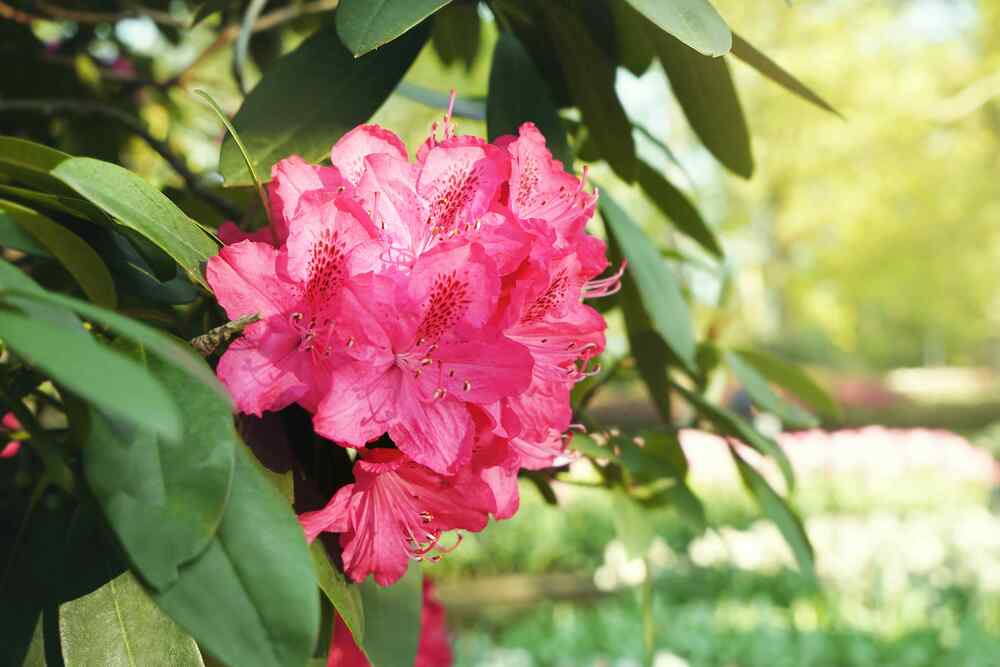
Azaleas can deliver long bloom potential depending on variety.
-
Zones: 5–9
-
Bloom: February–September (varies widely)
-
Light: Full sun to partial shade
-
Size: commonly 4–6 feet, but varies
California tip: Choose varieties suited to your soil and sun exposure. In hot inland areas, morning sun with afternoon shade usually performs best.
13) Hummingbird Trumpet (Zauschneria arizonica)
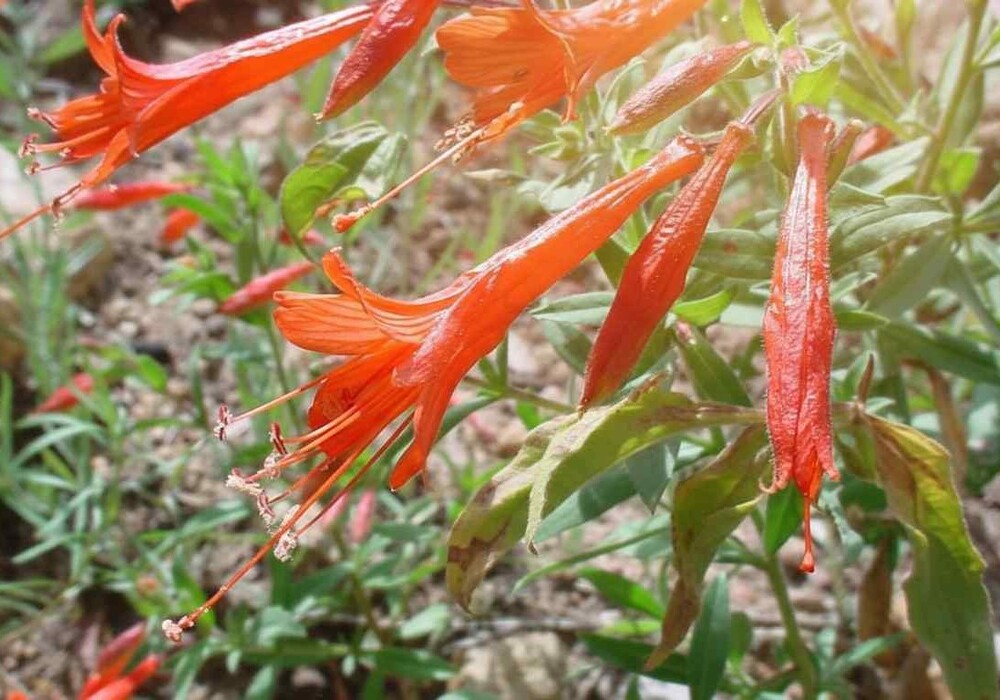
This plant is basically named for its job: hummingbird nectar support, especially later in the season.
-
Zones: 5–9
-
Bloom: July–October
-
Light: Full sun
-
Size: ~18–24 inches
California tip: Excellent for late-summer and fall when you want to keep hummingbirds fueled.
14) Golden Currant (Ribes aureum)
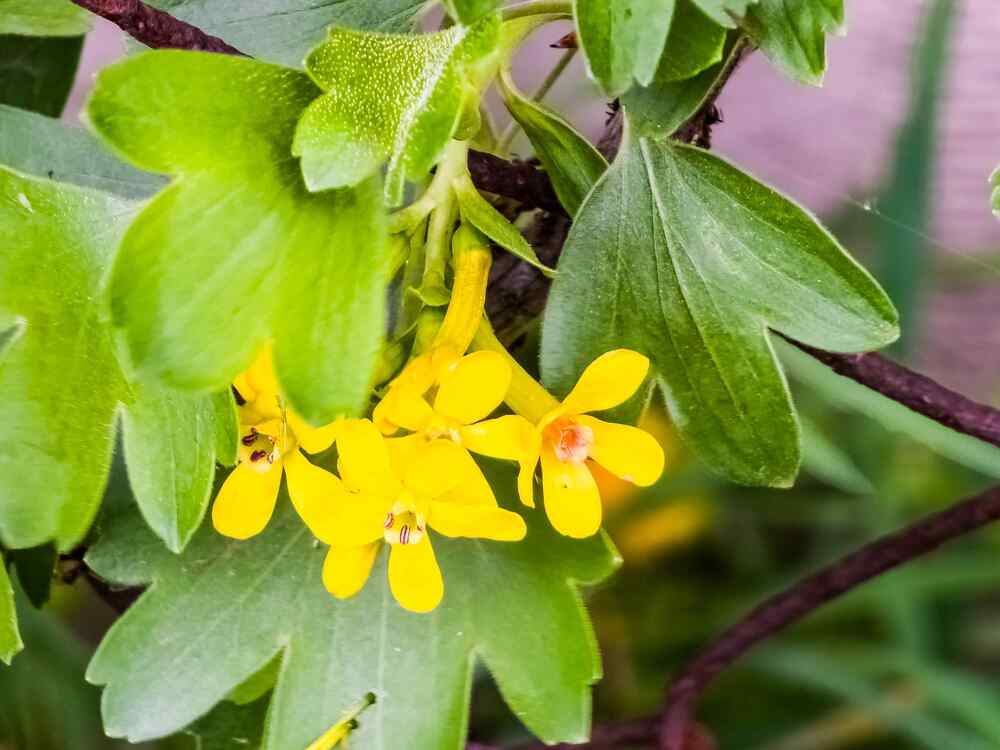
A spring-blooming shrub that offers bright flowers and seasonal interest.
-
Zones: 5–8
-
Bloom: March–May
-
Light: Full sun
-
Size: ~4–5 feet
California tip: Check local guidance before planting; some areas restrict certain currants because of disease concerns related to white pines.
15) Scarlet Trumpet / Red Trumpet Vine (Distictis buccinatoria)
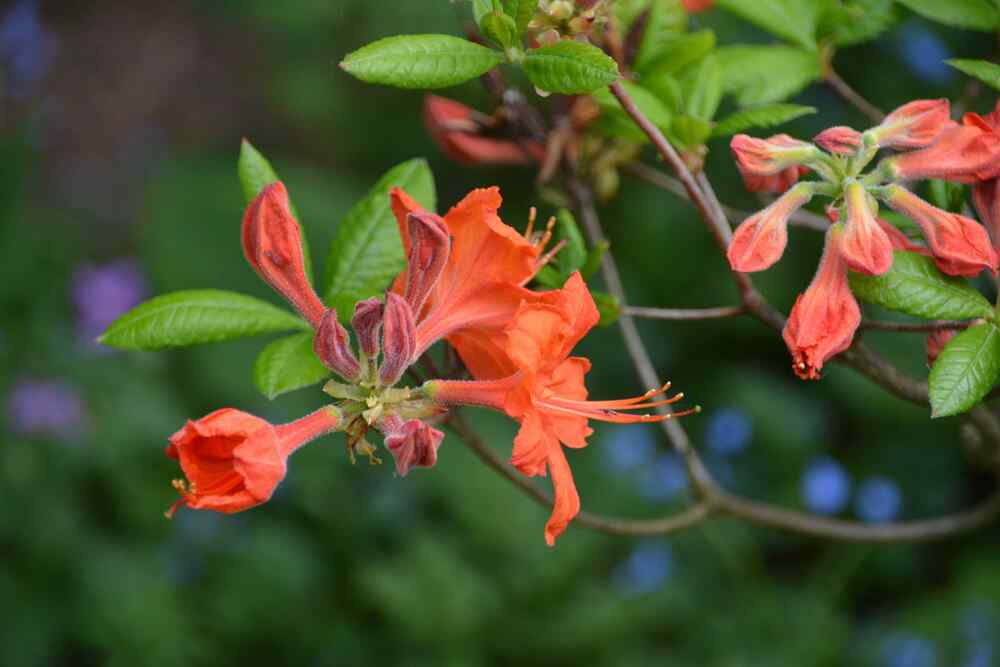
A climbing plant with bright trumpet-shaped flowers, but it requires active management.
-
Zones: 4–9
-
Bloom: July–September
-
Light: Full sun to partial shade
-
Size: ~30–40 feet (climbing)
California tip: Great for big walls and strong trellises—just plan on pruning so it doesn’t overwhelm the garden.
16) Beardtongue (Penstemon spp.)
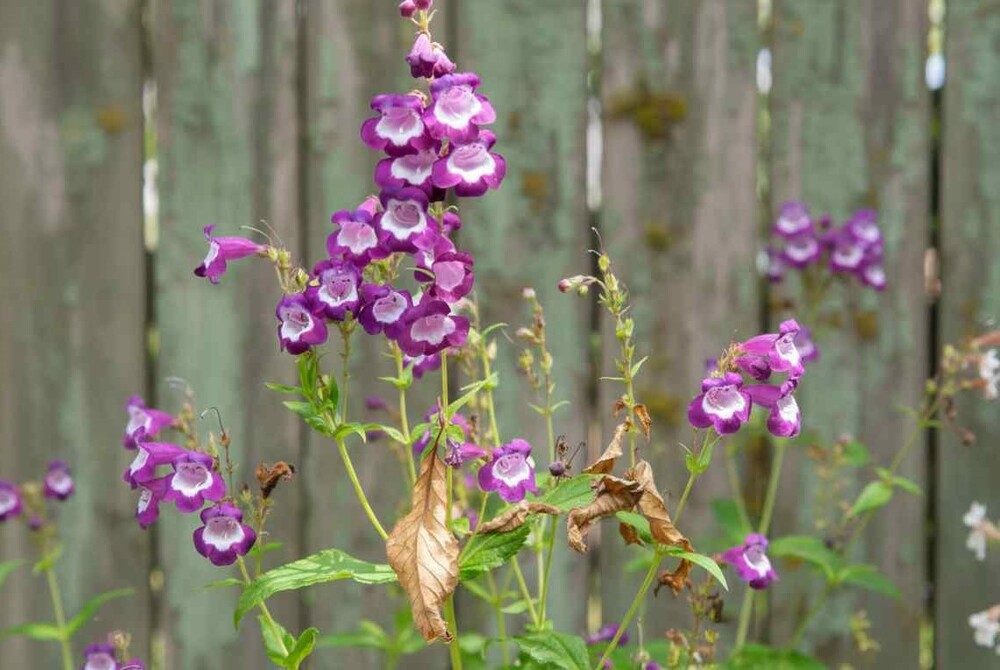
Penstemon is a top-tier hummingbird genus—tubular blooms on upright stalks, often drought-tolerant once established.
-
Zones: 3–8
-
Bloom: April–June
-
Light: Full sun
-
Size: ~2–4 feet
California tip: Fantastic for sunny beds and foothill gardens. Many penstemons prefer drainage over rich, wet soil.
17) Phlox (Phlox spp.)
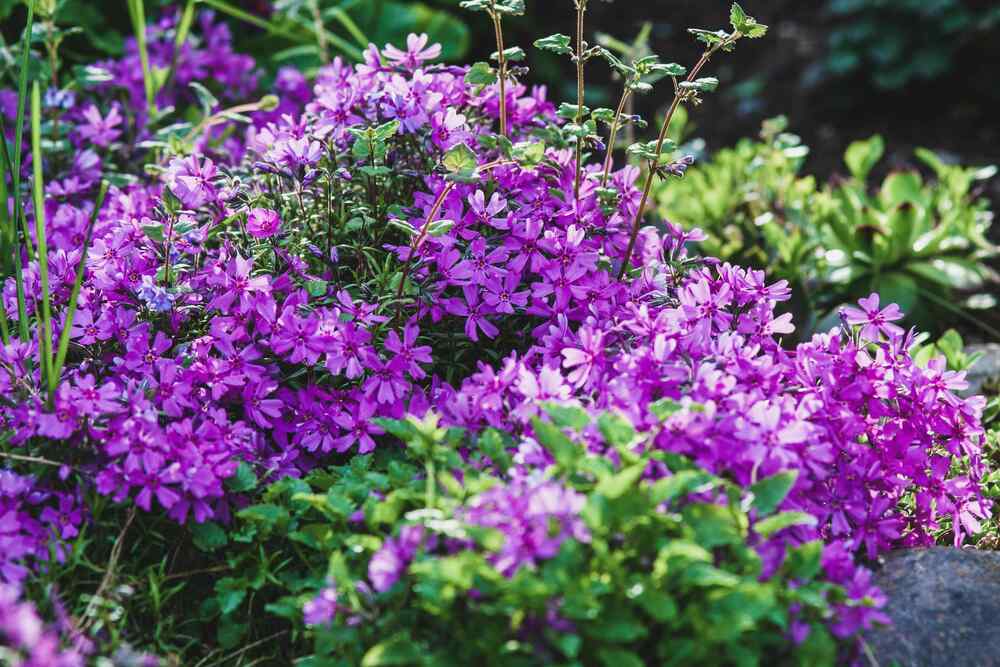
Phlox includes both annual and perennial forms and can fill different garden layers.
-
Zones: 4–8
-
Bloom: April–August (varies)
-
Light: Full to partial sun
-
Size: varies from low to tall
California tip: Use taller phlox where you can provide consistent moisture; pick sun/heat-tolerant selections for hotter inland areas.
18) Petunia (Petunia spp.)
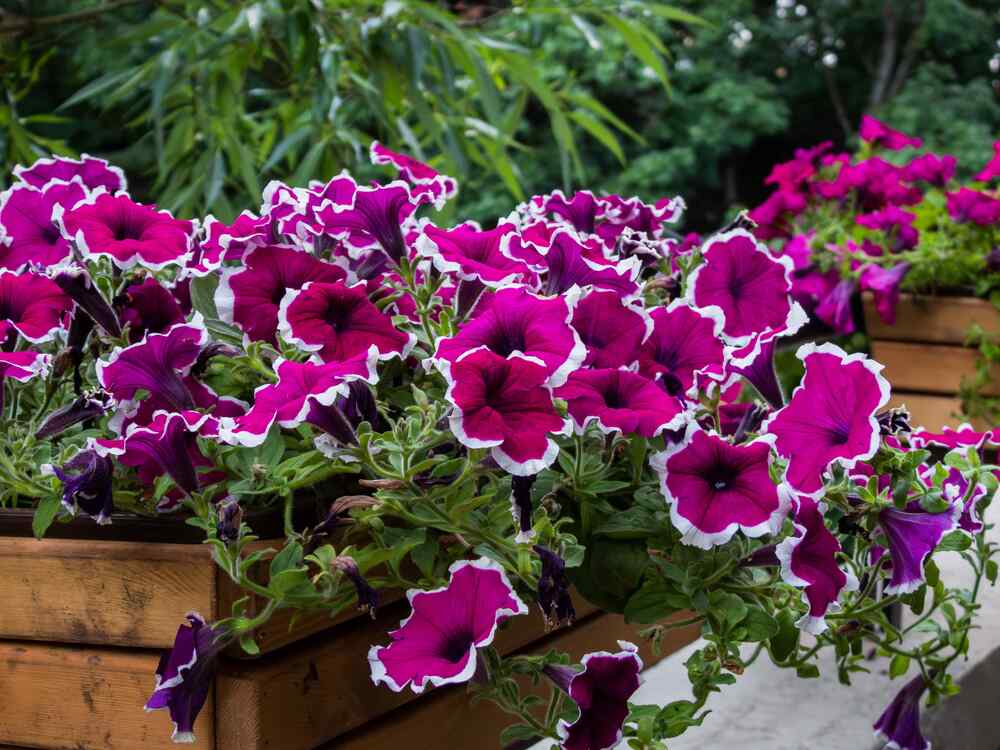
Petunias are a simple way to add hummingbird-friendly blooms in containers and beds.
-
Zones: 2–8
-
Bloom: April–October
-
Light: Full to partial sun
-
Size: ~6–24 inches tall, up to ~24 inches wide
California tip: Ideal for patios and balconies—especially if you place containers near a seating area for close hummingbird viewing.
19) Impatiens (Impatiens spp.)
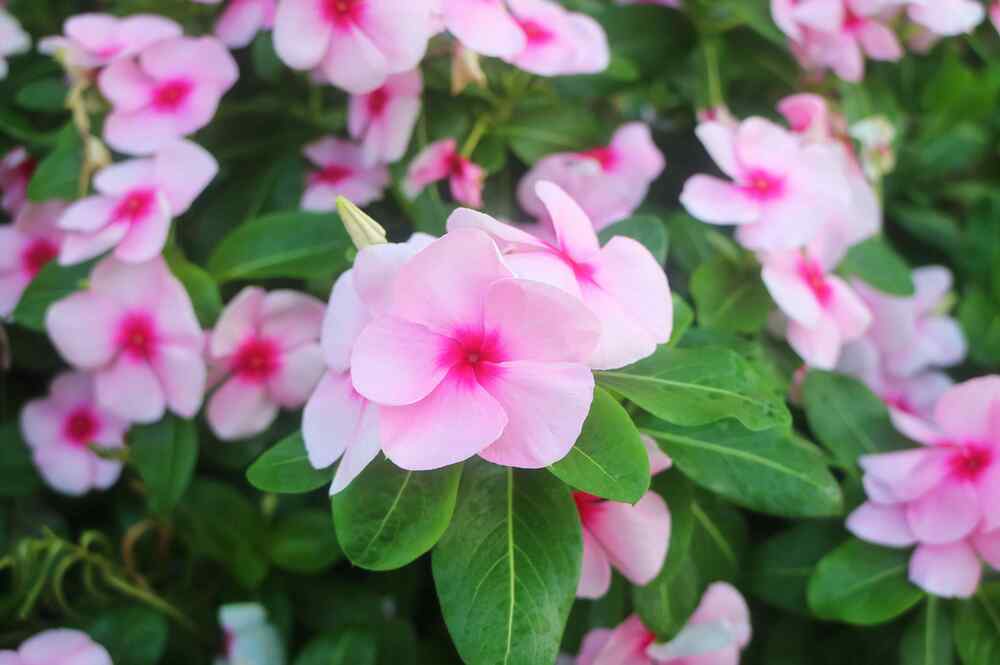
If you have shade, impatiens can fill the nectar gap where sun-loving plants fail.
-
Zones: 2–9
-
Bloom: April–June
-
Light: Full shade
-
Size: ~10–16 inches tall
California tip: Perfect for north-facing entries, under eaves, and shaded courtyards.
20) Flowering Tobacco (Nicotiana tabacum)
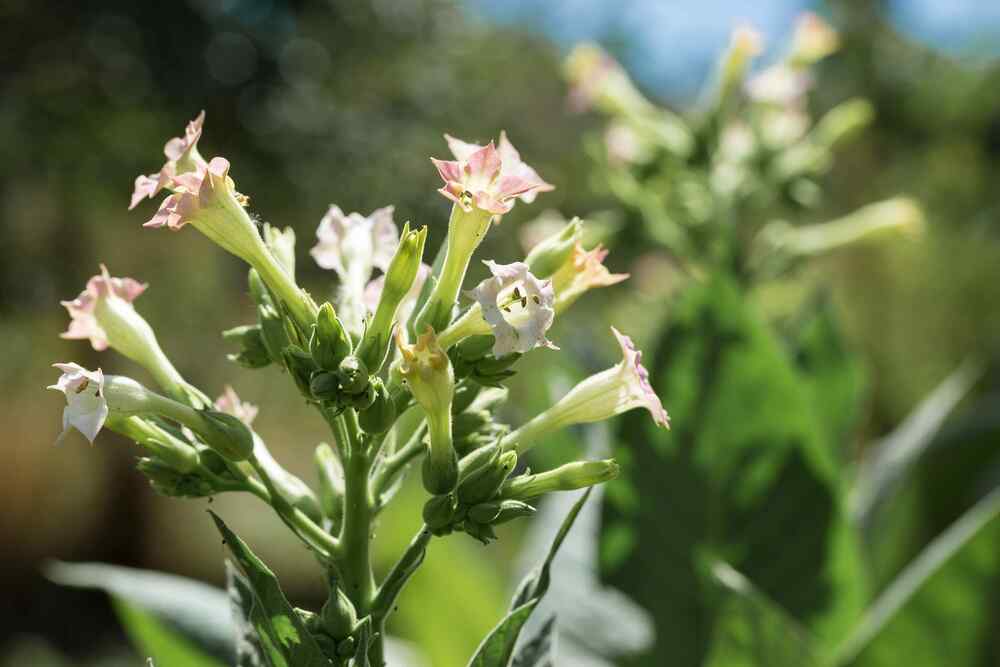
Flowering tobacco offers ornamental blooms and can be useful where browsing mammals are an issue (it’s noted as unpalatable to many mammals).
-
Zones: 3–9
-
Bloom: July–September
-
Light: Full sun to partial shade
-
Size: ~3–5 feet tall
California tip: Use it as a tall annual “nectar pillar” in mixed borders.
21) Rose of Sharon (Hibiscus syriacus)
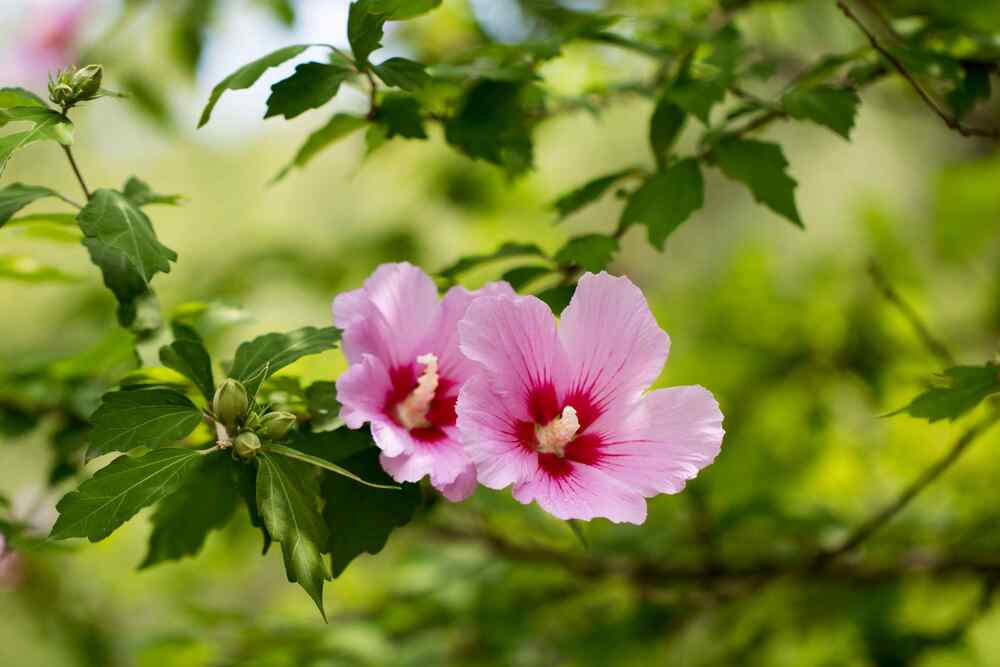
Rose of Sharon blooms later than many plants, helping provide nectar late in the season.
-
Zones: 5–9
-
Bloom: July–October
-
Light: Full sun to partial shade
-
Size: ~8–12 feet tall, 6–10 feet wide
California tip: This is a strong late-season anchor if your garden tends to “run out of flowers” by August.
How to Choose the Right Plants for Your California Microclimate
Coastal California (fog, wind, mild temps)
Prioritize plants that tolerate part shade, moisture variability, and cooler summers:
-
Rhododendron (part shade)
-
Columbine (shade-friendly)
-
Petunias in sunny pockets
Inland valleys (heat, strong sun)
Prioritize full-sun, heat-tolerant nectar plants and water-smart perennials:
-
Salvias (full sun; broad adaptability)
-
Penstemon (full sun)
-
Hummingbird trumpet (full sun; late bloom)
Foothills and mountain regions
Match your elevation and winter cold:
-
Fireweed (cooler zones)
-
Lupine (varies; often spring-to-summer)
-
Larkspur (shade; verify safety)
Southern California and warm winter areas
Use winter-blooming shrubs and long bloomers:
-
Manzanita (Dec–Mar bloom window)
-
Azaleas (long bloom potential depending on variety)
-
Rose of Sharon for late-season nectar
Planting Design for More Hummingbirds (Not Just More Flowers)
Plant in “nectar zones,” not singles
Hummingbirds are territorial, but they still respond to dense feeding patches. Instead of one plant each, try:
-
3–5 of one perennial together (bee balm, penstemon, cardinal flower)
-
A cluster of containers (petunias) near a patio
-
One “nectar wall” (trellis with trumpet vine or scarlet trumpet)
Layer heights for a habitat feel
-
Shrubs: manzanita, golden currant, rose of Sharon
-
Mid-layer perennials: salvia, penstemon, bee balm, cardinal flower
-
Fillers/annuals: petunia, impatiens, flowering tobacco
Keep nectar coming in the “gap months”
A common failure pattern in California: a big spring flush, then a dead zone in late summer heat. Fix that with:
-
July–October bloomers like hummingbird trumpet and rose of Sharon
-
Reliable annual color (petunias can bloom into fall)
Maintenance Rules That Keep Hummingbirds Returning
Go easy on pesticides
Many hummingbird plants are also pollinator plants. Broad-spectrum sprays reduce insect life and can reduce the overall “garden food web” hummingbirds benefit from (they also eat small insects).
Prune aggressive vines on purpose
Trumpet vine and scarlet trumpet are powerful—but only if you manage them.
-
Schedule pruning so vines don’t shade out your other nectar plants.
-
Keep access paths open so you can maintain without trampling.
Water strategically in drought-prone summers
Even drought-tolerant nectar plants bloom better with occasional deep watering. If you want consistent hummingbird activity during dry spells, provide:
-
Deep soak irrigation (less frequent, more thorough)
-
Mulch to stabilize soil moisture
-
Morning watering to reduce evaporation losses
Quick “Starter Plan” for a California Hummingbird Garden
If you want a simple blueprint using the list above:
Back layer (structure + seasonal anchors):
-
Manzanita (winter bloom)
-
Golden currant (spring bloom)
-
Rose of Sharon (late summer/fall bloom)
Middle layer (peak nectar production):
-
Salvia (long bloom season)
-
Penstemon (spring nectar)
-
Bee balm (mid-summer)
Front layer / containers:
-
Petunias (April–October bloom window)
-
Impatiens for shade pockets
Optional “statement plant”:
-
Cardinal flower (especially where you can keep soil moist)
-
A managed vine on a trellis (trumpet vine or scarlet trumpet)
FAQs About Plants That Attract Hummingbirds in California
Do hummingbirds only like red flowers?
Red helps, but nectar volume, bloom shape (often tubular), and consistent flowering are just as important.
What if my garden is mostly shade?
You’re not out of luck. Columbine and impatiens are practical shade-friendly entries from the California list.
What’s the biggest “pro move” for attracting hummingbirds?
Stop thinking in individual plants and start thinking in bloom succession (winter → spring → summer → fall) so your yard becomes a reliable nectar stop.