Front-yard landscaping is one of those things you notice the moment you pull into the driveway. For me, the sweet spot is low shrubs in front of the house—plants that stay tidy, soften the foundation line, and don’t punish you with constant pruning. The best ones sit under 4–5 feet (or behave like they do), handle normal garden life, and still bring texture or flowers.
Before choosing, I always check three basics: sun exposure, drainage, and winter reality. Most foundation shrubs hate “wet feet,” so if water sits after rain, mix in compost, create a slight berm, or use a shrub that tolerates moisture better. Also, leave airflow space from the siding—shrubs pressed against a wall invite pests and mildew.
Below are 11 low shrubs for the front of a house, with USDA growing zones, soil needs, and why the flowers (or foliage) help your curb appeal.
Table of Contents
1) Little Lime® Hydrangea (Hydrangea paniculata ‘Little Lime’)
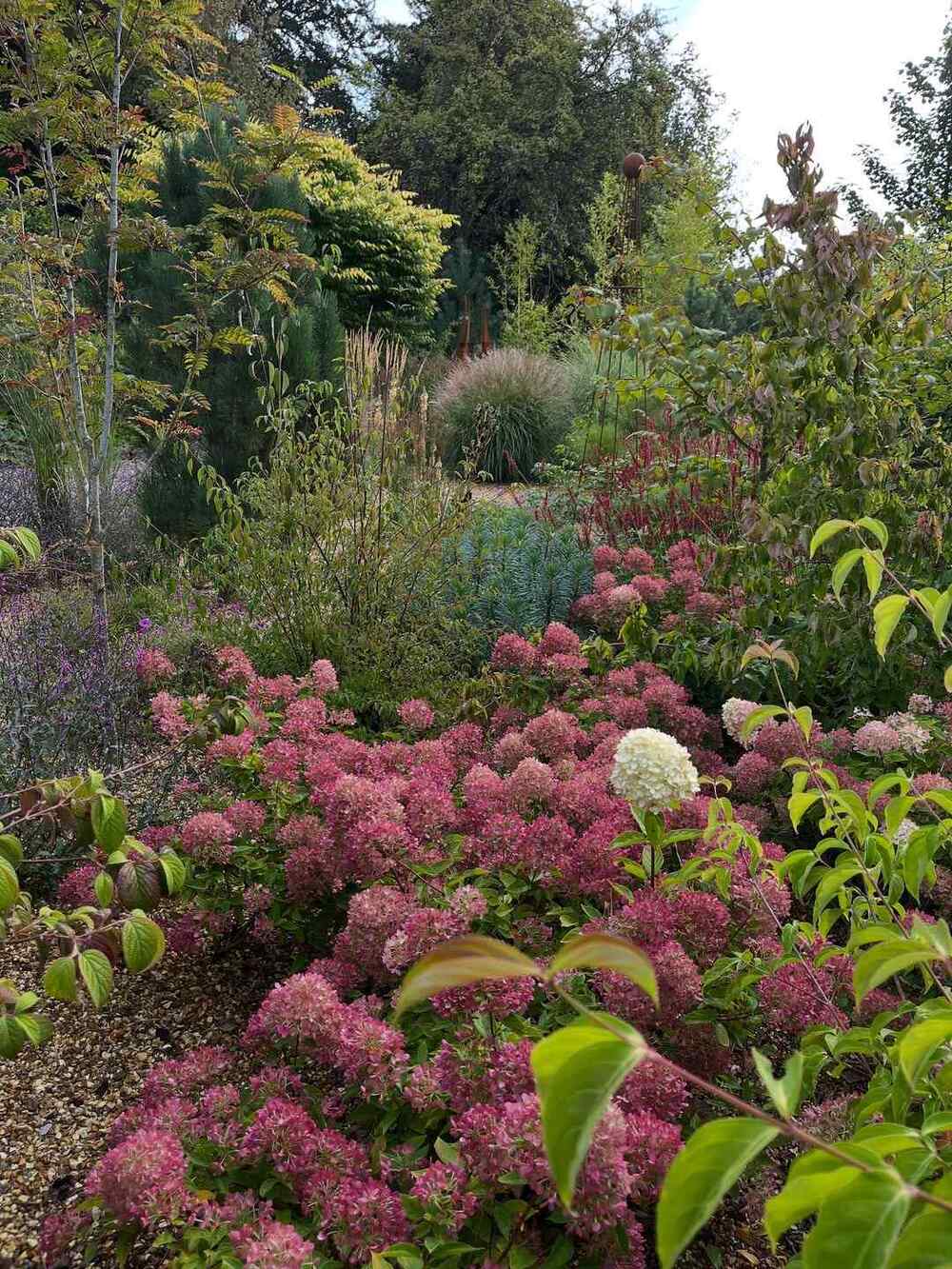
Why it works: Big “wow” blooms in a compact package (about 3–5 ft). The flowers age from lime to creamy white to pinkish tones, so you get a long color show without constant replanting.
Zones: 3–8.
Light: Full sun to part shade (more sun = stronger blooms).
Soil: Adaptable, but well-drained is best; panicle hydrangeas handle average soil better than many people expect.
Flower advantage: Great for late summer into fall, when many yards fade.
2) Dwarf Mugo Pine (Pinus mugo ‘Mughus’)
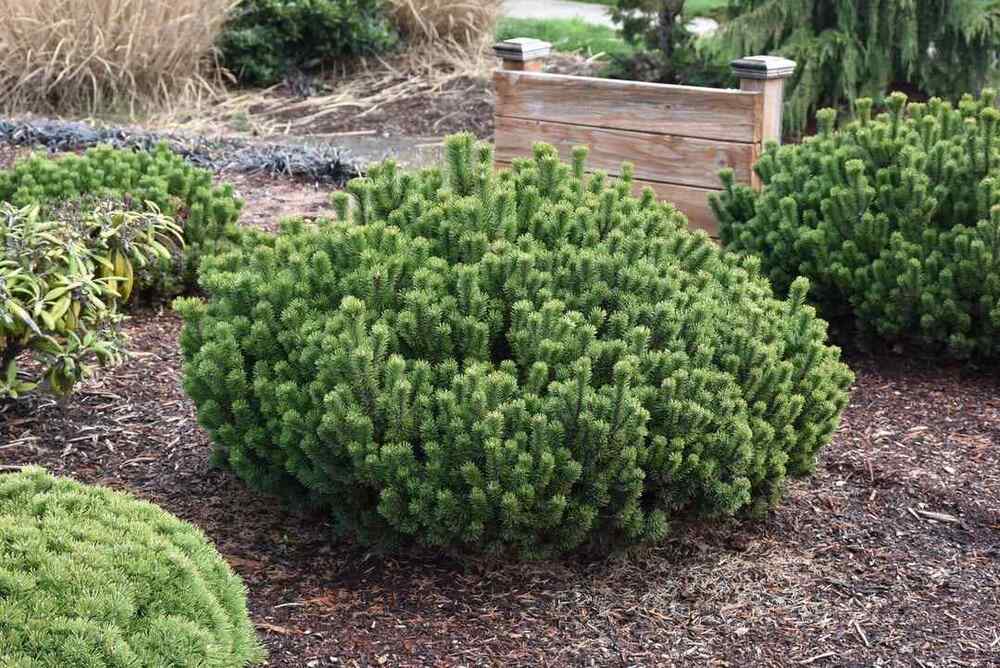
Why it works: A slow-growing evergreen that looks “designed” even when you ignore it. It adds structure in winter, and the dense needles make the front bed look finished year-round.
Zones: 2–7.
Light: Full sun.
Soil: Well-drained, sandy or loamy soils are ideal; tolerates lean soil once established.
Extra tip: If it outgrows the spot, you can “candle prune” in late spring (pinching new growth) to keep it compact.
3) Boxwood (Buxus spp.)
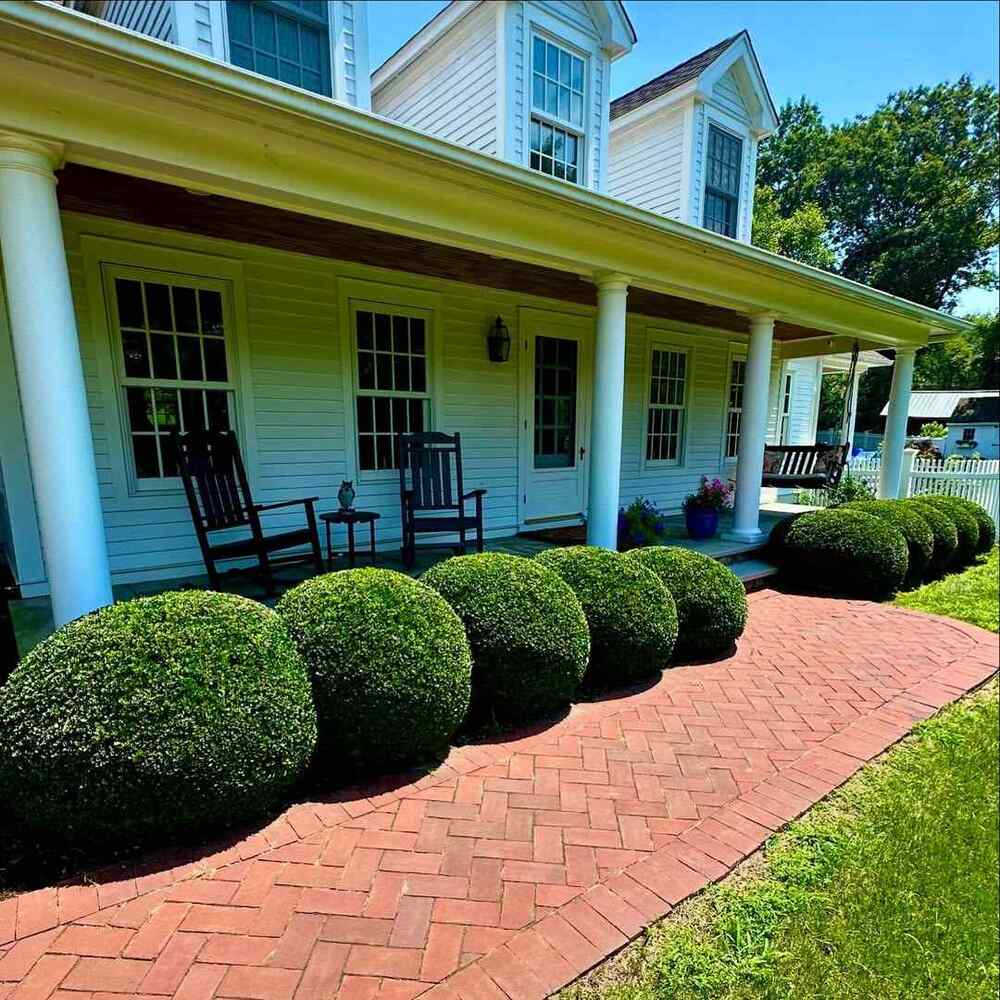
Why it works: Boxwood is the classic foundation shrub for a reason—clean lines, evergreen color, and it can be formal or relaxed depending on how you prune.
Zones: Usually 5–9 (some types are hardier).
Light: Part shade to full sun (in hot areas, afternoon shade helps).
Soil: Well-drained, moderate moisture; avoid soggy clay.
Flower advantage: The flowers are small, but they’re surprisingly bee-friendly in spring.
4) Azaleas & Rhododendrons (Rhododendron spp.)
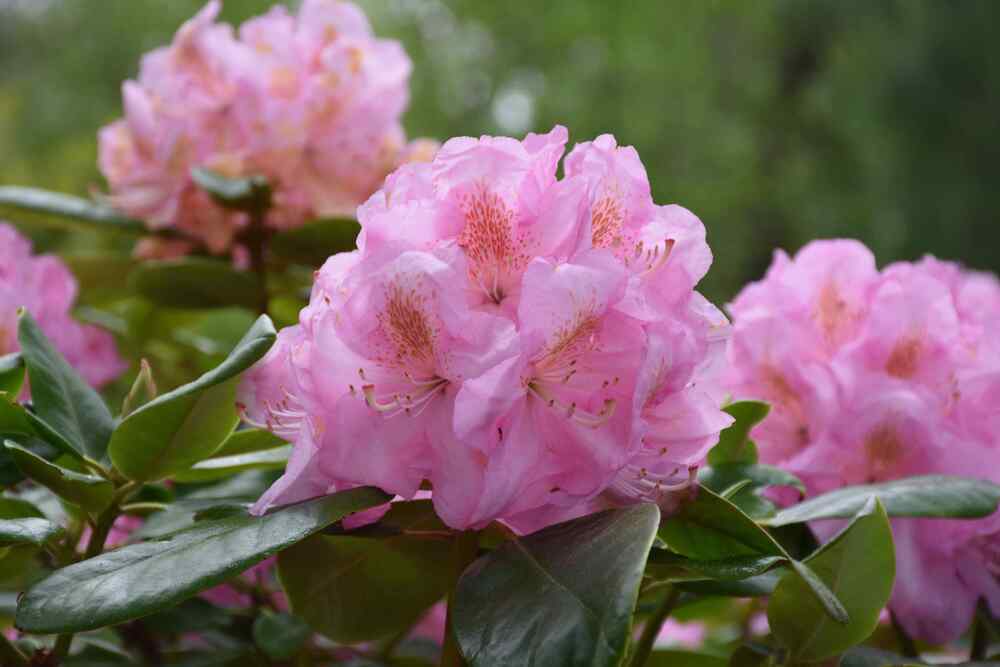
Why it works: Few shrubs beat azaleas for spring color near the front door. When they bloom, the whole house looks more welcoming without needing extra décor.
Zones: Commonly 5–9 (hardy types exist for colder zones).
Light: Bright shade or morning sun; too much harsh afternoon sun can scorch.
Soil: Acidic (pH ~4.5–6), moist but well-drained, rich in organic matter.
Flower advantage: A strong spring bloom can make a simple front bed feel like a planned garden.
5) Creeping Juniper (Juniperus horizontalis)
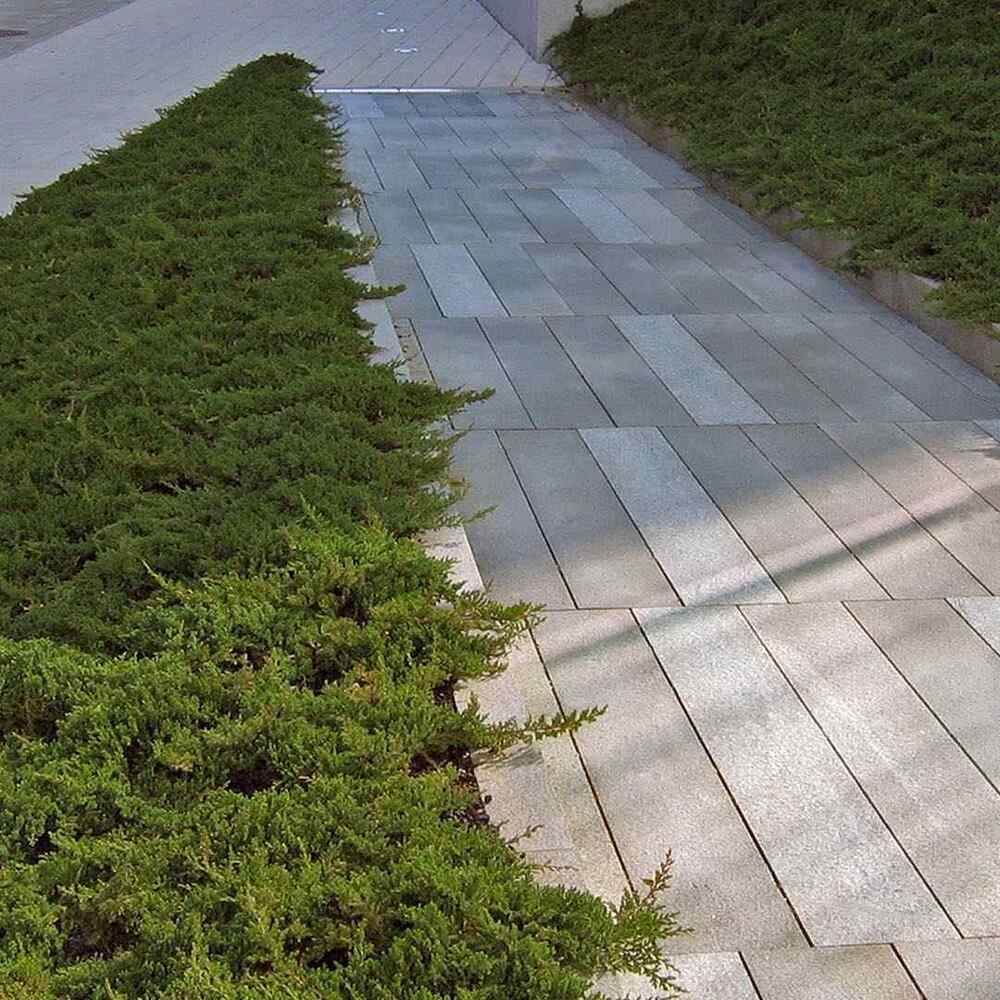
Why it works: This one is a lifesaver for hard spots—hot driveways, dry slopes, or thin soil. It stays low, spreads nicely, and reduces weeding by shading the ground.
Zones: 3–9.
Light: Full sun.
Soil: Tolerates poor soil, but needs drainage; hates constantly wet areas.
Design note: Use it along borders, under taller shrubs, or where mowing is annoying.
6) Golden Euonymus (Euonymus japonicus ‘Aureomarginatus’)
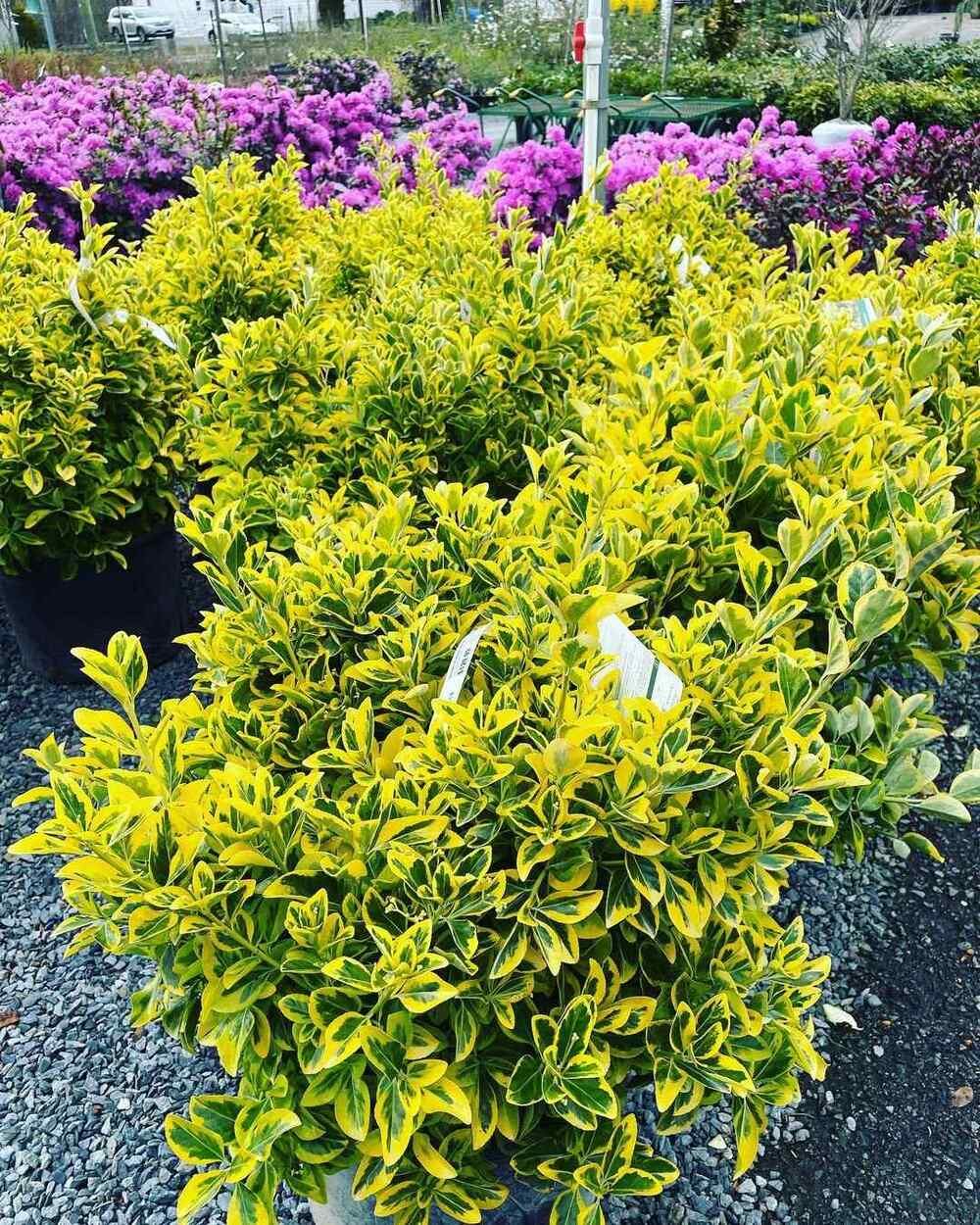
Why it works: The yellow-green foliage adds brightness even on gloomy days. It’s like having a built-in highlight color near your foundation.
Zones: Typically 6–9 (sometimes 5 in protected spots).
Light: Full sun to part shade (more sun = better gold color).
Soil: Average, well-drained soil; moderate watering until established.
Heads-up: Euonymus can attract scale insects—good airflow and regular checkups help.
7) Dwarf Loropetalum (Chinese Fringe Flower)
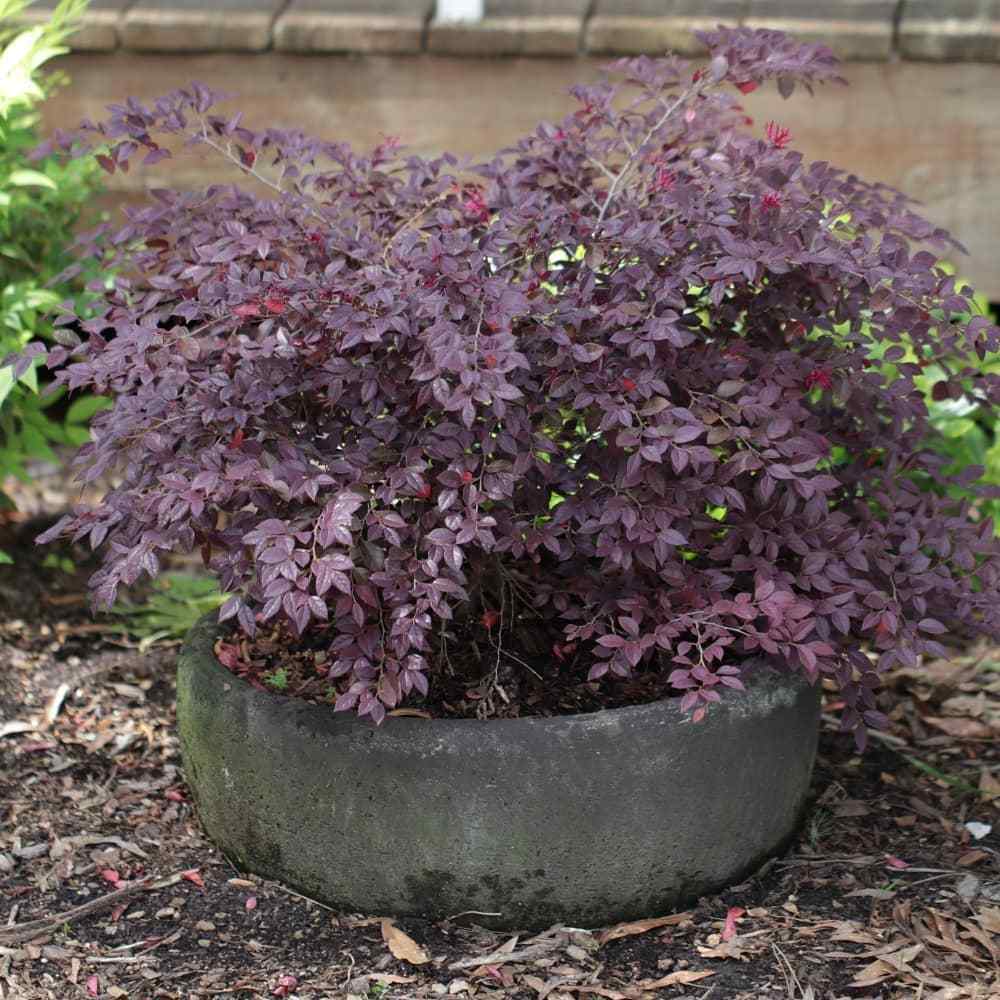
Why it works: Burgundy leaves plus pink fringe flowers is a strong combo. Even when it’s not blooming, the foliage keeps the bed from feeling “all green.”
Zones: 7–10 (some cultivars tolerate 6 with protection).
Light: Full sun to part shade.
Soil: Well-drained, slightly acidic to neutral; mulch helps keep roots cool.
Flower advantage: Early-season blooms add color before summer flowers wake up.
8) Spirea ‘Magic Carpet’ (Spiraea japonica)

Why it works: This spirea gives color in the leaves—red-tinted new growth turns golden, and it often flowers in summer too. It feels cheerful without being fussy.
Zones: 4–9.
Light: Full sun for best foliage color and blooms.
Soil: Adaptable, but prefers well-drained soil; drought tolerant once established.
Flower advantage: Small blooms still pull in pollinators, and the plant rebounds well after pruning.
9) Lavender (Lavandula spp.)
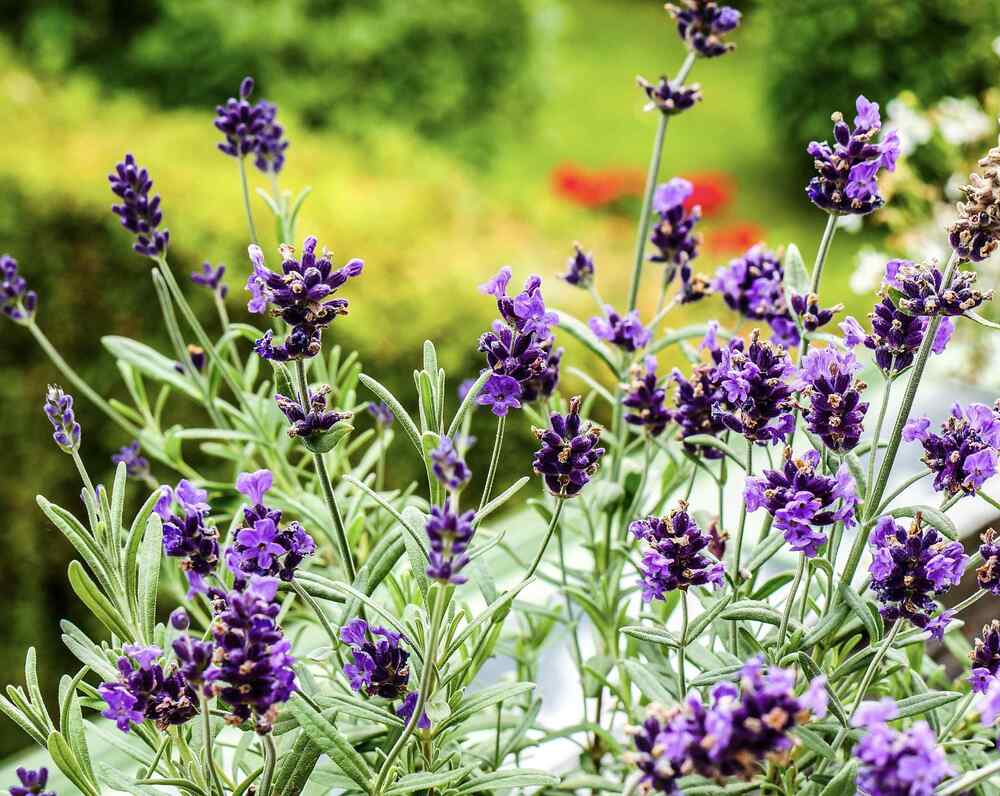
Why it works: Lavender makes a front walkway feel intentional. It’s tidy, fragrant, and the flower spikes look great against stone, brick, or clean mulch lines.
Zones: Often 5–9 (some types handle 4 with winter protection).
Light: Full sun.
Soil: Very well-drained, even sandy or gravelly soil; avoid rich, wet soil.
Flower advantage: The scent and purple blooms bring that “garden moment” right at the entry.
10) Potentilla (Happy Face® series)
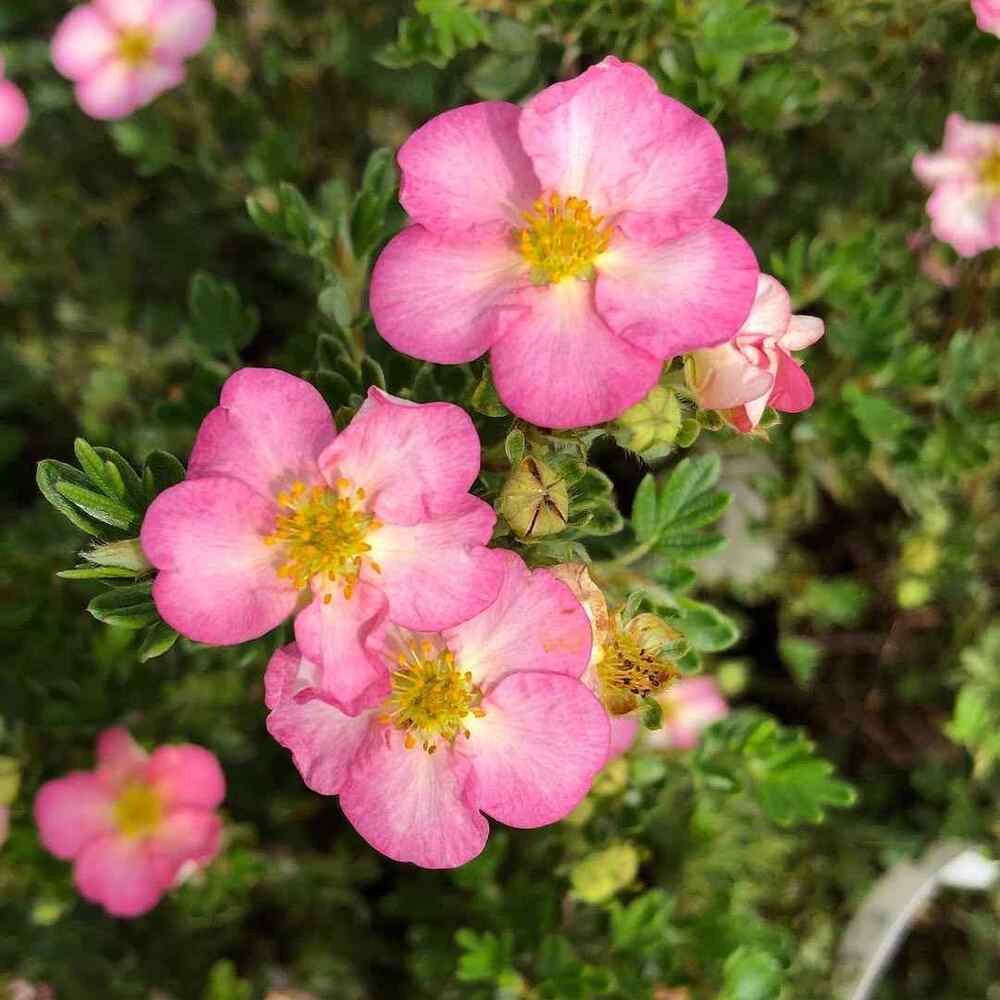
Why it works: Potentilla is tough and keeps flowering for months. If your front yard gets blasted by sun or you don’t want drama, this one just performs.
Zones: Usually 2–7.
Light: Full sun to light shade.
Soil: Average, well-drained soil; handles poor soil better than many flowering shrubs.
Flower advantage: Long bloom season (often spring through fall) keeps curb appeal steady.
11) Dwarf Japanese Maple (Acer palmatum, dwarf cultivars)

Why it works: This is the “art piece” shrub. The shape and leaf color can make the entire foundation bed look curated, even if everything else is simple.
Zones: Commonly 5–8 (varies by cultivar).
Light: Morning sun and afternoon shade is ideal, especially in warmer zones.
Soil: Moist, well-drained, rich soil; mulch helps protect shallow roots.
Maintenance note: More sensitive to wind and heat, so place it in a slightly sheltered front spot.
Simple layout tips that make these shrubs look expensive
Put boxwood or dwarf mugo pine at the corners of the house. Corners visually “anchor” the building, and evergreen structure keeps it stable year-round. Keep them slightly away from gutters and downspouts to avoid constant soaking.
Near windows and walkways, keep plants lower and softer—think Little Lime hydrangea, spirea, lavender, or potentilla. This prevents the “shrubs eating the house” effect and makes the front path feel open.
For a clean, layered look: tallest at corners, mid-height under windows, and ground-hugging plants like creeping juniper at the edge. Repeating 2–3 shrubs in groups usually looks more polished than planting 11 different ones in singles.
A few practical care tricks I actually use
-
Mulch 2–3 inches, but keep it pulled back from stems to prevent rot.
-
Water deeply after planting, then shift to less frequent, deeper watering to build strong roots.
-
If your soil stays wet, pick plants that tolerate it less poorly—or raise the bed slightly.
-
For flowering shrubs, a little spring compost beats heavy fertilizer. Too much nitrogen can mean leaves without blooms.