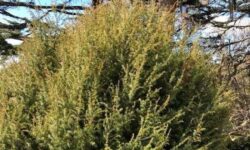
If you’ve ever stood in the garden aisle holding a shrub tag like it’s a tiny legal contract, you’re not alone. I like plants that behave—the kind that don’t demand constant pruning, babying, or a complicated feeding schedule. Low-maintenance bushes and shrubs are exactly that: steady, good-looking “bones” for the yard that keep things tidy in winter, full in summer, and interesting in fall—without turning your weekends into yard work.
Below are 10 shrubs that earn their keep. I’ll note USDA Growing Zones, soil needs, light preferences, and a few practical “do this once and enjoy it” tips.
Table of Contents
1) Boxwood (Buxus spp.)
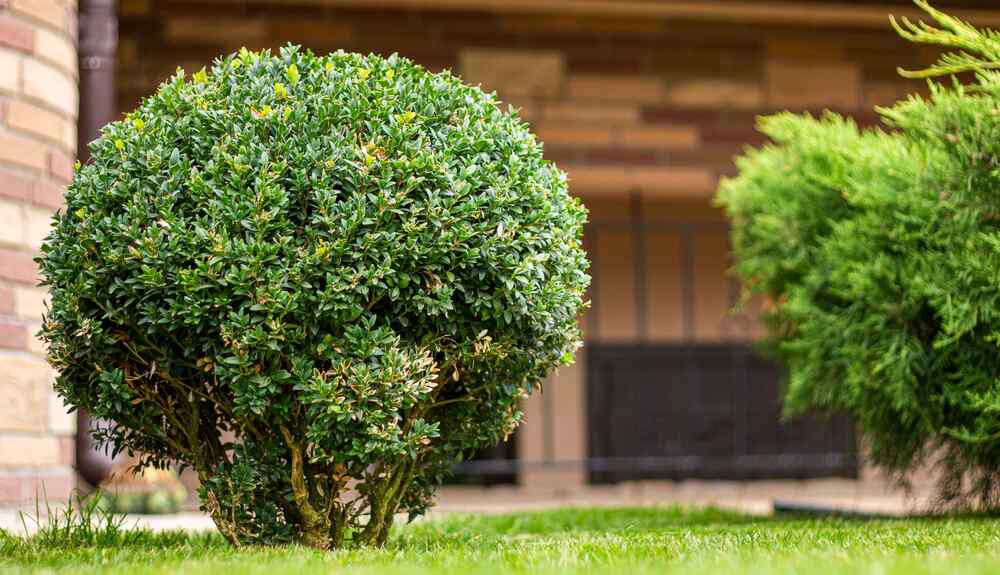
Why it’s easy: Naturally dense and slow-growing, so it holds a clean shape without frequent trimming.
-
USDA Zones: Usually 5–9 (variety-dependent)
-
Light: Part shade to full sun (afternoon shade helps in hot areas)
-
Soil Needs: Well-drained soil; prefers slightly acidic to neutral. Doesn’t love soggy feet.
-
Water: Regular the first season; after that, occasional deep watering during drought.
-
Low-maintenance tip: Mulch 2–3 inches to keep roots cool and reduce weeds. If you ever prune, do it lightly in late spring—don’t scalp it.
Where it shines: Borders, tidy foundation plantings, simple hedges that always look “finished.”
2) Juniper (Juniperus spp.)
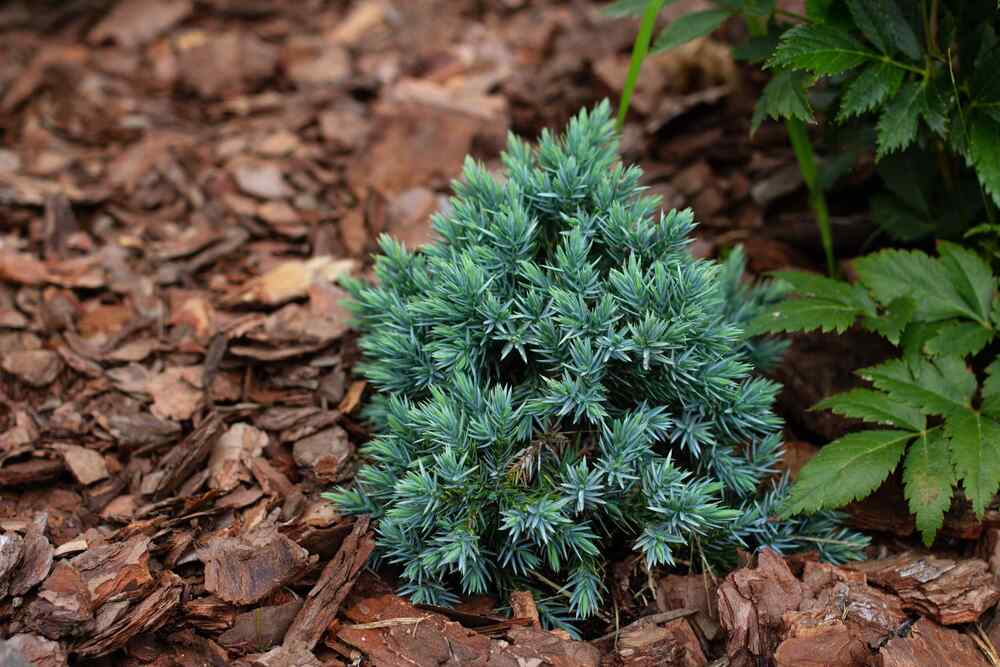
Why it’s easy: Tough as nails. Drought-tolerant, winter-hardy, and usually happy to be ignored.
-
USDA Zones: 3–9 (huge range depending on type)
-
Light: Full sun is best (denser growth and better color)
-
Soil Needs: Adaptable, but well-drained is key. Sandy or rocky soils are totally fine.
-
Water: Low once established.
-
Low-maintenance tip: Skip rich fertilizer—too much can make junipers floppy. If you must do anything, just pull weeds and let it sprawl or stand tall in peace.
Where it shines: Slopes, hot sunny spots, groundcovers, and low-water landscapes.
3) Ninebark (Physocarpus opulifolius)
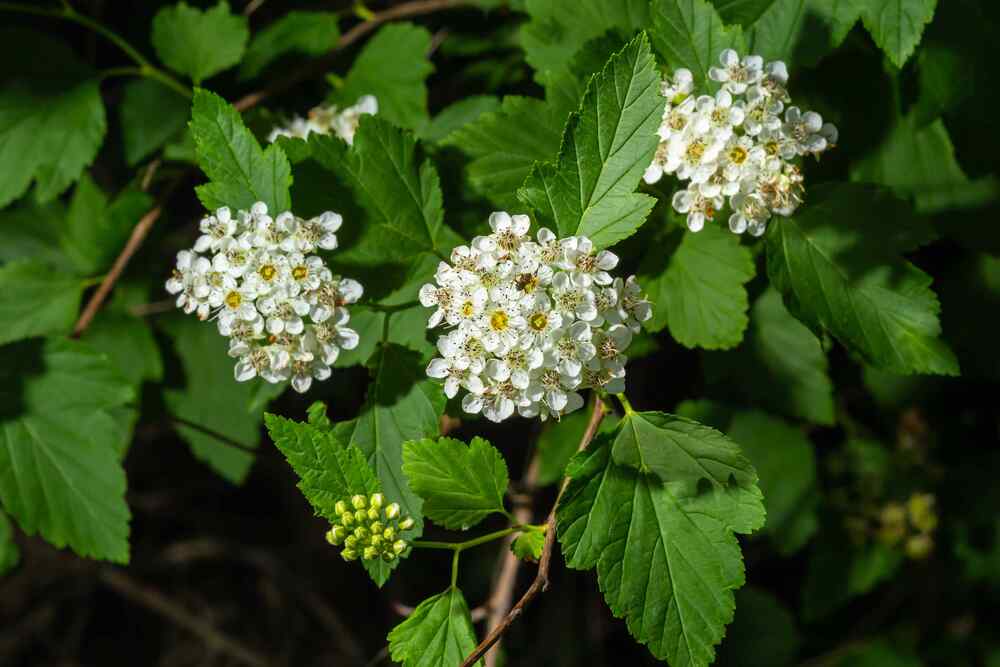
Why it’s easy: Fast-growing, resilient, and not picky. Plus, the peeling bark looks great up close.
-
USDA Zones: 2–8
-
Light: Full sun to part shade (best leaf color in sun—especially burgundy/orange varieties)
-
Soil Needs: Tolerates a lot—clay included—but prefers well-drained soil.
-
Water: Moderate the first year; then pretty drought-tolerant.
-
Low-maintenance tip: Every few years, you can do “renewal pruning”: remove 1–3 of the oldest stems at the base after flowering. Not required, but it keeps the shape fresh without fuss.
Where it shines: Mixed shrub borders, fast privacy filler, and anywhere you want color without constant maintenance.
4) Potentilla (Potentilla fruticosa)
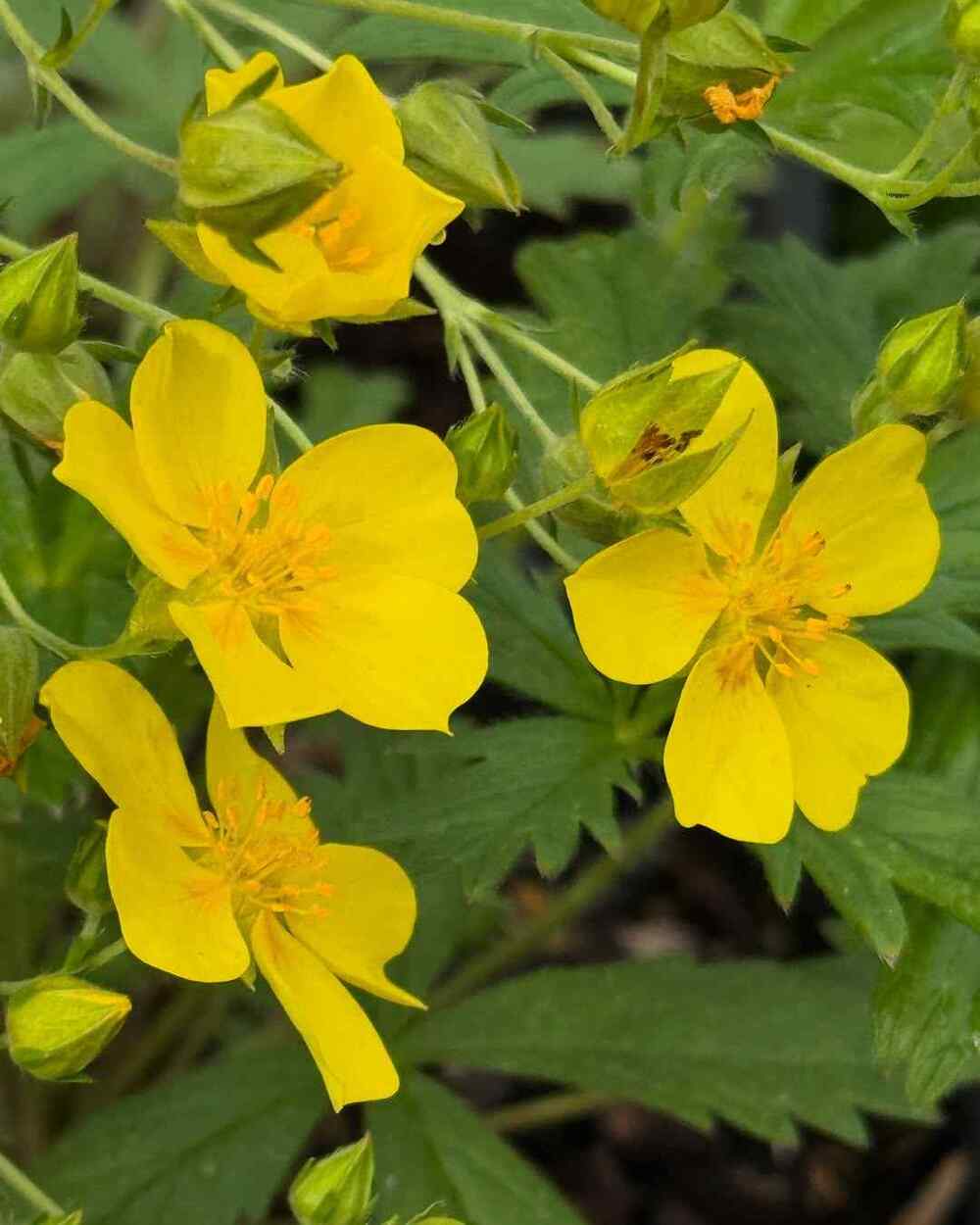
Why it’s easy: Blooms all summer like it’s being paid hourly, yet it doesn’t act dramatic about heat, wind, or mediocre soil.
-
USDA Zones: 2–7 (often to 8 depending on variety)
-
Light: Full sun (more flowers) but handles light shade
-
Soil Needs: Well-drained; tolerates poor soils; doesn’t like soggy ground.
-
Water: Low to moderate once established.
-
Low-maintenance tip: In early spring, a quick one-third haircut (or just shaping) encourages fresh growth. If you skip it, it still flowers—just a bit looser.
Where it shines: Front-of-border color, curb-edge plantings, and cold-climate gardens that need reliable bloom.
5) Fatsia japonica (Japanese Aralia)
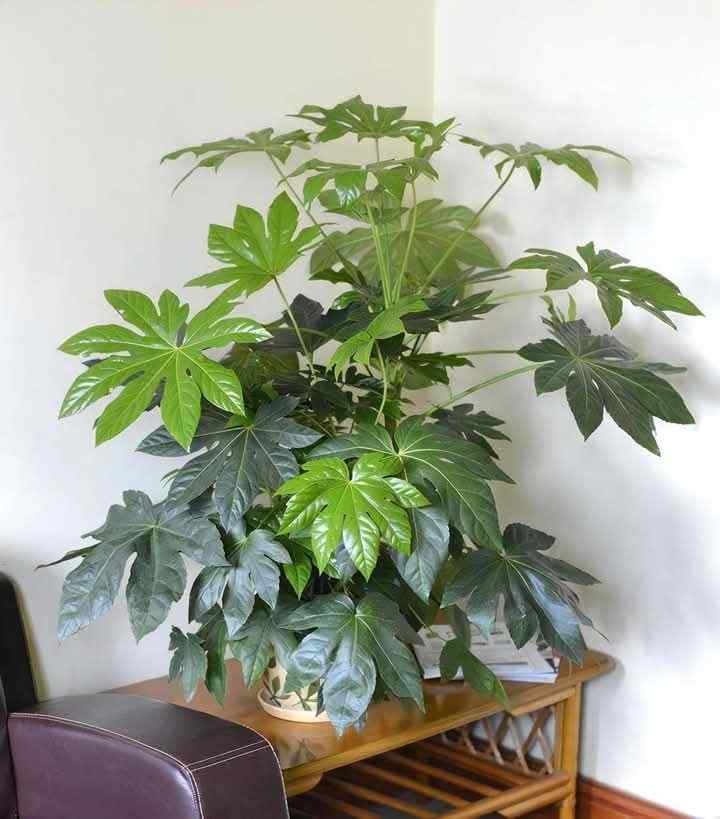
Why it’s easy: Big glossy leaves in shade with minimal complaints. It gives that lush, “tropical” vibe without tropical-level work.
-
USDA Zones: 7–10 (some protection needed on the colder end)
-
Light: Part shade to full shade
-
Soil Needs: Rich, well-drained, consistently moist soil is ideal (not swampy, just not bone-dry).
-
Water: Moderate; more in hot weather, especially in containers.
-
Low-maintenance tip: Shelter it from harsh wind (big leaves can tear). In cooler zones, plant near a wall for warmth and use mulch in winter.
Where it shines: Shady patios, under trees, north-facing foundation beds—any spot that needs texture.
6) Sweet Box (Sarcococca confusa)
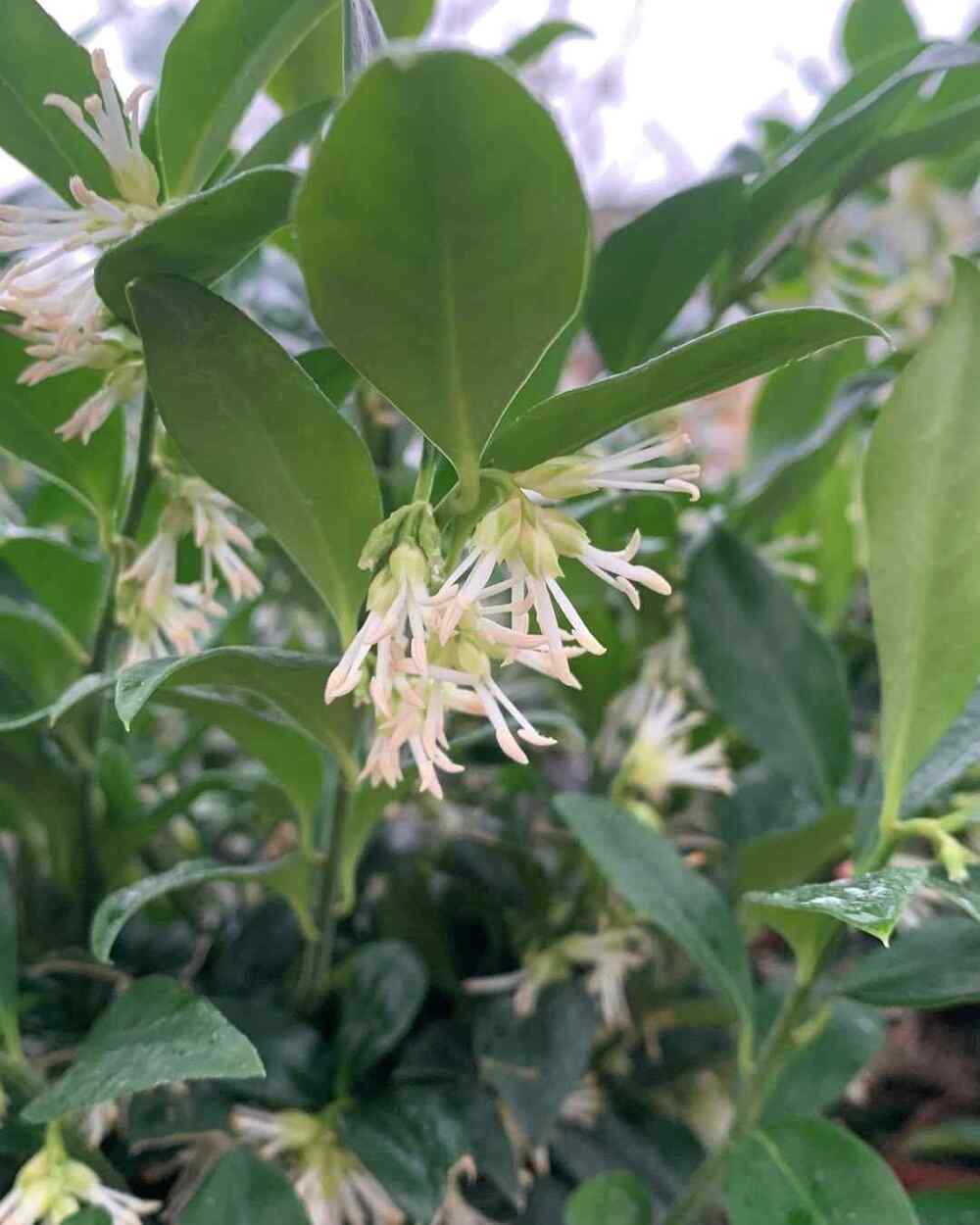
Why it’s easy: Evergreen, shade-tolerant, and it smells amazing in winter when you least expect it.
-
USDA Zones: 6–9
-
Light: Part shade to full shade
-
Soil Needs: Prefers moist, well-drained soil; tolerates clay if drainage is decent.
-
Water: Moderate; once established it’s fairly tolerant, but don’t let it bake dry in shade roots.
-
Low-maintenance tip: Plant it near a walkway or doorway so you actually notice the winter fragrance. It’s the kind of plant that makes you grin in January.
Where it shines: Shade borders, under shrubs/trees, winter-interest corners.
7) Panicle Hydrangea (Hydrangea paniculata, e.g., ‘Fire Light’)
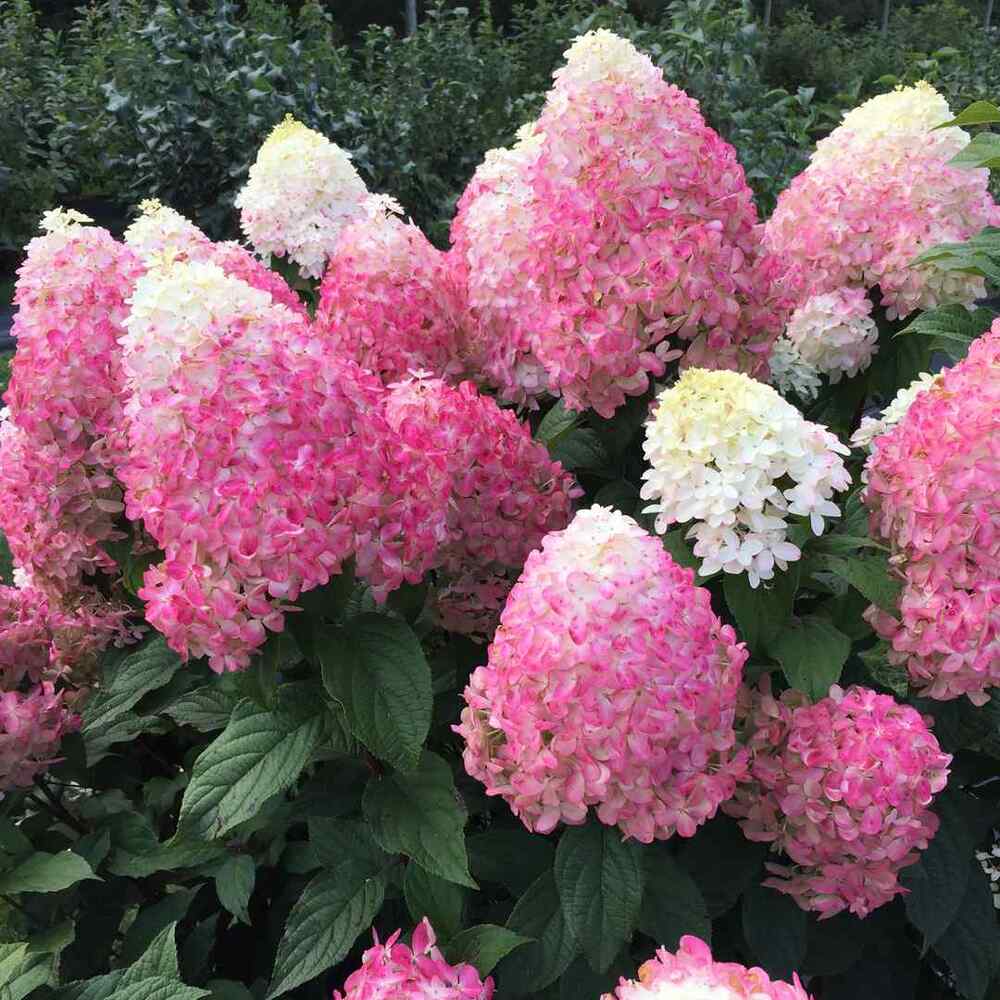
Why it’s easy: Unlike fussier hydrangeas, panicle types bloom reliably and handle cold better. They flower on new wood, so pruning mistakes aren’t a season-ruiner.
-
USDA Zones: 3–8
-
Light: Full sun to part shade (afternoon shade helps in hotter climates)
-
Soil Needs: Moist, well-drained, rich soil is best; tolerates clay better than many shrubs.
-
Water: Moderate; consistent moisture = bigger blooms.
-
Low-maintenance tip: Prune in late winter or early spring if you want a tidier shape. If you don’t prune, you still get flowers—just a more relaxed form.
Where it shines: Feature shrub in beds, near patios for late-season color, and anywhere you want showy blooms without a lot of drama.
8) Arrowwood Viburnum (Viburnum dentatum)
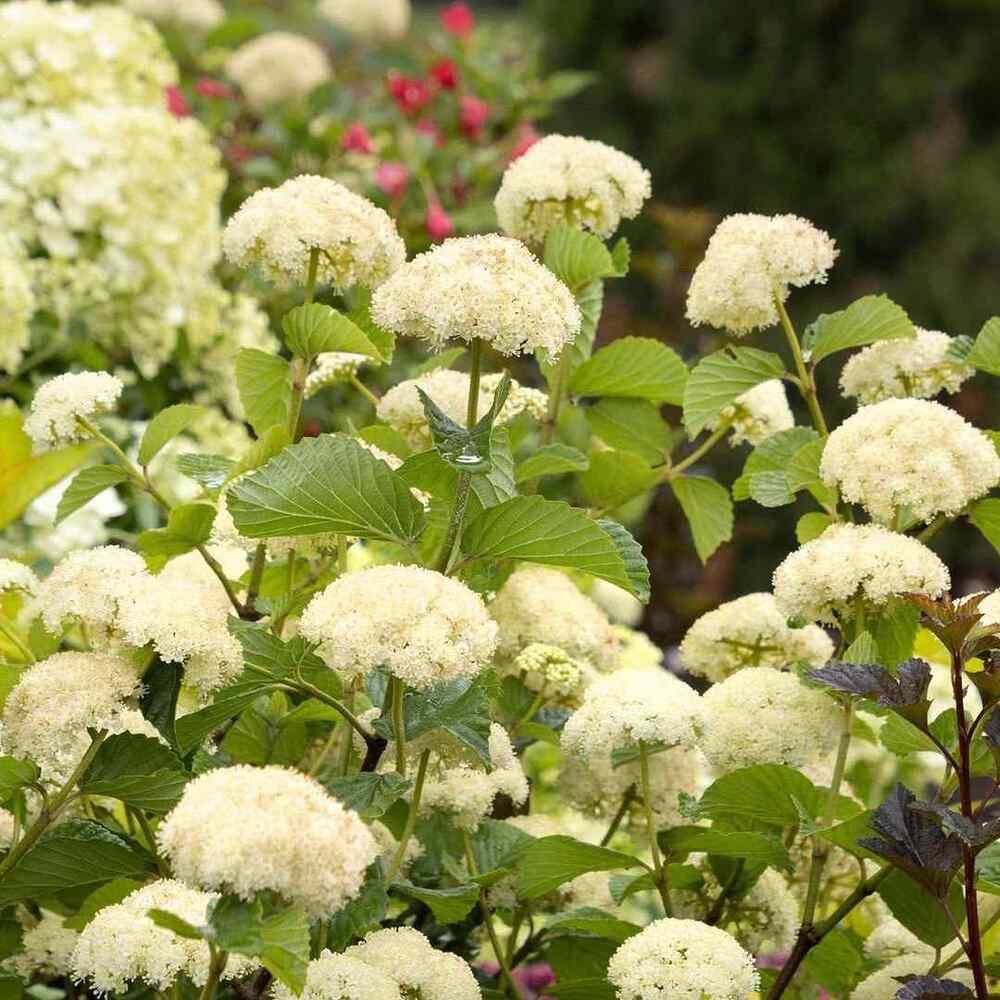
Why it’s easy: A native workhorse (in many regions) with spring flowers, berries for birds, and strong fall color—without needing constant care.
-
USDA Zones: 2–8
-
Light: Full sun to part shade
-
Soil Needs: Adaptable; prefers moist, well-drained soil but tolerates various types.
-
Water: Moderate the first year; then fairly resilient.
-
Low-maintenance tip: If berries matter to you, plant more than one viburnum variety nearby for better pollination (some set more fruit with cross-pollination). Also: birds will treat it like a buffet—plan accordingly.
Where it shines: Native plantings, mixed borders, privacy screens with seasonal interest.
9) Wintercreeper (Euonymus fortunei)
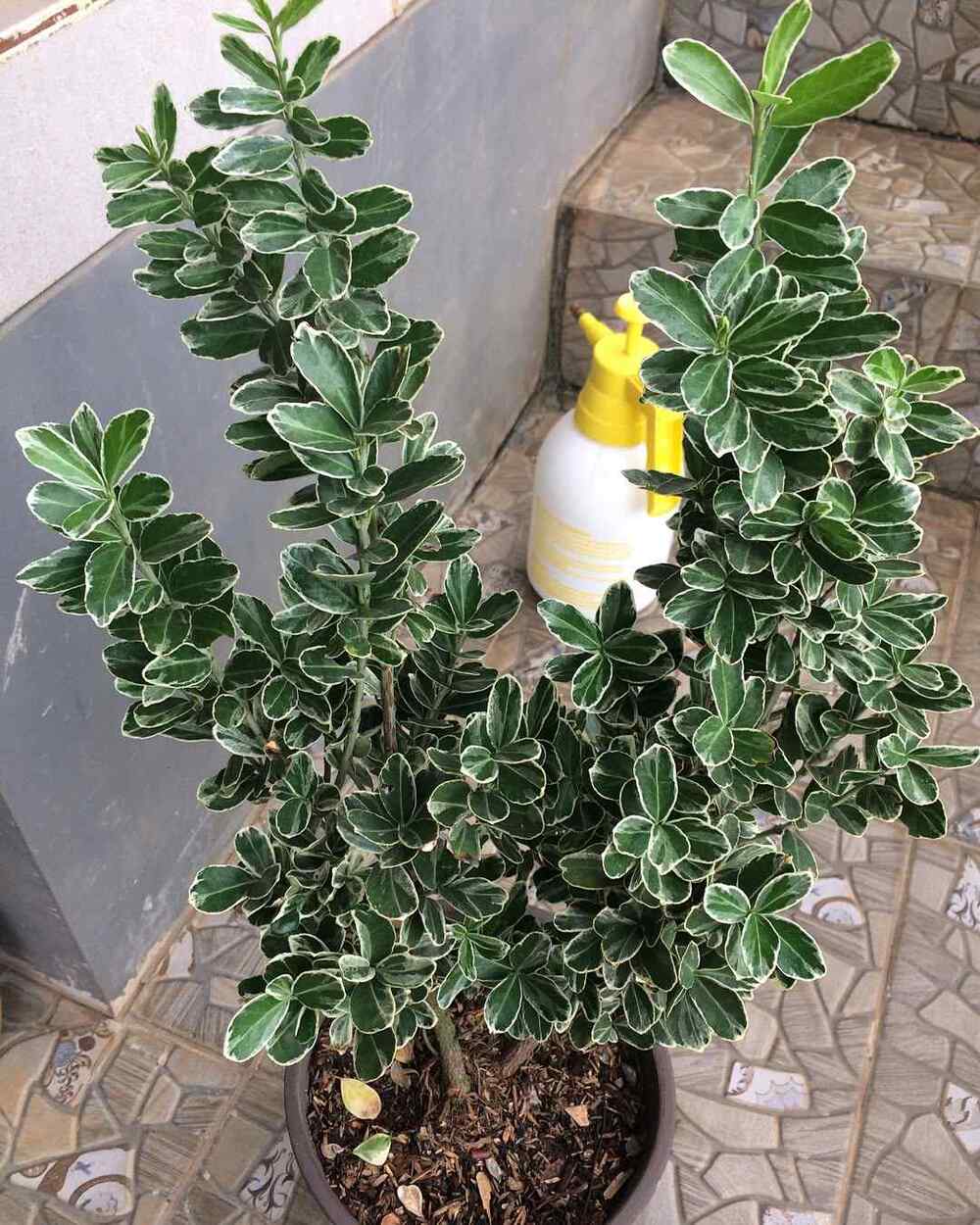
Why it’s easy: Evergreen, hardy, and flexible—groundcover, low shrub, or climbing vine depending on how you use it.
-
USDA Zones: 5–9
-
Light: Full sun to full shade (variegation shows best with some sun)
-
Soil Needs: Very adaptable; well-drained is ideal but it tolerates a lot.
-
Water: Low to moderate once established.
-
Low-maintenance tip: Give it boundaries. If you don’t want it wandering, edge it or prune once or twice a year. It’s not “high maintenance,” but it is enthusiastic.
Where it shines: Groundcover under shrubs, bright winter color, covering awkward slopes.
10) Cherry Laurel (Prunus laurocerasus)
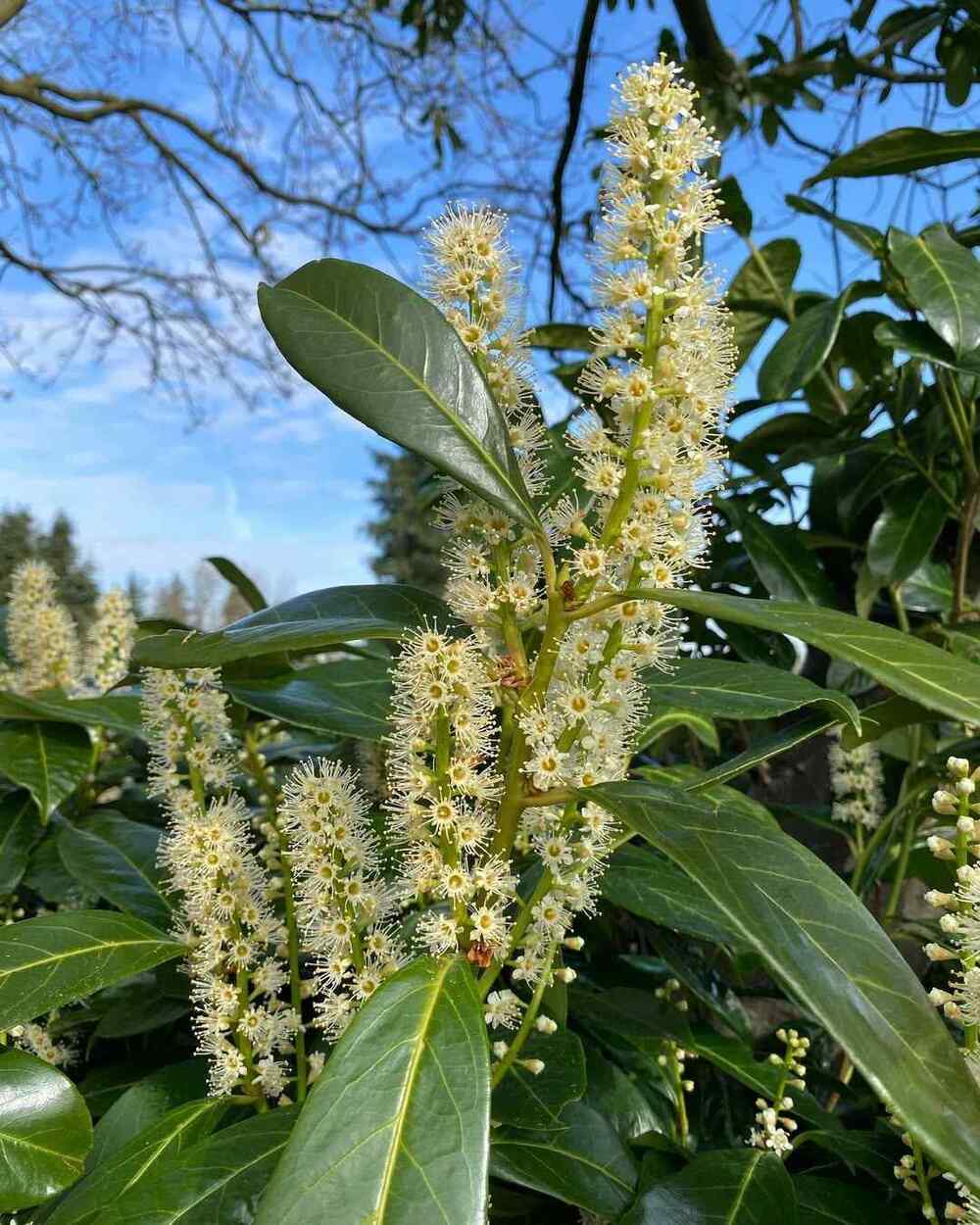
Why it’s easy: Dense, glossy, fast-growing evergreen—classic privacy screen energy with minimal babysitting.
-
USDA Zones: 6–9 (some cultivars vary)
-
Light: Full sun to part shade
-
Soil Needs: Prefers well-drained soil, but tolerates clay if not waterlogged.
-
Water: Moderate until established; then pretty steady.
-
Low-maintenance tip: If you want a thick screen, plant with enough spacing for airflow (helps reduce disease issues). One light prune after spring growth is usually plenty.
Where it shines: Privacy hedges, evergreen backdrops, hiding fences and neighbors’ junk piles.
A few “set it up right” tricks that save you years of work
1) Match the shrub to the light first. Shade plants sulk in sun, sun plants get thin in shade. Fixing that later is… not fun.
2) Dig a wide hole, not a deep one. Shrubs hate being planted too deep. Keep the top of the root ball slightly above grade if your soil is heavy.
3) Mulch like you mean it (but don’t smother the trunk). A clean 2–3 inch layer reduces watering needs and weeds. Keep mulch a few inches away from stems.
4) Water deeply the first season. Most “low-maintenance” shrubs become low-maintenance only after their roots settle in. A slow soak once a week (when it’s dry) beats daily sprinkles.
5) Go easy on fertilizer. Many shrubs grow best with a light compost top-dressing in spring. Too much fertilizer can mean weak growth, pests, or flopping.
Quick pairing ideas (because design matters, too)
-
Tidy + classic: Boxwood + panicle hydrangea (structure + big bloom)
-
Dry, sunny, no-fuss: Juniper + potentilla (color + toughness)
-
Moody shade corner: Sweet box + fatsia (fragrance + bold leaves)
-
Four-season native vibe: Ninebark + arrowwood viburnum (flowers, bark, berries, fall color)