If your front yard feels a little flat, shrubs are usually the fastest way to fix it. They give the house “bones” in winter, soften hard corners, and can carry color for months without you babysitting them. I like shrubs because they’re forgiving: plant them right, mulch them well, and most will quietly do their job for years.
A quick tip before you buy anything: measure your space and check the plant’s mature width. Foundation planting goes wrong when a shrub is cute at 1 gallon… then turns into a green bulldozer. I also try to mix evergreens (structure) with flowering shrubs (seasonal drama) so the yard never looks empty.
Table of Contents
1) Boxwood (Buxus)
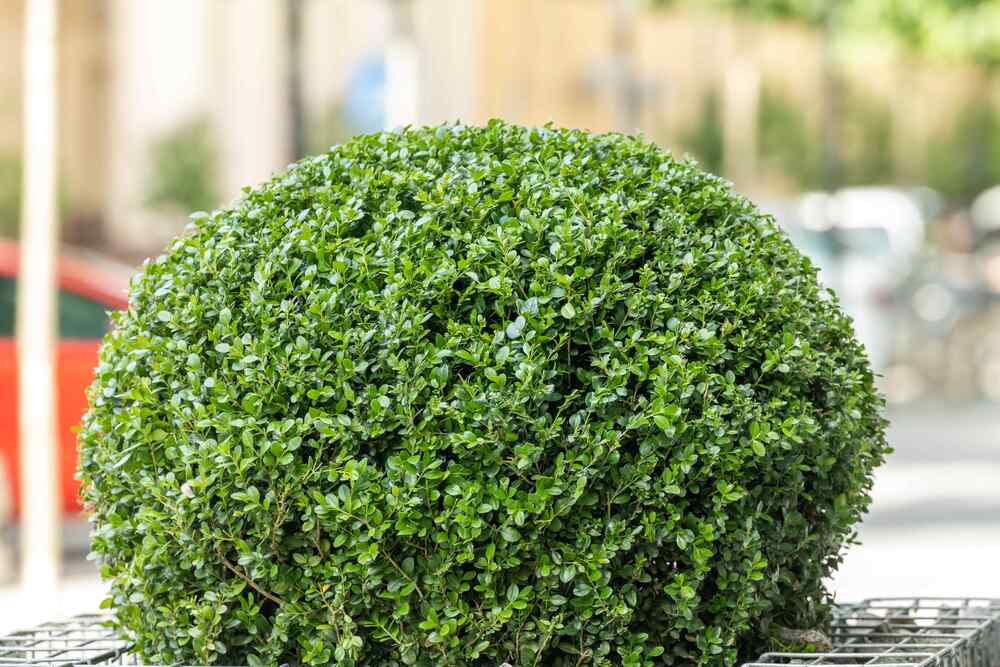
Why it’s worth planting: Boxwood is the classic “clean lines” shrub. It makes a front yard look intentional, even if the rest is a little wild. It’s evergreen, so you get year-round shape and color.
Growth habit: Dense, rounded to slightly upright, depending on variety. Great for edging, low hedges, or pairing with flowering shrubs.
Sun exposure: Full sun to part shade (afternoon shade helps in hotter areas).
USDA zones: Usually 5–9 (variety matters).
Soil needs: Well-drained soil; neutral to slightly alkaline is fine. Avoid soggy spots.
Care notes: Light pruning in late spring keeps it sharp. Mulch helps shallow roots stay cool.
2) Hydrangea (Panicle or Smooth like ‘Annabelle’)
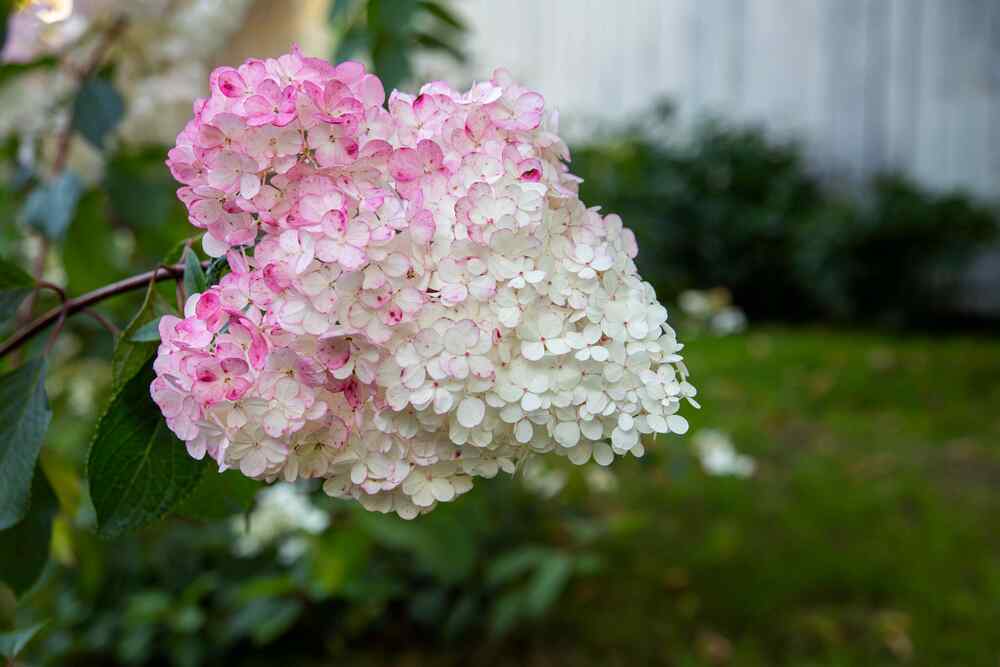
Why it’s worth planting: Hydrangeas give that “wow” moment with big blooms, and they’re perfect when you want a focal point near the entry. Panicle and smooth types are especially reliable.
Growth habit: Mounded and medium-large, usually 3–8 feet depending on type. Great as a soft anchor plant near corners.
Sun exposure: Morning sun + afternoon shade is ideal, though panicles handle more sun.
USDA zones: Often 3–9 (panicle/smooth are tough).
Soil needs: Moist, rich, well-drained.
Care notes: Water deeply during hot spells. Prune at the right time—panicles/smooth bloom on new wood, so late winter pruning works.
3) Azalea (Evergreen or Deciduous)
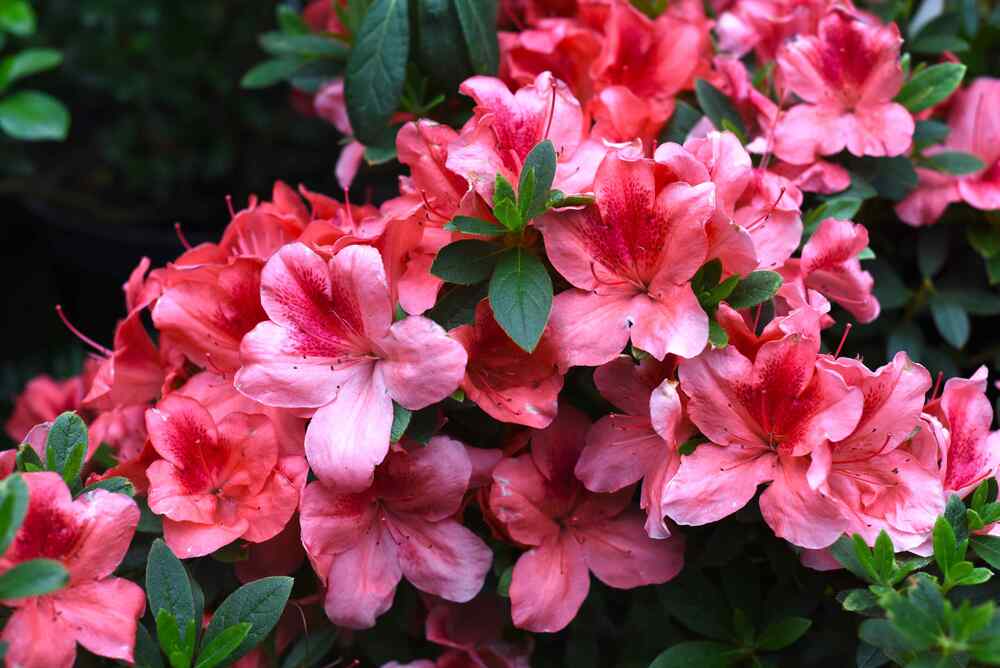
Why it’s worth planting: Azaleas are spring fireworks. When they bloom, the whole front yard feels cheerful. Many varieties stay compact and behave well in foundation beds.
Growth habit: Rounded, branching shrub, typically 2–6 feet. Some are evergreen, so you keep leaves most of the year.
Sun exposure: Part shade is perfect; dappled light keeps them happy.
USDA zones: Roughly 5–9 (varies widely).
Soil needs: Acidic, well-drained, organic-rich soil.
Care notes: Mulch is your friend. Prune right after blooming if needed, not later, or you’ll snip off next year’s buds.
4) Juniper (Blue Point, Grey Owl, and other types)
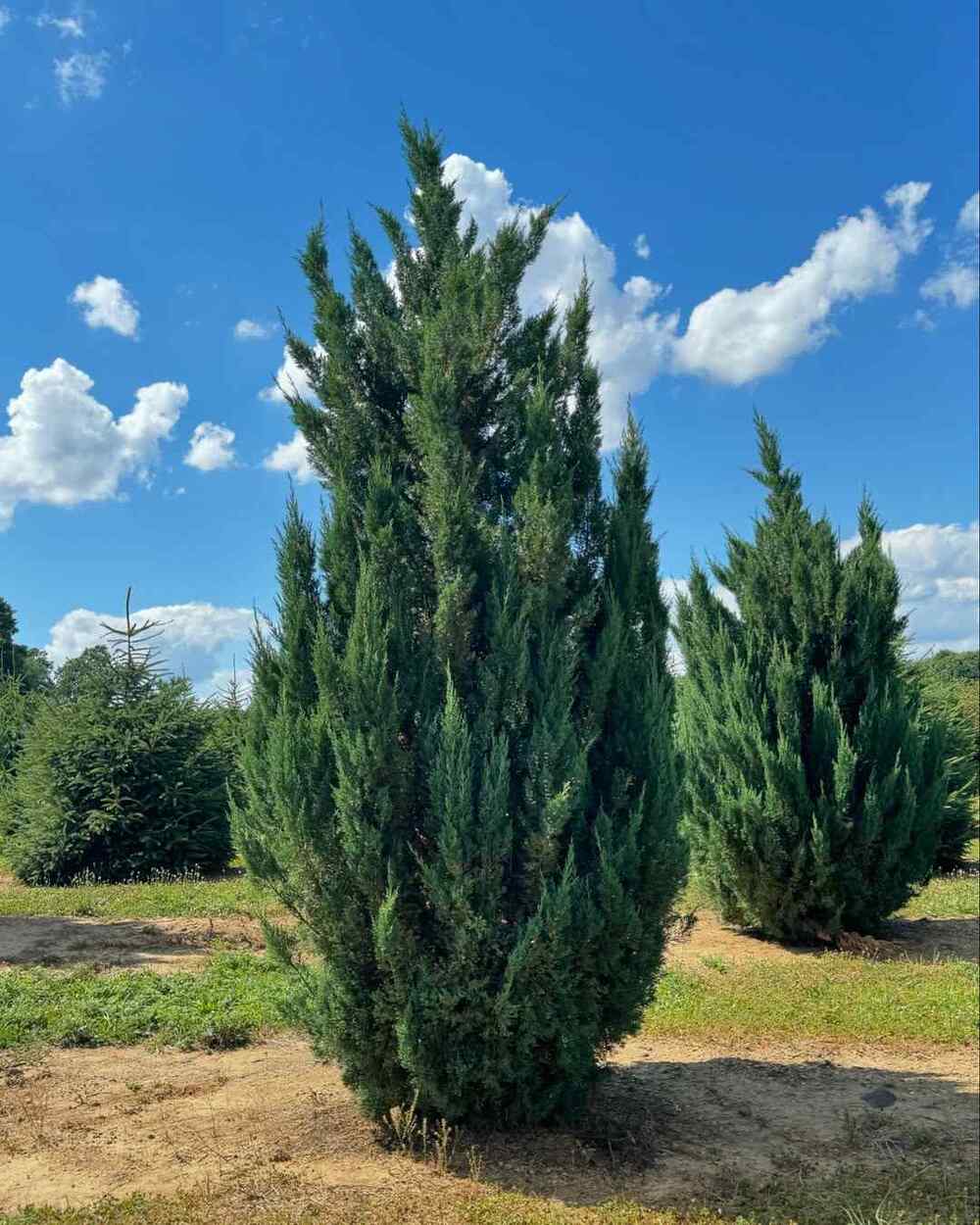
Why it’s worth planting: Junipers are tough. They handle heat, drought, and poor soil better than most shrubs. The blue-green foliage adds cool contrast against brick, stone, or white siding.
Growth habit: Depending on variety: upright column, spreading mound, or ground-hugger. Choose the form that matches your space.
Sun exposure: Full sun is best.
USDA zones: Commonly 3–9.
Soil needs: Well-drained, even sandy or rocky soil.
Care notes: Don’t overwater. Give airflow. Pruning is mostly optional—think “light shaping,” not heavy cutting.
5) Spirea (like Double Play series)
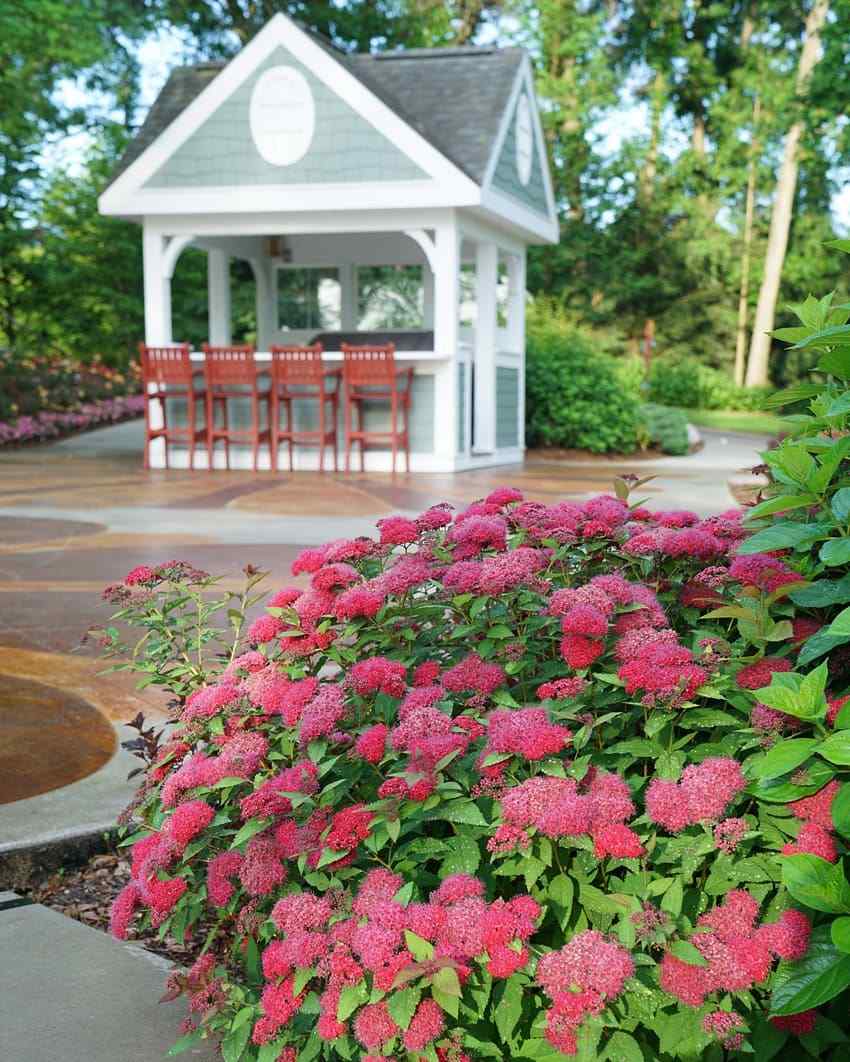
Why it’s worth planting: Spirea is one of those shrubs that makes you feel like a better gardener than you are. It flowers reliably, and many varieties have foliage that shifts color through the seasons.
Growth habit: Compact mound, often 2–4 feet. It’s a great filler that still feels decorative.
Sun exposure: Full sun for best color and blooms.
USDA zones: Typically 3–8.
Soil needs: Average garden soil, as long as it drains.
Care notes: A quick trim after flowering can encourage a neat shape and sometimes a second flush of blooms.
6) Gardenia (Diamond Spire, August Beauty)
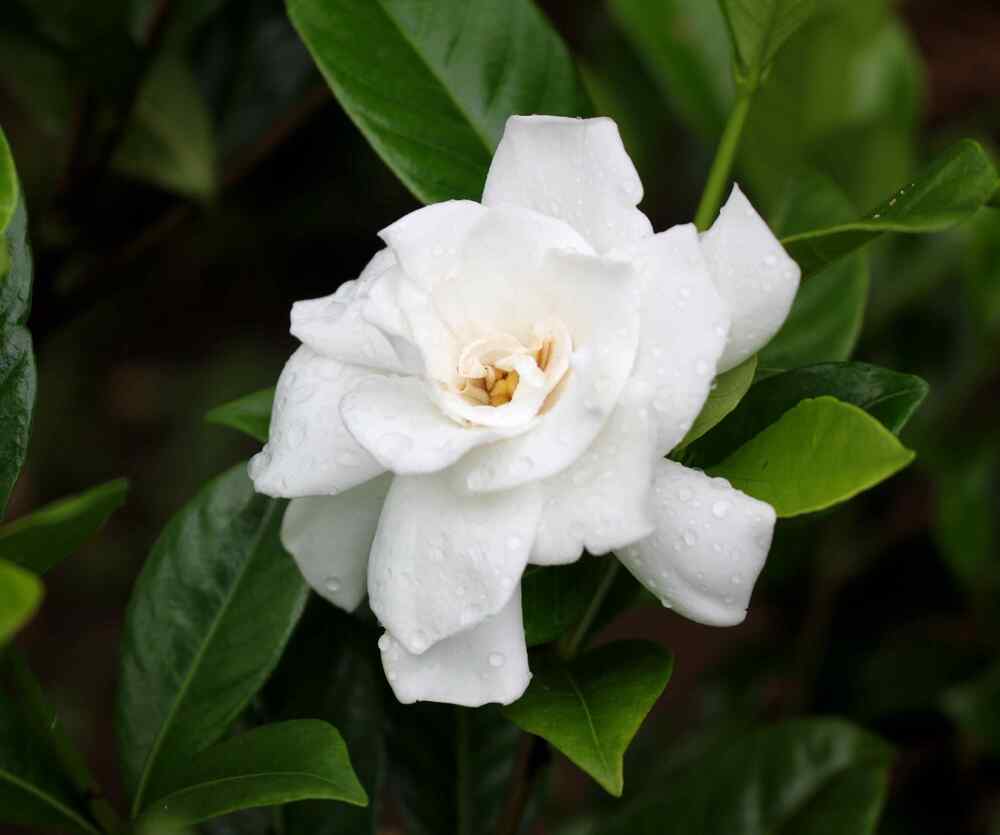
Why it’s worth planting: Gardenia is for people who want fragrance near the walkway or porch. The glossy green leaves look polished, and the white flowers smell like summer.
Growth habit: Upright to mounded; size depends on variety, usually 2–6 feet. Works beautifully near entrances.
Sun exposure: Full sun to part shade (morning sun is ideal in hot climates).
USDA zones: Usually 7–11 (some hardy types exist).
Soil needs: Acidic, rich, evenly moist soil with good drainage.
Care notes: Protect from cold wind. Keep moisture steady—gardenias sulk if they dry out too hard.
7) Loropetalum (like Jazz Hands)
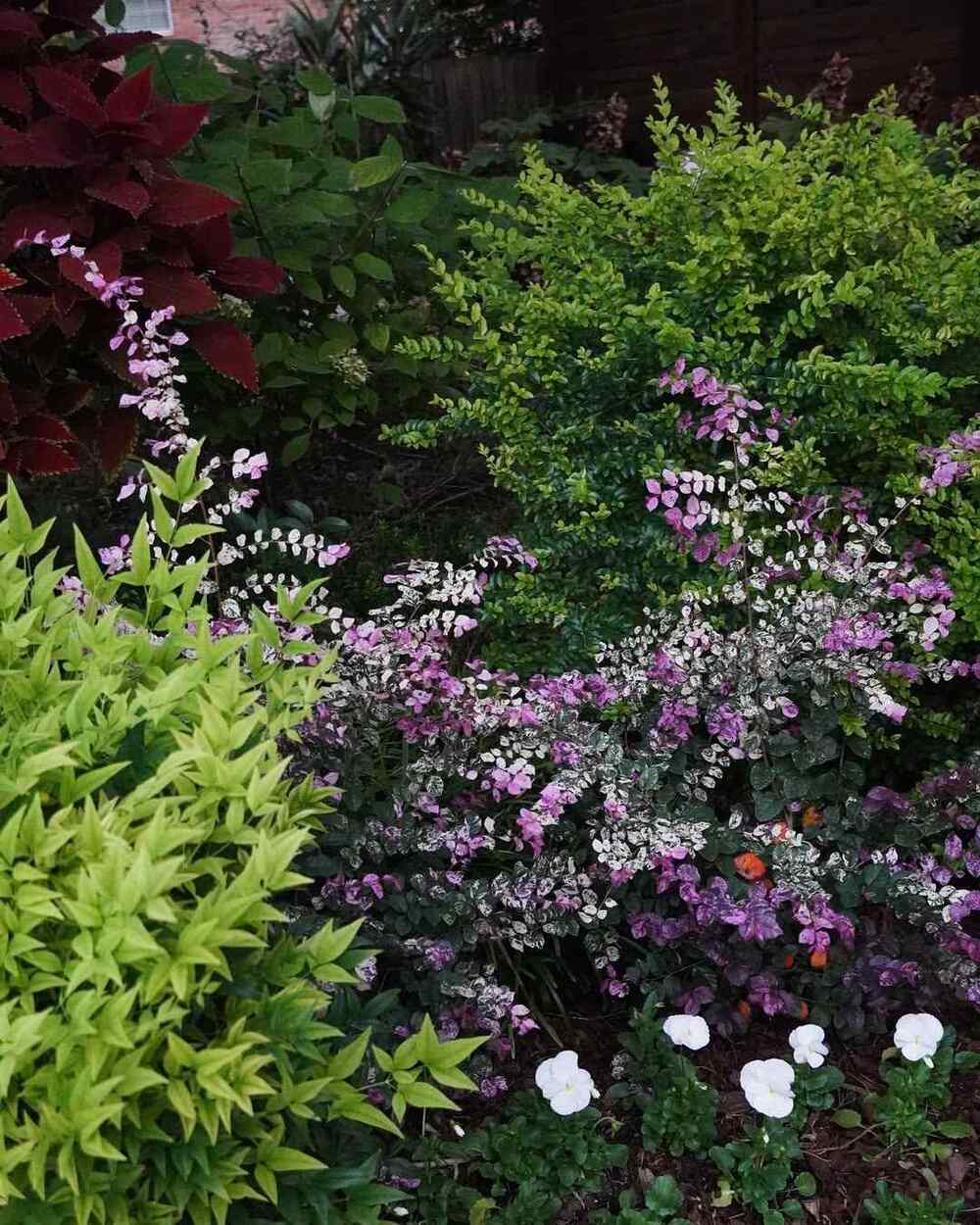
Why it’s worth planting: Loropetalum gives color even when nothing is blooming. Those purple or burgundy leaves make the whole planting bed feel richer, and the fringe flowers are a fun bonus.
Growth habit: Mounded, spreading, sometimes arching. Many modern cultivars stay compact and tidy.
Sun exposure: Full sun to part shade (more sun = better leaf color).
USDA zones: Generally 7–10.
Soil needs: Well-drained soil; slightly acidic is great.
Care notes: Light shaping after bloom. Avoid wet feet—drainage matters here.
8) Weigela

Why it’s worth planting: Weigela is a hummingbird magnet, and the flowers feel friendly and old-fashioned in a good way. Some cultivars have dark leaves or variegation, so it still looks good between bloom times.
Growth habit: Arching shrub, usually 3–6 feet, though compact varieties exist.
Sun exposure: Full sun for the most blooms.
USDA zones: Often 4–8.
Soil needs: Adaptable, but prefers well-drained soil.
Care notes: Prune right after flowering if you need to control size. It can rebloom lightly with a little trimming.
9) Dwarf Alberta Spruce
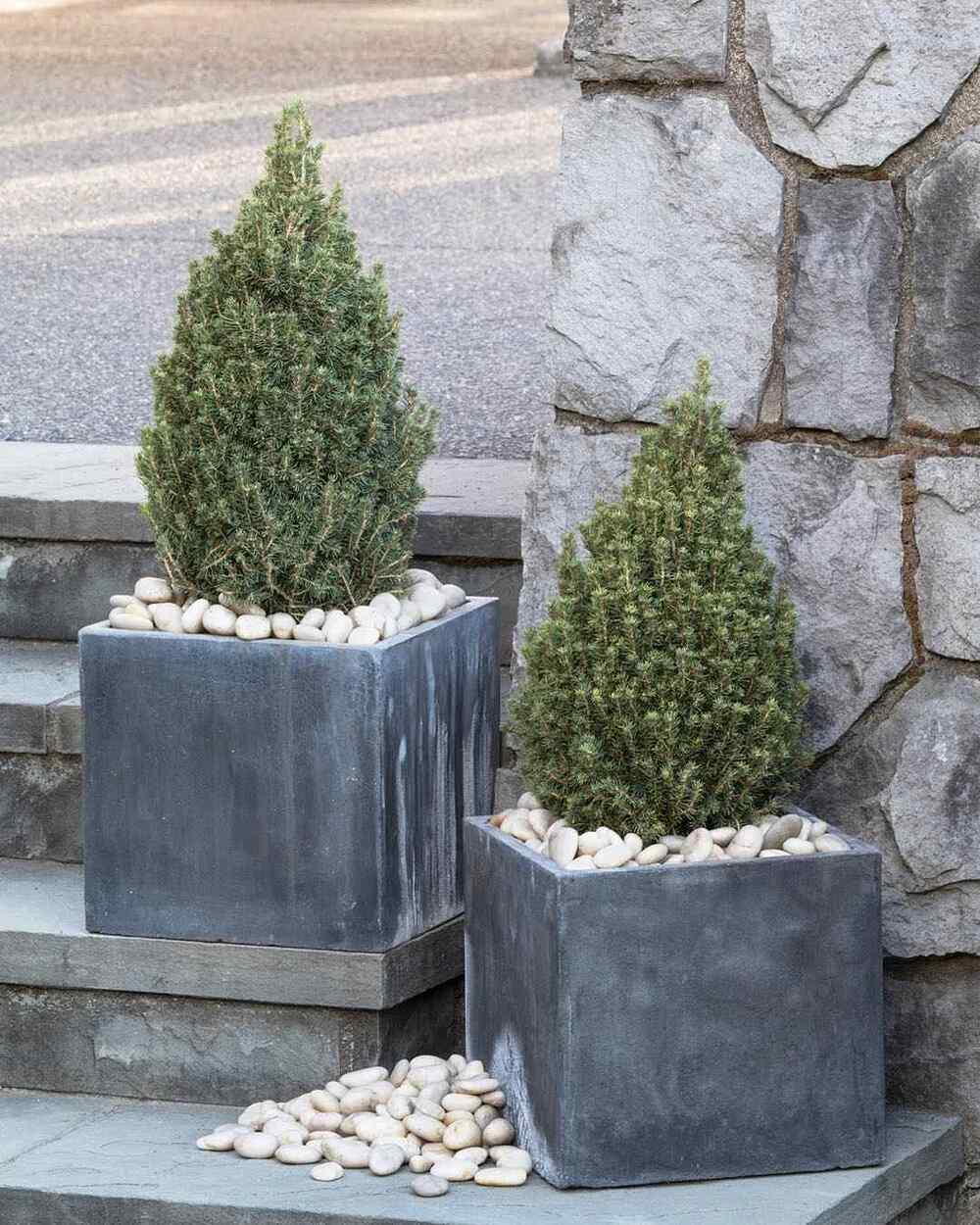
Why it’s worth planting: This one is basically built-in architecture. That natural cone shape looks great flanking a front door or standing as a “living sculpture” in a bed.
Growth habit: Slow-growing, dense, conical evergreen. Usually 6–10 feet over many years, but it takes its time.
Sun exposure: Full sun to part shade.
USDA zones: Typically 2–8.
Soil needs: Moist but well-drained soil.
Care notes: Minimal pruning. Water during dry stretches, especially the first couple years. Watch for spider mites in hot, dry spots.
10) Sunshine Ligustrum
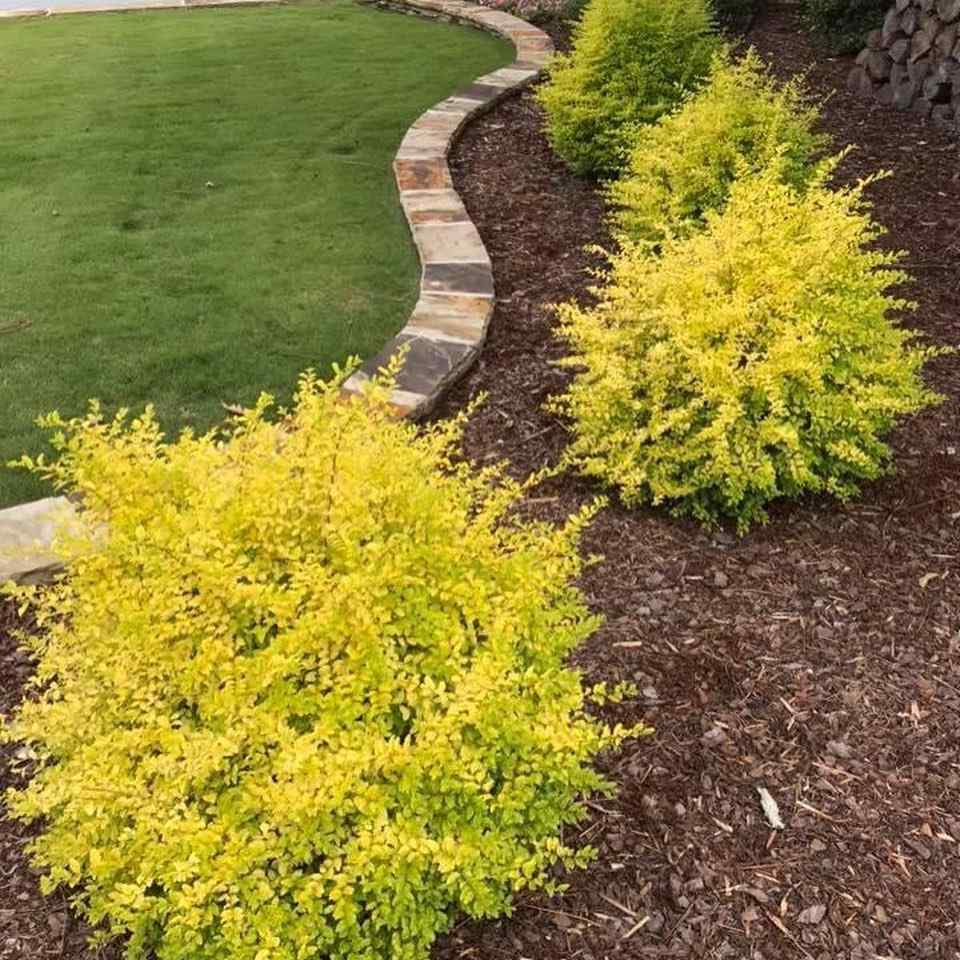
Why it’s worth planting: If your front yard needs brightness, Sunshine Ligustrum delivers. The yellow-to-lime foliage glows against darker shrubs and makes the whole bed look sunnier, even on gray days.
Growth habit: Upright, dense shrub, often 3–6 feet depending on how you prune it.
Sun exposure: Full sun for the best color.
USDA zones: Usually 6–10 (variety-dependent).
Soil needs: Adaptable, but prefers well-drained soil.
Care notes: Trim to shape once or twice a year. If it gets shade, the color dulls—sun is the secret.
Easy Front Yard Shrub Layout Tricks
Use “anchors” first: Put one bigger shrub (like hydrangea or a spruce) near corners of the house. It visually holds the home to the ground. Then add medium shrubs (azalea, loropetalum, weigela) and finish with low edging (boxwood, spirea).
Mix evergreen + flowering: Evergreens give winter structure; flowering shrubs bring seasonal bursts. A simple combo I use: boxwood + hydrangea + juniper. It’s clean, classic, and doesn’t feel messy in January.
Plant for airflow and mature width: Leave space so shrubs don’t touch the siding. A gap helps reduce pests and mildew, and it makes pruning less of a wrestling match.
A Few Low-Stress Maintenance Habits
Mulch 2–3 inches deep (not piled against stems) to hold moisture and reduce weeds. Water deeply after planting and during the first growing season. Once shrubs settle in, most of these are pretty self-sufficient, especially spirea and juniper. If you do only one extra thing, add compost in spring. Shrubs love that steady nutrition.
Front yard shrubs don’t need to be complicated. Pick plants that match your sun, your zone, and how much you actually want to prune. Then let them grow into the yard’s backbone.