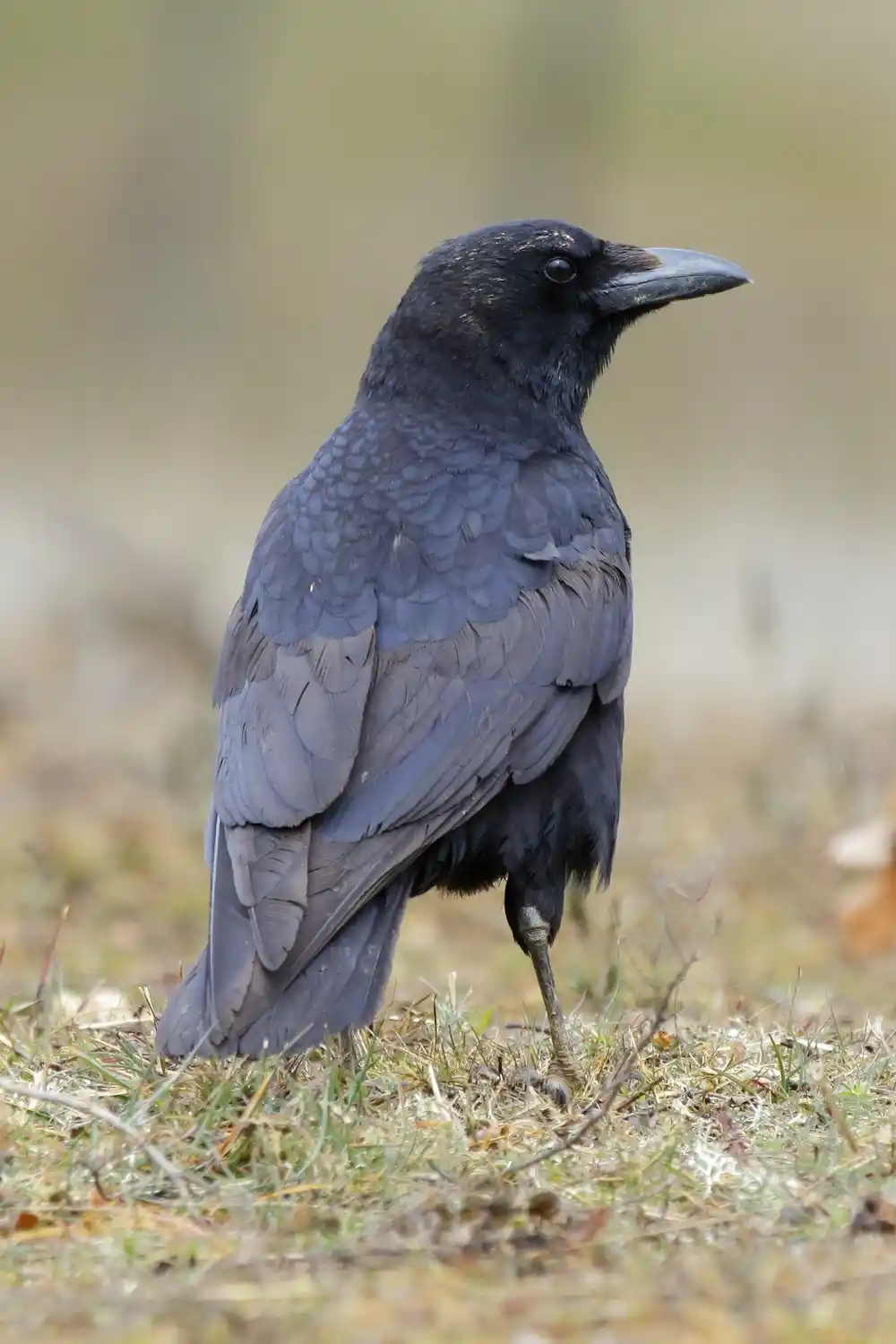
Crows and ravens have a reputation for being a little spooky—thanks, Edgar Allan Poe—but in real life, corvids (the bird family that includes crows, ravens, magpies, and jays) are some of the most fascinating backyard visitors you can attract. They’re smart, social, curious, and surprisingly playful. People who enjoy watching wildlife often ask two questions: How do I attract crows and ravens? and Will they bring me shiny gifts? I can’t promise you’ll get treasure (corvids don’t “pay rent” the way we wish they would), but you can create a yard that feels safe, rewarding, and reliable enough for them to visit regularly.
The secret is understanding how corvids think. These birds are cautious because they’re intelligent. They notice patterns. They remember people. They also communicate with each other constantly. If one crow decides a yard is safe and productive, others often follow. That means your goal isn’t just to “put food out.” Your goal is to build a corvid-friendly habitat that offers food, water, space, and a low-stress environment.
Table of Contents
Why attract crows and ravens to your yard?
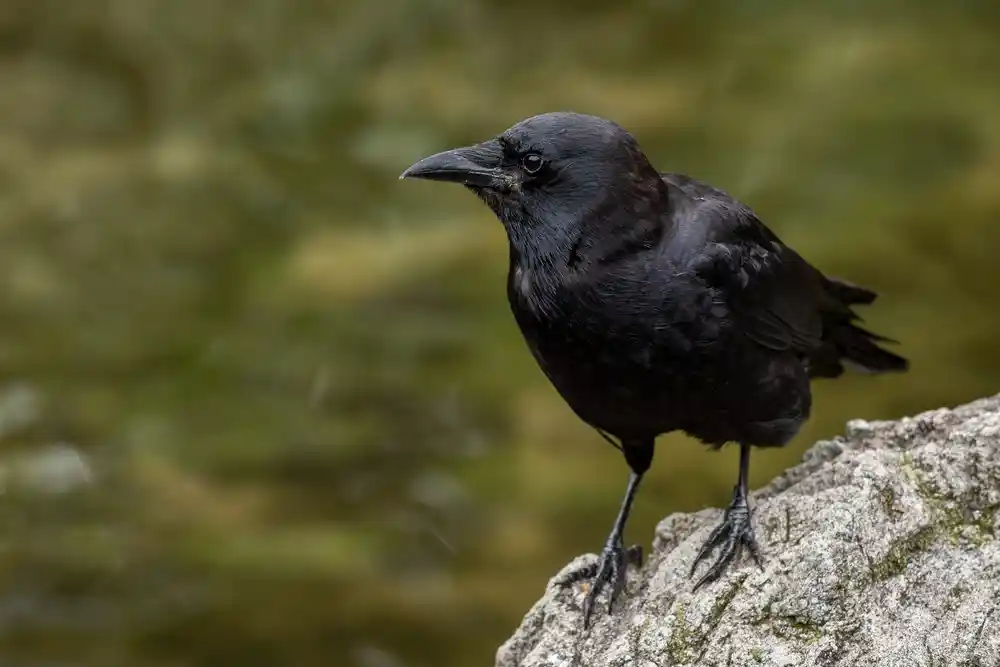
Before we get into tips, it helps to know why corvids are worth welcoming. Yes, they’re loud and bold. Yes, they may occasionally dig around. But they also bring several benefits that make them a unique addition to a wildlife-friendly garden.
They’re incredibly intelligent (and entertaining to watch)
Corvids are known for problem-solving, teamwork, and curiosity. They can learn routines quickly and will often “test” objects and situations like little feathered scientists. If you like observing animal behavior, crows and ravens are basically nonstop content.
They help clean up the landscape
Crows and ravens are omnivores and scavengers. They eat carrion and will pick through organic debris. In the right setting, they function as part of nature’s cleanup crew.
They can reduce certain garden pests
Corvids eat lots of insects, including many that gardeners consider pests. In some places, they’ll also target small rodents. They aren’t a guaranteed pest-control solution, but they can be one helpful piece of a balanced backyard ecosystem.
They may deter some predators
Crows famously dislike hawks and other raptors and will mob them—meaning they harass and chase them away. If you keep backyard chickens, some people notice that a neighborhood crow presence can make hawks less comfortable lingering nearby. (This varies by location and predator pressure, but it’s a real behavior.)
They might leave “gifts” (sometimes)
Videos online show crows leaving bottle caps, shiny bits, and other objects near people who feed them. Whether these are true “gifts” or just curious object placement is debated, but it does happen occasionally. The more realistic goal is simpler: earning a crow’s trust and getting consistent visits.
Understanding crow vs. raven behavior in the garden
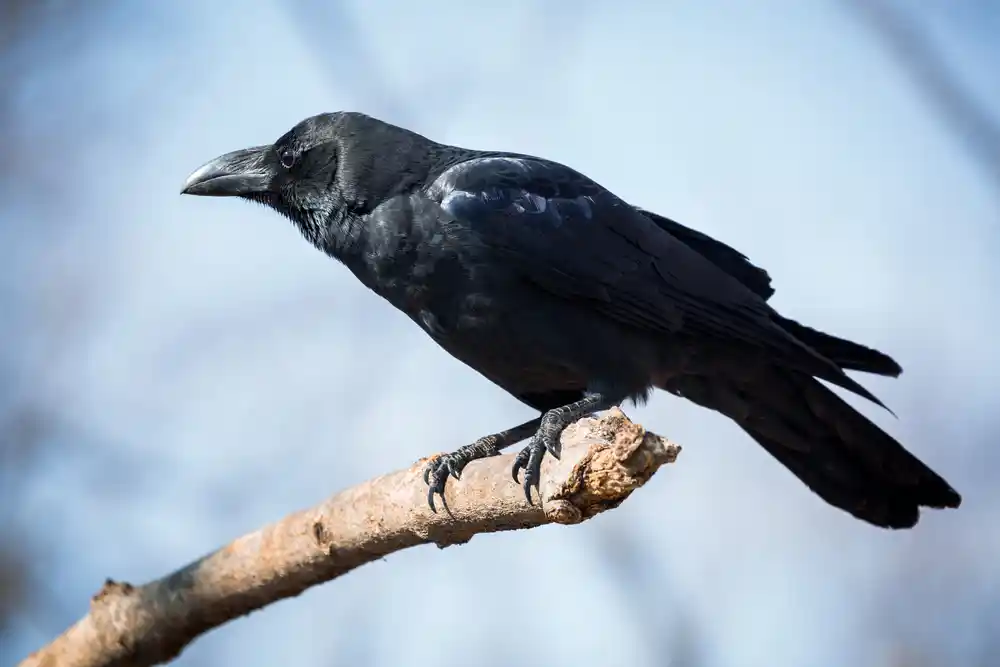
Crows and ravens overlap in diet and intelligence, but they don’t behave identically.
Crows: social, neighborhood-oriented, routine-driven
Crows often live near people and are comfortable in suburbs and towns. They tend to gather in groups and follow predictable daily patterns—especially if they find a dependable food source.
Ravens: larger, more cautious, more wilderness-adapted
Ravens are bigger and often more wary. They’re common in rural areas, mountains, deserts, and open landscapes (depending on your region). Ravens may take longer to approach a yard, but they’re equally food-motivated.
The shared rule: safety comes first
Whether crow or raven, corvids won’t commit to a yard that feels risky. Sudden noises, aggressive pets, unpredictable humans, or “scare tactics” will send them elsewhere quickly.
Tip 1: Offer the right foods to attract crows and ravens
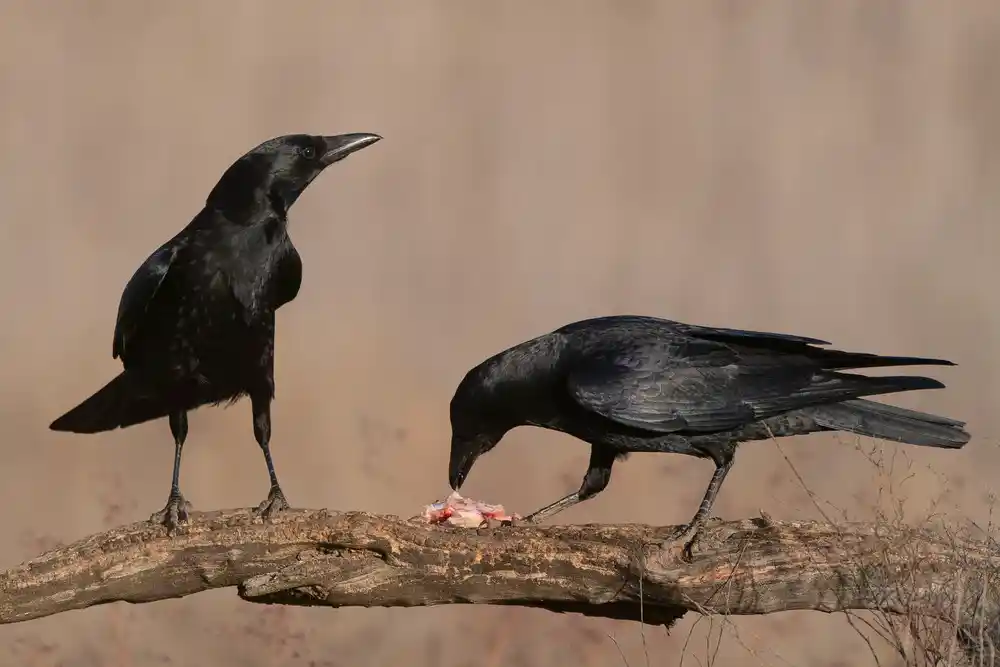
Food is the fastest way to get attention, but it has to be food corvids actually value—and it must be offered responsibly. In the wild, crows eat insects, seeds, nuts, fruit, small animals, eggs, and carrion. Ravens do much the same, often with more scavenging.
Best foods for crows and ravens
These options are commonly used to attract corvids:
-
Whole, unsalted peanuts (in shell or shelled)
-
Dry cat or dog kibble (small amounts; choose decent quality)
-
Hard-boiled eggs (chopped or halved)
-
Suet (especially in cold weather)
-
Other unsalted nuts
-
Fruit pieces (grapes, berries, apple chunks)
-
Occasional meat scraps (plain, unseasoned—no sauce)
Peanuts are the classic starter because they’re easy to spot, easy to store, and high value for crows.
Foods to avoid
Some foods can harm birds or create problems fast:
-
Salty snacks and heavily processed foods
-
Foods with refined sugar
-
Chocolate or caffeine
-
Avocado
-
Large amounts of bread (low nutrition, can create dependency patterns)
-
Spoiled food (risk of disease)
A simple rule: if it would be unhealthy for a dog to eat daily, it’s probably not ideal for birds either.
Tip 2: Add a water source they can actually use
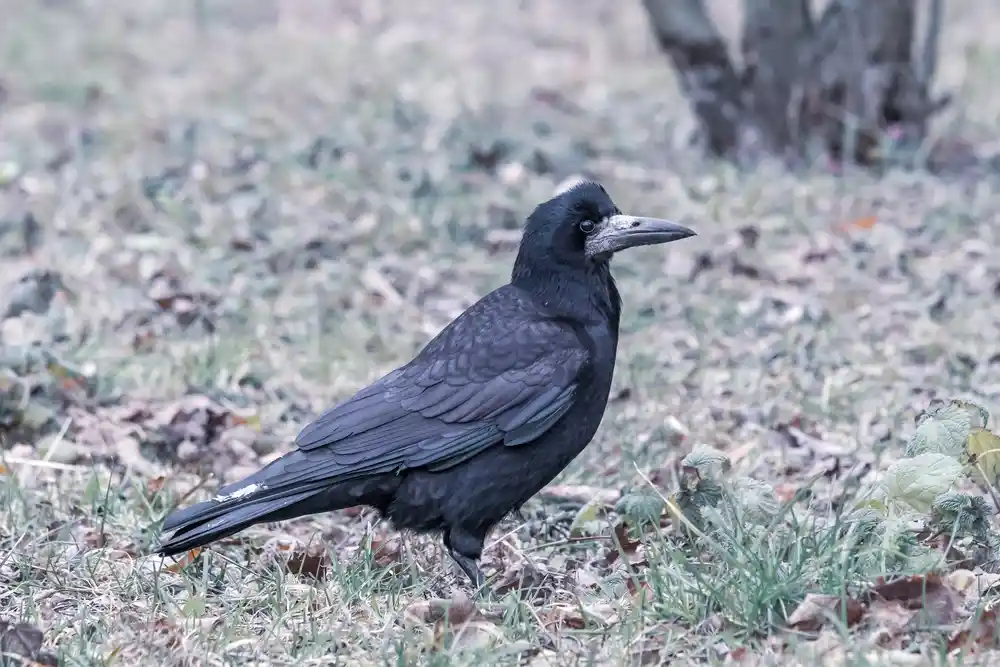
Water is often the deciding factor that makes birds stay longer. Corvids drink frequently and also like to bathe.
What kind of bird bath works for crows and ravens?
Small songbird baths often aren’t enough. Corvids prefer water that feels stable and spacious.
-
Wide basin (room to stand and move)
-
Sturdy base (no wobbling)
-
Depth with a shallow edge (they like gradual entry)
Make water more attractive with movement
If you can add a dripper, fountain, or gentle bubbler, you’ll increase interest. Moving water signals freshness and is easier for birds to locate by sound.
Keep it clean
If you’re trying to build trust, cleanliness matters. Dirty water spreads disease and can cause birds to avoid the space entirely.
Tip 3: Feed on the ground or use a large platform feeder
Crows and ravens are not “hopper feeder” birds. They’re too large and prefer open access. Your setup should also allow them to scan for danger.
Best feeding setups for corvids
-
Place food on a flat, open patch of ground
-
Use a platform feeder (large and stable)
-
Repurpose an old shallow planter tray (easy to clean)
-
Use a low table or stump surface
Why open space works
Corvids like to see predators approaching. If food is hidden under shrubs, they’ll often avoid it—especially at first.
Tip 4: Create perching and roosting options
Corvids spend time observing before they commit to feeding. If you want them to visit regularly, they need places to land, watch, and rest.
Natural options
You may already have what they need:
-
Tall trees with horizontal branches
-
Fences, rails, pergolas
-
Utility wires (not something you “install,” but commonly used)
DIY crow roost idea
If your yard is very open with no perches, you can add a simple structure:
-
Two sturdy poles
-
A crossbar between them (like a clothesline frame, but heavier)
-
Position it where birds can see the feeding area
Perches help crows feel in control of the environment—key for cautious, intelligent birds.
Tip 5: Remove deterrents and reduce “spooky” signals
Many people unknowingly drive corvids away, then wonder why they never show up.
Common crow deterrents to avoid
-
Owl decoys and scarecrows
-
Reflective tape or flashing objects
-
Windchimes or squeaky gates near feeding zones
-
Motion-activated devices aimed at the feeding area
Crows adapt quickly, but they’re also suspicious. Anything that feels like a trap, prank, or predator will slow progress.
Pet management matters
If you have a dog, it’s okay—but keep the feeding area away from high traffic. If you have outdoor cats, it’s much harder to build a bird-friendly yard in general.
Tip 6: Use crow calls and decoys strategically
This step isn’t required, but it can help in locations where crows pass through yet don’t land.
Decoys: use more than one
Corvids are social. One decoy can look like a warning sign. A small “group” looks more believable.
-
Use 3–4 decoys minimum
-
Place them near a water source or perch
-
If possible, include one moving decoy (light sway is enough)
Crow calls: less is more
If you use recorded calls, keep it subtle. Overuse can make birds suspicious or annoy your neighbors. The goal is to suggest “activity,” not simulate a full crow convention.
Tip 7: Be consistent and build a routine
Consistency is the difference between a one-time visit and a dependable crow family showing up daily.
Set a schedule
Corvids notice patterns fast. Feed at roughly the same time:
-
Early morning
-
Late afternoon / early evening
Start small, then scale
When you begin, put out a small amount of food. Once you see consistent visits, increase slightly. This reduces waste and helps prevent attracting unwanted animals.
Expect a “testing phase”
Crows often do a flyover, then land far away, then inch closer. This is normal. They’re assessing risk.
How to attract crows without causing problems
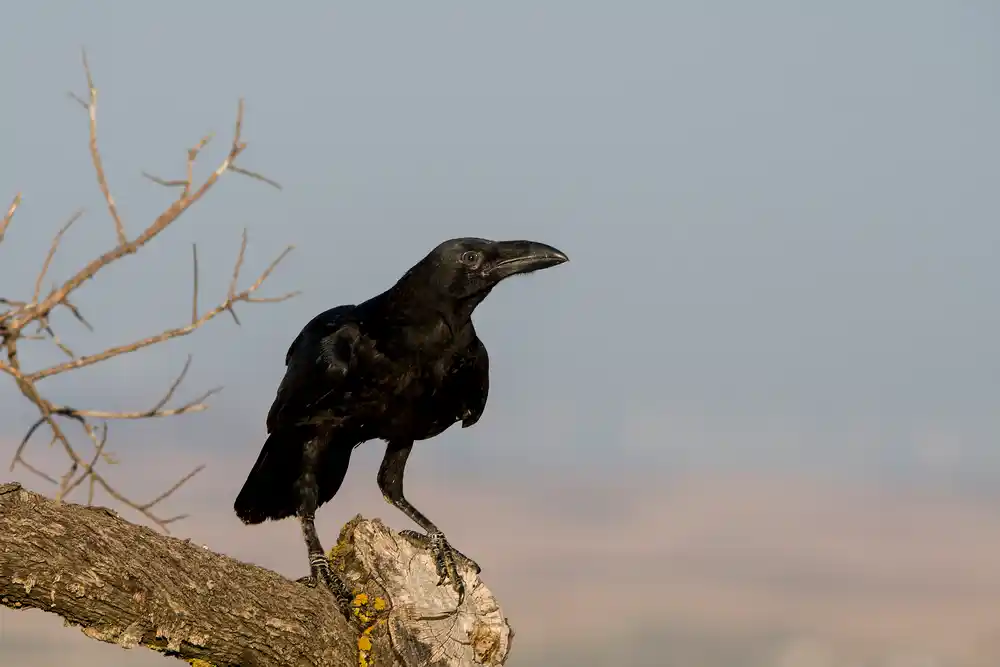
Attracting corvids should not mean creating conflicts or unhealthy dependence. You want visits—not chaos.
Don’t overfeed
Large piles of food can attract rats, raccoons, and stray animals. Use portions that get eaten quickly.
Clean feeding spots regularly
Remove leftovers, rinse trays, and keep water fresh. This reduces disease risk and discourages pests.
Keep neighbors in mind
Crows are loud. If you build a large flock, you may get complaints. Keep feeding moderate and avoid calling them in large numbers.
Respect local rules and wildlife guidance
Some areas have regulations about feeding wildlife. It’s worth checking your local guidance if you plan to feed regularly.
Will crows and ravens bring you shiny gifts?
Sometimes, but it’s not something you can force. The best path is simple:
-
Provide reliable food and water
-
Keep the environment calm and safe
-
Maintain a consistent routine
-
Avoid startling them or chasing them off
If “gifts” happen, treat them as a bonus—not the objective. The real reward is earning the trust of one of the most intelligent bird groups on the planet.
A simple starter plan for attracting crows and ravens
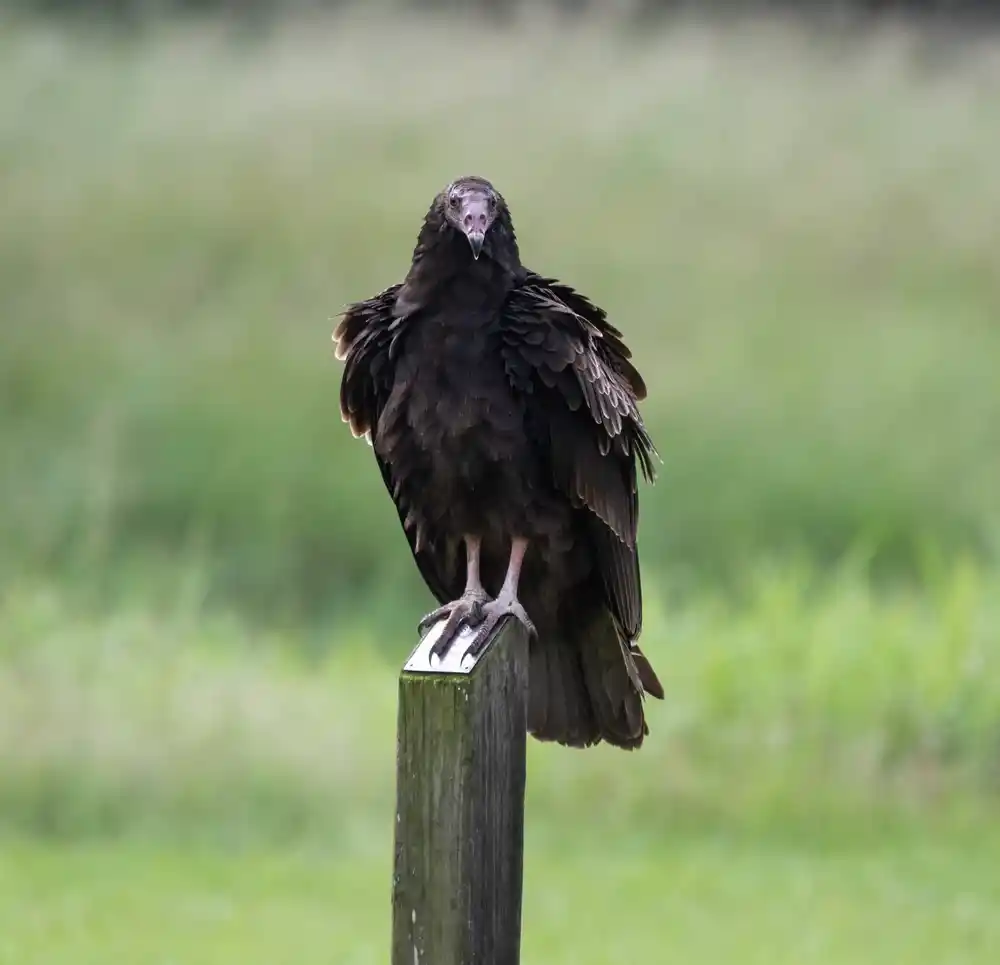
If you want a straightforward setup, here’s a practical baseline:
-
Food: a small handful of unsalted peanuts + a few pieces of kibble
-
Placement: open ground or a large platform feeder
-
Water: wide, stable bird bath with fresh water
-
Timing: same time every morning for 2–3 weeks
-
Environment: remove scare devices; reduce noise near the feeding zone
Stick with it. Corvids are cautious, but once they decide your yard is safe and worthwhile, they often become regular visitors—and you’ll start noticing their personalities, their social dynamics, and their surprisingly complex routines.