If your calendar is packed (or you’re simply the “oops, I forgot to water again” type), flowers that thrive on neglect can feel like a small miracle. I’m not talking about truly abandoning plants—more like choosing blooms that don’t punish you for missing a few waterings and skipping the fussy routines. The best flowers that thrive on neglect are usually drought-tolerant, resilient, and happy in leaner soil, which is honestly my favorite kind of plant relationship: beautiful, but not needy.
Table of Contents
Flowers that thrive on neglect: what “neglect” actually means (and what it doesn’t)
“Neglect” doesn’t mean you never water or you plant in mud and hope for the best. In the low-maintenance sense, it means the plant can handle dry spells, doesn’t demand constant deadheading, and tends to resist pests and disease without you hovering over it every weekend.
I also want to say this out loud: some of these flowers that thrive on neglect perform better when you stop babying them. Too much fertilizer, too much water, and overly rich soil can make certain tough bloomers flop, rot, or get leggy. That’s why “water-wise” often pairs with “hands-off.”
Low-maintenance flower bed rules (the lazy-smart routine that works)
Before we get into specific flowers that thrive on neglect, here’s the short routine that keeps them happy without turning gardening into another chore:
-
Mulch like you mean it. Mulch helps the soil hold moisture longer during hot stretches.
-
Water deeply, but not often. When you do water, soak the root zone—then let the soil breathe and dry a bit.
-
Go easy on fertilizer. Many neglect-tolerant flowers prefer “lean” soil, and heavy feeding can backfire.
Now for the fun part: the specific flowers that thrive on neglect, with practical details you can actually use.
Low-maintenance flowers that love tough conditions
Below are 12 classic flowers that thrive on neglect that still give you color, pollinator action, and that “wow, you garden?” compliment—without constant effort.
1) Blanket Flower (Gaillardia) — hot-sun color that refuses to quit
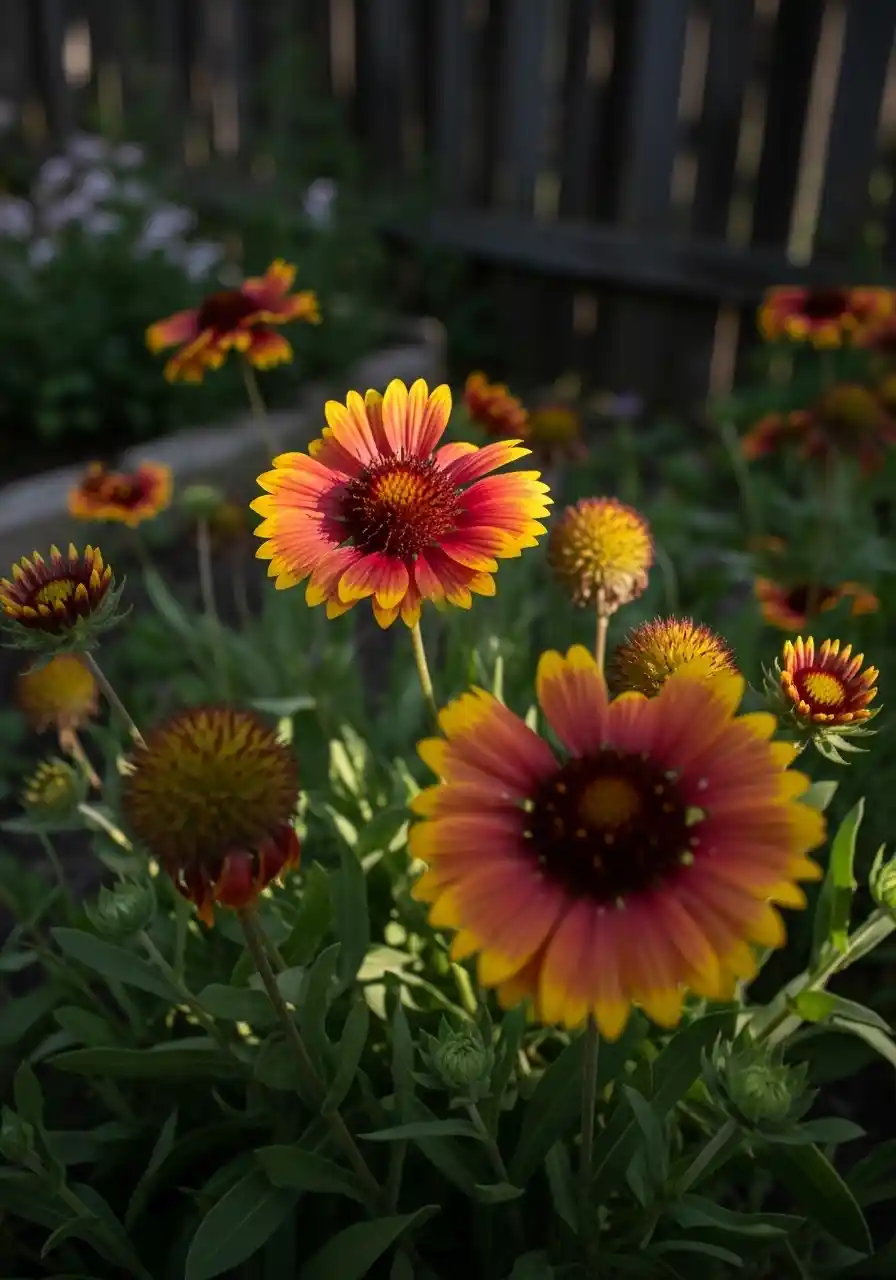
Blanket flower is one of those flowers that thrive on neglect that makes harsh summers feel less rude. It’s a herbaceous perennial (often short-lived but eager to return) with bold, daisy-like blooms, usually in fiery mixes—reds, oranges, and yellows are common. It’s also known for blooming a long time in sunny beds.
Identification & characteristics: Expect bright, pinwheel-ish petals and a rugged, prairie vibe. It’s a pollinator magnet, and the plant handles heat like it was born for it (because it basically was). If you’ve ever cooked a delicate plant by accident, blanket flower feels like redemption.
Growing details:
-
USDA Growing Zones: commonly grown across about Zones 3–10 (varies by species/hybrids).
-
Sun Exposure: Full sun is where it shines.
-
Soil Needs: Well-drained soil; tolerates poorer soils and some dryness.
-
Blooming Season: typically early summer into fall.
-
Scientific Name: Gaillardia (often Gaillardia × grandiflora in gardens).
2) Coneflower (Echinacea) — the “deep roots, don’t worry” perennial
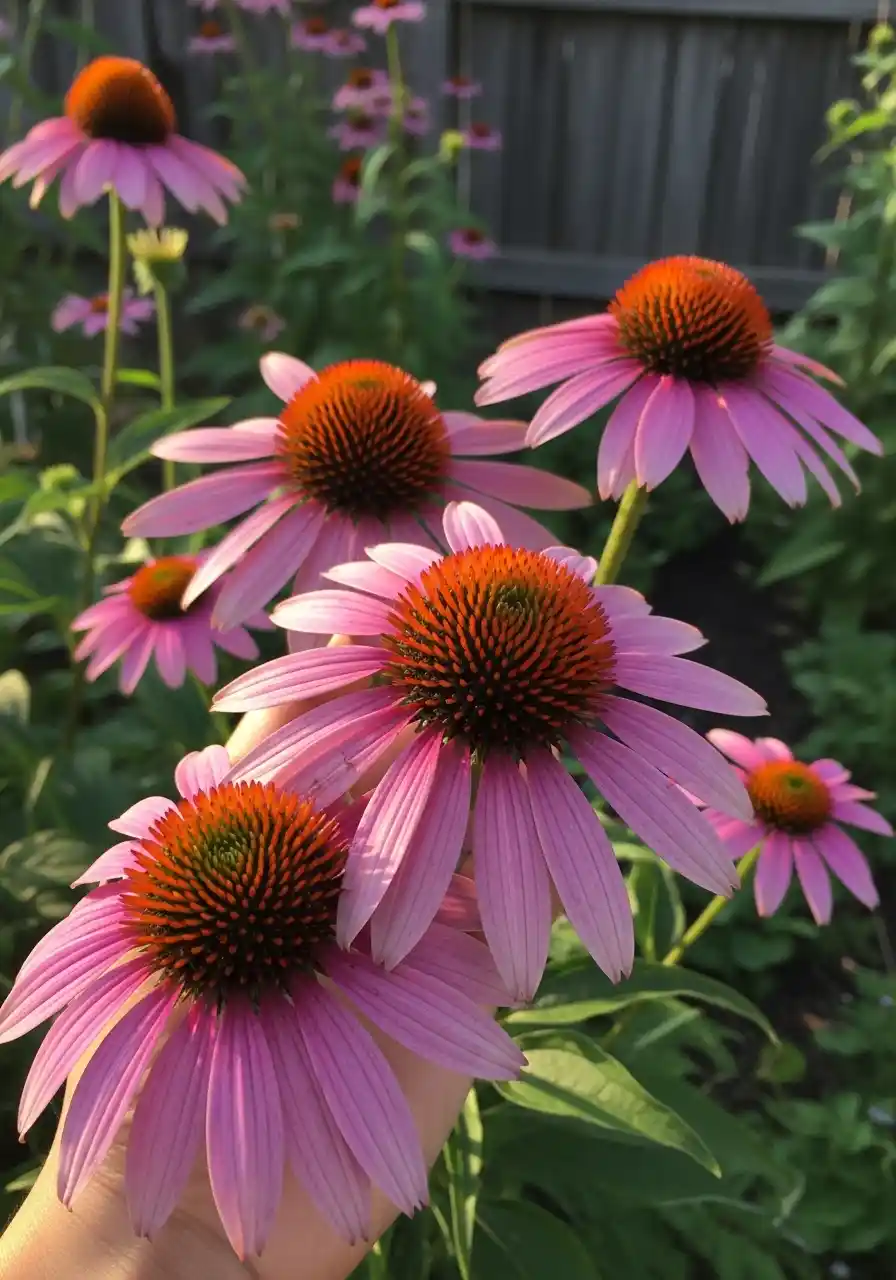
Coneflowers are famous flowers that thrive on neglect because once their roots are established, they’re remarkably drought-tolerant. They bloom from summer through fall and draw pollinators like a tiny garden festival.
Identification & characteristics: The classic look is a sturdy daisy form with a raised central cone. Color varieties include purples/pinks, whites, and warm tones depending on cultivar. I love that the seed heads can stick around for birds—sometimes I leave them just because the garden feels more alive that way.
Growing details:
-
USDA Growing Zones: commonly Zones 3–8 (many cultivars go wider).
-
Type of Plant: Herbaceous perennial.
-
Sun Exposure: Full sun (can tolerate some partial shade).
-
Soil Needs: Well-drained soil; avoid heavy fertilization (it can make plants leggy).
-
Blooming Season: summer into fall, sometimes to frost.
-
Scientific Name: Echinacea purpurea (common garden species) and hybrids.
3) Russian Sage (Perovskia atriplicifolia) — airy lavender haze, almost no fuss
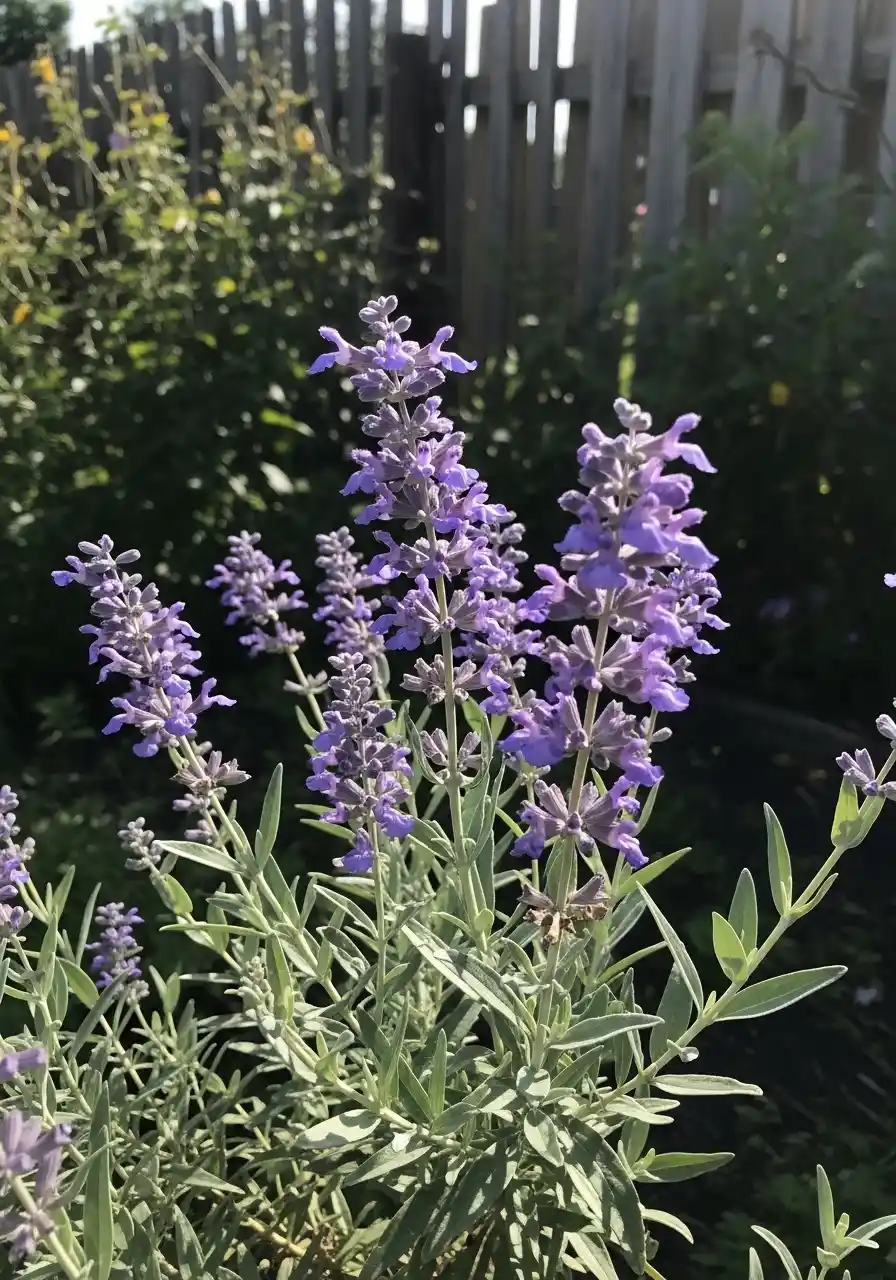
Russian sage is one of those flowers that thrive on neglect that makes a garden feel more “designed” even when you barely did anything. The plant gives a cloud of lavender-blue blooms over silvery stems and foliage, and it’s notably drought tolerant when planted in the right spot.
Identification & characteristics: Think tall, light, and airy—like lavender-colored mist. The stems are often silvery, and the whole plant has that dry-climate elegance. It also tends to have fewer pest issues, which is honestly my favorite kind of plant drama: none.
Growing details:
-
USDA Growing Zones: commonly Zones 4–9 (some sources list broader ranges by cultivar).
-
Type of Plant: Perennial subshrub.
-
Sun Exposure: Full sun for best bloom and sturdier stems.
-
Soil Needs: Well-drained soil is non-negotiable; avoid wet, poorly drained spots.
-
Blooming Season: long bloom window through summer into early fall (varies by region/cultivar).
-
Scientific Name: Perovskia atriplicifolia (often treated in Salvia now, but commonly sold as Perovskia).
4) Yarrow (Achillea) — tough, long-blooming, and quietly gorgeous
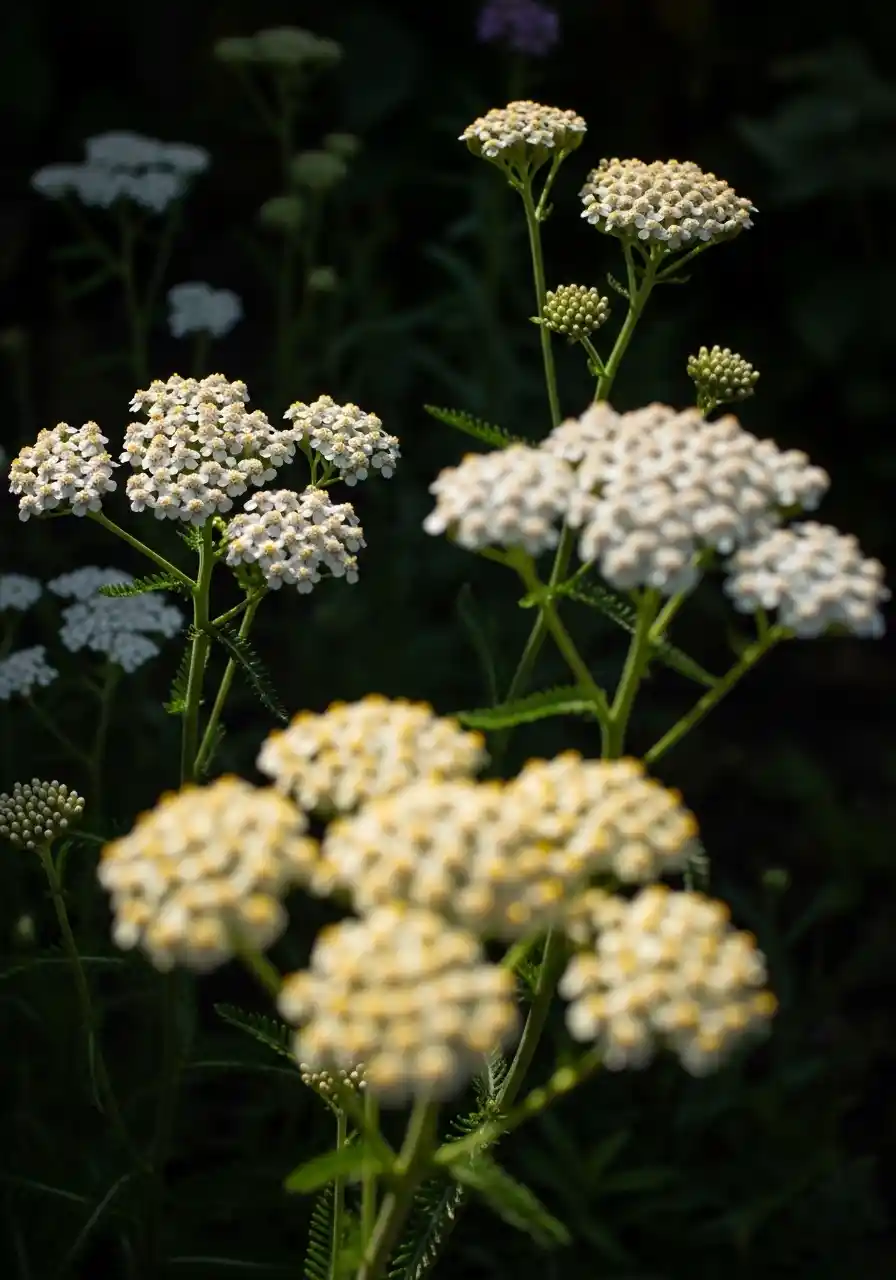
Yarrow earns its place among flowers that thrive on neglect because it tolerates dry conditions and blooms for a long stretch. Once established, it’s the kind of plant you almost forget is there—until you notice it still looks good after everyone else has wilted.
Identification & characteristics: Flat-topped flower clusters sit above ferny foliage. Many garden varieties come in white, yellow, pink, and deeper warm tones. It can spread (sometimes enthusiastically), so it’s perfect if you want a naturalized look and you’re not obsessed with strict borders.
Growing details:
-
USDA Growing Zones: commonly Zones 3–9.
-
Type of Plant: Herbaceous perennial.
-
Sun Exposure: Full sun is ideal.
-
Soil Needs: Well-drained soil; too-fertile soil can make it floppy/spread faster.
-
Blooming Season: often June through September depending on variety and climate.
-
Scientific Name: Achillea millefolium (common yarrow) and hybrids.
5) Coreopsis (Tickseed) — sunny daisies for people who forget things
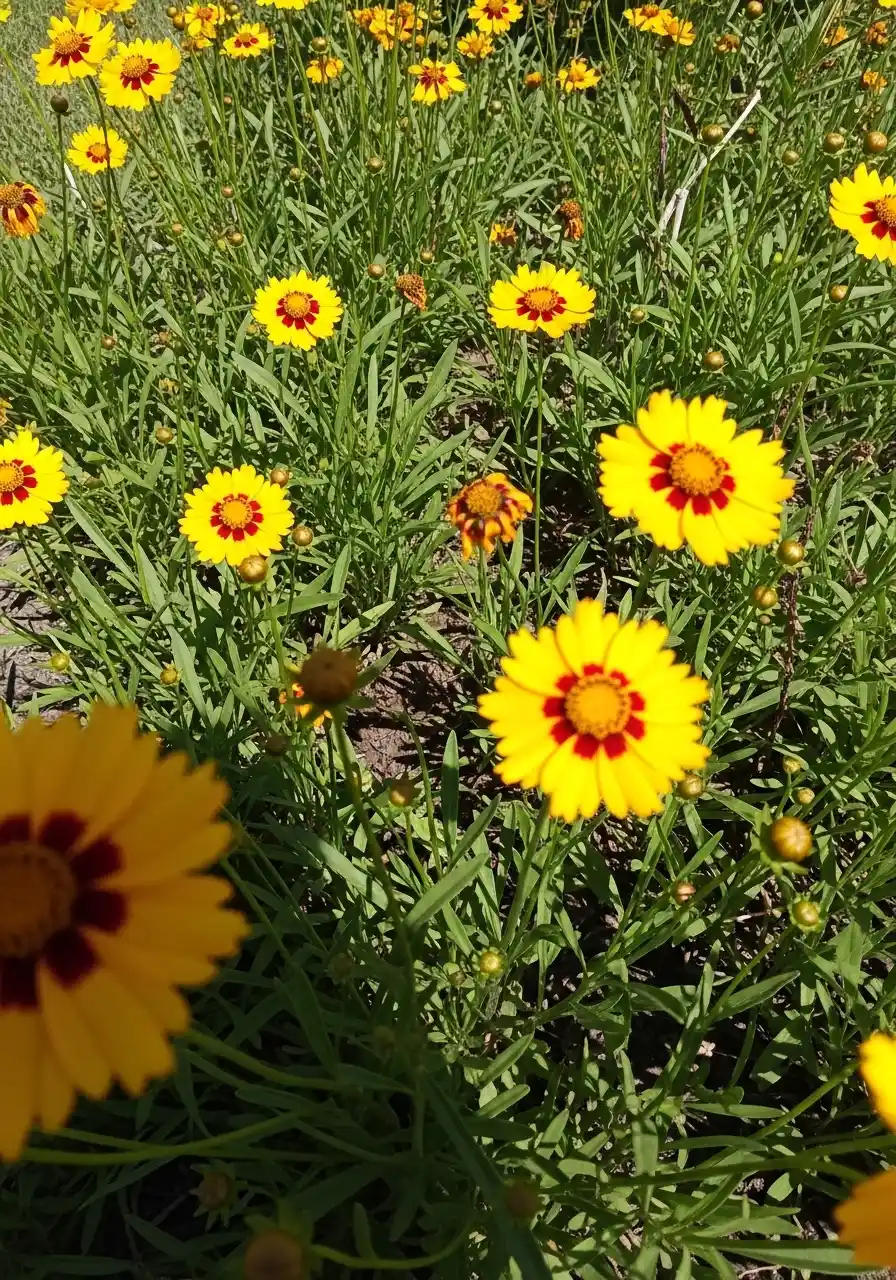
Coreopsis is basically cheerful stubbornness in plant form. These are classic flowers that thrive on neglect because they tolerate drier soils, prefer good drainage, and keep throwing out daisy-like blooms with minimal pampering.
Identification & characteristics: Most tickseeds have bright yellow flowers on wiry stems, and the plant has a light, meadowy movement. It’s fantastic in wildflower beds and natural-style plantings where you want “happy chaos,” not stiff perfection.
Growing details:
-
USDA Growing Zones: commonly Zones 5–9 for Coreopsis grandiflora (many coreopsis species vary).
-
Type of Plant: Perennial (sometimes short-lived but reseeds).
-
Sun Exposure: Full sun for strongest blooming.
-
Soil Needs: Well-drained soil; often prefers sandy/rocky sites.
-
Blooming Season: typically late spring through summer (can extend with deadheading).
-
Scientific Name: Coreopsis grandiflora (common garden tickseed).
6) Sedum (Stonecrop) — succulent leaves that store “I forgot” water
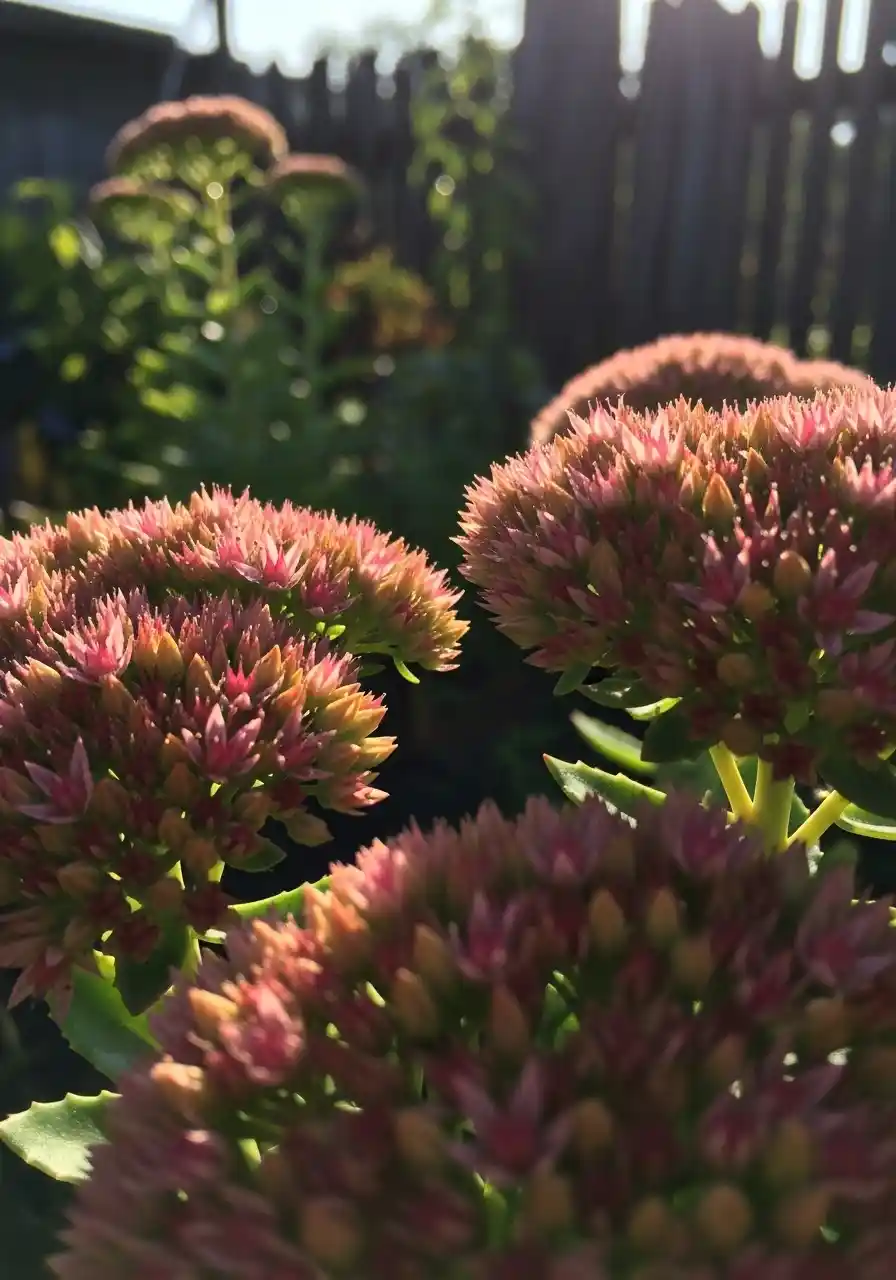
Sedum/stonecrop is practically the mascot for flowers that thrive on neglect because succulent leaves hold moisture, helping the plant cruise through heat and dry stretches. It’s great in rock gardens, containers, and any spot that tends to bake.
Identification & characteristics: Many stonecrops form tidy mounds with fleshy leaves. Showy types like Hylotelephium spectabile bloom in dense clusters later in the season, often pink to rosy tones that age beautifully. Also: the flowers attract pollinators, and the dried heads can add fall/winter texture.
Growing details:
-
USDA Growing Zones: commonly reported around Zones 3–9 for showy stonecrop types (varies by species/cultivar).
-
Type of Plant: Perennial succulent.
-
Sun Exposure: Full sun to partial shade.
-
Soil Needs: Well-drained/gravelly soil, low-to-average fertility; wet soil invites rot.
-
Blooming Season: often late summer into fall (many bloom Aug–Oct).
-
Scientific Name: Hylotelephium spectabile (formerly Sedum spectabile).
7) Black-Eyed Susan (Rudbeckia) — prairie gold that forgives you
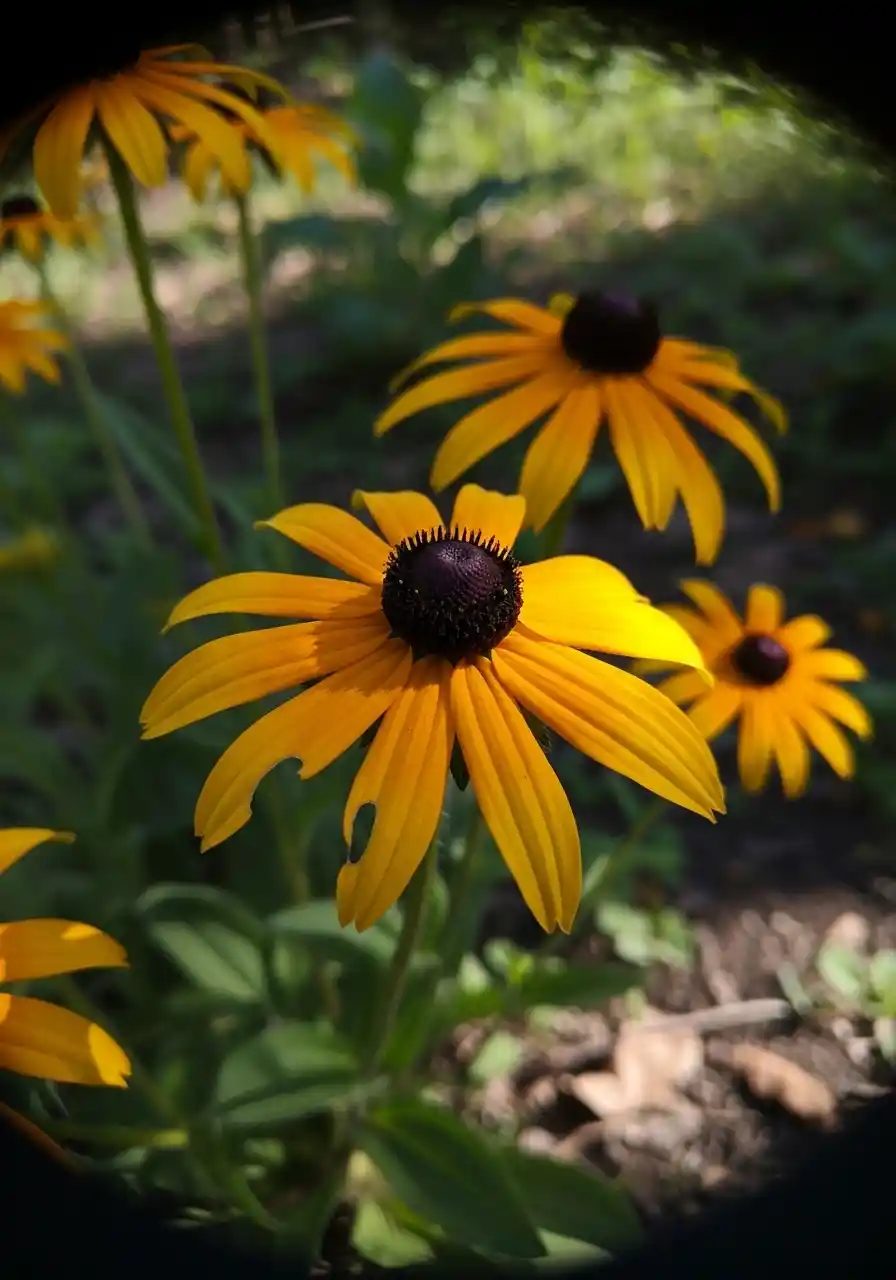
Black-eyed Susan is a classic among flowers that thrive on neglect: resilient, sunny, and not offended by a missed watering. It’s a staple for pollinator gardens and sunny borders, especially if you want reliable summer color.
Identification & characteristics: Yellow daisy-like blooms with a dark center cone. The plant can behave as an annual, biennial, or short-lived perennial depending on species and climate, but it often reseeds—sometimes in exactly the places you’d choose if you were paying attention.
Growing details:
-
USDA Growing Zones: commonly Zones 3–9 (many gardeners grow it broadly, especially with reseeding).
-
Type of Plant: often biennial/short-lived perennial in gardens.
-
Sun Exposure: Full sun to partial shade.
-
Soil Needs: reasonably well-drained soil; avoids extremes; moderate fertility is plenty.
-
Blooming Season: early summer into fall.
-
Scientific Name: Rudbeckia hirta (common).
8) California Poppy — self-seeding silk petals for dry, poor soil
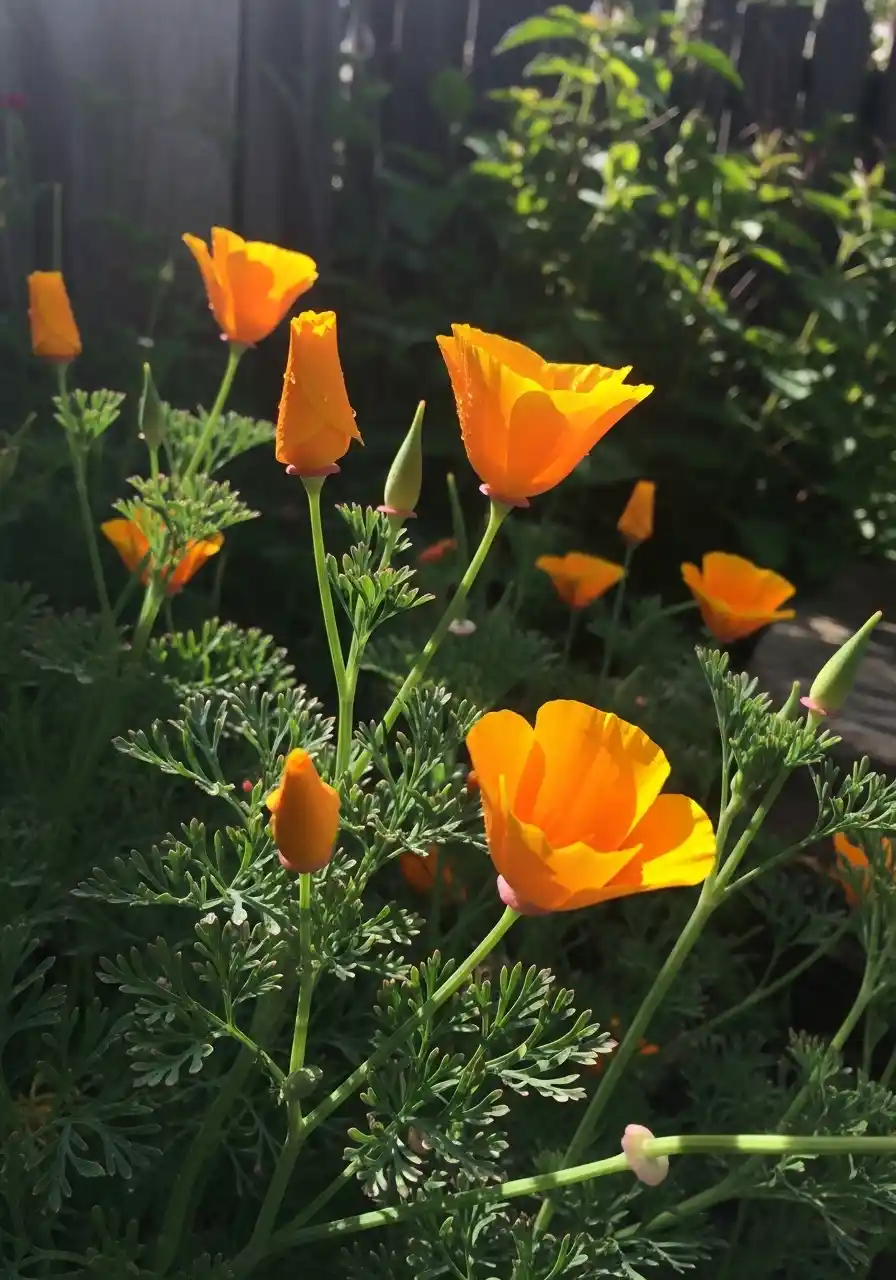
California poppy is one of my favorite flowers that thrive on neglect because it can thrive in poor soil, reseed itself, and still look intentional—like you planned a dreamy wildflower sweep on purpose. It’s also famously easy from seed.
Identification & characteristics: Cup-shaped, silky flowers in orange and yellow tones (cultivars can add creams and reds). Flowers open in sun and close when it’s cloudy or evening—very “solar-powered.” It can act as an annual in colder climates and a short-lived perennial in warmer zones.
Growing details:
-
USDA Growing Zones: short-lived perennial in Zones 8–10; often grown as an annual elsewhere (with reseeding).
-
Type of Plant: cool-season annual / short-lived perennial depending on climate.
-
Sun Exposure: Full sun.
-
Soil Needs: tolerates poor, dry soils; drainage matters more than richness.
-
Blooming Season: commonly spring into summer (often through July in many areas).
-
Scientific Name: Eschscholzia californica.
9) Lantana — heat-loving clusters that bloom and bloom and bloom
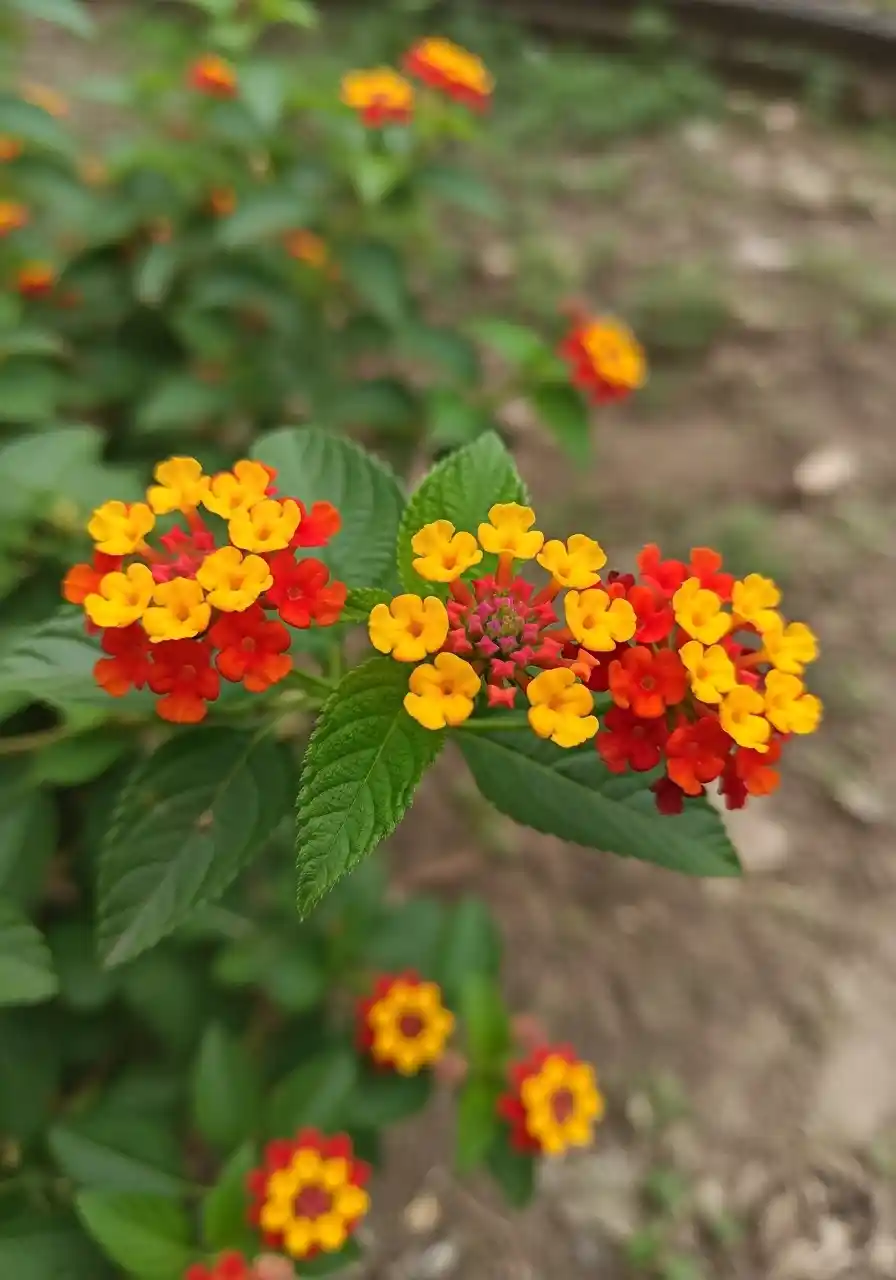
Lantana is legendary among flowers that thrive on neglect in hot climates. It handles heat, bounces back from dry spells, and keeps flowering for a long season, especially in full sun. It can be grown as an annual in colder areas and as a perennial shrub in warmer zones.
Identification & characteristics: Tight clusters of small tubular flowers, often multicolored in the same cluster—like it can’t decide on one shade and refuses to compromise. Flowers are attractive to pollinators, and the plant can sprawl wider than tall, depending on variety.
Growing details:
-
USDA Growing Zones: commonly Zones 8–11 for perennial growth; often used as an annual elsewhere.
-
Type of Plant: woody shrub/perennial (or annual by climate).
-
Sun Exposure: Full sun for best flowering.
-
Soil Needs: prefers well-drained soil; tolerates poorer soils and drought once established.
-
Blooming Season: typically midsummer to frost in many regions.
-
Scientific Name: Lantana camara.
10) Verbena — nonstop color with a “just let me sprawl” attitude
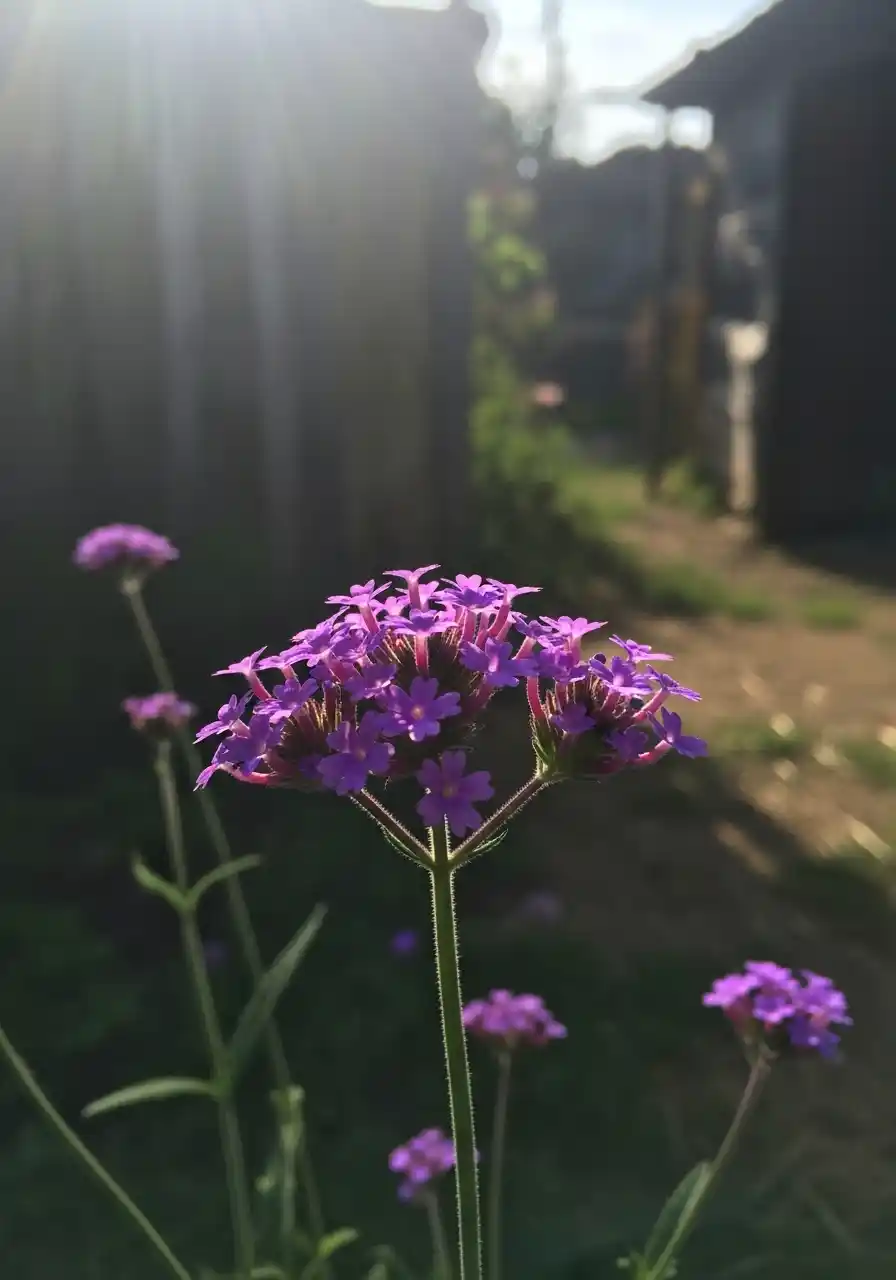
Verbena earns a spot with flowers that thrive on neglect because it’s heat-tolerant, blooms for ages, and—once established—doesn’t need constant watering. Different types exist (upright and trailing), but most share that long-blooming, pollinator-friendly energy.
Identification & characteristics: Flower clusters made of many small blooms. Garden verbenas come in a wide range of colors and work beautifully spilling from containers or covering a sunny edge. Upright types like Verbena bonariensis add airy height and a wildflower feel.
Growing details (two common “garden” options):
-
Garden Verbena (Verbena × hybrida): winter hardy about Zones 9–10, often grown as an annual elsewhere; prefers full sun and well-drained soil.
-
Tall Verbena (Verbena bonariensis): hardy about Zones 7–11; full sun; tolerates average-to-dry soil.
-
Blooming Season: many verbenas bloom from late spring through summer and into fall with basic care.
11) Portulaca (Moss Rose) — tiny succulent leaves, big jewel-tone payoff
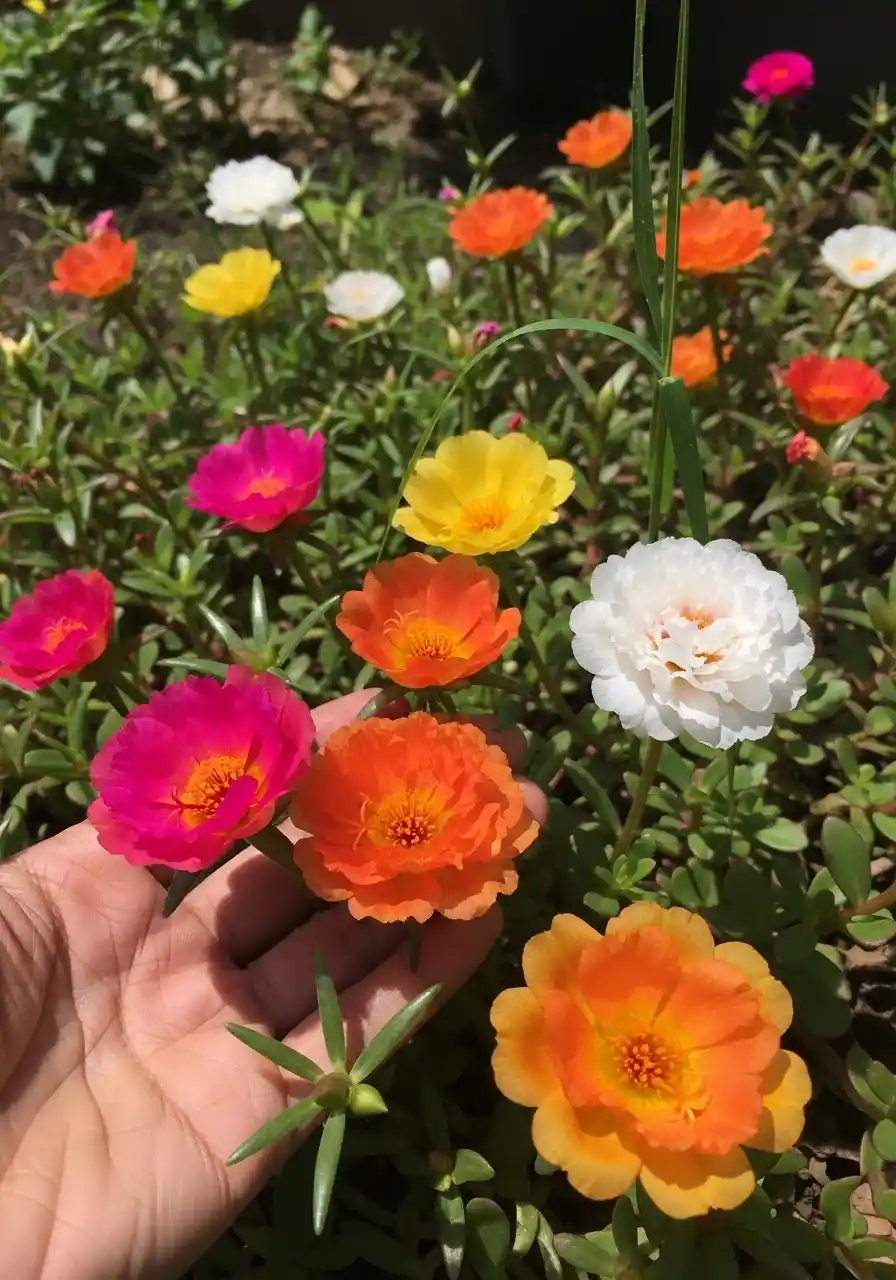
Portulaca is one of the most forgiving flowers that thrive on neglect, especially for hot, sunny, dry spots and containers. The plant has succulent foliage and bright blooms that can come in singles or doubles across reds, oranges, yellows, whites, and pinks.
Identification & characteristics: Low-growing, mat-forming habit, fleshy narrow leaves, and flowers that open in sun and close at night or on cloudy days. It’s perfect for rock beds, cracks, and those “why is nothing happy here?” places.
Growing details:
-
USDA Growing Zones: commonly grown as an annual in Zones 2–11; may overwinter only in very warm zones.
-
Type of Plant: annual succulent flower (in most climates).
-
Sun Exposure: Full sun.
-
Soil Needs: well-drained sandy/rocky soil; poor soil is fine; avoid soggy conditions.
-
Blooming Season: typically summer until frost.
-
Scientific Name: Portulaca grandiflora.
12) Lavender — the fragrant plant that hates overwatering
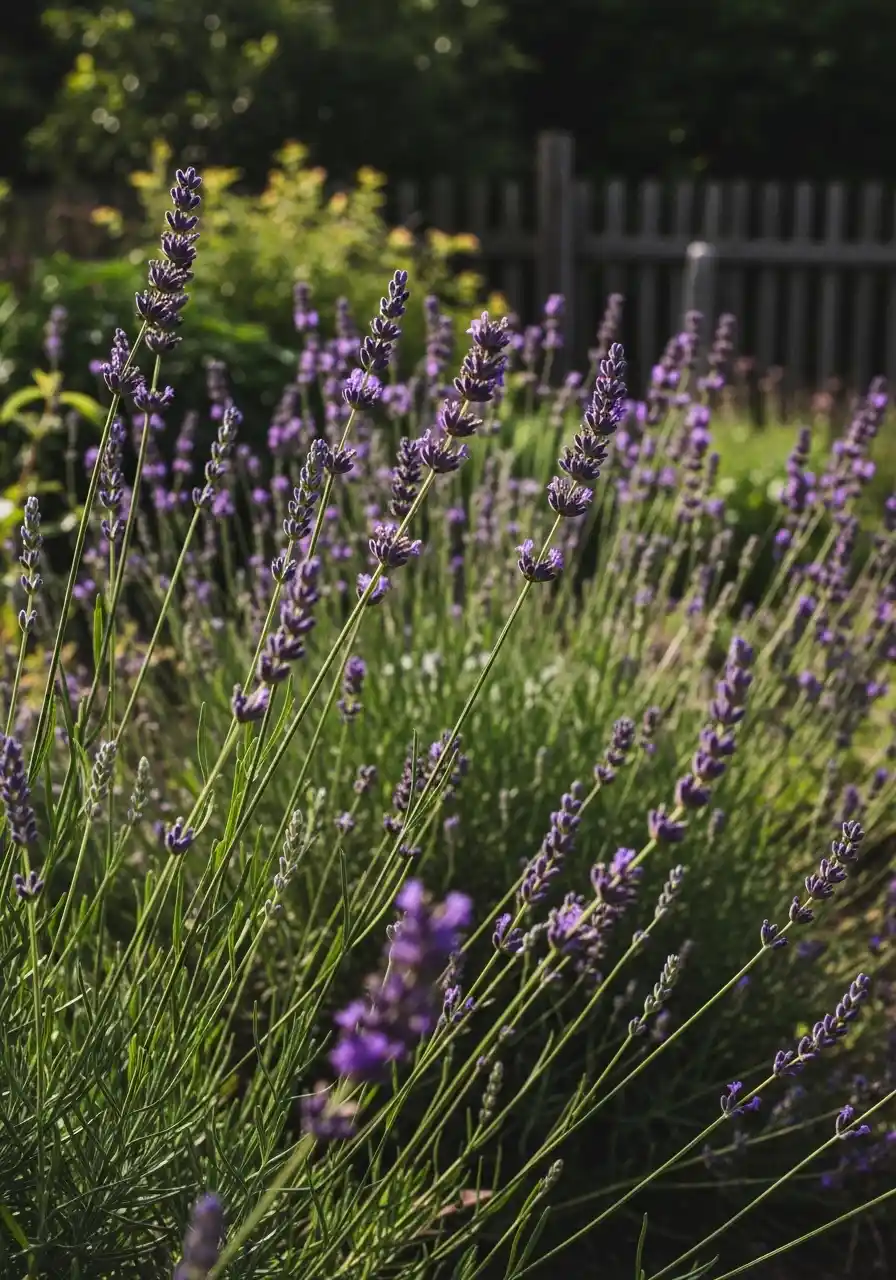
Lavender is a signature pick among flowers that thrive on neglect—not because it wants zero care, but because it strongly prefers not being fussed over. Overwatering and heavy soil are the fastest ways to lose it. Give it sun, sharp drainage, and a little space, and it rewards you with fragrance and summer bloom.
Identification & characteristics: Narrow gray-green foliage, aromatic oils, and flower spikes in purple to violet tones (many cultivars). It’s a subshrub style plant, often mounded and tidy when grown in the right conditions. And yes, I’m biased: I think it makes a garden feel calmer the second you brush past it.
Growing details:
-
USDA Growing Zones: commonly cited around Zones 5–10 depending on type and local conditions (English lavender often in that range with good drainage).
-
Type of Plant: perennial subshrub.
-
Sun Exposure: Full sun.
-
Soil Needs: well-drained, preferably drier soil; lavender struggles in water-logged or heavy clay.
-
Blooming Season: typically summer (some get a second lighter flush with proper trimming).
-
Scientific Name: Lavandula angustifolia (English lavender).
How to make “neglect-friendly” flowers actually thrive (without sneaky plant guilt)
Even flowers that thrive on neglect appreciate a decent start. My honest confession: most “low-maintenance failures” I see aren’t about watering—they’re about planting the right flower in the wrong place. Sun lovers in shade. Drainage-haters in clay soup. The plant isn’t being dramatic; it’s just trapped.
If you want your flowers that thrive on neglect to behave like the easy legends they are, do these simple things:
-
Prioritize drainage. Many neglect-tolerant bloomers hate soggy roots (lavender, sedum, portulaca, Russian sage).
-
Start with consistent water, then taper. Water enough during establishment (first few weeks) so roots go deep. After that, water less often but more deeply.
-
Use mulch strategically. Mulch helps with moisture moderation, especially in heat waves.
-
Don’t overfeed. Lean soil is often the secret sauce for sturdy growth and better drought tolerance.
When you build the right conditions, flowers that thrive on neglect genuinely start to feel like they’re on autopilot.
FAQ: Flowers that thrive on neglect
1) What are the best flowers that thrive on neglect for full sun?
Blanket flower, coneflower, Russian sage, yarrow, black-eyed Susan, California poppy, lantana, verbena, portulaca, and lavender are all strong full-sun picks.
2) Do flowers that thrive on neglect still need watering?
Yes—especially while establishing. After that, they usually want deep, infrequent watering instead of daily sprinkles.
3) Which flowers that thrive on neglect are best for poor soil?
California poppy, blanket flower, yarrow, sedum, and portulaca are all comfortable in leaner soils (as long as drainage is decent).
4) What’s the biggest mistake with neglect-tolerant flowers?
Overwatering and planting in poorly drained soil—especially for lavender, sedum, Russian sage, and portulaca.
5) Are there flowers that thrive on neglect for containers?
Yes: sedum (stonecrop), portulaca, trailing verbena types, and even lavender if the pot drains sharply.
6) Which flowers that thrive on neglect self-seed easily?
California poppy is famous for reseeding, and black-eyed Susan and some coreopsis can reseed too.
7) What are the best flowers that thrive on neglect for pollinators?
Coneflower, yarrow, Russian sage, lantana, and verbena are especially pollinator-friendly choices.
8) Can flowers that thrive on neglect handle heat waves?
Many of them can—blanket flower, lantana, portulaca, sedum, and lavender are particularly heat-tough when established and well-sited.
9) Do I need to deadhead flowers that thrive on neglect?
Often not strictly—but light deadheading can extend bloom for plants like coneflower and coreopsis. Some gardeners leave seed heads for birds and texture.
10) How do I choose flowers that thrive on neglect for my USDA zone?
Start with plants proven hardy in your zone (for example, yarrow and coneflower have broad hardiness ranges), then match sun exposure and drainage to your site.