Shady gardens get a bad rap. People act like if the sun doesn’t hit a corner of your yard for more than an hour, you’re doomed to a lifetime of plain green leaves and mulch. Not true. With the right shrubs, shade can feel cool, layered, and honestly kind of romantic—especially when flowers show up where you “weren’t supposed” to have them.
Below are 10 flowering shrubs for shade that I’d happily plant again, plus the practical stuff that actually matters: USDA zones, sun exposure, soil preferences, watering, and a few little habits that make shaded shrubs look cared for instead of forgotten.
Table of Contents
1) Oakleaf Hydrangea (Hydrangea quercifolia)
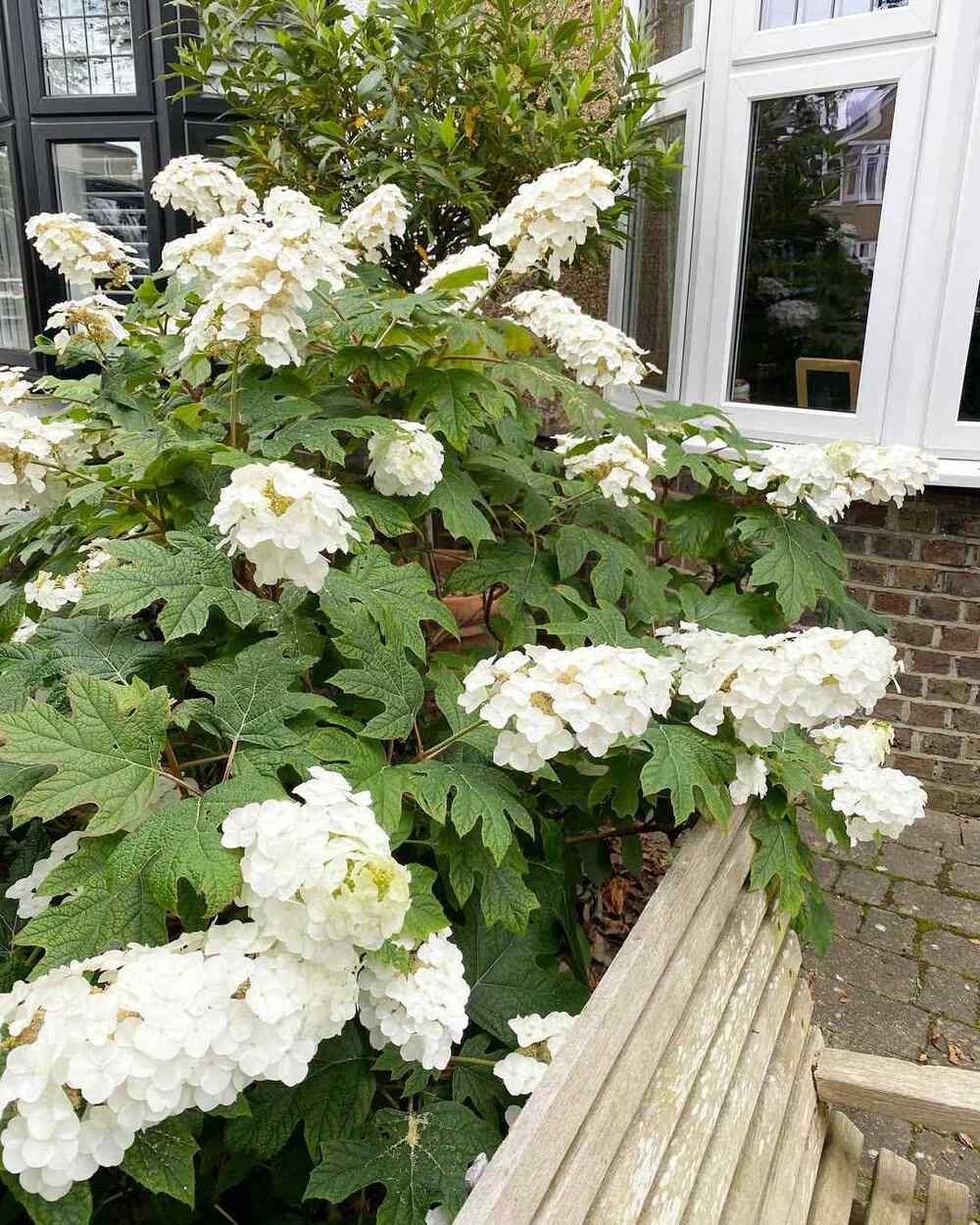
If you want a shrub that gives you flowers and fall color without acting high-maintenance, this is a favorite.
-
USDA Zones: 5–9
-
Sun Exposure: Partial shade to shade; tolerates deeper shade (more blooms with some morning sun)
-
Soil Needs: Rich, well-drained soil; slightly acidic to neutral; loves compost
-
Watering: Moderate; keep evenly moist the first year
-
Why it shines: Big white cone blooms that blush pink, plus red-purple fall leaves that make shade feel alive.
Tip: Mulch with shredded leaves or bark to keep roots cool and moisture steady. Hydrangeas in shade still need water—just not swampy soil.
2) Rhododendron (Rhododendron spp.)
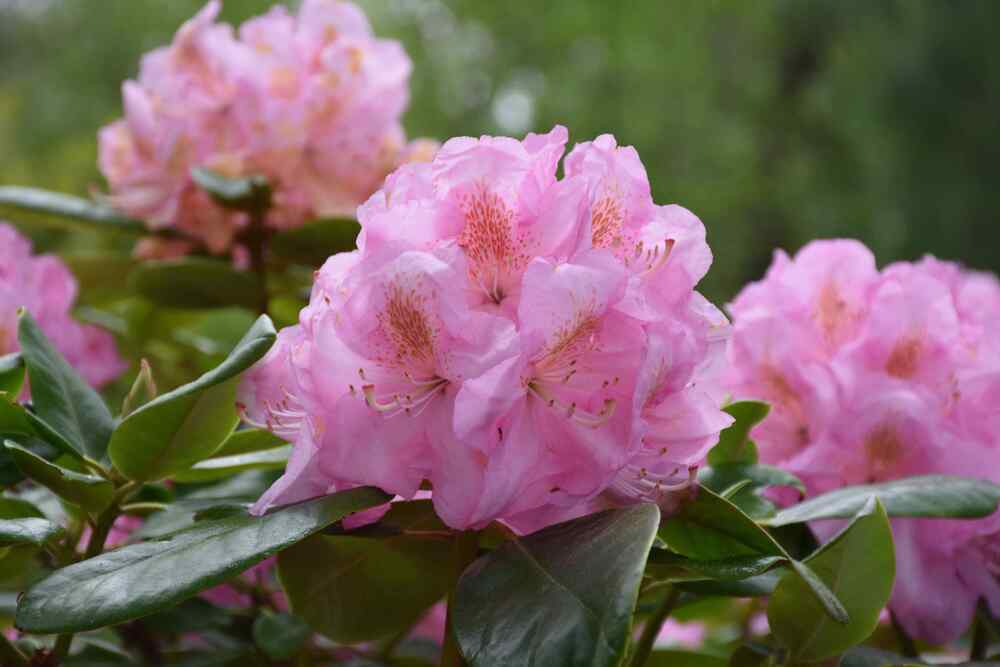
Classic for a reason: glossy evergreen leaves and huge spring flower trusses that feel like instant “garden.”
-
USDA Zones: Usually 4–8 (varies by variety)
-
Sun Exposure: Dappled shade or morning sun/afternoon shade
-
Soil Needs: Acidic (pH ~4.5–6), well-drained, high organic matter
-
Watering: Consistent moisture; hates drying out completely
-
Why it shines: Spring blooms in pink, purple, white, red—plus evergreen structure all year.
Tip: If your soil is clay, plant slightly “high” (root flare above grade) and amend with pine bark fines/compost to improve drainage.
3) Azalea (Rhododendron spp.)
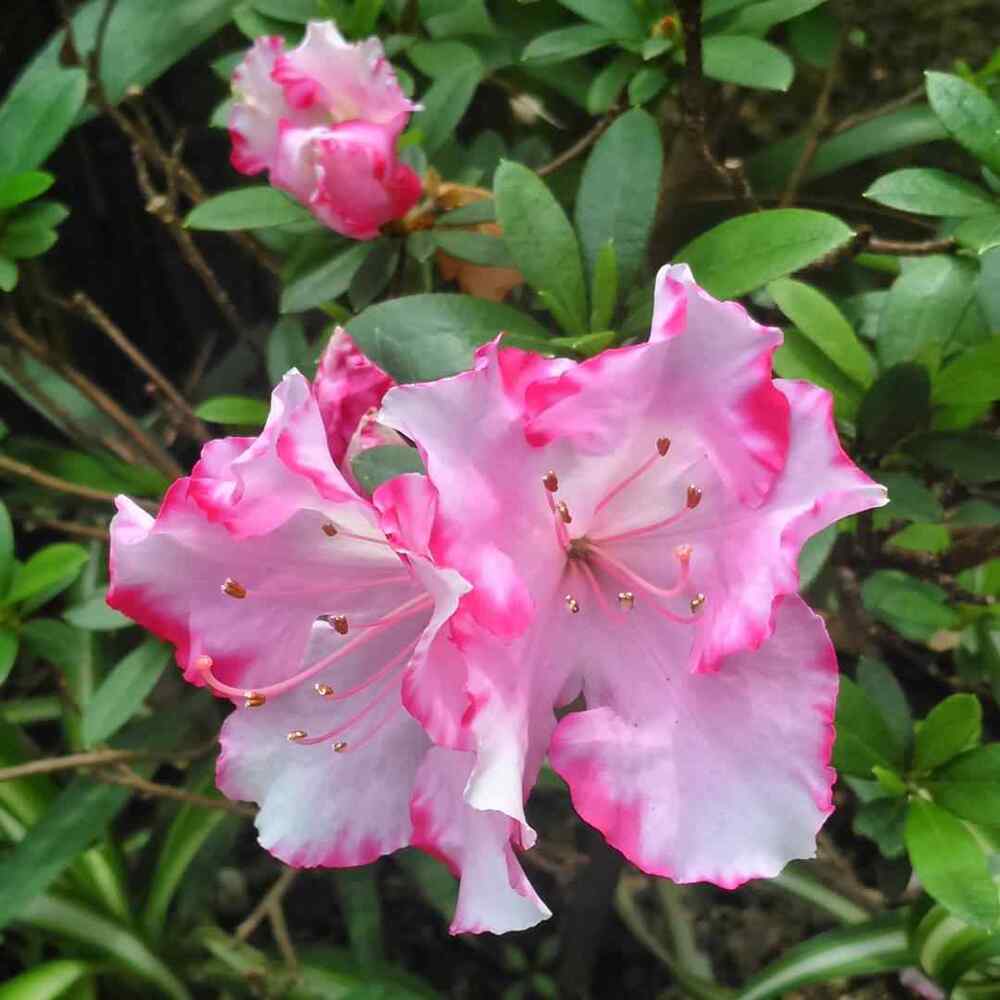
Azaleas are basically rhododendrons’ more compact, flower-packed cousins. Some are evergreen, some are deciduous, and both can be stunning.
-
USDA Zones: Typically 5–9 (varies widely)
-
Sun Exposure: Part shade; morning sun is ideal
-
Soil Needs: Acidic, well-drained, organic-rich
-
Watering: Even moisture, especially during bud set and bloom
-
Why it shines: Dense spring flowers that can completely cover the plant.
Tip: Don’t “tight-ball” plant them. Loosen the root mass before planting so roots grow outward, not in circles.
4) Japanese Pieris (Pieris japonica)
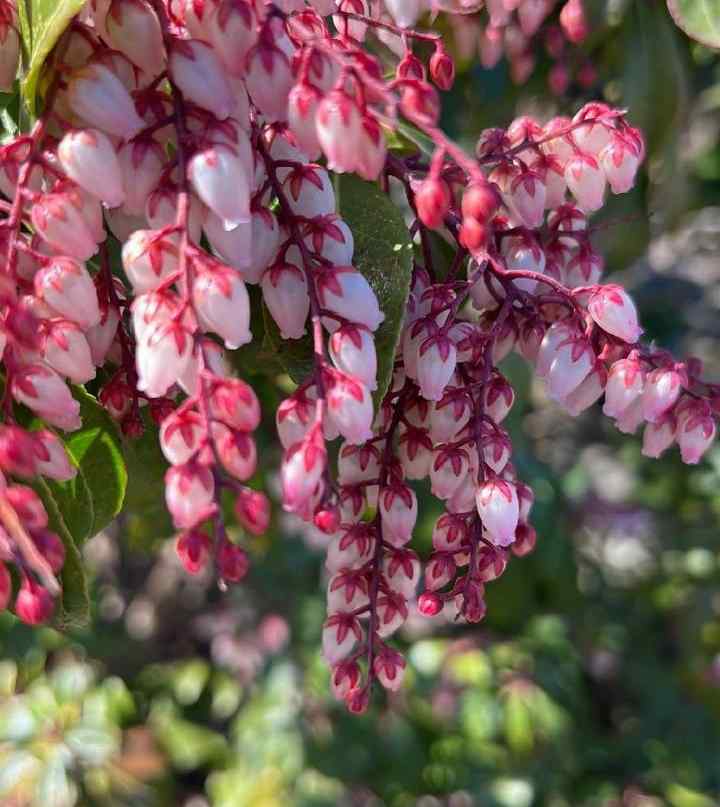
This one quietly steals the show. The blooms look like tiny lily-of-the-valley bells, and the new growth often comes in red or bronze.
-
USDA Zones: 5–8
-
Sun Exposure: Part shade; tolerates shade; avoid harsh afternoon sun
-
Soil Needs: Acidic, moist but well-drained, rich in organic matter
-
Watering: Regular moisture; doesn’t like drought
-
Why it shines: Early spring flowers + evergreen leaves + colorful new growth.
Tip: If you already grow rhododendrons well, pieris will probably love your yard too—similar soil needs, similar vibe.
5) Virginia Sweetspire (Itea virginica)
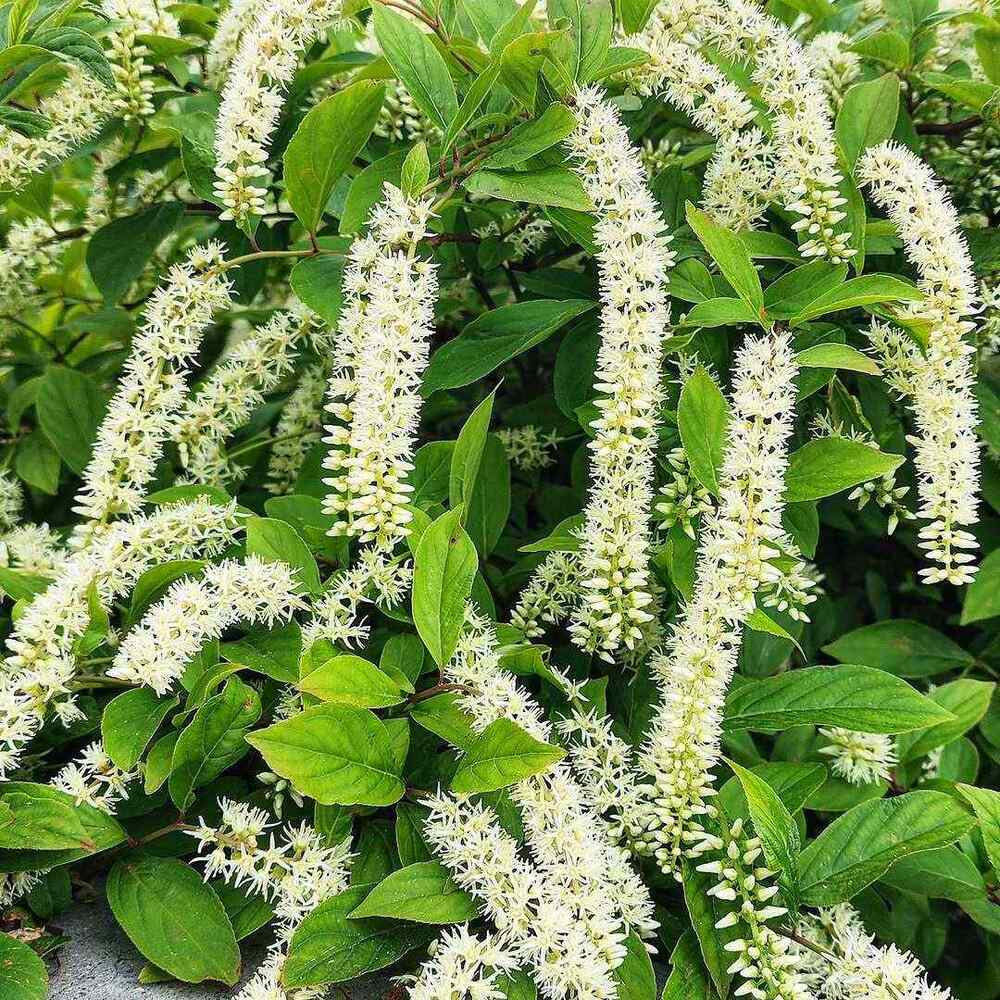
A shrub that feels natural in woodland gardens and still looks polished near patios or paths. Bonus: many varieties stay nicely sized.
-
USDA Zones: 5–9
-
Sun Exposure: Part shade to full sun (color improves with some sun, but it flowers well in shade)
-
Soil Needs: Adaptable; prefers moist, slightly acidic soil
-
Watering: Likes consistent moisture; handles wet spots better than most
-
Why it shines: Fragrant white flower spikes in summer and fiery red fall foliage.
Tip: This is a great pick if your shade is from trees and the soil stays a bit damp.
6) Camellia (Camellia japonica)
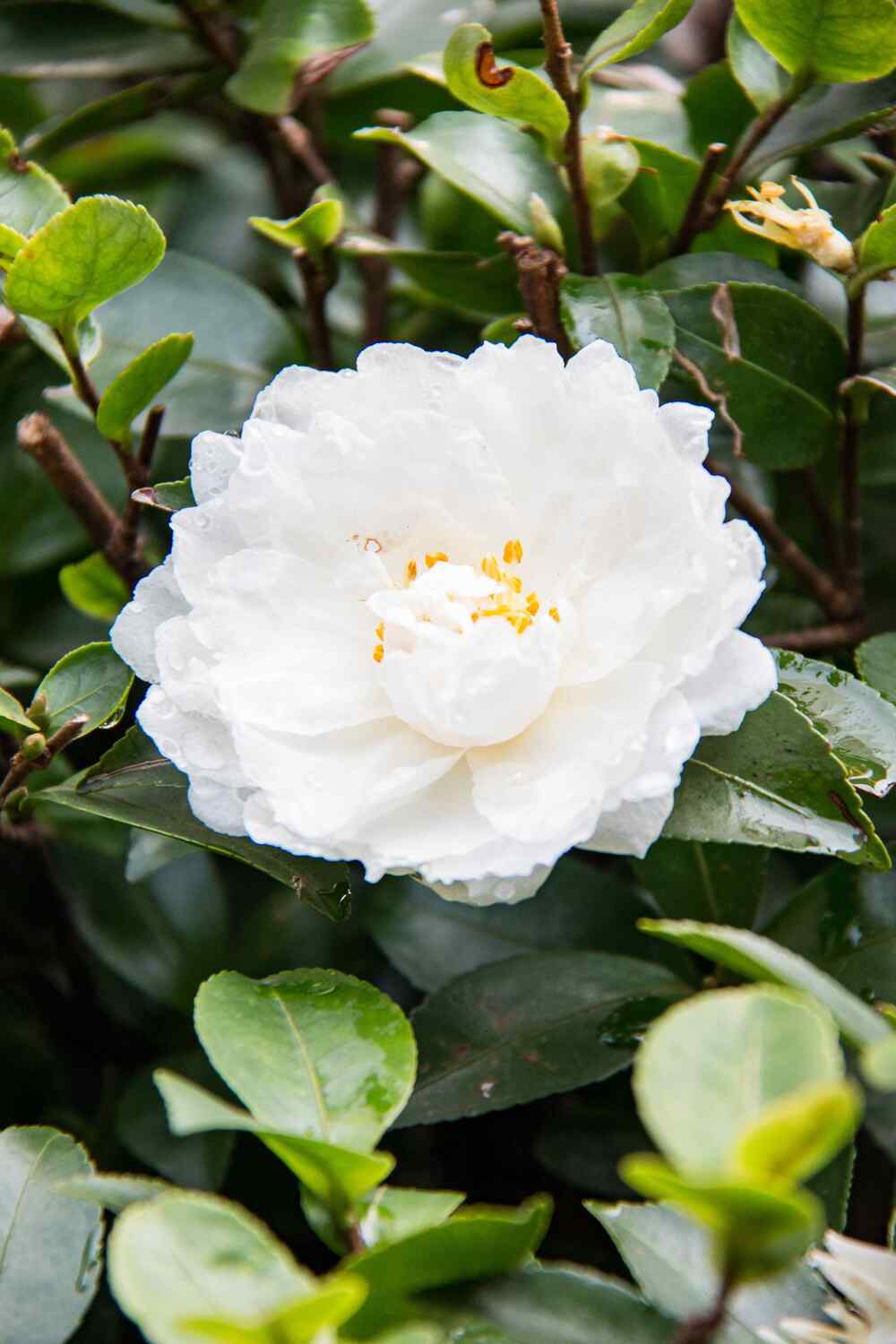
Camellias feel like a luxury shrub—perfect flowers, glossy leaves, and blooms when the rest of the yard is half asleep.
-
USDA Zones: 7–9 (some varieties tolerate 6 with protection)
-
Sun Exposure: Bright shade or morning sun; protect from harsh afternoon sun
-
Soil Needs: Acidic, well-drained, consistently moist, high organic matter
-
Watering: Regular; don’t let it dry out while forming buds
-
Why it shines: Large rose-like blooms in winter to early spring.
Tip: Cold snaps can brown buds. Plant in a sheltered spot (near a wall or evergreen windbreak) if you’re at the edge of its zone range.
7) Japanese Kerria (Kerria japonica)
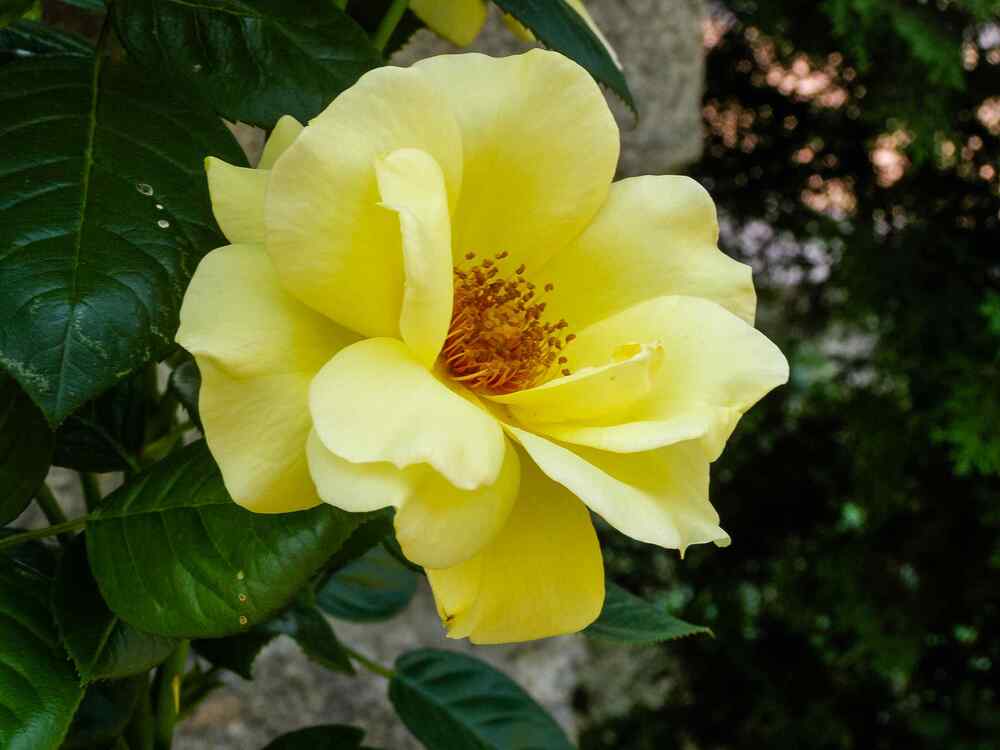
When a shady area feels dull, kerria is like turning on a lamp. Those yellow blooms are cheerful, even in deep shade.
-
USDA Zones: 4–9
-
Sun Exposure: Part shade to shade; handles deeper shade well
-
Soil Needs: Average, well-drained; tolerates less-than-perfect soil
-
Watering: Moderate; fairly forgiving once established
-
Why it shines: Bright yellow spring flowers, sometimes a second flush later.
Tip: Every couple years, remove a few older canes at the base. It keeps the shrub fresh and prevents a tangled look.
8) Mountain Laurel (Kalmia latifolia)
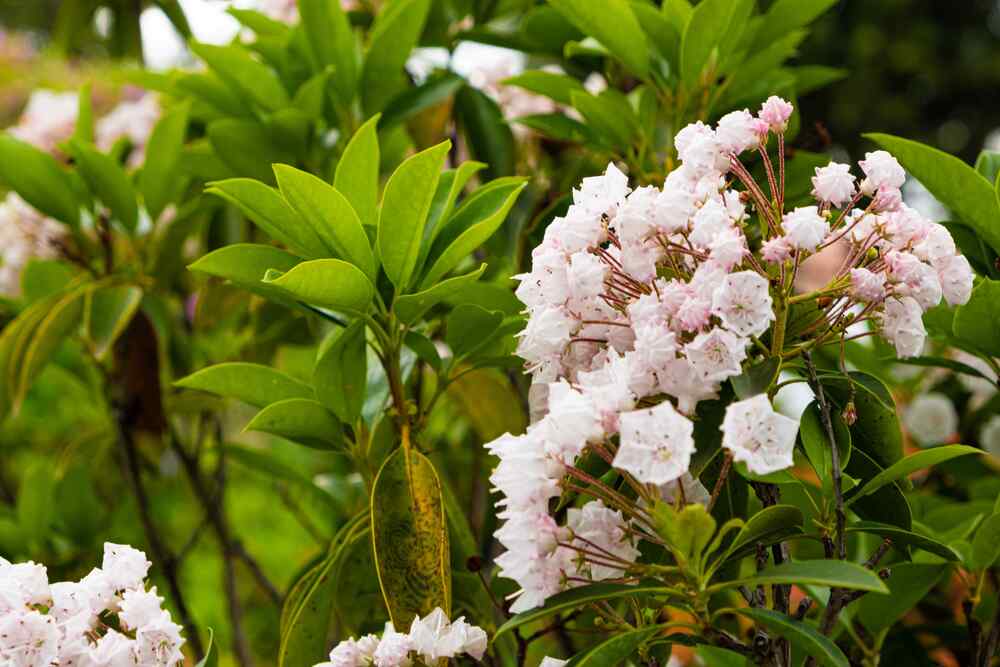
This one is for people who love details. The flower clusters look like little origami cups—seriously, they’re intricate.
-
USDA Zones: 4–9
-
Sun Exposure: Dappled shade or partial shade (too much sun can scorch)
-
Soil Needs: Acidic, well-drained, rich in organic matter
-
Watering: Even moisture; doesn’t like drought or soggy feet
-
Why it shines: Late spring blooms + evergreen foliage = strong woodland character.
Tip: Avoid heavy fertilizer. Too much can push leafy growth at the expense of flowers (and mountain laurel already has a mind of its own).
9) Sweet Box (Sarcococca hookeriana)
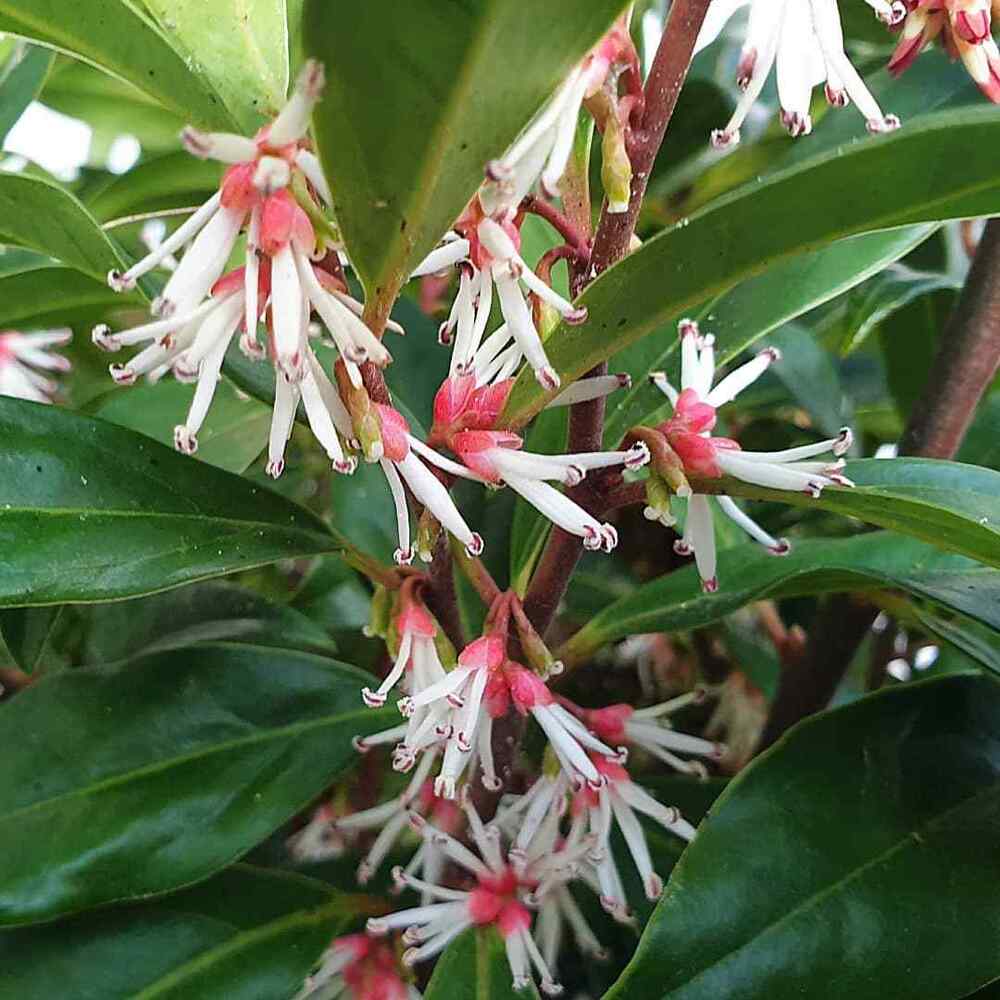
Small flowers, huge fragrance. Sweet box is the kind of shrub you plant near a walkway so you get rewarded every winter.
-
USDA Zones: 6–9
-
Sun Exposure: Shade to part shade
-
Soil Needs: Moist, well-drained; tolerates a range, prefers organic-rich soil
-
Watering: Moderate; keep evenly moist while establishing
-
Why it shines: Highly fragrant winter flowers + glossy evergreen leaves.
Tip: It’s subtle visually, so pair it with bolder foliage plants (hostas, ferns) and let the scent be the surprise.
10) Bottlebrush Buckeye (Aesculus parviflora)
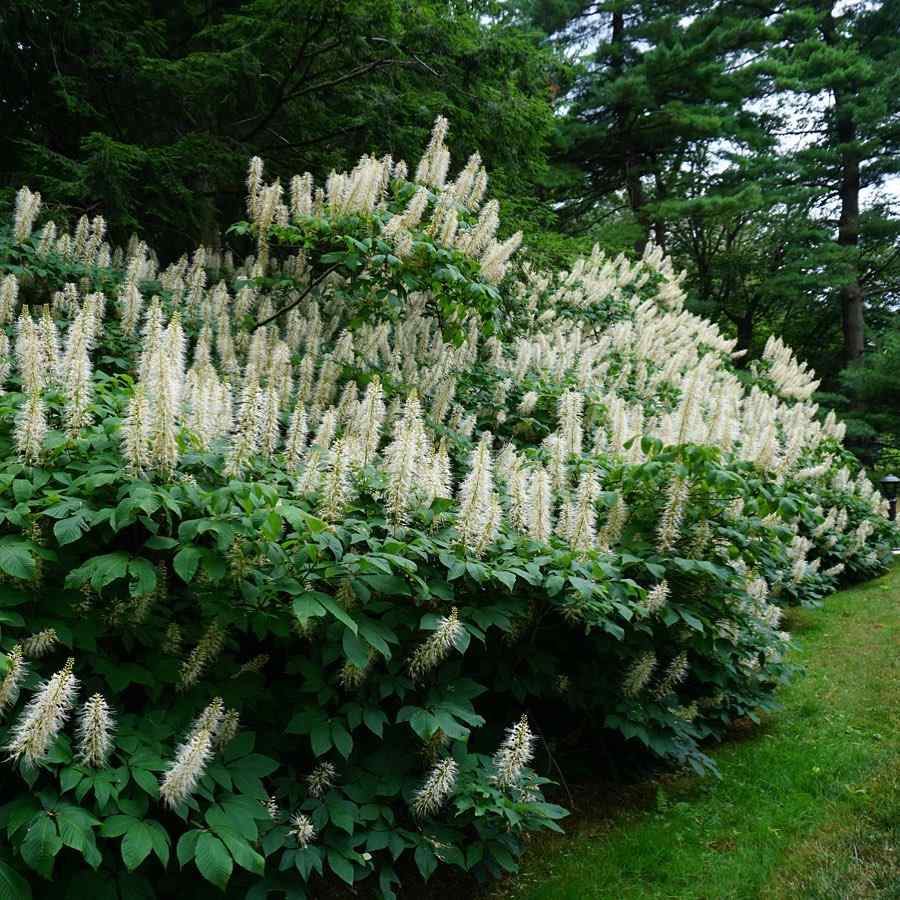
If you have space and want a dramatic summer bloomer for shade, this one brings the “wow.” It’s larger than most shrubs and can form a colony over time.
-
USDA Zones: 4–8
-
Sun Exposure: Part shade to shade; tolerates deeper shade
-
Soil Needs: Average to rich, consistently moist, well-drained
-
Watering: Likes moisture; drought stress shows up as tired foliage
-
Why it shines: Mid-summer white “bottlebrush” flower spikes that feel exotic in a woodland setting.
Tip: Give it room—this is not a tiny foundation shrub. It’s more like the anchor of a shaded border.
Tips That Actually Help Shade Shrubs Thrive
Know your shade type
-
Filtered/dappled shade: Under tall trees—best for most shrubs here.
-
Morning sun + afternoon shade: Often perfect (sun is gentle, shade prevents scorching).
-
Deep shade: Fewer blooms for many plants, but kerria, sweet box, oakleaf hydrangea, and bottlebrush buckeye can still perform.
Get the soil right (especially for acid-lovers)
Rhododendrons, azaleas, pieris, camellias, and mountain laurel prefer acidic, well-drained soil. If your soil is alkaline, they may survive but look yellow and cranky.
-
Add pine bark fines, leaf mold, compost, and use an acid-forming mulch (pine needles, shredded bark).
-
If you want to be extra sensible: test soil pH once. It saves you from guessing.
Water like a steady person, not a chaotic one
Shade doesn’t mean “no watering.” Tree roots steal moisture fast.
-
Water deeply, less often.
-
Mulch 2–3 inches to slow evaporation (keep mulch off the trunk).
Pruning: light hands win
-
Spring bloomers (rhododendron, azalea, mountain laurel, kerria): prune right after flowering.
-
Oakleaf hydrangea: blooms on old wood, so heavy pruning can remove buds.
Shady areas can be the most relaxing parts of a yard—cool air, soft light, and plants that don’t look stressed by summer heat. Pick two or three shrubs that bloom at different times, tuck them into a bed with good mulch and consistent watering, and that “nothing grows here” corner starts feeling like a destination.